No results


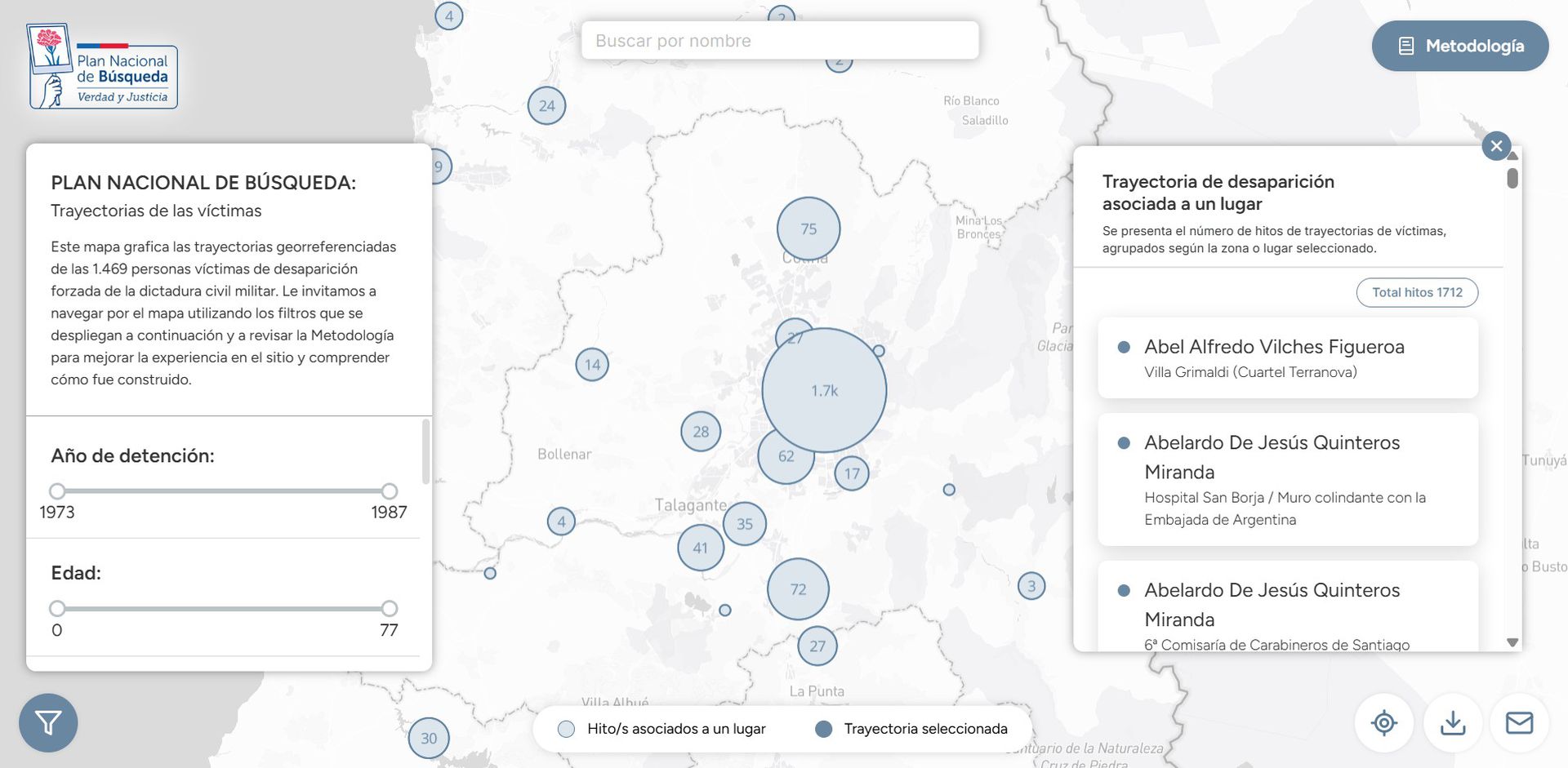
How can science and technology help societies confront histories of dictatorship and state violence? What roles do they play in processes of truth, justice, and repair?
Join us for a lecture by Eden Medina, Professor of Science, Technology, and Society at MIT, whose work uses technology as a lens for understanding historical processes. Her research investigates the history of science and technology in Latin America, with particular attention to how political projects shape—and are shaped by—technology. Drawing on a case study from Chile, Medina will explore how nations mobilize scientific and technological practices to address legacies of political violence, and how these efforts intersect with broader societal attempts to reckon with the past.
This keynote lecture is part of a two-day seminar, Biographies of the Digital, which convenes an interdisciplinary group of scholars to examine, rekindle, and expand biography as a method in studies of design and technology: what might biography mean as archives themselves become reconfigured as and through data, and as the line between the human and artificial systems becomes increasingly blurred and contested? The seminar is organized by Theodora Vardouli (McGill University) and Matthew Allen (Washington University in St. Louis) on 7 and 8 May.
This lecture is free and open to the public, but as places are limited in our theatre, we recommend you to register.
Eden Medina is professor and head of the MIT Program in Science, Technology and Society. Her research uses the history of science, technology, and design to understand processes of political change, especially in Latin America. She is the author of Cybernetic Revolutionaries: Technology and Politics in Allende’s Chile and co-curator of the exhibition How to Design a Revolution: The Chilean Road to Design that will open in November 2026 at the Museum Angewandte Kunst in Frankfurt Germany. Her current book manuscript, The Remains of Dictatorship: Forensic Identification and Error in Chile’s Democratic Transition looks at how science and technology become embedded in efforts to establish truth in post-dictatorial contexts.
You can search for everything here—our exhibitions, events, collection, articles, and bookstore. If you have any questions, please email us at publications@cca.qc.ca.

Sign up to get news from us
Thank you for signing up. You'll begin to receive emails from us shortly.
We’re not able to update your preferences at the moment. Please try again later.
You’ve already subscribed with this email address. If you’d like to subscribe with another, please try again.
This email was permanently deleted from our database. If you’d like to resubscribe with this email, please contact us
Please complete the form below to buy:
[Title of the book, authors]
ISBN: [ISBN of the book]
Price [Price of book]
Thank you for placing an order. We will contact you shortly.
We’re not able to process your request at the moment. Please try again later.
Your folder is empty.


