


25 Results
Form:
books
books
Actions:
Price:
$24.50
(available to order)
Summary:
The successful conversion and expansion of abandoned buildings and relics from the industrial past have been the mission of Atelier Deshaus from Shanghai since 2001. The question of how formerly closed industrial complexes can be transformed into new, attractive places for the public is the core theme of this exhibition. It focuses on the transformation along the Huangpu(...)
$24.50
(available to order)
Summary:
The successful conversion and expansion of abandoned buildings and relics from the industrial past have been the mission of Atelier Deshaus from Shanghai since 2001. The question of how formerly closed industrial complexes can be transformed into new, attractive places for the public is the core theme of this exhibition. It focuses on the transformation along the Huangpu(...)
Title:
Atelier Deshaus, Shanghai: Common Landscape, Re-Cultivating Industrial Sites
Actions:
Price:
$24.50
(available to order)
Summary:
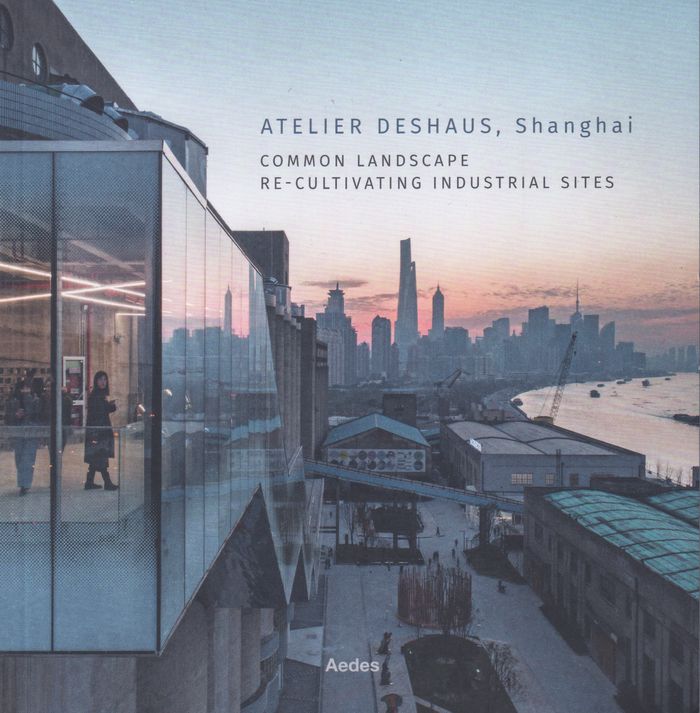
The successful conversion and expansion of abandoned buildings and relics from the industrial past have been the mission of Atelier Deshaus from Shanghai since 2001. The question of how formerly closed industrial complexes can be transformed into new, attractive places for the public is the core theme of this exhibition. It focuses on the transformation along the Huangpu River in Shanghai, whose seamless accessibility as a public space was heralded by Expo 2010 Better City - Better Life. Aedes is showing seven projects that have used the potential of former industrial sites to bring new functions to the riverbank and to which the residents attach both emotional and cultural significance. Abandoned production sites and relics of inner-city heavy industry, warehouses, and port facilities can be a huge burden on the sustainable development of a city, especially if they are seen as waste to be disposed of. With its projects, Atelier Deshaus shows how the grey energy used in them can be preserved, at least in parts, through conversion and reconstruction, and how new functions can be assigned. In the face of climate change and the generally far too energy-hungry construction industry, it is also an obvious necessity in China to take an unbiased look at existing buildings. Nevertheless, demolition is still often the priority. Atelier Deshaus counters this with a strategy of minimal intervention that sensitively heralds the transformation of the existing buildings without destroying the historical reminders.
Atelier Deshaus, Shanghai: Common Landscape, Re-Cultivating Industrial Sites
Actions:
Price:
$24.50
(available to order)
Summary:
The successful conversion and expansion of abandoned buildings and relics from the industrial past have been the mission of Atelier Deshaus from Shanghai since 2001. The question of how formerly closed industrial complexes can be transformed into new, attractive places for the public is the core theme of this exhibition. It focuses on the transformation along the Huangpu River in Shanghai, whose seamless accessibility as a public space was heralded by Expo 2010 Better City - Better Life. Aedes is showing seven projects that have used the potential of former industrial sites to bring new functions to the riverbank and to which the residents attach both emotional and cultural significance. Abandoned production sites and relics of inner-city heavy industry, warehouses, and port facilities can be a huge burden on the sustainable development of a city, especially if they are seen as waste to be disposed of. With its projects, Atelier Deshaus shows how the grey energy used in them can be preserved, at least in parts, through conversion and reconstruction, and how new functions can be assigned. In the face of climate change and the generally far too energy-hungry construction industry, it is also an obvious necessity in China to take an unbiased look at existing buildings. Nevertheless, demolition is still often the priority. Atelier Deshaus counters this with a strategy of minimal intervention that sensitively heralds the transformation of the existing buildings without destroying the historical reminders.
Form:
books
books
Publication:
April 2023
April 2023
Subject:
Architecture Monographs
Architecture Monographs
Form:
books
books
Price:
$18.50
(available in store)
Summary:
The architectural office blauraum in Hamburg is known in Germany among other things for projects in Hamburg which have received numerous awards, including international ones: the apartment building “Wohnen [+]” on Bogenallee, the “Freitag Flagshipstore,” and “treehouses” on Bebelallee.
$18.50
(available in store)
Summary:
The architectural office blauraum in Hamburg is known in Germany among other things for projects in Hamburg which have received numerous awards, including international ones: the apartment building “Wohnen [+]” on Bogenallee, the “Freitag Flagshipstore,” and “treehouses” on Bebelallee.
Title:
Blauraum
Actions:
Price:
$18.50
(available in store)
Summary:
The architectural office blauraum in Hamburg is known in Germany among other things for projects in Hamburg which have received numerous awards, including international ones: the apartment building “Wohnen [+]” on Bogenallee, the “Freitag Flagshipstore,” and “treehouses” on Bebelallee.
Blauraum
Actions:
Price:
$18.50
(available in store)
Summary:
The architectural office blauraum in Hamburg is known in Germany among other things for projects in Hamburg which have received numerous awards, including international ones: the apartment building “Wohnen [+]” on Bogenallee, the “Freitag Flagshipstore,” and “treehouses” on Bebelallee.
Form:
books
books
Publication:
November 2011
November 2011
Subject:
Architecture Monographs
Architecture Monographs
Form:
books
books
Price:
$18.50
(available in store)
Summary:
This catalogue of the exhibition shows the work of Iñaki Echeverria, architect and landscape urbanist based in Mexico City. The mutually influential relation between experience, geography and architecture is constantly addressed in his work and is explored in the exhibition which focusses on the project for Texcoco Lake Ecological Park in Mexico.
$18.50
(available in store)
Summary:
This catalogue of the exhibition shows the work of Iñaki Echeverria, architect and landscape urbanist based in Mexico City. The mutually influential relation between experience, geography and architecture is constantly addressed in his work and is explored in the exhibition which focusses on the project for Texcoco Lake Ecological Park in Mexico.
Title:
Inaki Echeverria: Cultural ecologies, Texcoco Lake ecological park, Mexico
Actions:
Price:
$18.50
(available in store)
Summary:
This catalogue of the exhibition shows the work of Iñaki Echeverria, architect and landscape urbanist based in Mexico City. The mutually influential relation between experience, geography and architecture is constantly addressed in his work and is explored in the exhibition which focusses on the project for Texcoco Lake Ecological Park in Mexico.
Inaki Echeverria: Cultural ecologies, Texcoco Lake ecological park, Mexico
Actions:
Price:
$18.50
(available in store)
Summary:
This catalogue of the exhibition shows the work of Iñaki Echeverria, architect and landscape urbanist based in Mexico City. The mutually influential relation between experience, geography and architecture is constantly addressed in his work and is explored in the exhibition which focusses on the project for Texcoco Lake Ecological Park in Mexico.
Form:
books
books
Publication:
November 2011
November 2011
Subject:
Architecture Monographs
Architecture Monographs
Form:
books
books
Actions:
Price:
$22.00
(available to order)
Summary:
Under the title "local & transcultural", playze pose questions about economics, politics, mobility, digitalization, globalization and environmental protection, culture and social issues and answer them with stories from their building processes and experiences. These offer a very individual as well as extraordinary insight into the projects and take the visitor on a(...)
$22.00
(available to order)
Summary:
Under the title "local & transcultural", playze pose questions about economics, politics, mobility, digitalization, globalization and environmental protection, culture and social issues and answer them with stories from their building processes and experiences. These offer a very individual as well as extraordinary insight into the projects and take the visitor on a(...)
Title:
playze architects : local & transcultural
Actions:
Price:
$22.00
(available to order)
Summary:
Under the title "local & transcultural", playze pose questions about economics, politics, mobility, digitalization, globalization and environmental protection, culture and social issues and answer them with stories from their building processes and experiences. These offer a very individual as well as extraordinary insight into the projects and take the visitor on a journey with the hurdles around the planning, implementation up to the realization of the buildings. The stories show that playze develops creative solutions to unforeseen problems and adapts to local conditions. This publication accompanies their exhibition presented at the Aedes Architecture Forum in Berlin.
playze architects : local & transcultural
Actions:
Price:
$22.00
(available to order)
Summary:
Under the title "local & transcultural", playze pose questions about economics, politics, mobility, digitalization, globalization and environmental protection, culture and social issues and answer them with stories from their building processes and experiences. These offer a very individual as well as extraordinary insight into the projects and take the visitor on a journey with the hurdles around the planning, implementation up to the realization of the buildings. The stories show that playze develops creative solutions to unforeseen problems and adapts to local conditions. This publication accompanies their exhibition presented at the Aedes Architecture Forum in Berlin.
Form:
books
books
Publication:
September 2022
September 2022
Subject:
Architecture Monographs
Architecture Monographs
Form:
books
books
Actions:
Price:
$22.00
(available to order)
Summary:
With Neri and Hu Design and Research Office, the Chinese avantgarde in architecture, research and teaching, product and interior design has arrived in Europe. This publication accompanies the exhibition "Reflective Nostalgia" presented at the Aedes Architecture Forum (Berlin), which aimed to highlight the way in which Lyndon Neri and Rossana Hu examine the historical and(...)
$22.00
(available to order)
Summary:
With Neri and Hu Design and Research Office, the Chinese avantgarde in architecture, research and teaching, product and interior design has arrived in Europe. This publication accompanies the exhibition "Reflective Nostalgia" presented at the Aedes Architecture Forum (Berlin), which aimed to highlight the way in which Lyndon Neri and Rossana Hu examine the historical and(...)
Title:
Neri and Hu Design and Research Office: Reflective Nostalgia
Actions:
Price:
$22.00
(available to order)
Summary:
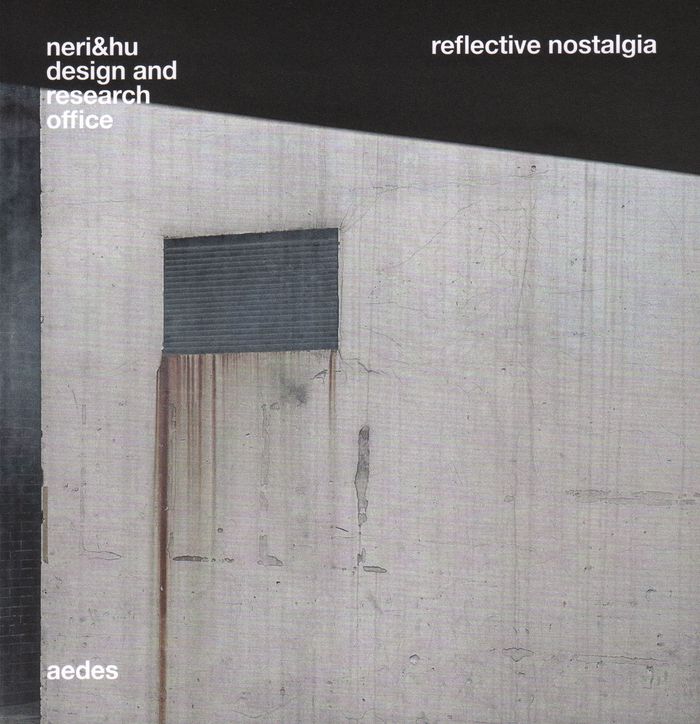
With Neri and Hu Design and Research Office, the Chinese avantgarde in architecture, research and teaching, product and interior design has arrived in Europe. This publication accompanies the exhibition "Reflective Nostalgia" presented at the Aedes Architecture Forum (Berlin), which aimed to highlight the way in which Lyndon Neri and Rossana Hu examine the historical and the contemporary as well as the listed and the everyday and to transform them into new uses in a respectful and future-oriented manner. Their transdisciplinary design approach is in the DNA of the studio. The success of the broad spectrum of their work is reflected in numerous international awards. The exhibition installation featured architectural models, photographs and videos, as well as a selection of furniture, showcasing Neri and Hu's alternative reading of historical contexts, including all the contradictions and details, as well as the unexpected spatial compositions with which they respond.
Neri and Hu Design and Research Office: Reflective Nostalgia
Actions:
Price:
$22.00
(available to order)
Summary:
With Neri and Hu Design and Research Office, the Chinese avantgarde in architecture, research and teaching, product and interior design has arrived in Europe. This publication accompanies the exhibition "Reflective Nostalgia" presented at the Aedes Architecture Forum (Berlin), which aimed to highlight the way in which Lyndon Neri and Rossana Hu examine the historical and the contemporary as well as the listed and the everyday and to transform them into new uses in a respectful and future-oriented manner. Their transdisciplinary design approach is in the DNA of the studio. The success of the broad spectrum of their work is reflected in numerous international awards. The exhibition installation featured architectural models, photographs and videos, as well as a selection of furniture, showcasing Neri and Hu's alternative reading of historical contexts, including all the contradictions and details, as well as the unexpected spatial compositions with which they respond.
Form:
books
books
Publication:
October 2022
October 2022
Subject:
Architecture Monographs
Architecture Monographs
Form:
books
books
Actions:
Price:
$19.95
(available in store)
Summary:
With its first comprehensive exhibition, Aedes presents the young architectural firm NKBAK by Nicole Kerstin Berganski and Andreas Krawczyk, established in 2007 in Frankfurt am Main. Their work is characterized by the willingness to think “outside the box” and consider all existing possibilities in order to find the best, sometimes unexpected, solution. The exhibition(...)
$19.95
(available in store)
Summary:
With its first comprehensive exhibition, Aedes presents the young architectural firm NKBAK by Nicole Kerstin Berganski and Andreas Krawczyk, established in 2007 in Frankfurt am Main. Their work is characterized by the willingness to think “outside the box” and consider all existing possibilities in order to find the best, sometimes unexpected, solution. The exhibition(...)
Title:
NKBAK Architects: pushing the limits
Actions:
Price:
$19.95
(available in store)
Summary:
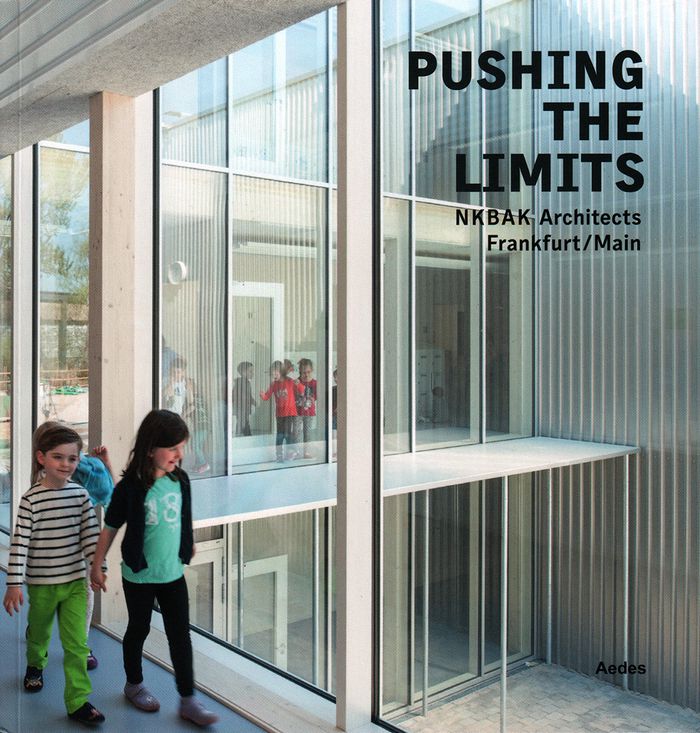
With its first comprehensive exhibition, Aedes presents the young architectural firm NKBAK by Nicole Kerstin Berganski and Andreas Krawczyk, established in 2007 in Frankfurt am Main. Their work is characterized by the willingness to think “outside the box” and consider all existing possibilities in order to find the best, sometimes unexpected, solution. The exhibition presents a selection of projects, including the House on the Lake, the House in Odenwald and the European School, all located in and around Frankfurt am Main. Three further school projects are currently under construction in Berlin. Their modular timber structure for the European School was selected among the 24 best buildings in Germany in 2017 by the German Architecture Museum in Frankfurt/DAM, and was awarded the Timber Construction Award by the state of Hessen in 2015.
NKBAK Architects: pushing the limits
Actions:
Price:
$19.95
(available in store)
Summary:
With its first comprehensive exhibition, Aedes presents the young architectural firm NKBAK by Nicole Kerstin Berganski and Andreas Krawczyk, established in 2007 in Frankfurt am Main. Their work is characterized by the willingness to think “outside the box” and consider all existing possibilities in order to find the best, sometimes unexpected, solution. The exhibition presents a selection of projects, including the House on the Lake, the House in Odenwald and the European School, all located in and around Frankfurt am Main. Three further school projects are currently under construction in Berlin. Their modular timber structure for the European School was selected among the 24 best buildings in Germany in 2017 by the German Architecture Museum in Frankfurt/DAM, and was awarded the Timber Construction Award by the state of Hessen in 2015.
Form:
books
books
Publication:
March 2018
March 2018
Subject:
Architecture Monographs
Architecture Monographs
Form:
books
books
Actions:
Price:
$19.99
(available to order)
Summary:
The projects of the brothers Bernhard and Stefan Marte are characterized above all by the clear structure, conceptual rigor and sculptural physicality. In many buildings, striking their passport documents in stock, and historical evidence can be seen with great self-Continue writing the existing structures, both local traditions and modern design. Light is key for their(...)
$19.99
(available to order)
Summary:
The projects of the brothers Bernhard and Stefan Marte are characterized above all by the clear structure, conceptual rigor and sculptural physicality. In many buildings, striking their passport documents in stock, and historical evidence can be seen with great self-Continue writing the existing structures, both local traditions and modern design. Light is key for their(...)
Title:
Marte. Marte architects: concrete works
Actions:
Price:
$19.99
(available to order)
Summary:
The projects of the brothers Bernhard and Stefan Marte are characterized above all by the clear structure, conceptual rigor and sculptural physicality. In many buildings, striking their passport documents in stock, and historical evidence can be seen with great self-Continue writing the existing structures, both local traditions and modern design. Light is key for their minimalist, contextual, heavyweight buildings. This publication was honored with four book prices: the Austrian State Prize for book design, the silver medal of the world's most beautiful books in Leipzig, the European Book Prize in Athens and the award for best book on architecture of the German Architecture Museum.
Marte. Marte architects: concrete works
Actions:
Price:
$19.99
(available to order)
Summary:
The projects of the brothers Bernhard and Stefan Marte are characterized above all by the clear structure, conceptual rigor and sculptural physicality. In many buildings, striking their passport documents in stock, and historical evidence can be seen with great self-Continue writing the existing structures, both local traditions and modern design. Light is key for their minimalist, contextual, heavyweight buildings. This publication was honored with four book prices: the Austrian State Prize for book design, the silver medal of the world's most beautiful books in Leipzig, the European Book Prize in Athens and the award for best book on architecture of the German Architecture Museum.
Form:
books
books
Publication:
January 2010
January 2010
Subject:
small format
small format
Form:
books
books
Actions:
Price:
$21.95
(available to order)
Summary:
New publication from AEDES.
$21.95
(available to order)
Summary:
New publication from AEDES.
Title:
Smart city: the next generation, focus Southeast Asia
Actions:
Price:
$21.95
(available to order)
Summary:
New publication from AEDES.
Smart city: the next generation, focus Southeast Asia
Actions:
Price:
$21.95
(available to order)
Summary:
New publication from AEDES.
Form:
books
books
Publication:
July 2013
July 2013
Subject:
Experimentale architecture
Experimentale architecture
Form:
books
books
Actions:
Price:
$18.95
(available to order)
Summary:
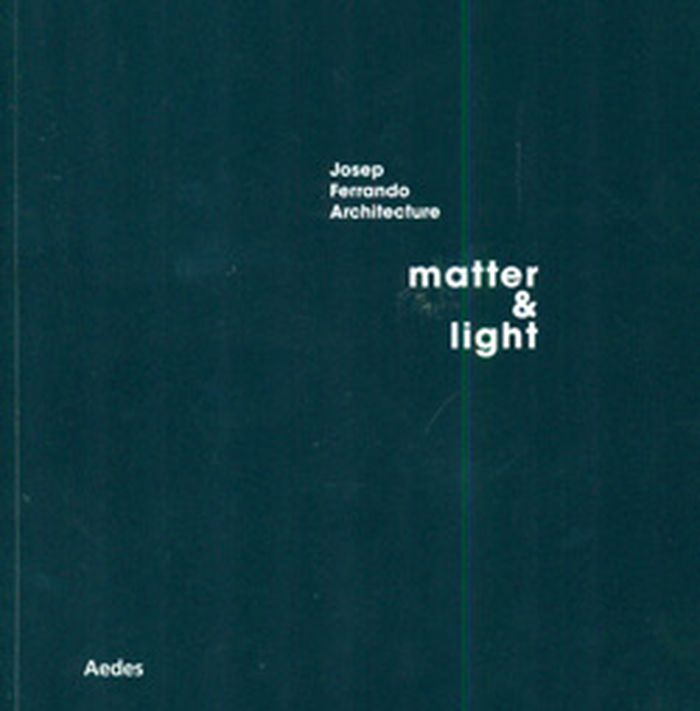
The buildings of Spanish architect Josep Ferrando distinguish themselves through the reduction of the principal materials used. The selected materiality and the sensitive use of lighting open up subtle spatial connections that are made visible and perceptible through the dialogue between “Matter and Light”.
$18.95
(available to order)
Summary:
The buildings of Spanish architect Josep Ferrando distinguish themselves through the reduction of the principal materials used. The selected materiality and the sensitive use of lighting open up subtle spatial connections that are made visible and perceptible through the dialogue between “Matter and Light”.
Title:
Josep Ferrando Architecture : matter & light
Actions:
Price:
$18.95
(available to order)
Summary:
The buildings of Spanish architect Josep Ferrando distinguish themselves through the reduction of the principal materials used. The selected materiality and the sensitive use of lighting open up subtle spatial connections that are made visible and perceptible through the dialogue between “Matter and Light”.
Josep Ferrando Architecture : matter & light
Actions:
Price:
$18.95
(available to order)
Summary:
The buildings of Spanish architect Josep Ferrando distinguish themselves through the reduction of the principal materials used. The selected materiality and the sensitive use of lighting open up subtle spatial connections that are made visible and perceptible through the dialogue between “Matter and Light”.
Form:
books
books
Publication:
August 2014
August 2014
Subject:
Architecture Monographs
Architecture Monographs
Form:
books
books
Actions:
Price:
$18.95
(available in store)
Summary:
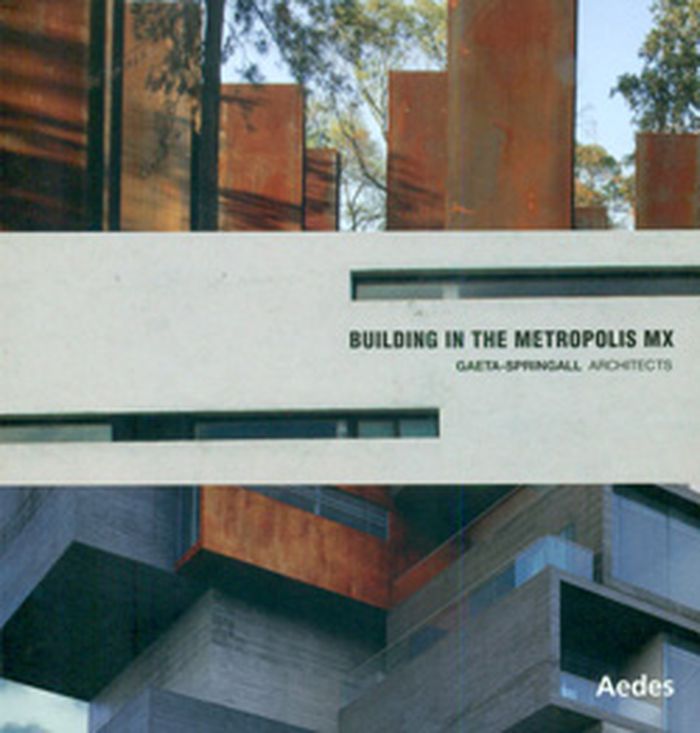
In their working process right through to realisation, architectural elements such as form, material and function serve a larger and more complex system : the City. Julio Gaeta, Luby Springall and their team take great care over designing the envelope in order to generate possible interactions through the porosity of the exterior skin.
$18.95
(available in store)
Summary:
In their working process right through to realisation, architectural elements such as form, material and function serve a larger and more complex system : the City. Julio Gaeta, Luby Springall and their team take great care over designing the envelope in order to generate possible interactions through the porosity of the exterior skin.
Title:
Gaeta-Springall Architects : building in the metropolis MX
Actions:
Price:
$18.95
(available in store)
Summary:
In their working process right through to realisation, architectural elements such as form, material and function serve a larger and more complex system : the City. Julio Gaeta, Luby Springall and their team take great care over designing the envelope in order to generate possible interactions through the porosity of the exterior skin.
Gaeta-Springall Architects : building in the metropolis MX
Actions:
Price:
$18.95
(available in store)
Summary:
In their working process right through to realisation, architectural elements such as form, material and function serve a larger and more complex system : the City. Julio Gaeta, Luby Springall and their team take great care over designing the envelope in order to generate possible interactions through the porosity of the exterior skin.
Form:
books
books
Publication:
August 2014
August 2014
Subject:
Architecture Monographs
Architecture Monographs


