


1 Results
Form:
books
books
Actions:
Price:
$51.90
(available to order)
Summary:
During the 1960s Italy’s museum sector witnessed a fertile period of renewal. A generation of architects, working in partnership with the directors of museums, set about transforming into exhibition spaces a number of ancient monumental complexes located in the historic centres of some of the most important Italian cities. Among these was the brilliant and solitary(...)
$51.90
(available to order)
Summary:
During the 1960s Italy’s museum sector witnessed a fertile period of renewal. A generation of architects, working in partnership with the directors of museums, set about transforming into exhibition spaces a number of ancient monumental complexes located in the historic centres of some of the most important Italian cities. Among these was the brilliant and solitary(...)
Title:
Carlo Scarpa, Museo di Castelvecchio, Verona
Actions:
Price:
$51.90
(available to order)
Summary:
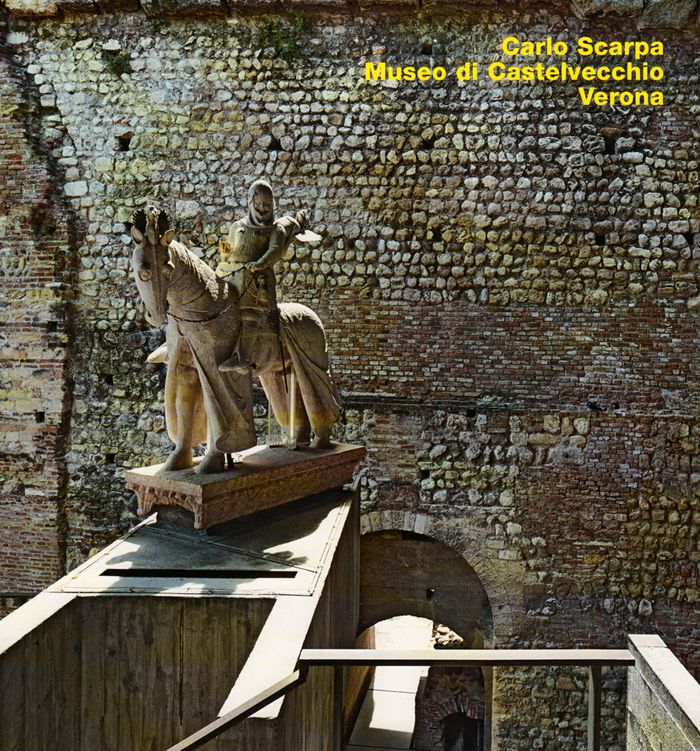
During the 1960s Italy’s museum sector witnessed a fertile period of renewal. A generation of architects, working in partnership with the directors of museums, set about transforming into exhibition spaces a number of ancient monumental complexes located in the historic centres of some of the most important Italian cities. Among these was the brilliant and solitary Venetian architect Carlo Scarpa (1906–1978) who revitalised the discipline of museography by sagaciously combining it with restoration. His lucid intervention at Verona’s Museo di Castelvecchio is emblematic of this approach: the medieval castle, the museum of ancient art, and modern architecture all harmoniously coexisting in a monument located at the heart of a city designated a UNESCO World Heritage Site. The far-sighted choice of Scarpa was owed to the then director of the museum, Licisco Magagnato, who tenaciously argued the case for the appointment of an architect specialising in this field to work on the city’s principal museum of ancient art.
Carlo Scarpa, Museo di Castelvecchio, Verona
Actions:
Price:
$51.90
(available to order)
Summary:
During the 1960s Italy’s museum sector witnessed a fertile period of renewal. A generation of architects, working in partnership with the directors of museums, set about transforming into exhibition spaces a number of ancient monumental complexes located in the historic centres of some of the most important Italian cities. Among these was the brilliant and solitary Venetian architect Carlo Scarpa (1906–1978) who revitalised the discipline of museography by sagaciously combining it with restoration. His lucid intervention at Verona’s Museo di Castelvecchio is emblematic of this approach: the medieval castle, the museum of ancient art, and modern architecture all harmoniously coexisting in a monument located at the heart of a city designated a UNESCO World Heritage Site. The far-sighted choice of Scarpa was owed to the then director of the museum, Licisco Magagnato, who tenaciously argued the case for the appointment of an architect specialising in this field to work on the city’s principal museum of ancient art.
Form:
books
books
Publication:
February 2016
February 2016
Subject:
Architecture Monographs
Architecture Monographs


