


4 Results
Form:
books
books
Actions:
Price:
$69.95
(available to order)
Summary:
Built in Tokyo in 1961, the Umbrella House is the smallest residential home created by Japanese architect and mathematician Kazuo Shinohara. More than 60 years later, a stroke of good fortune made it possible to save the Umbrella House from demolition and move it to a new location, where it now stands on the Vitra Campus in Weil am Rhein, Germany. The wooden house’s(...)
$69.95
(available to order)
Summary:
Built in Tokyo in 1961, the Umbrella House is the smallest residential home created by Japanese architect and mathematician Kazuo Shinohara. More than 60 years later, a stroke of good fortune made it possible to save the Umbrella House from demolition and move it to a new location, where it now stands on the Vitra Campus in Weil am Rhein, Germany. The wooden house’s(...)
Subject:
Architecture Monographs
Architecture Monographs
Publication:
February 2023
February 2023
Title:
Kazuo Shinohara: The Umbrella House Project
Actions:
Price:
$69.95
(available to order)
Summary:
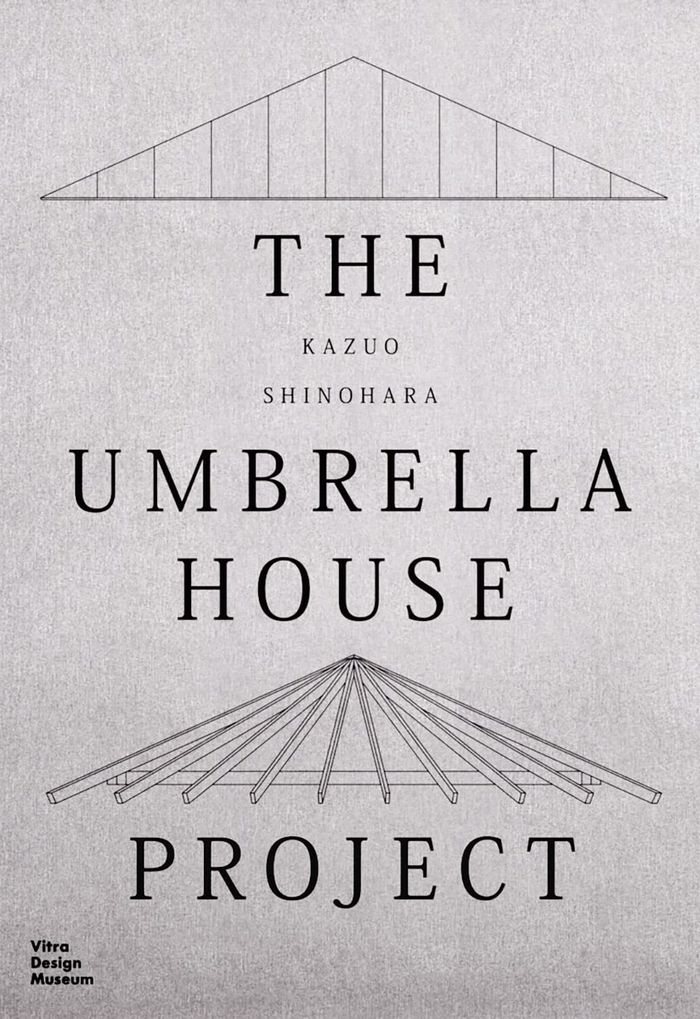
Built in Tokyo in 1961, the Umbrella House is the smallest residential home created by Japanese architect and mathematician Kazuo Shinohara. More than 60 years later, a stroke of good fortune made it possible to save the Umbrella House from demolition and move it to a new location, where it now stands on the Vitra Campus in Weil am Rhein, Germany. The wooden house’s post-and-beam construction references traditional Japanese domestic and temple architecture. Experts from Japan and Europe supervised the dismantling of the house in Tokyo and its reassembly in Weil am Rhein. This concise volume traces the long journey of the Umbrella House, in illustrations including impressions from 1960s Japan, architectural designs and plans, and photographs documenting its dismantling and reassembly at its new location. Texts by Ryue Nishizawa (SANAA), Shin-ichi Okuyama and David B. Stewart discuss the Umbrella House against the background of Japanese architectural discourse between 1960 and the present.
Kazuo Shinohara: The Umbrella House Project
Actions:
Price:
$69.95
(available to order)
Summary:
Built in Tokyo in 1961, the Umbrella House is the smallest residential home created by Japanese architect and mathematician Kazuo Shinohara. More than 60 years later, a stroke of good fortune made it possible to save the Umbrella House from demolition and move it to a new location, where it now stands on the Vitra Campus in Weil am Rhein, Germany. The wooden house’s post-and-beam construction references traditional Japanese domestic and temple architecture. Experts from Japan and Europe supervised the dismantling of the house in Tokyo and its reassembly in Weil am Rhein. This concise volume traces the long journey of the Umbrella House, in illustrations including impressions from 1960s Japan, architectural designs and plans, and photographs documenting its dismantling and reassembly at its new location. Texts by Ryue Nishizawa (SANAA), Shin-ichi Okuyama and David B. Stewart discuss the Umbrella House against the background of Japanese architectural discourse between 1960 and the present.
Form:
books
books
Publication:
February 2023
February 2023
Subject:
Architecture Monographs
Architecture Monographs
Form:
books
books
Price:
$133.00
(available to order)
Summary:
Kazuo Shinohara: 3 Houses analyses three major works, House in White (1966), House in Uehara (1976) and House in Yokohama (1984), by the late Kazuo Shinohara (1925 2006), one of the most important and influential Japanese architects of the twentieth century. The reader will discover a comprehensive selection of plans redrawn to commensurate scale from original working(...)
$133.00
(available to order)
Summary:
Kazuo Shinohara: 3 Houses analyses three major works, House in White (1966), House in Uehara (1976) and House in Yokohama (1984), by the late Kazuo Shinohara (1925 2006), one of the most important and influential Japanese architects of the twentieth century. The reader will discover a comprehensive selection of plans redrawn to commensurate scale from original working(...)
Title:
Kazuo Shinohara: House in white, house in Uehara, house in Yokohama
Actions:
Price:
$133.00
(available to order)
Summary:
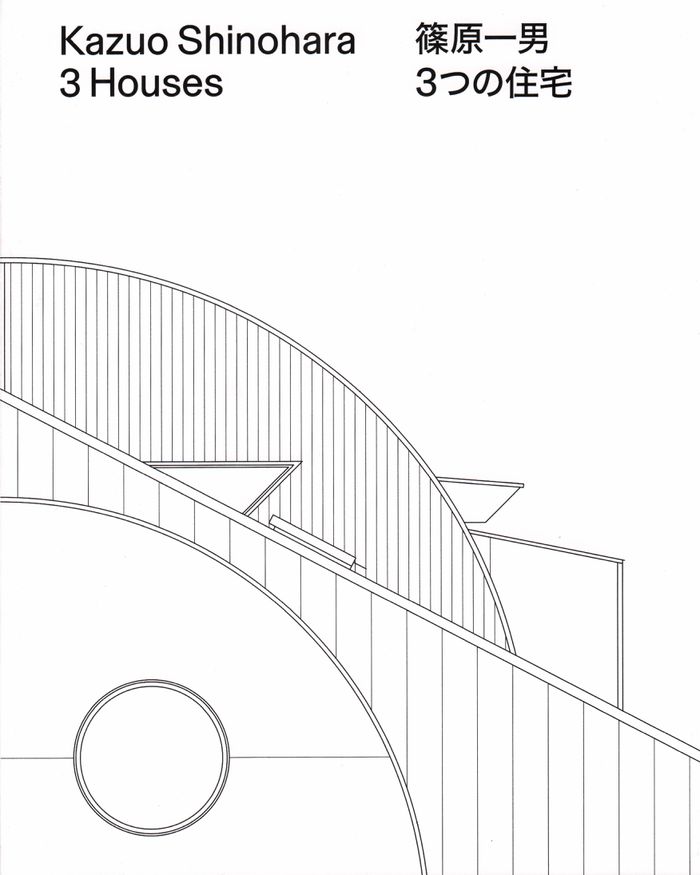
Kazuo Shinohara: 3 Houses analyses three major works, House in White (1966), House in Uehara (1976) and House in Yokohama (1984), by the late Kazuo Shinohara (1925 2006), one of the most important and influential Japanese architects of the twentieth century. The reader will discover a comprehensive selection of plans redrawn to commensurate scale from original working drawings, unpublished holograph sketches, and archival photographs. Contributions from Shinohara's teaching colleagues David B. Stewart and Shin-ichi Okuyama situate the three houses within Shinohara's oeuvre and afford new insight into the architect's distinctive working methods.
Kazuo Shinohara: House in white, house in Uehara, house in Yokohama
Actions:
Price:
$133.00
(available to order)
Summary:
Kazuo Shinohara: 3 Houses analyses three major works, House in White (1966), House in Uehara (1976) and House in Yokohama (1984), by the late Kazuo Shinohara (1925 2006), one of the most important and influential Japanese architects of the twentieth century. The reader will discover a comprehensive selection of plans redrawn to commensurate scale from original working drawings, unpublished holograph sketches, and archival photographs. Contributions from Shinohara's teaching colleagues David B. Stewart and Shin-ichi Okuyama situate the three houses within Shinohara's oeuvre and afford new insight into the architect's distinctive working methods.
Form:
books
books
Publication:
June 2019
June 2019
Subject:
Architecture Monographs
Architecture Monographs
Form:
books
books
Actions:
Price:
$65.00
(available to order)
Summary:
Kazuo Shinohara’s (1925–2006) book Residential Architecture is considered one of the most significant pieces of writing on Japanese architecture of the late twentieth century. First published in Japan in 1964 as Jutaku kenchiku, the book was mandatory reading for generations of students of architecture in Japan and has deeply influenced many of the best-known Japanese(...)
$65.00
(available to order)
Summary:
Kazuo Shinohara’s (1925–2006) book Residential Architecture is considered one of the most significant pieces of writing on Japanese architecture of the late twentieth century. First published in Japan in 1964 as Jutaku kenchiku, the book was mandatory reading for generations of students of architecture in Japan and has deeply influenced many of the best-known Japanese(...)
Subject:
Architectural Theory
Architectural Theory
Publication:
May 2026
May 2026
Title:
Residential architecture: Kazuo Shinohara
Actions:
Price:
$65.00
(available to order)
Summary:
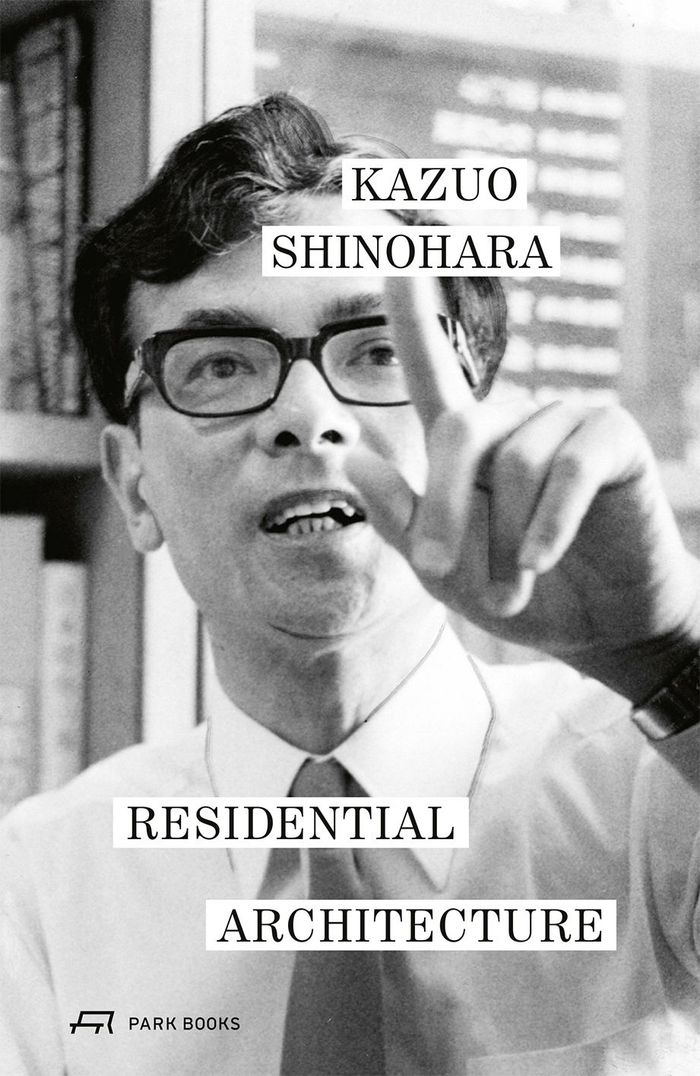
Kazuo Shinohara’s (1925–2006) book Residential Architecture is considered one of the most significant pieces of writing on Japanese architecture of the late twentieth century. First published in Japan in 1964 as Jutaku kenchiku, the book was mandatory reading for generations of students of architecture in Japan and has deeply influenced many of the best-known Japanese designers, such as Toyo Ito, Kazuyo Sejima, Ryue Nishizawa, and others. Translated by architectural historian David B. Stewart (1942–2025) and architects Shin-ichi Okuyama (born 1961) and Kenichi Nakamura (born 1958), Shinohara’s reflections on housing are available in English for the first time, making multifaceted insights into the fundamentals of his outstanding work accessible to a global audience. In the first of three chapters, Shinohara writes about traditional Japanese architecture, thus explaining the foundation of his theory and practice, followed by a description of his design method, which he further illustrates through the examples of his first seven designs for homes.
Residential architecture: Kazuo Shinohara
Actions:
Price:
$65.00
(available to order)
Summary:
Kazuo Shinohara’s (1925–2006) book Residential Architecture is considered one of the most significant pieces of writing on Japanese architecture of the late twentieth century. First published in Japan in 1964 as Jutaku kenchiku, the book was mandatory reading for generations of students of architecture in Japan and has deeply influenced many of the best-known Japanese designers, such as Toyo Ito, Kazuyo Sejima, Ryue Nishizawa, and others. Translated by architectural historian David B. Stewart (1942–2025) and architects Shin-ichi Okuyama (born 1961) and Kenichi Nakamura (born 1958), Shinohara’s reflections on housing are available in English for the first time, making multifaceted insights into the fundamentals of his outstanding work accessible to a global audience. In the first of three chapters, Shinohara writes about traditional Japanese architecture, thus explaining the foundation of his theory and practice, followed by a description of his design method, which he further illustrates through the examples of his first seven designs for homes.
Form:
books
books
Publication:
May 2026
May 2026
Subject:
Architectural Theory
Architectural Theory
Form:
books
books
Actions:
Price:
$180.00
(available in store)
Summary:
"Kazuo Shinohara—3 Houses" analyzes three of the architect’s key designs: the House in White (1966), the House in Uehara (1976), and the House in Yokohama (1984). The large-sized volume features floor plans, sections, and elevations, all newly redrawn matching the scale of Shinohara’s originals, as well as reproductions of his hand drawings and archival photographs.(...)
$180.00
(available in store)
Summary:
"Kazuo Shinohara—3 Houses" analyzes three of the architect’s key designs: the House in White (1966), the House in Uehara (1976), and the House in Yokohama (1984). The large-sized volume features floor plans, sections, and elevations, all newly redrawn matching the scale of Shinohara’s originals, as well as reproductions of his hand drawings and archival photographs.(...)
Title:
Kazuo Shinohara: 3 houses. House in white, House in Uehara, House in Yokohama (new edition)
Actions:
Price:
$180.00
(available in store)
Summary:
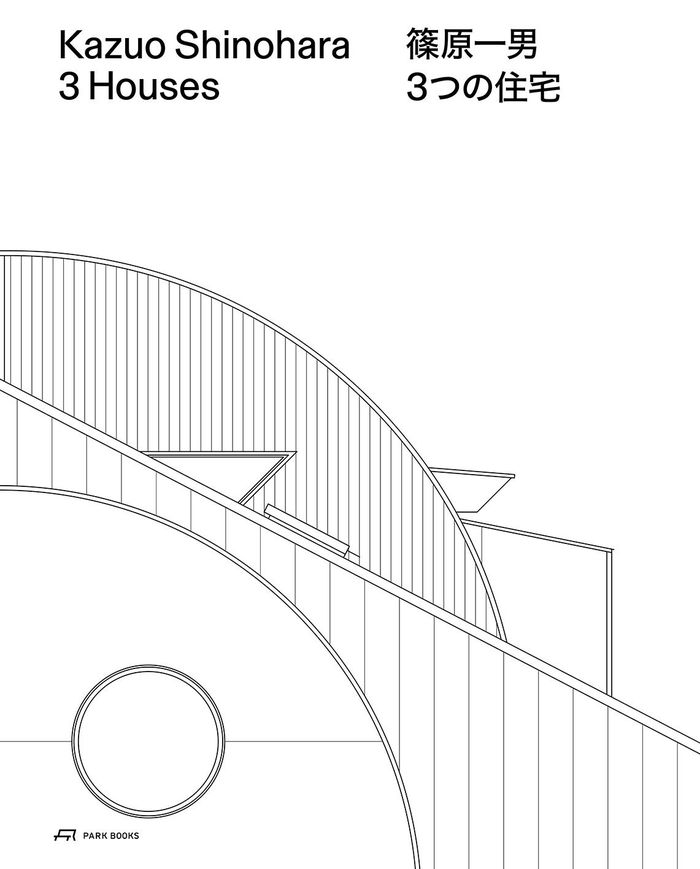
"Kazuo Shinohara—3 Houses" analyzes three of the architect’s key designs: the House in White (1966), the House in Uehara (1976), and the House in Yokohama (1984). The large-sized volume features floor plans, sections, and elevations, all newly redrawn matching the scale of Shinohara’s originals, as well as reproductions of his hand drawings and archival photographs. Contributions by architectural historian David B. Stewart (1942–2025), who taught alongside Shinohara as professor at the Tokyo Institute of Technology, and architect Shin-ichi Okuyama (born 1961) place the three private homes within his oeuvre and offer insights into his particular working methods. A foreword by Ryue Nishizawa, cofounder of SANAA and 2010 Pritzker Prize laureate, highlights Shinohara’s lasting significance and influence on contemporary architecture in Japan.
Kazuo Shinohara: 3 houses. House in white, House in Uehara, House in Yokohama (new edition)
Actions:
Price:
$180.00
(available in store)
Summary:
"Kazuo Shinohara—3 Houses" analyzes three of the architect’s key designs: the House in White (1966), the House in Uehara (1976), and the House in Yokohama (1984). The large-sized volume features floor plans, sections, and elevations, all newly redrawn matching the scale of Shinohara’s originals, as well as reproductions of his hand drawings and archival photographs. Contributions by architectural historian David B. Stewart (1942–2025), who taught alongside Shinohara as professor at the Tokyo Institute of Technology, and architect Shin-ichi Okuyama (born 1961) place the three private homes within his oeuvre and offer insights into his particular working methods. A foreword by Ryue Nishizawa, cofounder of SANAA and 2010 Pritzker Prize laureate, highlights Shinohara’s lasting significance and influence on contemporary architecture in Japan.
Form:
books
books
Publication:
April 2026
April 2026
Subject:
Architecture Monographs
Architecture Monographs


