


3 Results
Form:
books
books
Actions:
Price:
$67.95
(available in store)
Summary:
German modernist architect Konrad Wachsmann (1901–1980) had a career-spanning interest in construction processes—in particular the prefabrication of building components and their assembly within modular systems. In this respect, Wachsmann was a pioneer whose ideas and work paved the way for today’s industrialized construction. Many contemporary masters, such as Renzo(...)
$67.95
(available in store)
Summary:
German modernist architect Konrad Wachsmann (1901–1980) had a career-spanning interest in construction processes—in particular the prefabrication of building components and their assembly within modular systems. In this respect, Wachsmann was a pioneer whose ideas and work paved the way for today’s industrialized construction. Many contemporary masters, such as Renzo(...)
Subject:
Architecture Monographs
Architecture Monographs
Publication:
August 2018
August 2018
Title:
Konrad Wachsmann and the grapevine stucture
Actions:
Price:
$67.95
(available in store)
Summary:
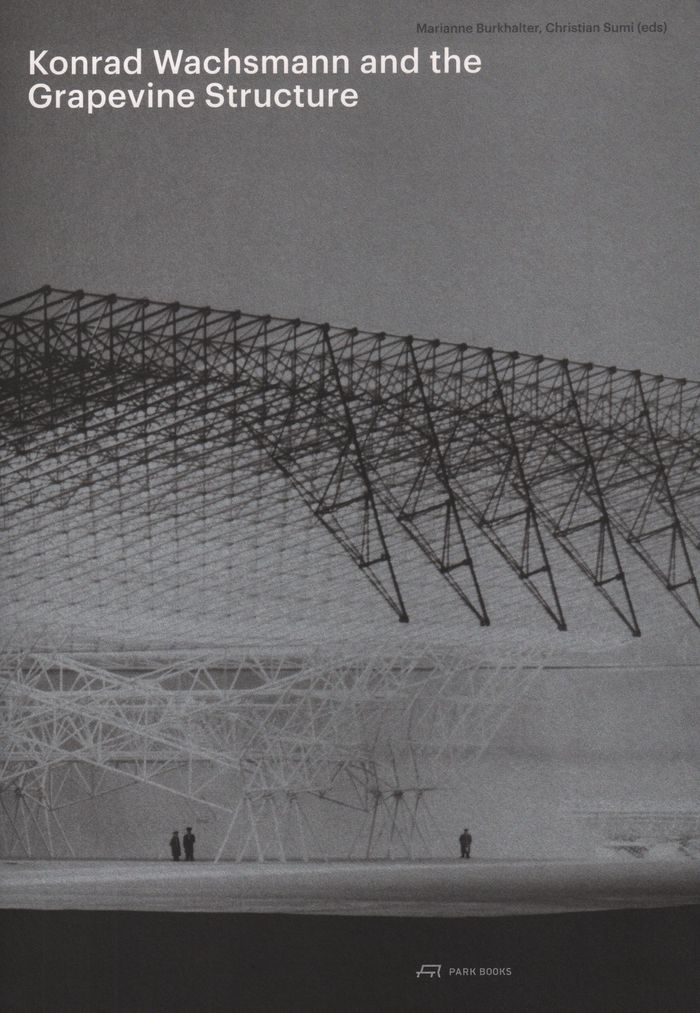
German modernist architect Konrad Wachsmann (1901–1980) had a career-spanning interest in construction processes—in particular the prefabrication of building components and their assembly within modular systems. In this respect, Wachsmann was a pioneer whose ideas and work paved the way for today’s industrialized construction. Many contemporary masters, such as Renzo Piano and Richard Rogers, have taken inspiration from and paid homage to Wachsmann’s forward-thinking work. With "Konrad Wachsmann and the Grapevine Structure", Swiss architect Christian Sumi synthesizes years of careful research into a compelling look at the career and lifetime contributions of this highly creative architect.
Konrad Wachsmann and the grapevine stucture
Actions:
Price:
$67.95
(available in store)
Summary:
German modernist architect Konrad Wachsmann (1901–1980) had a career-spanning interest in construction processes—in particular the prefabrication of building components and their assembly within modular systems. In this respect, Wachsmann was a pioneer whose ideas and work paved the way for today’s industrialized construction. Many contemporary masters, such as Renzo Piano and Richard Rogers, have taken inspiration from and paid homage to Wachsmann’s forward-thinking work. With "Konrad Wachsmann and the Grapevine Structure", Swiss architect Christian Sumi synthesizes years of careful research into a compelling look at the career and lifetime contributions of this highly creative architect.
Form:
books
books
Publication:
August 2018
August 2018
Subject:
Architecture Monographs
Architecture Monographs
Form:
books
books
Price:
$75.00
(available to order)
Summary:
With more than 150 illustrations, this monograph offers the first in-depth look at the genesis of the Steiger House, a masterpiece of modern Swiss architecture, situated in the Doldertal in Zurich near other modernist houses, such as the Doldertal Houses by Roth and Breuer (1936) and the Fellowship Home (1960). Its central hall relates to Villa la Rotonda by Andrea(...)
$75.00
(available to order)
Summary:
With more than 150 illustrations, this monograph offers the first in-depth look at the genesis of the Steiger House, a masterpiece of modern Swiss architecture, situated in the Doldertal in Zurich near other modernist houses, such as the Doldertal Houses by Roth and Breuer (1936) and the Fellowship Home (1960). Its central hall relates to Villa la Rotonda by Andrea(...)
Subject:
Architecture Monographs
Architecture Monographs
Publication:
February 2025
February 2025
Title:
The Steiger House Doldertal, Zurich 1959. Rudolf Steiger, Flora Steiger
Actions:
Price:
$75.00
(available to order)
Summary:
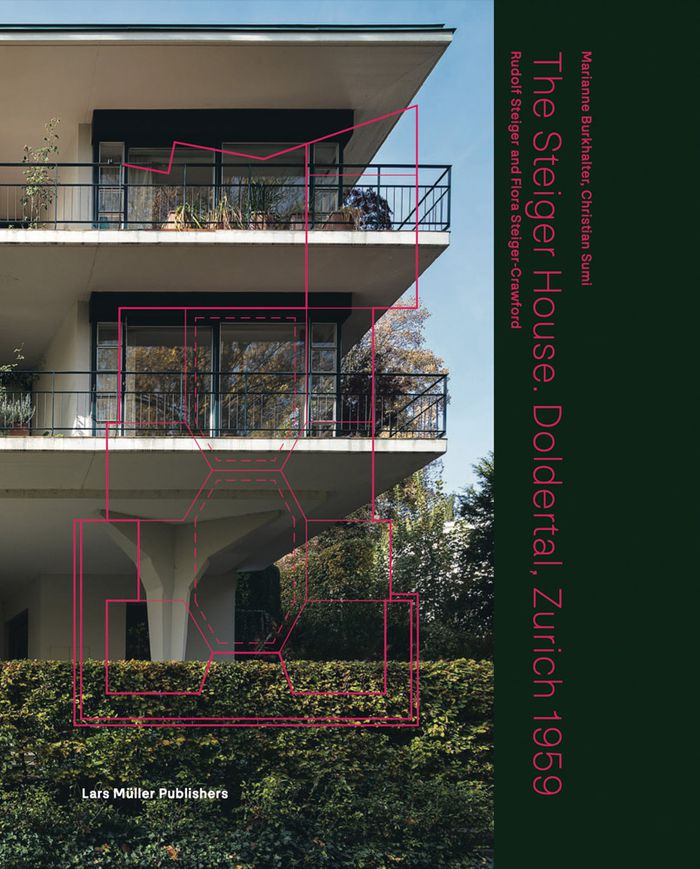
With more than 150 illustrations, this monograph offers the first in-depth look at the genesis of the Steiger House, a masterpiece of modern Swiss architecture, situated in the Doldertal in Zurich near other modernist houses, such as the Doldertal Houses by Roth and Breuer (1936) and the Fellowship Home (1960). Its central hall relates to Villa la Rotonda by Andrea Palladio. Detailed analyses illustrate the central layout and outline the chronology, typology and construction of the building. Further contributions illuminate its relation to local topography, the cultural context of the building, and important historical and contemporary architectural references, including the Steiger House's famous neighbors, the Doldertal Houses. The Swiss architect couple Flora Steiger-Crawford (1899–1991, also a sculptor) and Rudolf Steiger (1900–82) are important representatives of the Swiss avant-garde, and Flora Crawford was the first female architect to graduate from ETH Zurich.
The Steiger House Doldertal, Zurich 1959. Rudolf Steiger, Flora Steiger
Actions:
Price:
$75.00
(available to order)
Summary:
With more than 150 illustrations, this monograph offers the first in-depth look at the genesis of the Steiger House, a masterpiece of modern Swiss architecture, situated in the Doldertal in Zurich near other modernist houses, such as the Doldertal Houses by Roth and Breuer (1936) and the Fellowship Home (1960). Its central hall relates to Villa la Rotonda by Andrea Palladio. Detailed analyses illustrate the central layout and outline the chronology, typology and construction of the building. Further contributions illuminate its relation to local topography, the cultural context of the building, and important historical and contemporary architectural references, including the Steiger House's famous neighbors, the Doldertal Houses. The Swiss architect couple Flora Steiger-Crawford (1899–1991, also a sculptor) and Rudolf Steiger (1900–82) are important representatives of the Swiss avant-garde, and Flora Crawford was the first female architect to graduate from ETH Zurich.
Form:
books
books
Publication:
February 2025
February 2025
Subject:
Architecture Monographs
Architecture Monographs
Form:
books
books
Actions:
Price:
$43.00
(available to order)
Summary:
The architecture of the Soviet Union in the 1920s and 1930s was integral to shaping 20th-century modernism. Russian architect Konstantin Melnikov (1890–1974) was a key figure of this movement, with many of his realized projects, such as his cylindrical residential house completed in 1929, becoming modernist icons. Because he refused to conform to architectural standards(...)
$43.00
(available to order)
Summary:
The architecture of the Soviet Union in the 1920s and 1930s was integral to shaping 20th-century modernism. Russian architect Konstantin Melnikov (1890–1974) was a key figure of this movement, with many of his realized projects, such as his cylindrical residential house completed in 1929, becoming modernist icons. Because he refused to conform to architectural standards(...)
Title:
Konstantin Melnikov: The master of the architectural form
Actions:
Price:
$43.00
(available to order)
Summary:
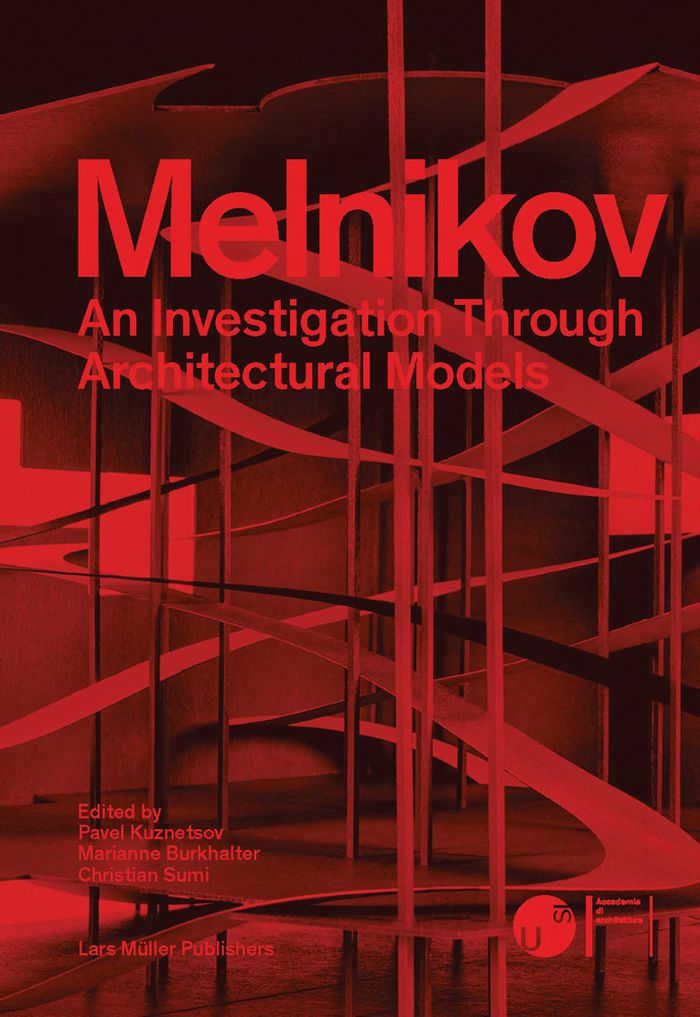
The architecture of the Soviet Union in the 1920s and 1930s was integral to shaping 20th-century modernism. Russian architect Konstantin Melnikov (1890–1974) was a key figure of this movement, with many of his realized projects, such as his cylindrical residential house completed in 1929, becoming modernist icons. Because he refused to conform to architectural standards after Stalin's cultural turn in 1932, his works were largely forgotten for several decades. He was rehabilitated and received public recognition for his imaginative constructions only a few years prior to his death in 1974. This publication presents models of Melnikov's built and unbuilt works, created under the direction of scholar Pavel Kuznetsov by the students of the Accademia di Architettura in Mendrisio. The models are accompanied by photographs, sketches and project descriptions expanding on Melnikov's work. An essay by Kuznetsov situates the architect in his historical context, shedding light on an underappreciated figure of architectural history.
Konstantin Melnikov: The master of the architectural form
Actions:
Price:
$43.00
(available to order)
Summary:
The architecture of the Soviet Union in the 1920s and 1930s was integral to shaping 20th-century modernism. Russian architect Konstantin Melnikov (1890–1974) was a key figure of this movement, with many of his realized projects, such as his cylindrical residential house completed in 1929, becoming modernist icons. Because he refused to conform to architectural standards after Stalin's cultural turn in 1932, his works were largely forgotten for several decades. He was rehabilitated and received public recognition for his imaginative constructions only a few years prior to his death in 1974. This publication presents models of Melnikov's built and unbuilt works, created under the direction of scholar Pavel Kuznetsov by the students of the Accademia di Architettura in Mendrisio. The models are accompanied by photographs, sketches and project descriptions expanding on Melnikov's work. An essay by Kuznetsov situates the architect in his historical context, shedding light on an underappreciated figure of architectural history.
Form:
books
books
Publication:
January 2026
January 2026
Subject:
Architecture Monographs
Architecture Monographs


