


18 Results
Form:
books
books
Price:
$38.95
(available in store)
Summary:
Comment, dans un paysage politique en ruines, reconstituer la vérité des faits ? La réponse d'Eyal Weizman tient en une formule-programme: "l'architecture forensique". Approche novatrice au carrefour de plusieurs disciplines, cette sorte d'architecture se soucie moins de construire des bâtiments que d'analyser des traces que porte le bâti afin de rétablir des vérités(...)
$38.95
(available in store)
Summary:
Comment, dans un paysage politique en ruines, reconstituer la vérité des faits ? La réponse d'Eyal Weizman tient en une formule-programme: "l'architecture forensique". Approche novatrice au carrefour de plusieurs disciplines, cette sorte d'architecture se soucie moins de construire des bâtiments que d'analyser des traces que porte le bâti afin de rétablir des vérités(...)
Title:
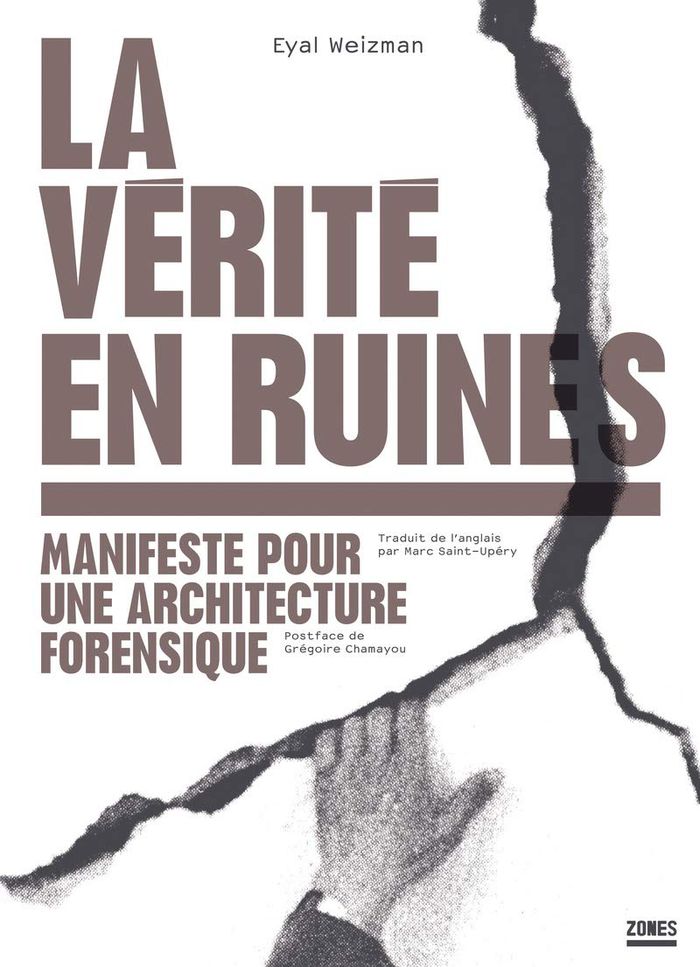
La vérité en ruines : Manifeste pour une architecture forensique
Actions:
Price:
$38.95
(available in store)
Summary:
Comment, dans un paysage politique en ruines, reconstituer la vérité des faits ? La réponse d'Eyal Weizman tient en une formule-programme: "l'architecture forensique". Approche novatrice au carrefour de plusieurs disciplines, cette sorte d'architecture se soucie moins de construire des bâtiments que d'analyser des traces que porte le bâti afin de rétablir des vérités menacées. Impacts de balles, trous de missiles, ombres projetées sur les murs de corps annihilés par le souffle d'une explosion : l'architecture forensique consiste à faire parler ces indices. Si elle mobilise à cette fin des techniques en partie héritées de la médecine légale et de la police scientifique, c'est en les retournant contre la violence d'État, ses dénis et ses "fake news". Il s'agit donc d'une "contre-forensique" qui tente de se réapproprier les moyens de la preuve dans un contexte d'inégalité structurelle d'accès aux moyens de la manifestation de la vérité. Au fil des pages, cet ouvrage illustré offre un panorama saisissant des champs d'application de cette démarche, depuis le cas des frappes de drone au Pakistan, en Afghanistan et à Gaza, jusqu'à celui de la prison secrète de Saidnaya en Syrie, en passant par le camp de Staro Sajmiste, dans la région de Belgrade.
La vérité en ruines : Manifeste pour une architecture forensique
Actions:
Price:
$38.95
(available in store)
Summary:
Comment, dans un paysage politique en ruines, reconstituer la vérité des faits ? La réponse d'Eyal Weizman tient en une formule-programme: "l'architecture forensique". Approche novatrice au carrefour de plusieurs disciplines, cette sorte d'architecture se soucie moins de construire des bâtiments que d'analyser des traces que porte le bâti afin de rétablir des vérités menacées. Impacts de balles, trous de missiles, ombres projetées sur les murs de corps annihilés par le souffle d'une explosion : l'architecture forensique consiste à faire parler ces indices. Si elle mobilise à cette fin des techniques en partie héritées de la médecine légale et de la police scientifique, c'est en les retournant contre la violence d'État, ses dénis et ses "fake news". Il s'agit donc d'une "contre-forensique" qui tente de se réapproprier les moyens de la preuve dans un contexte d'inégalité structurelle d'accès aux moyens de la manifestation de la vérité. Au fil des pages, cet ouvrage illustré offre un panorama saisissant des champs d'application de cette démarche, depuis le cas des frappes de drone au Pakistan, en Afghanistan et à Gaza, jusqu'à celui de la prison secrète de Saidnaya en Syrie, en passant par le camp de Staro Sajmiste, dans la région de Belgrade.
Form:
books
books
Publication:
June 2021
June 2021
Subject:
Architectural Theory
Architectural Theory
Form:
books
books
Price:
$25.95
(available in store)
Summary:
Today, artists are engaged in investigation. They probe corruption, human rights violations, environmental crimes and technological domination. At the same time, areas not usually thought of as artistic make powerful use of aesthetics. Journalists and legal professionals pore over opensource videos and satellite imagery to undertake visual investigations. This combination(...)
$25.95
(available in store)
Summary:
Today, artists are engaged in investigation. They probe corruption, human rights violations, environmental crimes and technological domination. At the same time, areas not usually thought of as artistic make powerful use of aesthetics. Journalists and legal professionals pore over opensource videos and satellite imagery to undertake visual investigations. This combination(...)
Title:
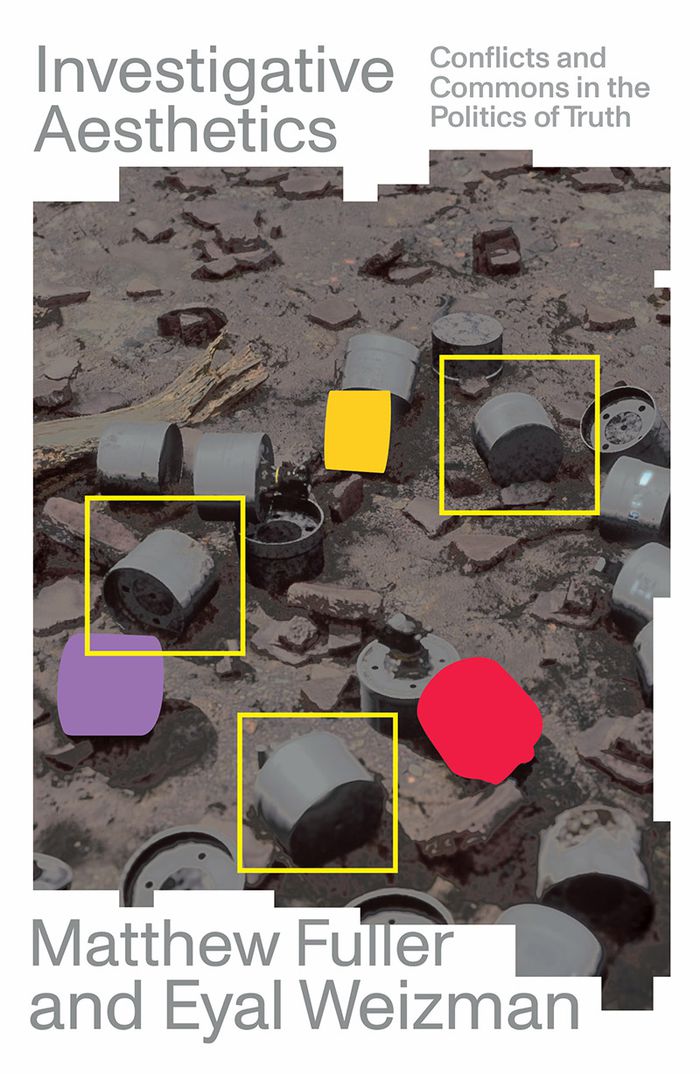
Investigative aesthetics: conflicts and commons in the politics of truth
Actions:
Price:
$25.95
(available in store)
Summary:
Today, artists are engaged in investigation. They probe corruption, human rights violations, environmental crimes and technological domination. At the same time, areas not usually thought of as artistic make powerful use of aesthetics. Journalists and legal professionals pore over opensource videos and satellite imagery to undertake visual investigations. This combination of diverse fields is what the authors call “investigative aesthetics”: the mobilisation of sensibilities associated with art, architecture and other such practices in order to speak truth to power. ''Investigative Aesthetics'' draws on theories of knowledge, ecology and technology; evaluates the methods of citizen counter-forensics, micro-history and art; and examines radical practices such as those of WikiLeaks, Bellingcat, and Forensic Architecture. These new practices take place in the studio and the laboratory, the courtroom and the gallery, online and in the streets, as they strive towards the construction of a new common sense. Matthew Fuller and Eyal Weizman have here provided an inspiring introduction to a new field that will change how we understand and confront power today.
Investigative aesthetics: conflicts and commons in the politics of truth
Actions:
Price:
$25.95
(available in store)
Summary:
Today, artists are engaged in investigation. They probe corruption, human rights violations, environmental crimes and technological domination. At the same time, areas not usually thought of as artistic make powerful use of aesthetics. Journalists and legal professionals pore over opensource videos and satellite imagery to undertake visual investigations. This combination of diverse fields is what the authors call “investigative aesthetics”: the mobilisation of sensibilities associated with art, architecture and other such practices in order to speak truth to power. ''Investigative Aesthetics'' draws on theories of knowledge, ecology and technology; evaluates the methods of citizen counter-forensics, micro-history and art; and examines radical practices such as those of WikiLeaks, Bellingcat, and Forensic Architecture. These new practices take place in the studio and the laboratory, the courtroom and the gallery, online and in the streets, as they strive towards the construction of a new common sense. Matthew Fuller and Eyal Weizman have here provided an inspiring introduction to a new field that will change how we understand and confront power today.
Form:
books
books
Publication:
August 2021
August 2021
Subject:
Critical Theory
Critical Theory
Form:
books
books
Actions:
Price:
$78.95
(available to order)
Summary:
Founded by Eyal Weizman at Goldsmiths College in London in 2010, the research agency Forensic Architecture has investigated dozens of incidents of state violence—military intervention, environmental destruction, border violence and police murder. Working at the intersection of architecture, law, journalism, human rights and ecology, Forensic Architecture researches(...)
$78.95
(available to order)
Summary:
Founded by Eyal Weizman at Goldsmiths College in London in 2010, the research agency Forensic Architecture has investigated dozens of incidents of state violence—military intervention, environmental destruction, border violence and police murder. Working at the intersection of architecture, law, journalism, human rights and ecology, Forensic Architecture researches(...)
Subject:
Architecture Monographs
Architecture Monographs
Publication:
December 2022
December 2022
Title:
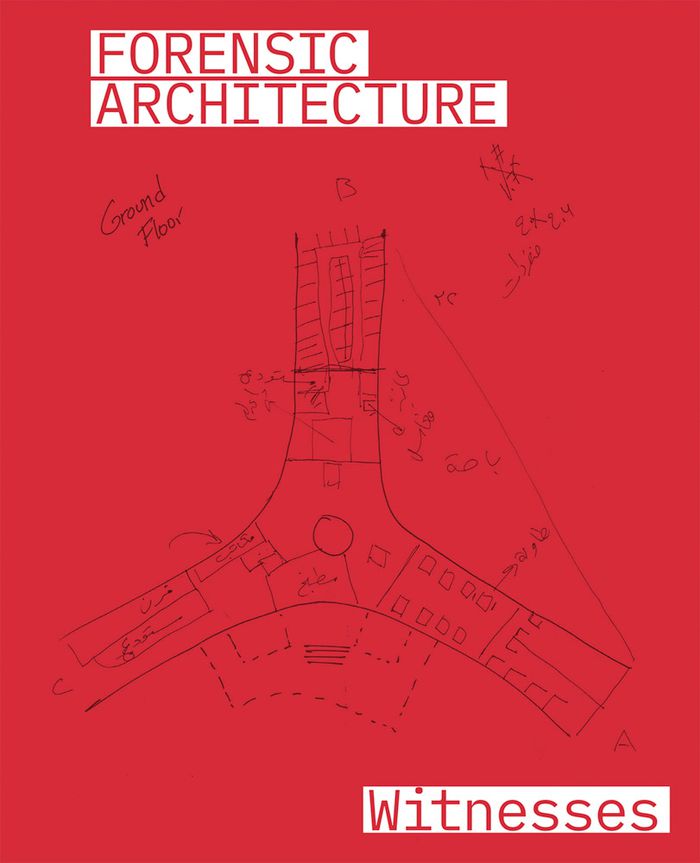
Forensic architecture: Witnesses
Actions:
Price:
$78.95
(available to order)
Summary:
Founded by Eyal Weizman at Goldsmiths College in London in 2010, the research agency Forensic Architecture has investigated dozens of incidents of state violence—military intervention, environmental destruction, border violence and police murder. Working at the intersection of architecture, law, journalism, human rights and ecology, Forensic Architecture researches conflicts and crimes around the world, using architectural tools and methods to conduct spatial and architectural analyses of particular incidents. They do not design new buildings, but like other architects, they examine and model spaces, with the aim of shedding light on events. This catalog focuses on the witnesses at the core of Forensic Architecture’s work. Featuring texts by Weizman, Christina Varvia and a roundtable discussion between members of the current team, this richly illustrated book opens a window into Forensic Architecture’s working methods and projects.
Forensic architecture: Witnesses
Actions:
Price:
$78.95
(available to order)
Summary:
Founded by Eyal Weizman at Goldsmiths College in London in 2010, the research agency Forensic Architecture has investigated dozens of incidents of state violence—military intervention, environmental destruction, border violence and police murder. Working at the intersection of architecture, law, journalism, human rights and ecology, Forensic Architecture researches conflicts and crimes around the world, using architectural tools and methods to conduct spatial and architectural analyses of particular incidents. They do not design new buildings, but like other architects, they examine and model spaces, with the aim of shedding light on events. This catalog focuses on the witnesses at the core of Forensic Architecture’s work. Featuring texts by Weizman, Christina Varvia and a roundtable discussion between members of the current team, this richly illustrated book opens a window into Forensic Architecture’s working methods and projects.
Form:
books
books
Publication:
December 2022
December 2022
Subject:
Architecture Monographs
Architecture Monographs
Form:
books
books
Actions:
Price:
$31.00
(available to order)
Summary:
From the tunnels of Gaza to the militarized airspace of the Occupied Territories, Eyal Weizman unravels Israel's mechanisms of control and its transformation of Palestinian towns, villages and roads into an artifice where all natural and built features serve military ends. Weizman traces the development of this strategy, from the influence of archaeology on urban(...)
$31.00
(available to order)
Summary:
From the tunnels of Gaza to the militarized airspace of the Occupied Territories, Eyal Weizman unravels Israel's mechanisms of control and its transformation of Palestinian towns, villages and roads into an artifice where all natural and built features serve military ends. Weizman traces the development of this strategy, from the influence of archaeology on urban(...)
Title:
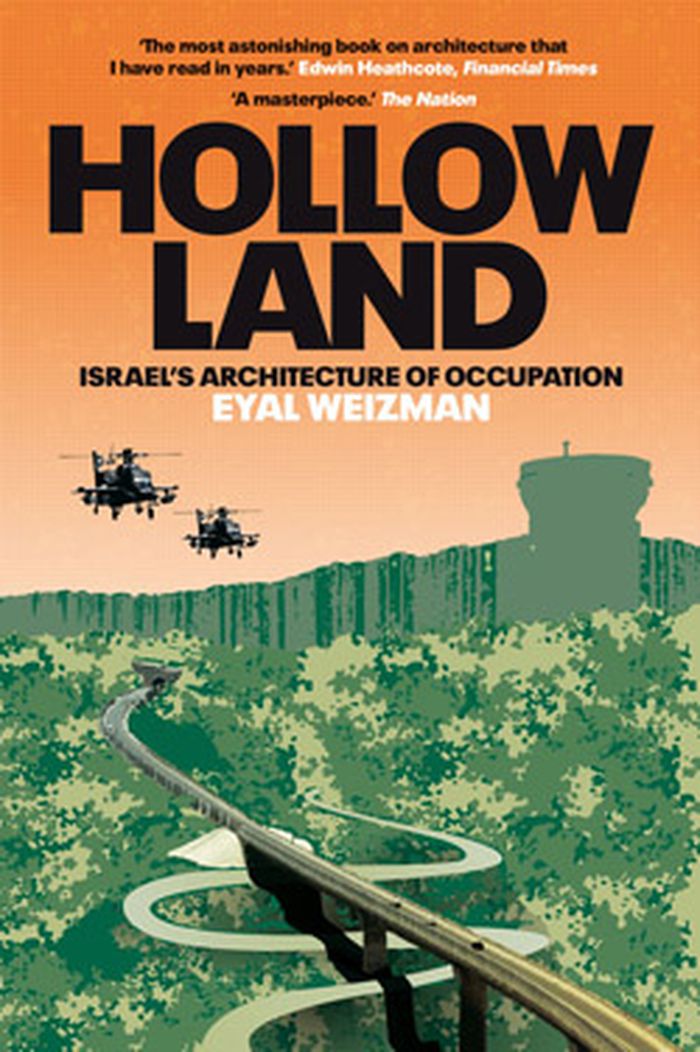
Hollow land: Israel's architecture of occupation
Actions:
Price:
$31.00
(available to order)
Summary:
From the tunnels of Gaza to the militarized airspace of the Occupied Territories, Eyal Weizman unravels Israel's mechanisms of control and its transformation of Palestinian towns, villages and roads into an artifice where all natural and built features serve military ends. Weizman traces the development of this strategy, from the influence of archaeology on urban planning, Ariel Sharon's reconceptualization of military defence during the 1973 war, through the planning and architecture of the settlements, to the contemporary Israeli discourse and practice of urban warfare and airborne targeted assassinations. Hollow Land lays bare the political system at the heart of this complex and terrifying project of late-modern colonial occupation.
Hollow land: Israel's architecture of occupation
Actions:
Price:
$31.00
(available to order)
Summary:
From the tunnels of Gaza to the militarized airspace of the Occupied Territories, Eyal Weizman unravels Israel's mechanisms of control and its transformation of Palestinian towns, villages and roads into an artifice where all natural and built features serve military ends. Weizman traces the development of this strategy, from the influence of archaeology on urban planning, Ariel Sharon's reconceptualization of military defence during the 1973 war, through the planning and architecture of the settlements, to the contemporary Israeli discourse and practice of urban warfare and airborne targeted assassinations. Hollow Land lays bare the political system at the heart of this complex and terrifying project of late-modern colonial occupation.
Form:
books
books
Publication:
May 2012
May 2012
Subject:
Arch Southwest Asia & North Africa
Arch Southwest Asia & North Africa
Form:
books
books
Actions:
Price:
$54.95
(available to order)
Summary:
The work presented in this book is an invitation to undertake an urgent architectural and political thought experiment: to rethink today’s struggles for justice and equality not only from the historical perspective of revolution, but also from that of a continued struggle for decolonization; consequently, to rethink the problem of political subjectivity not from the point(...)
$54.95
(available to order)
Summary:
The work presented in this book is an invitation to undertake an urgent architectural and political thought experiment: to rethink today’s struggles for justice and equality not only from the historical perspective of revolution, but also from that of a continued struggle for decolonization; consequently, to rethink the problem of political subjectivity not from the point(...)
Subject:
Architectural Theory
Architectural Theory
Publication:
July 2014
July 2014
Title:
Architecture after revolution
Actions:
Price:
$54.95
(available to order)
Summary:
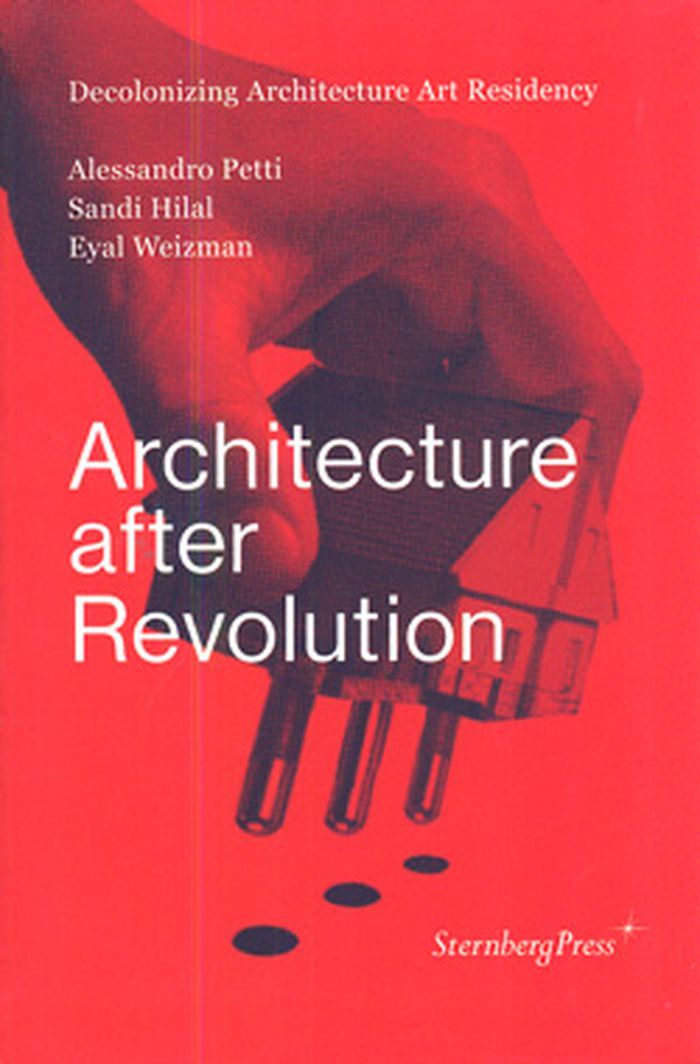
The work presented in this book is an invitation to undertake an urgent architectural and political thought experiment: to rethink today’s struggles for justice and equality not only from the historical perspective of revolution, but also from that of a continued struggle for decolonization; consequently, to rethink the problem of political subjectivity not from the point of view of a Western conception of a liberal citizen but rather from that of the displaced and extraterritorial refugee. You will not find here descriptions of popular uprising, armed resistance, or political negotiations, despite these of course forming an integral and necessary part of any radical political transformation. Instead, the authors present a series of provocative projects that try to imagine “the morning after revolution.”
Architecture after revolution
Actions:
Price:
$54.95
(available to order)
Summary:
The work presented in this book is an invitation to undertake an urgent architectural and political thought experiment: to rethink today’s struggles for justice and equality not only from the historical perspective of revolution, but also from that of a continued struggle for decolonization; consequently, to rethink the problem of political subjectivity not from the point of view of a Western conception of a liberal citizen but rather from that of the displaced and extraterritorial refugee. You will not find here descriptions of popular uprising, armed resistance, or political negotiations, despite these of course forming an integral and necessary part of any radical political transformation. Instead, the authors present a series of provocative projects that try to imagine “the morning after revolution.”
Form:
books
books
Publication:
July 2014
July 2014
Subject:
Architectural Theory
Architectural Theory
Form:
books
books
Actions:
Price:
$70.00
(available in store)
Summary:
his important volume is the first book-length study to collect, catalogue and examine these works. Essays and discussions of individual projects, drawings in the artist's hand, instruction manuals, diverse photographs and a timeline and map make an essential compendium for the most personal and relevant aspect of Ban's work. The book is a major contribution to the broad(...)
$70.00
(available in store)
Summary:
his important volume is the first book-length study to collect, catalogue and examine these works. Essays and discussions of individual projects, drawings in the artist's hand, instruction manuals, diverse photographs and a timeline and map make an essential compendium for the most personal and relevant aspect of Ban's work. The book is a major contribution to the broad(...)
Subject:
Architecture Monographs
Architecture Monographs
Publication:
August 2014
August 2014
Title:
Shigeru Ban: humanitarian architecture
Actions:
Price:
$70.00
(available in store)
Summary:
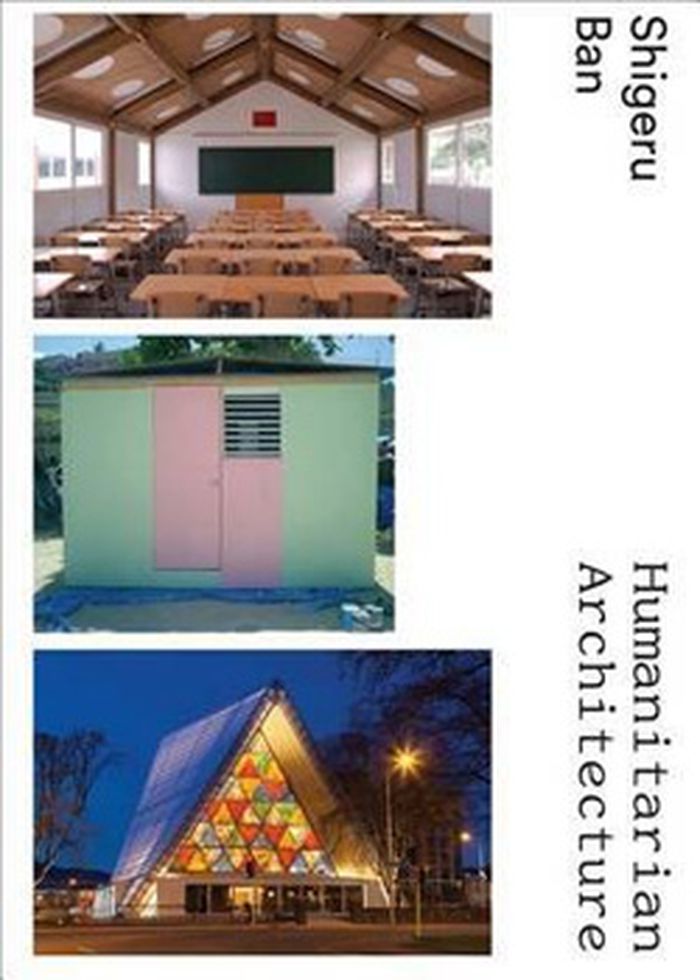
his important volume is the first book-length study to collect, catalogue and examine these works. Essays and discussions of individual projects, drawings in the artist's hand, instruction manuals, diverse photographs and a timeline and map make an essential compendium for the most personal and relevant aspect of Ban's work. The book is a major contribution to the broad subjects of humanitarian relief and sustainable design solutions, and provides an inspiring testament to Ban's ongoing dedication to our planet and its people.
Shigeru Ban: humanitarian architecture
Actions:
Price:
$70.00
(available in store)
Summary:
his important volume is the first book-length study to collect, catalogue and examine these works. Essays and discussions of individual projects, drawings in the artist's hand, instruction manuals, diverse photographs and a timeline and map make an essential compendium for the most personal and relevant aspect of Ban's work. The book is a major contribution to the broad subjects of humanitarian relief and sustainable design solutions, and provides an inspiring testament to Ban's ongoing dedication to our planet and its people.
Form:
books
books
Publication:
August 2014
August 2014
Subject:
Architecture Monographs
Architecture Monographs
Form:
books
books
Title:
Fazal Sheikh/Eyal Weizman: the conflict shoreline, colonialism as climate change in the Negev desert
Fazal Sheikh/Eyal Weizman: the conflict shoreline, colonialism as climate change in the Negev desert
Actions:
Price:
$50.00
(available to order)
Summary:
The village of al-'Araqib has been destroyed and rebuilt more than 70 times in the ongoing "Battle over the Negev"--the Israeli state campaign to uproot the Palestinian Bedouins from the northern threshold of the desert. Unlike other frontiers fought over during the Palestine conflict, this one is not demarcated by fences and walls but by shifting climatic conditions. The(...)
$50.00
(available to order)
Summary:
The village of al-'Araqib has been destroyed and rebuilt more than 70 times in the ongoing "Battle over the Negev"--the Israeli state campaign to uproot the Palestinian Bedouins from the northern threshold of the desert. Unlike other frontiers fought over during the Palestine conflict, this one is not demarcated by fences and walls but by shifting climatic conditions. The(...)
Title:
Fazal Sheikh/Eyal Weizman: the conflict shoreline, colonialism as climate change in the Negev desert
Actions:
Price:
$50.00
(available to order)
Summary:
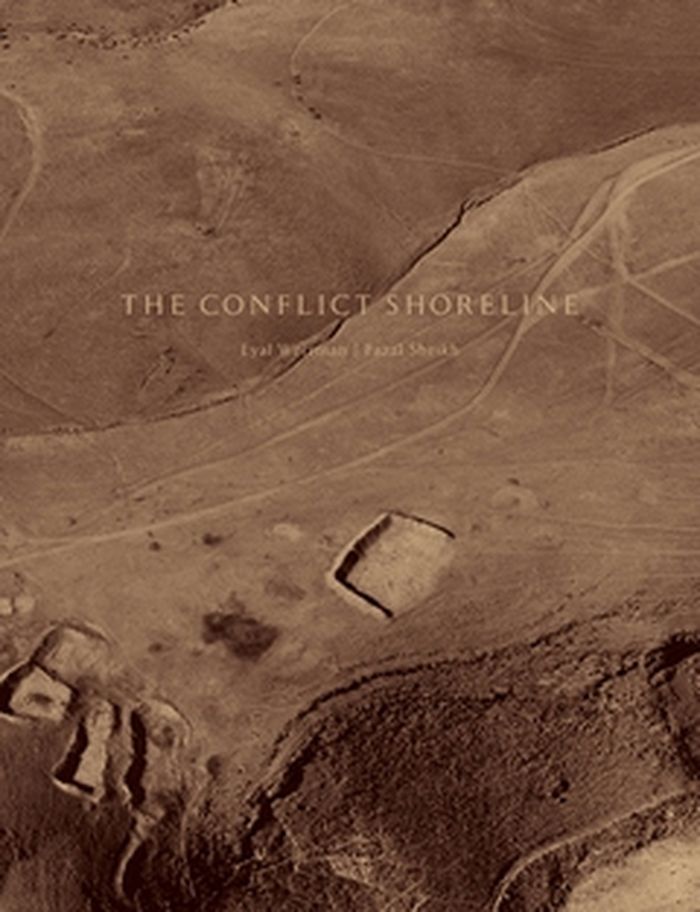
The village of al-'Araqib has been destroyed and rebuilt more than 70 times in the ongoing "Battle over the Negev"--the Israeli state campaign to uproot the Palestinian Bedouins from the northern threshold of the desert. Unlike other frontiers fought over during the Palestine conflict, this one is not demarcated by fences and walls but by shifting climatic conditions. The threshold of the desert advances and recedes in response to colonization, cultivation, displacement, urbanization and, most recently, climate change. In his response to Sheikh's Desert Bloom series, Israeli intellectual and architect Eyal Weizman's essay incorporates historical aerial photographs, contemporary remote sensing data, state plans, court testimonies and 19th-century travelers' accounts, exploring the Negev's threshold as a "shoreline" along which climate change and political conflict are entangled.
Fazal Sheikh/Eyal Weizman: the conflict shoreline, colonialism as climate change in the Negev desert
Actions:
Price:
$50.00
(available to order)
Summary:
The village of al-'Araqib has been destroyed and rebuilt more than 70 times in the ongoing "Battle over the Negev"--the Israeli state campaign to uproot the Palestinian Bedouins from the northern threshold of the desert. Unlike other frontiers fought over during the Palestine conflict, this one is not demarcated by fences and walls but by shifting climatic conditions. The threshold of the desert advances and recedes in response to colonization, cultivation, displacement, urbanization and, most recently, climate change. In his response to Sheikh's Desert Bloom series, Israeli intellectual and architect Eyal Weizman's essay incorporates historical aerial photographs, contemporary remote sensing data, state plans, court testimonies and 19th-century travelers' accounts, exploring the Negev's threshold as a "shoreline" along which climate change and political conflict are entangled.
Form:
books
books
Publication:
October 2015
October 2015
Subject:
Photography monographs
Photography monographs
Form:
books
books
Price:
$29.95
(available to order)
Summary:
One common feature of the wave of recent revolutions and revolts around the world is not political but rather architectural: many erupted on inner-city roundabouts. In thinking about the relation between protest and urban form, Eyal Weizman starts with the May 1980 uprising in Gwangju, South Korea, the first of the “roundabout revolutions,” and traces its lineage to the(...)
$29.95
(available to order)
Summary:
One common feature of the wave of recent revolutions and revolts around the world is not political but rather architectural: many erupted on inner-city roundabouts. In thinking about the relation between protest and urban form, Eyal Weizman starts with the May 1980 uprising in Gwangju, South Korea, the first of the “roundabout revolutions,” and traces its lineage to the(...)
Title:
Critical spatial practice 6 : Eyal Weizman, the roundabout revolutions
Actions:
Price:
$29.95
(available to order)
Summary:
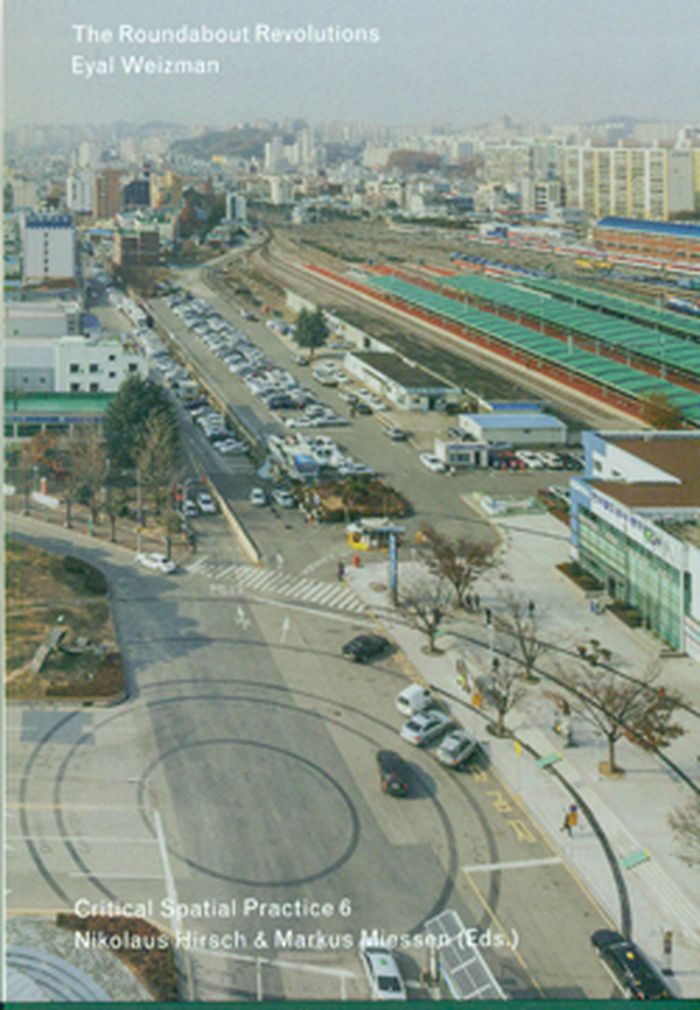
One common feature of the wave of recent revolutions and revolts around the world is not political but rather architectural: many erupted on inner-city roundabouts. In thinking about the relation between protest and urban form, Eyal Weizman starts with the May 1980 uprising in Gwangju, South Korea, the first of the “roundabout revolutions,” and traces its lineage to the Arab Spring and its hellish aftermath. Rereading the history of the roundabout through the vortices of history that traverse it, the book follows the development of the roundabout in Europe and North America in the early twentieth century, to its subsequent export to the colonial world in the context of attempts to discipline and police the “chaotic” non-Western city. How did an urban apparatus put in the service of authoritarian power became the locus of its undoing?
Critical spatial practice 6 : Eyal Weizman, the roundabout revolutions
Actions:
Price:
$29.95
(available to order)
Summary:
One common feature of the wave of recent revolutions and revolts around the world is not political but rather architectural: many erupted on inner-city roundabouts. In thinking about the relation between protest and urban form, Eyal Weizman starts with the May 1980 uprising in Gwangju, South Korea, the first of the “roundabout revolutions,” and traces its lineage to the Arab Spring and its hellish aftermath. Rereading the history of the roundabout through the vortices of history that traverse it, the book follows the development of the roundabout in Europe and North America in the early twentieth century, to its subsequent export to the colonial world in the context of attempts to discipline and police the “chaotic” non-Western city. How did an urban apparatus put in the service of authoritarian power became the locus of its undoing?
Form:
books
books
Publication:
October 2015
October 2015
Subject:
Critical Theory
Critical Theory


