


12 Results
Form:
books
books
Price:
$32.50
(available in store)
Summary:
This book is a mock film scenario written by the French novelist Jules Romains. It was first published in book form in 1920, and has never been translated into English. The satirical plot concerns a famous geographer whose academic career is about to be derailed by the revelation that he has invented a city in South America. Through a hilarious sequence of events, a(...)
$32.50
(available in store)
Summary:
This book is a mock film scenario written by the French novelist Jules Romains. It was first published in book form in 1920, and has never been translated into English. The satirical plot concerns a famous geographer whose academic career is about to be derailed by the revelation that he has invented a city in South America. Through a hilarious sequence of events, a(...)
Subject:
Architectural Theory
Architectural Theory
Publication:
December 2008, New York
December 2008, New York
Title:
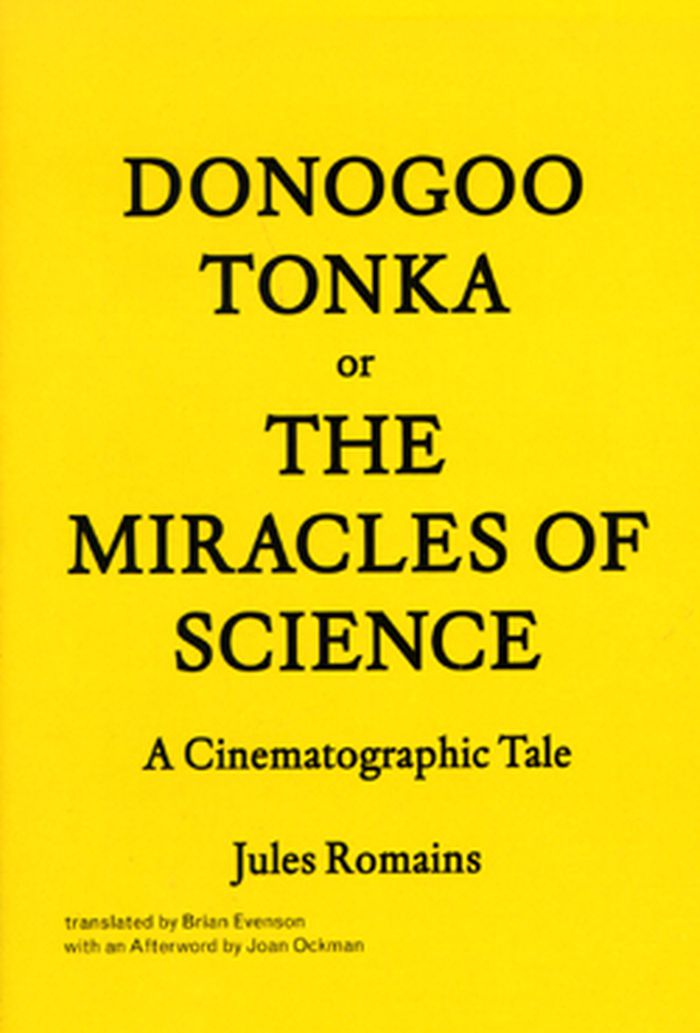
Donogoo-Tonka, or the miracles of science : a cinematographic tale
Actions:
Price:
$32.50
(available in store)
Summary:
This book is a mock film scenario written by the French novelist Jules Romains. It was first published in book form in 1920, and has never been translated into English. The satirical plot concerns a famous geographer whose academic career is about to be derailed by the revelation that he has invented a city in South America. Through a hilarious sequence of events, a suicidal young man finds a new mission in life by undertaking to found the fictional city, thereby redeeming the error and reputation of the absentminded professor. Jules Romains, 1885–1972, is the pseudonym of Louis Farigoule, a French novelist, dramatist, and poet. Romains was the founder of Unanimism, a social-literary theory that posited a collective spirit or personality within society. This concept pervades an early collection of his poems, La Vie unanime (1908), as well as his principal work, the twenty-seven-volume novel cycle, Men of Good Will (1932–46). Translated by Brian Evenson.
Donogoo-Tonka, or the miracles of science : a cinematographic tale
Actions:
Price:
$32.50
(available in store)
Summary:
This book is a mock film scenario written by the French novelist Jules Romains. It was first published in book form in 1920, and has never been translated into English. The satirical plot concerns a famous geographer whose academic career is about to be derailed by the revelation that he has invented a city in South America. Through a hilarious sequence of events, a suicidal young man finds a new mission in life by undertaking to found the fictional city, thereby redeeming the error and reputation of the absentminded professor. Jules Romains, 1885–1972, is the pseudonym of Louis Farigoule, a French novelist, dramatist, and poet. Romains was the founder of Unanimism, a social-literary theory that posited a collective spirit or personality within society. This concept pervades an early collection of his poems, La Vie unanime (1908), as well as his principal work, the twenty-seven-volume novel cycle, Men of Good Will (1932–46). Translated by Brian Evenson.
Form:
books
books
Publication:
December 2008, New York
December 2008, New York
Subject:
Architectural Theory
Architectural Theory
Form:
books
books
Actions:
Price:
$43.95
(available to order)
Summary:
The events that took place on September 11, 2001, in New York City are the background for a series of essays exploring the response of different cities at different times to natural or man-made disaster. How have cities coped with cataclysmic change in the urban fabric both physically and psychologically? How have they memorialized what they have lost, and how have they(...)
$43.95
(available to order)
Summary:
The events that took place on September 11, 2001, in New York City are the background for a series of essays exploring the response of different cities at different times to natural or man-made disaster. How have cities coped with cataclysmic change in the urban fabric both physically and psychologically? How have they memorialized what they have lost, and how have they(...)
Title:
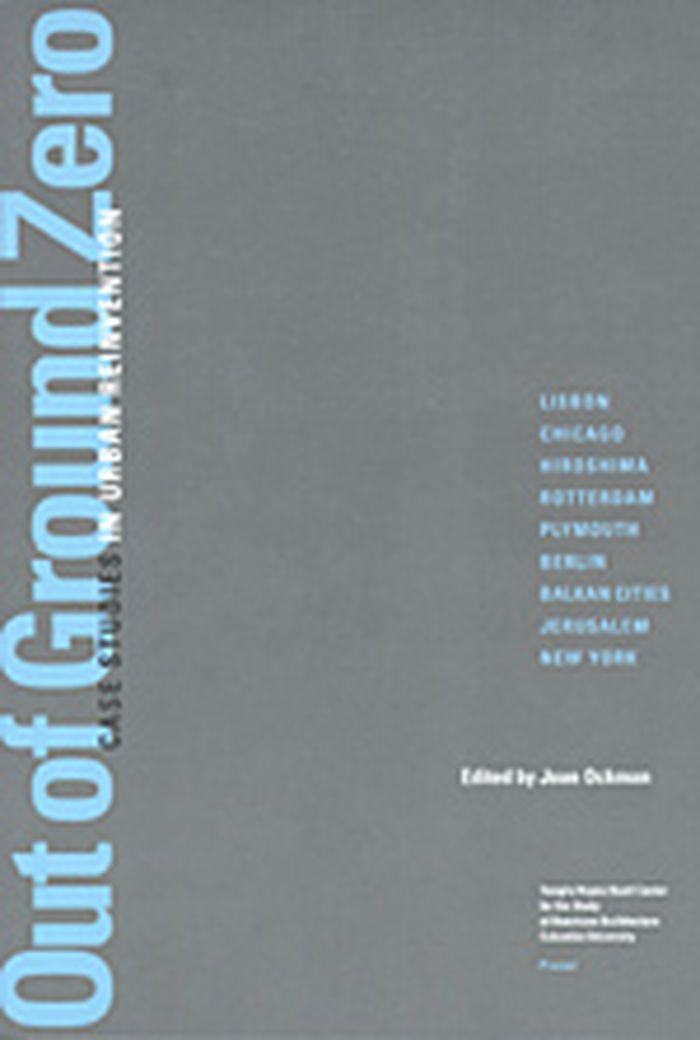
Out of ground zero : case studies in urban renewal
Actions:
Price:
$43.95
(available to order)
Summary:
The events that took place on September 11, 2001, in New York City are the background for a series of essays exploring the response of different cities at different times to natural or man-made disaster. How have cities coped with cataclysmic change in the urban fabric both physically and psychologically? How have they memorialized what they have lost, and how have they imagined their future? What have been the effects, in both the short and long term, of these efforts to rebuild the city? From the devastating earthquake that shook Lisbon in 1755 to the Great Chicago fire in 1871; from the bombing of Hiroshima to the destruction of Rotterdam and Plymouth during the second World War; from the cities and towns ravaged by the Bosnian War to the symbolism of the Dome of the Rock in Jerusalem - this book offers varying perspectives on how cities have responded to catastrophic disasters. Following these case studies is a history of destruction and rebuilding in Manhattan, and a reflection on the role of cities in sustaining democratic culture concludes the book. Contributors to this volume include leading urban theorists, architectural historians, cultural critics, architects, and a film-maker.
Out of ground zero : case studies in urban renewal
Actions:
Price:
$43.95
(available to order)
Summary:
The events that took place on September 11, 2001, in New York City are the background for a series of essays exploring the response of different cities at different times to natural or man-made disaster. How have cities coped with cataclysmic change in the urban fabric both physically and psychologically? How have they memorialized what they have lost, and how have they imagined their future? What have been the effects, in both the short and long term, of these efforts to rebuild the city? From the devastating earthquake that shook Lisbon in 1755 to the Great Chicago fire in 1871; from the bombing of Hiroshima to the destruction of Rotterdam and Plymouth during the second World War; from the cities and towns ravaged by the Bosnian War to the symbolism of the Dome of the Rock in Jerusalem - this book offers varying perspectives on how cities have responded to catastrophic disasters. Following these case studies is a history of destruction and rebuilding in Manhattan, and a reflection on the role of cities in sustaining democratic culture concludes the book. Contributors to this volume include leading urban theorists, architectural historians, cultural critics, architects, and a film-maker.
Form:
books
books
Publication:
October 2002, New York / Munich
October 2002, New York / Munich
Subject:
Urban Theory
Urban Theory


