


1 Results
Form:
books
books
Price:
$45.00
(available to order)
Summary:
John Kriken of the planning firm Skidmore, Owings & Merrill has been at the forefront of urban planning for over forty years, and he brings both his wealth of experience and his great optimism for the future to "City Building". In writing that both experienced designers and typical city-dwellers will enjoy, he illustrates a means for comprehensive problem solving rather(...)
$45.00
(available to order)
Summary:
John Kriken of the planning firm Skidmore, Owings & Merrill has been at the forefront of urban planning for over forty years, and he brings both his wealth of experience and his great optimism for the future to "City Building". In writing that both experienced designers and typical city-dwellers will enjoy, he illustrates a means for comprehensive problem solving rather(...)
Title:
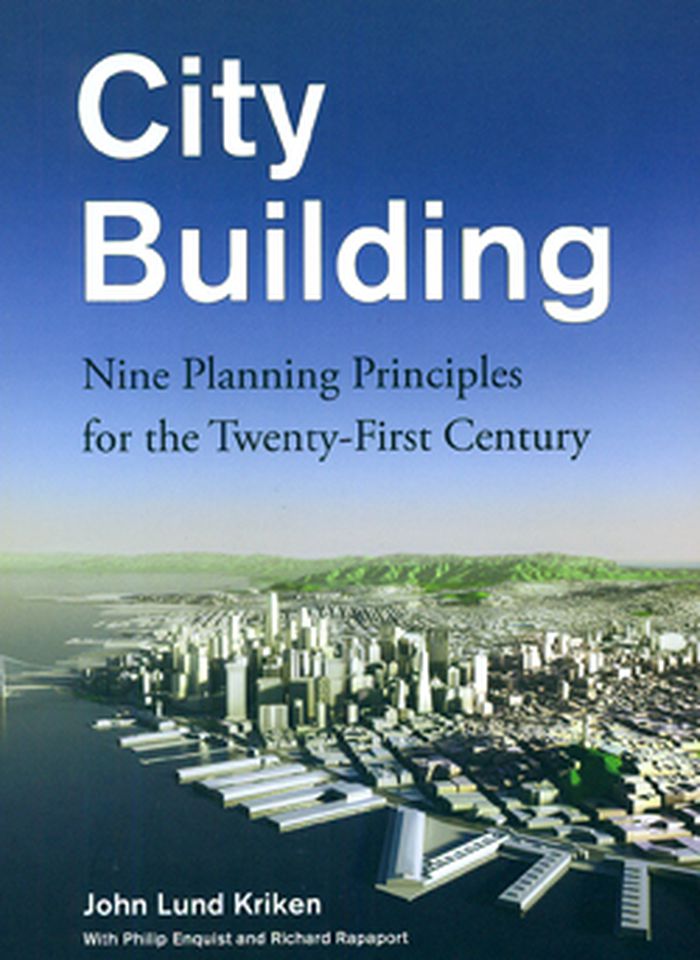
City building : nine planning principles for the twenty-first century
Actions:
Price:
$45.00
(available to order)
Summary:
John Kriken of the planning firm Skidmore, Owings & Merrill has been at the forefront of urban planning for over forty years, and he brings both his wealth of experience and his great optimism for the future to "City Building". In writing that both experienced designers and typical city-dwellers will enjoy, he illustrates a means for comprehensive problem solving rather than symptom-based problem solving. The book is organized into three parts. Part 1 examines the past and defines the current practice of city building, addressing its shortcomings and proposing a comprehensive framework for rethinking the approach to cities in the future. Part 2 translates this framework into nine best-practice principles that are common to successful, livable, urban environments : sustainability, accessibility, diversity, open space, compatibility, incentives, adaptability, density, and identity. These principles are illustrated in a global portfolio of city building projects, designed by Skidmore, Owings & Merrill, that show how best practices have been applied successfully — and sometimes not so. Part 3 makes the case that, far from being the problem, cities, properly organized, can be a mechanism for sensible, sustainable uses of increasingly scarce resources. The book concludes with a call for a national planning process and a comprehensive framework for settlement.
City building : nine planning principles for the twenty-first century
Actions:
Price:
$45.00
(available to order)
Summary:
John Kriken of the planning firm Skidmore, Owings & Merrill has been at the forefront of urban planning for over forty years, and he brings both his wealth of experience and his great optimism for the future to "City Building". In writing that both experienced designers and typical city-dwellers will enjoy, he illustrates a means for comprehensive problem solving rather than symptom-based problem solving. The book is organized into three parts. Part 1 examines the past and defines the current practice of city building, addressing its shortcomings and proposing a comprehensive framework for rethinking the approach to cities in the future. Part 2 translates this framework into nine best-practice principles that are common to successful, livable, urban environments : sustainability, accessibility, diversity, open space, compatibility, incentives, adaptability, density, and identity. These principles are illustrated in a global portfolio of city building projects, designed by Skidmore, Owings & Merrill, that show how best practices have been applied successfully — and sometimes not so. Part 3 makes the case that, far from being the problem, cities, properly organized, can be a mechanism for sensible, sustainable uses of increasingly scarce resources. The book concludes with a call for a national planning process and a comprehensive framework for settlement.
Form:
books
books
Publication:
March 2010
March 2010
Subject:
Urban Theory
Urban Theory


