


14 Results
Form:
books
books
Actions:
Price:
$34.95
(available to order)
Summary:
Are you bored of the endless scroll of your social media feed? Do you swipe left before considering the human being whose face you just summarily rejected? Do you skim articles on your screen in search of intellectual stimulation that never arrives? If so, this book is the philosophical lifeline you have been waiting for. Offering a timely meditation on the profound(...)
$34.95
(available to order)
Summary:
Are you bored of the endless scroll of your social media feed? Do you swipe left before considering the human being whose face you just summarily rejected? Do you skim articles on your screen in search of intellectual stimulation that never arrives? If so, this book is the philosophical lifeline you have been waiting for. Offering a timely meditation on the profound(...)
Title:
Wish I were here: boredom and the interface
Actions:
Price:
$34.95
(available to order)
Summary:
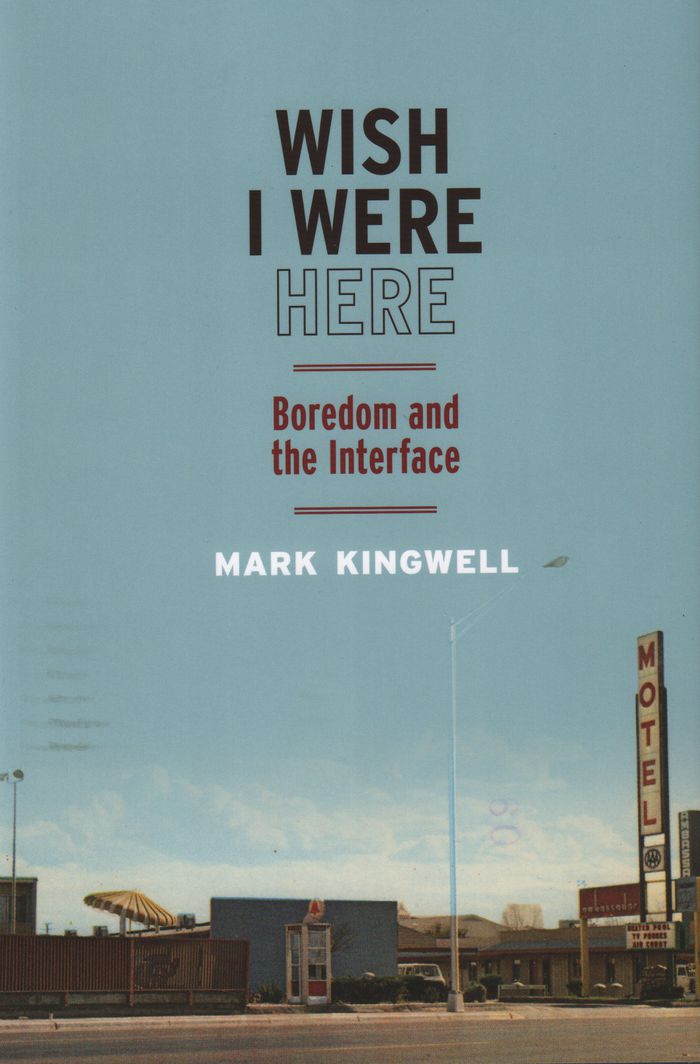
Are you bored of the endless scroll of your social media feed? Do you swipe left before considering the human being whose face you just summarily rejected? Do you skim articles on your screen in search of intellectual stimulation that never arrives? If so, this book is the philosophical lifeline you have been waiting for. Offering a timely meditation on the profound effects of constant immersion in technology, also known as the ''Interface,'' ''Wish I Were Here'' draws on philosophical analysis of boredom and happiness to examine the pressing issues of screen addiction and the lure of online outrage. Without moralizing, Mark Kingwell takes seriously the possibility that current conditions of life and connection are creating hollowed-out human selves, divorced from their own external world.
Wish I were here: boredom and the interface
Actions:
Price:
$34.95
(available to order)
Summary:
Are you bored of the endless scroll of your social media feed? Do you swipe left before considering the human being whose face you just summarily rejected? Do you skim articles on your screen in search of intellectual stimulation that never arrives? If so, this book is the philosophical lifeline you have been waiting for. Offering a timely meditation on the profound effects of constant immersion in technology, also known as the ''Interface,'' ''Wish I Were Here'' draws on philosophical analysis of boredom and happiness to examine the pressing issues of screen addiction and the lure of online outrage. Without moralizing, Mark Kingwell takes seriously the possibility that current conditions of life and connection are creating hollowed-out human selves, divorced from their own external world.
Form:
books
books
Publication:
April 2019
April 2019
Form:
books
books
Actions:
Price:
$22.00
(available to order)
Summary:
Philosopher and critic Kingwell wants us to see cities whole, as massive efforts to establish order and make all that we desire possible, in short, the culmination of civilization. Beginning with high praise for much-maligned concrete, Kingwell writes about architecture and the synergy of cities with intellectual and aesthetic rigor as well as a poet’s sensibility, always(...)
$22.00
(available to order)
Summary:
Philosopher and critic Kingwell wants us to see cities whole, as massive efforts to establish order and make all that we desire possible, in short, the culmination of civilization. Beginning with high praise for much-maligned concrete, Kingwell writes about architecture and the synergy of cities with intellectual and aesthetic rigor as well as a poet’s sensibility, always(...)
Title:
Concrete reveries: conciousness and the city
Actions:
Price:
$22.00
(available to order)
Summary:
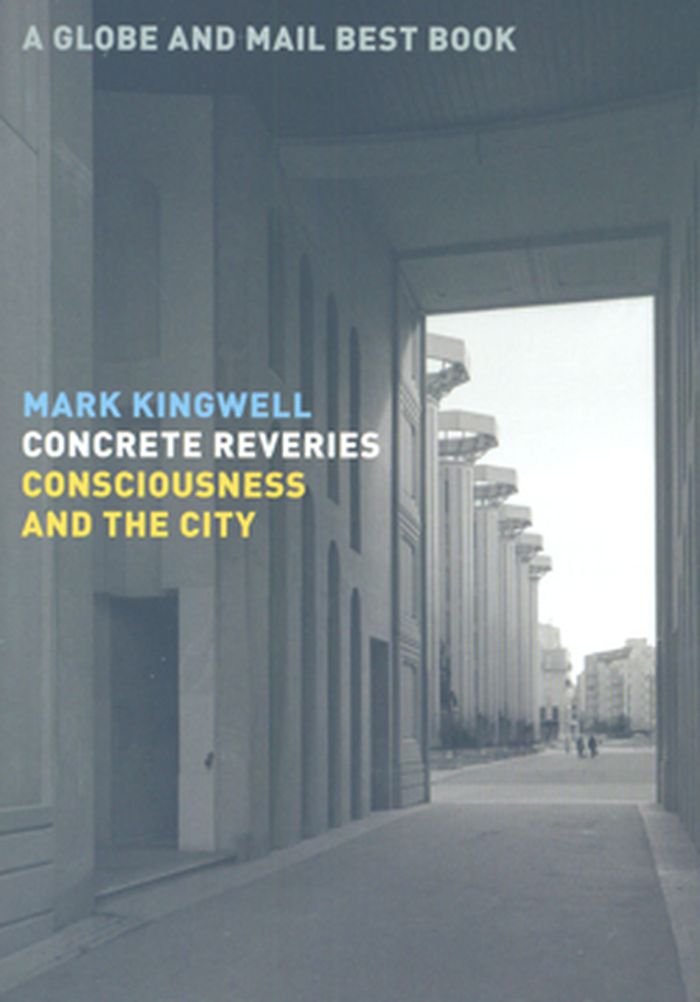
Philosopher and critic Kingwell wants us to see cities whole, as massive efforts to establish order and make all that we desire possible, in short, the culmination of civilization. Beginning with high praise for much-maligned concrete, Kingwell writes about architecture and the synergy of cities with intellectual and aesthetic rigor as well as a poet’s sensibility, always returning from the esoteric to the sensuous. Anecdotal and animated, Kingwell is particularly revelatory in his discussion of thresholds between public and private spaces, interiors and exteriors, and in his explication of the interplay of “consciousness, architecture, and politics” that shapes cities.
Concrete reveries: conciousness and the city
Actions:
Price:
$22.00
(available to order)
Summary:
Philosopher and critic Kingwell wants us to see cities whole, as massive efforts to establish order and make all that we desire possible, in short, the culmination of civilization. Beginning with high praise for much-maligned concrete, Kingwell writes about architecture and the synergy of cities with intellectual and aesthetic rigor as well as a poet’s sensibility, always returning from the esoteric to the sensuous. Anecdotal and animated, Kingwell is particularly revelatory in his discussion of thresholds between public and private spaces, interiors and exteriors, and in his explication of the interplay of “consciousness, architecture, and politics” that shapes cities.
Form:
books
books
Publication:
June 2009
June 2009
Subject:
Urban Theory
Urban Theory
Form:
books
books
Actions:
Price:
$74.00
(available to order)
Summary:
Canada's foremost architectural office Kuwabara Payne McKenna Blumberg Architects, founded in 1987 in Toronto, is one of most innovative architectural offices in North America today. They have made a name for themselves both for their integrated design process embodying collaboration with experts, clients and future users as well as the diversity of aesthetically refined(...)
$74.00
(available to order)
Summary:
Canada's foremost architectural office Kuwabara Payne McKenna Blumberg Architects, founded in 1987 in Toronto, is one of most innovative architectural offices in North America today. They have made a name for themselves both for their integrated design process embodying collaboration with experts, clients and future users as well as the diversity of aesthetically refined(...)
Subject:
Architecture Monographs
Architecture Monographs
Publication:
April 2013
April 2013
Title:
Kuwabara Payne McKenna Blumberg Architects
Actions:
Price:
$74.00
(available to order)
Summary:
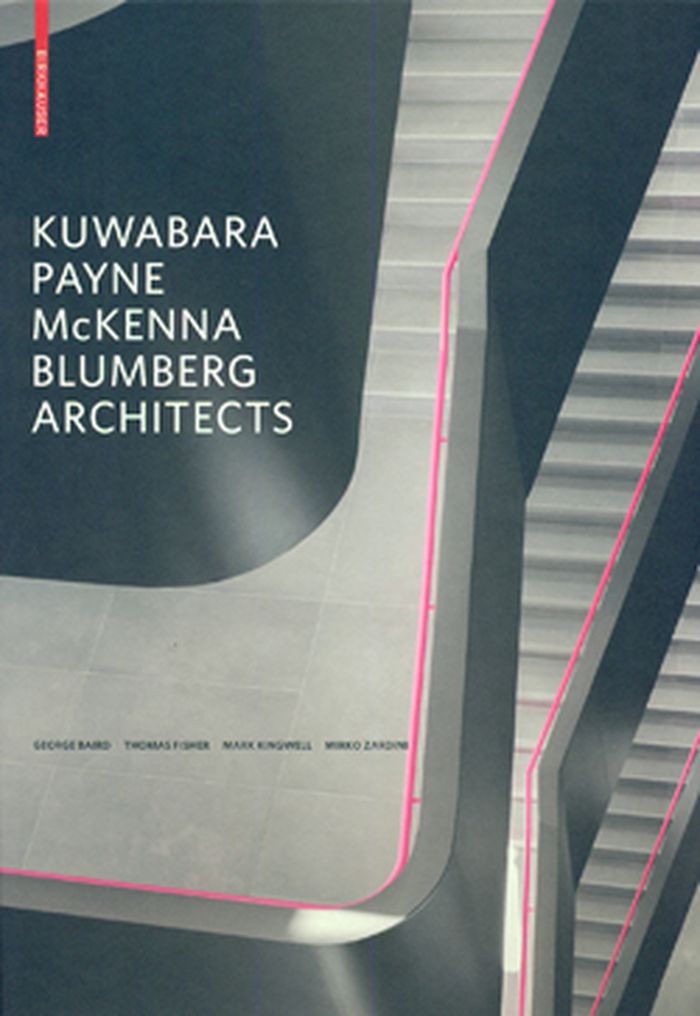
Canada's foremost architectural office Kuwabara Payne McKenna Blumberg Architects, founded in 1987 in Toronto, is one of most innovative architectural offices in North America today. They have made a name for themselves both for their integrated design process embodying collaboration with experts, clients and future users as well as the diversity of aesthetically refined and finely detailed designs. The work ranges from cultural institutions such as the Toronto International Film Festival and Orchestra Hall in Minneapolis to ecologically innovative concepts such as Manitoba Hydro Place in Winnipeg. A respectful approach toward the integration of heritage buildings is also a characteristic feature, illustrated by the designs for the Royal Conservatory and the Gardiner Museum in Toronto. Finally, educational and research facilities are a strong focus in KPMB's work, exemplified by campus projects in in Waterloo, Toronto, and Montréal, as well as future projects for the MIT and Princeton.
Kuwabara Payne McKenna Blumberg Architects
Actions:
Price:
$74.00
(available to order)
Summary:
Canada's foremost architectural office Kuwabara Payne McKenna Blumberg Architects, founded in 1987 in Toronto, is one of most innovative architectural offices in North America today. They have made a name for themselves both for their integrated design process embodying collaboration with experts, clients and future users as well as the diversity of aesthetically refined and finely detailed designs. The work ranges from cultural institutions such as the Toronto International Film Festival and Orchestra Hall in Minneapolis to ecologically innovative concepts such as Manitoba Hydro Place in Winnipeg. A respectful approach toward the integration of heritage buildings is also a characteristic feature, illustrated by the designs for the Royal Conservatory and the Gardiner Museum in Toronto. Finally, educational and research facilities are a strong focus in KPMB's work, exemplified by campus projects in in Waterloo, Toronto, and Montréal, as well as future projects for the MIT and Princeton.
Form:
books
books
Publication:
April 2013
April 2013
Subject:
Architecture Monographs
Architecture Monographs
Form:
books
books
Title:
The adventurer's glossary
The adventurer's glossary
Actions:
Price:
$24.95
(available to order)
Summary:
Adventure is always escapist and often utopian, yet we find solidarity with others and Kafkaesque existential rabbit holes within the words we use to celebrate high-flying escapades. Even when adventures are small in the cosmic scope, the terminology of thrilling exploits promotes a life lived at a high pitch. This go-to glossary for the philosophical explorer delves into(...)
$24.95
(available to order)
Summary:
Adventure is always escapist and often utopian, yet we find solidarity with others and Kafkaesque existential rabbit holes within the words we use to celebrate high-flying escapades. Even when adventures are small in the cosmic scope, the terminology of thrilling exploits promotes a life lived at a high pitch. This go-to glossary for the philosophical explorer delves into(...)
Title:
The adventurer's glossary
Actions:
Price:
$24.95
(available to order)
Summary:
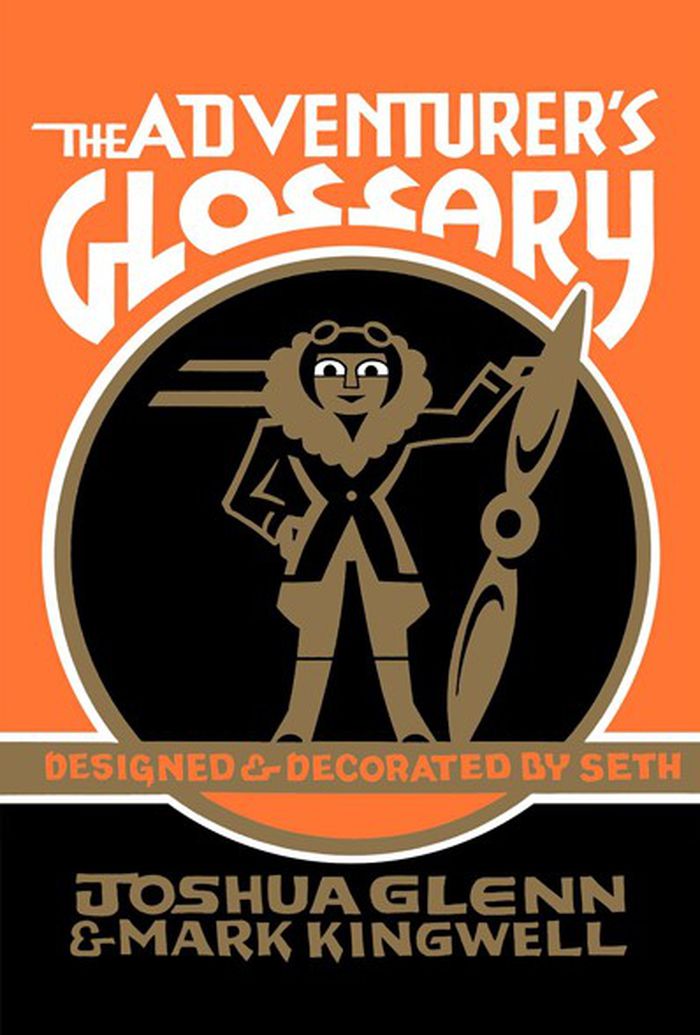
Adventure is always escapist and often utopian, yet we find solidarity with others and Kafkaesque existential rabbit holes within the words we use to celebrate high-flying escapades. Even when adventures are small in the cosmic scope, the terminology of thrilling exploits promotes a life lived at a high pitch. This go-to glossary for the philosophical explorer delves into these contradictions and insights through more than five hundred terms, from A-OK to zoom.
The adventurer's glossary
Actions:
Price:
$24.95
(available to order)
Summary:
Adventure is always escapist and often utopian, yet we find solidarity with others and Kafkaesque existential rabbit holes within the words we use to celebrate high-flying escapades. Even when adventures are small in the cosmic scope, the terminology of thrilling exploits promotes a life lived at a high pitch. This go-to glossary for the philosophical explorer delves into these contradictions and insights through more than five hundred terms, from A-OK to zoom.
Form:
books
books
Publication:
September 2021
September 2021
Subject:
Journeys
Journeys


