


168 Results
Form:
books
books
Price:
$59.95
(available to order)
Summary:
En plein coeur du désert aride de la péninsule Arabique surgissent des constructions étincelantes et avant-gardistes, ainsi que des agglomérations urbaines à la pointe de la modernité réalisées par les plus grands cabinets d'architecture: ce développement immobilier saisissant n'oublie pourtant pas la leçon de l'héritage traditionnel, réinterprété à travers des solutions(...)
$59.95
(available to order)
Summary:
En plein coeur du désert aride de la péninsule Arabique surgissent des constructions étincelantes et avant-gardistes, ainsi que des agglomérations urbaines à la pointe de la modernité réalisées par les plus grands cabinets d'architecture: ce développement immobilier saisissant n'oublie pourtant pas la leçon de l'héritage traditionnel, réinterprété à travers des solutions(...)
Title:
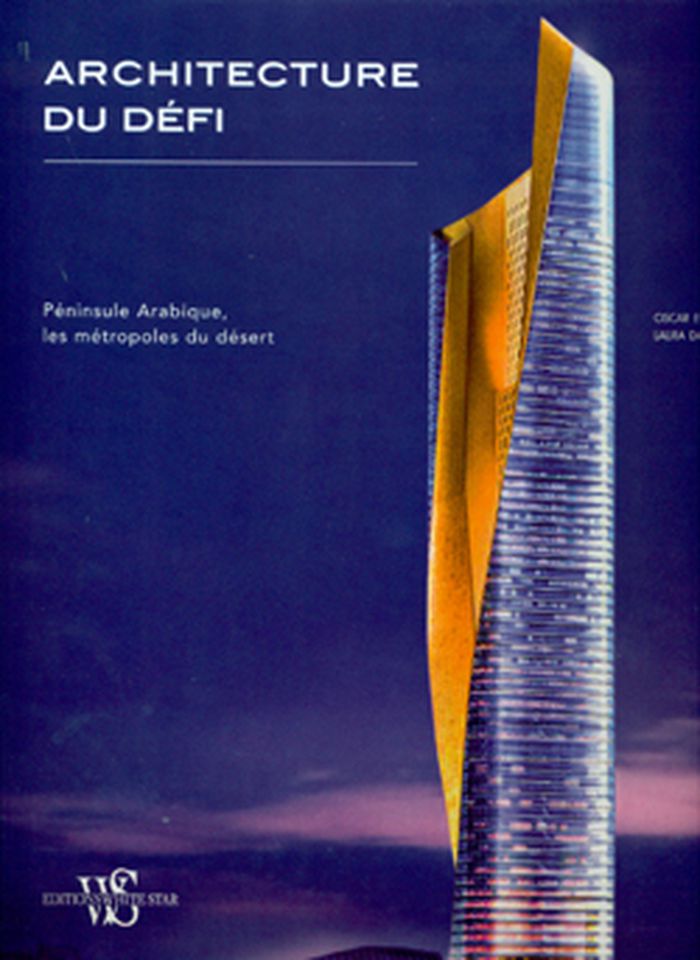
Architecture du défi: péninsule arabique, les métropoles du désert
Actions:
Price:
$59.95
(available to order)
Summary:
En plein coeur du désert aride de la péninsule Arabique surgissent des constructions étincelantes et avant-gardistes, ainsi que des agglomérations urbaines à la pointe de la modernité réalisées par les plus grands cabinets d'architecture: ce développement immobilier saisissant n'oublie pourtant pas la leçon de l'héritage traditionnel, réinterprété à travers des solutions durables respectueuses de l'environnement.
Architecture du défi: péninsule arabique, les métropoles du désert
Actions:
Price:
$59.95
(available to order)
Summary:
En plein coeur du désert aride de la péninsule Arabique surgissent des constructions étincelantes et avant-gardistes, ainsi que des agglomérations urbaines à la pointe de la modernité réalisées par les plus grands cabinets d'architecture: ce développement immobilier saisissant n'oublie pourtant pas la leçon de l'héritage traditionnel, réinterprété à travers des solutions durables respectueuses de l'environnement.
Form:
books
books
Publication:
March 2009
March 2009
Subject:
Arch Middle East
Arch Middle East
Form:
books
books
Actions:
Price:
$40.00
(available to order)
Summary:
A protocol drawn up long ago in 1945 by Otto Koenigsberger, adopted in nearly one hundred instances in India and in more than half the world, provides the framework and rules for the planning of the prototypes of planned cities, and tells us that the so-called "participative architecture" aimed at intercultural inclusion, originated in the post-colonial territories(...)
$40.00
(available to order)
Summary:
A protocol drawn up long ago in 1945 by Otto Koenigsberger, adopted in nearly one hundred instances in India and in more than half the world, provides the framework and rules for the planning of the prototypes of planned cities, and tells us that the so-called "participative architecture" aimed at intercultural inclusion, originated in the post-colonial territories(...)
Title:
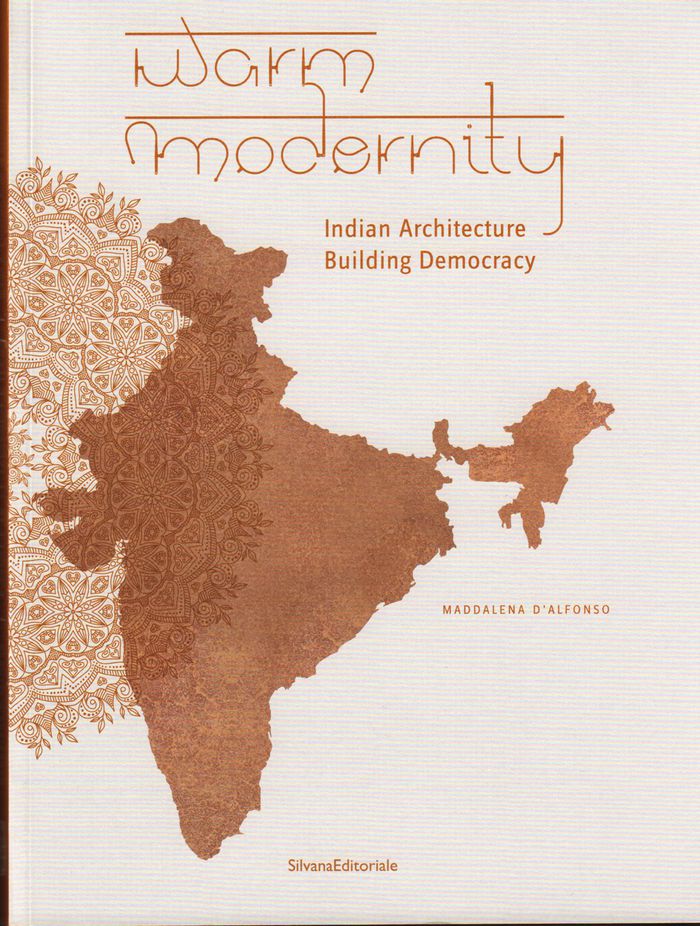
Warm modernity: Indian architecture building democracy
Actions:
Price:
$40.00
(available to order)
Summary:
A protocol drawn up long ago in 1945 by Otto Koenigsberger, adopted in nearly one hundred instances in India and in more than half the world, provides the framework and rules for the planning of the prototypes of planned cities, and tells us that the so-called "participative architecture" aimed at intercultural inclusion, originated in the post-colonial territories between India and Africa. The catalogue, the fruition of a 5-year long Italian-Indian research, illustrates the consequences of democratic choice in independent India, its factual existence and its globalized outcomes, present even today. Presented in the installation, are four examples of Democratic New Towns – Jamshedpur, Bhubaneswar, Faridabad and Chandigarh- outcomes of the interface between the experiences of Frey, Drew and Le Corbusier and the ideas of their Indian counterparts, Varma, Doshi, Correa, Rewal. The cities are analytically described and documented through photographs of their present condition, preserved as the modern protected areas in Europe.
Warm modernity: Indian architecture building democracy
Actions:
Price:
$40.00
(available to order)
Summary:
A protocol drawn up long ago in 1945 by Otto Koenigsberger, adopted in nearly one hundred instances in India and in more than half the world, provides the framework and rules for the planning of the prototypes of planned cities, and tells us that the so-called "participative architecture" aimed at intercultural inclusion, originated in the post-colonial territories between India and Africa. The catalogue, the fruition of a 5-year long Italian-Indian research, illustrates the consequences of democratic choice in independent India, its factual existence and its globalized outcomes, present even today. Presented in the installation, are four examples of Democratic New Towns – Jamshedpur, Bhubaneswar, Faridabad and Chandigarh- outcomes of the interface between the experiences of Frey, Drew and Le Corbusier and the ideas of their Indian counterparts, Varma, Doshi, Correa, Rewal. The cities are analytically described and documented through photographs of their present condition, preserved as the modern protected areas in Europe.
Form:
books
books
Publication:
February 2017
February 2017
Subject:
Arch Middle East
Arch Middle East
Form:
books
books
Price:
$58.95
(available to order)
Summary:
After seizing Jerusalem's eastern precincts from Jordan at the conclusion of the Six-Day War in 1967, Israel unilaterally unified the city and plunged into an ambitious building program, eager to transform the very meaning of one of the world's most emotionally charged urban spaces. The goal was as simple as it was controversial: to both Judaize and modernize Jerusalem.(...)
$58.95
(available to order)
Summary:
After seizing Jerusalem's eastern precincts from Jordan at the conclusion of the Six-Day War in 1967, Israel unilaterally unified the city and plunged into an ambitious building program, eager to transform the very meaning of one of the world's most emotionally charged urban spaces. The goal was as simple as it was controversial: to both Judaize and modernize Jerusalem.(...)
Title:
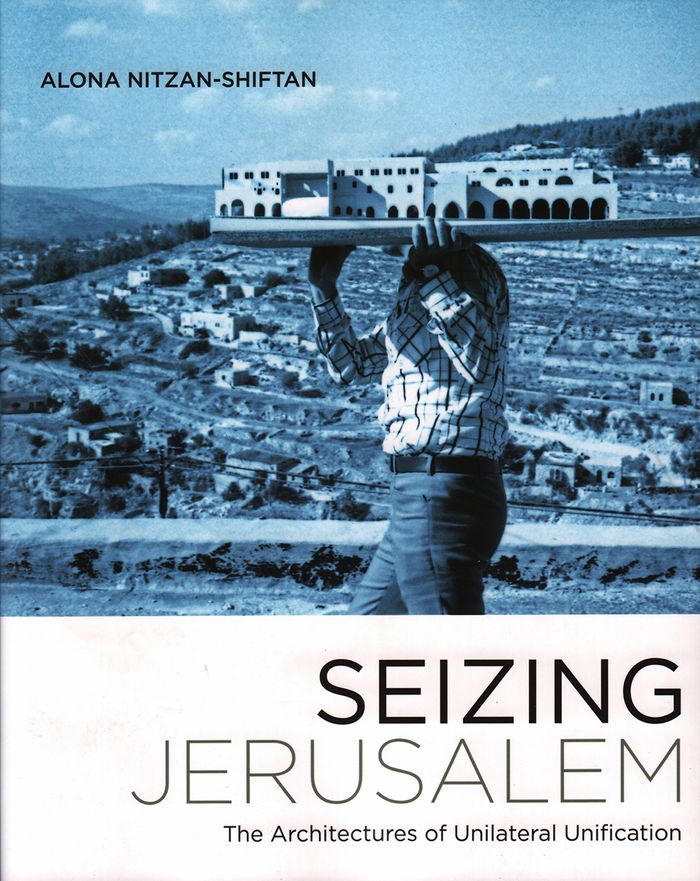
Seizing Jerusalem: the architectures of unilateral unification
Actions:
Price:
$58.95
(available to order)
Summary:
After seizing Jerusalem's eastern precincts from Jordan at the conclusion of the Six-Day War in 1967, Israel unilaterally unified the city and plunged into an ambitious building program, eager to transform the very meaning of one of the world's most emotionally charged urban spaces. The goal was as simple as it was controversial: to both Judaize and modernize Jerusalem. Seizing Jerusalem, the first architectural history of "united Jerusalem," chronicles how numerous disciplines, including architecture, landscape design, and urban planning, as well as everyone from municipal politicians to state bureaucrats, from Israeli-born architects to international luminaries such as Louis Kahn, Buckminster Fuller, and Bruno Zevi, competed to create Jerusalem's new image. This decade-long competition happened with the Palestinian residents still living in the city, even as the new image was inspired by the city's Arab legacy. The politics of space in the Holy City, still contested today, were shaped in this post-1967 decade not only by the legacy of the war and the politics of dispossession, but curiously also by emerging trends in postwar architectural culture.Drawing on previously unexamined archival documents and in-depth interviews with architects, planners, and politicians, Alona Nitzan-Shiftan analyzes the cultural politics of the Israeli state and, in particular, of Jerusalem's influential mayor, Teddy Kollek, whose efforts to legitimate Israeli rule over Jerusalem provided architects a unique, real-world laboratory to explore the possibilities and limits of modernist design--as built form as well as political and social action. Seizing Jerusalem reveals architecture as an active agent in the formation of urban and national identity, and demonstrates how contemporary debates about Zionism, and the crisis within the discipline of architecture over postwar modernism, affected Jerusalem's built environment in ways that continue to resonate today.
Seizing Jerusalem: the architectures of unilateral unification
Actions:
Price:
$58.95
(available to order)
Summary:
After seizing Jerusalem's eastern precincts from Jordan at the conclusion of the Six-Day War in 1967, Israel unilaterally unified the city and plunged into an ambitious building program, eager to transform the very meaning of one of the world's most emotionally charged urban spaces. The goal was as simple as it was controversial: to both Judaize and modernize Jerusalem. Seizing Jerusalem, the first architectural history of "united Jerusalem," chronicles how numerous disciplines, including architecture, landscape design, and urban planning, as well as everyone from municipal politicians to state bureaucrats, from Israeli-born architects to international luminaries such as Louis Kahn, Buckminster Fuller, and Bruno Zevi, competed to create Jerusalem's new image. This decade-long competition happened with the Palestinian residents still living in the city, even as the new image was inspired by the city's Arab legacy. The politics of space in the Holy City, still contested today, were shaped in this post-1967 decade not only by the legacy of the war and the politics of dispossession, but curiously also by emerging trends in postwar architectural culture.Drawing on previously unexamined archival documents and in-depth interviews with architects, planners, and politicians, Alona Nitzan-Shiftan analyzes the cultural politics of the Israeli state and, in particular, of Jerusalem's influential mayor, Teddy Kollek, whose efforts to legitimate Israeli rule over Jerusalem provided architects a unique, real-world laboratory to explore the possibilities and limits of modernist design--as built form as well as political and social action. Seizing Jerusalem reveals architecture as an active agent in the formation of urban and national identity, and demonstrates how contemporary debates about Zionism, and the crisis within the discipline of architecture over postwar modernism, affected Jerusalem's built environment in ways that continue to resonate today.
Form:
books
books
Publication:
June 2017
June 2017
Subject:
Arch Middle East
Arch Middle East
Form:
books
books
Actions:
Price:
$24.00
(available to order)
Summary:
A beautifully written rumination on memory and forgetting, place and displacement, this essay uncovers the ramifying layers of one great city's buried history as it asks what it means, everywhere, to be foreign and to belong.
$24.00
(available to order)
Summary:
A beautifully written rumination on memory and forgetting, place and displacement, this essay uncovers the ramifying layers of one great city's buried history as it asks what it means, everywhere, to be foreign and to belong.
Title:
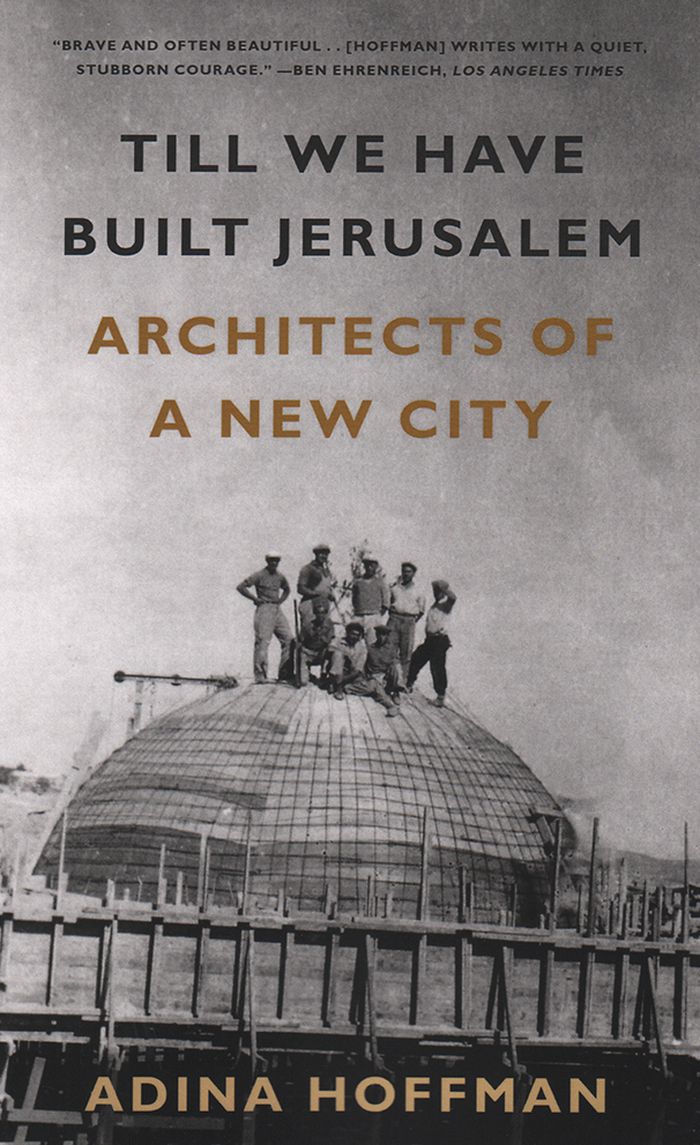
Till we have built Jerusalem: architects of a new city
Actions:
Price:
$24.00
(available to order)
Summary:
A beautifully written rumination on memory and forgetting, place and displacement, this essay uncovers the ramifying layers of one great city's buried history as it asks what it means, everywhere, to be foreign and to belong.
Till we have built Jerusalem: architects of a new city
Actions:
Price:
$24.00
(available to order)
Summary:
A beautifully written rumination on memory and forgetting, place and displacement, this essay uncovers the ramifying layers of one great city's buried history as it asks what it means, everywhere, to be foreign and to belong.
Form:
books
books
Publication:
April 2017
April 2017
Subject:
Arch Middle East
Arch Middle East
Form:
books
books
Actions:
Price:
$44.50
(available to order)
Summary:
"Chandigarh rethink" captures the rich, ongoing discourse on radically transforming urbanities within the Global South with specific reference to India's social, historical, economic and cultural repositioning. It examines urban edge 'figures' and their rural 'grounds', relevant not just to Chandigarh, but also to cities in general, while suggesting narrative strategies(...)
$44.50
(available to order)
Summary:
"Chandigarh rethink" captures the rich, ongoing discourse on radically transforming urbanities within the Global South with specific reference to India's social, historical, economic and cultural repositioning. It examines urban edge 'figures' and their rural 'grounds', relevant not just to Chandigarh, but also to cities in general, while suggesting narrative strategies(...)
Title:
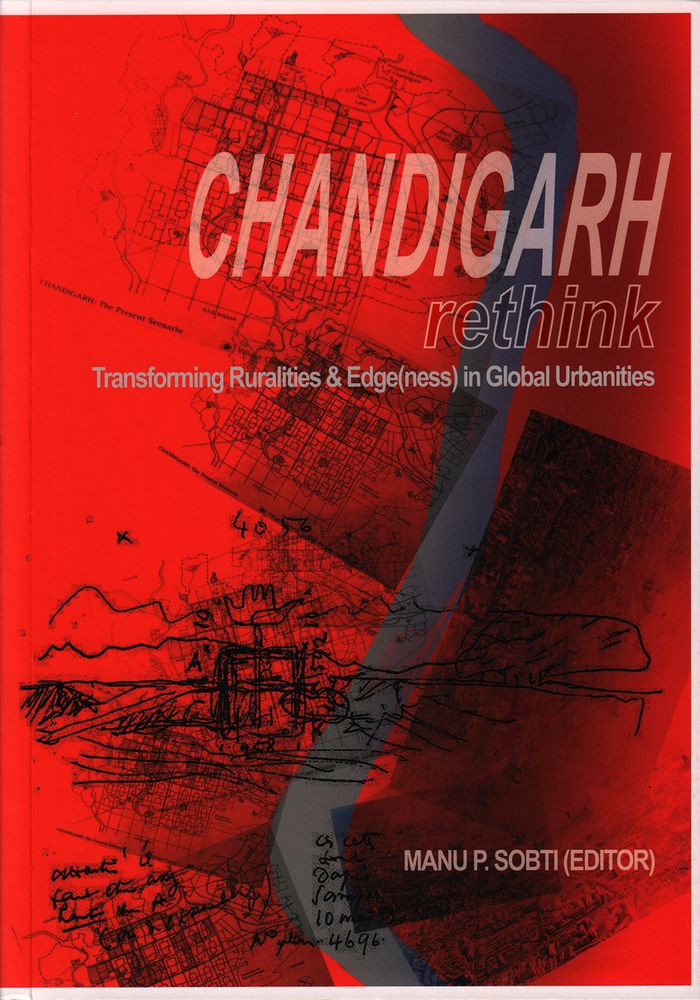
Chandigarh rethink: transforming ruralities & edeg(ness) in global urbanities
Actions:
Price:
$44.50
(available to order)
Summary:
"Chandigarh rethink" captures the rich, ongoing discourse on radically transforming urbanities within the Global South with specific reference to India's social, historical, economic and cultural repositioning. It examines urban edge 'figures' and their rural 'grounds', relevant not just to Chandigarh, but also to cities in general, while suggesting narrative strategies via provocative design studio design work. These introspections are framed within themed contributions from a globally recognized group of scholars who represent the diverse disciplines of architecture, planning, urban design, landscape ecologies and the humanities. As a topical publication on global urbanities transforming a 'signature' urban project, "Chandigarh rethink" anticipates the Buildings-Landscapes-Cultures (blc) program and SARUP's efforts to uniquely aligning urban research, pedagogy and critical design practice towards examining global urbanities that continue to defy normative urban analysis. Beyond serving as an exemplar for globally aware architectural schools nationwide and beyond, it is also directed to serve as an instructive primer for design students and instructors examining global urban sites.
Chandigarh rethink: transforming ruralities & edeg(ness) in global urbanities
Actions:
Price:
$44.50
(available to order)
Summary:
"Chandigarh rethink" captures the rich, ongoing discourse on radically transforming urbanities within the Global South with specific reference to India's social, historical, economic and cultural repositioning. It examines urban edge 'figures' and their rural 'grounds', relevant not just to Chandigarh, but also to cities in general, while suggesting narrative strategies via provocative design studio design work. These introspections are framed within themed contributions from a globally recognized group of scholars who represent the diverse disciplines of architecture, planning, urban design, landscape ecologies and the humanities. As a topical publication on global urbanities transforming a 'signature' urban project, "Chandigarh rethink" anticipates the Buildings-Landscapes-Cultures (blc) program and SARUP's efforts to uniquely aligning urban research, pedagogy and critical design practice towards examining global urbanities that continue to defy normative urban analysis. Beyond serving as an exemplar for globally aware architectural schools nationwide and beyond, it is also directed to serve as an instructive primer for design students and instructors examining global urban sites.
Form:
books
books
Publication:
June 2017
June 2017
Subject:
Arch Middle East
Arch Middle East
Form:
books
books
Actions:
Price:
$57.50
(available to order)
Summary:
Compiled by Mexico City–based architects Miquel Adrià and Andrea Griborio, this volume features projects in Argentina, Brazil, Chile, Colombia, Costa Rica, Ecuador, El Salvador, Guatemala, Mexico, Paraguay, Peru, Uruguay and Venezuela, offering a panoramic view of some of the freshest work in contemporary Latin American architecture.
$57.50
(available to order)
Summary:
Compiled by Mexico City–based architects Miquel Adrià and Andrea Griborio, this volume features projects in Argentina, Brazil, Chile, Colombia, Costa Rica, Ecuador, El Salvador, Guatemala, Mexico, Paraguay, Peru, Uruguay and Venezuela, offering a panoramic view of some of the freshest work in contemporary Latin American architecture.
Title:
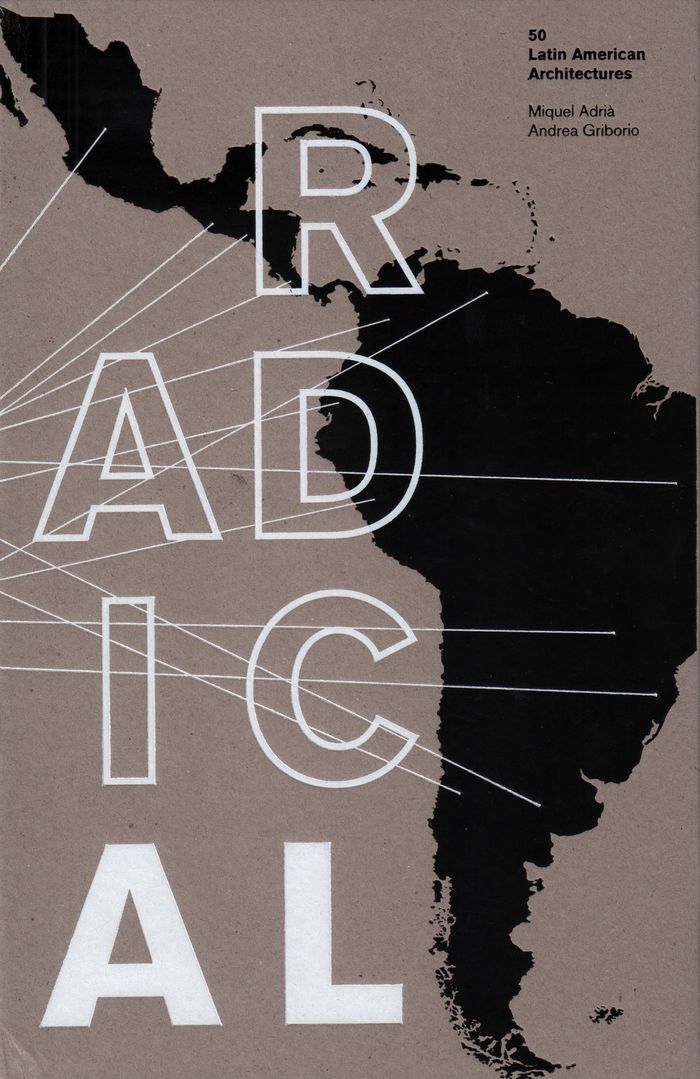
Radical: 50 Latin American Architectures
Actions:
Price:
$57.50
(available to order)
Summary:
Compiled by Mexico City–based architects Miquel Adrià and Andrea Griborio, this volume features projects in Argentina, Brazil, Chile, Colombia, Costa Rica, Ecuador, El Salvador, Guatemala, Mexico, Paraguay, Peru, Uruguay and Venezuela, offering a panoramic view of some of the freshest work in contemporary Latin American architecture.
Radical: 50 Latin American Architectures
Actions:
Price:
$57.50
(available to order)
Summary:
Compiled by Mexico City–based architects Miquel Adrià and Andrea Griborio, this volume features projects in Argentina, Brazil, Chile, Colombia, Costa Rica, Ecuador, El Salvador, Guatemala, Mexico, Paraguay, Peru, Uruguay and Venezuela, offering a panoramic view of some of the freshest work in contemporary Latin American architecture.
Form:
books
books
Publication:
November 2017
November 2017
Subject:
Arch Middle East
Arch Middle East
Form:
books
books
Actions:
Price:
$77.95
(available to order)
Summary:
Entre le début de l'exploitation des ressources pétrolières (fin des années 1940) et l'invasion du pays par l'armée irakienne (fin des années 1980 ) en passant par l'indépendance (1961), le Koweït a connu de profondes transformations qui se reflètent dans le patrimoine bâti. L'autonomie politique et l'élévation du niveau de vie ont eu pour conséquence une modification(...)
$77.95
(available to order)
Summary:
Entre le début de l'exploitation des ressources pétrolières (fin des années 1940) et l'invasion du pays par l'armée irakienne (fin des années 1980 ) en passant par l'indépendance (1961), le Koweït a connu de profondes transformations qui se reflètent dans le patrimoine bâti. L'autonomie politique et l'élévation du niveau de vie ont eu pour conséquence une modification(...)
Subject:
Arch Middle East
Arch Middle East
Publication:
May 2016
May 2016
Title:
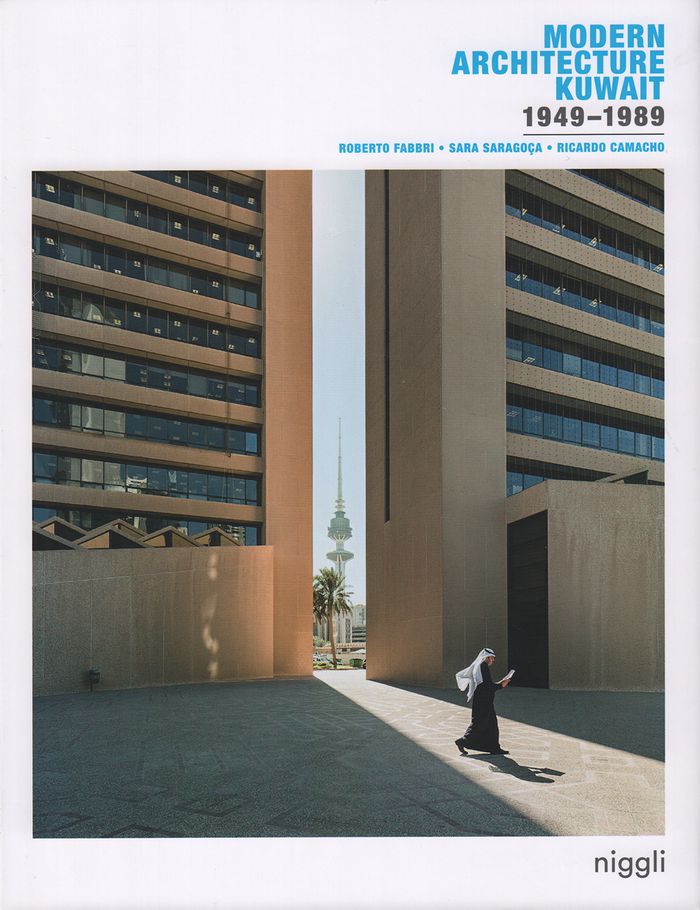
Modern architecture Kuwait, 1949-1989
Actions:
Price:
$77.95
(available to order)
Summary:
Entre le début de l'exploitation des ressources pétrolières (fin des années 1940) et l'invasion du pays par l'armée irakienne (fin des années 1980 ) en passant par l'indépendance (1961), le Koweït a connu de profondes transformations qui se reflètent dans le patrimoine bâti. L'autonomie politique et l'élévation du niveau de vie ont eu pour conséquence une modification radicale de la ville historique située sur la côte du golfe Persique. Les grands projets d'architecture et d'urbanisme lancés durant ces quatre décennies ont fourni à de grands architectes locaux et internationaux l'occasion de construire une ville nouvelle, de sorte que Koweït City présente aujourd'hui de nombreux exemples de l'architecture moderne classique. Résultat de plusieurs années de recherches interdisciplinaires, le présent ouvrage répertorie plus de cent cinquante bâtiments présentés avec des textes et des photos permettant de saisir la dynamique de changement qu'ils incarnent. Ces bâtiments reflètent une typologie et des styles très variés, mettent en évidence les différents moyens de s'adapter aux conditions climatiques locales et sont systématiquement présentés dans leur contexte urbanistique.
Modern architecture Kuwait, 1949-1989
Actions:
Price:
$77.95
(available to order)
Summary:
Entre le début de l'exploitation des ressources pétrolières (fin des années 1940) et l'invasion du pays par l'armée irakienne (fin des années 1980 ) en passant par l'indépendance (1961), le Koweït a connu de profondes transformations qui se reflètent dans le patrimoine bâti. L'autonomie politique et l'élévation du niveau de vie ont eu pour conséquence une modification radicale de la ville historique située sur la côte du golfe Persique. Les grands projets d'architecture et d'urbanisme lancés durant ces quatre décennies ont fourni à de grands architectes locaux et internationaux l'occasion de construire une ville nouvelle, de sorte que Koweït City présente aujourd'hui de nombreux exemples de l'architecture moderne classique. Résultat de plusieurs années de recherches interdisciplinaires, le présent ouvrage répertorie plus de cent cinquante bâtiments présentés avec des textes et des photos permettant de saisir la dynamique de changement qu'ils incarnent. Ces bâtiments reflètent une typologie et des styles très variés, mettent en évidence les différents moyens de s'adapter aux conditions climatiques locales et sont systématiquement présentés dans leur contexte urbanistique.
Form:
books
books
Publication:
May 2016
May 2016
Subject:
Arch Middle East
Arch Middle East
Form:
books
books
Actions:
Price:
$90.00
(available to order)
Summary:
"The Object of Zionism" is a critical study of Zionist spatial planning and the architectural fabrication of the State of Israel from the early 20th century to the 1960s and '70s. Zvi Efrat scrutinizes Israel as a singular modernist project, unprecedented in its political and ethical circumstances and its hyper-production of spatial and structural experiments.
$90.00
(available to order)
Summary:
"The Object of Zionism" is a critical study of Zionist spatial planning and the architectural fabrication of the State of Israel from the early 20th century to the 1960s and '70s. Zvi Efrat scrutinizes Israel as a singular modernist project, unprecedented in its political and ethical circumstances and its hyper-production of spatial and structural experiments.
Title:
The Israel project: the object of Zionism
Actions:
Price:
$90.00
(available to order)
Summary:
"The Object of Zionism" is a critical study of Zionist spatial planning and the architectural fabrication of the State of Israel from the early 20th century to the 1960s and '70s. Zvi Efrat scrutinizes Israel as a singular modernist project, unprecedented in its political and ethical circumstances and its hyper-production of spatial and structural experiments.
The Israel project: the object of Zionism
Actions:
Price:
$90.00
(available to order)
Summary:
"The Object of Zionism" is a critical study of Zionist spatial planning and the architectural fabrication of the State of Israel from the early 20th century to the 1960s and '70s. Zvi Efrat scrutinizes Israel as a singular modernist project, unprecedented in its political and ethical circumstances and its hyper-production of spatial and structural experiments.
Form:
books
books
Publication:
February 2019
February 2019
Subject:
Arch Middle East
Arch Middle East
Form:
books
books
Price:
$66.00
(available to order)
Summary:
This book offers a critical look at the territory that today forms the state of Israel and the lasting historical role of agriculture, which sprang from the Neolithic revolution in the Middle East, had for a wide range of aspects of human social and ecological development. Topics considered include agriculture’s role in territorial appropriation and domestication, in(...)
$66.00
(available to order)
Summary:
This book offers a critical look at the territory that today forms the state of Israel and the lasting historical role of agriculture, which sprang from the Neolithic revolution in the Middle East, had for a wide range of aspects of human social and ecological development. Topics considered include agriculture’s role in territorial appropriation and domestication, in(...)
Subject:
Arch Middle East
Arch Middle East
Publication:
April 2018
April 2018
Title:
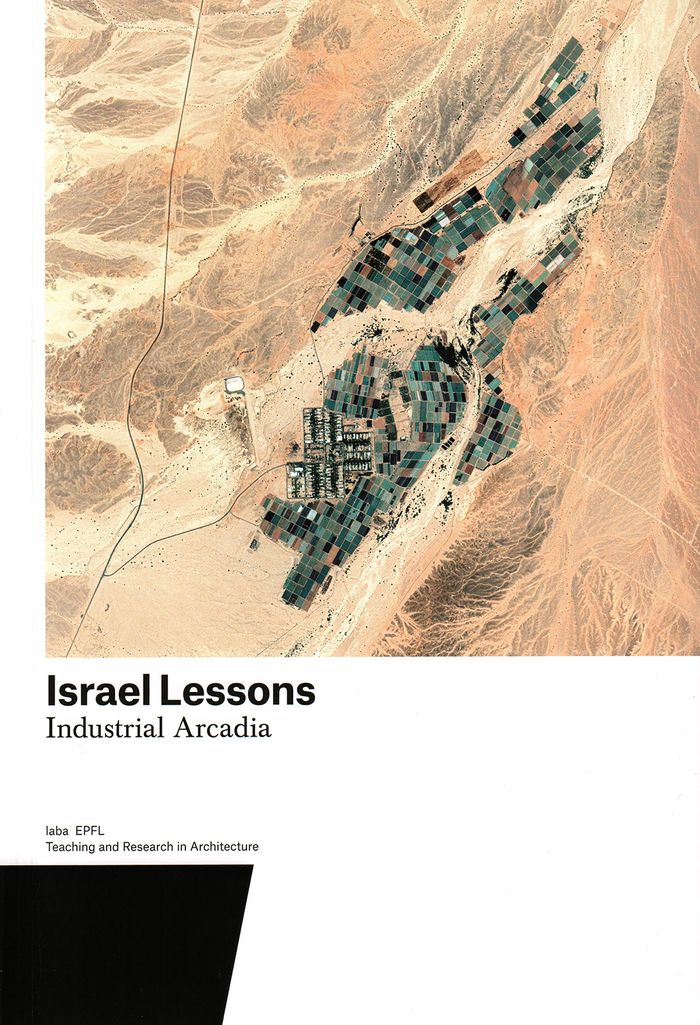
Israel lessons: industrial Arcadia. Teaching and research in architecture
Actions:
Price:
$66.00
(available to order)
Summary:
This book offers a critical look at the territory that today forms the state of Israel and the lasting historical role of agriculture, which sprang from the Neolithic revolution in the Middle East, had for a wide range of aspects of human social and ecological development. Topics considered include agriculture’s role in territorial appropriation and domestication, in structuring the development of urbanization, in creating a national homeland narrative for the Jewish state, and in changing the climate. "Israel Lessons" explores in particular the three major types of Israeli agricultural development: vernacular Palestinian/Bedouin, socialist utopian Kibbutz/Moshav, and contemporary high-tech desert farming. Presenting findings through text matched to striking images, graphics, and maps, and featuring proposals for architectural intervetions, it demonstrates how facts and narratives related to agriculture and the climate crisis are intertwined with geopolitics and sectarian ideals of an earthly paradise.
Israel lessons: industrial Arcadia. Teaching and research in architecture
Actions:
Price:
$66.00
(available to order)
Summary:
This book offers a critical look at the territory that today forms the state of Israel and the lasting historical role of agriculture, which sprang from the Neolithic revolution in the Middle East, had for a wide range of aspects of human social and ecological development. Topics considered include agriculture’s role in territorial appropriation and domestication, in structuring the development of urbanization, in creating a national homeland narrative for the Jewish state, and in changing the climate. "Israel Lessons" explores in particular the three major types of Israeli agricultural development: vernacular Palestinian/Bedouin, socialist utopian Kibbutz/Moshav, and contemporary high-tech desert farming. Presenting findings through text matched to striking images, graphics, and maps, and featuring proposals for architectural intervetions, it demonstrates how facts and narratives related to agriculture and the climate crisis are intertwined with geopolitics and sectarian ideals of an earthly paradise.
Form:
books
books
Publication:
April 2018
April 2018
Subject:
Arch Middle East
Arch Middle East
Form:
books
books
Price:
$25.95
(available in store)
Summary:
With "Sundry Modernism", Oraib Toukan presents an informal register of modernist Palestinian architecture—an assemblage of images and stories collected from 2013 to 2015 in the cities of Nablus, Ramallah, Jerusalem, Bethlehem, and Jericho. Using her photographs as conversation prompts with various residents, historians, and architects, Toukan places the anecdotes(...)
$25.95
(available in store)
Summary:
With "Sundry Modernism", Oraib Toukan presents an informal register of modernist Palestinian architecture—an assemblage of images and stories collected from 2013 to 2015 in the cities of Nablus, Ramallah, Jerusalem, Bethlehem, and Jericho. Using her photographs as conversation prompts with various residents, historians, and architects, Toukan places the anecdotes(...)
Title:
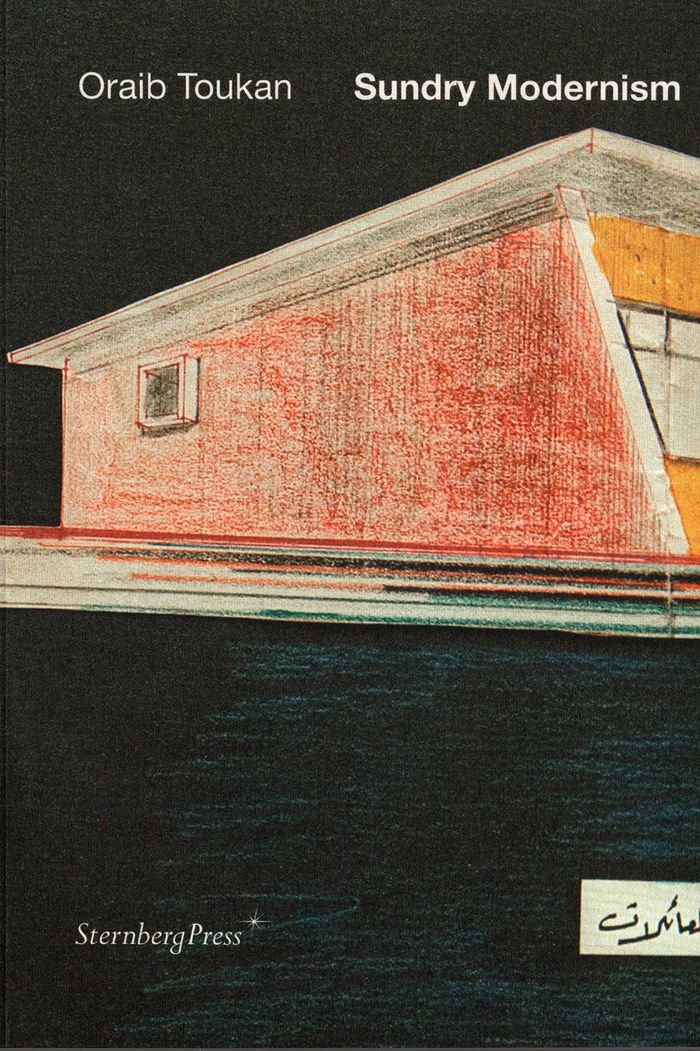
Sundry modernism: materials for a study of Palestinian modernism
Actions:
Price:
$25.95
(available in store)
Summary:
With "Sundry Modernism", Oraib Toukan presents an informal register of modernist Palestinian architecture—an assemblage of images and stories collected from 2013 to 2015 in the cities of Nablus, Ramallah, Jerusalem, Bethlehem, and Jericho. Using her photographs as conversation prompts with various residents, historians, and architects, Toukan places the anecdotes collected thereby into political and historical context, weaving together narrative and critique. "Sundry Modernism" sets out to be a gesture, a nod, a salutation to, and a critique of, the lines and angles of Palestinian modernism. It is a provocation on the act of looking, and, in particular, it is a proposal for reading apolitical forms in politicized contexts.
Sundry modernism: materials for a study of Palestinian modernism
Actions:
Price:
$25.95
(available in store)
Summary:
With "Sundry Modernism", Oraib Toukan presents an informal register of modernist Palestinian architecture—an assemblage of images and stories collected from 2013 to 2015 in the cities of Nablus, Ramallah, Jerusalem, Bethlehem, and Jericho. Using her photographs as conversation prompts with various residents, historians, and architects, Toukan places the anecdotes collected thereby into political and historical context, weaving together narrative and critique. "Sundry Modernism" sets out to be a gesture, a nod, a salutation to, and a critique of, the lines and angles of Palestinian modernism. It is a provocation on the act of looking, and, in particular, it is a proposal for reading apolitical forms in politicized contexts.
Form:
books
books
Publication:
December 2017
December 2017
Subject:
Arch Middle East
Arch Middle East


