


168 Results
Form:
books
books
Title:
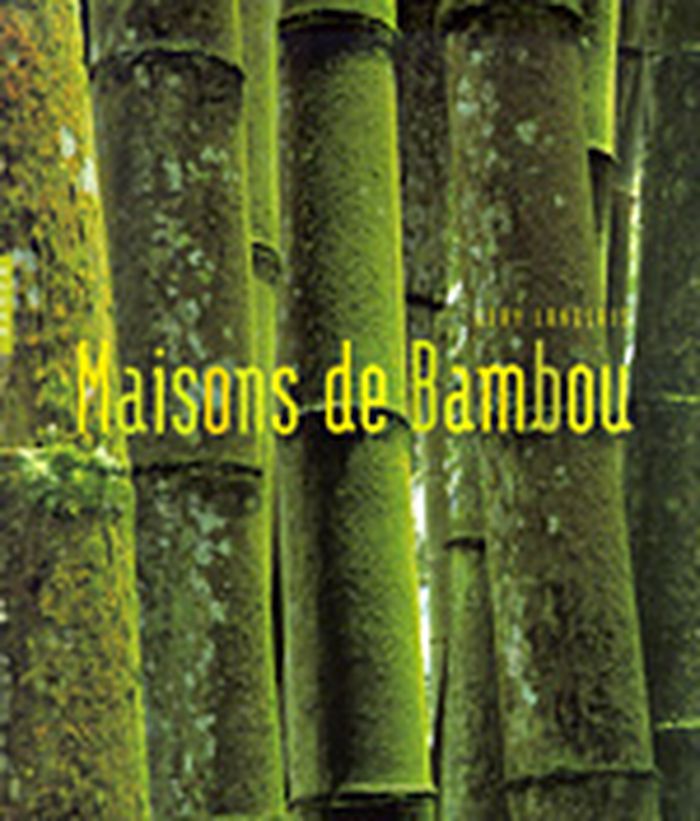
Maisons de bambou
Maisons de bambou
Actions:
Price:
$74.95
(available to order)
Summary:
De l'architecture traditionelle de l'île Célèbes aux créations contemporaines en Colombie, des constructions religieuses éphémères à Bali aux maisons de thé japonaises, des chefferies bamoum au Cameroun aux cités lacustres du Bénin, cet ouvrage explore la richesse de l'usage du bambou qui témoigne de l'ingéniosité de l'homme.
$74.95
(available to order)
Summary:
De l'architecture traditionelle de l'île Célèbes aux créations contemporaines en Colombie, des constructions religieuses éphémères à Bali aux maisons de thé japonaises, des chefferies bamoum au Cameroun aux cités lacustres du Bénin, cet ouvrage explore la richesse de l'usage du bambou qui témoigne de l'ingéniosité de l'homme.
Title:
Maisons de bambou
Actions:
Price:
$74.95
(available to order)
Summary:
De l'architecture traditionelle de l'île Célèbes aux créations contemporaines en Colombie, des constructions religieuses éphémères à Bali aux maisons de thé japonaises, des chefferies bamoum au Cameroun aux cités lacustres du Bénin, cet ouvrage explore la richesse de l'usage du bambou qui témoigne de l'ingéniosité de l'homme.
Maisons de bambou
Actions:
Price:
$74.95
(available to order)
Summary:
De l'architecture traditionelle de l'île Célèbes aux créations contemporaines en Colombie, des constructions religieuses éphémères à Bali aux maisons de thé japonaises, des chefferies bamoum au Cameroun aux cités lacustres du Bénin, cet ouvrage explore la richesse de l'usage du bambou qui témoigne de l'ingéniosité de l'homme.
Form:
books
books
Publication:
September 2002, Paris
September 2002, Paris
Subject:
Arch Middle East
Arch Middle East
Form:
books
books
Actions:
Price:
$130.00
(available to order)
Summary:
Designated by King George V to replace Calcutta as capital of British India, New Delhi was constructed between 1912 and 1929 under the eye of architect Sir Edward Lutyens who sought to bring to this British colony a sense of classicism, order, and institutional beauty. With more than 300 colour and black and white illustrations, plans and photographs, this book presents(...)
$130.00
(available to order)
Summary:
Designated by King George V to replace Calcutta as capital of British India, New Delhi was constructed between 1912 and 1929 under the eye of architect Sir Edward Lutyens who sought to bring to this British colony a sense of classicism, order, and institutional beauty. With more than 300 colour and black and white illustrations, plans and photographs, this book presents(...)
Title:
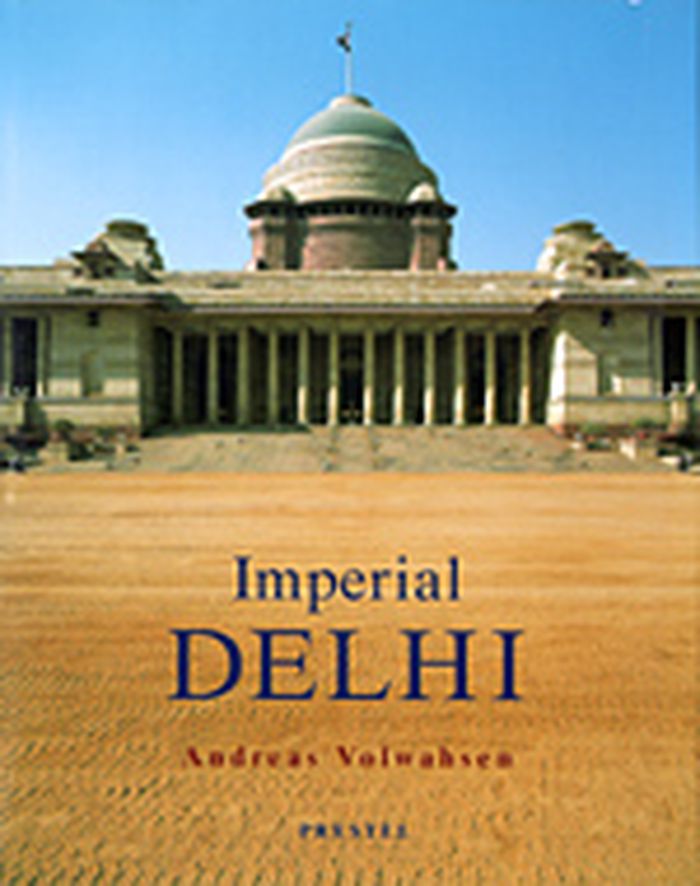
Imperial Delhi : the British capital of the Indian Empire
Actions:
Price:
$130.00
(available to order)
Summary:
Designated by King George V to replace Calcutta as capital of British India, New Delhi was constructed between 1912 and 1929 under the eye of architect Sir Edward Lutyens who sought to bring to this British colony a sense of classicism, order, and institutional beauty. With more than 300 colour and black and white illustrations, plans and photographs, this book presents the most comprehensive examination to date of how this city was envisioned, planned, and constructed. From the massive war memorial arch and resplendent sandstone and marble government house to the spacious gardens and the gloriously imposing Viceroy's House, the evidence of Lutyen’s architectural genius is everywhere throughout New Delhi. As architectural historian Andreas Volwahsen discusses the importance of Lutyen’s work he provides a fascinating account of the making of a city: the contentious debates and cultural considerations, the inspiration and the painstaking construction, and finally the ways in which New Delhi has evolved into a modern city. With the growing interest in the preservation of historic sights worldwide, this magnificently detailed yet highly accessible history is certain to become a classic in the fields of architecture and urban design.
Imperial Delhi : the British capital of the Indian Empire
Actions:
Price:
$130.00
(available to order)
Summary:
Designated by King George V to replace Calcutta as capital of British India, New Delhi was constructed between 1912 and 1929 under the eye of architect Sir Edward Lutyens who sought to bring to this British colony a sense of classicism, order, and institutional beauty. With more than 300 colour and black and white illustrations, plans and photographs, this book presents the most comprehensive examination to date of how this city was envisioned, planned, and constructed. From the massive war memorial arch and resplendent sandstone and marble government house to the spacious gardens and the gloriously imposing Viceroy's House, the evidence of Lutyen’s architectural genius is everywhere throughout New Delhi. As architectural historian Andreas Volwahsen discusses the importance of Lutyen’s work he provides a fascinating account of the making of a city: the contentious debates and cultural considerations, the inspiration and the painstaking construction, and finally the ways in which New Delhi has evolved into a modern city. With the growing interest in the preservation of historic sights worldwide, this magnificently detailed yet highly accessible history is certain to become a classic in the fields of architecture and urban design.
Form:
books
books
Publication:
October 2002, Munich
October 2002, Munich
Subject:
Arch Middle East
Arch Middle East
Form:
books
books
Actions:
Price:
$31.95
(available to order)
Summary:
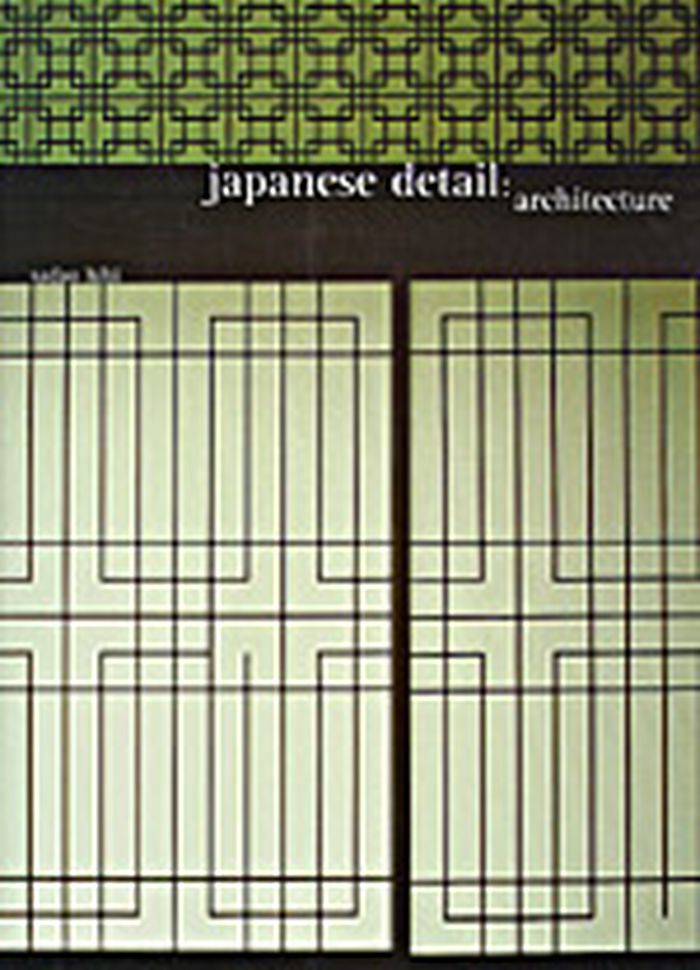
From luminescent "shoji" screens to rough-hewn flagstone paths, from ornate doorways to the round windows of a tea ceremony room. "Japanese detail : architecture" surveys elements of Japanese design. A portfolio of images by Sadao Hibi.
$31.95
(available to order)
Summary:
From luminescent "shoji" screens to rough-hewn flagstone paths, from ornate doorways to the round windows of a tea ceremony room. "Japanese detail : architecture" surveys elements of Japanese design. A portfolio of images by Sadao Hibi.
Title:
Japanese detail : architecture
Actions:
Price:
$31.95
(available to order)
Summary:
From luminescent "shoji" screens to rough-hewn flagstone paths, from ornate doorways to the round windows of a tea ceremony room. "Japanese detail : architecture" surveys elements of Japanese design. A portfolio of images by Sadao Hibi.
Japanese detail : architecture
Actions:
Price:
$31.95
(available to order)
Summary:
From luminescent "shoji" screens to rough-hewn flagstone paths, from ornate doorways to the round windows of a tea ceremony room. "Japanese detail : architecture" surveys elements of Japanese design. A portfolio of images by Sadao Hibi.
Form:
books
books
Publication:
May 2003, San Francisco
May 2003, San Francisco
Subject:
Arch Middle East
Arch Middle East
Form:
books
books
Actions:
Price:
$36.95
(available to order)
Summary:
The architecture of India reflects both the cultural diversity of the subcontinent and its rich political and historical inheritance. In this guide, the various strands of this rich architectural history, from the dawn of civilization to modern times, are presented in word and picture. Readers are taken on a tour of Indus Valley civilization, early Vedic traditions,(...)
$36.95
(available to order)
Summary:
The architecture of India reflects both the cultural diversity of the subcontinent and its rich political and historical inheritance. In this guide, the various strands of this rich architectural history, from the dawn of civilization to modern times, are presented in word and picture. Readers are taken on a tour of Indus Valley civilization, early Vedic traditions,(...)
Title:
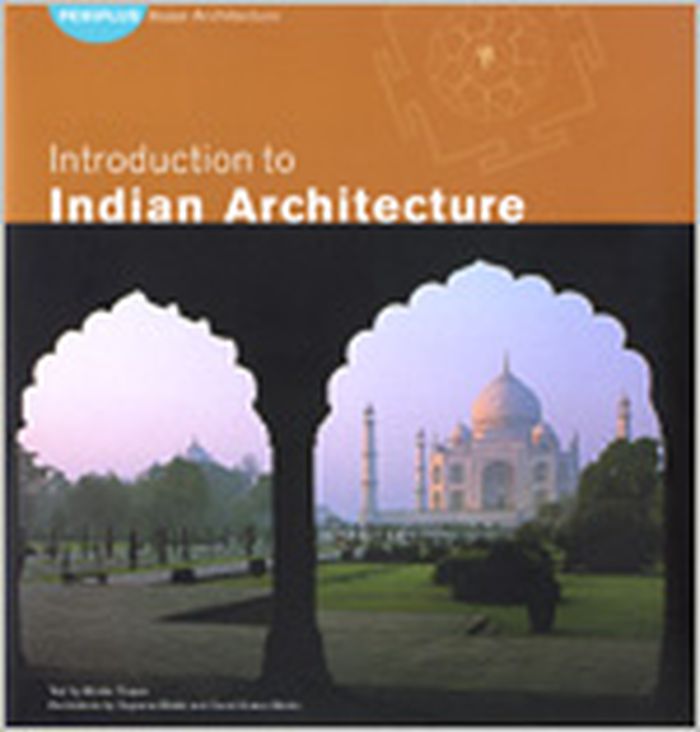
Introduction to Indian architecture
Actions:
Price:
$36.95
(available to order)
Summary:
The architecture of India reflects both the cultural diversity of the subcontinent and its rich political and historical inheritance. In this guide, the various strands of this rich architectural history, from the dawn of civilization to modern times, are presented in word and picture. Readers are taken on a tour of Indus Valley civilization, early Vedic traditions, Hindu, Jain, Mughal, regional, colonial and post-independencearchitectural styles, and thematic architecture, as well as specific monuments and buildings.
Introduction to Indian architecture
Actions:
Price:
$36.95
(available to order)
Summary:
The architecture of India reflects both the cultural diversity of the subcontinent and its rich political and historical inheritance. In this guide, the various strands of this rich architectural history, from the dawn of civilization to modern times, are presented in word and picture. Readers are taken on a tour of Indus Valley civilization, early Vedic traditions, Hindu, Jain, Mughal, regional, colonial and post-independencearchitectural styles, and thematic architecture, as well as specific monuments and buildings.
Form:
books
books
Publication:
June 2003, Singapore
June 2003, Singapore
Subject:
Arch Middle East
Arch Middle East
Form:
books
books
Actions:
Price:
$43.95
(available to order)
Summary:
Jaipur, in Rajasthan, is renowned for its palaces and museums, its craft traditions and its distinctive pink shops and houses. A planned city within walls, it was built in pre-modern times according to a distinctive Indian theory of architecture known as vastu vidya. As architecture subsequently developed in India, in response to British and latterly post-colonial(...)
$43.95
(available to order)
Summary:
Jaipur, in Rajasthan, is renowned for its palaces and museums, its craft traditions and its distinctive pink shops and houses. A planned city within walls, it was built in pre-modern times according to a distinctive Indian theory of architecture known as vastu vidya. As architecture subsequently developed in India, in response to British and latterly post-colonial(...)
Subject:
Arch Middle East
Arch Middle East
Publication:
September 2002, London
September 2002, London
Title:
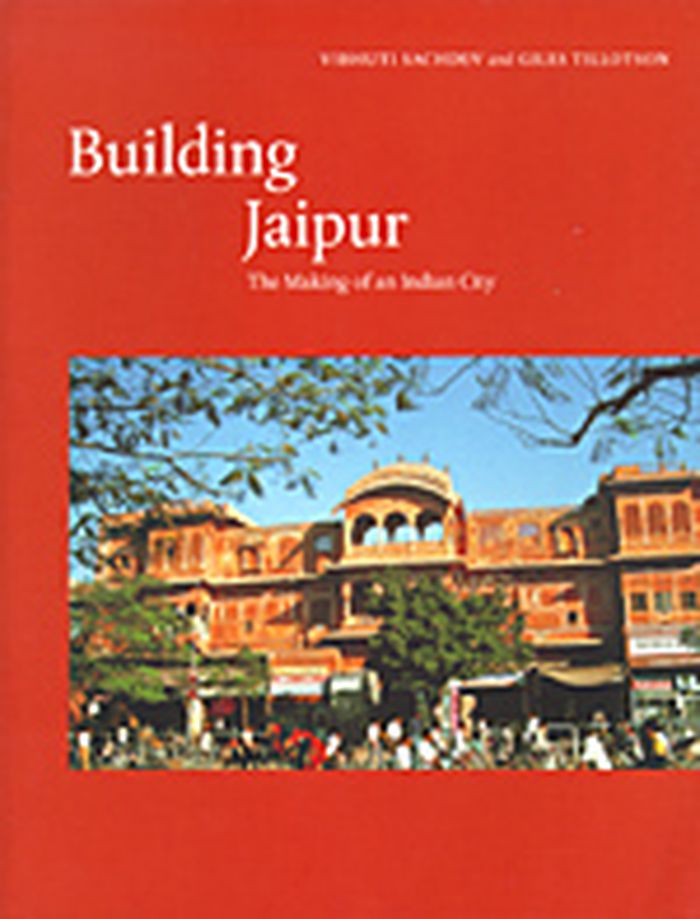
Building Jaipur : the making of an Indian city
Actions:
Price:
$43.95
(available to order)
Summary:
Jaipur, in Rajasthan, is renowned for its palaces and museums, its craft traditions and its distinctive pink shops and houses. A planned city within walls, it was built in pre-modern times according to a distinctive Indian theory of architecture known as vastu vidya. As architecture subsequently developed in India, in response to British and latterly post-colonial policies, this system became increasingly marginalized and fragmented, decreasingly practised and understood. Taking Jaipur as a test case, the authors use this lost tradition to explain historic Indian buildings according to the rationale of their original architects. The authors also examine the place of traditional architectural theory in a modern context – Post-Modern architecture in India has often sought to recapture a spirit of the past, and yet been reluctant to engage with traditional theory. By chronicling the gradual eclipse of Indian architectural theory, the authors explain how this reluctance arose; they also describe the need and the terms for a fresh engagement with it. The result is an architectural biography of a city, and a concise history of Indian architectural theory over the last 300 years.
Building Jaipur : the making of an Indian city
Actions:
Price:
$43.95
(available to order)
Summary:
Jaipur, in Rajasthan, is renowned for its palaces and museums, its craft traditions and its distinctive pink shops and houses. A planned city within walls, it was built in pre-modern times according to a distinctive Indian theory of architecture known as vastu vidya. As architecture subsequently developed in India, in response to British and latterly post-colonial policies, this system became increasingly marginalized and fragmented, decreasingly practised and understood. Taking Jaipur as a test case, the authors use this lost tradition to explain historic Indian buildings according to the rationale of their original architects. The authors also examine the place of traditional architectural theory in a modern context – Post-Modern architecture in India has often sought to recapture a spirit of the past, and yet been reluctant to engage with traditional theory. By chronicling the gradual eclipse of Indian architectural theory, the authors explain how this reluctance arose; they also describe the need and the terms for a fresh engagement with it. The result is an architectural biography of a city, and a concise history of Indian architectural theory over the last 300 years.
Form:
books
books
Publication:
September 2002, London
September 2002, London
Subject:
Arch Middle East
Arch Middle East
Form:
books
books
Title:
Mexico Baroque
Mexico Baroque
Actions:
Price:
$102.00
(available to order)
Summary:
This book presents a stunning photographic collection of baroque churches in Mexico.
$102.00
(available to order)
Summary:
This book presents a stunning photographic collection of baroque churches in Mexico.
Title:
Mexico Baroque
Actions:
Price:
$102.00
(available to order)
Summary:
This book presents a stunning photographic collection of baroque churches in Mexico.
Mexico Baroque
Actions:
Price:
$102.00
(available to order)
Summary:
This book presents a stunning photographic collection of baroque churches in Mexico.
Form:
books
books
Publication:
January 1900, Tokyo
January 1900, Tokyo
Subject:
Arch Middle East
Arch Middle East
Form:
books
books
Actions:
Price:
$45.00
(available to order)
Summary:
The perimeter around the occupied Gaza Strip is formed by a sophisticated system of fences, forts and surveillance technologies. With each Israeli incursion, a military no-go area, or a "buffer zone," is established along Gaza's "borders," extending deep into Palestinian residential areas and farmlands— further compounding the Gaza Strip's isolation from the rest of(...)
$45.00
(available to order)
Summary:
The perimeter around the occupied Gaza Strip is formed by a sophisticated system of fences, forts and surveillance technologies. With each Israeli incursion, a military no-go area, or a "buffer zone," is established along Gaza's "borders," extending deep into Palestinian residential areas and farmlands— further compounding the Gaza Strip's isolation from the rest of(...)
Title:
Environmental warfare in Gaza: Colonial violence and new landscapes of resistance
Actions:
Price:
$45.00
(available to order)
Summary:
The perimeter around the occupied Gaza Strip is formed by a sophisticated system of fences, forts and surveillance technologies. With each Israeli incursion, a military no-go area, or a "buffer zone," is established along Gaza's "borders," extending deep into Palestinian residential areas and farmlands— further compounding the Gaza Strip's isolation from the rest of Palestine. Since 2014, the bulldozing of Palestinian lands by the Israeli occupation forces has been complemented by unannounced aerial spraying of military herbicides, extending the reach of Israeli violence into the realm of chemical warfare. Today, the spraying has destroyed entire swaths of arable land in Gaza, forcibly changing a once-lush Palestinian landscape, and providing the Israeli army with better visibility to fire at Palestinian targets with lethal force from a distance. This book is a vivid document of this latest stage of Israeli warfare, including original maps, images and visualisations which deepen our understanding of its environmental and human impact. It collects new documents, original archival materials, stills of drone footage, first-hand testimonies of farmers, organisers and protesters, and documents affected vegetation in Gaza as "silent witnesses" to Israeli settler-colonial violence.
Environmental warfare in Gaza: Colonial violence and new landscapes of resistance
Actions:
Price:
$45.00
(available to order)
Summary:
The perimeter around the occupied Gaza Strip is formed by a sophisticated system of fences, forts and surveillance technologies. With each Israeli incursion, a military no-go area, or a "buffer zone," is established along Gaza's "borders," extending deep into Palestinian residential areas and farmlands— further compounding the Gaza Strip's isolation from the rest of Palestine. Since 2014, the bulldozing of Palestinian lands by the Israeli occupation forces has been complemented by unannounced aerial spraying of military herbicides, extending the reach of Israeli violence into the realm of chemical warfare. Today, the spraying has destroyed entire swaths of arable land in Gaza, forcibly changing a once-lush Palestinian landscape, and providing the Israeli army with better visibility to fire at Palestinian targets with lethal force from a distance. This book is a vivid document of this latest stage of Israeli warfare, including original maps, images and visualisations which deepen our understanding of its environmental and human impact. It collects new documents, original archival materials, stills of drone footage, first-hand testimonies of farmers, organisers and protesters, and documents affected vegetation in Gaza as "silent witnesses" to Israeli settler-colonial violence.
Form:
books
books
Publication:
February 2024
February 2024
Subject:
Arch Middle East
Arch Middle East
Form:
books
books
Actions:
Price:
$37.99
(available in store)
Summary:
''Checkpoint 300'', the highly securitized border facility between occupied Bethlehem and Jerusalem, is a central feature of Israeli control of Palestinian land and life. An apparatus of turnstiles, overcrowded corridors, and invasive inspections, the checkpoint regulates the movement of hundreds of thousands of Palestinians, granting access to some while excluding most.(...)
$37.99
(available in store)
Summary:
''Checkpoint 300'', the highly securitized border facility between occupied Bethlehem and Jerusalem, is a central feature of Israeli control of Palestinian land and life. An apparatus of turnstiles, overcrowded corridors, and invasive inspections, the checkpoint regulates the movement of hundreds of thousands of Palestinians, granting access to some while excluding most.(...)
Title:
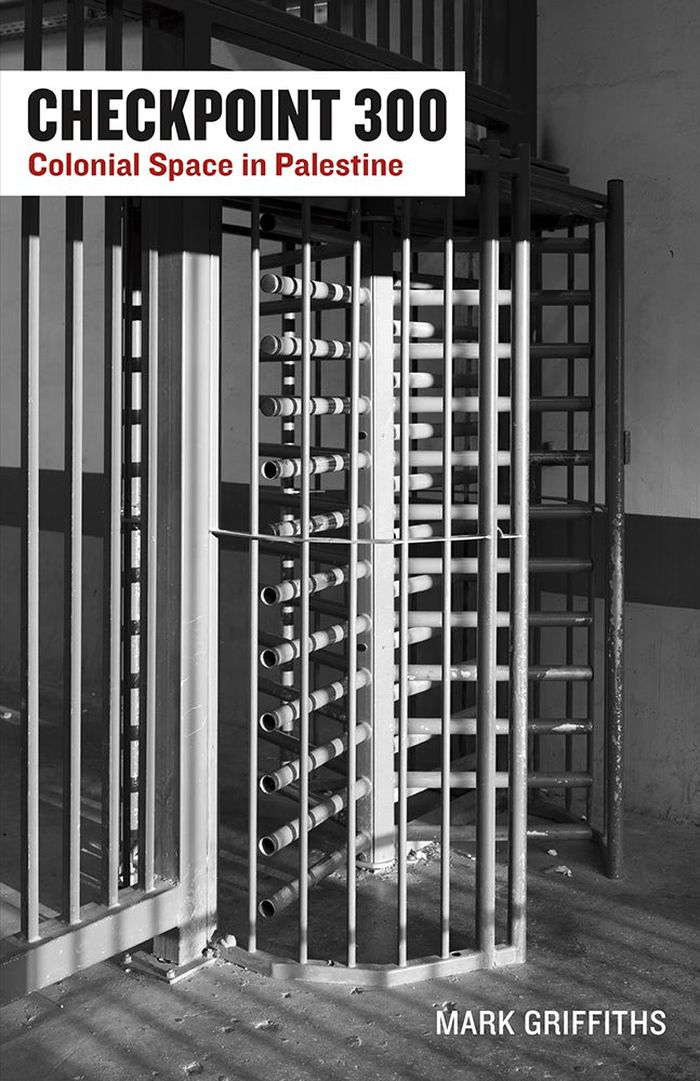
Checkpoint 3000: Colonial space in Palestine
Actions:
Price:
$37.99
(available in store)
Summary:
''Checkpoint 300'', the highly securitized border facility between occupied Bethlehem and Jerusalem, is a central feature of Israeli control of Palestinian land and life. An apparatus of turnstiles, overcrowded corridors, and invasive inspections, the checkpoint regulates the movement of hundreds of thousands of Palestinians, granting access to some while excluding most. Offering a nuanced exploration of space, Mark Griffiths reveals ''Checkpoint 300'' as a stark symbol of Israeli colonialism that embodies larger systems of control and violence. Drawing on nearly a decade of fieldwork, Griffiths examines how colonial power infiltrates family dynamics, enforces gendered mobility restrictions, shapes local economies, and extends into the global exchange of capital and security technologies. He also underscores how Palestinians endure and resist under oppressive conditions and how indigenous forms of life and living are sustained, illuminating how colonial space is contested and countered, unmade and remade.
Checkpoint 3000: Colonial space in Palestine
Actions:
Price:
$37.99
(available in store)
Summary:
''Checkpoint 300'', the highly securitized border facility between occupied Bethlehem and Jerusalem, is a central feature of Israeli control of Palestinian land and life. An apparatus of turnstiles, overcrowded corridors, and invasive inspections, the checkpoint regulates the movement of hundreds of thousands of Palestinians, granting access to some while excluding most. Offering a nuanced exploration of space, Mark Griffiths reveals ''Checkpoint 300'' as a stark symbol of Israeli colonialism that embodies larger systems of control and violence. Drawing on nearly a decade of fieldwork, Griffiths examines how colonial power infiltrates family dynamics, enforces gendered mobility restrictions, shapes local economies, and extends into the global exchange of capital and security technologies. He also underscores how Palestinians endure and resist under oppressive conditions and how indigenous forms of life and living are sustained, illuminating how colonial space is contested and countered, unmade and remade.
Form:
books
books
Publication:
August 2025
August 2025
Subject:
Arch Middle East
Arch Middle East
Form:
books
books
Actions:
Price:
$74.95
(available to order)
Summary:
Entre le VIe et le VIIe siècles ont été construits certains des plus beaux temples de l'Inde méridionale. On y voit se constituer les différentes formes iconographiques des dieux hindous. Dans le sillage des combats que se livrent à cette époque les principales dynasties de l'Inde du Sud, les Câlukya, les Pallawa, les Râshtrakûta, se dessine un vaste mouvement de(...)
$74.95
(available to order)
Summary:
Entre le VIe et le VIIe siècles ont été construits certains des plus beaux temples de l'Inde méridionale. On y voit se constituer les différentes formes iconographiques des dieux hindous. Dans le sillage des combats que se livrent à cette époque les principales dynasties de l'Inde du Sud, les Câlukya, les Pallawa, les Râshtrakûta, se dessine un vaste mouvement de(...)
Title:
Temples de l'Inde médidionale
Actions:
Price:
$74.95
(available to order)
Summary:
Entre le VIe et le VIIe siècles ont été construits certains des plus beaux temples de l'Inde méridionale. On y voit se constituer les différentes formes iconographiques des dieux hindous. Dans le sillage des combats que se livrent à cette époque les principales dynasties de l'Inde du Sud, les Câlukya, les Pallawa, les Râshtrakûta, se dessine un vaste mouvement de diffusion et de création de modèles artistiques. En transposant le mythe dans l'espace, chaque temple en offre aussi une interprétation propre à travers son programme iconographique. La mythologie hindoue y révèle à la fois sa cohérence et sa richesse. Ce livre propose une analyse des temples qui met en relation les images et le système indien d'appréhension et de représentation.
Temples de l'Inde médidionale
Actions:
Price:
$74.95
(available to order)
Summary:
Entre le VIe et le VIIe siècles ont été construits certains des plus beaux temples de l'Inde méridionale. On y voit se constituer les différentes formes iconographiques des dieux hindous. Dans le sillage des combats que se livrent à cette époque les principales dynasties de l'Inde du Sud, les Câlukya, les Pallawa, les Râshtrakûta, se dessine un vaste mouvement de diffusion et de création de modèles artistiques. En transposant le mythe dans l'espace, chaque temple en offre aussi une interprétation propre à travers son programme iconographique. La mythologie hindoue y révèle à la fois sa cohérence et sa richesse. Ce livre propose une analyse des temples qui met en relation les images et le système indien d'appréhension et de représentation.
Form:
books
books
Publication:
January 1900, Paris
January 1900, Paris
Subject:
Arch Middle East
Arch Middle East
Form:
books
books
Title:
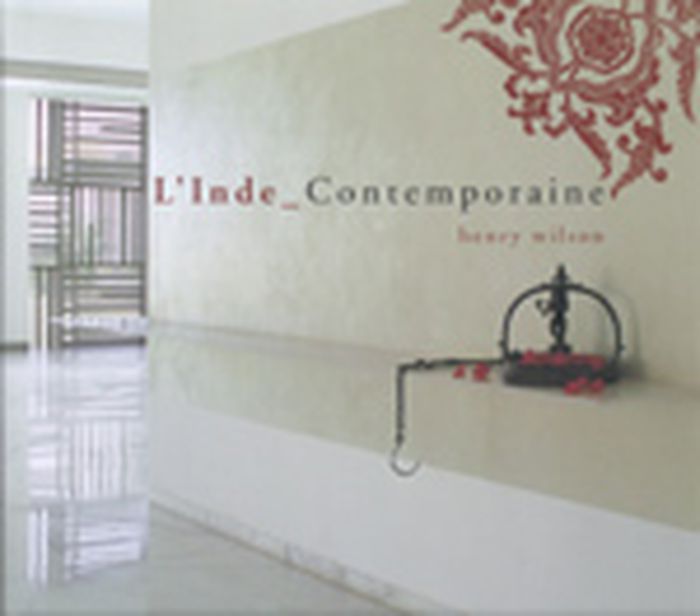
L'inde_ Contemporaine
L'inde_ Contemporaine
Actions:
Price:
$67.95
(available to order)
Summary:
Une exploration intime de la sensibilit� indienne en mati�re de d�coration et de design. Une approche �radicalement moderne, allusivement traditionnelle, exclusivement �l�gante�
$67.95
(available to order)
Summary:
Une exploration intime de la sensibilit� indienne en mati�re de d�coration et de design. Une approche �radicalement moderne, allusivement traditionnelle, exclusivement �l�gante�
Subject:
Arch Middle East
Arch Middle East
Publication:
November 2007, Gen�ve
November 2007, Gen�ve
Title:
L'inde_ Contemporaine
Actions:
Price:
$67.95
(available to order)
Summary:
Une exploration intime de la sensibilit� indienne en mati�re de d�coration et de design. Une approche �radicalement moderne, allusivement traditionnelle, exclusivement �l�gante�
L'inde_ Contemporaine
Actions:
Price:
$67.95
(available to order)
Summary:
Une exploration intime de la sensibilit� indienne en mati�re de d�coration et de design. Une approche �radicalement moderne, allusivement traditionnelle, exclusivement �l�gante�
Form:
books
books
Publication:
November 2007, Gen�ve
November 2007, Gen�ve
Subject:
Arch Middle East
Arch Middle East


