


2227 Results
Form:
books
books
Title:
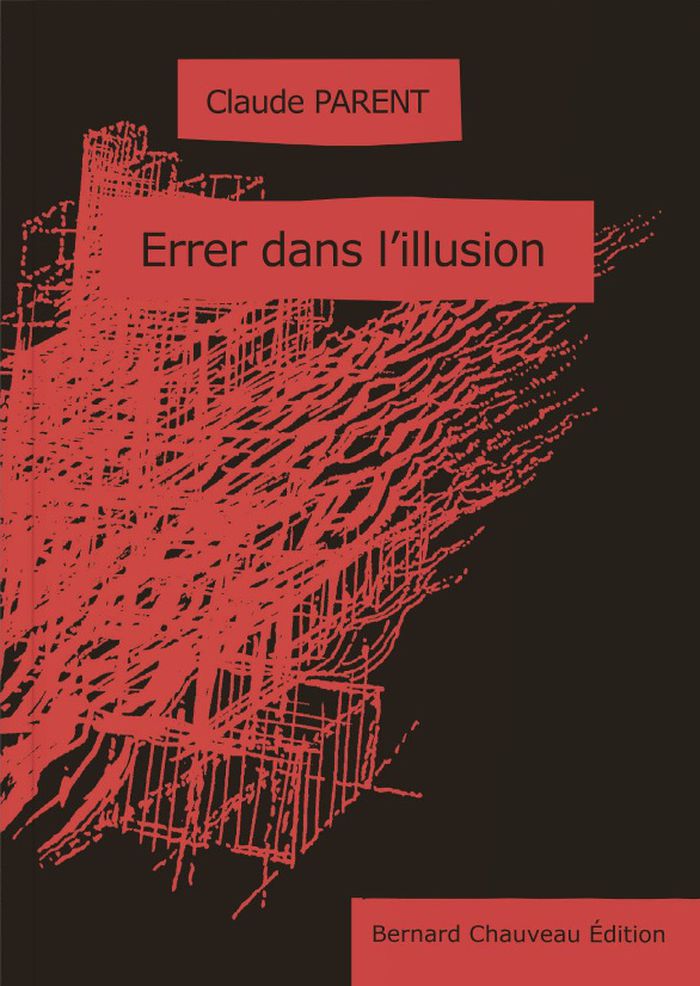
Errer dans l'illusion
Errer dans l'illusion
Actions:
Price:
$30.95
(available to order)
Summary:
Depuis la création de son agence en 1956, Claude Parent n'a cessé de bousculer les idées reçues. Véritable empêcheur de penser en rond, il a cherché à redéfinir nos espaces de vie en édifiant des bâtiments perturbateurs, aux sols et aux murs inclinés. Cassant avec la règle orthogonale classique et moderniste, Claude Parent introduit l'oblique comme solution(...)
$30.95
(available to order)
Summary:
Depuis la création de son agence en 1956, Claude Parent n'a cessé de bousculer les idées reçues. Véritable empêcheur de penser en rond, il a cherché à redéfinir nos espaces de vie en édifiant des bâtiments perturbateurs, aux sols et aux murs inclinés. Cassant avec la règle orthogonale classique et moderniste, Claude Parent introduit l'oblique comme solution(...)
Title:
Errer dans l'illusion
Actions:
Price:
$30.95
(available to order)
Summary:
Depuis la création de son agence en 1956, Claude Parent n'a cessé de bousculer les idées reçues. Véritable empêcheur de penser en rond, il a cherché à redéfinir nos espaces de vie en édifiant des bâtiments perturbateurs, aux sols et aux murs inclinés. Cassant avec la règle orthogonale classique et moderniste, Claude Parent introduit l'oblique comme solution architecturale, promouvant le mouvement et l'instabilité dans le langage architectural. Ses écrits volontiers provocateurs en attestent. Parent ne craint pas la polémique et dénonce vertement le conformisme ambiant et l'échec des politiques urbaines.
Errer dans l'illusion
Actions:
Price:
$30.95
(available to order)
Summary:
Depuis la création de son agence en 1956, Claude Parent n'a cessé de bousculer les idées reçues. Véritable empêcheur de penser en rond, il a cherché à redéfinir nos espaces de vie en édifiant des bâtiments perturbateurs, aux sols et aux murs inclinés. Cassant avec la règle orthogonale classique et moderniste, Claude Parent introduit l'oblique comme solution architecturale, promouvant le mouvement et l'instabilité dans le langage architectural. Ses écrits volontiers provocateurs en attestent. Parent ne craint pas la polémique et dénonce vertement le conformisme ambiant et l'échec des politiques urbaines.
Form:
books
books
Publication:
May 2023
May 2023
Subject:
Architectural Theory
Architectural Theory
Form:
books
books
Title:
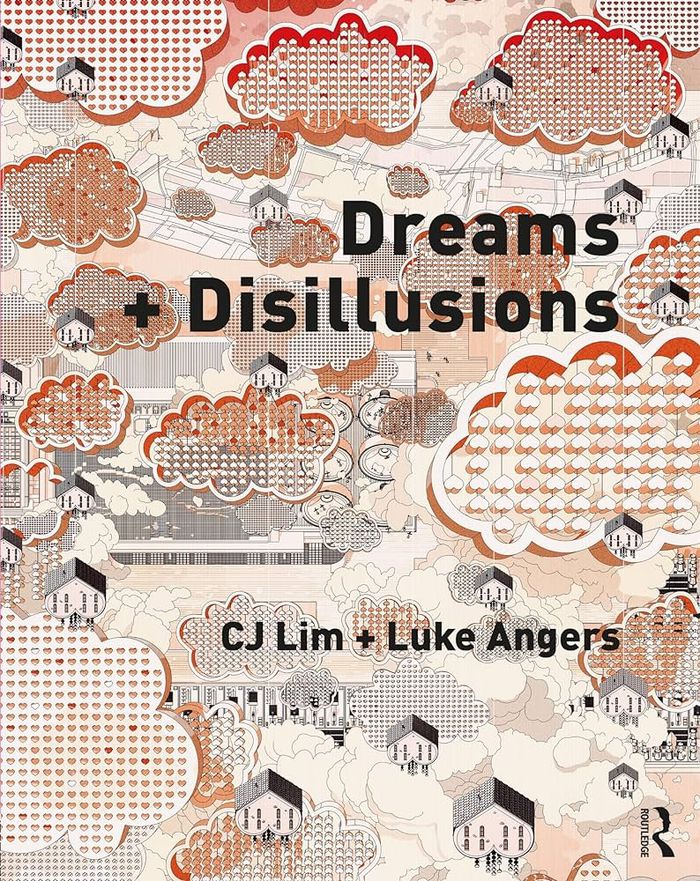
Dreams and disillusions
Dreams and disillusions
Actions:
Price:
$66.95
(available to order)
Summary:
"Dreams and disillusions" explores the plethora of ideas and ideologies that have shaped and reshaped cities in profound ways. However, unlike a conventional title on the history of urbanism and architecture, its research fluctuates between the world of concrete reality and the multiple universes that exist in lucid prose, poetic visions, and the outrageous imaginations(...)
$66.95
(available to order)
Summary:
"Dreams and disillusions" explores the plethora of ideas and ideologies that have shaped and reshaped cities in profound ways. However, unlike a conventional title on the history of urbanism and architecture, its research fluctuates between the world of concrete reality and the multiple universes that exist in lucid prose, poetic visions, and the outrageous imaginations(...)
Title:
Dreams and disillusions
Actions:
Price:
$66.95
(available to order)
Summary:
"Dreams and disillusions" explores the plethora of ideas and ideologies that have shaped and reshaped cities in profound ways. However, unlike a conventional title on the history of urbanism and architecture, its research fluctuates between the world of concrete reality and the multiple universes that exist in lucid prose, poetic visions, and the outrageous imaginations of history’s greatest and most (in)famous minds. In their thoughts are the foundations for political trends and new civilisations, alternative mappings and unlikely phenomena. The six chapters reveal dreams that were fundamental to the origin of great cities, underpinning the stories of the many lives within; and how, through circumstance or manipulation, fortunate coincidence or planned perfection, desires are sometimes left defeated and disillusioned.
Dreams and disillusions
Actions:
Price:
$66.95
(available to order)
Summary:
"Dreams and disillusions" explores the plethora of ideas and ideologies that have shaped and reshaped cities in profound ways. However, unlike a conventional title on the history of urbanism and architecture, its research fluctuates between the world of concrete reality and the multiple universes that exist in lucid prose, poetic visions, and the outrageous imaginations of history’s greatest and most (in)famous minds. In their thoughts are the foundations for political trends and new civilisations, alternative mappings and unlikely phenomena. The six chapters reveal dreams that were fundamental to the origin of great cities, underpinning the stories of the many lives within; and how, through circumstance or manipulation, fortunate coincidence or planned perfection, desires are sometimes left defeated and disillusioned.
Form:
books
books
Publication:
April 2024
April 2024
Subject:
Architectural Theory
Architectural Theory
Form:
books
books
Actions:
Price:
$28.95
(available in store)
Summary:
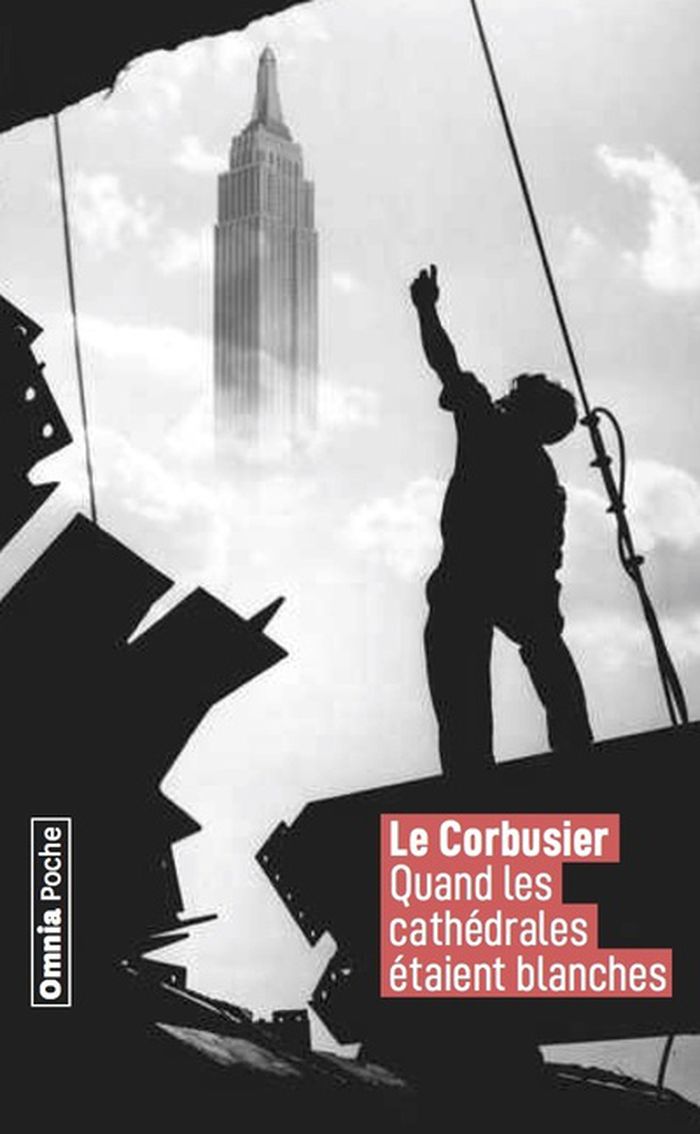
En 1935, Le Corbusier est appelé en Amérique du Nord pour une série de conférences. C'est pour lui une passionnante révélation. Ses notes, où il analyse avec réalisme le phénomène américain de la ville radieuse, sont ici retranscrites. Avec une préface inédite de l'auteur.
$28.95
(available in store)
Summary:
En 1935, Le Corbusier est appelé en Amérique du Nord pour une série de conférences. C'est pour lui une passionnante révélation. Ses notes, où il analyse avec réalisme le phénomène américain de la ville radieuse, sont ici retranscrites. Avec une préface inédite de l'auteur.
Title:
Quand les cathédrales étaient blanches, n.é.
Actions:
Price:
$28.95
(available in store)
Summary:
En 1935, Le Corbusier est appelé en Amérique du Nord pour une série de conférences. C'est pour lui une passionnante révélation. Ses notes, où il analyse avec réalisme le phénomène américain de la ville radieuse, sont ici retranscrites. Avec une préface inédite de l'auteur.
Quand les cathédrales étaient blanches, n.é.
Actions:
Price:
$28.95
(available in store)
Summary:
En 1935, Le Corbusier est appelé en Amérique du Nord pour une série de conférences. C'est pour lui une passionnante révélation. Ses notes, où il analyse avec réalisme le phénomène américain de la ville radieuse, sont ici retranscrites. Avec une préface inédite de l'auteur.
Form:
books
books
Publication:
June 2024
June 2024
Subject:
Architectural Theory
Architectural Theory
Form:
books
books
Actions:
Price:
$33.95
(available to order)
Summary:
« Décarbonation de l'économie », « énergies renouvelables », « transition écologique », etc., le discours des principales associations, ONG et personnalités du « mouvement climat », de Cyril Dion à Bon Pote, rejoint en grande partie celui des entreprises et des États, de plus en plus nombreux à promettre d'atteindre la « neutralité carbone » d'ici 2030 ou 2050. Dans les(...)
$33.95
(available to order)
Summary:
« Décarbonation de l'économie », « énergies renouvelables », « transition écologique », etc., le discours des principales associations, ONG et personnalités du « mouvement climat », de Cyril Dion à Bon Pote, rejoint en grande partie celui des entreprises et des États, de plus en plus nombreux à promettre d'atteindre la « neutralité carbone » d'ici 2030 ou 2050. Dans les(...)
Title:
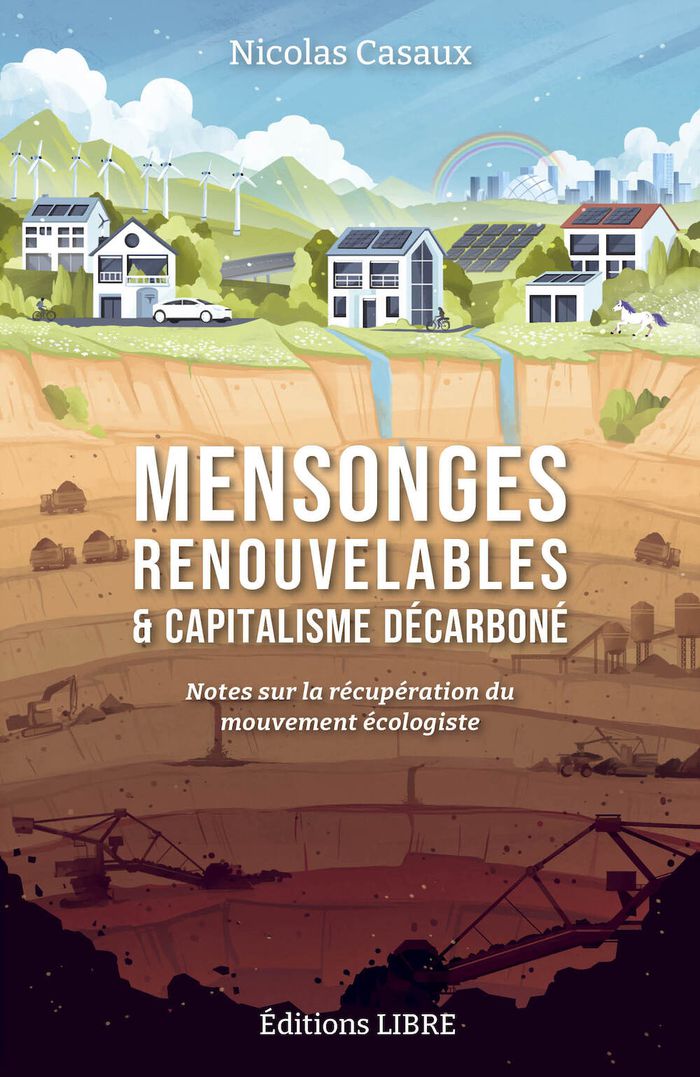
Mensonges renouvelables & capitalisme décarboné
Actions:
Price:
$33.95
(available to order)
Summary:
« Décarbonation de l'économie », « énergies renouvelables », « transition écologique », etc., le discours des principales associations, ONG et personnalités du « mouvement climat », de Cyril Dion à Bon Pote, rejoint en grande partie celui des entreprises et des États, de plus en plus nombreux à promettre d'atteindre la « neutralité carbone » d'ici 2030 ou 2050. Dans les faits, le désastre écologique continue imperturbablement, et est même aggravé par l'extractivisme nécessaire au développement des énergies dites « renouvelables » et des technologies dites « propres » ou « vertes » en général. Comment en sommes-nous arrivés là? Et comment retrouver un mouvement écologiste digne de ce nom?
Mensonges renouvelables & capitalisme décarboné
Actions:
Price:
$33.95
(available to order)
Summary:
« Décarbonation de l'économie », « énergies renouvelables », « transition écologique », etc., le discours des principales associations, ONG et personnalités du « mouvement climat », de Cyril Dion à Bon Pote, rejoint en grande partie celui des entreprises et des États, de plus en plus nombreux à promettre d'atteindre la « neutralité carbone » d'ici 2030 ou 2050. Dans les faits, le désastre écologique continue imperturbablement, et est même aggravé par l'extractivisme nécessaire au développement des énergies dites « renouvelables » et des technologies dites « propres » ou « vertes » en général. Comment en sommes-nous arrivés là? Et comment retrouver un mouvement écologiste digne de ce nom?
Form:
books
books
Publication:
July 2024
July 2024
Subject:
Architectural Theory
Architectural Theory
Form:
books
books

Actions:
Price:
$29.95
(available to order)
Summary:
De la grotte au repaire de brigands, de la "chambre à soi" de Virginia Woolf à la cabane dans les bois de Thoreau, de notre jardin à notre lit, cet essai explore les abris auxquels nous rêvons et qui nous font rêver. Aspiration au retrait autant qu'appel à s'ouvrir, nos refuges sont des chrysalides : ils donnent forme à notre imaginaire. Parce qu'elle échappe à(...)
$29.95
(available to order)
Summary:
De la grotte au repaire de brigands, de la "chambre à soi" de Virginia Woolf à la cabane dans les bois de Thoreau, de notre jardin à notre lit, cet essai explore les abris auxquels nous rêvons et qui nous font rêver. Aspiration au retrait autant qu'appel à s'ouvrir, nos refuges sont des chrysalides : ils donnent forme à notre imaginaire. Parce qu'elle échappe à(...)
Title:
Refuges : Une poétque de l'abri
Actions:
Price:
$29.95
(available to order)
Summary:
De la grotte au repaire de brigands, de la "chambre à soi" de Virginia Woolf à la cabane dans les bois de Thoreau, de notre jardin à notre lit, cet essai explore les abris auxquels nous rêvons et qui nous font rêver. Aspiration au retrait autant qu'appel à s'ouvrir, nos refuges sont des chrysalides : ils donnent forme à notre imaginaire. Parce qu'elle échappe à l'injonction de transparence, la part de nous qui s'y loge est le berceau de notre intime création. Trouver son refuge c'est inventer un espace pour raconter son histoire, comme les enfants construisent leur cabane pour échafauder de nouveaux mondes.
Refuges : Une poétque de l'abri
Actions:
Price:
$29.95
(available to order)
Summary:
De la grotte au repaire de brigands, de la "chambre à soi" de Virginia Woolf à la cabane dans les bois de Thoreau, de notre jardin à notre lit, cet essai explore les abris auxquels nous rêvons et qui nous font rêver. Aspiration au retrait autant qu'appel à s'ouvrir, nos refuges sont des chrysalides : ils donnent forme à notre imaginaire. Parce qu'elle échappe à l'injonction de transparence, la part de nous qui s'y loge est le berceau de notre intime création. Trouver son refuge c'est inventer un espace pour raconter son histoire, comme les enfants construisent leur cabane pour échafauder de nouveaux mondes.
Form:
books
books
Publication:
April 2024
April 2024
Subject:
Architectural Theory
Architectural Theory
Form:
books
books
Actions:
Price:
$68.50
(available in store)
Summary:
A complex bamboo pyramid to block a busy crossing in London. A maze of 'mini Stonehenge' brick structures to hinder government crackdowns in Hong Kong. The takeover of a Dallas highway to create a temporary public square. Architects have often used their skills in struggles for civil rights, gender equality and climate justice. Illuminating the role that design has played(...)
$68.50
(available in store)
Summary:
A complex bamboo pyramid to block a busy crossing in London. A maze of 'mini Stonehenge' brick structures to hinder government crackdowns in Hong Kong. The takeover of a Dallas highway to create a temporary public square. Architects have often used their skills in struggles for civil rights, gender equality and climate justice. Illuminating the role that design has played(...)
Title:
Protest architecture: Structures of civil resistance
Actions:
Price:
$68.50
(available in store)
Summary:
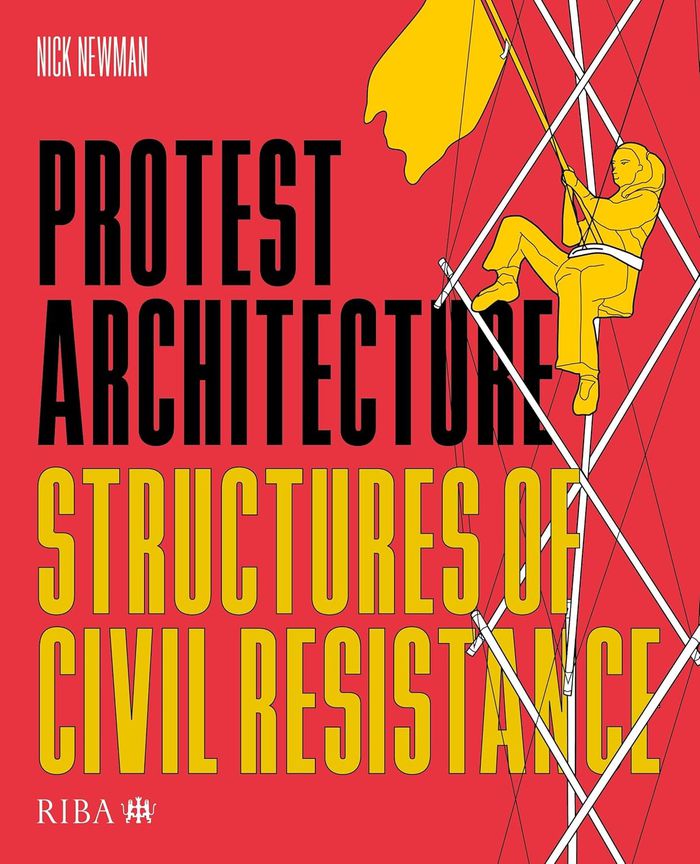
A complex bamboo pyramid to block a busy crossing in London. A maze of 'mini Stonehenge' brick structures to hinder government crackdowns in Hong Kong. The takeover of a Dallas highway to create a temporary public square. Architects have often used their skills in struggles for civil rights, gender equality and climate justice. Illuminating the role that design has played in protest movements, Nick Newman explores the colliding worlds of architecture and activism through the stories of those who have built for change. Using historic and contemporary examples, Protest Architecture analyses the design problems and solutions faced by protestors on the streets through detailed drawings, photography and expert insight. From beacons to barricades, towers to treehouses, this unique design typology demonstrates architectural influence over moments of societal change. This is a retelling of protest history through the eyes of an architect.
Protest architecture: Structures of civil resistance
Actions:
Price:
$68.50
(available in store)
Summary:
A complex bamboo pyramid to block a busy crossing in London. A maze of 'mini Stonehenge' brick structures to hinder government crackdowns in Hong Kong. The takeover of a Dallas highway to create a temporary public square. Architects have often used their skills in struggles for civil rights, gender equality and climate justice. Illuminating the role that design has played in protest movements, Nick Newman explores the colliding worlds of architecture and activism through the stories of those who have built for change. Using historic and contemporary examples, Protest Architecture analyses the design problems and solutions faced by protestors on the streets through detailed drawings, photography and expert insight. From beacons to barricades, towers to treehouses, this unique design typology demonstrates architectural influence over moments of societal change. This is a retelling of protest history through the eyes of an architect.
Form:
books
books
Publication:
July 2024
July 2024
Subject:
Architectural Theory
Architectural Theory
Form:
books
books
Actions:
Price:
$52.50
(available in store)
Summary:
This book brings together Kenneth Frampton's essays from the 1960s to today which epitomize his reflections on the historical–theoretical entanglements of architecture with place, the public realm, cultural identity, urban landscape and environment, and the political question of the “predicament” of architecture in the new Millennium. The essays explore Frampton's(...)
$52.50
(available in store)
Summary:
This book brings together Kenneth Frampton's essays from the 1960s to today which epitomize his reflections on the historical–theoretical entanglements of architecture with place, the public realm, cultural identity, urban landscape and environment, and the political question of the “predicament” of architecture in the new Millennium. The essays explore Frampton's(...)
Title:
Architecture and the public world
Actions:
Price:
$52.50
(available in store)
Summary:
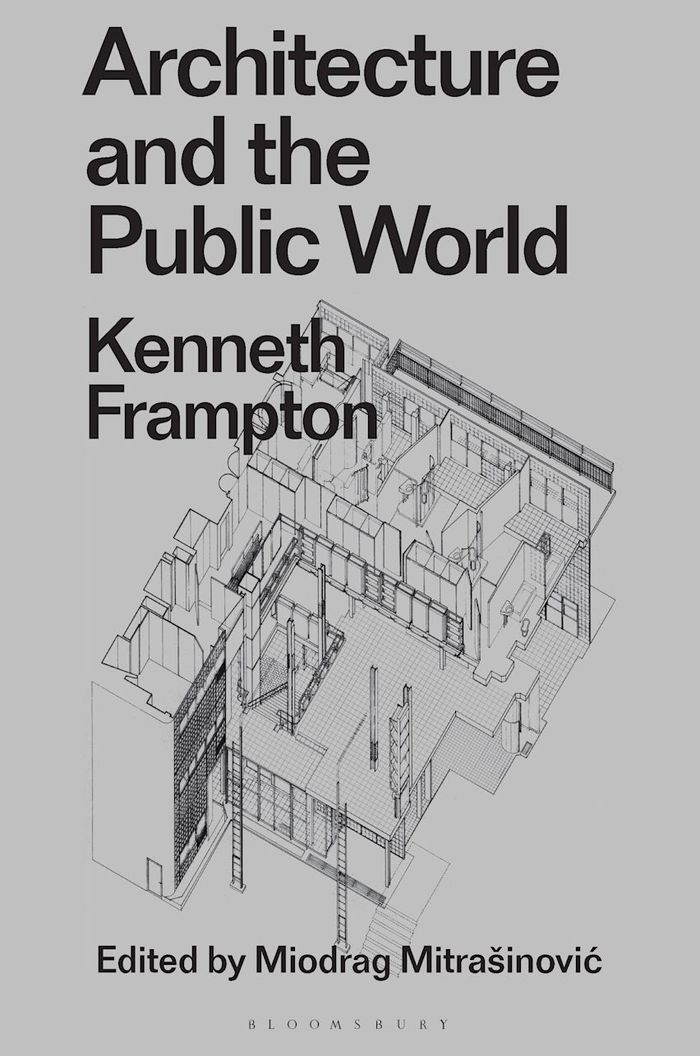
This book brings together Kenneth Frampton's essays from the 1960s to today which epitomize his reflections on the historical–theoretical entanglements of architecture with place, the public realm, cultural identity, urban landscape and environment, and the political question of the “predicament” of architecture in the new Millennium. The essays explore Frampton's contention that architecture's imperative is to assume a significant responsibility for the edification and stewardship of the Arendtian ''public world.'' One of the most theoretically sophisticated and politically committed architectural thinkers, Frampton's work breaks emphatically with the limits and norms of much contemporary practice and restores a sense of richness and social consequence of architecture's 'unfinished project,' while offering abiding lessons not only for architecture but for social, cultural, and design criticism alike.
Architecture and the public world
Actions:
Price:
$52.50
(available in store)
Summary:
This book brings together Kenneth Frampton's essays from the 1960s to today which epitomize his reflections on the historical–theoretical entanglements of architecture with place, the public realm, cultural identity, urban landscape and environment, and the political question of the “predicament” of architecture in the new Millennium. The essays explore Frampton's contention that architecture's imperative is to assume a significant responsibility for the edification and stewardship of the Arendtian ''public world.'' One of the most theoretically sophisticated and politically committed architectural thinkers, Frampton's work breaks emphatically with the limits and norms of much contemporary practice and restores a sense of richness and social consequence of architecture's 'unfinished project,' while offering abiding lessons not only for architecture but for social, cultural, and design criticism alike.
Form:
books
books
Publication:
July 2024
July 2024
Subject:
Architectural Theory
Architectural Theory
Form:
books
books
Actions:
Price:
$68.00
(available to order)
Summary:
How did people living in the Middle Ages respond to spectacular buildings, such as the Gothic cathedrals? While contemporary scholarship places a large emphasis on the emotional content of Western medieval figurative art, the emotion of architecture has largely gone undiscussed. In a radical new approach, "Architecture and affect in the Middle Ages" explores the(...)
$68.00
(available to order)
Summary:
How did people living in the Middle Ages respond to spectacular buildings, such as the Gothic cathedrals? While contemporary scholarship places a large emphasis on the emotional content of Western medieval figurative art, the emotion of architecture has largely gone undiscussed. In a radical new approach, "Architecture and affect in the Middle Ages" explores the(...)
Title:
Architecture and affect in the Middle Ages
Actions:
Price:
$68.00
(available to order)
Summary:
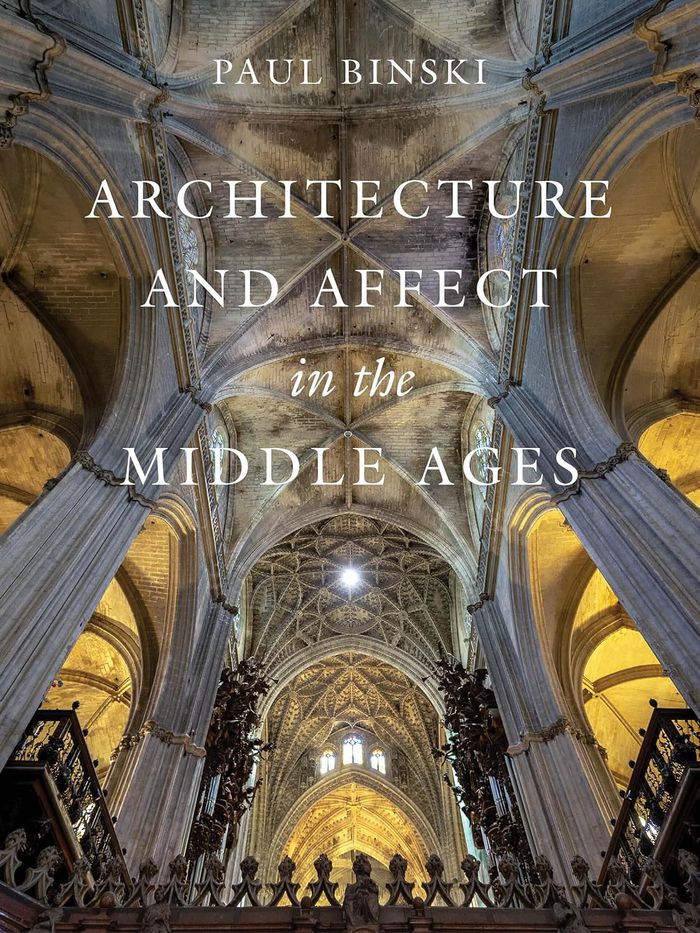
How did people living in the Middle Ages respond to spectacular buildings, such as the Gothic cathedrals? While contemporary scholarship places a large emphasis on the emotional content of Western medieval figurative art, the emotion of architecture has largely gone undiscussed. In a radical new approach, "Architecture and affect in the Middle Ages" explores the relationship between medieval buildings and the complexity of experience they engendered. Paul Binski examines long-standing misconceptions about the way viewers responded to medieval architecture across Western Europe and in Byzantine and Arabic culture between late antiquity and the end of the medieval period. He emphasizes the importance of the experience itself within these built environments, essentially places of action, space, and structure but also, crucially, of sound and emotion.
Architecture and affect in the Middle Ages
Actions:
Price:
$68.00
(available to order)
Summary:
How did people living in the Middle Ages respond to spectacular buildings, such as the Gothic cathedrals? While contemporary scholarship places a large emphasis on the emotional content of Western medieval figurative art, the emotion of architecture has largely gone undiscussed. In a radical new approach, "Architecture and affect in the Middle Ages" explores the relationship between medieval buildings and the complexity of experience they engendered. Paul Binski examines long-standing misconceptions about the way viewers responded to medieval architecture across Western Europe and in Byzantine and Arabic culture between late antiquity and the end of the medieval period. He emphasizes the importance of the experience itself within these built environments, essentially places of action, space, and structure but also, crucially, of sound and emotion.
Form:
books
books
Publication:
October 2024
October 2024
Subject:
Architectural Theory
Architectural Theory
Form:
books
books
Price:
$48.99
(available to order)
Summary:
Reinhold Martin and Claire Zimmerman bring together essays from an array of scholars exploring the troubled relationship between architecture and antidemocratic politics. Comprising detailed case studies throughout the world spanning from the early nineteenth century to the present, "Architecture against Democracy" analyzes crucial occasions when the built environment has(...)
$48.99
(available to order)
Summary:
Reinhold Martin and Claire Zimmerman bring together essays from an array of scholars exploring the troubled relationship between architecture and antidemocratic politics. Comprising detailed case studies throughout the world spanning from the early nineteenth century to the present, "Architecture against Democracy" analyzes crucial occasions when the built environment has(...)
Title:
Architecture against democracy: histories of the nationalist international
Actions:
Price:
$48.99
(available to order)
Summary:
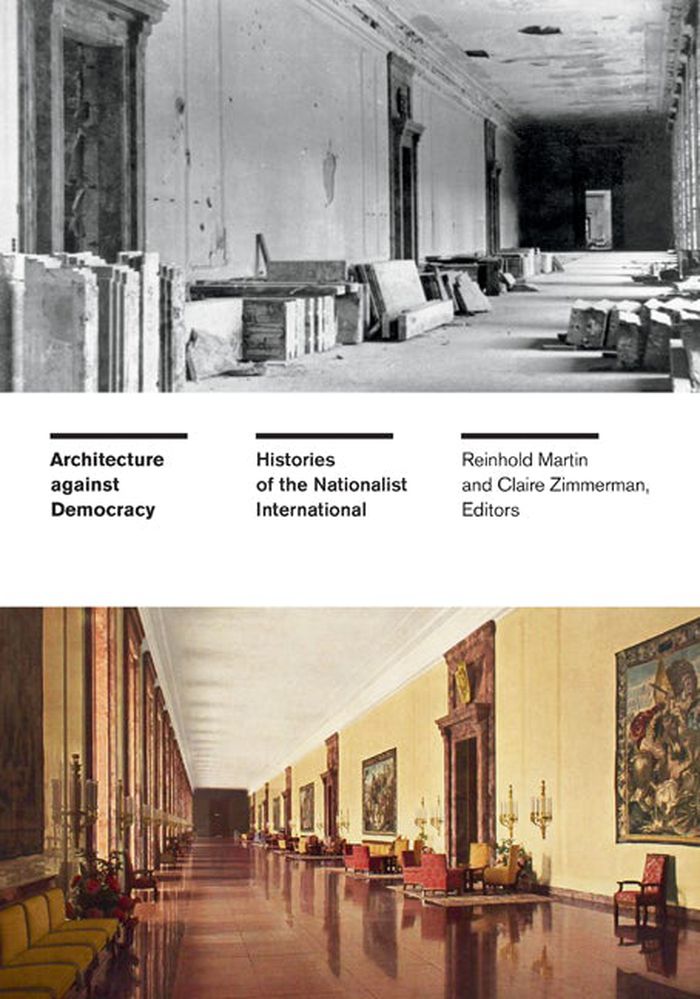
Reinhold Martin and Claire Zimmerman bring together essays from an array of scholars exploring the troubled relationship between architecture and antidemocratic politics. Comprising detailed case studies throughout the world spanning from the early nineteenth century to the present, "Architecture against Democracy" analyzes crucial occasions when the built environment has been harnessed as an instrument of authoritarian power. Alongside chapters focusing on paradigmatic episodes from twentieth-century German and Italian fascism, the contributors examine historic and contemporary events and subjects that are organized thematically, including the founding of the Smithsonian Institution, Ellis Island infrastructure, the aftermath of the Paris Commune, Cold War West Germany and Iraq, Frank Lloyd Wright’s domestic architecture, and Istanbul’s Taksim Square. Through the range and depth of these accounts, "Architecture against Democracy" presents a selective overview of antidemocratic processes as they unfold in the built environment throughout Western modernity, offering an architectural history of the recent "nationalist international."
Architecture against democracy: histories of the nationalist international
Actions:
Price:
$48.99
(available to order)
Summary:
Reinhold Martin and Claire Zimmerman bring together essays from an array of scholars exploring the troubled relationship between architecture and antidemocratic politics. Comprising detailed case studies throughout the world spanning from the early nineteenth century to the present, "Architecture against Democracy" analyzes crucial occasions when the built environment has been harnessed as an instrument of authoritarian power. Alongside chapters focusing on paradigmatic episodes from twentieth-century German and Italian fascism, the contributors examine historic and contemporary events and subjects that are organized thematically, including the founding of the Smithsonian Institution, Ellis Island infrastructure, the aftermath of the Paris Commune, Cold War West Germany and Iraq, Frank Lloyd Wright’s domestic architecture, and Istanbul’s Taksim Square. Through the range and depth of these accounts, "Architecture against Democracy" presents a selective overview of antidemocratic processes as they unfold in the built environment throughout Western modernity, offering an architectural history of the recent "nationalist international."
Form:
books
books
Publication:
April 2024
April 2024
Subject:
Architectural Theory
Architectural Theory
Form:
books
books
Title:
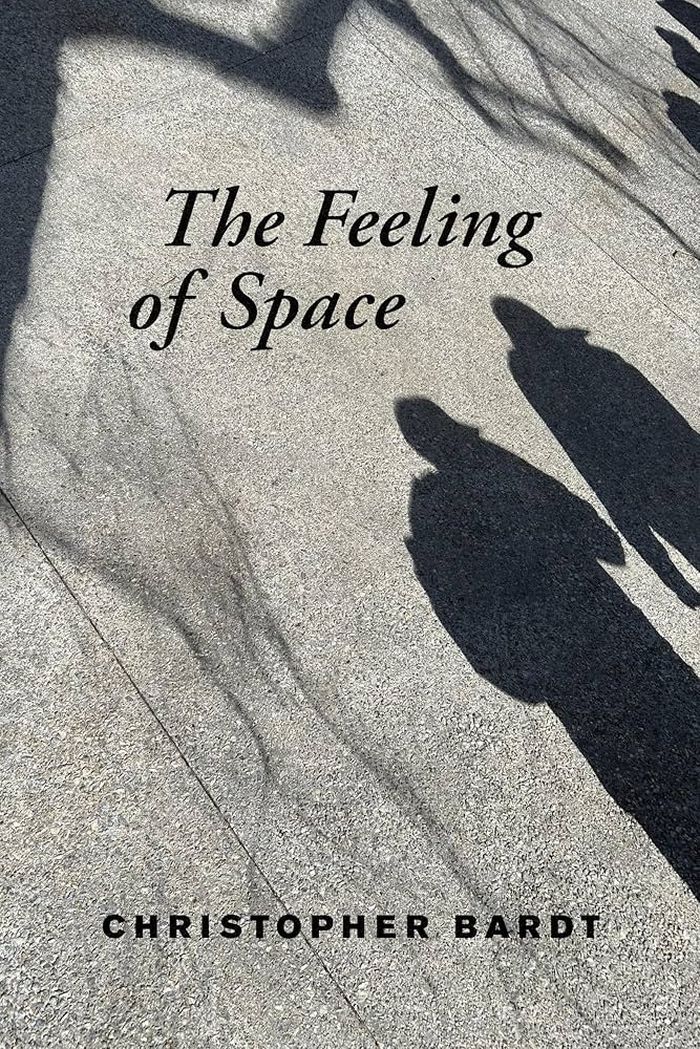
The feeling of space
The feeling of space
Actions:
Price:
$79.00
(available to order)
Summary:
Place is something real, but space is generally conceived as abstract and immaterial. In ''The Feeling of Space'', Christopher Bardt explores this damaging modern binary and traces the contradictory impulses that have dematerialized our sense of space through history: fear and wonder; a yearning for the infinite and the intimate; and the need for autonomy and for(...)
$79.00
(available to order)
Summary:
Place is something real, but space is generally conceived as abstract and immaterial. In ''The Feeling of Space'', Christopher Bardt explores this damaging modern binary and traces the contradictory impulses that have dematerialized our sense of space through history: fear and wonder; a yearning for the infinite and the intimate; and the need for autonomy and for(...)
Title:
The feeling of space
Actions:
Price:
$79.00
(available to order)
Summary:
Place is something real, but space is generally conceived as abstract and immaterial. In ''The Feeling of Space'', Christopher Bardt explores this damaging modern binary and traces the contradictory impulses that have dematerialized our sense of space through history: fear and wonder; a yearning for the infinite and the intimate; and the need for autonomy and for belonging. Using rich illustrations and examinations of art, technology, and philosophy, Bardt argues that if we can get back to first feeling space, then we can treat space as the substance that gives agency to our intersubjectivity—our exchange of conscious and unconscious thoughts.
The feeling of space
Actions:
Price:
$79.00
(available to order)
Summary:
Place is something real, but space is generally conceived as abstract and immaterial. In ''The Feeling of Space'', Christopher Bardt explores this damaging modern binary and traces the contradictory impulses that have dematerialized our sense of space through history: fear and wonder; a yearning for the infinite and the intimate; and the need for autonomy and for belonging. Using rich illustrations and examinations of art, technology, and philosophy, Bardt argues that if we can get back to first feeling space, then we can treat space as the substance that gives agency to our intersubjectivity—our exchange of conscious and unconscious thoughts.
Form:
books
books
Publication:
December 2024
December 2024
Subject:
Architectural Theory
Architectural Theory


