


2227 Results
Form:
books
books
Title:
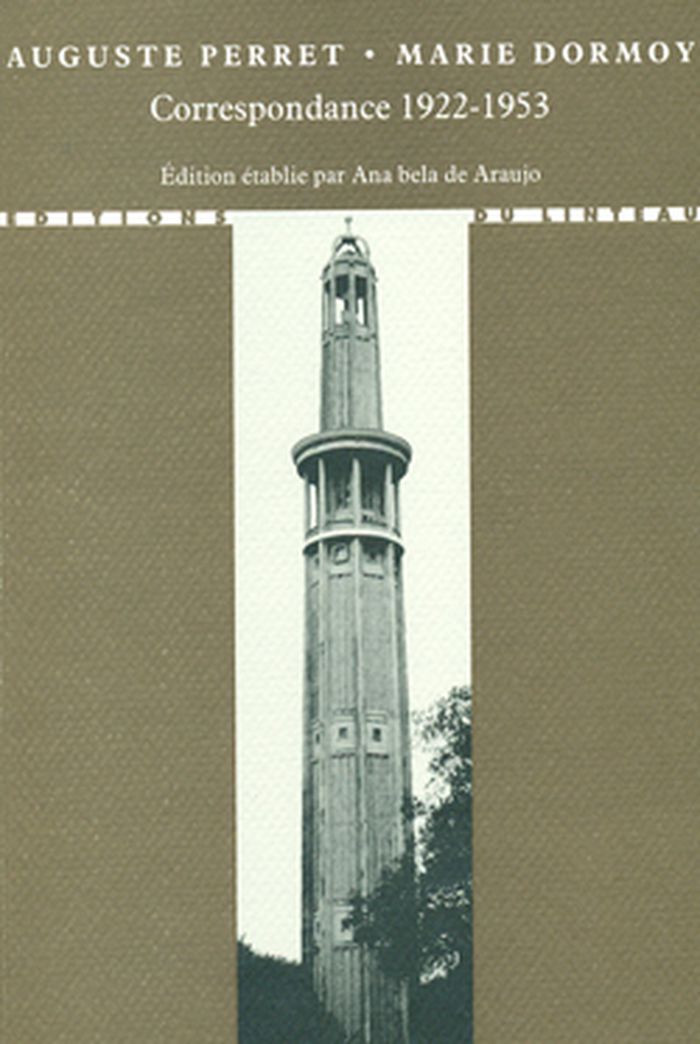
Correspondance 1922-1953
Correspondance 1922-1953
Actions:
Price:
$52.50
(available to order)
Summary:
Auguste Perret a quarante-sept ans quand il rencontre Marie Dormoy qui en a trente-cinq. Il comprend vite ce qu'il peut gagner en notoriété avec cette critique d'art en herbe. La préparation des articles est l'occasion d'une correspondance et de rencontres : Marie Dormoy devient sa meilleure apologiste et, trois ans plus tard, sa maîtresse. Aux lettres d'amour succèdent(...)
$52.50
(available to order)
Summary:
Auguste Perret a quarante-sept ans quand il rencontre Marie Dormoy qui en a trente-cinq. Il comprend vite ce qu'il peut gagner en notoriété avec cette critique d'art en herbe. La préparation des articles est l'occasion d'une correspondance et de rencontres : Marie Dormoy devient sa meilleure apologiste et, trois ans plus tard, sa maîtresse. Aux lettres d'amour succèdent(...)
Publication:
July 2009
July 2009
Title:
Correspondance 1922-1953
Actions:
Price:
$52.50
(available to order)
Summary:
Auguste Perret a quarante-sept ans quand il rencontre Marie Dormoy qui en a trente-cinq. Il comprend vite ce qu'il peut gagner en notoriété avec cette critique d'art en herbe. La préparation des articles est l'occasion d'une correspondance et de rencontres : Marie Dormoy devient sa meilleure apologiste et, trois ans plus tard, sa maîtresse. Aux lettres d'amour succèdent les complaintes car il ne quittera jamais sa femme. Mais leur complicité perdure, basée sur ce qui les a reliés : l'art.
Correspondance 1922-1953
Actions:
Price:
$52.50
(available to order)
Summary:
Auguste Perret a quarante-sept ans quand il rencontre Marie Dormoy qui en a trente-cinq. Il comprend vite ce qu'il peut gagner en notoriété avec cette critique d'art en herbe. La préparation des articles est l'occasion d'une correspondance et de rencontres : Marie Dormoy devient sa meilleure apologiste et, trois ans plus tard, sa maîtresse. Aux lettres d'amour succèdent les complaintes car il ne quittera jamais sa femme. Mais leur complicité perdure, basée sur ce qui les a reliés : l'art.
Form:
books
books
Publication:
July 2009
July 2009
Form:
books
books
Actions:
Price:
$44.95
(available to order)
Summary:
Rudolf Arnheim has been known, since the publication of his groundbreaking Art and Visual Perception in 1974, as an authority on the psychological interpretation of the visual arts. Two anniversary volumes celebrate the landmark anniversaries of his works in 2009. The Dynamics of Architectural Form explores the unexpected perceptual consequences of architecture with(...)
$44.95
(available to order)
Summary:
Rudolf Arnheim has been known, since the publication of his groundbreaking Art and Visual Perception in 1974, as an authority on the psychological interpretation of the visual arts. Two anniversary volumes celebrate the landmark anniversaries of his works in 2009. The Dynamics of Architectural Form explores the unexpected perceptual consequences of architecture with(...)
Title:
The dynamics of architectural form
Actions:
Price:
$44.95
(available to order)
Summary:
Rudolf Arnheim has been known, since the publication of his groundbreaking Art and Visual Perception in 1974, as an authority on the psychological interpretation of the visual arts. Two anniversary volumes celebrate the landmark anniversaries of his works in 2009. The Dynamics of Architectural Form explores the unexpected perceptual consequences of architecture with Arnheim's customary clarity and precision.
The dynamics of architectural form
Actions:
Price:
$44.95
(available to order)
Summary:
Rudolf Arnheim has been known, since the publication of his groundbreaking Art and Visual Perception in 1974, as an authority on the psychological interpretation of the visual arts. Two anniversary volumes celebrate the landmark anniversaries of his works in 2009. The Dynamics of Architectural Form explores the unexpected perceptual consequences of architecture with Arnheim's customary clarity and precision.
Form:
books
books
Publication:
October 2009
October 2009
Subject:
Architectural Theory
Architectural Theory
Form:
books
books
Actions:
Price:
$34.99
(available in store)
Summary:
Work from the AA’s Diploma Unit 2 fuses two seemingly mutually exclusive paradigms in recent architectural discourse, mediating between technological performance as well as the manipulation of grounds, defined here as the external and internal circulatory systems that structure social organisations. In the process, the unit defines a new social agenda and aesthetic(...)
$34.99
(available in store)
Summary:
Work from the AA’s Diploma Unit 2 fuses two seemingly mutually exclusive paradigms in recent architectural discourse, mediating between technological performance as well as the manipulation of grounds, defined here as the external and internal circulatory systems that structure social organisations. In the process, the unit defines a new social agenda and aesthetic(...)
Title:
Articulated grounds: mediating environment and culture
Actions:
Price:
$34.99
(available in store)
Summary:
Work from the AA’s Diploma Unit 2 fuses two seemingly mutually exclusive paradigms in recent architectural discourse, mediating between technological performance as well as the manipulation of grounds, defined here as the external and internal circulatory systems that structure social organisations. In the process, the unit defines a new social agenda and aesthetic philosophy for transforming established design strategies, and lends conventional notions of sustainable design a new civic and cultural relevance. The projects are all either located within or influenced by a Brazilian context, rich in sculptural, variegated landscapes and African as well as indigenous Indian influences. Innovative design proposals shown in this book illustrate symbiotic relationships between urban society, environmental conditioning and landscape by articulating ground organisations to mediate and synchronise both environmental and cultural flows.
Articulated grounds: mediating environment and culture
Actions:
Price:
$34.99
(available in store)
Summary:
Work from the AA’s Diploma Unit 2 fuses two seemingly mutually exclusive paradigms in recent architectural discourse, mediating between technological performance as well as the manipulation of grounds, defined here as the external and internal circulatory systems that structure social organisations. In the process, the unit defines a new social agenda and aesthetic philosophy for transforming established design strategies, and lends conventional notions of sustainable design a new civic and cultural relevance. The projects are all either located within or influenced by a Brazilian context, rich in sculptural, variegated landscapes and African as well as indigenous Indian influences. Innovative design proposals shown in this book illustrate symbiotic relationships between urban society, environmental conditioning and landscape by articulating ground organisations to mediate and synchronise both environmental and cultural flows.
Form:
books
books
Publication:
July 2009
July 2009
Subject:
Architectural Theory
Architectural Theory
Form:
books
books
Actions:
Price:
$64.95
(available to order)
Summary:
Bridging the gap between architectural theory and professional practice studies, this book offers critical inquiry into the shifting ground of ethical thought in the changing climate of the global economy. Looking at issues of contemporary significance to architectural critics, practitioners, educators, and students, the book also examines the role of the architectural(...)
$64.95
(available to order)
Summary:
Bridging the gap between architectural theory and professional practice studies, this book offers critical inquiry into the shifting ground of ethical thought in the changing climate of the global economy. Looking at issues of contemporary significance to architectural critics, practitioners, educators, and students, the book also examines the role of the architectural(...)
Title:
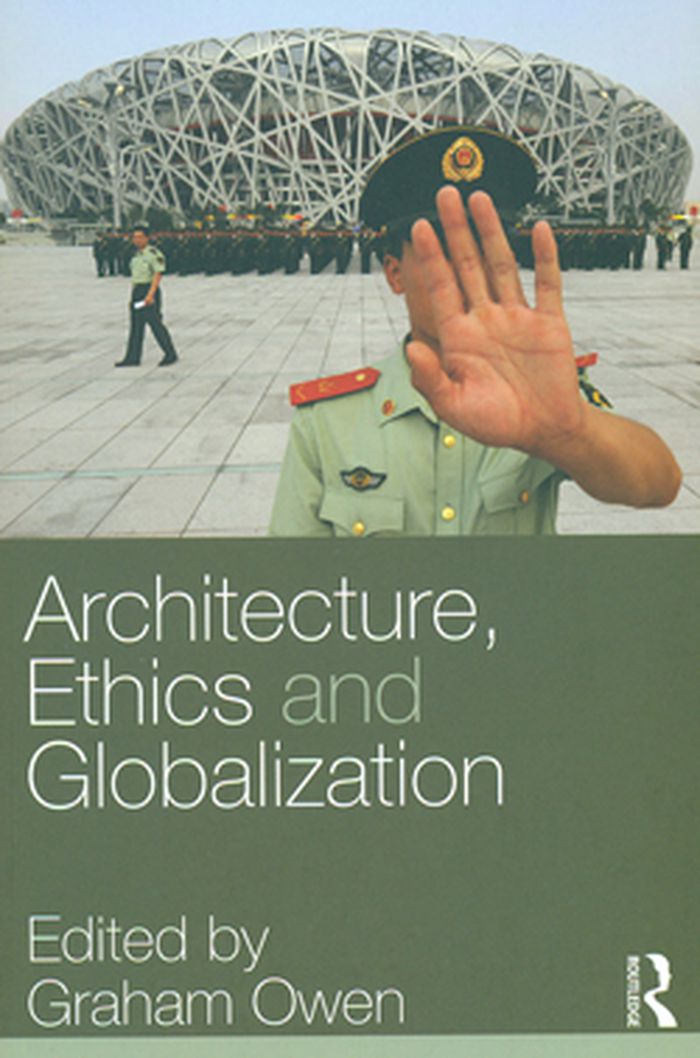
Architecture, ethics and globalization
Actions:
Price:
$64.95
(available to order)
Summary:
Bridging the gap between architectural theory and professional practice studies, this book offers critical inquiry into the shifting ground of ethical thought in the changing climate of the global economy. Looking at issues of contemporary significance to architectural critics, practitioners, educators, and students, the book also examines the role of the architectural academy in providing an education in ethical judgement. Including transcripts of responses and discussions among its contributors, a broad interdisciplinary set of perspectives are debated and often controversial points of view are put forward.
Architecture, ethics and globalization
Actions:
Price:
$64.95
(available to order)
Summary:
Bridging the gap between architectural theory and professional practice studies, this book offers critical inquiry into the shifting ground of ethical thought in the changing climate of the global economy. Looking at issues of contemporary significance to architectural critics, practitioners, educators, and students, the book also examines the role of the architectural academy in providing an education in ethical judgement. Including transcripts of responses and discussions among its contributors, a broad interdisciplinary set of perspectives are debated and often controversial points of view are put forward.
Form:
books
books
Publication:
July 2009
July 2009
Subject:
Architectural Theory
Architectural Theory
Form:
books
books
Actions:
Price:
$42.95
(available to order)
Summary:
Robert A. M. Stern is one of contemporary architecture’s most influential figures, with a career encompassing every facet of the profession As a preeminent force in the discourse of the field, Stern was one of the first critics to use and analyze the term “postmodern” in architecture. This collection of essays—Stern’s first—brackets the years defined by the changes in(...)
$42.95
(available to order)
Summary:
Robert A. M. Stern is one of contemporary architecture’s most influential figures, with a career encompassing every facet of the profession As a preeminent force in the discourse of the field, Stern was one of the first critics to use and analyze the term “postmodern” in architecture. This collection of essays—Stern’s first—brackets the years defined by the changes in(...)
Title:
Architecture on the edge of postmodernism
Actions:
Price:
$42.95
(available to order)
Summary:
Robert A. M. Stern is one of contemporary architecture’s most influential figures, with a career encompassing every facet of the profession As a preeminent force in the discourse of the field, Stern was one of the first critics to use and analyze the term “postmodern” in architecture. This collection of essays—Stern’s first—brackets the years defined by the changes in architectural thinking introduced by Robert Venturi in 1966 and the exhibition Deconstructivist Architecture at the Museum of Modern Art in 1988. Throughout, Stern provides close readings of architectural events and offers firsthand accounts of transformations in architectural thinking during a critical period.
Architecture on the edge of postmodernism
Actions:
Price:
$42.95
(available to order)
Summary:
Robert A. M. Stern is one of contemporary architecture’s most influential figures, with a career encompassing every facet of the profession As a preeminent force in the discourse of the field, Stern was one of the first critics to use and analyze the term “postmodern” in architecture. This collection of essays—Stern’s first—brackets the years defined by the changes in architectural thinking introduced by Robert Venturi in 1966 and the exhibition Deconstructivist Architecture at the Museum of Modern Art in 1988. Throughout, Stern provides close readings of architectural events and offers firsthand accounts of transformations in architectural thinking during a critical period.
Form:
books
books
Publication:
November 2009
November 2009
Form:
books
books
Actions:
Price:
$69.95
(available to order)
Summary:
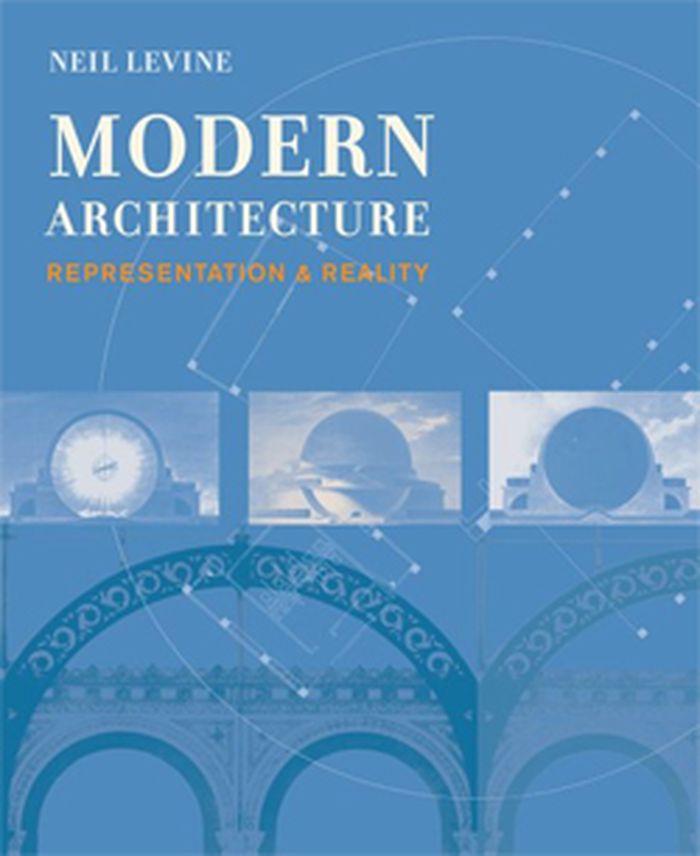
Esteemed architectural historian Neil Levine investigates the complex history of representation—the use and meaning of architectural signifiers—from the 18th through the 20th century. Using the lens of a continuous theoretical argument, Levine provides a detailed survey and critical analysis of major works by a host of modern architects, including Étienne-Louis Boullée,(...)
$69.95
(available to order)
Summary:
Esteemed architectural historian Neil Levine investigates the complex history of representation—the use and meaning of architectural signifiers—from the 18th through the 20th century. Using the lens of a continuous theoretical argument, Levine provides a detailed survey and critical analysis of major works by a host of modern architects, including Étienne-Louis Boullée,(...)
Title:
Modern architecture: representation & reality
Actions:
Price:
$69.95
(available to order)
Summary:
Esteemed architectural historian Neil Levine investigates the complex history of representation—the use and meaning of architectural signifiers—from the 18th through the 20th century. Using the lens of a continuous theoretical argument, Levine provides a detailed survey and critical analysis of major works by a host of modern architects, including Étienne-Louis Boullée, Nicholas Hawksmoor, Louis Kahn, Henri Labrouste, Augustus Welby Pugin, Karl Friedrich Schinkel, John Soane, Louis Sullivan, Mies van der Rohe, Eugène Viollet-le-Duc, and Frank Lloyd Wright.
Modern architecture: representation & reality
Actions:
Price:
$69.95
(available to order)
Summary:
Esteemed architectural historian Neil Levine investigates the complex history of representation—the use and meaning of architectural signifiers—from the 18th through the 20th century. Using the lens of a continuous theoretical argument, Levine provides a detailed survey and critical analysis of major works by a host of modern architects, including Étienne-Louis Boullée, Nicholas Hawksmoor, Louis Kahn, Henri Labrouste, Augustus Welby Pugin, Karl Friedrich Schinkel, John Soane, Louis Sullivan, Mies van der Rohe, Eugène Viollet-le-Duc, and Frank Lloyd Wright.
Form:
books
books
Publication:
January 2010
January 2010
Form:
books
books
Title:
Why architecture matters
Why architecture matters
Actions:
Price:
$28.99
(available to order)
Summary:
This book is not a work of architectural history or a guide to the styles or an architectural dictionary, though it contains elements of all three. The purpose of this book is to 'come to grips with how things feel to us when we stand before them, with how architecture affects us emotionally as well as intellectually' - with its impact on our lives. 'Architecture begins(...)
$28.99
(available to order)
Summary:
This book is not a work of architectural history or a guide to the styles or an architectural dictionary, though it contains elements of all three. The purpose of this book is to 'come to grips with how things feel to us when we stand before them, with how architecture affects us emotionally as well as intellectually' - with its impact on our lives. 'Architecture begins(...)
Title:
Why architecture matters
Actions:
Price:
$28.99
(available to order)
Summary:
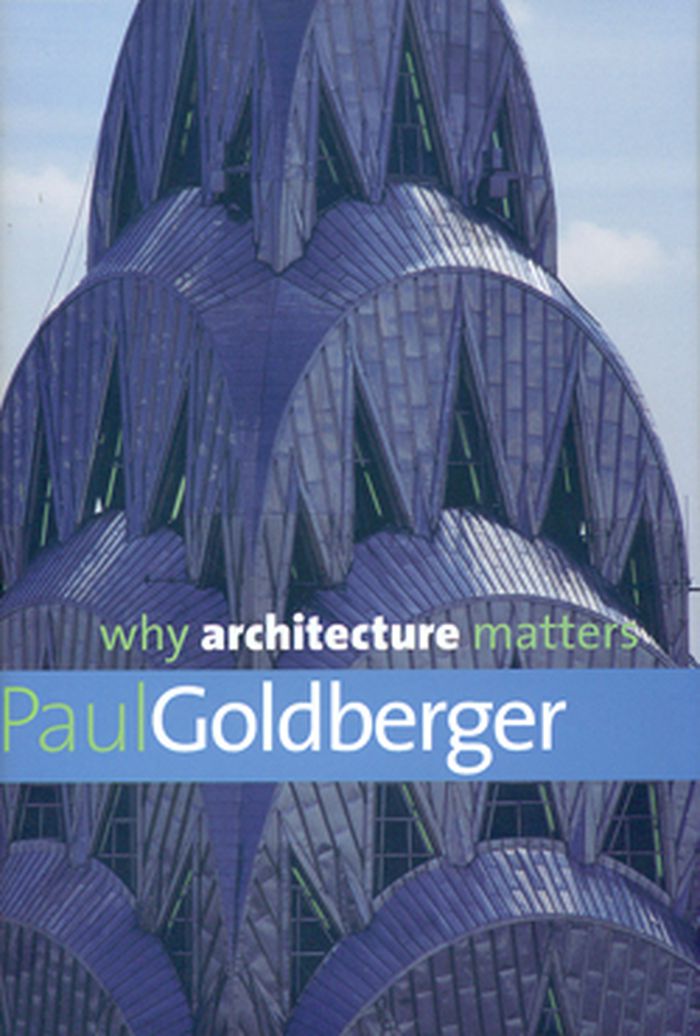
This book is not a work of architectural history or a guide to the styles or an architectural dictionary, though it contains elements of all three. The purpose of this book is to 'come to grips with how things feel to us when we stand before them, with how architecture affects us emotionally as well as intellectually' - with its impact on our lives. 'Architecture begins to matter', writes Paul Goldberger, 'when it brings delight and sadness and perplexity and awe along with a roof over our heads'.
Why architecture matters
Actions:
Price:
$28.99
(available to order)
Summary:
This book is not a work of architectural history or a guide to the styles or an architectural dictionary, though it contains elements of all three. The purpose of this book is to 'come to grips with how things feel to us when we stand before them, with how architecture affects us emotionally as well as intellectually' - with its impact on our lives. 'Architecture begins to matter', writes Paul Goldberger, 'when it brings delight and sadness and perplexity and awe along with a roof over our heads'.
Form:
books
books
Publication:
November 2009
November 2009
Subject:
Architectural Theory
Architectural Theory
Form:
books
books
Title:
Drawing for architecture
Drawing for architecture
Actions:
Price:
$43.95
(available to order)
Summary:
Architect Léon Krier's doodles, drawings, and ideograms make arguments in images, without the circumlocutions of prose. Drawn with wit and grace, these clever sketches do not try to please or flatter the architectural establishment. Rather, they make an impassioned argument against what Krier sees as the unquestioned doctrines and unacknowledged absurdities of(...)
$43.95
(available to order)
Summary:
Architect Léon Krier's doodles, drawings, and ideograms make arguments in images, without the circumlocutions of prose. Drawn with wit and grace, these clever sketches do not try to please or flatter the architectural establishment. Rather, they make an impassioned argument against what Krier sees as the unquestioned doctrines and unacknowledged absurdities of(...)
Publication:
September 2009
September 2009
Title:
Drawing for architecture
Actions:
Price:
$43.95
(available to order)
Summary:
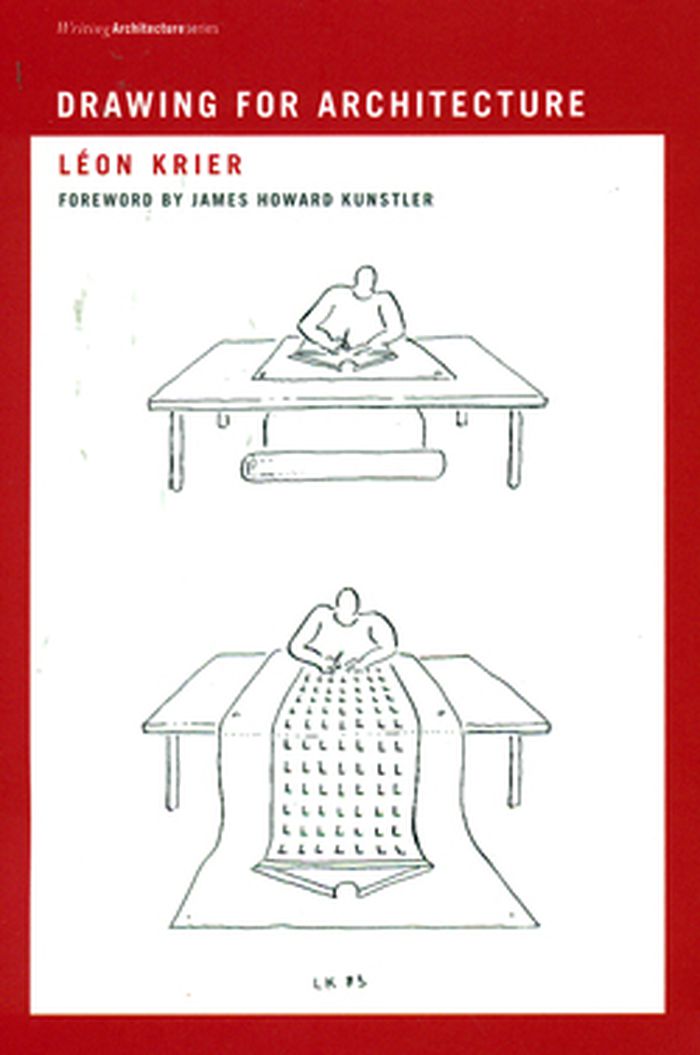
Architect Léon Krier's doodles, drawings, and ideograms make arguments in images, without the circumlocutions of prose. Drawn with wit and grace, these clever sketches do not try to please or flatter the architectural establishment. Rather, they make an impassioned argument against what Krier sees as the unquestioned doctrines and unacknowledged absurdities of contemporary architecture. In an age of energy crisis, he writes (and his drawings show), we "build in the wrong places, in the wrong patterns, materials, densities, and heights, and for the wrong number of dwellers"; a return to traditional architectures and building and settlement techniques can be the means of ecological reconstruction. Each of Krier's provocative and entertaining images is worth more than a thousand words of theoretical abstraction.
Drawing for architecture
Actions:
Price:
$43.95
(available to order)
Summary:
Architect Léon Krier's doodles, drawings, and ideograms make arguments in images, without the circumlocutions of prose. Drawn with wit and grace, these clever sketches do not try to please or flatter the architectural establishment. Rather, they make an impassioned argument against what Krier sees as the unquestioned doctrines and unacknowledged absurdities of contemporary architecture. In an age of energy crisis, he writes (and his drawings show), we "build in the wrong places, in the wrong patterns, materials, densities, and heights, and for the wrong number of dwellers"; a return to traditional architectures and building and settlement techniques can be the means of ecological reconstruction. Each of Krier's provocative and entertaining images is worth more than a thousand words of theoretical abstraction.
Form:
books
books
Publication:
September 2009
September 2009
Form:
books
books
Price:
$54.00
(available to order)
Summary:
We all have our own ideas about mosques, and many of those ideas go beyond the domain of architecture. In Europe, mosques are a central issue in the debates about the integration of Muslims and the potential dangers of Islam. In recent years, such debates have often edged out serious architectural discussion of European mosques, and the domes and minarets of traditional(...)
$54.00
(available to order)
Summary:
We all have our own ideas about mosques, and many of those ideas go beyond the domain of architecture. In Europe, mosques are a central issue in the debates about the integration of Muslims and the potential dangers of Islam. In recent years, such debates have often edged out serious architectural discussion of European mosques, and the domes and minarets of traditional(...)
Title:
The mosque, political, architectural and social transformations
Actions:
Price:
$54.00
(available to order)
Summary:
We all have our own ideas about mosques, and many of those ideas go beyond the domain of architecture. In Europe, mosques are a central issue in the debates about the integration of Muslims and the potential dangers of Islam. In recent years, such debates have often edged out serious architectural discussion of European mosques, and the domes and minarets of traditional mosque architecture have come to symbolize this entire field of controversy.The aim of this book is to bring greater depth and nuance to the debate about mosques. Amongst others politician Frits Bolkestein, architect Wilfried van Winden, sociologist Willem Schinkel, theologist/philosopher Tariq Ramadan, anthropologist Eric Roose and Ole Bouman, director of the Netherlands Architecture Institute, share their interdisciplinary perspectives on the emergence of this new architectural typology and explain its narrow and broad social impact.
The mosque, political, architectural and social transformations
Actions:
Price:
$54.00
(available to order)
Summary:
We all have our own ideas about mosques, and many of those ideas go beyond the domain of architecture. In Europe, mosques are a central issue in the debates about the integration of Muslims and the potential dangers of Islam. In recent years, such debates have often edged out serious architectural discussion of European mosques, and the domes and minarets of traditional mosque architecture have come to symbolize this entire field of controversy.The aim of this book is to bring greater depth and nuance to the debate about mosques. Amongst others politician Frits Bolkestein, architect Wilfried van Winden, sociologist Willem Schinkel, theologist/philosopher Tariq Ramadan, anthropologist Eric Roose and Ole Bouman, director of the Netherlands Architecture Institute, share their interdisciplinary perspectives on the emergence of this new architectural typology and explain its narrow and broad social impact.
Form:
books
books
Publication:
September 2009
September 2009
Subject:
Architectural Theory
Architectural Theory
Form:
books
books
Actions:
Price:
$54.00
(available in store)
Summary:
Through three radical critiques of Modernist architecture, illustrated by the iconic--and very different--works of the Situationist International, Venturi Scott Brown and Archigram, Radical Games offers new perspectives on the architecture of the 1960s. It illuminates some of the pitfalls of contemporary architectural thought and questions a number of preconceptions that(...)
$54.00
(available in store)
Summary:
Through three radical critiques of Modernist architecture, illustrated by the iconic--and very different--works of the Situationist International, Venturi Scott Brown and Archigram, Radical Games offers new perspectives on the architecture of the 1960s. It illuminates some of the pitfalls of contemporary architectural thought and questions a number of preconceptions that(...)
Title:
Radical games: Popping the bubble of 1960's architecture
Actions:
Price:
$54.00
(available in store)
Summary:
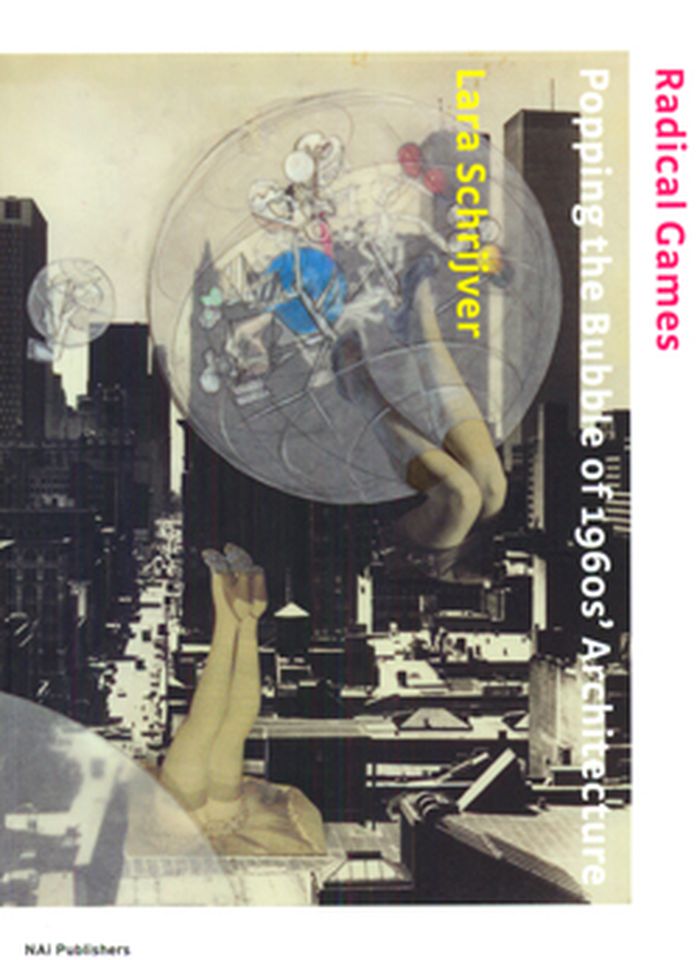
Through three radical critiques of Modernist architecture, illustrated by the iconic--and very different--works of the Situationist International, Venturi Scott Brown and Archigram, Radical Games offers new perspectives on the architecture of the 1960s. It illuminates some of the pitfalls of contemporary architectural thought and questions a number of preconceptions that remain with us from the prevalent discourses of the 1960s. Perched on the cusp of Postmodernism and global capitalism, the critiques in this volume demonstrate a perceptive understanding of Modernism, as well as contemporary conditions, such as our increasingly image-saturated society. It is also clear, however, that these radical projects were so entwined with Modernism that the architectural conversation of the 1960s was driven to an impasse, which the contemporary debate has not yet been able to escape.
Radical games: Popping the bubble of 1960's architecture
Actions:
Price:
$54.00
(available in store)
Summary:
Through three radical critiques of Modernist architecture, illustrated by the iconic--and very different--works of the Situationist International, Venturi Scott Brown and Archigram, Radical Games offers new perspectives on the architecture of the 1960s. It illuminates some of the pitfalls of contemporary architectural thought and questions a number of preconceptions that remain with us from the prevalent discourses of the 1960s. Perched on the cusp of Postmodernism and global capitalism, the critiques in this volume demonstrate a perceptive understanding of Modernism, as well as contemporary conditions, such as our increasingly image-saturated society. It is also clear, however, that these radical projects were so entwined with Modernism that the architectural conversation of the 1960s was driven to an impasse, which the contemporary debate has not yet been able to escape.
Form:
books
books
Publication:
June 2010
June 2010
Subject:
Architectural Theory
Architectural Theory


