


2227 Results
Form:
books
books
Actions:
Price:
$13.50
(available in store)
Summary:
Postmodernism has been a buzzword in contemporary society for the last decade. But how can it be defined? In this "Very Short Introduction" Christopher Butler challenges and explores the key ideas of postmodernists, and their engagement with theory, literature, the visual arts, film, architecture, and music. He treats artists, intellectuals, critics, and social scientists(...)
$13.50
(available in store)
Summary:
Postmodernism has been a buzzword in contemporary society for the last decade. But how can it be defined? In this "Very Short Introduction" Christopher Butler challenges and explores the key ideas of postmodernists, and their engagement with theory, literature, the visual arts, film, architecture, and music. He treats artists, intellectuals, critics, and social scientists(...)
Title:
Postmodernism: a very short introduction
Actions:
Price:
$13.50
(available in store)
Summary:
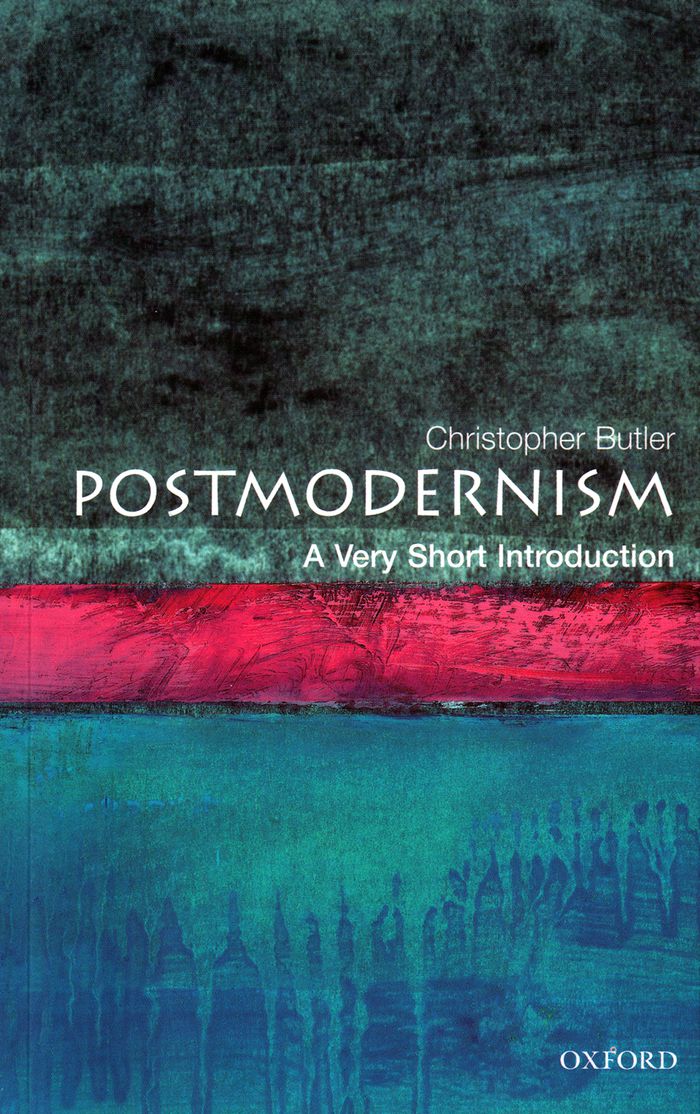
Postmodernism has been a buzzword in contemporary society for the last decade. But how can it be defined? In this "Very Short Introduction" Christopher Butler challenges and explores the key ideas of postmodernists, and their engagement with theory, literature, the visual arts, film, architecture, and music. He treats artists, intellectuals, critics, and social scientists 'as if they were all members of a loosely constituted and quarrelsome political party' - a party which includes such members as Cindy Sherman, Salman Rushdie, Jacques Derrida, Walter Abish, and Richard Rorty - creating a vastly entertaining framework in which to unravel the mysteries of the 'postmodern condition', from the politicizing of museum culture to the cult of the politically correct.
Postmodernism: a very short introduction
Actions:
Price:
$13.50
(available in store)
Summary:
Postmodernism has been a buzzword in contemporary society for the last decade. But how can it be defined? In this "Very Short Introduction" Christopher Butler challenges and explores the key ideas of postmodernists, and their engagement with theory, literature, the visual arts, film, architecture, and music. He treats artists, intellectuals, critics, and social scientists 'as if they were all members of a loosely constituted and quarrelsome political party' - a party which includes such members as Cindy Sherman, Salman Rushdie, Jacques Derrida, Walter Abish, and Richard Rorty - creating a vastly entertaining framework in which to unravel the mysteries of the 'postmodern condition', from the politicizing of museum culture to the cult of the politically correct.
Form:
books
books
Publication:
January 2003
January 2003
Subject:
Architectural Theory
Architectural Theory
Form:
books
books
Actions:
Price:
$41.95
(available to order)
Summary:
'Authorship' critically examines emergent themes in contemporary architecture by revisiting the seemingly defunct notion of design authorship. As we revel in the death of the master architect, how do we come to terms with the shifting role of creativity in architecture’s cultural production? In 'Authorship', a cross-disciplinary group of designers and scholars explores(...)
$41.95
(available to order)
Summary:
'Authorship' critically examines emergent themes in contemporary architecture by revisiting the seemingly defunct notion of design authorship. As we revel in the death of the master architect, how do we come to terms with the shifting role of creativity in architecture’s cultural production? In 'Authorship', a cross-disciplinary group of designers and scholars explores(...)
Title:
Authorship. Discourse, a series on architecture
Actions:
Price:
$41.95
(available to order)
Summary:
'Authorship' critically examines emergent themes in contemporary architecture by revisiting the seemingly defunct notion of design authorship. As we revel in the death of the master architect, how do we come to terms with the shifting role of creativity in architecture’s cultural production? In 'Authorship', a cross-disciplinary group of designers and scholars explores this topic through a myriad of lenses.
Authorship. Discourse, a series on architecture
Actions:
Price:
$41.95
(available to order)
Summary:
'Authorship' critically examines emergent themes in contemporary architecture by revisiting the seemingly defunct notion of design authorship. As we revel in the death of the master architect, how do we come to terms with the shifting role of creativity in architecture’s cultural production? In 'Authorship', a cross-disciplinary group of designers and scholars explores this topic through a myriad of lenses.
Form:
books
books
Publication:
January 2019
January 2019
Subject:
Architectural Theory
Architectural Theory
Form:
books
books
Price:
$37.50
(available to order)
Summary:
Can good design truly make us happier? Given that we spend over 80% of our time in buildings, shouldn't we have a better understanding of how they make us feel? This book explores the ways in which buildings, spaces and cities affect our moods. It reveals how architecture and design can make us happy and support mental health, and explains how poor design can have the(...)
$37.50
(available to order)
Summary:
Can good design truly make us happier? Given that we spend over 80% of our time in buildings, shouldn't we have a better understanding of how they make us feel? This book explores the ways in which buildings, spaces and cities affect our moods. It reveals how architecture and design can make us happy and support mental health, and explains how poor design can have the(...)
Title:
Happy by design: a guide to architecture and mental wellbeing
Actions:
Price:
$37.50
(available to order)
Summary:
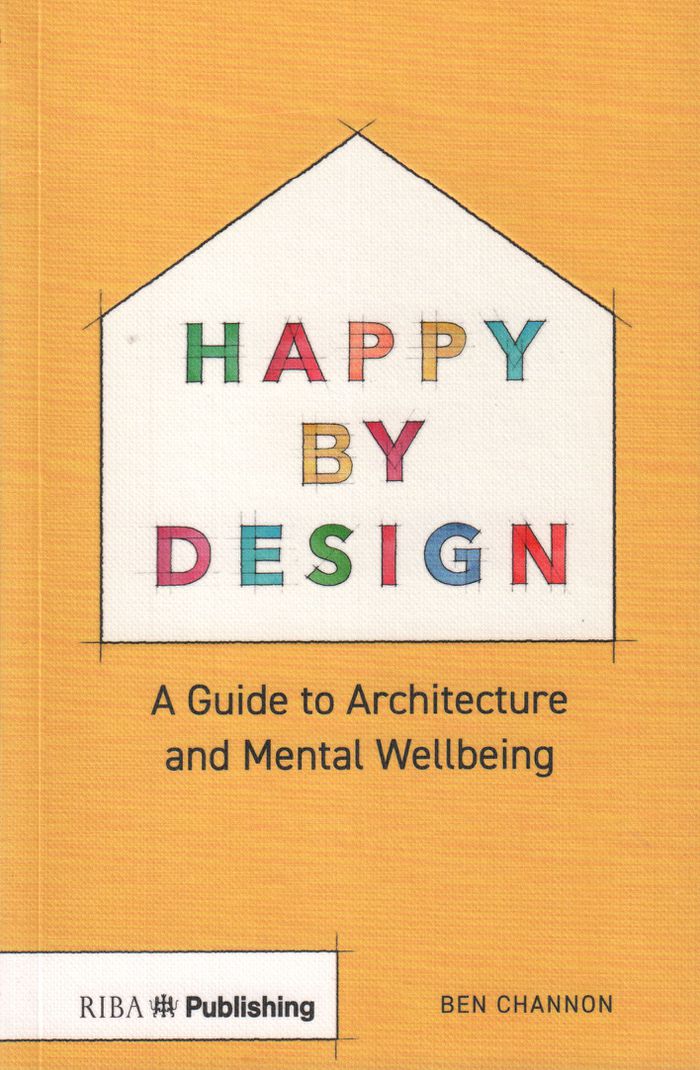
Can good design truly make us happier? Given that we spend over 80% of our time in buildings, shouldn't we have a better understanding of how they make us feel? This book explores the ways in which buildings, spaces and cities affect our moods. It reveals how architecture and design can make us happy and support mental health, and explains how poor design can have the opposite effect.
Happy by design: a guide to architecture and mental wellbeing
Actions:
Price:
$37.50
(available to order)
Summary:
Can good design truly make us happier? Given that we spend over 80% of our time in buildings, shouldn't we have a better understanding of how they make us feel? This book explores the ways in which buildings, spaces and cities affect our moods. It reveals how architecture and design can make us happy and support mental health, and explains how poor design can have the opposite effect.
Form:
books
books
Publication:
September 2018
September 2018
Subject:
Architectural Theory
Architectural Theory
Form:
books
books
Actions:
Price:
$73.95
(available in store)
Summary:
Leon van Schaik AO, Professor of Architecture at RMIT University for 30 years and mentor to countless Australian architects, lays down his highly influential creative philosophies in his latest book, ''Architecture in its Continuums.'' The text represents a distillation of a lifetime of thinking about architecture and the ways in which it is practiced, researched and(...)
$73.95
(available in store)
Summary:
Leon van Schaik AO, Professor of Architecture at RMIT University for 30 years and mentor to countless Australian architects, lays down his highly influential creative philosophies in his latest book, ''Architecture in its Continuums.'' The text represents a distillation of a lifetime of thinking about architecture and the ways in which it is practiced, researched and(...)
Title:
Architecture in its continuums
Actions:
Price:
$73.95
(available in store)
Summary:
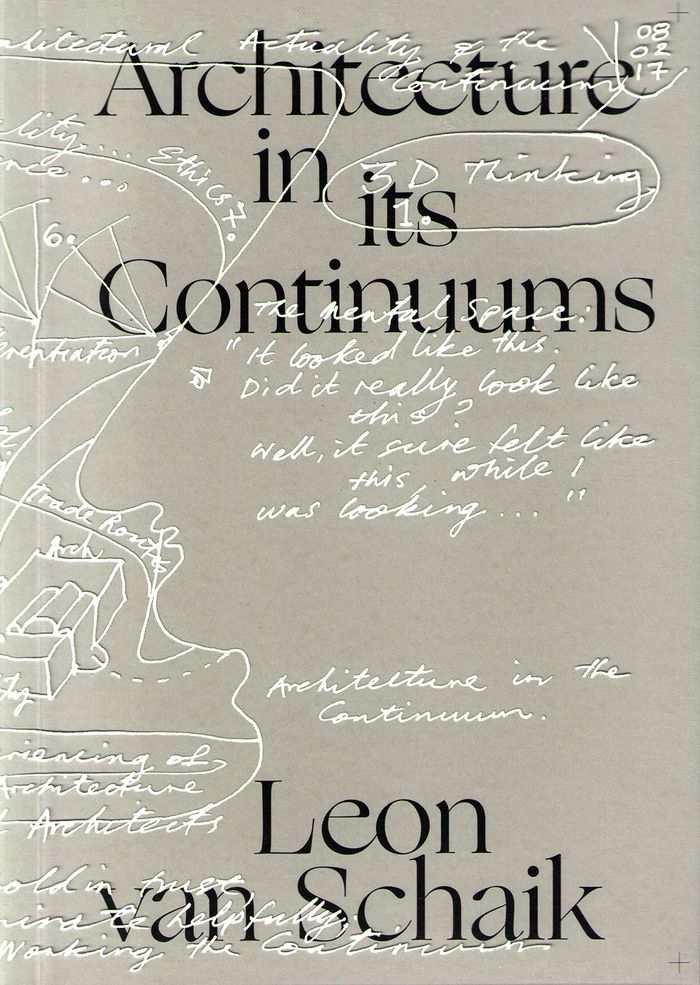
Leon van Schaik AO, Professor of Architecture at RMIT University for 30 years and mentor to countless Australian architects, lays down his highly influential creative philosophies in his latest book, ''Architecture in its Continuums.'' The text represents a distillation of a lifetime of thinking about architecture and the ways in which it is practiced, researched and taught. The book remediates a gap that van Schaik sees in current architecture writing. There are, he says, ''very few books on architecture that, I believe, concern the practice of architecture itself, as distinct from the large body of writing about the history, sociology and environmental science of architecture.'' Van Schaik contends that we all share a common experience of space and light. Therefore, the architect's skill in the crafting of space and light has the potential to intimately connect architecture with humanity.
Architecture in its continuums
Actions:
Price:
$73.95
(available in store)
Summary:
Leon van Schaik AO, Professor of Architecture at RMIT University for 30 years and mentor to countless Australian architects, lays down his highly influential creative philosophies in his latest book, ''Architecture in its Continuums.'' The text represents a distillation of a lifetime of thinking about architecture and the ways in which it is practiced, researched and taught. The book remediates a gap that van Schaik sees in current architecture writing. There are, he says, ''very few books on architecture that, I believe, concern the practice of architecture itself, as distinct from the large body of writing about the history, sociology and environmental science of architecture.'' Van Schaik contends that we all share a common experience of space and light. Therefore, the architect's skill in the crafting of space and light has the potential to intimately connect architecture with humanity.
Form:
books
books
Publication:
February 2018
February 2018
Subject:
Architectural Theory
Architectural Theory
Form:
books
books
Actions:
Price:
$81.00
(available to order)
Summary:
Associating the changing natural world with journeys in self-understanding, and the design process with a visual and spatial autobiography, this book describes journeys between London and the North Sea in successive centuries, analysing an enduring and evolving tradition from the picturesque and romanticism to modernism. Creative architects have often looked to the past(...)
$81.00
(available to order)
Summary:
Associating the changing natural world with journeys in self-understanding, and the design process with a visual and spatial autobiography, this book describes journeys between London and the North Sea in successive centuries, analysing an enduring and evolving tradition from the picturesque and romanticism to modernism. Creative architects have often looked to the past(...)
Title:
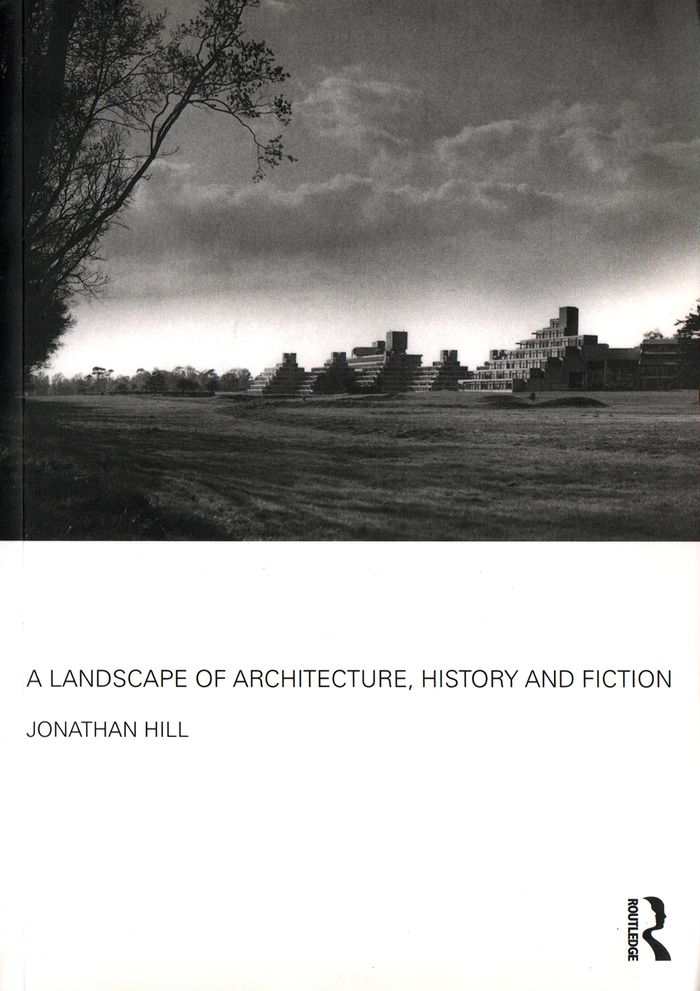
A landscape of architecture: history and fiction
Actions:
Price:
$81.00
(available to order)
Summary:
Associating the changing natural world with journeys in self-understanding, and the design process with a visual and spatial autobiography, this book describes journeys between London and the North Sea in successive centuries, analysing an enduring and evolving tradition from the picturesque and romanticism to modernism. Creative architects have often looked to the past to understand the present and imagine the future. Twenty-first-century architects need to appreciate the shock of the old as well as the shock of the new.
A landscape of architecture: history and fiction
Actions:
Price:
$81.00
(available to order)
Summary:
Associating the changing natural world with journeys in self-understanding, and the design process with a visual and spatial autobiography, this book describes journeys between London and the North Sea in successive centuries, analysing an enduring and evolving tradition from the picturesque and romanticism to modernism. Creative architects have often looked to the past to understand the present and imagine the future. Twenty-first-century architects need to appreciate the shock of the old as well as the shock of the new.
Form:
books
books
Publication:
December 2015
December 2015
Subject:
Architectural Theory
Architectural Theory
Form:
books
books
Actions:
Price:
$86.50
(available to order)
Summary:
Chronicling the last radical architectural group of the twentieth century – NATØ (Narrative Architecture Today) – who emerged from the Architectural Association at the start of the 1980s, this book explores the group’s work which echoed a wider artistic and literary culture that drew on the specific political, social and physical condition of 1980s London. It traces(...)
$86.50
(available to order)
Summary:
Chronicling the last radical architectural group of the twentieth century – NATØ (Narrative Architecture Today) – who emerged from the Architectural Association at the start of the 1980s, this book explores the group’s work which echoed a wider artistic and literary culture that drew on the specific political, social and physical condition of 1980s London. It traces(...)
Title:
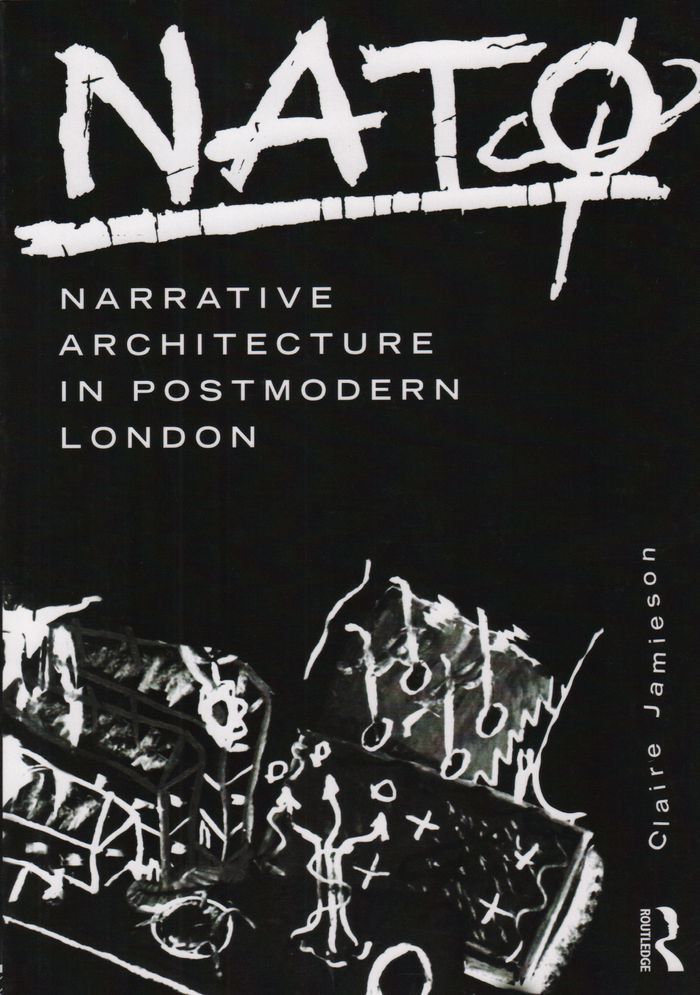
NATØ: narrative architecture in postmodern London
Actions:
Price:
$86.50
(available to order)
Summary:
Chronicling the last radical architectural group of the twentieth century – NATØ (Narrative Architecture Today) – who emerged from the Architectural Association at the start of the 1980s, this book explores the group’s work which echoed a wider artistic and literary culture that drew on the specific political, social and physical condition of 1980s London. It traces NATØ’s identification with a particular stream of post-punk, postmodern expression: a celebration of the abject, an aesthetic of entropy, and a do-it-yourself provisionality.
NATØ: narrative architecture in postmodern London
Actions:
Price:
$86.50
(available to order)
Summary:
Chronicling the last radical architectural group of the twentieth century – NATØ (Narrative Architecture Today) – who emerged from the Architectural Association at the start of the 1980s, this book explores the group’s work which echoed a wider artistic and literary culture that drew on the specific political, social and physical condition of 1980s London. It traces NATØ’s identification with a particular stream of post-punk, postmodern expression: a celebration of the abject, an aesthetic of entropy, and a do-it-yourself provisionality.
Form:
books
books
Publication:
June 2017
June 2017
Subject:
Architectural Theory
Architectural Theory
Form:
books
books
Title:
Rococo ou drôles d'oiseaux
Rococo ou drôles d'oiseaux
Actions:
Price:
$47.95
(available to order)
Summary:
On lui trouvait une tête de corbeau et il s’était fait corbeau. Le Corbusier s’était choisi un nom qui tenait de l’oiseleur. Il était extraordinaire, propagandiste, artiste, architecte immensément talentueux. On lui avait élevé une statue colossale. Il régnait. Et voici qu’au cinquantenaire de sa disparition son monument se craquelait. Des nuées d’articles hostiles(...)
$47.95
(available to order)
Summary:
On lui trouvait une tête de corbeau et il s’était fait corbeau. Le Corbusier s’était choisi un nom qui tenait de l’oiseleur. Il était extraordinaire, propagandiste, artiste, architecte immensément talentueux. On lui avait élevé une statue colossale. Il régnait. Et voici qu’au cinquantenaire de sa disparition son monument se craquelait. Des nuées d’articles hostiles(...)
Title:
Rococo ou drôles d'oiseaux
Actions:
Price:
$47.95
(available to order)
Summary:
On lui trouvait une tête de corbeau et il s’était fait corbeau. Le Corbusier s’était choisi un nom qui tenait de l’oiseleur. Il était extraordinaire, propagandiste, artiste, architecte immensément talentueux. On lui avait élevé une statue colossale. Il régnait. Et voici qu’au cinquantenaire de sa disparition son monument se craquelait. Des nuées d’articles hostiles parurent dans le monde entier. Le souvenir de ses accointances d’avant-guerre et de ses dix-huit mois à Vichy jaillissait entre les fissures. Son goût pour l’autorité, son urbanisme, funèbres oiseaux. Ce qui devait être une commémoration est devenu procès. Cet ouvrage, érudit et drôle, est un appel à une histoire qui serait libre, sans tabou, sans passion triste ni rancune. Quantités d’oiseaux y paraissent, laids ou gracieux, fragiles ou cruels, dionysiaques ou parfaitement idiots qui lui font une guirlande et l’enveloppent du bruissement des fables, des mythes et des poèmes.
Rococo ou drôles d'oiseaux
Actions:
Price:
$47.95
(available to order)
Summary:
On lui trouvait une tête de corbeau et il s’était fait corbeau. Le Corbusier s’était choisi un nom qui tenait de l’oiseleur. Il était extraordinaire, propagandiste, artiste, architecte immensément talentueux. On lui avait élevé une statue colossale. Il régnait. Et voici qu’au cinquantenaire de sa disparition son monument se craquelait. Des nuées d’articles hostiles parurent dans le monde entier. Le souvenir de ses accointances d’avant-guerre et de ses dix-huit mois à Vichy jaillissait entre les fissures. Son goût pour l’autorité, son urbanisme, funèbres oiseaux. Ce qui devait être une commémoration est devenu procès. Cet ouvrage, érudit et drôle, est un appel à une histoire qui serait libre, sans tabou, sans passion triste ni rancune. Quantités d’oiseaux y paraissent, laids ou gracieux, fragiles ou cruels, dionysiaques ou parfaitement idiots qui lui font une guirlande et l’enveloppent du bruissement des fables, des mythes et des poèmes.
Form:
books
books
Publication:
November 2018
November 2018
Subject:
Architectural Theory
Architectural Theory
Form:
books
books
Actions:
Price:
$63.25
(available to order)
Summary:
Inspired by Lewis Mumford’s 1932 challenge enjoining architects to go beyond visual experimentation and create complete human environments, "Environmental Design" details the rise of modernist ideas in the architectural disciplines within the novel context of sociopolitical rather than aesthetic responsibilities. Unlike today’s "starchitects," environmental designers saw(...)
$63.25
(available to order)
Summary:
Inspired by Lewis Mumford’s 1932 challenge enjoining architects to go beyond visual experimentation and create complete human environments, "Environmental Design" details the rise of modernist ideas in the architectural disciplines within the novel context of sociopolitical rather than aesthetic responsibilities. Unlike today’s "starchitects," environmental designers saw(...)
Title:
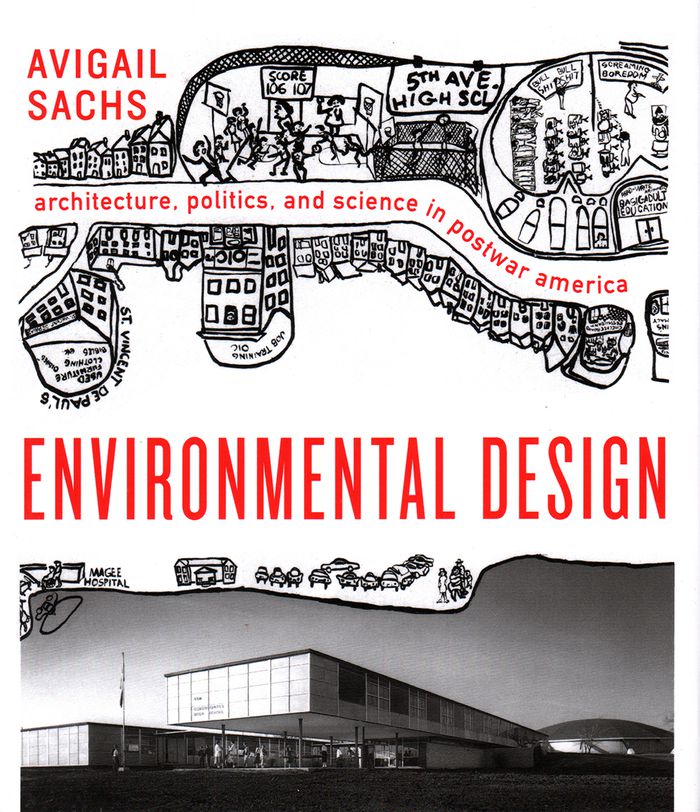
Environmental design: architecture, politics and science in postwar America
Actions:
Price:
$63.25
(available to order)
Summary:
Inspired by Lewis Mumford’s 1932 challenge enjoining architects to go beyond visual experimentation and create complete human environments, "Environmental Design" details the rise of modernist ideas in the architectural disciplines within the novel context of sociopolitical rather than aesthetic responsibilities. Unlike today’s "starchitects," environmental designers saw themselves as orchestrators of decision making more than auteurs of form and style. Viewing architectural practice as rooted in Progressive Era politics and the democratic process rather than the European avant-garde, Sachs plots how these social concepts spread via influential architecture schools. This rich examination of pedagogy and practice is a map to both the history of environmental design and the contemporary consequences of architecture understood as a pressing social concern.
Environmental design: architecture, politics and science in postwar America
Actions:
Price:
$63.25
(available to order)
Summary:
Inspired by Lewis Mumford’s 1932 challenge enjoining architects to go beyond visual experimentation and create complete human environments, "Environmental Design" details the rise of modernist ideas in the architectural disciplines within the novel context of sociopolitical rather than aesthetic responsibilities. Unlike today’s "starchitects," environmental designers saw themselves as orchestrators of decision making more than auteurs of form and style. Viewing architectural practice as rooted in Progressive Era politics and the democratic process rather than the European avant-garde, Sachs plots how these social concepts spread via influential architecture schools. This rich examination of pedagogy and practice is a map to both the history of environmental design and the contemporary consequences of architecture understood as a pressing social concern.
Form:
books
books
Publication:
July 2018
July 2018
Subject:
Architectural Theory
Architectural Theory
Form:
books
books
Title:
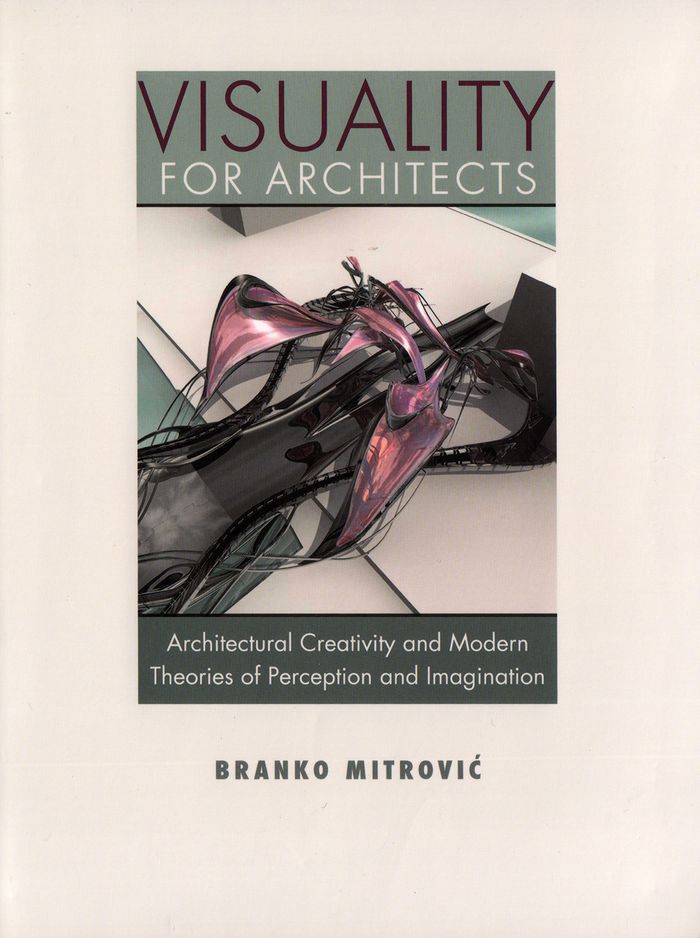
Visuality for architects: architectural creativity and modern theories of perception and imagination
Visuality for architects: architectural creativity and modern theories of perception and imagination
Actions:
Price:
$32.00
(available to order)
Summary:
This book examines the ways in which new theories of human visuality create a different understanding of architectural design, practice, and education. This new understanding coincides with and supports formalist approaches to architecture that have become influential in recent years as a result of the digital revolution in architectural design.
$32.00
(available to order)
Summary:
This book examines the ways in which new theories of human visuality create a different understanding of architectural design, practice, and education. This new understanding coincides with and supports formalist approaches to architecture that have become influential in recent years as a result of the digital revolution in architectural design.
Title:
Visuality for architects: architectural creativity and modern theories of perception and imagination
Actions:
Price:
$32.00
(available to order)
Summary:
This book examines the ways in which new theories of human visuality create a different understanding of architectural design, practice, and education. This new understanding coincides with and supports formalist approaches to architecture that have become influential in recent years as a result of the digital revolution in architectural design.
Visuality for architects: architectural creativity and modern theories of perception and imagination
Actions:
Price:
$32.00
(available to order)
Summary:
This book examines the ways in which new theories of human visuality create a different understanding of architectural design, practice, and education. This new understanding coincides with and supports formalist approaches to architecture that have become influential in recent years as a result of the digital revolution in architectural design.
Form:
books
books
Publication:
April 2013
April 2013
Subject:
Architectural Theory
Architectural Theory
Form:
books
books
Actions:
Price:
$79.95
(available to order)
Summary:
Modern hygienic urbanism originated in the airy boulevards, public parks, and sewer system that transformed the Parisian cityscape in the mid-nineteenth century. Yet these well-known developments in public health built on a previous moment of anxiety about the hygiene of modern city dwellers. These forgotten efforts to renew and reform the physical and moral health of the(...)
$79.95
(available to order)
Summary:
Modern hygienic urbanism originated in the airy boulevards, public parks, and sewer system that transformed the Parisian cityscape in the mid-nineteenth century. Yet these well-known developments in public health built on a previous moment of anxiety about the hygiene of modern city dwellers. These forgotten efforts to renew and reform the physical and moral health of the(...)
Title:
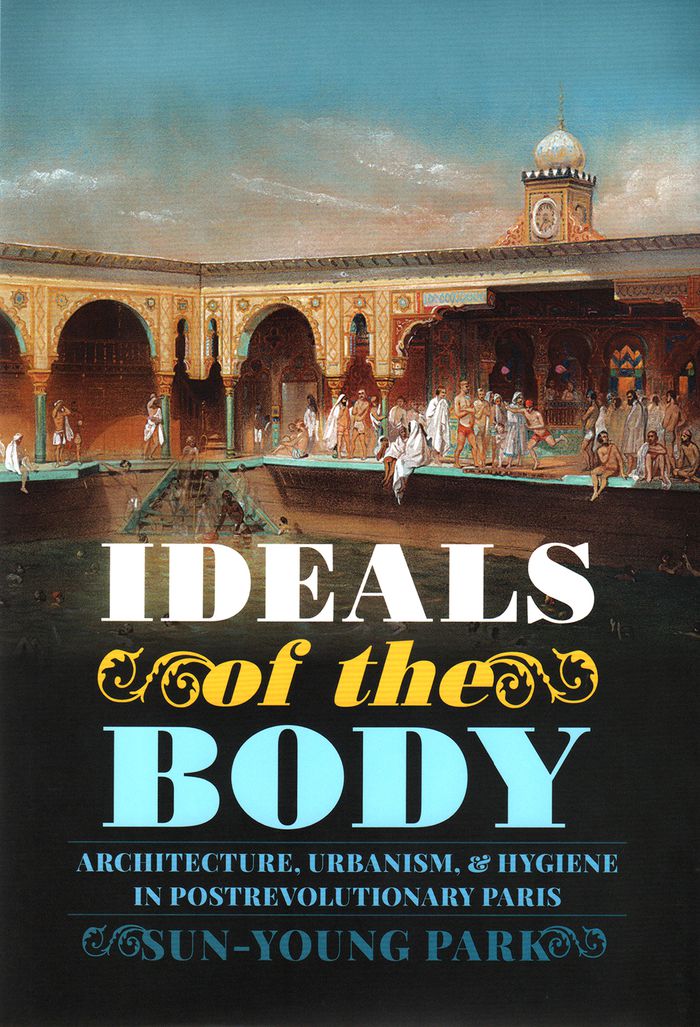
Ideals of the body: architecture, urbanism, and hygiene in postrevolutionary Paris
Actions:
Price:
$79.95
(available to order)
Summary:
Modern hygienic urbanism originated in the airy boulevards, public parks, and sewer system that transformed the Parisian cityscape in the mid-nineteenth century. Yet these well-known developments in public health built on a previous moment of anxiety about the hygiene of modern city dwellers. These forgotten efforts to renew and reform the physical and moral health of the urban subject found expression in the built environment of the city—in the gymnasiums, swimming pools, and green spaces of private and public institutions, from the pedagogical to the recreational. Sun-Young Park reveals how these anxieties about health and social order, which manifested in emerging ideals of the body, created a uniquely spatial and urban experience of modernity in the postrevolutionary capital, one profoundly impacted by hygiene, mobility, productivity, leisure, spectacle, and technology.
Ideals of the body: architecture, urbanism, and hygiene in postrevolutionary Paris
Actions:
Price:
$79.95
(available to order)
Summary:
Modern hygienic urbanism originated in the airy boulevards, public parks, and sewer system that transformed the Parisian cityscape in the mid-nineteenth century. Yet these well-known developments in public health built on a previous moment of anxiety about the hygiene of modern city dwellers. These forgotten efforts to renew and reform the physical and moral health of the urban subject found expression in the built environment of the city—in the gymnasiums, swimming pools, and green spaces of private and public institutions, from the pedagogical to the recreational. Sun-Young Park reveals how these anxieties about health and social order, which manifested in emerging ideals of the body, created a uniquely spatial and urban experience of modernity in the postrevolutionary capital, one profoundly impacted by hygiene, mobility, productivity, leisure, spectacle, and technology.
Form:
books
books
Publication:
May 2018
May 2018
Subject:
Architectural Theory
Architectural Theory


