


2227 Results
Form:
books
books
Title:
Catalyst: conditions
Catalyst: conditions
Actions:
Price:
$34.95
(available to order)
Summary:
This volume examines one year of research and pedagogy at the University of Virginia School of Architecture, engaged in the conditions of the built environment, relative to 3 states of Flux, Stasis and Crisis. The questions we ask are: What is the impact of design on the forces that shape our contemporary reality? To what extent do contingencies of time and place impact(...)
$34.95
(available to order)
Summary:
This volume examines one year of research and pedagogy at the University of Virginia School of Architecture, engaged in the conditions of the built environment, relative to 3 states of Flux, Stasis and Crisis. The questions we ask are: What is the impact of design on the forces that shape our contemporary reality? To what extent do contingencies of time and place impact(...)
Title:
Catalyst: conditions
Actions:
Price:
$34.95
(available to order)
Summary:
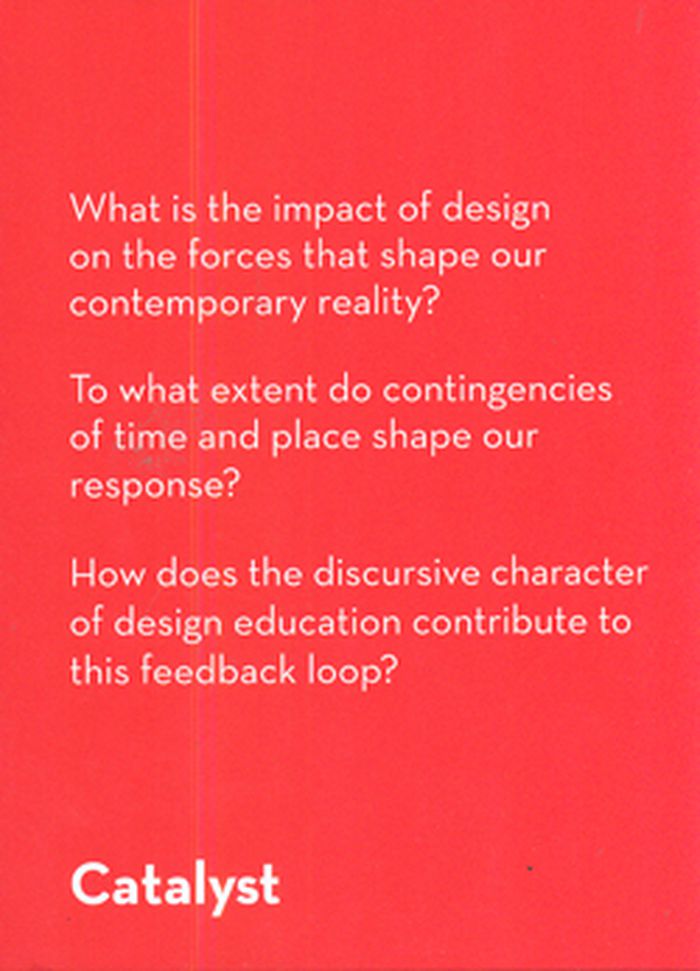
This volume examines one year of research and pedagogy at the University of Virginia School of Architecture, engaged in the conditions of the built environment, relative to 3 states of Flux, Stasis and Crisis. The questions we ask are: What is the impact of design on the forces that shape our contemporary reality? To what extent do contingencies of time and place impact our practice, and in return how effective is our response in re-shaping the same contingencies? Contributions: Ghazal Abbasy-Asbagh, Inaki Alday, Robin Dripps, Rebecca Hora, Ryan Metcalf, Matthew Pinyan
Catalyst: conditions
Actions:
Price:
$34.95
(available to order)
Summary:
This volume examines one year of research and pedagogy at the University of Virginia School of Architecture, engaged in the conditions of the built environment, relative to 3 states of Flux, Stasis and Crisis. The questions we ask are: What is the impact of design on the forces that shape our contemporary reality? To what extent do contingencies of time and place impact our practice, and in return how effective is our response in re-shaping the same contingencies? Contributions: Ghazal Abbasy-Asbagh, Inaki Alday, Robin Dripps, Rebecca Hora, Ryan Metcalf, Matthew Pinyan
Form:
books
books
Publication:
February 2014
February 2014
Subject:
Architectural Theory
Architectural Theory
Form:
books
books

Actions:
Price:
$32.50
(available to order)
Summary:
In this comprehensive and engaging volume, medical historian Jonathan Reinarz offers a historiography of smell from ancient to modern times. Synthesizing existing scholarship in the field, he shows how people have relied on their olfactory sense to understand and engage with both their immediate environments and wider corporal and spiritual worlds.
$32.50
(available to order)
Summary:
In this comprehensive and engaging volume, medical historian Jonathan Reinarz offers a historiography of smell from ancient to modern times. Synthesizing existing scholarship in the field, he shows how people have relied on their olfactory sense to understand and engage with both their immediate environments and wider corporal and spiritual worlds.
Title:
Past Scents: historical perspectives on Smell
Actions:
Price:
$32.50
(available to order)
Summary:
In this comprehensive and engaging volume, medical historian Jonathan Reinarz offers a historiography of smell from ancient to modern times. Synthesizing existing scholarship in the field, he shows how people have relied on their olfactory sense to understand and engage with both their immediate environments and wider corporal and spiritual worlds.
Past Scents: historical perspectives on Smell
Actions:
Price:
$32.50
(available to order)
Summary:
In this comprehensive and engaging volume, medical historian Jonathan Reinarz offers a historiography of smell from ancient to modern times. Synthesizing existing scholarship in the field, he shows how people have relied on their olfactory sense to understand and engage with both their immediate environments and wider corporal and spiritual worlds.
Form:
books
books
Publication:
April 2014
April 2014
Subject:
Architectural Theory
Architectural Theory
Form:
books
books
Price:
$37.50
(available to order)
Summary:
Focusing on images of New York, the rural South, and Miami from the 1890s to the 1940s, Mary N. Woods explores the ways photographers used the built environment to explore not only the gulfs but also the overlaps between modern and traditional culture in America during the early twentieth century.
$37.50
(available to order)
Summary:
Focusing on images of New York, the rural South, and Miami from the 1890s to the 1940s, Mary N. Woods explores the ways photographers used the built environment to explore not only the gulfs but also the overlaps between modern and traditional culture in America during the early twentieth century.
Title:
Beyond the architect's eye: photographs and the american built environment
Actions:
Price:
$37.50
(available to order)
Summary:
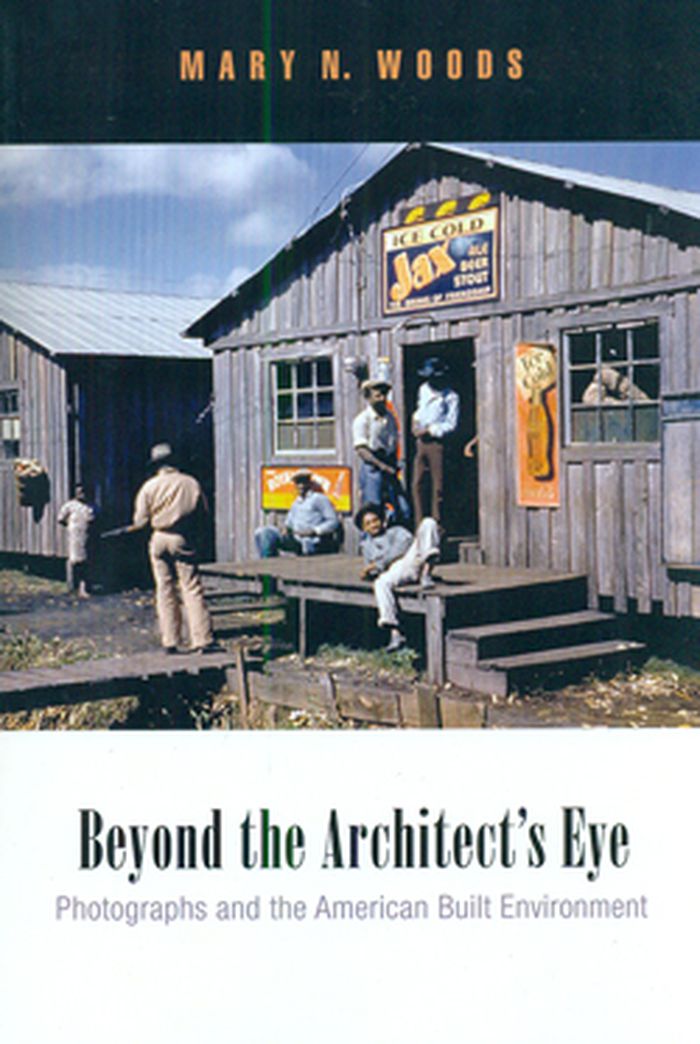
Focusing on images of New York, the rural South, and Miami from the 1890s to the 1940s, Mary N. Woods explores the ways photographers used the built environment to explore not only the gulfs but also the overlaps between modern and traditional culture in America during the early twentieth century.
Beyond the architect's eye: photographs and the american built environment
Actions:
Price:
$37.50
(available to order)
Summary:
Focusing on images of New York, the rural South, and Miami from the 1890s to the 1940s, Mary N. Woods explores the ways photographers used the built environment to explore not only the gulfs but also the overlaps between modern and traditional culture in America during the early twentieth century.
Form:
books
books
Publication:
February 2014
February 2014
Subject:
Architectural Theory
Architectural Theory
Form:
books
books
Price:
$25.95
(available to order)
Summary:
In the third book in the Critical Spatial Practice series, Beatriz Colomina traces the history of the modern architecture manifesto, with particular focus on Mies van der Rohe, and the play between the written and built work. This essay propels the manifesto form into the future, into an age where electronic media are the primary sites of debate, suggesting that new forms(...)
$25.95
(available to order)
Summary:
In the third book in the Critical Spatial Practice series, Beatriz Colomina traces the history of the modern architecture manifesto, with particular focus on Mies van der Rohe, and the play between the written and built work. This essay propels the manifesto form into the future, into an age where electronic media are the primary sites of debate, suggesting that new forms(...)
Subject:
Architectural Theory
Architectural Theory
Publication:
May 2014
May 2014
Title:
Critical Spatial Practice 3, Manifesto architecture : the ghost of Mies
Actions:
Price:
$25.95
(available to order)
Summary:
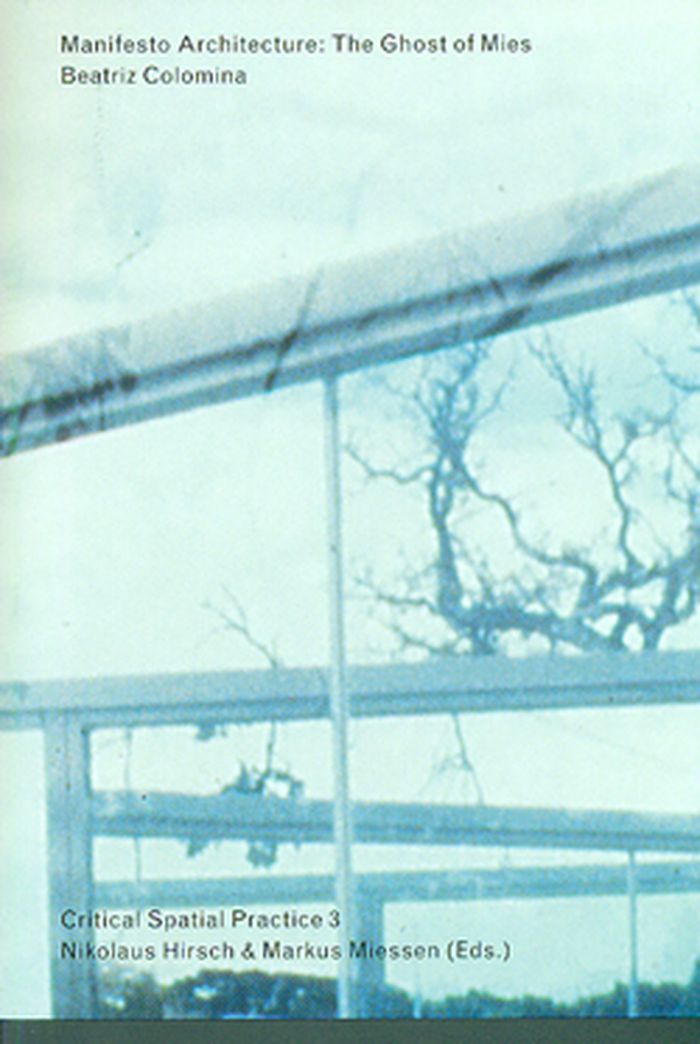
In the third book in the Critical Spatial Practice series, Beatriz Colomina traces the history of the modern architecture manifesto, with particular focus on Mies van der Rohe, and the play between the written and built work. This essay propels the manifesto form into the future, into an age where electronic media are the primary sites of debate, suggesting that new forms of manifesto are surely emerging along with new kinds of authorship, statement, exhibition, and debate.
Critical Spatial Practice 3, Manifesto architecture : the ghost of Mies
Actions:
Price:
$25.95
(available to order)
Summary:
In the third book in the Critical Spatial Practice series, Beatriz Colomina traces the history of the modern architecture manifesto, with particular focus on Mies van der Rohe, and the play between the written and built work. This essay propels the manifesto form into the future, into an age where electronic media are the primary sites of debate, suggesting that new forms of manifesto are surely emerging along with new kinds of authorship, statement, exhibition, and debate.
Form:
books
books
Publication:
May 2014
May 2014
Subject:
Architectural Theory
Architectural Theory
Form:
books
books
Actions:
Price:
$45.00
(available to order)
Summary:
Encounters with art engage various conditions of interiority whether through psychic spaces or specific physical environments such as museums and private residences. The exhibition If you lived here, you d be home by now, presented at the Hessel Museum of Art, CCS Bard, was the catalyst for this anthology. The first in a series titled CCS Readers, this volume provides a(...)
$45.00
(available to order)
Summary:
Encounters with art engage various conditions of interiority whether through psychic spaces or specific physical environments such as museums and private residences. The exhibition If you lived here, you d be home by now, presented at the Hessel Museum of Art, CCS Bard, was the catalyst for this anthology. The first in a series titled CCS Readers, this volume provides a(...)
Subject:
Architectural Theory
Architectural Theory
Publication:
September 2012
September 2012
Title:
Interiors: perspectives on art and culture
Actions:
Price:
$45.00
(available to order)
Summary:
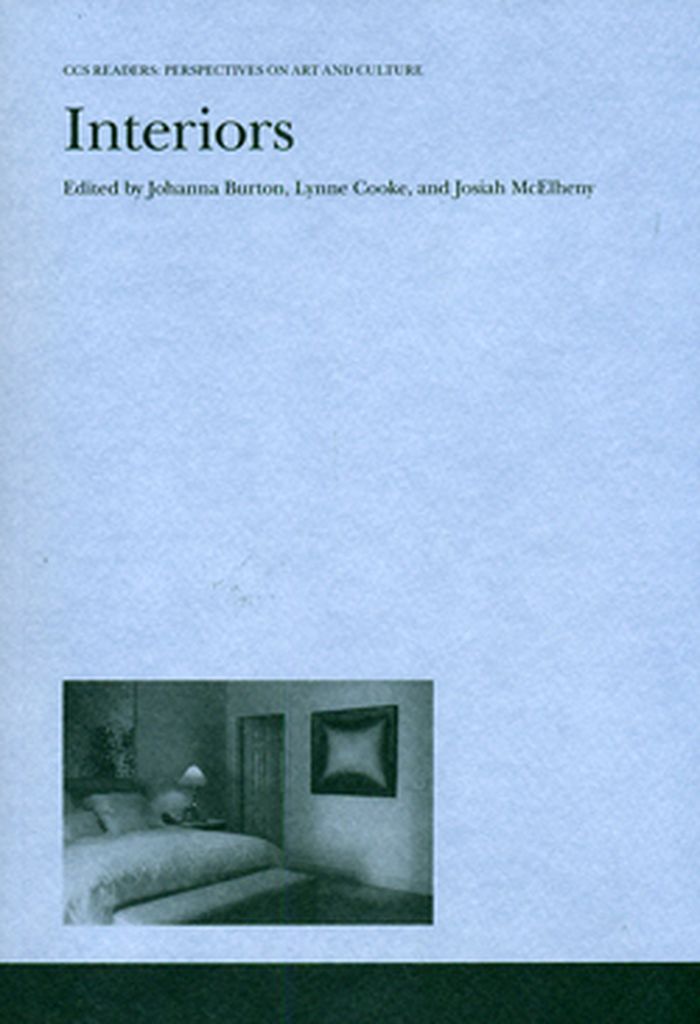
Encounters with art engage various conditions of interiority whether through psychic spaces or specific physical environments such as museums and private residences. The exhibition If you lived here, you d be home by now, presented at the Hessel Museum of Art, CCS Bard, was the catalyst for this anthology. The first in a series titled CCS Readers, this volume provides a paradigmatic case study for probing issues of the personal and subjective experience within realms of the sociological, political and cultural. Features commissioned essays, conversations and talks, historical writings and artistic projects from such intellects as Anni Albers, Moyra Davey and Virginia Woolf to establish the notion of self, society and the contemporary art world.
Interiors: perspectives on art and culture
Actions:
Price:
$45.00
(available to order)
Summary:
Encounters with art engage various conditions of interiority whether through psychic spaces or specific physical environments such as museums and private residences. The exhibition If you lived here, you d be home by now, presented at the Hessel Museum of Art, CCS Bard, was the catalyst for this anthology. The first in a series titled CCS Readers, this volume provides a paradigmatic case study for probing issues of the personal and subjective experience within realms of the sociological, political and cultural. Features commissioned essays, conversations and talks, historical writings and artistic projects from such intellects as Anni Albers, Moyra Davey and Virginia Woolf to establish the notion of self, society and the contemporary art world.
Form:
books
books
Publication:
September 2012
September 2012
Subject:
Architectural Theory
Architectural Theory
Form:
books
books
Actions:
Price:
$37.00
(available in store)
Summary:
Comprising no less than 53 very different takes on the same question, “What is the future of architecture?”, the contents of this book range from essays and short stories to science fiction and poetry, as well as series of images and photos, practical approaches and active engagements with urban change. Answers to the question it poses cover a range of topical approaches(...)
$37.00
(available in store)
Summary:
Comprising no less than 53 very different takes on the same question, “What is the future of architecture?”, the contents of this book range from essays and short stories to science fiction and poetry, as well as series of images and photos, practical approaches and active engagements with urban change. Answers to the question it poses cover a range of topical approaches(...)
Title:
What is the future of architecture vol.2
Actions:
Price:
$37.00
(available in store)
Summary:
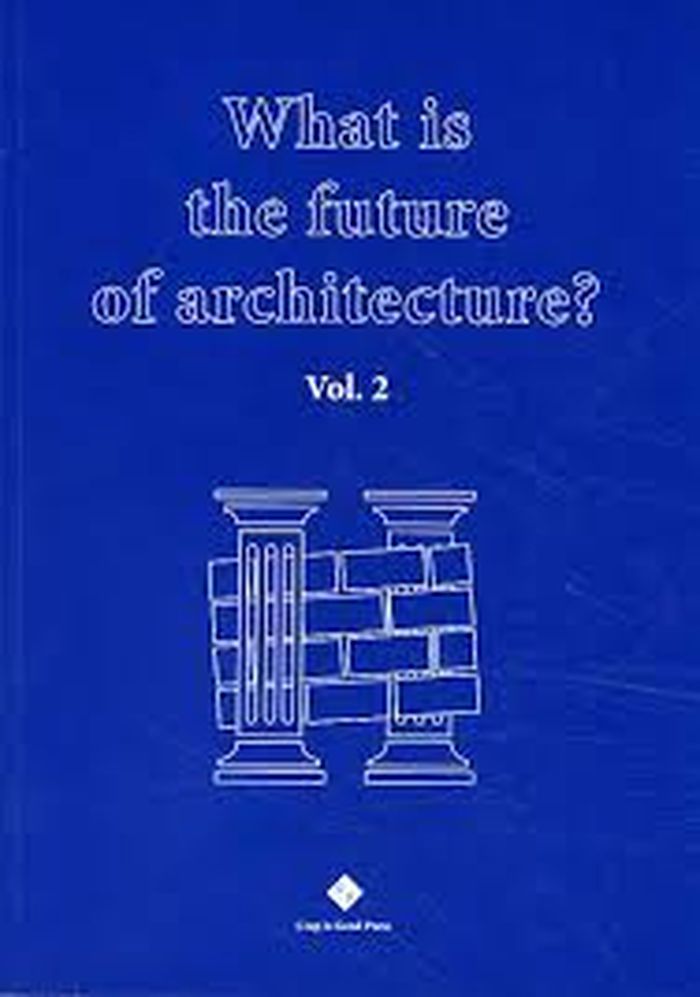
Comprising no less than 53 very different takes on the same question, “What is the future of architecture?”, the contents of this book range from essays and short stories to science fiction and poetry, as well as series of images and photos, practical approaches and active engagements with urban change. Answers to the question it poses cover a range of topical approaches and perspectives, and were submitted over a period of six months by open call participants and invited architectural offices and critics from around the globe. Among the contributors are George Sinclair, Bart van Haren, Michael Fesca, Something Fantastic, Ludmilla Cerveny, Collectif ETC and many more.
What is the future of architecture vol.2
Actions:
Price:
$37.00
(available in store)
Summary:
Comprising no less than 53 very different takes on the same question, “What is the future of architecture?”, the contents of this book range from essays and short stories to science fiction and poetry, as well as series of images and photos, practical approaches and active engagements with urban change. Answers to the question it poses cover a range of topical approaches and perspectives, and were submitted over a period of six months by open call participants and invited architectural offices and critics from around the globe. Among the contributors are George Sinclair, Bart van Haren, Michael Fesca, Something Fantastic, Ludmilla Cerveny, Collectif ETC and many more.
Form:
books
books
Publication:
March 2014
March 2014
Subject:
Architectural Theory
Architectural Theory
Form:
books
books
Actions:
Price:
$89.95
(available to order)
Summary:
This volume, developed in association with the artist, draws on the full breadth of Ai Weiwei's architectural, installation, and activist work, with a focus on his use of space. It documents a huge range of international projects with drawings, plans, and photographs of finished work. It also includes excerpts from Ai Weiwei's famous blog (shut down by Chinese authorities(...)
$89.95
(available to order)
Summary:
This volume, developed in association with the artist, draws on the full breadth of Ai Weiwei's architectural, installation, and activist work, with a focus on his use of space. It documents a huge range of international projects with drawings, plans, and photographs of finished work. It also includes excerpts from Ai Weiwei's famous blog (shut down by Chinese authorities(...)
Title:
Ai Weiwei, spatial matters: art, architecture and activism
Actions:
Price:
$89.95
(available to order)
Summary:
This volume, developed in association with the artist, draws on the full breadth of Ai Weiwei's architectural, installation, and activist work, with a focus on his use of space. It documents a huge range of international projects with drawings, plans, and photographs of finished work. It also includes excerpts from Ai Weiwei's famous blog (shut down by Chinese authorities in 2009), in which he offers pithy and scathing commentary on the world around him. Essays by leading critics and art historians and interviews with the artist, drawing out his central concerns, accompany the 450 beautifully reproduced color illustrations of his work.
Ai Weiwei, spatial matters: art, architecture and activism
Actions:
Price:
$89.95
(available to order)
Summary:
This volume, developed in association with the artist, draws on the full breadth of Ai Weiwei's architectural, installation, and activist work, with a focus on his use of space. It documents a huge range of international projects with drawings, plans, and photographs of finished work. It also includes excerpts from Ai Weiwei's famous blog (shut down by Chinese authorities in 2009), in which he offers pithy and scathing commentary on the world around him. Essays by leading critics and art historians and interviews with the artist, drawing out his central concerns, accompany the 450 beautifully reproduced color illustrations of his work.
Form:
books
books
Publication:
April 2014
April 2014
Form:
books
books
Price:
$41.95
(available to order)
Summary:
In this book, Branden Hookway considers the interface not as technology but as a form of relationship with technology. The interface, Hookway proposes, is at once ubiquitous and hidden from view. It is both the bottleneck through which our relationship to technology must pass and a productive encounter embedded within the use of technology. It is a site of contestation --(...)
$41.95
(available to order)
Summary:
In this book, Branden Hookway considers the interface not as technology but as a form of relationship with technology. The interface, Hookway proposes, is at once ubiquitous and hidden from view. It is both the bottleneck through which our relationship to technology must pass and a productive encounter embedded within the use of technology. It is a site of contestation --(...)
Title:
Interface
Actions:
Price:
$41.95
(available to order)
Summary:
In this book, Branden Hookway considers the interface not as technology but as a form of relationship with technology. The interface, Hookway proposes, is at once ubiquitous and hidden from view. It is both the bottleneck through which our relationship to technology must pass and a productive encounter embedded within the use of technology. It is a site of contestation -- between human and machine, between the material and the social, between the political and the technological -- that both defines and elides differences.
Interface
Actions:
Price:
$41.95
(available to order)
Summary:
In this book, Branden Hookway considers the interface not as technology but as a form of relationship with technology. The interface, Hookway proposes, is at once ubiquitous and hidden from view. It is both the bottleneck through which our relationship to technology must pass and a productive encounter embedded within the use of technology. It is a site of contestation -- between human and machine, between the material and the social, between the political and the technological -- that both defines and elides differences.
Form:
books
books
Publication:
April 2014
April 2014
Form:
books
books
Title:
Why architects still draw
Why architects still draw
Actions:
Price:
$26.95
(available to order)
Summary:
Why would an architect reach for a pencil when drawing software and AutoCAD are a click away? Use a ruler when 3D-scanners and GPS devices are close at hand? In Why Architects Still Draw, Paolo Belardi offers an elegant and ardent defense of drawing by hand as a way of thinking. Belardi is no Luddite; he doesn't urge architects to give up digital devices for watercolors(...)
$26.95
(available to order)
Summary:
Why would an architect reach for a pencil when drawing software and AutoCAD are a click away? Use a ruler when 3D-scanners and GPS devices are close at hand? In Why Architects Still Draw, Paolo Belardi offers an elegant and ardent defense of drawing by hand as a way of thinking. Belardi is no Luddite; he doesn't urge architects to give up digital devices for watercolors(...)
Title:
Why architects still draw
Actions:
Price:
$26.95
(available to order)
Summary:
Why would an architect reach for a pencil when drawing software and AutoCAD are a click away? Use a ruler when 3D-scanners and GPS devices are close at hand? In Why Architects Still Draw, Paolo Belardi offers an elegant and ardent defense of drawing by hand as a way of thinking. Belardi is no Luddite; he doesn't urge architects to give up digital devices for watercolors and a measuring tape. Rather, he makes a case for drawing as the interface between the idea and the work itself. A drawing, Belardi argues, holds within it the entire final design. It is the paradox of the acorn: a project emerges from a drawing-even from a sketch, rough and inchoate-just as an oak tree emerges from an acorn. Citing examples not just from architecture but also from literature, chemistry, music, archaeology, and art, Belardi shows how drawing is not a passive recording but a moment of invention pregnant with creative possibilities.
Why architects still draw
Actions:
Price:
$26.95
(available to order)
Summary:
Why would an architect reach for a pencil when drawing software and AutoCAD are a click away? Use a ruler when 3D-scanners and GPS devices are close at hand? In Why Architects Still Draw, Paolo Belardi offers an elegant and ardent defense of drawing by hand as a way of thinking. Belardi is no Luddite; he doesn't urge architects to give up digital devices for watercolors and a measuring tape. Rather, he makes a case for drawing as the interface between the idea and the work itself. A drawing, Belardi argues, holds within it the entire final design. It is the paradox of the acorn: a project emerges from a drawing-even from a sketch, rough and inchoate-just as an oak tree emerges from an acorn. Citing examples not just from architecture but also from literature, chemistry, music, archaeology, and art, Belardi shows how drawing is not a passive recording but a moment of invention pregnant with creative possibilities.
Form:
books
books
Publication:
March 2014
March 2014
Subject:
Architectural Theory
Architectural Theory
Form:
books
books
Actions:
Price:
$57.95
(available to order)
Summary:
In Buildings Must Die, Stephen Cairns and Jane Jacobs look awry at core architectural concerns. They examine spalling concrete and creeping rust, contemplate ruins old and new, and pick through the rubble of earthquake-shattered churches, imploded housing projects, and demolished Brutalist office buildings. Their investigation of the death of buildings reorders(...)
$57.95
(available to order)
Summary:
In Buildings Must Die, Stephen Cairns and Jane Jacobs look awry at core architectural concerns. They examine spalling concrete and creeping rust, contemplate ruins old and new, and pick through the rubble of earthquake-shattered churches, imploded housing projects, and demolished Brutalist office buildings. Their investigation of the death of buildings reorders(...)
Title:
Buildings must die : a perverse view of architecture
Actions:
Price:
$57.95
(available to order)
Summary:
In Buildings Must Die, Stephen Cairns and Jane Jacobs look awry at core architectural concerns. They examine spalling concrete and creeping rust, contemplate ruins old and new, and pick through the rubble of earthquake-shattered churches, imploded housing projects, and demolished Brutalist office buildings. Their investigation of the death of buildings reorders architectural notions of creativity, reshapes architecture’s preoccupation with good form, loosens its vanities of durability, and expands its sense of value. It does so not to kill off architecture as we know it, but to rethink its agency and its capacity to make worlds differently.
Buildings must die : a perverse view of architecture
Actions:
Price:
$57.95
(available to order)
Summary:
In Buildings Must Die, Stephen Cairns and Jane Jacobs look awry at core architectural concerns. They examine spalling concrete and creeping rust, contemplate ruins old and new, and pick through the rubble of earthquake-shattered churches, imploded housing projects, and demolished Brutalist office buildings. Their investigation of the death of buildings reorders architectural notions of creativity, reshapes architecture’s preoccupation with good form, loosens its vanities of durability, and expands its sense of value. It does so not to kill off architecture as we know it, but to rethink its agency and its capacity to make worlds differently.
Form:
books
books
Publication:
April 2014
April 2014
Subject:
Architectural Theory
Architectural Theory


