


2227 Results
Form:
books
books
Title:
Trois zoos humains
Trois zoos humains
Actions:
Price:
$20.00
(available to order)
Summary:
Avec crainte ou fascination pour l'Autre et l'Ailleurs, humanisme, exotisme et zoos dialoguent depuis longtemps dans l'histoire de l'Occident. Que l'animal selon Heidegger soit « pauvre en monde » ne dépare nullement la distance maintenue entre le sauvage primitif et son « inventeur » scientifique ou colonial. Mais, ainsi exploré et reconstruit, l'homme serait-il vraiment(...)
$20.00
(available to order)
Summary:
Avec crainte ou fascination pour l'Autre et l'Ailleurs, humanisme, exotisme et zoos dialoguent depuis longtemps dans l'histoire de l'Occident. Que l'animal selon Heidegger soit « pauvre en monde » ne dépare nullement la distance maintenue entre le sauvage primitif et son « inventeur » scientifique ou colonial. Mais, ainsi exploré et reconstruit, l'homme serait-il vraiment(...)
Title:
Trois zoos humains
Actions:
Price:
$20.00
(available to order)
Summary:
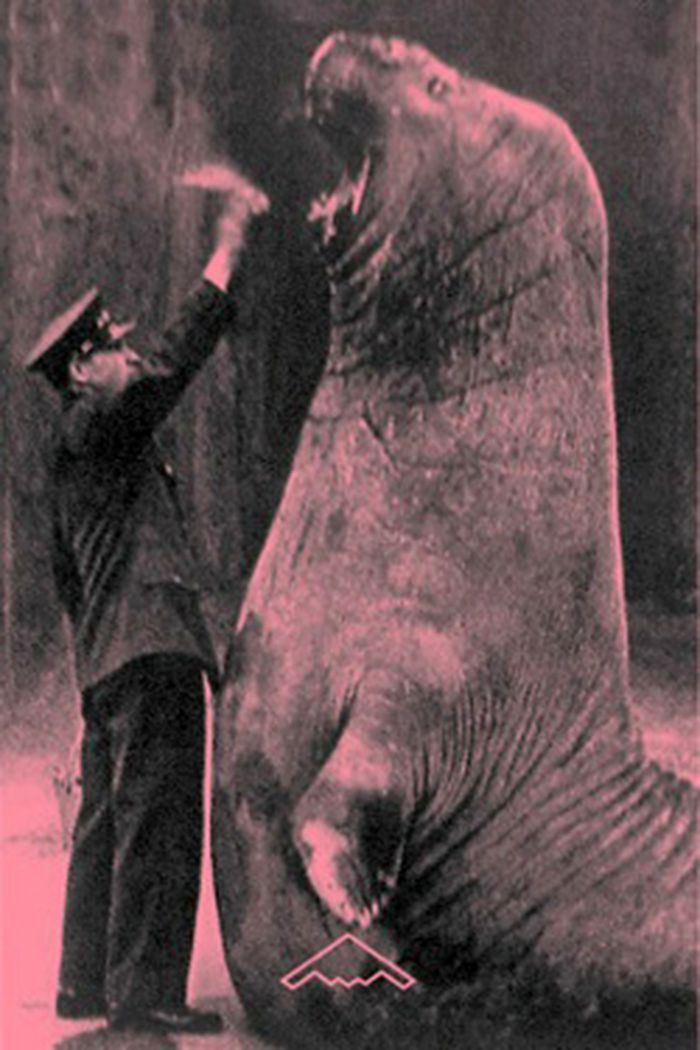
Avec crainte ou fascination pour l'Autre et l'Ailleurs, humanisme, exotisme et zoos dialoguent depuis longtemps dans l'histoire de l'Occident. Que l'animal selon Heidegger soit « pauvre en monde » ne dépare nullement la distance maintenue entre le sauvage primitif et son « inventeur » scientifique ou colonial. Mais, ainsi exploré et reconstruit, l'homme serait-il vraiment devenu un singe affranchi de sa cage ontologique ? Ne serait-il pas l'architecte ayant fait du monde un parc animalier presque sous contrôle ? Et si, par-delà les premières ménageries de la Renaissance, il y avait eu au moins trois autres « humanismes » du zoo : celui des zoos anthropologiques du Jardin d'Acclimatation ; celui de la condition animale d'après-guerre, si interrogatifs au regard des camps du IIIe Reich ; et celui d'un « jardin planétaire » artificiel pour animaux sauvages, Pangée 2.0 sur le thème de leur disparition et, avec eux, de la nôtre ?
Trois zoos humains
Actions:
Price:
$20.00
(available to order)
Summary:
Avec crainte ou fascination pour l'Autre et l'Ailleurs, humanisme, exotisme et zoos dialoguent depuis longtemps dans l'histoire de l'Occident. Que l'animal selon Heidegger soit « pauvre en monde » ne dépare nullement la distance maintenue entre le sauvage primitif et son « inventeur » scientifique ou colonial. Mais, ainsi exploré et reconstruit, l'homme serait-il vraiment devenu un singe affranchi de sa cage ontologique ? Ne serait-il pas l'architecte ayant fait du monde un parc animalier presque sous contrôle ? Et si, par-delà les premières ménageries de la Renaissance, il y avait eu au moins trois autres « humanismes » du zoo : celui des zoos anthropologiques du Jardin d'Acclimatation ; celui de la condition animale d'après-guerre, si interrogatifs au regard des camps du IIIe Reich ; et celui d'un « jardin planétaire » artificiel pour animaux sauvages, Pangée 2.0 sur le thème de leur disparition et, avec eux, de la nôtre ?
Form:
books
books
Publication:
November 2012
November 2012
Subject:
Architectural Theory
Architectural Theory
Form:
books
books
Actions:
Price:
$16.00
(available to order)
Summary:
Buckminster Fuller (1895-1983) n'est pas qu'un ingénieur de talent. Il est également cet inventeur un peu fou qui a imaginé aussi bien les dômes héliportables pour l'US Army que ceux bricolés par les hippies de Drop City. Du premier pas sur la lune à la chute de Saigon (en passant par la « bombe P », le Rapport Meadows et le premier Choc pétrolier), Fuller organisa des(...)
$16.00
(available to order)
Summary:
Buckminster Fuller (1895-1983) n'est pas qu'un ingénieur de talent. Il est également cet inventeur un peu fou qui a imaginé aussi bien les dômes héliportables pour l'US Army que ceux bricolés par les hippies de Drop City. Du premier pas sur la lune à la chute de Saigon (en passant par la « bombe P », le Rapport Meadows et le premier Choc pétrolier), Fuller organisa des(...)
Title:
E3 - Energy, earth and everyone
Actions:
Price:
$16.00
(available to order)
Summary:
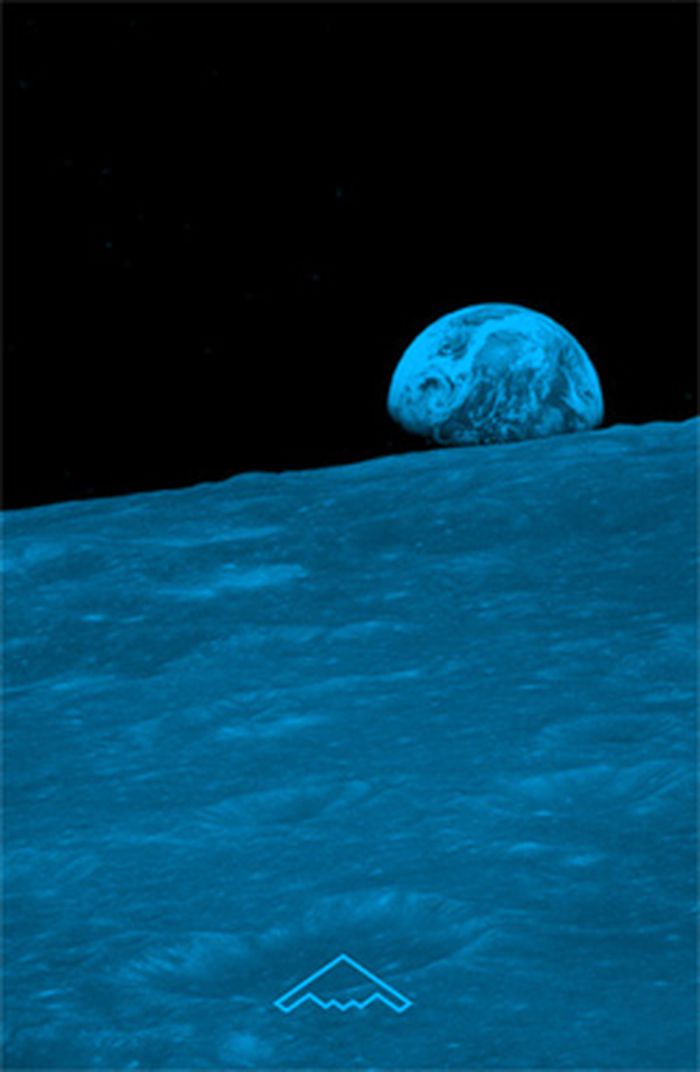
Buckminster Fuller (1895-1983) n'est pas qu'un ingénieur de talent. Il est également cet inventeur un peu fou qui a imaginé aussi bien les dômes héliportables pour l'US Army que ceux bricolés par les hippies de Drop City. Du premier pas sur la lune à la chute de Saigon (en passant par la « bombe P », le Rapport Meadows et le premier Choc pétrolier), Fuller organisa des universités d'été se proposant de modéliser la crise énergétique mondiale à venir. Surnommé E3 par Stewart Brand (le fondateur du Whole Earth Catalog), Energy, Earth, and Everyone est le titre judicieusement retenu par Medard Gabel en 1975. Accompagné d'une contribution de Gene Youngblood, un disciple de la première heure, prend alors forme une passionnante archéologie des politiques énergétiques contemporaines...
E3 - Energy, earth and everyone
Actions:
Price:
$16.00
(available to order)
Summary:
Buckminster Fuller (1895-1983) n'est pas qu'un ingénieur de talent. Il est également cet inventeur un peu fou qui a imaginé aussi bien les dômes héliportables pour l'US Army que ceux bricolés par les hippies de Drop City. Du premier pas sur la lune à la chute de Saigon (en passant par la « bombe P », le Rapport Meadows et le premier Choc pétrolier), Fuller organisa des universités d'été se proposant de modéliser la crise énergétique mondiale à venir. Surnommé E3 par Stewart Brand (le fondateur du Whole Earth Catalog), Energy, Earth, and Everyone est le titre judicieusement retenu par Medard Gabel en 1975. Accompagné d'une contribution de Gene Youngblood, un disciple de la première heure, prend alors forme une passionnante archéologie des politiques énergétiques contemporaines...
Form:
books
books
Publication:
November 2012
November 2012
Subject:
Architectural Theory
Architectural Theory
Form:
books
books
Actions:
Price:
$18.00
(available to order)
Summary:
Un an avant le Summer of Love, la revue Progressive Architecture publie un dossier brûlant : le « LSD : un outil de conception ? » Mais comment le LSD pourrait-il le devenir, et surtout : pourquoi ? Auteure de Architecture or Techno-Utopia : Politics after Modernism (MIT Press, 2007), Felicity Scott y répond d'abord à travers la figure tutélaire de Buckminster Fuller, de(...)
$18.00
(available to order)
Summary:
Un an avant le Summer of Love, la revue Progressive Architecture publie un dossier brûlant : le « LSD : un outil de conception ? » Mais comment le LSD pourrait-il le devenir, et surtout : pourquoi ? Auteure de Architecture or Techno-Utopia : Politics after Modernism (MIT Press, 2007), Felicity Scott y répond d'abord à travers la figure tutélaire de Buckminster Fuller, de(...)
Title:
Acid visions : l'architecture sous LSD
Actions:
Price:
$18.00
(available to order)
Summary:
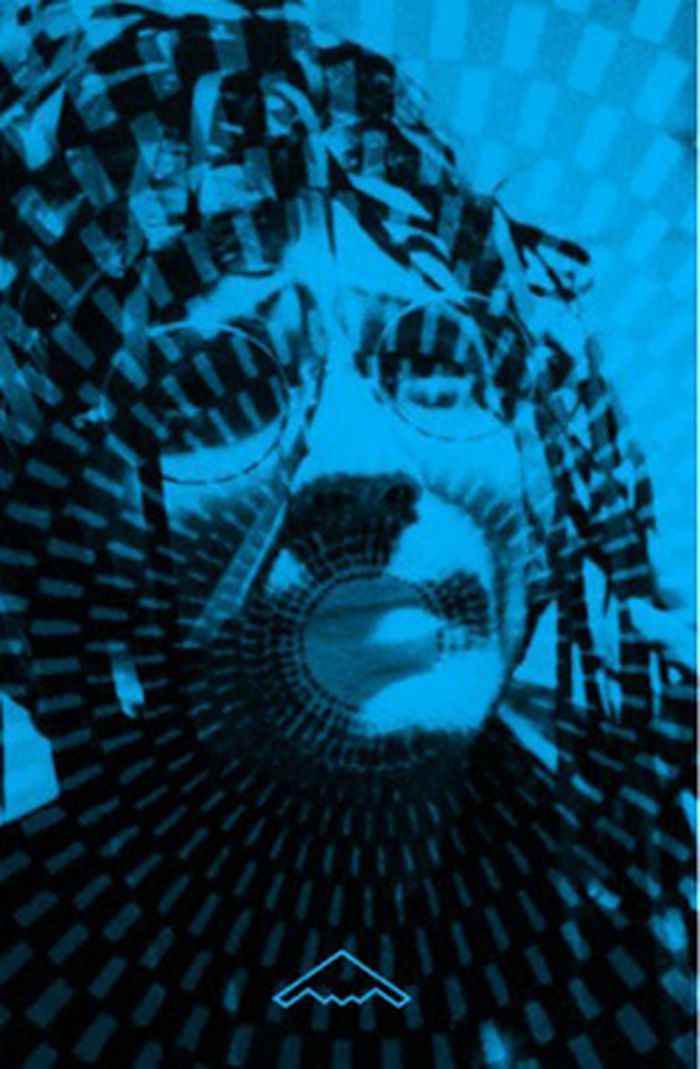
Un an avant le Summer of Love, la revue Progressive Architecture publie un dossier brûlant : le « LSD : un outil de conception ? » Mais comment le LSD pourrait-il le devenir, et surtout : pourquoi ? Auteure de Architecture or Techno-Utopia : Politics after Modernism (MIT Press, 2007), Felicity Scott y répond d'abord à travers la figure tutélaire de Buckminster Fuller, de sa « découverte » de l'acide lysergique et de l'adaptation de ses dômes géodésiques en zomes psychédéliques. Or, comme Drop City, les road trips des Merry Pranksters et d'USCO ajoutent à la prairie et à la forêt cybernétiques chères à Richard Brautigan une « vision acide », intermédia et stroboscopiquement amplifiée. Mais, s'agissait-il vraiment d'un Grand Pas pour le Village Global ou le Vaisseau spatial Terre ? Felicity D. Scott est professeure-adjointe à la Graduate School of Architecture de Columbia University.
Acid visions : l'architecture sous LSD
Actions:
Price:
$18.00
(available to order)
Summary:
Un an avant le Summer of Love, la revue Progressive Architecture publie un dossier brûlant : le « LSD : un outil de conception ? » Mais comment le LSD pourrait-il le devenir, et surtout : pourquoi ? Auteure de Architecture or Techno-Utopia : Politics after Modernism (MIT Press, 2007), Felicity Scott y répond d'abord à travers la figure tutélaire de Buckminster Fuller, de sa « découverte » de l'acide lysergique et de l'adaptation de ses dômes géodésiques en zomes psychédéliques. Or, comme Drop City, les road trips des Merry Pranksters et d'USCO ajoutent à la prairie et à la forêt cybernétiques chères à Richard Brautigan une « vision acide », intermédia et stroboscopiquement amplifiée. Mais, s'agissait-il vraiment d'un Grand Pas pour le Village Global ou le Vaisseau spatial Terre ? Felicity D. Scott est professeure-adjointe à la Graduate School of Architecture de Columbia University.
Form:
books
books
Publication:
November 2012
November 2012
Subject:
Architectural Theory
Architectural Theory
Form:
books
books
Actions:
Price:
$18.00
(available to order)
Summary:
En 1980, Geobuilding Systems fait publier à compte d'auteur un ouvrage étonnant. Spécialiste des guerres chimiques et atomiques, Jay Swayze y reprend les mérites de ses maisons enterrées depuis ses précédents « bunker palaces ». C'est qu'en 1964, au lendemain de la Crise des missiles cubains et de la construction de son propre sweet home familial au Texas (1962), ce(...)
$18.00
(available to order)
Summary:
En 1980, Geobuilding Systems fait publier à compte d'auteur un ouvrage étonnant. Spécialiste des guerres chimiques et atomiques, Jay Swayze y reprend les mérites de ses maisons enterrées depuis ses précédents « bunker palaces ». C'est qu'en 1964, au lendemain de la Crise des missiles cubains et de la construction de son propre sweet home familial au Texas (1962), ce(...)
Title:
Le meilleur des (deux) mondes
Actions:
Price:
$18.00
(available to order)
Summary:
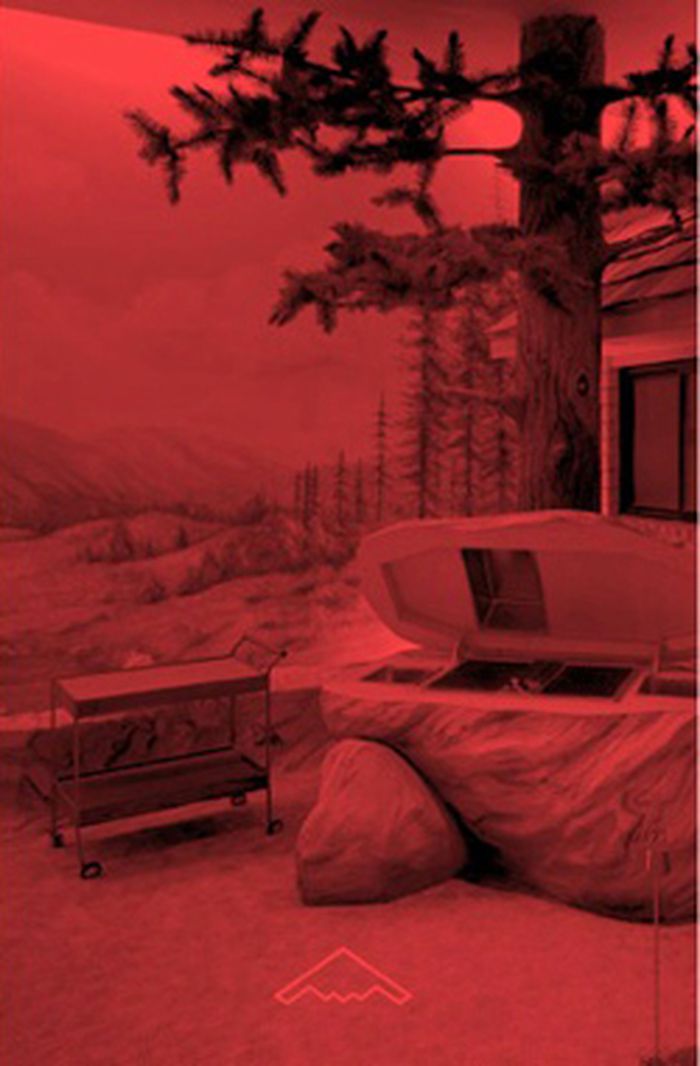
En 1980, Geobuilding Systems fait publier à compte d'auteur un ouvrage étonnant. Spécialiste des guerres chimiques et atomiques, Jay Swayze y reprend les mérites de ses maisons enterrées depuis ses précédents « bunker palaces ». C'est qu'en 1964, au lendemain de la Crise des missiles cubains et de la construction de son propre sweet home familial au Texas (1962), ce constructeur expose,sa « maison témoin » souterraine et de luxe à l'Exposition internationale de New York. Un million et demi de visiteurs viennent y imaginer en tout confort la Fin de l'Humanité. Par la suite, Swayze adaptera un argumentaire original et plus « écologique », faisant pousser sous la pelouse américaine – et au sens littéral du mot suburbain –, des écoles, des motels et des centres commerciaux. Bref, la vie continue...
Le meilleur des (deux) mondes
Actions:
Price:
$18.00
(available to order)
Summary:
En 1980, Geobuilding Systems fait publier à compte d'auteur un ouvrage étonnant. Spécialiste des guerres chimiques et atomiques, Jay Swayze y reprend les mérites de ses maisons enterrées depuis ses précédents « bunker palaces ». C'est qu'en 1964, au lendemain de la Crise des missiles cubains et de la construction de son propre sweet home familial au Texas (1962), ce constructeur expose,sa « maison témoin » souterraine et de luxe à l'Exposition internationale de New York. Un million et demi de visiteurs viennent y imaginer en tout confort la Fin de l'Humanité. Par la suite, Swayze adaptera un argumentaire original et plus « écologique », faisant pousser sous la pelouse américaine – et au sens littéral du mot suburbain –, des écoles, des motels et des centres commerciaux. Bref, la vie continue...
Form:
books
books
Publication:
November 2012
November 2012
Subject:
Architectural Theory
Architectural Theory
Form:
books
books
Actions:
Price:
$15.00
(available to order)
Summary:
À la mort de Lénine en 1924, les mouvements de l'avant-garde architecturale, dont le constructivisme, vibrent à l'unisson de la Révolution de 1917. Depuis 1921, ils apportent leur écot à la Nouvelle Politique Économique, au Plan d'électrification de l'URSS et essayent de définir une « esthétique communiste » au service du prolétaire et de la kolkhozienne. L'Union(...)
$15.00
(available to order)
Summary:
À la mort de Lénine en 1924, les mouvements de l'avant-garde architecturale, dont le constructivisme, vibrent à l'unisson de la Révolution de 1917. Depuis 1921, ils apportent leur écot à la Nouvelle Politique Économique, au Plan d'électrification de l'URSS et essayent de définir une « esthétique communiste » au service du prolétaire et de la kolkhozienne. L'Union(...)
Publication:
November 2012
November 2012
Title:
Le prix de Rome : le 'grand tour' des architectes soviétiques sous Mussolini
Actions:
Price:
$15.00
(available to order)
Summary:
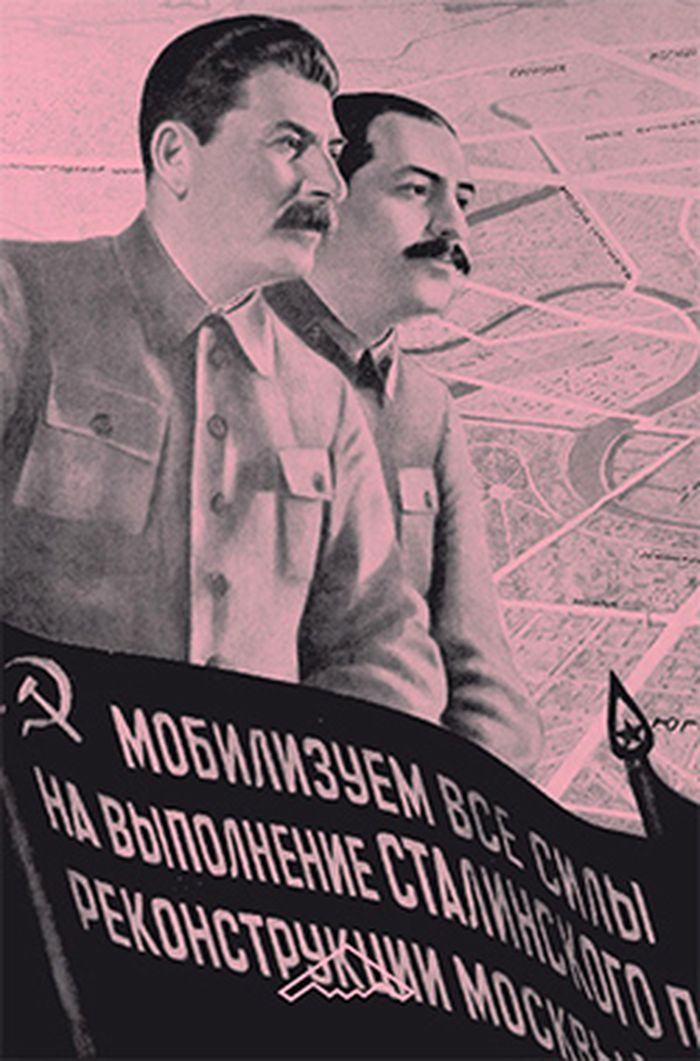
À la mort de Lénine en 1924, les mouvements de l'avant-garde architecturale, dont le constructivisme, vibrent à l'unisson de la Révolution de 1917. Depuis 1921, ils apportent leur écot à la Nouvelle Politique Économique, au Plan d'électrification de l'URSS et essayent de définir une « esthétique communiste » au service du prolétaire et de la kolkhozienne. L'Union Soviétique, l'Allemagne et les États-Unis forment alors la troïka de l'Internationale moderniste. Le premier plan quinquennal est lancé en 1928. Villes nouvelles et chantiers industriels tournent à plein régime. Davantage préoccupé par ces grands chantiers, Staline semble se désintéresser de l'enjeu architectural. Pourtant, à partir du concours pour le Palais des Soviets (1932) et de l'adoption du Plan Général de reconstruction de Moscou (1935), la Rome éternelle va devenir, au prix d'un face-à-face avec l'Italie fasciste, un « modèle » de réalisme socialiste inattendu...
Le prix de Rome : le 'grand tour' des architectes soviétiques sous Mussolini
Actions:
Price:
$15.00
(available to order)
Summary:
À la mort de Lénine en 1924, les mouvements de l'avant-garde architecturale, dont le constructivisme, vibrent à l'unisson de la Révolution de 1917. Depuis 1921, ils apportent leur écot à la Nouvelle Politique Économique, au Plan d'électrification de l'URSS et essayent de définir une « esthétique communiste » au service du prolétaire et de la kolkhozienne. L'Union Soviétique, l'Allemagne et les États-Unis forment alors la troïka de l'Internationale moderniste. Le premier plan quinquennal est lancé en 1928. Villes nouvelles et chantiers industriels tournent à plein régime. Davantage préoccupé par ces grands chantiers, Staline semble se désintéresser de l'enjeu architectural. Pourtant, à partir du concours pour le Palais des Soviets (1932) et de l'adoption du Plan Général de reconstruction de Moscou (1935), la Rome éternelle va devenir, au prix d'un face-à-face avec l'Italie fasciste, un « modèle » de réalisme socialiste inattendu...
Form:
books
books
Publication:
November 2012
November 2012
Form:
books
books

Actions:
Price:
$25.00
(available to order)
Summary:
L'architecture aéronautique militaire relève d'une « bunker archéologie » qu'il reste entièrement à écrire. Or les défis et les solutions soulevés par le bombardier furtif B-2 font de sa conception un récit majeur d'ingéniosités. Livré en 1989, le premier exemplaire fut baptisé Spirit of America et immédiatement affublé du nickname de « beauté fatale ». Avec un coût(...)
$25.00
(available to order)
Summary:
L'architecture aéronautique militaire relève d'une « bunker archéologie » qu'il reste entièrement à écrire. Or les défis et les solutions soulevés par le bombardier furtif B-2 font de sa conception un récit majeur d'ingéniosités. Livré en 1989, le premier exemplaire fut baptisé Spirit of America et immédiatement affublé du nickname de « beauté fatale ». Avec un coût(...)
Title:
Fatal beauty: une ombre aux ailes coupées?
Actions:
Price:
$25.00
(available to order)
Summary:
L'architecture aéronautique militaire relève d'une « bunker archéologie » qu'il reste entièrement à écrire. Or les défis et les solutions soulevés par le bombardier furtif B-2 font de sa conception un récit majeur d'ingéniosités. Livré en 1989, le premier exemplaire fut baptisé Spirit of America et immédiatement affublé du nickname de « beauté fatale ». Avec un coût évalué jusqu'à trois fois son poids en or, les 72 tonnes de son fourreau noir aux allures d'hirondelle condensent un raffinement technologique rare ! Dans son essai, l'architecte Jan Kovac retrace l'histoire politique et militaro-industrielle qui a fait du B-2 un objet de fierté paradoxal : né en 1978 de l'esthétique de Star Wars, livré trop tard pour la Guerre froide, impuissant face au 11 Septembre et ayant largement contribué à la dette du pays...
Fatal beauty: une ombre aux ailes coupées?
Actions:
Price:
$25.00
(available to order)
Summary:
L'architecture aéronautique militaire relève d'une « bunker archéologie » qu'il reste entièrement à écrire. Or les défis et les solutions soulevés par le bombardier furtif B-2 font de sa conception un récit majeur d'ingéniosités. Livré en 1989, le premier exemplaire fut baptisé Spirit of America et immédiatement affublé du nickname de « beauté fatale ». Avec un coût évalué jusqu'à trois fois son poids en or, les 72 tonnes de son fourreau noir aux allures d'hirondelle condensent un raffinement technologique rare ! Dans son essai, l'architecte Jan Kovac retrace l'histoire politique et militaro-industrielle qui a fait du B-2 un objet de fierté paradoxal : né en 1978 de l'esthétique de Star Wars, livré trop tard pour la Guerre froide, impuissant face au 11 Septembre et ayant largement contribué à la dette du pays...
Form:
books
books
Publication:
November 2012
November 2012
Subject:
Architectural Theory
Architectural Theory
Form:
books
books
Actions:
Price:
$17.00
(available to order)
Summary:
De la Prohibition américaine sur les jeux et l'alcool dans les années 1920 à l'arrivée de Fidel Castro en 1959, Cuba accueille, bien avant Las Vegas, un glissement progressif du plaisir qui, d'antichambre du vice de Miami au tourisme familial, transforme la dictature du général Batista en un ludique et balnéaire parc à thème. Une Cythère de l'American Way of Life, une(...)
$17.00
(available to order)
Summary:
De la Prohibition américaine sur les jeux et l'alcool dans les années 1920 à l'arrivée de Fidel Castro en 1959, Cuba accueille, bien avant Las Vegas, un glissement progressif du plaisir qui, d'antichambre du vice de Miami au tourisme familial, transforme la dictature du général Batista en un ludique et balnéaire parc à thème. Une Cythère de l'American Way of Life, une(...)
Title:
Modernisme et vanité: happy days à Miami et la Havane
Actions:
Price:
$17.00
(available to order)
Summary:
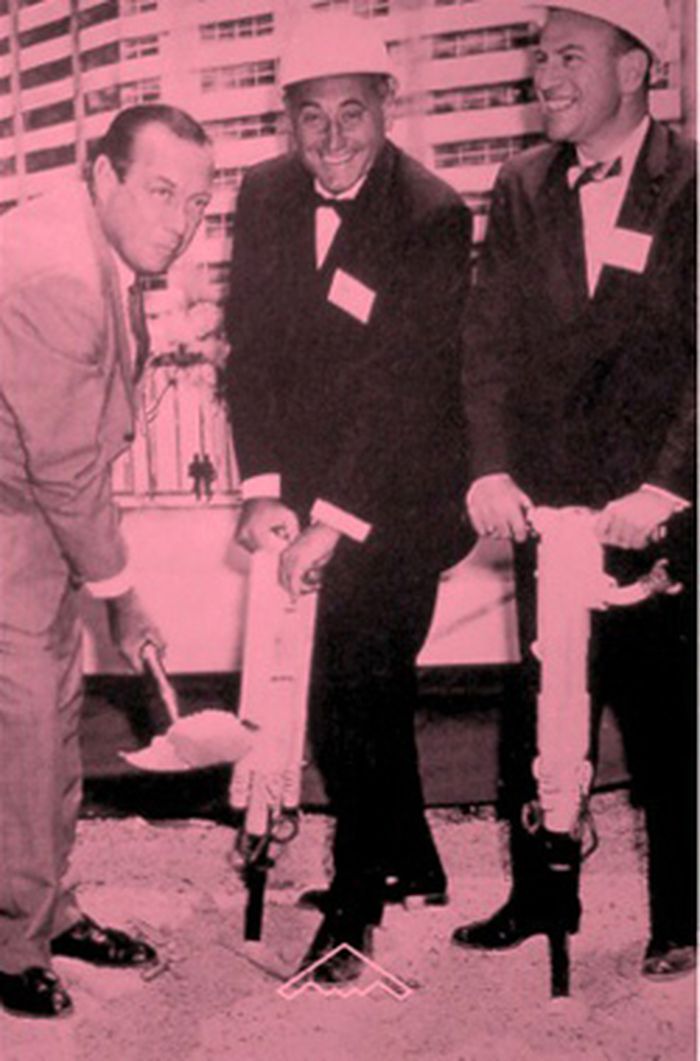
De la Prohibition américaine sur les jeux et l'alcool dans les années 1920 à l'arrivée de Fidel Castro en 1959, Cuba accueille, bien avant Las Vegas, un glissement progressif du plaisir qui, d'antichambre du vice de Miami au tourisme familial, transforme la dictature du général Batista en un ludique et balnéaire parc à thème. Une Cythère de l'American Way of Life, une pure vacance offshore, une plateforme du loisir en voie de massification. Après ses premiers succès au Fontainebleau (1954) et à l'Eden Roc (1955), l'architecte Morris Lapidus – le kitchissime maître du « bon goût » – et quelques autres seront les principaux promoteurs de ce too much is more ! Tout n'y est alors que jour sans fin : rhum Bacardi au pied d'hôtels-chantilly ou au bord de leur piscine-haricot. À l'ombre des palmiers, rien de nouveau...
Modernisme et vanité: happy days à Miami et la Havane
Actions:
Price:
$17.00
(available to order)
Summary:
De la Prohibition américaine sur les jeux et l'alcool dans les années 1920 à l'arrivée de Fidel Castro en 1959, Cuba accueille, bien avant Las Vegas, un glissement progressif du plaisir qui, d'antichambre du vice de Miami au tourisme familial, transforme la dictature du général Batista en un ludique et balnéaire parc à thème. Une Cythère de l'American Way of Life, une pure vacance offshore, une plateforme du loisir en voie de massification. Après ses premiers succès au Fontainebleau (1954) et à l'Eden Roc (1955), l'architecte Morris Lapidus – le kitchissime maître du « bon goût » – et quelques autres seront les principaux promoteurs de ce too much is more ! Tout n'y est alors que jour sans fin : rhum Bacardi au pied d'hôtels-chantilly ou au bord de leur piscine-haricot. À l'ombre des palmiers, rien de nouveau...
Form:
books
books
Publication:
November 2012
November 2012
Subject:
Architectural Theory
Architectural Theory
Form:
books
books
Actions:
Price:
$16.00
(available to order)
Summary:
Immeuble qui demeura «le plus grand et le plus haut du monde» pendant 40 ans, l'Empire State Building fut, en son temps, l'opération immobilière de tous les records : 16 mois de chantier pour 200.000 m2 et 380 m de haut. Un article de Fortune en 1930 le décrit comme «un prisme bizarrement taillé, délimité d’un côté par 7.800 m2 de terrain et plafonné de l’autre par un(...)
$16.00
(available to order)
Summary:
Immeuble qui demeura «le plus grand et le plus haut du monde» pendant 40 ans, l'Empire State Building fut, en son temps, l'opération immobilière de tous les records : 16 mois de chantier pour 200.000 m2 et 380 m de haut. Un article de Fortune en 1930 le décrit comme «un prisme bizarrement taillé, délimité d’un côté par 7.800 m2 de terrain et plafonné de l’autre par un(...)
Title:
Form follows finance : l'Empire State Building et les forces qui l'ont façonné
Actions:
Price:
$16.00
(available to order)
Summary:
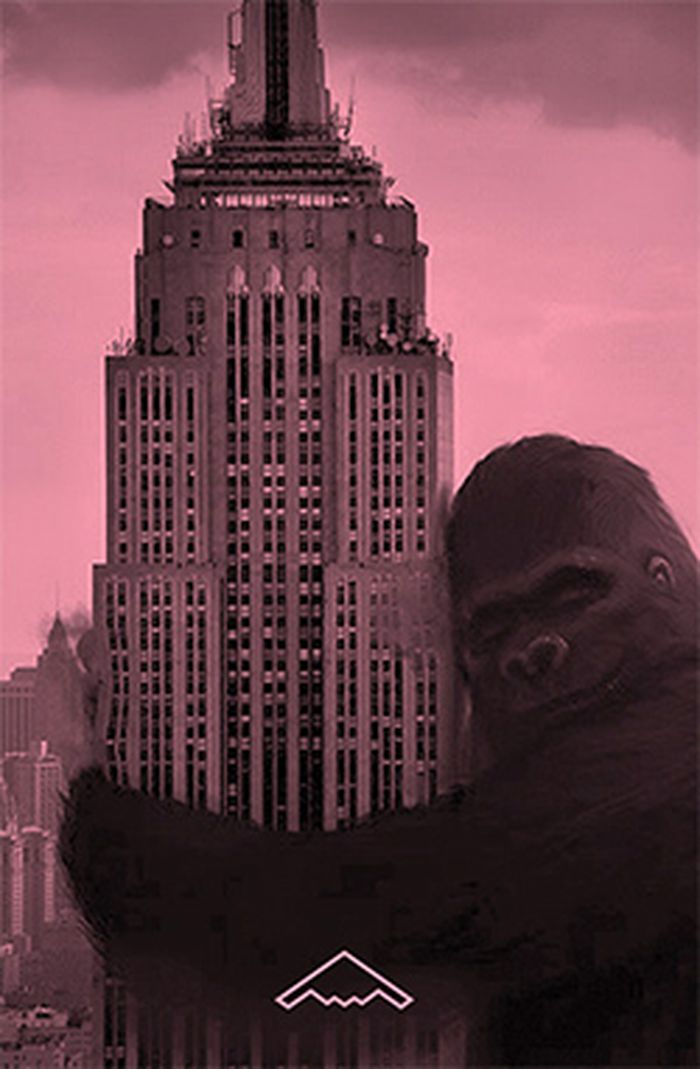
Immeuble qui demeura «le plus grand et le plus haut du monde» pendant 40 ans, l'Empire State Building fut, en son temps, l'opération immobilière de tous les records : 16 mois de chantier pour 200.000 m2 et 380 m de haut. Un article de Fortune en 1930 le décrit comme «un prisme bizarrement taillé, délimité d’un côté par 7.800 m2 de terrain et plafonné de l’autre par un budget de 35 millions de dollars ; les autres facettes en [sont] : la loi de décroissance des rendements, celles des caractéristiques physiques des structures en acier, les exigences des ordonnances du zonage et une mise à disposition locative au 1er mai 1931». Malgré son statut d'exception, Carol Willis montre que le mastodonte répondait aussi à une règle architecturale bien américaine – selon laquelle la forme suit (d'abord)... son financement.
Form follows finance : l'Empire State Building et les forces qui l'ont façonné
Actions:
Price:
$16.00
(available to order)
Summary:
Immeuble qui demeura «le plus grand et le plus haut du monde» pendant 40 ans, l'Empire State Building fut, en son temps, l'opération immobilière de tous les records : 16 mois de chantier pour 200.000 m2 et 380 m de haut. Un article de Fortune en 1930 le décrit comme «un prisme bizarrement taillé, délimité d’un côté par 7.800 m2 de terrain et plafonné de l’autre par un budget de 35 millions de dollars ; les autres facettes en [sont] : la loi de décroissance des rendements, celles des caractéristiques physiques des structures en acier, les exigences des ordonnances du zonage et une mise à disposition locative au 1er mai 1931». Malgré son statut d'exception, Carol Willis montre que le mastodonte répondait aussi à une règle architecturale bien américaine – selon laquelle la forme suit (d'abord)... son financement.
Form:
books
books
Publication:
November 2012
November 2012
Subject:
Architectural Theory
Architectural Theory
Form:
books
books
Title:
Building Seagram
Building Seagram
Actions:
Price:
$79.95
(available to order)
Summary:
The Seagram building rises over New York’s Park Avenue, seeming to float above the street with perfect lines of bronze and glass. Considered one of the greatest icons of twentieth-century architecture, the building was commissioned by Samuel Bronfman, founder of the Canadian distillery dynasty Seagram. Bronfman’s daughter Phyllis Lambert was twenty-seven years old when(...)
$79.95
(available to order)
Summary:
The Seagram building rises over New York’s Park Avenue, seeming to float above the street with perfect lines of bronze and glass. Considered one of the greatest icons of twentieth-century architecture, the building was commissioned by Samuel Bronfman, founder of the Canadian distillery dynasty Seagram. Bronfman’s daughter Phyllis Lambert was twenty-seven years old when(...)
Title:
Building Seagram
Actions:
Price:
$79.95
(available to order)
Summary:
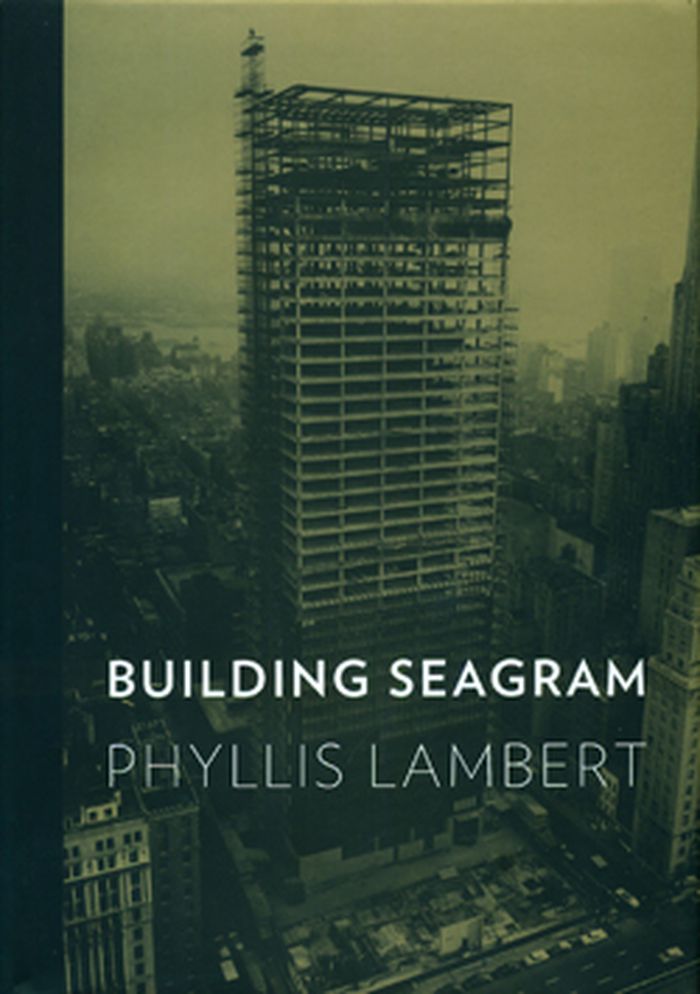
The Seagram building rises over New York’s Park Avenue, seeming to float above the street with perfect lines of bronze and glass. Considered one of the greatest icons of twentieth-century architecture, the building was commissioned by Samuel Bronfman, founder of the Canadian distillery dynasty Seagram. Bronfman’s daughter Phyllis Lambert was twenty-seven years old when she took over the search for an architect and chose Mies van der Rohe, a pioneering modern master of what he termed “skin and bones” architecture. Mies, who designed the elegant, deceptively simple thirty-eight-story tower along with Philip Johnson, emphasized the beauty of structure and fine materials, and set the building back from the avenue, creating an urban oasis with the building’s plaza. Through her choice, Lambert established her role as a leading architectural patron and singlehandedly changed the face of American urban architecture.
Building Seagram
Actions:
Price:
$79.95
(available to order)
Summary:
The Seagram building rises over New York’s Park Avenue, seeming to float above the street with perfect lines of bronze and glass. Considered one of the greatest icons of twentieth-century architecture, the building was commissioned by Samuel Bronfman, founder of the Canadian distillery dynasty Seagram. Bronfman’s daughter Phyllis Lambert was twenty-seven years old when she took over the search for an architect and chose Mies van der Rohe, a pioneering modern master of what he termed “skin and bones” architecture. Mies, who designed the elegant, deceptively simple thirty-eight-story tower along with Philip Johnson, emphasized the beauty of structure and fine materials, and set the building back from the avenue, creating an urban oasis with the building’s plaza. Through her choice, Lambert established her role as a leading architectural patron and singlehandedly changed the face of American urban architecture.
Form:
books
books
Publication:
April 2013
April 2013
Subject:
Architectural Theory
Architectural Theory
Form:
books
books
Actions:
Price:
$24.50
(available to order)
Summary:
Set in the long-lost City of Victoria (a fictional world similar to Hong Kong), Atlas is written from the unified perspective of future archaeologists struggling to rebuild a thrilling metropolis. Divided into four sections — “Theory,” “The City,” “Streets,” and “Signs” — the novel reimagines Victoria through maps and other historical documents and artifacts, mixing(...)
$24.50
(available to order)
Summary:
Set in the long-lost City of Victoria (a fictional world similar to Hong Kong), Atlas is written from the unified perspective of future archaeologists struggling to rebuild a thrilling metropolis. Divided into four sections — “Theory,” “The City,” “Streets,” and “Signs” — the novel reimagines Victoria through maps and other historical documents and artifacts, mixing(...)
Title:
Atlas : the archaeology of an imaginary city
Actions:
Price:
$24.50
(available to order)
Summary:
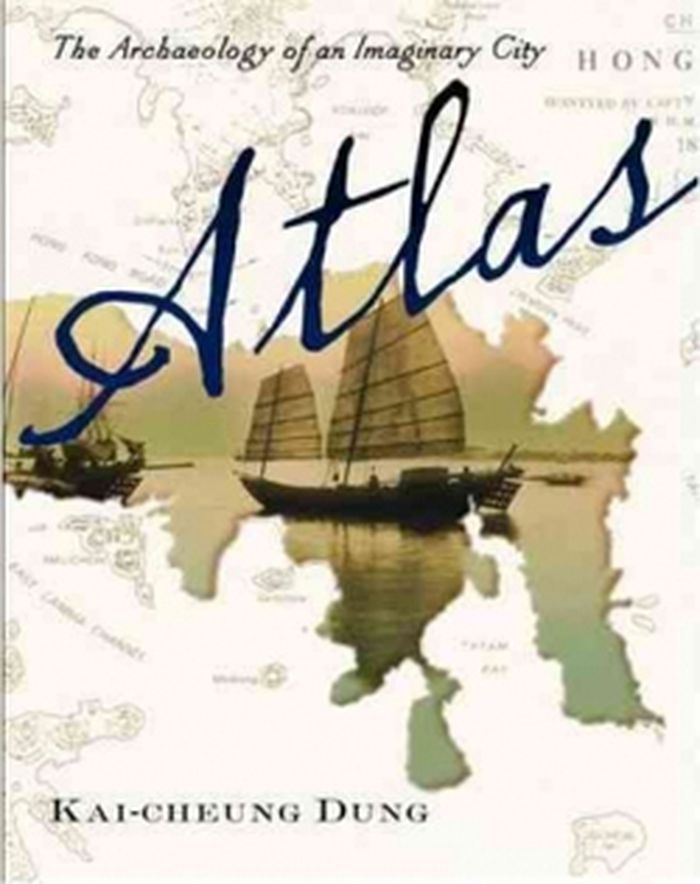
Set in the long-lost City of Victoria (a fictional world similar to Hong Kong), Atlas is written from the unified perspective of future archaeologists struggling to rebuild a thrilling metropolis. Divided into four sections — “Theory,” “The City,” “Streets,” and “Signs” — the novel reimagines Victoria through maps and other historical documents and artifacts, mixing real-world scenarios with purely imaginary people and events while incorporating anecdotes and actual and fictional social commentary and critique. Much like the quasi-fictional adventures in map-reading and remapping explored by Paul Auster, Jorge Luis Borges, and Italo Calvino, Dung Kai-cheung’s novel challenges the representation of place and history and the limits of technical and scientific media in reconstructing a history. It best exemplifies the author’s versatility and experimentation, along with China’s rapidly evolving literary culture, by blending fiction, nonfiction, and poetry in a story about succeeding and failing to recapture the things we lose. Playing with a variety of styles and subjects, Dung Kai-cheung inventively engages with the fate of Hong Kong since its British “handover” in 1997, which officially marked the end of colonial rule and the beginning of an uncharted future.
Atlas : the archaeology of an imaginary city
Actions:
Price:
$24.50
(available to order)
Summary:
Set in the long-lost City of Victoria (a fictional world similar to Hong Kong), Atlas is written from the unified perspective of future archaeologists struggling to rebuild a thrilling metropolis. Divided into four sections — “Theory,” “The City,” “Streets,” and “Signs” — the novel reimagines Victoria through maps and other historical documents and artifacts, mixing real-world scenarios with purely imaginary people and events while incorporating anecdotes and actual and fictional social commentary and critique. Much like the quasi-fictional adventures in map-reading and remapping explored by Paul Auster, Jorge Luis Borges, and Italo Calvino, Dung Kai-cheung’s novel challenges the representation of place and history and the limits of technical and scientific media in reconstructing a history. It best exemplifies the author’s versatility and experimentation, along with China’s rapidly evolving literary culture, by blending fiction, nonfiction, and poetry in a story about succeeding and failing to recapture the things we lose. Playing with a variety of styles and subjects, Dung Kai-cheung inventively engages with the fate of Hong Kong since its British “handover” in 1997, which officially marked the end of colonial rule and the beginning of an uncharted future.
Form:
books
books
Publication:
November 2012
November 2012
Subject:
Architectural Theory
Architectural Theory


