


2227 Results
Form:
books
books
Price:
$59.95
(available to order)
Summary:
In this reassessment of postmodern architecture at the end of the twentieth century, Emmanuel Petit addresses the role of irony and finds a vitality and depth of dialectics largely ignored by historical critiques. A look at five individual architects - Peter Eisenman, Arata Isozaki, Rem Koolhaas, Stanley Tigerman, and Robert Venturi - reveals the beginning of a(...)
$59.95
(available to order)
Summary:
In this reassessment of postmodern architecture at the end of the twentieth century, Emmanuel Petit addresses the role of irony and finds a vitality and depth of dialectics largely ignored by historical critiques. A look at five individual architects - Peter Eisenman, Arata Isozaki, Rem Koolhaas, Stanley Tigerman, and Robert Venturi - reveals the beginning of a(...)
Title:
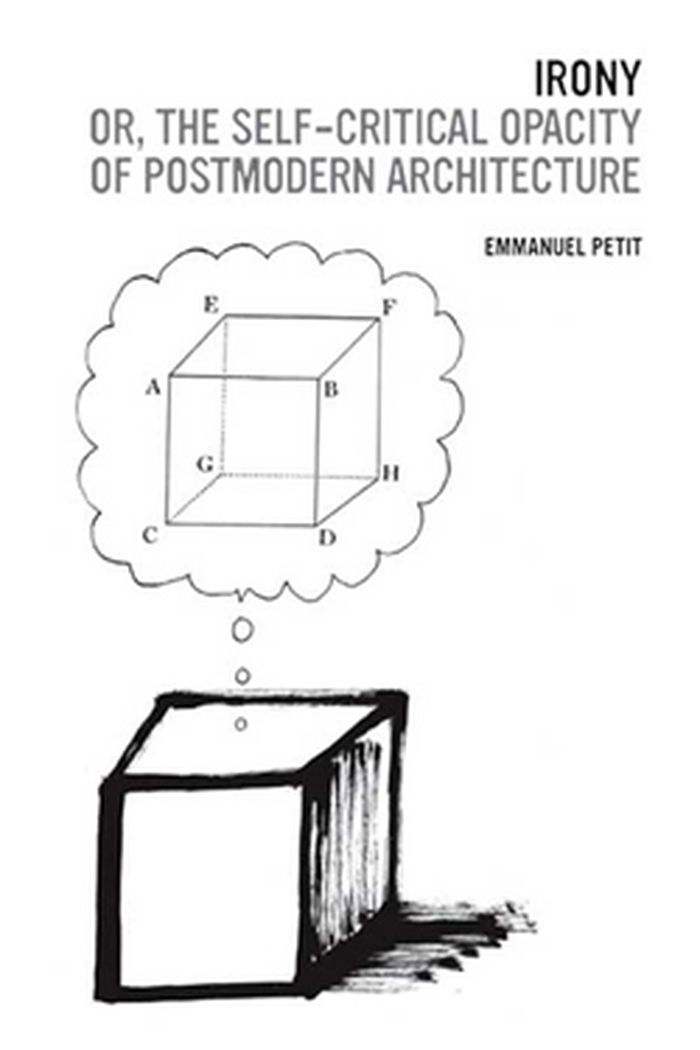
Irony : or, the self-critical opacity of postmodern architecture
Actions:
Price:
$59.95
(available to order)
Summary:
In this reassessment of postmodern architecture at the end of the twentieth century, Emmanuel Petit addresses the role of irony and finds a vitality and depth of dialectics largely ignored by historical critiques. A look at five individual architects - Peter Eisenman, Arata Isozaki, Rem Koolhaas, Stanley Tigerman, and Robert Venturi - reveals the beginning of a phenomenology of irony in architecture.
Irony : or, the self-critical opacity of postmodern architecture
Actions:
Price:
$59.95
(available to order)
Summary:
In this reassessment of postmodern architecture at the end of the twentieth century, Emmanuel Petit addresses the role of irony and finds a vitality and depth of dialectics largely ignored by historical critiques. A look at five individual architects - Peter Eisenman, Arata Isozaki, Rem Koolhaas, Stanley Tigerman, and Robert Venturi - reveals the beginning of a phenomenology of irony in architecture.
Form:
books
books
Publication:
April 2013
April 2013
Form:
books
books
Actions:
Price:
$22.00
(available in store)
Summary:
Atelier Van Lieshout, Boundary Umlimited, DUS Architects, Haas & Hahn, Nicoline van Harskamp, Anne Holtrop and Bas Princen, Wouter Klein Velderman, Krijn de Koning, NIO Architects and Onix: the artists and architects in this catalogue of the eponymous exhibition in the Centro per l’arte contemporanea Luigi Pecci in Prato seek a direct relationship with reality,(...)
$22.00
(available in store)
Summary:
Atelier Van Lieshout, Boundary Umlimited, DUS Architects, Haas & Hahn, Nicoline van Harskamp, Anne Holtrop and Bas Princen, Wouter Klein Velderman, Krijn de Koning, NIO Architects and Onix: the artists and architects in this catalogue of the eponymous exhibition in the Centro per l’arte contemporanea Luigi Pecci in Prato seek a direct relationship with reality,(...)
Title:
Triggering reality : new conditions for art and architecture in the Netherlands
Actions:
Price:
$22.00
(available in store)
Summary:
Atelier Van Lieshout, Boundary Umlimited, DUS Architects, Haas & Hahn, Nicoline van Harskamp, Anne Holtrop and Bas Princen, Wouter Klein Velderman, Krijn de Koning, NIO Architects and Onix: the artists and architects in this catalogue of the eponymous exhibition in the Centro per l’arte contemporanea Luigi Pecci in Prato seek a direct relationship with reality, investigating and reproducing it, representing and criticizing it.Their approach is increasingly trans-disciplinary: architects utilize media and supports typical of the arts, while artists investigate urban realities in three-dimensional architectural installations.
Triggering reality : new conditions for art and architecture in the Netherlands
Actions:
Price:
$22.00
(available in store)
Summary:
Atelier Van Lieshout, Boundary Umlimited, DUS Architects, Haas & Hahn, Nicoline van Harskamp, Anne Holtrop and Bas Princen, Wouter Klein Velderman, Krijn de Koning, NIO Architects and Onix: the artists and architects in this catalogue of the eponymous exhibition in the Centro per l’arte contemporanea Luigi Pecci in Prato seek a direct relationship with reality, investigating and reproducing it, representing and criticizing it.Their approach is increasingly trans-disciplinary: architects utilize media and supports typical of the arts, while artists investigate urban realities in three-dimensional architectural installations.
Form:
books
books
Publication:
January 2013
January 2013
Subject:
Architectural Theory
Architectural Theory
Form:
books
books
Actions:
Price:
$39.95
(available to order)
Summary:
Charles Jencks and Nathan Silver's book was a manifesto for a generation that took pleasure in doing things ad hoc, using materials at hand to solve real-world problems. The implications were subversive. Turned-off citizens of the 1970s immediately adopted the book as a DIY guide. The word "adhocism" entered the vocabulary, the concept of adhocism became part of the(...)
$39.95
(available to order)
Summary:
Charles Jencks and Nathan Silver's book was a manifesto for a generation that took pleasure in doing things ad hoc, using materials at hand to solve real-world problems. The implications were subversive. Turned-off citizens of the 1970s immediately adopted the book as a DIY guide. The word "adhocism" entered the vocabulary, the concept of adhocism became part of the(...)
Title:
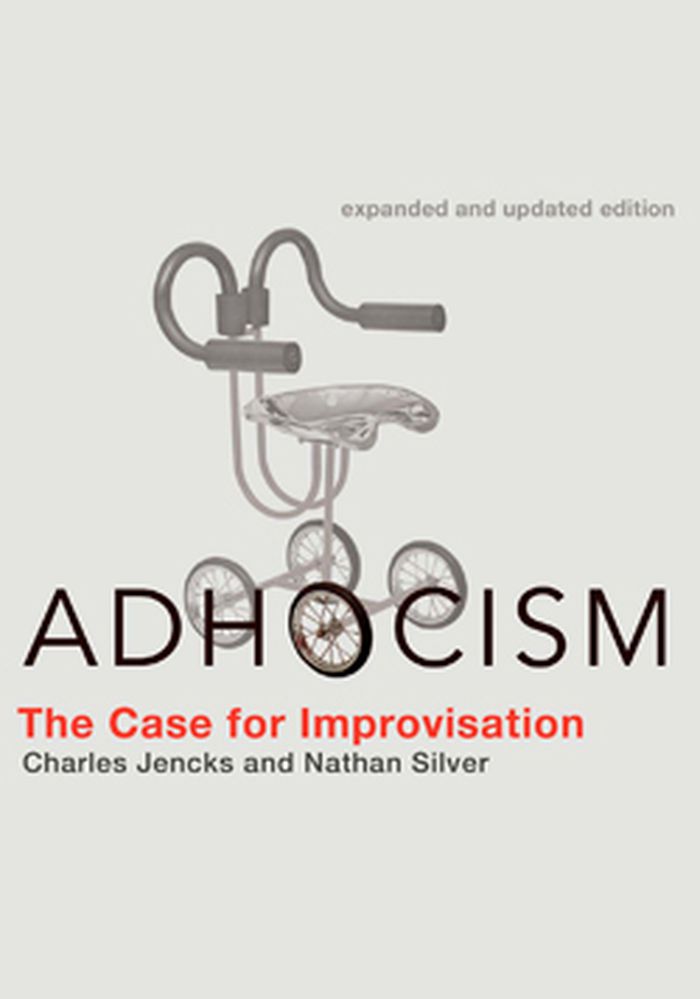
Adhocism: the case for improvisation
Actions:
Price:
$39.95
(available to order)
Summary:
Charles Jencks and Nathan Silver's book was a manifesto for a generation that took pleasure in doing things ad hoc, using materials at hand to solve real-world problems. The implications were subversive. Turned-off citizens of the 1970s immediately adopted the book as a DIY guide. The word "adhocism" entered the vocabulary, the concept of adhocism became part of the designer's toolkit, and "Adhocism" became a cult classic. Now "Adhocism" is available again, with new texts by Jencks and Silver reflecting on the past forty years of adhocism and new illustrations demonstrating adhocism's continuing relevance.
Adhocism: the case for improvisation
Actions:
Price:
$39.95
(available to order)
Summary:
Charles Jencks and Nathan Silver's book was a manifesto for a generation that took pleasure in doing things ad hoc, using materials at hand to solve real-world problems. The implications were subversive. Turned-off citizens of the 1970s immediately adopted the book as a DIY guide. The word "adhocism" entered the vocabulary, the concept of adhocism became part of the designer's toolkit, and "Adhocism" became a cult classic. Now "Adhocism" is available again, with new texts by Jencks and Silver reflecting on the past forty years of adhocism and new illustrations demonstrating adhocism's continuing relevance.
Form:
books
books
Publication:
April 2013
April 2013
Subject:
Architectural Theory
Architectural Theory
Form:
books
books
Price:
$31.25
(available to order)
Summary:
This book illustrates how the media have continued to use the city as a space in which to inscribe and assert their power. With a unique focus on corporate headquarters as embodiments of the values of the press and as signposts for understanding media culture, Media Capital demonstrates the mutually supporting relationship between the media and urban space.
$31.25
(available to order)
Summary:
This book illustrates how the media have continued to use the city as a space in which to inscribe and assert their power. With a unique focus on corporate headquarters as embodiments of the values of the press and as signposts for understanding media culture, Media Capital demonstrates the mutually supporting relationship between the media and urban space.
Title:
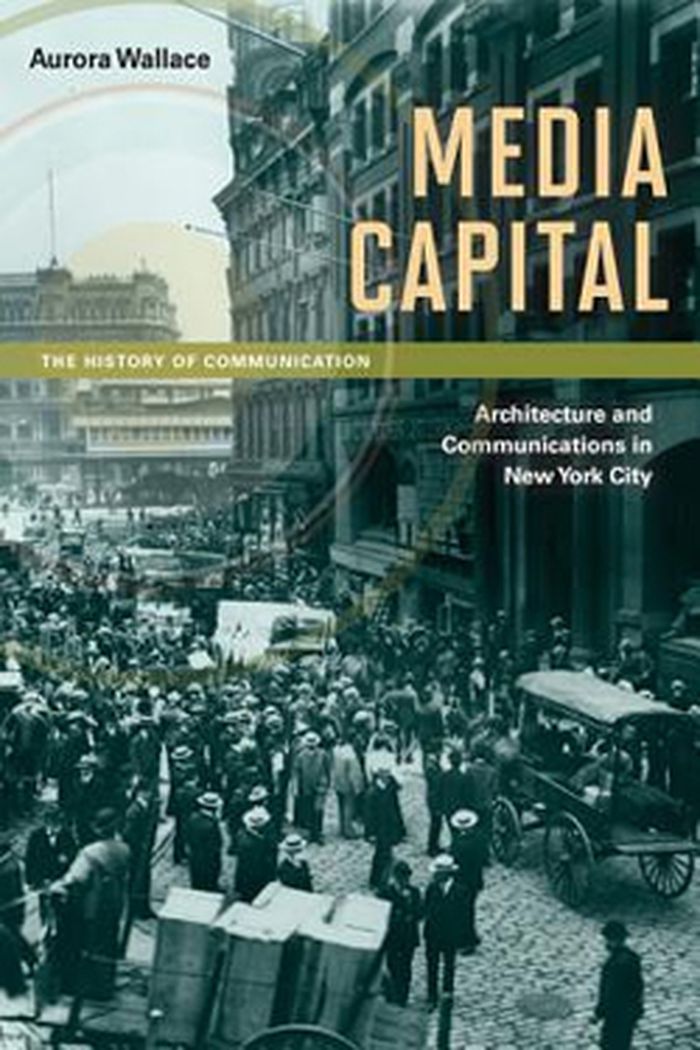
Media capital : architecture and communications in New York city
Actions:
Price:
$31.25
(available to order)
Summary:
This book illustrates how the media have continued to use the city as a space in which to inscribe and assert their power. With a unique focus on corporate headquarters as embodiments of the values of the press and as signposts for understanding media culture, Media Capital demonstrates the mutually supporting relationship between the media and urban space.
Media capital : architecture and communications in New York city
Actions:
Price:
$31.25
(available to order)
Summary:
This book illustrates how the media have continued to use the city as a space in which to inscribe and assert their power. With a unique focus on corporate headquarters as embodiments of the values of the press and as signposts for understanding media culture, Media Capital demonstrates the mutually supporting relationship between the media and urban space.
Form:
books
books
Publication:
February 2012
February 2012
Subject:
Architectural Theory
Architectural Theory
Form:
books
books
Title:
Architecture depends
Architecture depends
Actions:
Price:
$33.95
(available in store)
Summary:
Architecture depends - on what? On people, time, politics, ethics, mess: the real world. Architecture, Jeremy Till argues with conviction in this engaging, sometimes pugnacious book, cannot help itself; it is dependent for its very existence on things outside itself. Despite the claims of autonomy, purity, and control that architects like to make about their practice,(...)
$33.95
(available in store)
Summary:
Architecture depends - on what? On people, time, politics, ethics, mess: the real world. Architecture, Jeremy Till argues with conviction in this engaging, sometimes pugnacious book, cannot help itself; it is dependent for its very existence on things outside itself. Despite the claims of autonomy, purity, and control that architects like to make about their practice,(...)
Title:
Architecture depends
Actions:
Price:
$33.95
(available in store)
Summary:
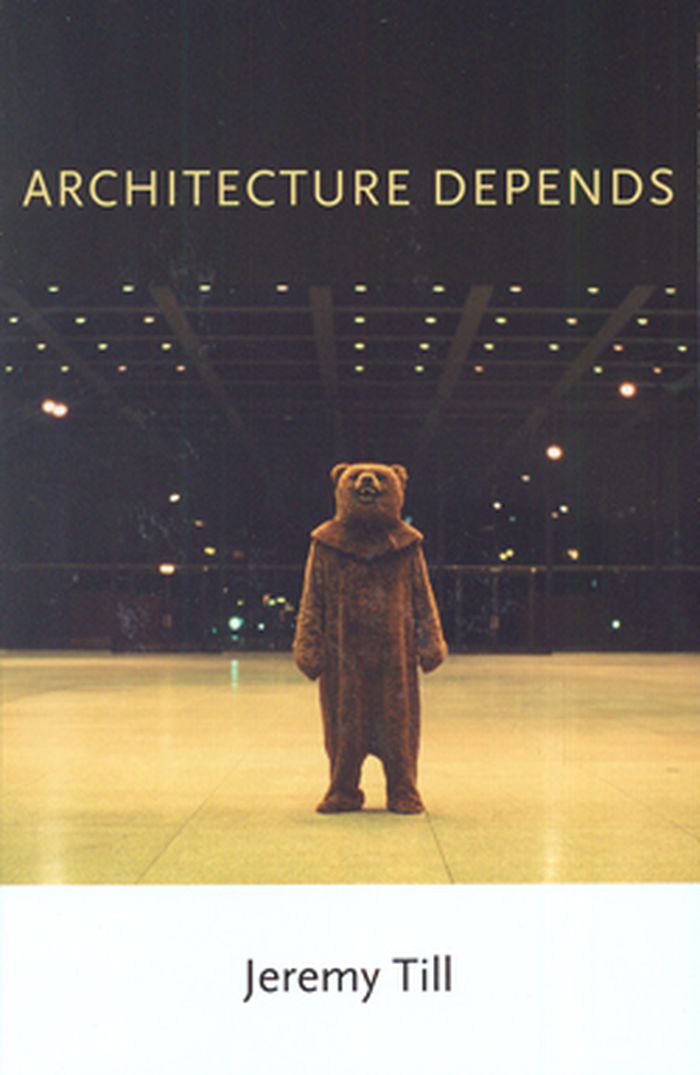
Architecture depends - on what? On people, time, politics, ethics, mess: the real world. Architecture, Jeremy Till argues with conviction in this engaging, sometimes pugnacious book, cannot help itself; it is dependent for its very existence on things outside itself. Despite the claims of autonomy, purity, and control that architects like to make about their practice, architecture is buffeted by uncertainty and contingency. Circumstances invariably intervene to upset the architect's best-laid plans - at every stage in the process, from design through construction to occupancy. Architects, however, tend to deny this, fearing contingency and preferring to pursue perfection. With Architecture Depends, architect and critic Jeremy Till offers a proposal for rescuing architects from themselves: a way to bridge the gap between what architecture actually is and what architects want it to be. Mixing anecdote, design, social theory, and personal experience, Till's writing is always accessible, moving freely between high and low registers, much like his suggestions for architecture itself.
Architecture depends
Actions:
Price:
$33.95
(available in store)
Summary:
Architecture depends - on what? On people, time, politics, ethics, mess: the real world. Architecture, Jeremy Till argues with conviction in this engaging, sometimes pugnacious book, cannot help itself; it is dependent for its very existence on things outside itself. Despite the claims of autonomy, purity, and control that architects like to make about their practice, architecture is buffeted by uncertainty and contingency. Circumstances invariably intervene to upset the architect's best-laid plans - at every stage in the process, from design through construction to occupancy. Architects, however, tend to deny this, fearing contingency and preferring to pursue perfection. With Architecture Depends, architect and critic Jeremy Till offers a proposal for rescuing architects from themselves: a way to bridge the gap between what architecture actually is and what architects want it to be. Mixing anecdote, design, social theory, and personal experience, Till's writing is always accessible, moving freely between high and low registers, much like his suggestions for architecture itself.
Form:
books
books
Publication:
April 2013
April 2013
Subject:
Architectural Theory
Architectural Theory
Form:
books
books
Actions:
Price:
$48.00
(available to order)
Summary:
In Contagious Architecture, Luciana Parisi offers a philosophical inquiry into the status of the algorithm in architectural and interaction design. Her thesis is that algorithmic computation is not simply an abstract mathematical tool but constitutes a mode of thought in its own right, in that its operation extends into forms of abstraction that lie beyond direct human(...)
$48.00
(available to order)
Summary:
In Contagious Architecture, Luciana Parisi offers a philosophical inquiry into the status of the algorithm in architectural and interaction design. Her thesis is that algorithmic computation is not simply an abstract mathematical tool but constitutes a mode of thought in its own right, in that its operation extends into forms of abstraction that lie beyond direct human(...)
Title:
Contagious architecture: computation, aesthetics, and space
Actions:
Price:
$48.00
(available to order)
Summary:
In Contagious Architecture, Luciana Parisi offers a philosophical inquiry into the status of the algorithm in architectural and interaction design. Her thesis is that algorithmic computation is not simply an abstract mathematical tool but constitutes a mode of thought in its own right, in that its operation extends into forms of abstraction that lie beyond direct human cognition and control. These include modes of infinity, contingency, and indeterminacy, as well as incomputable quantities underlying the iterative process of algorithmic processing.
Contagious architecture: computation, aesthetics, and space
Actions:
Price:
$48.00
(available to order)
Summary:
In Contagious Architecture, Luciana Parisi offers a philosophical inquiry into the status of the algorithm in architectural and interaction design. Her thesis is that algorithmic computation is not simply an abstract mathematical tool but constitutes a mode of thought in its own right, in that its operation extends into forms of abstraction that lie beyond direct human cognition and control. These include modes of infinity, contingency, and indeterminacy, as well as incomputable quantities underlying the iterative process of algorithmic processing.
Form:
books
books
Publication:
March 2013
March 2013
Subject:
Architectural Theory
Architectural Theory
Form:
books
books
Price:
$39.95
(available to order)
Summary:
Tracing the history of architecture’s relationship with retail environments during a time of significant transformation in urban centers and in open suburban landscapes, Smiley expands and qualifies the making of American modernism.
$39.95
(available to order)
Summary:
Tracing the history of architecture’s relationship with retail environments during a time of significant transformation in urban centers and in open suburban landscapes, Smiley expands and qualifies the making of American modernism.
Title:
Pedestrian modern: shopping and american architecture, 1925-1956
Actions:
Price:
$39.95
(available to order)
Summary:
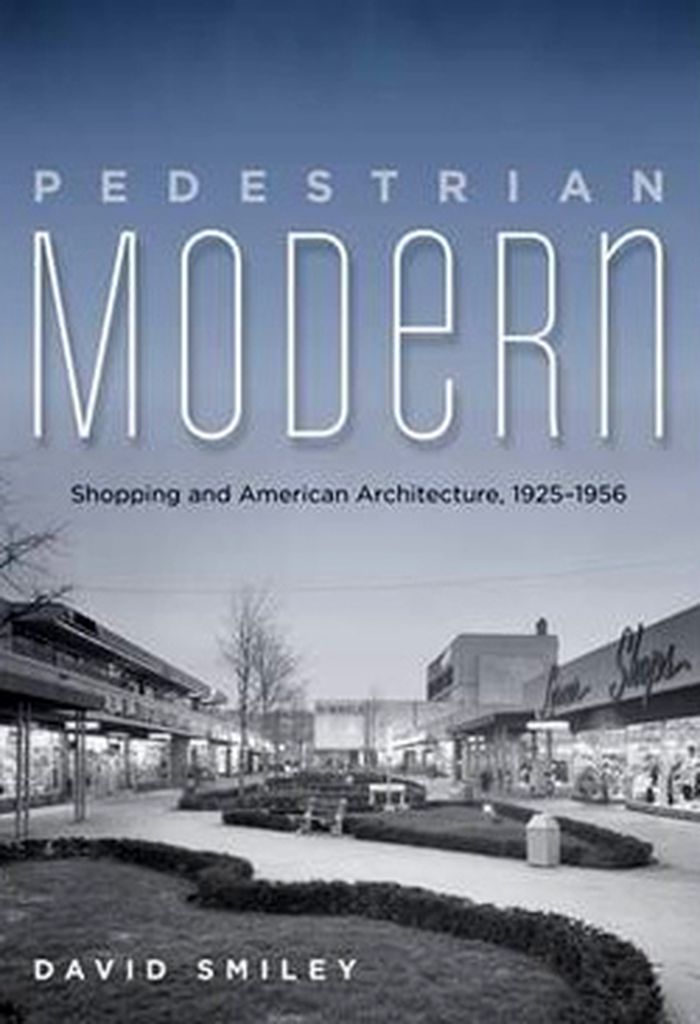
Tracing the history of architecture’s relationship with retail environments during a time of significant transformation in urban centers and in open suburban landscapes, Smiley expands and qualifies the making of American modernism.
Pedestrian modern: shopping and american architecture, 1925-1956
Actions:
Price:
$39.95
(available to order)
Summary:
Tracing the history of architecture’s relationship with retail environments during a time of significant transformation in urban centers and in open suburban landscapes, Smiley expands and qualifies the making of American modernism.
Form:
books
books
Publication:
July 2013
July 2013
Subject:
Architectural Theory
Architectural Theory
Form:
books
books
Price:
$27.95
(available to order)
Summary:
Radiance from Halcyon is an intriguing account of how the little-known utopian religious community Halcyon — located on California’s central coast in the early 1900s — profoundly influenced modern science. Paul Eli Ivey’s narrative offers a wide-ranging cultural history, encompassing Theosophy, novel healing modalities, esoteric architecture, Native American concepts of(...)
$27.95
(available to order)
Summary:
Radiance from Halcyon is an intriguing account of how the little-known utopian religious community Halcyon — located on California’s central coast in the early 1900s — profoundly influenced modern science. Paul Eli Ivey’s narrative offers a wide-ranging cultural history, encompassing Theosophy, novel healing modalities, esoteric architecture, Native American concepts of(...)
Title:
Radiance from Halcyon : a utopian experiment in religion and science
Actions:
Price:
$27.95
(available to order)
Summary:
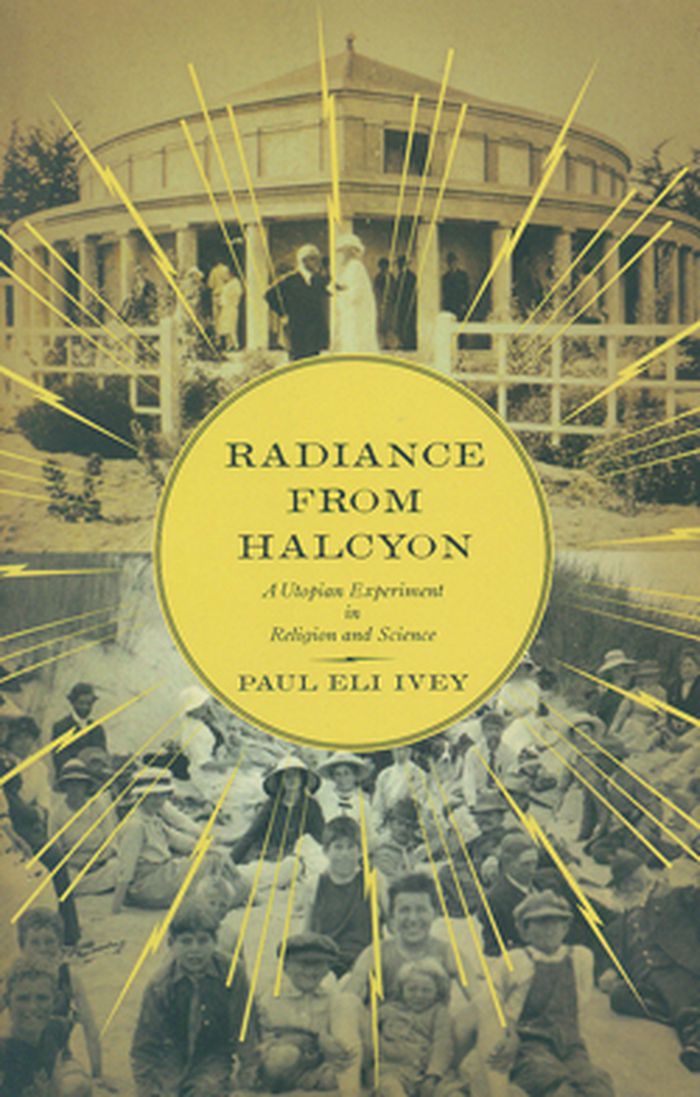
Radiance from Halcyon is an intriguing account of how the little-known utopian religious community Halcyon — located on California’s central coast in the early 1900s — profoundly influenced modern science. Paul Eli Ivey’s narrative offers a wide-ranging cultural history, encompassing Theosophy, novel healing modalities, esoteric architecture, Native American concepts of community, socialist utopias, and innovative modern music.
Radiance from Halcyon : a utopian experiment in religion and science
Actions:
Price:
$27.95
(available to order)
Summary:
Radiance from Halcyon is an intriguing account of how the little-known utopian religious community Halcyon — located on California’s central coast in the early 1900s — profoundly influenced modern science. Paul Eli Ivey’s narrative offers a wide-ranging cultural history, encompassing Theosophy, novel healing modalities, esoteric architecture, Native American concepts of community, socialist utopias, and innovative modern music.
Form:
books
books
Publication:
April 2013
April 2013
Subject:
Architectural Theory
Architectural Theory
Form:
books
books
Price:
$42.95
(available to order)
Summary:
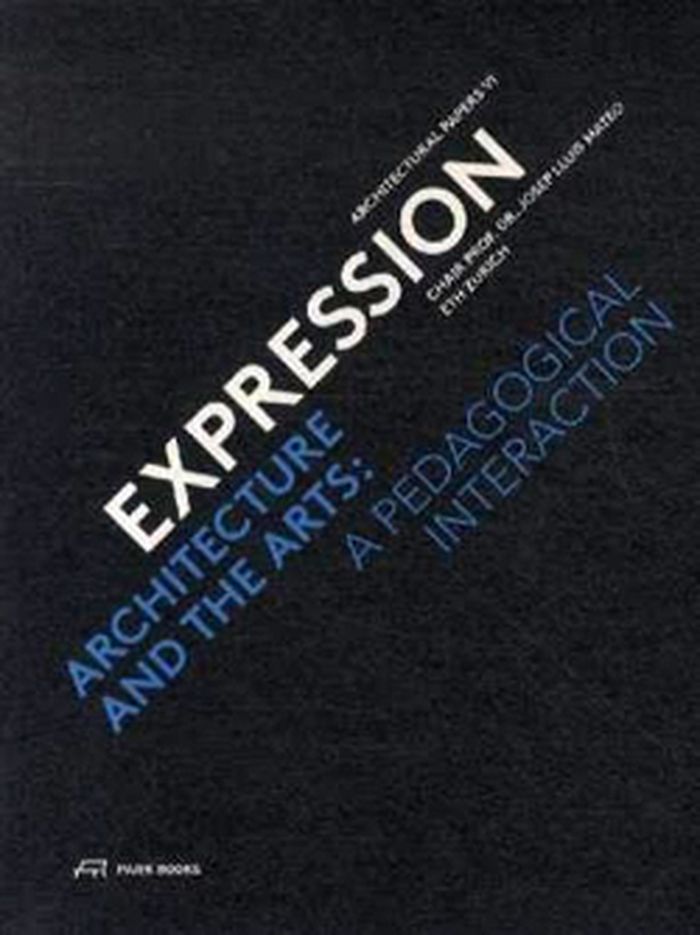
Expression is an investigation into the influence of media such as film, literature, and the visual arts on architectural thought and design. Three specific case studies are included, which look at the Giacometti museum in Stampa, a Cinémathèque in Locarno, and the Elias Canetti library in Zürich. Expression includes essays and interviews by the German architect and(...)
$42.95
(available to order)
Summary:
Expression is an investigation into the influence of media such as film, literature, and the visual arts on architectural thought and design. Three specific case studies are included, which look at the Giacometti museum in Stampa, a Cinémathèque in Locarno, and the Elias Canetti library in Zürich. Expression includes essays and interviews by the German architect and(...)
Title:
Expression: architecture and the arts, a pedagogical interaction
Actions:
Price:
$42.95
(available to order)
Summary:
Expression is an investigation into the influence of media such as film, literature, and the visual arts on architectural thought and design. Three specific case studies are included, which look at the Giacometti museum in Stampa, a Cinémathèque in Locarno, and the Elias Canetti library in Zürich. Expression includes essays and interviews by the German architect and sculptor Gottfried Böhm, the Spanish film director Josep Luis Guerin, and the Italian architect and theoretician Pier Vittorio Aureli.
Expression: architecture and the arts, a pedagogical interaction
Actions:
Price:
$42.95
(available to order)
Summary:
Expression is an investigation into the influence of media such as film, literature, and the visual arts on architectural thought and design. Three specific case studies are included, which look at the Giacometti museum in Stampa, a Cinémathèque in Locarno, and the Elias Canetti library in Zürich. Expression includes essays and interviews by the German architect and sculptor Gottfried Böhm, the Spanish film director Josep Luis Guerin, and the Italian architect and theoretician Pier Vittorio Aureli.
Form:
books
books
Publication:
February 2013
February 2013
Subject:
Architectural Theory
Architectural Theory
Form:
books
books
Actions:
Price:
$39.95
(available to order)
Summary:
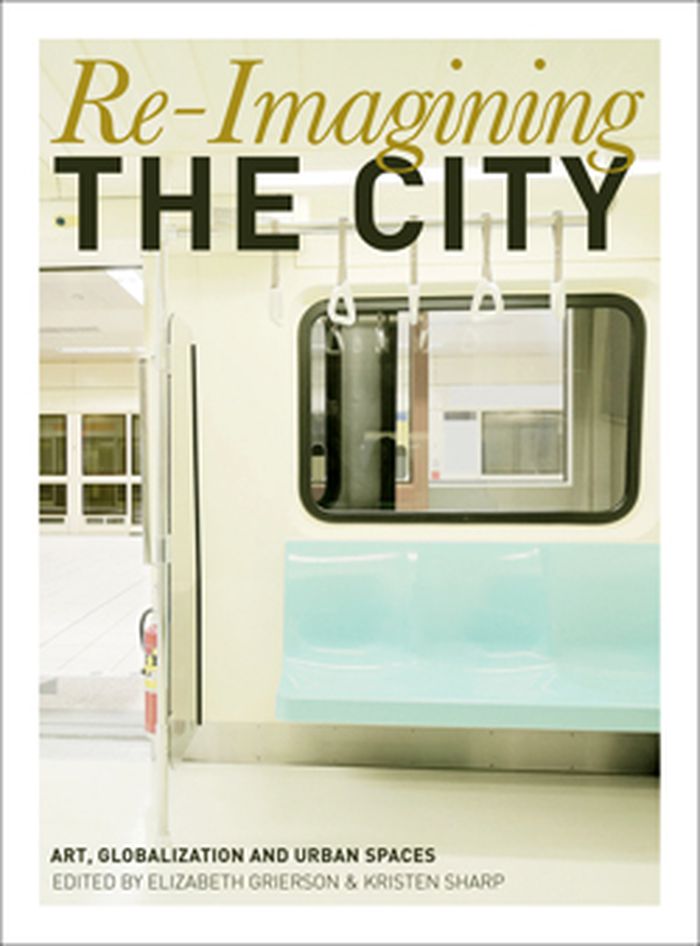
Re-Imagining the City: Art, Globalization, and Urban Spaces examines how contemporary processes of globalization are transforming cultural experience and production in urban spaces. It maps how cultural productions in art, architecture, and communications media are contributing to the reimagining of place and identity through events, artifacts, and attitudes.
$39.95
(available to order)
Summary:
Re-Imagining the City: Art, Globalization, and Urban Spaces examines how contemporary processes of globalization are transforming cultural experience and production in urban spaces. It maps how cultural productions in art, architecture, and communications media are contributing to the reimagining of place and identity through events, artifacts, and attitudes.
Subject:
Architectural Theory
Architectural Theory
Publication:
February 2013
February 2013
Title:
Re-imagining the city : art, globalization and urban spaces
Actions:
Price:
$39.95
(available to order)
Summary:
Re-Imagining the City: Art, Globalization, and Urban Spaces examines how contemporary processes of globalization are transforming cultural experience and production in urban spaces. It maps how cultural productions in art, architecture, and communications media are contributing to the reimagining of place and identity through events, artifacts, and attitudes.
Re-imagining the city : art, globalization and urban spaces
Actions:
Price:
$39.95
(available to order)
Summary:
Re-Imagining the City: Art, Globalization, and Urban Spaces examines how contemporary processes of globalization are transforming cultural experience and production in urban spaces. It maps how cultural productions in art, architecture, and communications media are contributing to the reimagining of place and identity through events, artifacts, and attitudes.
Form:
books
books
Publication:
February 2013
February 2013
Subject:
Architectural Theory
Architectural Theory


