


2227 Results
Form:
books
books
Title:
Collage and architecture
Collage and architecture
Actions:
Price:
$81.50
(available to order)
Summary:
Author Jennifer Shields uses the artworks and built projects of leading artists and architects, such as Le Corbusier, Daniel Libeskind, and Teddy Cruz to illustrate the diversity of collage techniques. The six case study projects from Mexico, Argentina, Sweden, Norway, the United States, and Spain give you a global perspective of architecture as collage. Collage is an(...)
$81.50
(available to order)
Summary:
Author Jennifer Shields uses the artworks and built projects of leading artists and architects, such as Le Corbusier, Daniel Libeskind, and Teddy Cruz to illustrate the diversity of collage techniques. The six case study projects from Mexico, Argentina, Sweden, Norway, the United States, and Spain give you a global perspective of architecture as collage. Collage is an(...)
Title:
Collage and architecture
Actions:
Price:
$81.50
(available to order)
Summary:
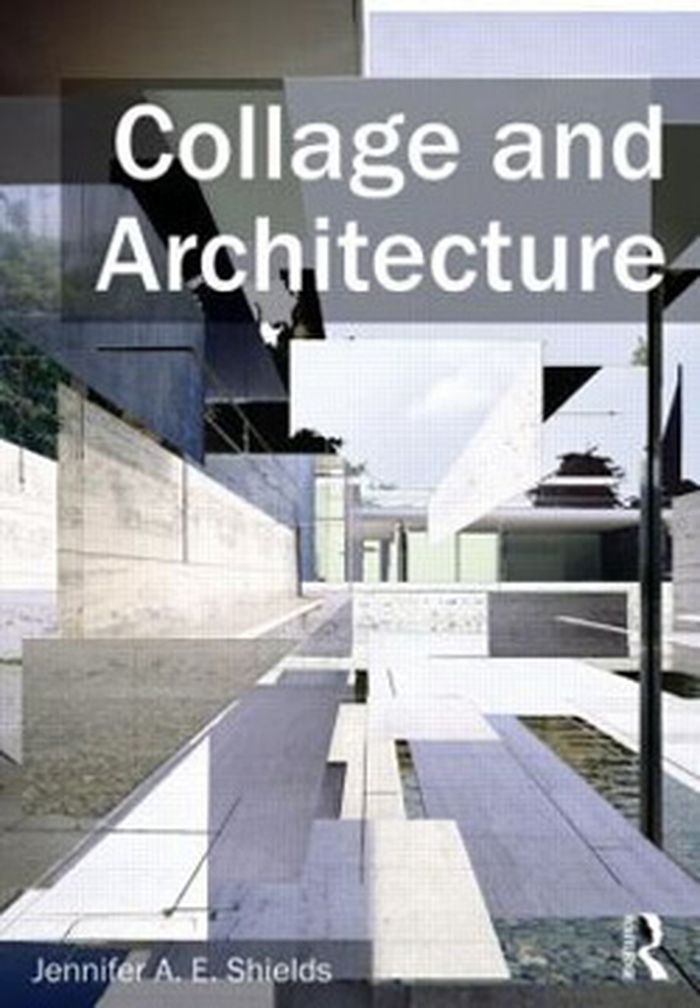
Author Jennifer Shields uses the artworks and built projects of leading artists and architects, such as Le Corbusier, Daniel Libeskind, and Teddy Cruz to illustrate the diversity of collage techniques. The six case study projects from Mexico, Argentina, Sweden, Norway, the United States, and Spain give you a global perspective of architecture as collage. Collage is an important instrument for analysis and design, and Shields’s presentation of this versatile medium draws on decades of relevance in art and architecture.
Collage and architecture
Actions:
Price:
$81.50
(available to order)
Summary:
Author Jennifer Shields uses the artworks and built projects of leading artists and architects, such as Le Corbusier, Daniel Libeskind, and Teddy Cruz to illustrate the diversity of collage techniques. The six case study projects from Mexico, Argentina, Sweden, Norway, the United States, and Spain give you a global perspective of architecture as collage. Collage is an important instrument for analysis and design, and Shields’s presentation of this versatile medium draws on decades of relevance in art and architecture.
Form:
books
books
Publication:
December 2013
December 2013
Subject:
Architectural Theory
Architectural Theory
Form:
books
books
Actions:
Price:
$41.50
(available to order)
Summary:
Author Joe Day shows how institutions of discipline and exhibition have replaced malls and office towers as the anchor tenants of U.S. cities. Prisons and museums, though diametrically opposed in terms of public engagement, class representation, and civic pride, are complementary structures, employing related spatial and visual tactics to secure and array problematic(...)
$41.50
(available to order)
Summary:
Author Joe Day shows how institutions of discipline and exhibition have replaced malls and office towers as the anchor tenants of U.S. cities. Prisons and museums, though diametrically opposed in terms of public engagement, class representation, and civic pride, are complementary structures, employing related spatial and visual tactics to secure and array problematic(...)
Title:
Corrections and collections: architecture for art and crime
Actions:
Price:
$41.50
(available to order)
Summary:
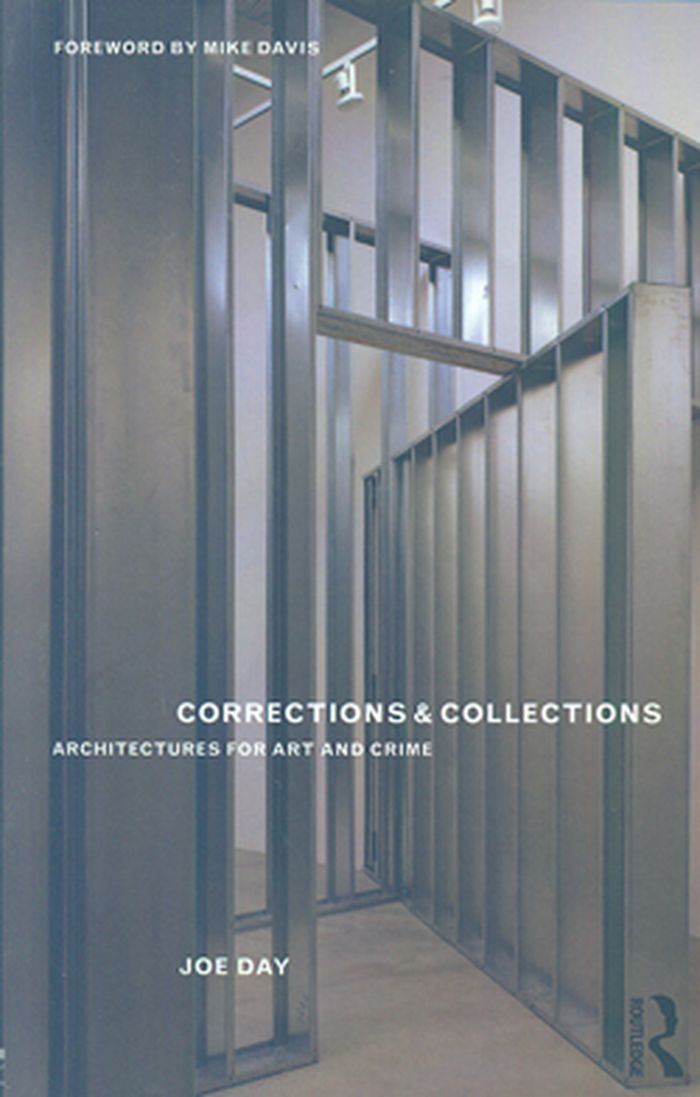
Author Joe Day shows how institutions of discipline and exhibition have replaced malls and office towers as the anchor tenants of U.S. cities. Prisons and museums, though diametrically opposed in terms of public engagement, class representation, and civic pride, are complementary structures, employing related spatial and visual tactics to secure and array problematic citizens or priceless treasures. Our recent demand for museums and prisons has encouraged architects to be innovative with their design, and experimental with their scale and distribution through our cities. Contemporary museums are the petri dishes of advanced architectural speculation; prisons remain the staging grounds for every new technology of constraint and oversight.
Corrections and collections: architecture for art and crime
Actions:
Price:
$41.50
(available to order)
Summary:
Author Joe Day shows how institutions of discipline and exhibition have replaced malls and office towers as the anchor tenants of U.S. cities. Prisons and museums, though diametrically opposed in terms of public engagement, class representation, and civic pride, are complementary structures, employing related spatial and visual tactics to secure and array problematic citizens or priceless treasures. Our recent demand for museums and prisons has encouraged architects to be innovative with their design, and experimental with their scale and distribution through our cities. Contemporary museums are the petri dishes of advanced architectural speculation; prisons remain the staging grounds for every new technology of constraint and oversight.
Form:
books
books
Publication:
June 2013
June 2013
Subject:
Architectural Theory
Architectural Theory
Form:
books
books

Actions:
Price:
$42.95
(available to order)
Summary:
« C’est arrivé d’un seul coup, j’ai décidé de devenir architecte. La science, l’art, les deux m’attiraient. Pourquoi pas l’un et l’autre ? N’y avait-il pas des lieux de confluence ? L’architecture, sans doute parce que j’en ignorais absolument tout, m’a paru être l’un d’eux. C’est ainsi que je l’ai découverte, puis aimée. J’ai compris qu’on n’était jamais architecte, pas(...)
$42.95
(available to order)
Summary:
« C’est arrivé d’un seul coup, j’ai décidé de devenir architecte. La science, l’art, les deux m’attiraient. Pourquoi pas l’un et l’autre ? N’y avait-il pas des lieux de confluence ? L’architecture, sans doute parce que j’en ignorais absolument tout, m’a paru être l’un d’eux. C’est ainsi que je l’ai découverte, puis aimée. J’ai compris qu’on n’était jamais architecte, pas(...)
Title:
Archi-mémoires : entre l'art et la science, la création
Actions:
Price:
$42.95
(available to order)
Summary:
« C’est arrivé d’un seul coup, j’ai décidé de devenir architecte. La science, l’art, les deux m’attiraient. Pourquoi pas l’un et l’autre ? N’y avait-il pas des lieux de confluence ? L’architecture, sans doute parce que j’en ignorais absolument tout, m’a paru être l’un d’eux. C’est ainsi que je l’ai découverte, puis aimée. J’ai compris qu’on n’était jamais architecte, pas plus qu’on n’est peintre ou poète, mais qu’on pouvait chaque jour le devenir un peu plus. Voilà, c’était il y a cinquante ans. J’ai beaucoup parcouru le monde, dessiné, construit, écrit. Le désir ne m’a pas quitté. Il me faudrait deux ou trois vies de plus. » P. A.
Archi-mémoires : entre l'art et la science, la création
Actions:
Price:
$42.95
(available to order)
Summary:
« C’est arrivé d’un seul coup, j’ai décidé de devenir architecte. La science, l’art, les deux m’attiraient. Pourquoi pas l’un et l’autre ? N’y avait-il pas des lieux de confluence ? L’architecture, sans doute parce que j’en ignorais absolument tout, m’a paru être l’un d’eux. C’est ainsi que je l’ai découverte, puis aimée. J’ai compris qu’on n’était jamais architecte, pas plus qu’on n’est peintre ou poète, mais qu’on pouvait chaque jour le devenir un peu plus. Voilà, c’était il y a cinquante ans. J’ai beaucoup parcouru le monde, dessiné, construit, écrit. Le désir ne m’a pas quitté. Il me faudrait deux ou trois vies de plus. » P. A.
Form:
books
books
Publication:
June 2013
June 2013
Subject:
Architectural Theory
Architectural Theory
Form:
books
books
Title:
La main qui pense
La main qui pense
Actions:
Price:
$52.95
(available to order)
Summary:
À travers une approche pluridisciplinaire, Pallasmaa met en évidence la façon dont le stylo, dans la main de l'artiste, devient un pont entre l'imagination de l'esprit et l'image créée. L'auteur envisage les multiples essences de la main, son évolution biologique et son rôle symbolique dans la création d'une culture. Il montre comment cette si petite partie du corps,(...)
$52.95
(available to order)
Summary:
À travers une approche pluridisciplinaire, Pallasmaa met en évidence la façon dont le stylo, dans la main de l'artiste, devient un pont entre l'imagination de l'esprit et l'image créée. L'auteur envisage les multiples essences de la main, son évolution biologique et son rôle symbolique dans la création d'une culture. Il montre comment cette si petite partie du corps,(...)
Title:
La main qui pense
Actions:
Price:
$52.95
(available to order)
Summary:
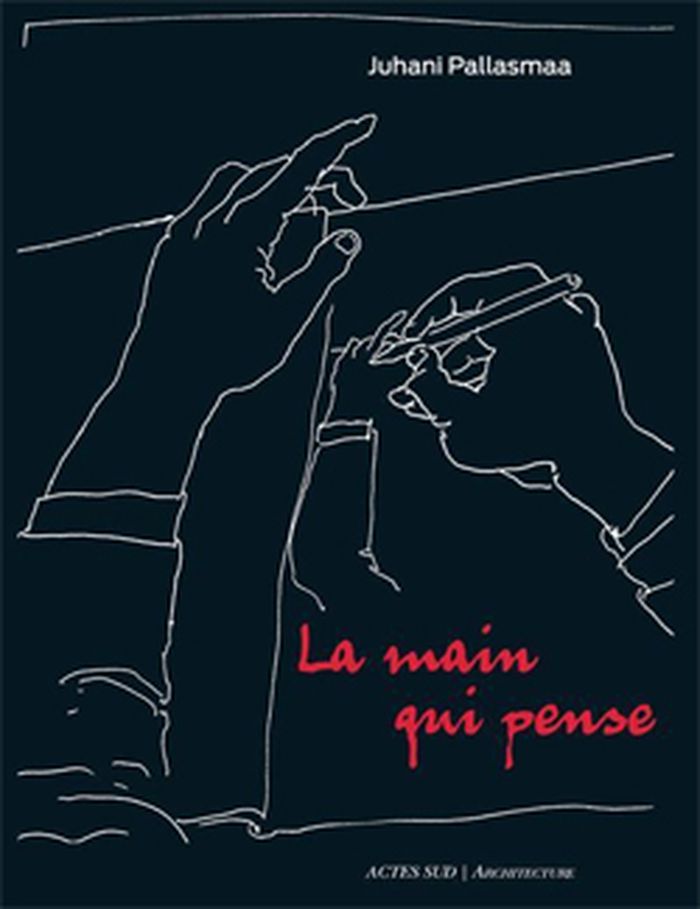
À travers une approche pluridisciplinaire, Pallasmaa met en évidence la façon dont le stylo, dans la main de l'artiste, devient un pont entre l'imagination de l'esprit et l'image créée. L'auteur envisage les multiples essences de la main, son évolution biologique et son rôle symbolique dans la création d'une culture. Il montre comment cette si petite partie du corps, emblématique d'une personne et de son caractère, possède son langage propre. Ainsi, Pallasmaa questionne les capacités de perception de l'homme grâce à son propre corps. Il puise dans les champs de la philosophie et de la psychologie, qu'il met en regard avec une réflexion théorique sur l'architecture.
La main qui pense
Actions:
Price:
$52.95
(available to order)
Summary:
À travers une approche pluridisciplinaire, Pallasmaa met en évidence la façon dont le stylo, dans la main de l'artiste, devient un pont entre l'imagination de l'esprit et l'image créée. L'auteur envisage les multiples essences de la main, son évolution biologique et son rôle symbolique dans la création d'une culture. Il montre comment cette si petite partie du corps, emblématique d'une personne et de son caractère, possède son langage propre. Ainsi, Pallasmaa questionne les capacités de perception de l'homme grâce à son propre corps. Il puise dans les champs de la philosophie et de la psychologie, qu'il met en regard avec une réflexion théorique sur l'architecture.
Form:
books
books
Publication:
July 2013
July 2013
Subject:
Architectural Theory
Architectural Theory
Form:
books
books
Title:
Wunderkammer
Wunderkammer
Actions:
Price:
$34.95
(available to order)
Summary:
Inspired by the idea of the wunderkammer—“wonder-room” or “cabinet of curiosities”—that originated during the Renaissance, world-renowned architects Tod Williams and Billie Tsien invited 42 celebrated architects and designers from around the world to create their own wunderkammers, filling boxes with objects that inspire them. This book gathers together the varied,(...)
$34.95
(available to order)
Summary:
Inspired by the idea of the wunderkammer—“wonder-room” or “cabinet of curiosities”—that originated during the Renaissance, world-renowned architects Tod Williams and Billie Tsien invited 42 celebrated architects and designers from around the world to create their own wunderkammers, filling boxes with objects that inspire them. This book gathers together the varied,(...)
Title:
Wunderkammer
Actions:
Price:
$34.95
(available to order)
Summary:
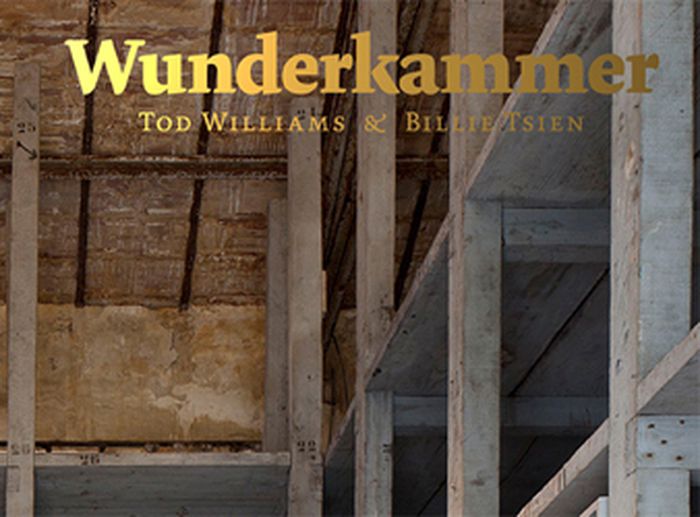
Inspired by the idea of the wunderkammer—“wonder-room” or “cabinet of curiosities”—that originated during the Renaissance, world-renowned architects Tod Williams and Billie Tsien invited 42 celebrated architects and designers from around the world to create their own wunderkammers, filling boxes with objects that inspire them. This book gathers together the varied, evocative wunderkammers along with accompanying statements by their architect-creators, including such luminaries as Shigeru Ban, Toyo Ito, Diller Scofidio + Renfro, Peter Eisenman, Steven Holl, Richard Meier, Murray Moss, Diébédo Francis Keré, Juhani Pallasmaa, Elias Torres, and Peter Zumthor.
Wunderkammer
Actions:
Price:
$34.95
(available to order)
Summary:
Inspired by the idea of the wunderkammer—“wonder-room” or “cabinet of curiosities”—that originated during the Renaissance, world-renowned architects Tod Williams and Billie Tsien invited 42 celebrated architects and designers from around the world to create their own wunderkammers, filling boxes with objects that inspire them. This book gathers together the varied, evocative wunderkammers along with accompanying statements by their architect-creators, including such luminaries as Shigeru Ban, Toyo Ito, Diller Scofidio + Renfro, Peter Eisenman, Steven Holl, Richard Meier, Murray Moss, Diébédo Francis Keré, Juhani Pallasmaa, Elias Torres, and Peter Zumthor.
Form:
books
books
Publication:
November 2013
November 2013
Subject:
Architectural Theory
Architectural Theory
Form:
books
books
Actions:
Price:
$34.95
(available to order)
Summary:
Since 1985, Architect? has been an essential text for aspiring architects, offering the best basic guide to the profession available. This third edition has been substantially revised and rewritten, with new material covering the latest developments in architectural and construction technologies, digital methodologies, new areas of focus in teaching and practice, evolving(...)
$34.95
(available to order)
Summary:
Since 1985, Architect? has been an essential text for aspiring architects, offering the best basic guide to the profession available. This third edition has been substantially revised and rewritten, with new material covering the latest developments in architectural and construction technologies, digital methodologies, new areas of focus in teaching and practice, evolving(...)
Title:
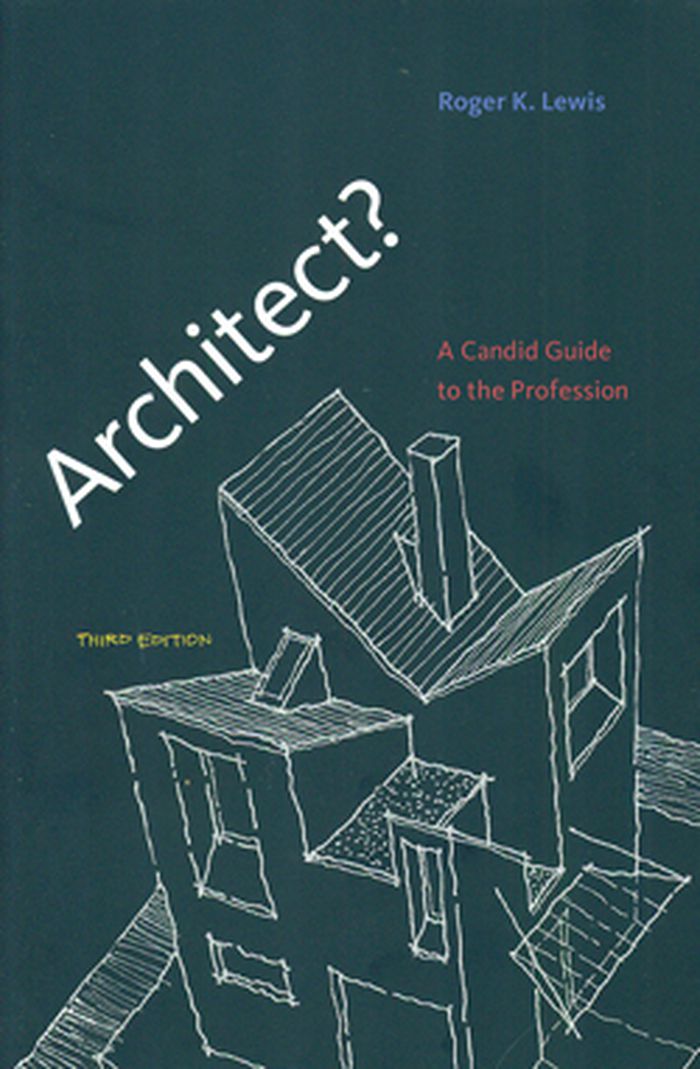
Architect? : a candid guide to the profession, third edition
Actions:
Price:
$34.95
(available to order)
Summary:
Since 1985, Architect? has been an essential text for aspiring architects, offering the best basic guide to the profession available. This third edition has been substantially revised and rewritten, with new material covering the latest developments in architectural and construction technologies, digital methodologies, new areas of focus in teaching and practice, evolving aesthetic philosophies, sustainability and green architecture, and alternatives to traditional practice.
Architect? : a candid guide to the profession, third edition
Actions:
Price:
$34.95
(available to order)
Summary:
Since 1985, Architect? has been an essential text for aspiring architects, offering the best basic guide to the profession available. This third edition has been substantially revised and rewritten, with new material covering the latest developments in architectural and construction technologies, digital methodologies, new areas of focus in teaching and practice, evolving aesthetic philosophies, sustainability and green architecture, and alternatives to traditional practice.
Form:
books
books
Publication:
October 2013
October 2013
Subject:
Architectural Theory
Architectural Theory
Form:
books
books
Actions:
Price:
$32.00
(available to order)
Summary:
What relationship can be traced between neoliberalism and our built environment? This publication seeks to complement the primarily geographical and sociological approaches to neoliberalism from the perspective of architectural theory. Essays discuss both theoretical concerns and built examples.
$32.00
(available to order)
Summary:
What relationship can be traced between neoliberalism and our built environment? This publication seeks to complement the primarily geographical and sociological approaches to neoliberalism from the perspective of architectural theory. Essays discuss both theoretical concerns and built examples.
Title:
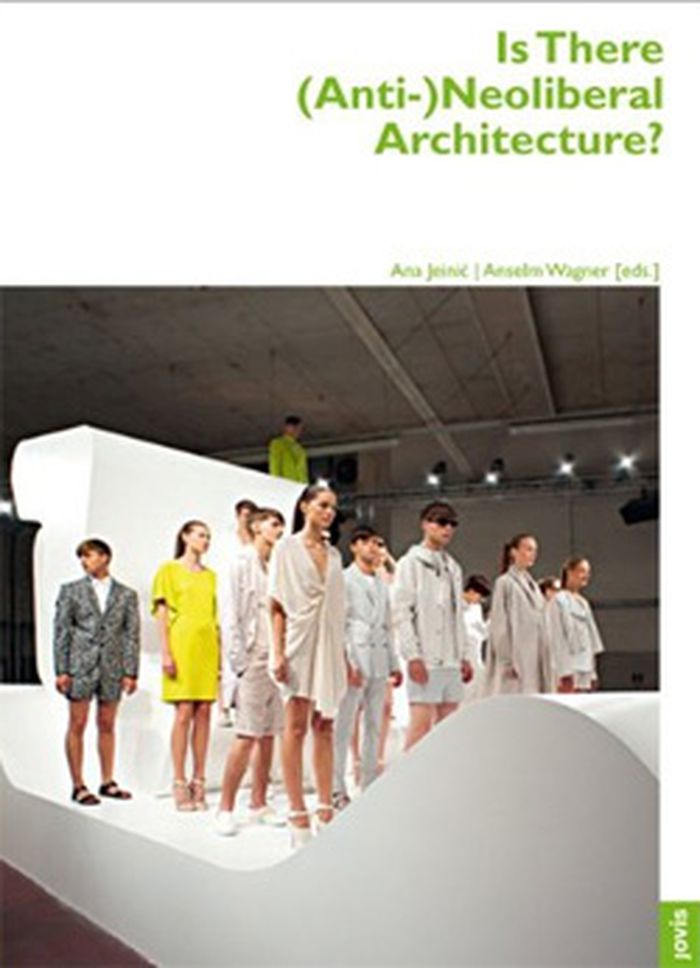
Is there (anti-) neoliberal architecture?
Actions:
Price:
$32.00
(available to order)
Summary:
What relationship can be traced between neoliberalism and our built environment? This publication seeks to complement the primarily geographical and sociological approaches to neoliberalism from the perspective of architectural theory. Essays discuss both theoretical concerns and built examples.
Is there (anti-) neoliberal architecture?
Actions:
Price:
$32.00
(available to order)
Summary:
What relationship can be traced between neoliberalism and our built environment? This publication seeks to complement the primarily geographical and sociological approaches to neoliberalism from the perspective of architectural theory. Essays discuss both theoretical concerns and built examples.
Form:
books
books
Publication:
October 2013
October 2013
Subject:
Architectural Theory
Architectural Theory
Form:
books
books
Title:
Simply design
Simply design
Actions:
Price:
$39.95
(available in store)
Summary:
Amid the ascent of sustainability as a primary criterion in current architectural practice, the status of aesthetics has become a curiously fraught topic. Simply Design explores the tension between these criteria across five themed chapters: “Revealing Place,” “Programming,” “Forming and Joining,” “Choreographing” and “Staging.”
$39.95
(available in store)
Summary:
Amid the ascent of sustainability as a primary criterion in current architectural practice, the status of aesthetics has become a curiously fraught topic. Simply Design explores the tension between these criteria across five themed chapters: “Revealing Place,” “Programming,” “Forming and Joining,” “Choreographing” and “Staging.”
Title:
Simply design
Actions:
Price:
$39.95
(available in store)
Summary:
Amid the ascent of sustainability as a primary criterion in current architectural practice, the status of aesthetics has become a curiously fraught topic. Simply Design explores the tension between these criteria across five themed chapters: “Revealing Place,” “Programming,” “Forming and Joining,” “Choreographing” and “Staging.”
Simply design
Actions:
Price:
$39.95
(available in store)
Summary:
Amid the ascent of sustainability as a primary criterion in current architectural practice, the status of aesthetics has become a curiously fraught topic. Simply Design explores the tension between these criteria across five themed chapters: “Revealing Place,” “Programming,” “Forming and Joining,” “Choreographing” and “Staging.”
Form:
books
books
Publication:
October 2013
October 2013
Subject:
Architectural Theory
Architectural Theory
Form:
books
books
Price:
$42.50
(available to order)
Summary:
The Air from Other Planets introduces an architecture built and controlled by amplifying and designing the energy within our electromagnetic, thermodynamic, acoustic, and chemical environment. This approach to design exchanges the walls and shells we have assumed to be the only type of attainable architecture for a range of material energies that develops its own shapes,(...)
$42.50
(available to order)
Summary:
The Air from Other Planets introduces an architecture built and controlled by amplifying and designing the energy within our electromagnetic, thermodynamic, acoustic, and chemical environment. This approach to design exchanges the walls and shells we have assumed to be the only type of attainable architecture for a range of material energies that develops its own shapes,(...)
Publication:
October 2013
October 2013
Title:
The air from other planets: a brief history of architecture to come
Actions:
Price:
$42.50
(available to order)
Summary:
The Air from Other Planets introduces an architecture built and controlled by amplifying and designing the energy within our electromagnetic, thermodynamic, acoustic, and chemical environment. This approach to design exchanges the walls and shells we have assumed to be the only type of attainable architecture for a range of material energies that develops its own shapes, aesthetics, organizational systems, and social experiences.
The air from other planets: a brief history of architecture to come
Actions:
Price:
$42.50
(available to order)
Summary:
The Air from Other Planets introduces an architecture built and controlled by amplifying and designing the energy within our electromagnetic, thermodynamic, acoustic, and chemical environment. This approach to design exchanges the walls and shells we have assumed to be the only type of attainable architecture for a range of material energies that develops its own shapes, aesthetics, organizational systems, and social experiences.
Form:
books
books
Publication:
October 2013
October 2013
Form:
books
books
Actions:
Price:
$27.95
(available in store)
Summary:
Dans cet entretien, l’architecte Rudy Ricciotti, animé par un goût des mots et des formules qui saisissent les conventions à la gorge, bouscule les idées reçues. Ce défenseur des savoir-faire locaux tient à expliciter ses combats, armé de ses principales œuvres : le Stadium de Vitrolles, le centre chorégraphique national d’Aix-en-Provence, le pont du Diable à Gignac, le(...)
$27.95
(available in store)
Summary:
Dans cet entretien, l’architecte Rudy Ricciotti, animé par un goût des mots et des formules qui saisissent les conventions à la gorge, bouscule les idées reçues. Ce défenseur des savoir-faire locaux tient à expliciter ses combats, armé de ses principales œuvres : le Stadium de Vitrolles, le centre chorégraphique national d’Aix-en-Provence, le pont du Diable à Gignac, le(...)
Title:
L'architecture est un sport de combat
Actions:
Price:
$27.95
(available in store)
Summary:
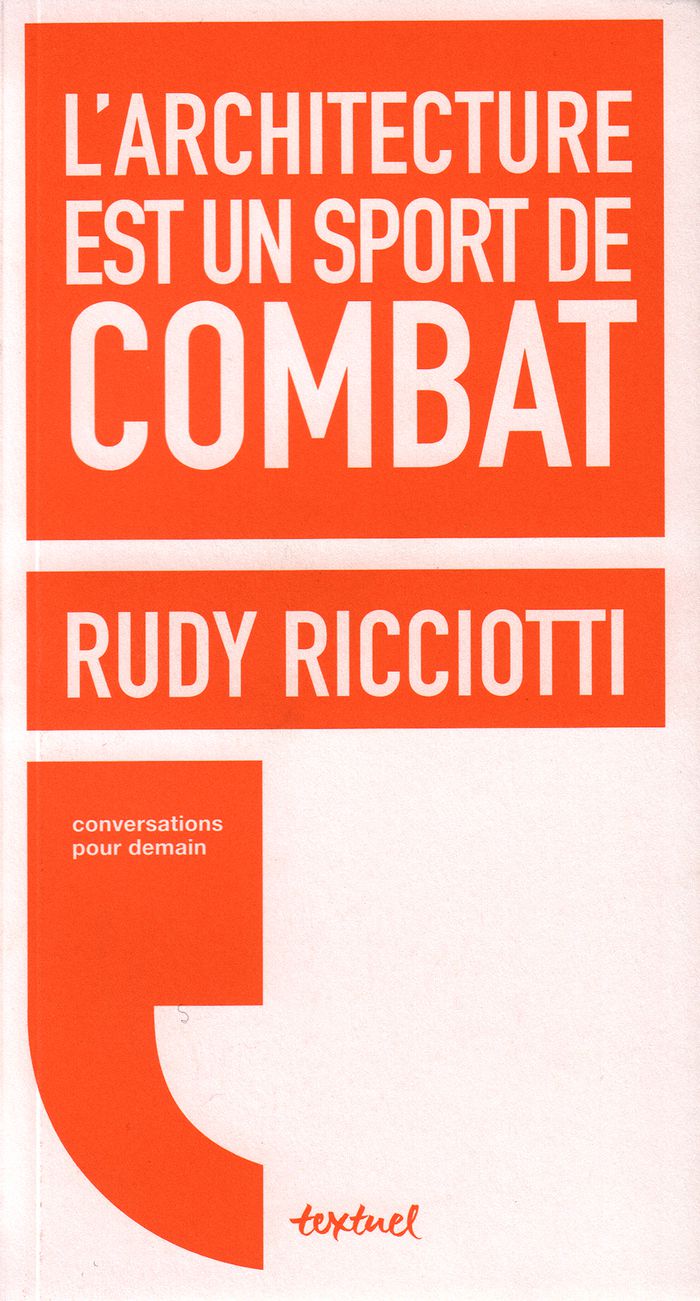
Dans cet entretien, l’architecte Rudy Ricciotti, animé par un goût des mots et des formules qui saisissent les conventions à la gorge, bouscule les idées reçues. Ce défenseur des savoir-faire locaux tient à expliciter ses combats, armé de ses principales œuvres : le Stadium de Vitrolles, le centre chorégraphique national d’Aix-en-Provence, le pont du Diable à Gignac, le musée Cocteau à Menton, le MuCEM à Marseille… Il dresse ici un portrait sans concession de sa profession et de son enseignement.
L'architecture est un sport de combat
Actions:
Price:
$27.95
(available in store)
Summary:
Dans cet entretien, l’architecte Rudy Ricciotti, animé par un goût des mots et des formules qui saisissent les conventions à la gorge, bouscule les idées reçues. Ce défenseur des savoir-faire locaux tient à expliciter ses combats, armé de ses principales œuvres : le Stadium de Vitrolles, le centre chorégraphique national d’Aix-en-Provence, le pont du Diable à Gignac, le musée Cocteau à Menton, le MuCEM à Marseille… Il dresse ici un portrait sans concession de sa profession et de son enseignement.
Form:
books
books
Publication:
July 2013
July 2013
Subject:
Architectural Theory
Architectural Theory


