


3197 Results
Form:
books
books
Title:
Luis Barragan: His house
Luis Barragan: His house
Actions:
Price:
$72.00
(available to order)
Summary:
Luis Barragan: His House presents the crowning achievement of the architect who was awarded the Pritzker Prize in 1980: his own house, considered one of the ten most important houses of the twentieth century. Originally built in 1947 and continually renovated by the architect, it would come to be considered Barragan's masterpiece, the laboratory in which he developed(...)
$72.00
(available to order)
Summary:
Luis Barragan: His House presents the crowning achievement of the architect who was awarded the Pritzker Prize in 1980: his own house, considered one of the ten most important houses of the twentieth century. Originally built in 1947 and continually renovated by the architect, it would come to be considered Barragan's masterpiece, the laboratory in which he developed(...)
Subject:
Architecture Monographs
Architecture Monographs
Publication:
October 2011
October 2011
Title:
Luis Barragan: His house
Actions:
Price:
$72.00
(available to order)
Summary:
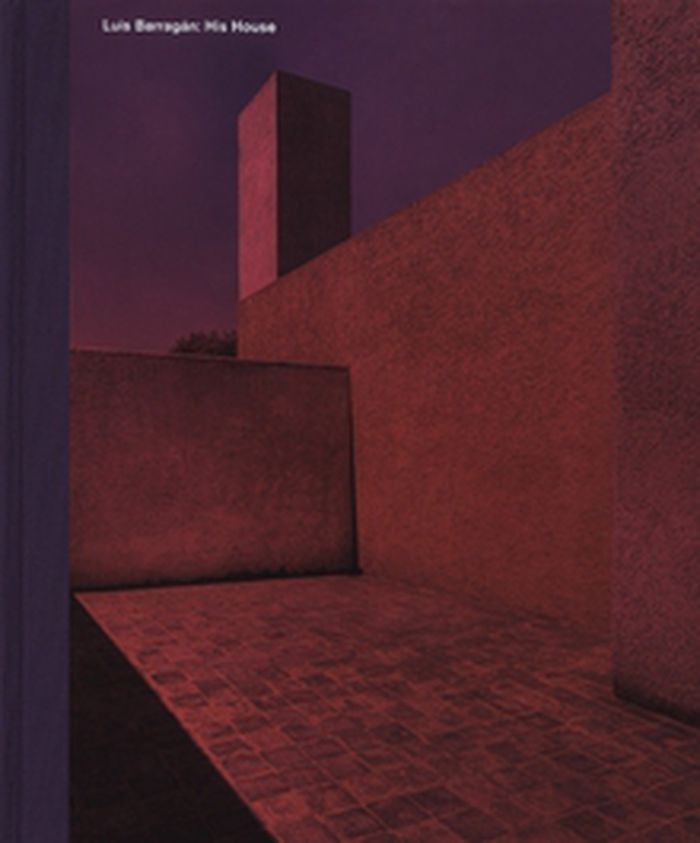
Luis Barragan: His House presents the crowning achievement of the architect who was awarded the Pritzker Prize in 1980: his own house, considered one of the ten most important houses of the twentieth century. Originally built in 1947 and continually renovated by the architect, it would come to be considered Barragan's masterpiece, the laboratory in which he developed his new architectural language.
Luis Barragan: His house
Actions:
Price:
$72.00
(available to order)
Summary:
Luis Barragan: His House presents the crowning achievement of the architect who was awarded the Pritzker Prize in 1980: his own house, considered one of the ten most important houses of the twentieth century. Originally built in 1947 and continually renovated by the architect, it would come to be considered Barragan's masterpiece, the laboratory in which he developed his new architectural language.
Form:
books
books
Publication:
October 2011
October 2011
Subject:
Architecture Monographs
Architecture Monographs
Form:
books
books
Actions:
Price:
$28.00
(available to order)
Summary:
The Jewish Museum in Berlin tells the story of German-Jewish history from the fourth century to the present. It consists of two buildings: the first, a former courthouse, was built in the eighteenth century, and the second, a massive extension that opened to the public in 2001, was designed by the world-renowned architect Daniel Libeskind (born 1946). Libeskind's building(...)
$28.00
(available to order)
Summary:
The Jewish Museum in Berlin tells the story of German-Jewish history from the fourth century to the present. It consists of two buildings: the first, a former courthouse, was built in the eighteenth century, and the second, a massive extension that opened to the public in 2001, was designed by the world-renowned architect Daniel Libeskind (born 1946). Libeskind's building(...)
Title:
Daniel Libeskind: Jewish Museum Berlin
Actions:
Price:
$28.00
(available to order)
Summary:
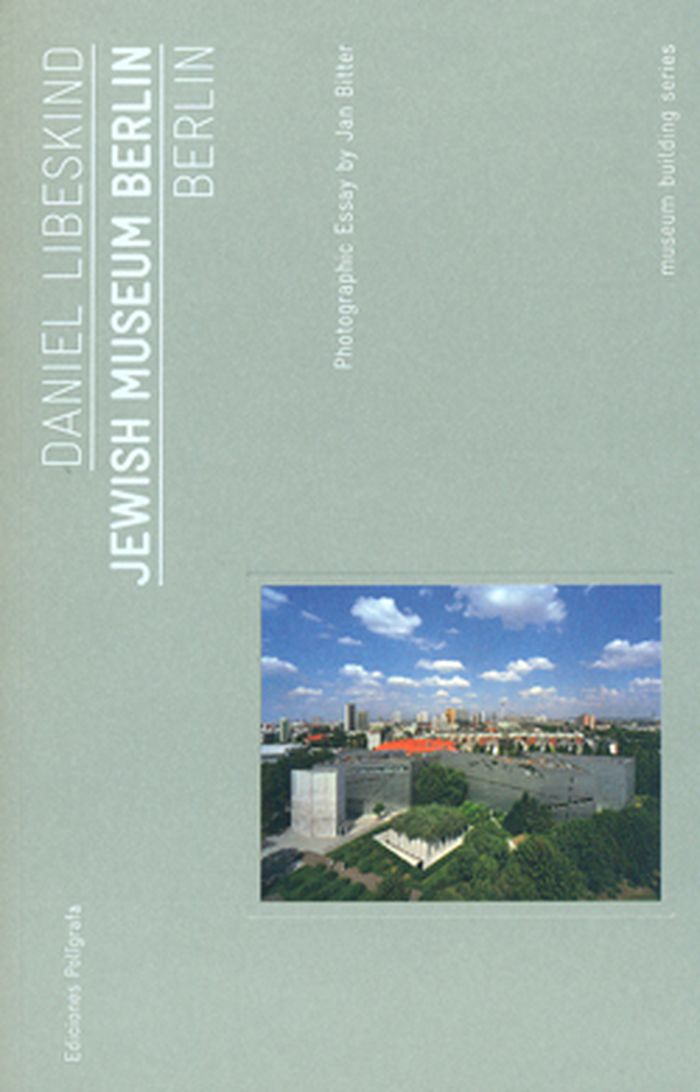
The Jewish Museum in Berlin tells the story of German-Jewish history from the fourth century to the present. It consists of two buildings: the first, a former courthouse, was built in the eighteenth century, and the second, a massive extension that opened to the public in 2001, was designed by the world-renowned architect Daniel Libeskind (born 1946). Libeskind's building is comprised of a zinc façade and a set of three underground allegorical roads. The first leads to the main stairs, and by implication to the continuation of Berlin's history in the Museum; the second leads outdoors into the E.T.A. Hoffmann Garden, representing the exile and emigration of the Jews from Germany; and the third road leads to a dead end, representing “the Holocaust void.” This road cuts through the ensemble as a whole, and evokes, in the architect's words, “that which can never be exhibited when it comes to Jewish Berlin history: humanity reduced to ashes.” For Libeskind, a Polish Jew raised not far from Berlin who lost many relatives in the Holocaust, this extraordinary building was an intensely personal undertaking with numerous responsibilities. This volume details this most freighted and complex of buildings.
Daniel Libeskind: Jewish Museum Berlin
Actions:
Price:
$28.00
(available to order)
Summary:
The Jewish Museum in Berlin tells the story of German-Jewish history from the fourth century to the present. It consists of two buildings: the first, a former courthouse, was built in the eighteenth century, and the second, a massive extension that opened to the public in 2001, was designed by the world-renowned architect Daniel Libeskind (born 1946). Libeskind's building is comprised of a zinc façade and a set of three underground allegorical roads. The first leads to the main stairs, and by implication to the continuation of Berlin's history in the Museum; the second leads outdoors into the E.T.A. Hoffmann Garden, representing the exile and emigration of the Jews from Germany; and the third road leads to a dead end, representing “the Holocaust void.” This road cuts through the ensemble as a whole, and evokes, in the architect's words, “that which can never be exhibited when it comes to Jewish Berlin history: humanity reduced to ashes.” For Libeskind, a Polish Jew raised not far from Berlin who lost many relatives in the Holocaust, this extraordinary building was an intensely personal undertaking with numerous responsibilities. This volume details this most freighted and complex of buildings.
Form:
books
books
Publication:
September 2011
September 2011
Subject:
Architecture Monographs
Architecture Monographs
Form:
books
books
Price:
$28.00
(available to order)
Summary:
The Institute of Contemporary Art, designed by Diller + Scofidio (now Diller Scofidio + Renfro), was the first new art museum to be built in Boston in a century. Opened in December 2006, the ICA is located on a small parcel of land on Boston Harbor and this is the 25th location for the museum in its 75 year history and its first, permanent, free-standing home. “The ICA's(...)
$28.00
(available to order)
Summary:
The Institute of Contemporary Art, designed by Diller + Scofidio (now Diller Scofidio + Renfro), was the first new art museum to be built in Boston in a century. Opened in December 2006, the ICA is located on a small parcel of land on Boston Harbor and this is the 25th location for the museum in its 75 year history and its first, permanent, free-standing home. “The ICA's(...)
Title:
Diller Scofidio & Renfro: Institute of Contemporary Art (ICA) Boston
Actions:
Price:
$28.00
(available to order)
Summary:
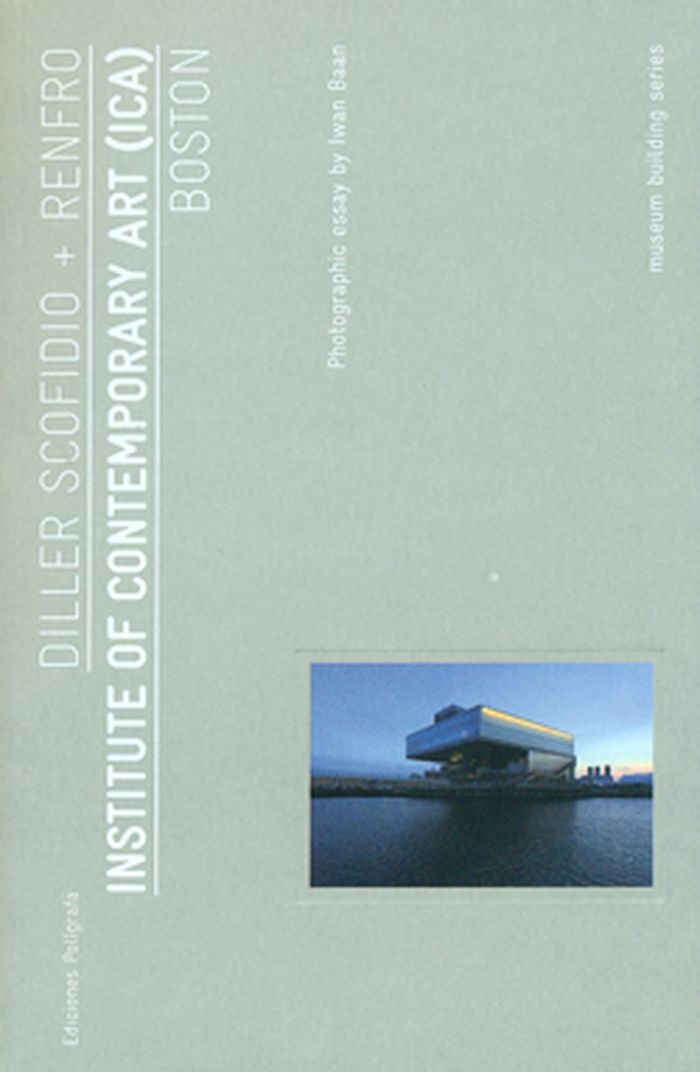
The Institute of Contemporary Art, designed by Diller + Scofidio (now Diller Scofidio + Renfro), was the first new art museum to be built in Boston in a century. Opened in December 2006, the ICA is located on a small parcel of land on Boston Harbor and this is the 25th location for the museum in its 75 year history and its first, permanent, free-standing home. “The ICA's decision to hire Diller + Scofidio reflected our belief in the firm's vision that architecture can shape as well as reflect contemporary experience,” stated Jill Medvedow, director of ICA. The architects balanced use of cool and transparent glass with the warmth of wood and the energy of light, as well as their design of spare, flexible spaces for presenting contemporary art, was a revelation for a city and an architectural community. ''Their brilliant and beautiful design of the ICA was a harbinger of change: edgy, bold and breathtaking, transforming the landscape for contemporary art and culture in Boston and for the artists, art and ideas of our time,” Medvedow has said.
Diller Scofidio & Renfro: Institute of Contemporary Art (ICA) Boston
Actions:
Price:
$28.00
(available to order)
Summary:
The Institute of Contemporary Art, designed by Diller + Scofidio (now Diller Scofidio + Renfro), was the first new art museum to be built in Boston in a century. Opened in December 2006, the ICA is located on a small parcel of land on Boston Harbor and this is the 25th location for the museum in its 75 year history and its first, permanent, free-standing home. “The ICA's decision to hire Diller + Scofidio reflected our belief in the firm's vision that architecture can shape as well as reflect contemporary experience,” stated Jill Medvedow, director of ICA. The architects balanced use of cool and transparent glass with the warmth of wood and the energy of light, as well as their design of spare, flexible spaces for presenting contemporary art, was a revelation for a city and an architectural community. ''Their brilliant and beautiful design of the ICA was a harbinger of change: edgy, bold and breathtaking, transforming the landscape for contemporary art and culture in Boston and for the artists, art and ideas of our time,” Medvedow has said.
Form:
books
books
Publication:
September 2011
September 2011
Subject:
Architecture Monographs
Architecture Monographs
Form:
books
books
Actions:
Price:
$30.00
(available in store)
Summary:
Portuguese architect Álvaro Siza (born 1933) is one of the most influential architects of the past half-century. His most famous work is perhaps the Serralves Museum in his hometown of Porto, his second museum building, following the Galician Center for Contemporary Art, erected in 1997. Low built and horizontal in axis, its white stucco walls are perforated with(...)
$30.00
(available in store)
Summary:
Portuguese architect Álvaro Siza (born 1933) is one of the most influential architects of the past half-century. His most famous work is perhaps the Serralves Museum in his hometown of Porto, his second museum building, following the Galician Center for Contemporary Art, erected in 1997. Low built and horizontal in axis, its white stucco walls are perforated with(...)
Title:
Àlvaro Siza: Museu De Arte Contemporânea de Serralves Porto
Actions:
Price:
$30.00
(available in store)
Summary:
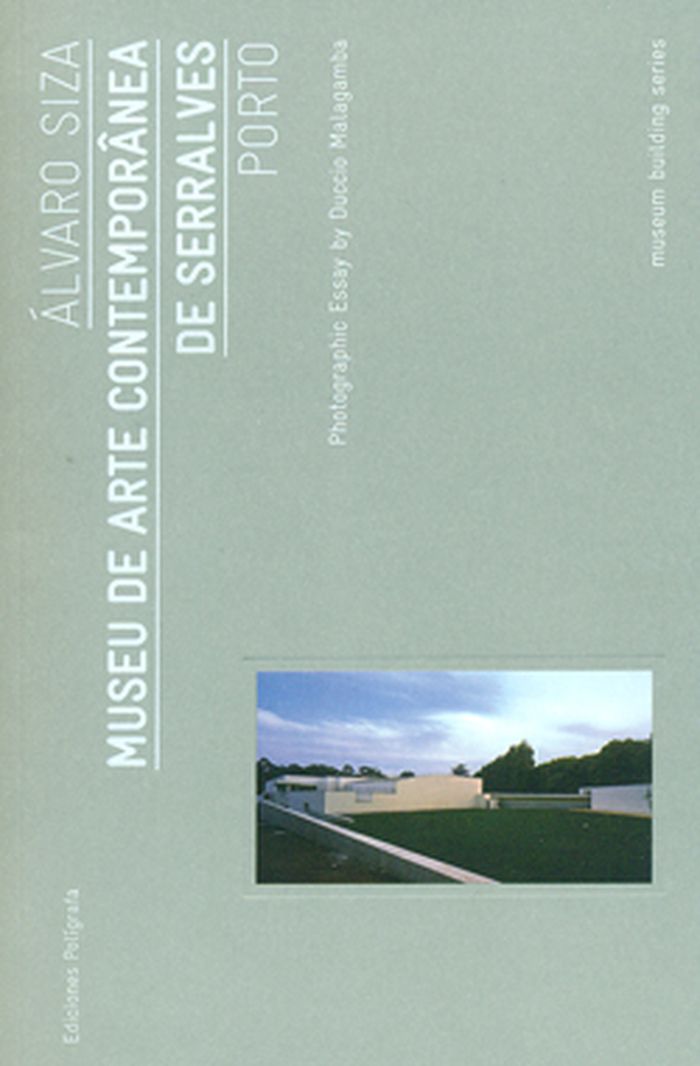
Portuguese architect Álvaro Siza (born 1933) is one of the most influential architects of the past half-century. His most famous work is perhaps the Serralves Museum in his hometown of Porto, his second museum building, following the Galician Center for Contemporary Art, erected in 1997. Low built and horizontal in axis, its white stucco walls are perforated with occasional openings that yield unexpected views of a surrounding garden. As with most of Siza's buildings, the furniture and fittings were also designed by the architect, including lighting fixtures, handrails, doorknobs and all signage. Building materials include hardwood floors and painted walls in gesso with marble skirting in the exhibition halls and marble floors in the foyers. This volume, published in Poligrafa's innovative Museum Building series, reviews the Serralves Museum, a disarmingly intimate space in pronounced contradistinction to much recent museum architecture.
Àlvaro Siza: Museu De Arte Contemporânea de Serralves Porto
Actions:
Price:
$30.00
(available in store)
Summary:
Portuguese architect Álvaro Siza (born 1933) is one of the most influential architects of the past half-century. His most famous work is perhaps the Serralves Museum in his hometown of Porto, his second museum building, following the Galician Center for Contemporary Art, erected in 1997. Low built and horizontal in axis, its white stucco walls are perforated with occasional openings that yield unexpected views of a surrounding garden. As with most of Siza's buildings, the furniture and fittings were also designed by the architect, including lighting fixtures, handrails, doorknobs and all signage. Building materials include hardwood floors and painted walls in gesso with marble skirting in the exhibition halls and marble floors in the foyers. This volume, published in Poligrafa's innovative Museum Building series, reviews the Serralves Museum, a disarmingly intimate space in pronounced contradistinction to much recent museum architecture.
Form:
books
books
Publication:
September 2011
September 2011
Subject:
Architecture Monographs
Architecture Monographs
Form:
books
books
Actions:
Price:
$33.00
(available to order)
Summary:
Following his Getty Center in Los Angeles and the Museum of Contemporary Art in Barcelona, celebrated American architect Richard Meier (born 1934) has created another stunning example of museum architecture. Full of light, the Sammlung Frieder Burda in Baden-Baden sits alongside the Staatliche Kunsthalle, and the two are linked via glass bridge. In contrast to the(...)
$33.00
(available to order)
Summary:
Following his Getty Center in Los Angeles and the Museum of Contemporary Art in Barcelona, celebrated American architect Richard Meier (born 1934) has created another stunning example of museum architecture. Full of light, the Sammlung Frieder Burda in Baden-Baden sits alongside the Staatliche Kunsthalle, and the two are linked via glass bridge. In contrast to the(...)
Title:
Richard Meier: Museum Frieder Burda
Actions:
Price:
$33.00
(available to order)
Summary:
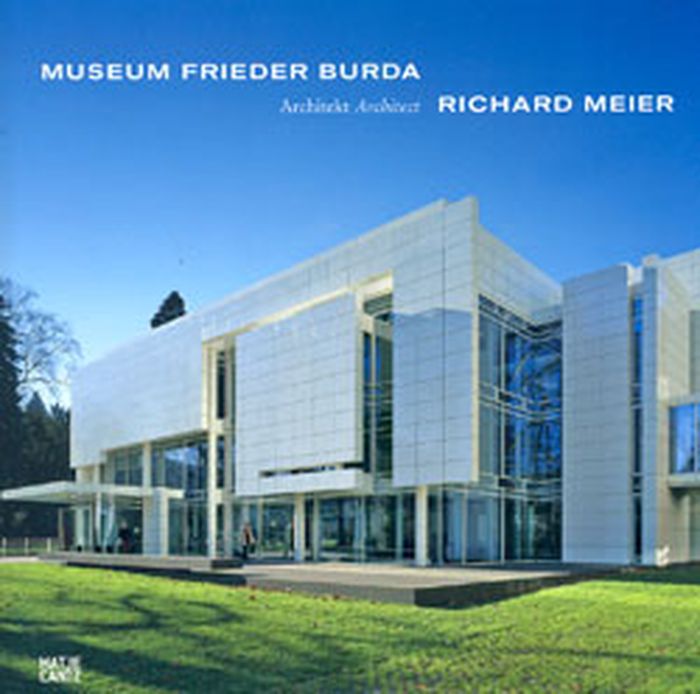
Following his Getty Center in Los Angeles and the Museum of Contemporary Art in Barcelona, celebrated American architect Richard Meier (born 1934) has created another stunning example of museum architecture. Full of light, the Sammlung Frieder Burda in Baden-Baden sits alongside the Staatliche Kunsthalle, and the two are linked via glass bridge. In contrast to the neo-classical Kunsthalle, Sammlung Frieder Burda has the air of a California mansion, distinguished by its elegance, transparency and openness. Set on the city's historic Lichtentaler Allee park and arboretum, the building is referred to by many--including its architect--as the “jewel in the park.” This newly revised assessment of the project charts the museum from its early phases to completion through numerous sketches, plans and photographs. The book also features essays by art historians and architecture critics that expand upon the structure, its function and its location.
Richard Meier: Museum Frieder Burda
Actions:
Price:
$33.00
(available to order)
Summary:
Following his Getty Center in Los Angeles and the Museum of Contemporary Art in Barcelona, celebrated American architect Richard Meier (born 1934) has created another stunning example of museum architecture. Full of light, the Sammlung Frieder Burda in Baden-Baden sits alongside the Staatliche Kunsthalle, and the two are linked via glass bridge. In contrast to the neo-classical Kunsthalle, Sammlung Frieder Burda has the air of a California mansion, distinguished by its elegance, transparency and openness. Set on the city's historic Lichtentaler Allee park and arboretum, the building is referred to by many--including its architect--as the “jewel in the park.” This newly revised assessment of the project charts the museum from its early phases to completion through numerous sketches, plans and photographs. The book also features essays by art historians and architecture critics that expand upon the structure, its function and its location.
Form:
books
books
Publication:
August 2011
August 2011
Subject:
Architecture Monographs
Architecture Monographs
Form:
books
books
Actions:
Price:
$32.95
(available to order)
Summary:
The mastermind behind what he termed beautiful and functional “machines for living,” Le Corbusier has long been recognized as one of the foremost figures in the international style of architecture. Yet, beginning in the 1940s, the famed architect and urbanist increasingly took modernism in a new direction that has until now been insufficiently considered—and little(...)
$32.95
(available to order)
Summary:
The mastermind behind what he termed beautiful and functional “machines for living,” Le Corbusier has long been recognized as one of the foremost figures in the international style of architecture. Yet, beginning in the 1940s, the famed architect and urbanist increasingly took modernism in a new direction that has until now been insufficiently considered—and little(...)
Title:
Le Corbusier: The architect on the beach
Actions:
Price:
$32.95
(available to order)
Summary:
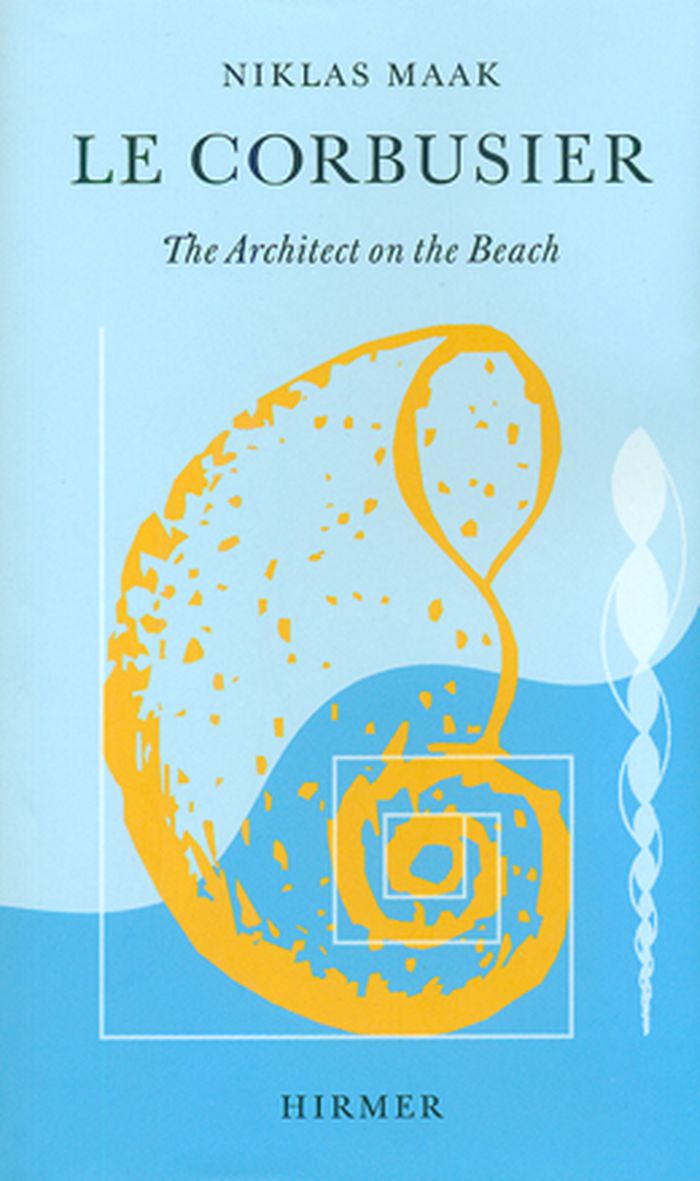
The mastermind behind what he termed beautiful and functional “machines for living,” Le Corbusier has long been recognized as one of the foremost figures in the international style of architecture. Yet, beginning in the 1940s, the famed architect and urbanist increasingly took modernism in a new direction that has until now been insufficiently considered—and little understood. Dispensing with his trademark suit and bowtie, Le Corbusier was spending increasing amounts of time at the shore in the 1940s, collecting stones, shells, and other jetsam, and enjoying the works of the philosopher and ardent shell collector Paul Valéry. And it was here that the seemingly hyper-rational architect developed a revolutionary new theory of design, built around these polished and splintered shapes. Stating that nature was the source of his inspiration, Le Corbusier embarked on a meandering odyssey through the literature and esoteric writings of his day, going on to produce such unorthodox projects as Chandigarh’s Palace of Assembly and the strange and beautiful Ronchamp Chapel in Paris, whose roof is said to have been modeled after an inverted crab’s shell. The development of Le Corbusier’s new approach not only changed modernism but also inspired—and continues to inspire—new shapes and lines in the work of a host of architects. In this superbly written and accessible piece of architectural history, Maak develops the intricate story of a breakthrough in architecture that began on a beach.
Le Corbusier: The architect on the beach
Actions:
Price:
$32.95
(available to order)
Summary:
The mastermind behind what he termed beautiful and functional “machines for living,” Le Corbusier has long been recognized as one of the foremost figures in the international style of architecture. Yet, beginning in the 1940s, the famed architect and urbanist increasingly took modernism in a new direction that has until now been insufficiently considered—and little understood. Dispensing with his trademark suit and bowtie, Le Corbusier was spending increasing amounts of time at the shore in the 1940s, collecting stones, shells, and other jetsam, and enjoying the works of the philosopher and ardent shell collector Paul Valéry. And it was here that the seemingly hyper-rational architect developed a revolutionary new theory of design, built around these polished and splintered shapes. Stating that nature was the source of his inspiration, Le Corbusier embarked on a meandering odyssey through the literature and esoteric writings of his day, going on to produce such unorthodox projects as Chandigarh’s Palace of Assembly and the strange and beautiful Ronchamp Chapel in Paris, whose roof is said to have been modeled after an inverted crab’s shell. The development of Le Corbusier’s new approach not only changed modernism but also inspired—and continues to inspire—new shapes and lines in the work of a host of architects. In this superbly written and accessible piece of architectural history, Maak develops the intricate story of a breakthrough in architecture that began on a beach.
Form:
books
books
Publication:
August 2011
August 2011
Subject:
Architecture Monographs
Architecture Monographs
Form:
books
books
Actions:
Price:
$18.95
(available to order)
Summary:
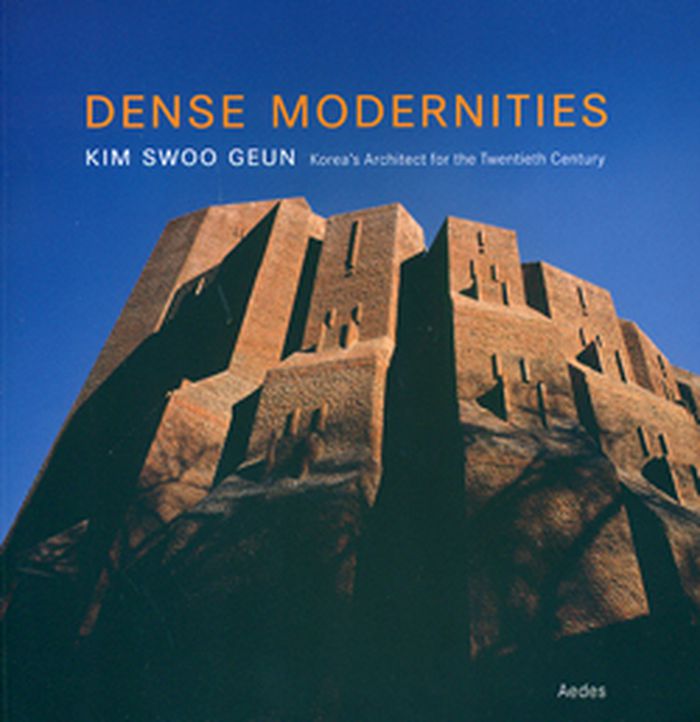
Kim Swoo Geun is one of the most famous and influential architect of the twentieth century in Korea. He designed monuments, planned cities for a rebuilding nation, set the stage for Korean modernism, and created spaces and forms no one had ever seen before. This publication is a catalogue of the exhibition Dense Modernities: Kim Swoo Geun held at Aedes am Pfefferberg in Berlin.
$18.95
(available to order)
Summary:
Kim Swoo Geun is one of the most famous and influential architect of the twentieth century in Korea. He designed monuments, planned cities for a rebuilding nation, set the stage for Korean modernism, and created spaces and forms no one had ever seen before. This publication is a catalogue of the exhibition Dense Modernities: Kim Swoo Geun held at Aedes am Pfefferberg in Berlin.
Title:
Dense modernities: Kim Swoo Geun, Korea's architect for the twenthieth century
Actions:
Price:
$18.95
(available to order)
Summary:
Kim Swoo Geun is one of the most famous and influential architect of the twentieth century in Korea. He designed monuments, planned cities for a rebuilding nation, set the stage for Korean modernism, and created spaces and forms no one had ever seen before. This publication is a catalogue of the exhibition Dense Modernities: Kim Swoo Geun held at Aedes am Pfefferberg in Berlin.
Dense modernities: Kim Swoo Geun, Korea's architect for the twenthieth century
Actions:
Price:
$18.95
(available to order)
Summary:
Kim Swoo Geun is one of the most famous and influential architect of the twentieth century in Korea. He designed monuments, planned cities for a rebuilding nation, set the stage for Korean modernism, and created spaces and forms no one had ever seen before. This publication is a catalogue of the exhibition Dense Modernities: Kim Swoo Geun held at Aedes am Pfefferberg in Berlin.
Form:
books
books
Publication:
July 2011
July 2011
Subject:
Architecture Monographs
Architecture Monographs
Form:
books
books
Title:
J.Mayer H: Metropol parasol
J.Mayer H: Metropol parasol
Actions:
Price:
$50.00
(available to order)
Summary:
Reinvigorating Seville's central medieval district, J. Mayer H. Architects has created Metropol Parasol. The building complex derives its name from its large, umbrella-like structures and houses an archeological museum, indoor market and elevated square for events. With bars, restaurants and a panoramic pedestrian walkway, the landmark signals an important step forward in(...)
$50.00
(available to order)
Summary:
Reinvigorating Seville's central medieval district, J. Mayer H. Architects has created Metropol Parasol. The building complex derives its name from its large, umbrella-like structures and houses an archeological museum, indoor market and elevated square for events. With bars, restaurants and a panoramic pedestrian walkway, the landmark signals an important step forward in(...)
Title:
J.Mayer H: Metropol parasol
Actions:
Price:
$50.00
(available to order)
Summary:
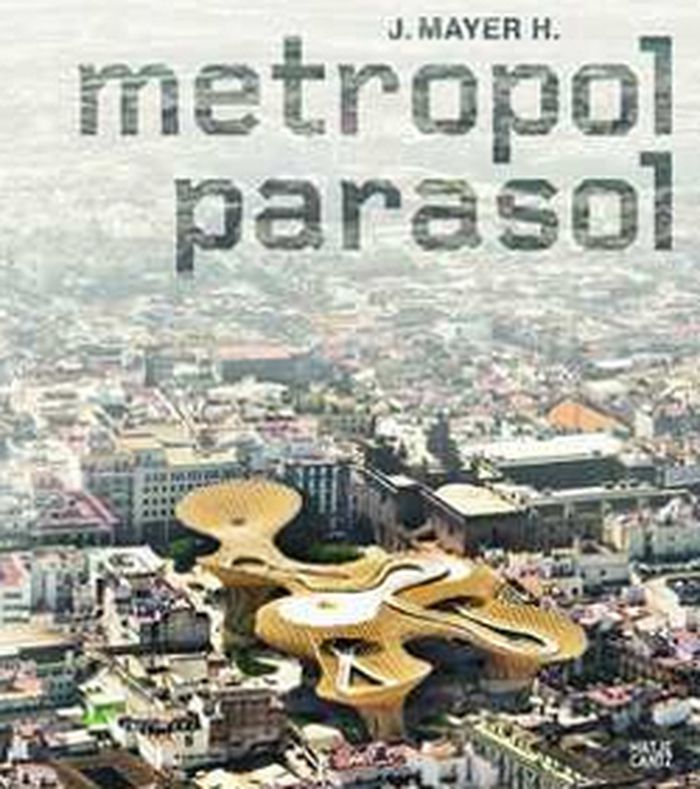
Reinvigorating Seville's central medieval district, J. Mayer H. Architects has created Metropol Parasol. The building complex derives its name from its large, umbrella-like structures and houses an archeological museum, indoor market and elevated square for events. With bars, restaurants and a panoramic pedestrian walkway, the landmark signals an important step forward in the city's development of cultural and commercial facilities.
J.Mayer H: Metropol parasol
Actions:
Price:
$50.00
(available to order)
Summary:
Reinvigorating Seville's central medieval district, J. Mayer H. Architects has created Metropol Parasol. The building complex derives its name from its large, umbrella-like structures and houses an archeological museum, indoor market and elevated square for events. With bars, restaurants and a panoramic pedestrian walkway, the landmark signals an important step forward in the city's development of cultural and commercial facilities.
Form:
books
books
Publication:
September 2011
September 2011
Subject:
Architecture Monographs
Architecture Monographs
Form:
books
books
Price:
$45.00
(available to order)
Summary:
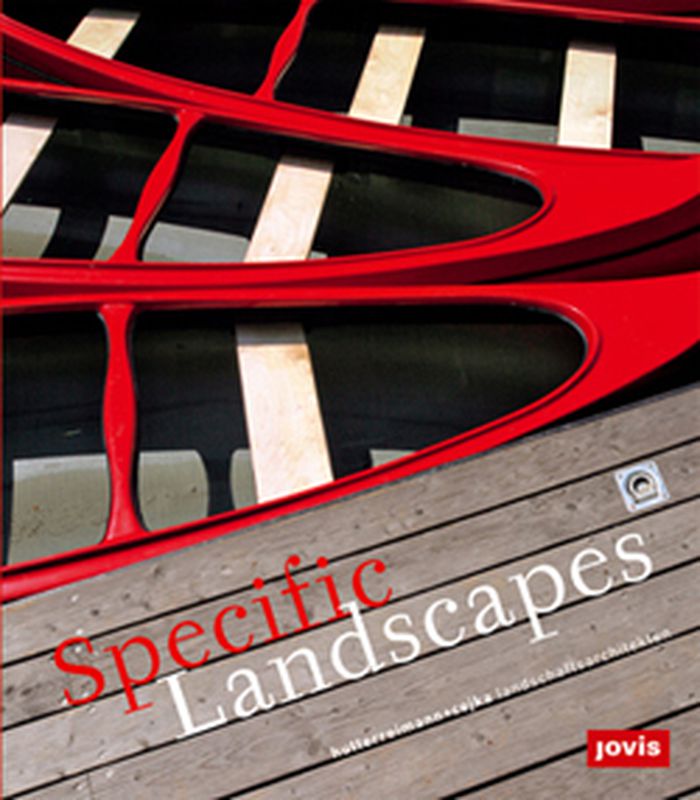
Characterized by an expansive vision and a passion for detail, Huttereimann + Cejka landscape architects have been designing public spaces and residential environments in Europe for over ten years. This publication presents a wealth of unconventional solutions for public parks, squares and playgrounds, as well as private gardens, through photographs, plans, drawings and writings.
$45.00
(available to order)
Summary:
Characterized by an expansive vision and a passion for detail, Huttereimann + Cejka landscape architects have been designing public spaces and residential environments in Europe for over ten years. This publication presents a wealth of unconventional solutions for public parks, squares and playgrounds, as well as private gardens, through photographs, plans, drawings and writings.
Publication:
November 2011
November 2011
Title:
Hutterreimann & Cejka landscape architects: specific landscapes
Actions:
Price:
$45.00
(available to order)
Summary:
Characterized by an expansive vision and a passion for detail, Huttereimann + Cejka landscape architects have been designing public spaces and residential environments in Europe for over ten years. This publication presents a wealth of unconventional solutions for public parks, squares and playgrounds, as well as private gardens, through photographs, plans, drawings and writings.
Hutterreimann & Cejka landscape architects: specific landscapes
Actions:
Price:
$45.00
(available to order)
Summary:
Characterized by an expansive vision and a passion for detail, Huttereimann + Cejka landscape architects have been designing public spaces and residential environments in Europe for over ten years. This publication presents a wealth of unconventional solutions for public parks, squares and playgrounds, as well as private gardens, through photographs, plans, drawings and writings.
Form:
books
books
Publication:
November 2011
November 2011
Form:
books
books
Title:
Sadar + Vuga : a review
Sadar + Vuga : a review
Actions:
Price:
$85.00
(available to order)
Summary:
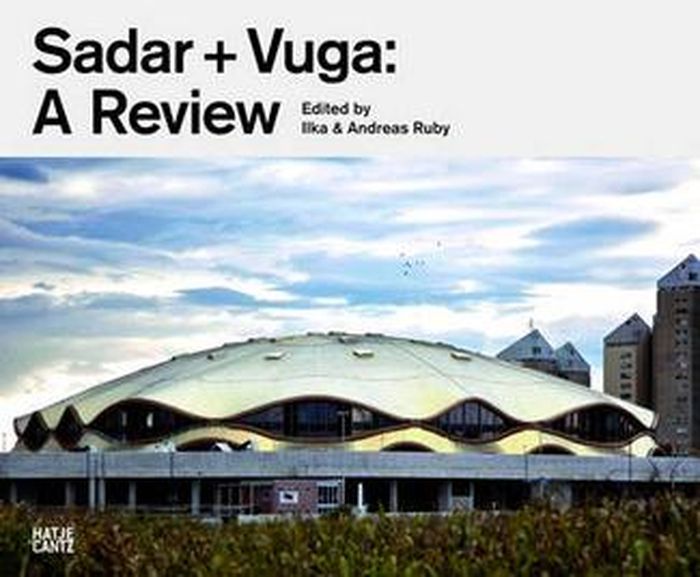
Sadar + Vuga is a Slovenian architectural office whose first building, the headquarters of the Slovenian Chamber of Commerce in Ljubljana, built in 1999, won international acclaim. This volume contains a comprehensive catalogue of their 16 completed buildings, a photo essay, and commentary by peers such as Jacob van Rijs, Philip Ursprung, Jorg Leeser, Mark Lee and Duncan Lewis.
$85.00
(available to order)
Summary:
Sadar + Vuga is a Slovenian architectural office whose first building, the headquarters of the Slovenian Chamber of Commerce in Ljubljana, built in 1999, won international acclaim. This volume contains a comprehensive catalogue of their 16 completed buildings, a photo essay, and commentary by peers such as Jacob van Rijs, Philip Ursprung, Jorg Leeser, Mark Lee and Duncan Lewis.
Title:
Sadar + Vuga : a review
Actions:
Price:
$85.00
(available to order)
Summary:
Sadar + Vuga is a Slovenian architectural office whose first building, the headquarters of the Slovenian Chamber of Commerce in Ljubljana, built in 1999, won international acclaim. This volume contains a comprehensive catalogue of their 16 completed buildings, a photo essay, and commentary by peers such as Jacob van Rijs, Philip Ursprung, Jorg Leeser, Mark Lee and Duncan Lewis.
Sadar + Vuga : a review
Actions:
Price:
$85.00
(available to order)
Summary:
Sadar + Vuga is a Slovenian architectural office whose first building, the headquarters of the Slovenian Chamber of Commerce in Ljubljana, built in 1999, won international acclaim. This volume contains a comprehensive catalogue of their 16 completed buildings, a photo essay, and commentary by peers such as Jacob van Rijs, Philip Ursprung, Jorg Leeser, Mark Lee and Duncan Lewis.
Form:
books
books
Publication:
November 2011
November 2011
Subject:
Architecture Monographs
Architecture Monographs


