


3185 Results
Form:
books
books
Title:
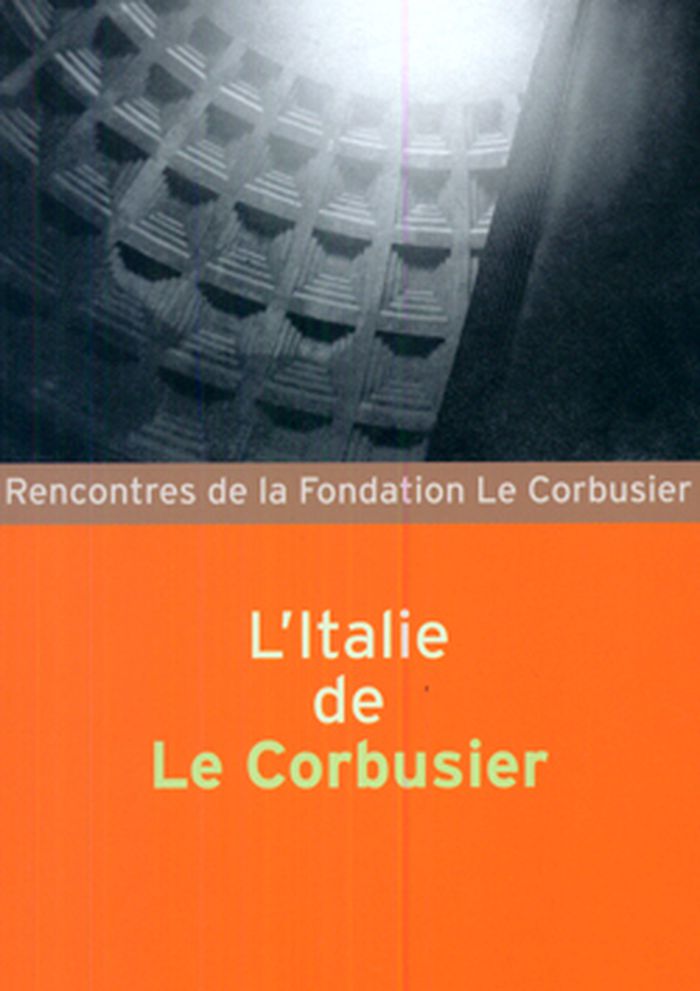
L'Italie de Le Corbusier
L'Italie de Le Corbusier
Actions:
Price:
$50.95
(available to order)
Summary:
A l'occasion du centenaire du premier voyage de Le Corbusier en Italie, la Fondation a organisé sa XVe Rencontre à Rome afin d'évoquer la place tenue par l'Italie dans sa formation artistique et dans la conception de ses projets.
$50.95
(available to order)
Summary:
A l'occasion du centenaire du premier voyage de Le Corbusier en Italie, la Fondation a organisé sa XVe Rencontre à Rome afin d'évoquer la place tenue par l'Italie dans sa formation artistique et dans la conception de ses projets.
Title:
L'Italie de Le Corbusier
Actions:
Price:
$50.95
(available to order)
Summary:
A l'occasion du centenaire du premier voyage de Le Corbusier en Italie, la Fondation a organisé sa XVe Rencontre à Rome afin d'évoquer la place tenue par l'Italie dans sa formation artistique et dans la conception de ses projets.
L'Italie de Le Corbusier
Actions:
Price:
$50.95
(available to order)
Summary:
A l'occasion du centenaire du premier voyage de Le Corbusier en Italie, la Fondation a organisé sa XVe Rencontre à Rome afin d'évoquer la place tenue par l'Italie dans sa formation artistique et dans la conception de ses projets.
Form:
books
books
Publication:
April 2010
April 2010
Subject:
Architecture Monographs
Architecture Monographs
Form:
books
books
Title:
WOHA architects
WOHA architects
Actions:
Price:
$155.00
(available in store)
Summary:
The evolution of WOHA over the last 15 years has taken their practice from private houses and conservation projects in Singapore, through smaller public and commercial developments to their current Asia-wide range of resorts, hotels, apartment towers and large-scale city buildings. This monograph extensively documents all of WOHA’s significant projects (both built and(...)
$155.00
(available in store)
Summary:
The evolution of WOHA over the last 15 years has taken their practice from private houses and conservation projects in Singapore, through smaller public and commercial developments to their current Asia-wide range of resorts, hotels, apartment towers and large-scale city buildings. This monograph extensively documents all of WOHA’s significant projects (both built and(...)
Title:
WOHA architects
Actions:
Price:
$155.00
(available in store)
Summary:
The evolution of WOHA over the last 15 years has taken their practice from private houses and conservation projects in Singapore, through smaller public and commercial developments to their current Asia-wide range of resorts, hotels, apartment towers and large-scale city buildings. This monograph extensively documents all of WOHA’s significant projects (both built and unrealised), through colour photographs, sketches and detailed formal drawings. Also included are essays by Anna Johnson and Leon van Schaik along with personal observations by William Lim and Erwin Viray.
WOHA architects
Actions:
Price:
$155.00
(available in store)
Summary:
The evolution of WOHA over the last 15 years has taken their practice from private houses and conservation projects in Singapore, through smaller public and commercial developments to their current Asia-wide range of resorts, hotels, apartment towers and large-scale city buildings. This monograph extensively documents all of WOHA’s significant projects (both built and unrealised), through colour photographs, sketches and detailed formal drawings. Also included are essays by Anna Johnson and Leon van Schaik along with personal observations by William Lim and Erwin Viray.
Form:
books
books
Publication:
April 2010
April 2010
Subject:
Architecture Monographs
Architecture Monographs
Form:
books
books
Actions:
Price:
$27.95
(available to order)
Summary:
Le célèbre théoricien de l'architecture Yona Friedman explique dans la préface de ce splendide ouvrage son amour pour les licornes car elles n'existent pas, car elles sont femelles, car elles sont muettes.Reconnu internationalement pour ses "utopies réalisables ", Yona Friedman s'amuse depuis des années à imaginer pour les licornes des histoires étranges. Ici, dessins et(...)
$27.95
(available to order)
Summary:
Le célèbre théoricien de l'architecture Yona Friedman explique dans la préface de ce splendide ouvrage son amour pour les licornes car elles n'existent pas, car elles sont femelles, car elles sont muettes.Reconnu internationalement pour ses "utopies réalisables ", Yona Friedman s'amuse depuis des années à imaginer pour les licornes des histoires étranges. Ici, dessins et(...)
Subject:
Architecture Monographs
Architecture Monographs
Publication:
January 2009
January 2009
Title:
Yona Friedman et Jean-Baptiste Decavèle: Etc. Balkis Island
Actions:
Price:
$27.95
(available to order)
Summary:
Le célèbre théoricien de l'architecture Yona Friedman explique dans la préface de ce splendide ouvrage son amour pour les licornes car elles n'existent pas, car elles sont femelles, car elles sont muettes.Reconnu internationalement pour ses "utopies réalisables ", Yona Friedman s'amuse depuis des années à imaginer pour les licornes des histoires étranges. Ici, dessins et textes accompagnent le voyage extraordinaire de Yona Friedman, avec son ami Jean-Baptiste Decavèle, photographe et vidéaste, de son lieu de résidence à Paris jusqu'à l'île de Vassivière pour se terminer à Venise.
Yona Friedman et Jean-Baptiste Decavèle: Etc. Balkis Island
Actions:
Price:
$27.95
(available to order)
Summary:
Le célèbre théoricien de l'architecture Yona Friedman explique dans la préface de ce splendide ouvrage son amour pour les licornes car elles n'existent pas, car elles sont femelles, car elles sont muettes.Reconnu internationalement pour ses "utopies réalisables ", Yona Friedman s'amuse depuis des années à imaginer pour les licornes des histoires étranges. Ici, dessins et textes accompagnent le voyage extraordinaire de Yona Friedman, avec son ami Jean-Baptiste Decavèle, photographe et vidéaste, de son lieu de résidence à Paris jusqu'à l'île de Vassivière pour se terminer à Venise.
Form:
books
books
Publication:
January 2009
January 2009
Subject:
Architecture Monographs
Architecture Monographs
Form:
books
books
Title:
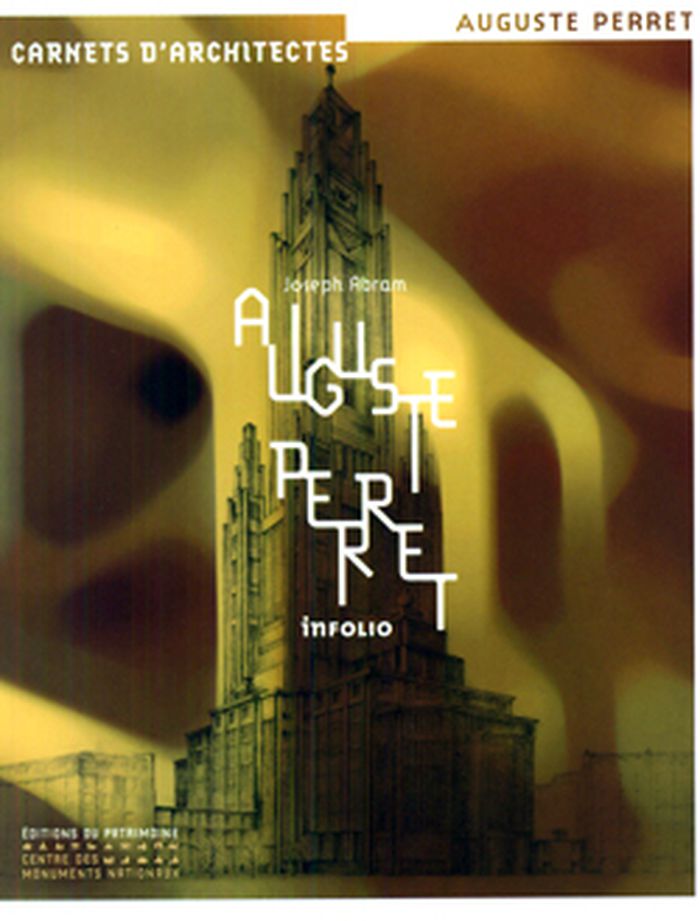
Auguste Perret
Auguste Perret
Actions:
Price:
$39.95
(available to order)
Summary:
Architecte et entrepreneur, Perret a joué un rôle de premier plan dans la définition d'une esthétique spécifique au béton armé. À travers ses édifices savants et rigoureux comme à travers ses écrits théoriques et son enseignement, il a exercé une influence considérable jusqu'à la fin des années 1950. Dans cette monographie, l'auteur s'attache à l'analyse des oeuvres(...)
$39.95
(available to order)
Summary:
Architecte et entrepreneur, Perret a joué un rôle de premier plan dans la définition d'une esthétique spécifique au béton armé. À travers ses édifices savants et rigoureux comme à travers ses écrits théoriques et son enseignement, il a exercé une influence considérable jusqu'à la fin des années 1950. Dans cette monographie, l'auteur s'attache à l'analyse des oeuvres(...)
Title:
Auguste Perret
Actions:
Price:
$39.95
(available to order)
Summary:
Architecte et entrepreneur, Perret a joué un rôle de premier plan dans la définition d'une esthétique spécifique au béton armé. À travers ses édifices savants et rigoureux comme à travers ses écrits théoriques et son enseignement, il a exercé une influence considérable jusqu'à la fin des années 1950. Dans cette monographie, l'auteur s'attache à l'analyse des oeuvres majeures construites à Paris avant 1940, qu'elles appartiennent au domaine privé public. L'immeuble de la rue Franklin, le théâtre des Champs-Elysées, l'église du Raincy, la salle Cortot, le Mobilier national et le musée des Travaux publics révèlent l'originalité tant que la modernité de la pensée créative de cet intellectuel constructeur.
Auguste Perret
Actions:
Price:
$39.95
(available to order)
Summary:
Architecte et entrepreneur, Perret a joué un rôle de premier plan dans la définition d'une esthétique spécifique au béton armé. À travers ses édifices savants et rigoureux comme à travers ses écrits théoriques et son enseignement, il a exercé une influence considérable jusqu'à la fin des années 1950. Dans cette monographie, l'auteur s'attache à l'analyse des oeuvres majeures construites à Paris avant 1940, qu'elles appartiennent au domaine privé public. L'immeuble de la rue Franklin, le théâtre des Champs-Elysées, l'église du Raincy, la salle Cortot, le Mobilier national et le musée des Travaux publics révèlent l'originalité tant que la modernité de la pensée créative de cet intellectuel constructeur.
Form:
books
books
Publication:
March 2010
March 2010
Subject:
Architecture Monographs
Architecture Monographs
Form:
books
books
Title:
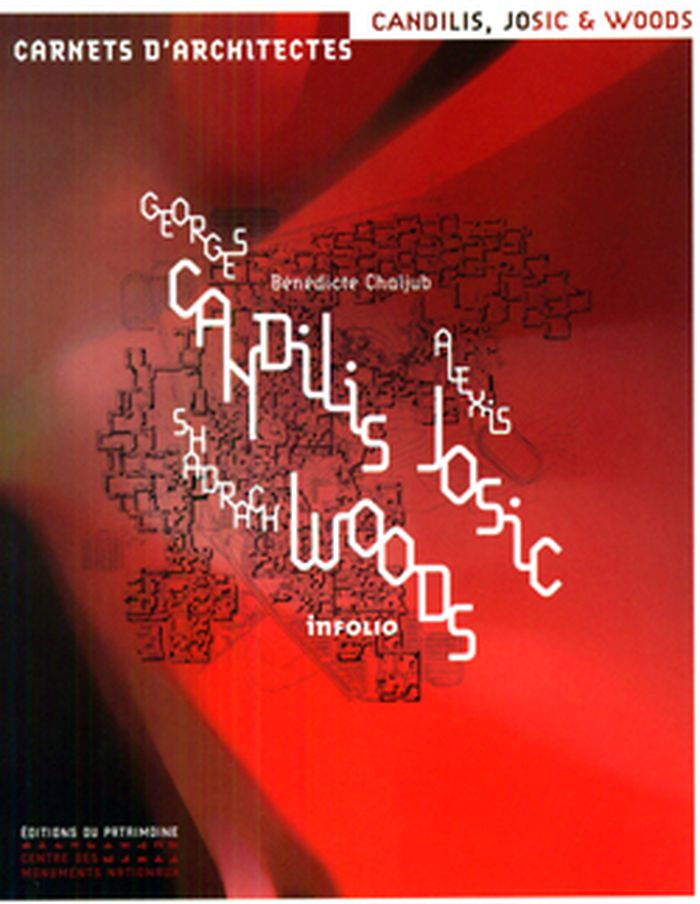
Candilis, Josic & Woods
Candilis, Josic & Woods
Actions:
Price:
$39.95
(available to order)
Summary:
En une dizaine d'années d'exercice, ces trois architectes, installés en France ont, à la fois tenté de poser les bases théoriques d'une critique du fonctionnalisme et, avec d'innombrables chantiers, mis en application à grande échelle les principes d'une architecture dite "évolutive". Cet ouvrage propose, à travers l'étude de réalisations emblématiques dans l'histoire du(...)
$39.95
(available to order)
Summary:
En une dizaine d'années d'exercice, ces trois architectes, installés en France ont, à la fois tenté de poser les bases théoriques d'une critique du fonctionnalisme et, avec d'innombrables chantiers, mis en application à grande échelle les principes d'une architecture dite "évolutive". Cet ouvrage propose, à travers l'étude de réalisations emblématiques dans l'histoire du(...)
Title:
Candilis, Josic & Woods
Actions:
Price:
$39.95
(available to order)
Summary:
En une dizaine d'années d'exercice, ces trois architectes, installés en France ont, à la fois tenté de poser les bases théoriques d'une critique du fonctionnalisme et, avec d'innombrables chantiers, mis en application à grande échelle les principes d'une architecture dite "évolutive". Cet ouvrage propose, à travers l'étude de réalisations emblématiques dans l'histoire du logement et de l'équipement de masse (Bagnols-sur-Cèze, Toulouse Le Mirail, l'Université libre de Berlin), un nouveau regard sur l'oeuvre de cette agence, longtemps incarnée par la figure très médiatique de Georges Candi
Candilis, Josic & Woods
Actions:
Price:
$39.95
(available to order)
Summary:
En une dizaine d'années d'exercice, ces trois architectes, installés en France ont, à la fois tenté de poser les bases théoriques d'une critique du fonctionnalisme et, avec d'innombrables chantiers, mis en application à grande échelle les principes d'une architecture dite "évolutive". Cet ouvrage propose, à travers l'étude de réalisations emblématiques dans l'histoire du logement et de l'équipement de masse (Bagnols-sur-Cèze, Toulouse Le Mirail, l'Université libre de Berlin), un nouveau regard sur l'oeuvre de cette agence, longtemps incarnée par la figure très médiatique de Georges Candi
Form:
books
books
Publication:
March 2010
March 2010
Subject:
Architecture Monographs
Architecture Monographs
Form:
books
books
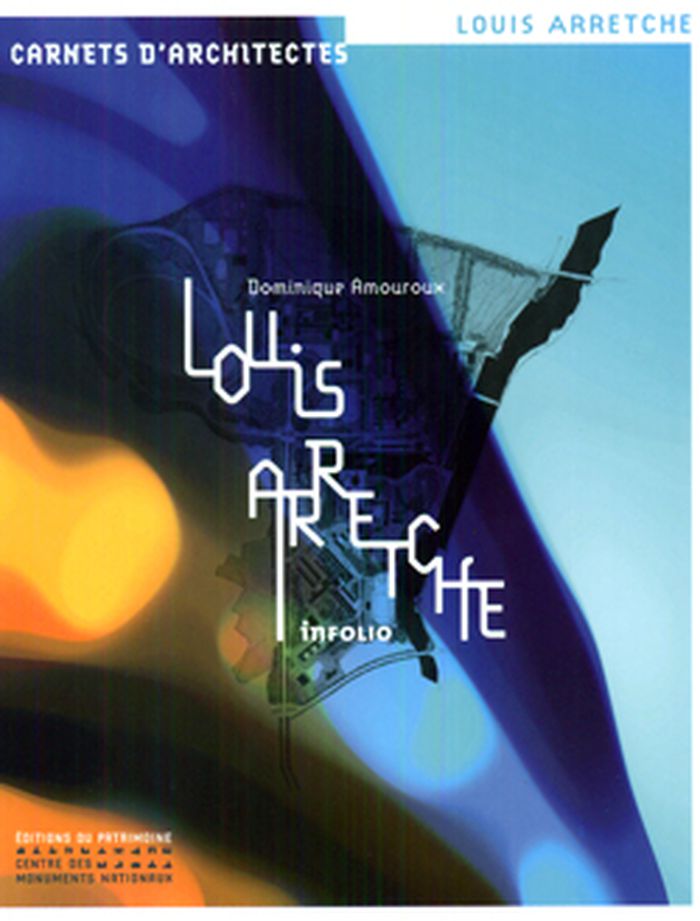
Title:
Louis Arretche
Louis Arretche
Actions:
Price:
$39.95
(available in store)
Summary:
Premier ouvrage jamais publié sur l'oeuvre d'Arretche, cette monographie convie à la découverte d'un architecte prolixe, impliqué dans tous les grands chantiers de la seconde moitié du XXe siècle : la reconstruction, la rénovation et l'extension des villes, l'édification de campus et d'infrastructures électroniques, la société des loisirs, le renforcement des équipements(...)
$39.95
(available in store)
Summary:
Premier ouvrage jamais publié sur l'oeuvre d'Arretche, cette monographie convie à la découverte d'un architecte prolixe, impliqué dans tous les grands chantiers de la seconde moitié du XXe siècle : la reconstruction, la rénovation et l'extension des villes, l'édification de campus et d'infrastructures électroniques, la société des loisirs, le renforcement des équipements(...)
Title:
Louis Arretche
Actions:
Price:
$39.95
(available in store)
Summary:
Premier ouvrage jamais publié sur l'oeuvre d'Arretche, cette monographie convie à la découverte d'un architecte prolixe, impliqué dans tous les grands chantiers de la seconde moitié du XXe siècle : la reconstruction, la rénovation et l'extension des villes, l'édification de campus et d'infrastructures électroniques, la société des loisirs, le renforcement des équipements urbains... C'est depuis Paris, où il enseignait, qu'il a fait rayonner pleinement son influence en tant qu'architecte et urbaniste sur de nombreuses régions dont la Bretagne.
Louis Arretche
Actions:
Price:
$39.95
(available in store)
Summary:
Premier ouvrage jamais publié sur l'oeuvre d'Arretche, cette monographie convie à la découverte d'un architecte prolixe, impliqué dans tous les grands chantiers de la seconde moitié du XXe siècle : la reconstruction, la rénovation et l'extension des villes, l'édification de campus et d'infrastructures électroniques, la société des loisirs, le renforcement des équipements urbains... C'est depuis Paris, où il enseignait, qu'il a fait rayonner pleinement son influence en tant qu'architecte et urbaniste sur de nombreuses régions dont la Bretagne.
Form:
books
books
Publication:
March 2010
March 2010
Subject:
Architecture Monographs
Architecture Monographs
Form:
books
books
Actions:
Price:
$78.00
(available in store)
Summary:
The book examines lessons offered by Le Corbusier s architecture and planning of India s model city, Chandigarh, from today's perspective
$78.00
(available in store)
Summary:
The book examines lessons offered by Le Corbusier s architecture and planning of India s model city, Chandigarh, from today's perspective
Subject:
Architecture Monographs
Architecture Monographs
Publication:
April 2010
April 2010
Title:
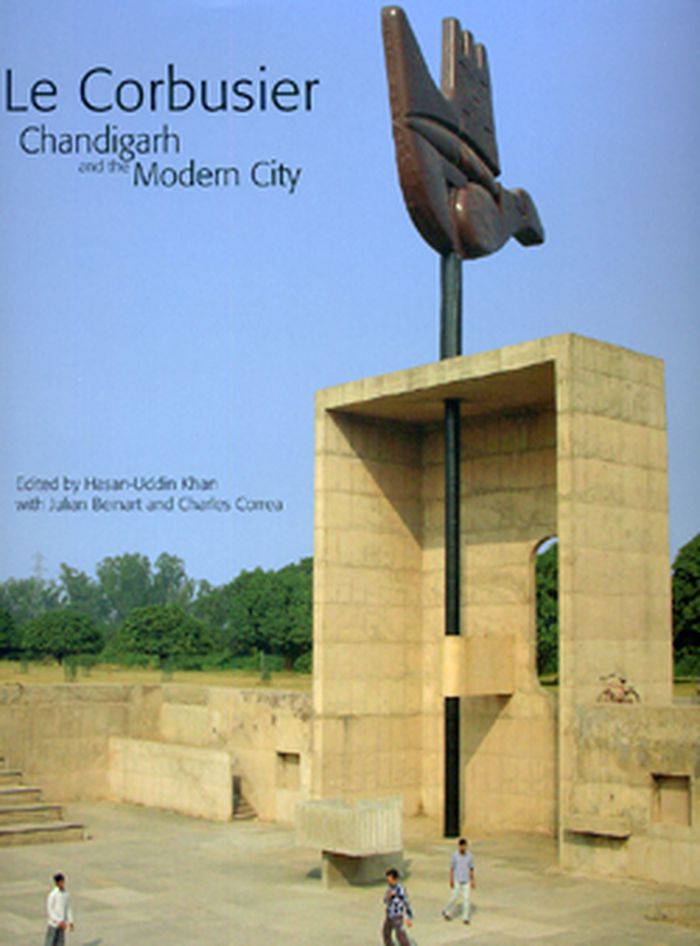
Le Corbusier: Chandigarh and the Modern city
Actions:
Price:
$78.00
(available in store)
Summary:
The book examines lessons offered by Le Corbusier s architecture and planning of India s model city, Chandigarh, from today's perspective
Le Corbusier: Chandigarh and the Modern city
Actions:
Price:
$78.00
(available in store)
Summary:
The book examines lessons offered by Le Corbusier s architecture and planning of India s model city, Chandigarh, from today's perspective
Form:
books
books
Publication:
April 2010
April 2010
Subject:
Architecture Monographs
Architecture Monographs
Form:
books
books
Actions:
Price:
$18.00
(available to order)
Summary:
Ecoinfrastructure is the continuous green subculture which runs throughout a building integrating inorganic mass with the organic content of the green ecoinfrastructure, imitating the balance of biotic with the abiotic constituents present in an ecosystem. The approach imitates an ecosystem in nature. The ecoinfrastructure may consist of several ecological(...)
$18.00
(available to order)
Summary:
Ecoinfrastructure is the continuous green subculture which runs throughout a building integrating inorganic mass with the organic content of the green ecoinfrastructure, imitating the balance of biotic with the abiotic constituents present in an ecosystem. The approach imitates an ecosystem in nature. The ecoinfrastructure may consist of several ecological(...)
Title:
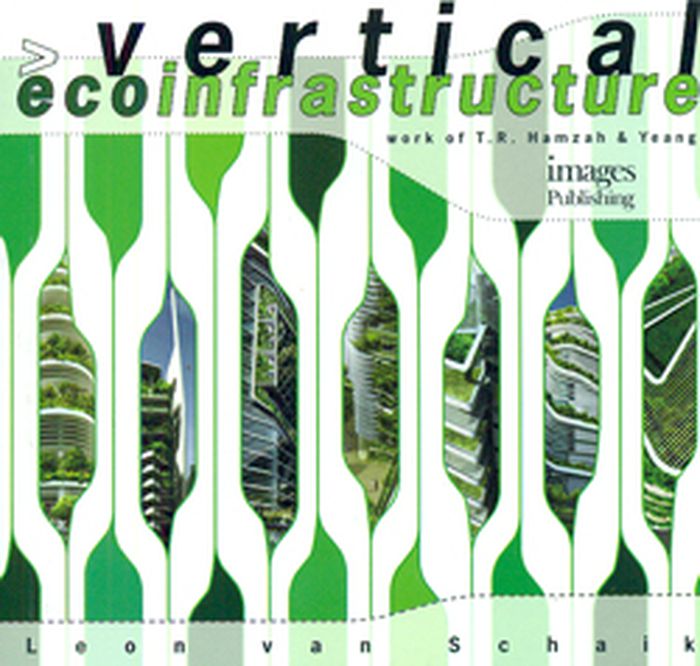
Vertical ecoinfrastructure: the work of T.R. Hamzah & Yeang
Actions:
Price:
$18.00
(available to order)
Summary:
Ecoinfrastructure is the continuous green subculture which runs throughout a building integrating inorganic mass with the organic content of the green ecoinfrastructure, imitating the balance of biotic with the abiotic constituents present in an ecosystem. The approach imitates an ecosystem in nature. The ecoinfrastructure may consist of several ecological components and devices, such as ecocells, vegetated ramps, vertical green walls, green sky-courts, roof gardens, and terraces.
Vertical ecoinfrastructure: the work of T.R. Hamzah & Yeang
Actions:
Price:
$18.00
(available to order)
Summary:
Ecoinfrastructure is the continuous green subculture which runs throughout a building integrating inorganic mass with the organic content of the green ecoinfrastructure, imitating the balance of biotic with the abiotic constituents present in an ecosystem. The approach imitates an ecosystem in nature. The ecoinfrastructure may consist of several ecological components and devices, such as ecocells, vegetated ramps, vertical green walls, green sky-courts, roof gardens, and terraces.
Form:
books
books
Publication:
April 2010
April 2010
Subject:
Architecture Monographs
Architecture Monographs
Form:
books
books
Actions:
Price:
$84.95
(available to order)
Summary:
Yoshiji Takehara set up his own practice Moo Architect Workshop in 1978 after apprenticing under Osamu Ishii. He has focused on designing houses and built approximately 150 individual residences and collective residences in the last thirty years. Projects included are Okawa House, Kishiwada House, Hieidaira House, Nukata House, House No.101, Horai Atelier Kuro and many(...)
$84.95
(available to order)
Summary:
Yoshiji Takehara set up his own practice Moo Architect Workshop in 1978 after apprenticing under Osamu Ishii. He has focused on designing houses and built approximately 150 individual residences and collective residences in the last thirty years. Projects included are Okawa House, Kishiwada House, Hieidaira House, Nukata House, House No.101, Horai Atelier Kuro and many(...)
Subject:
Architecture Monographs
Architecture Monographs
Publication:
May 2010
May 2010
Title:
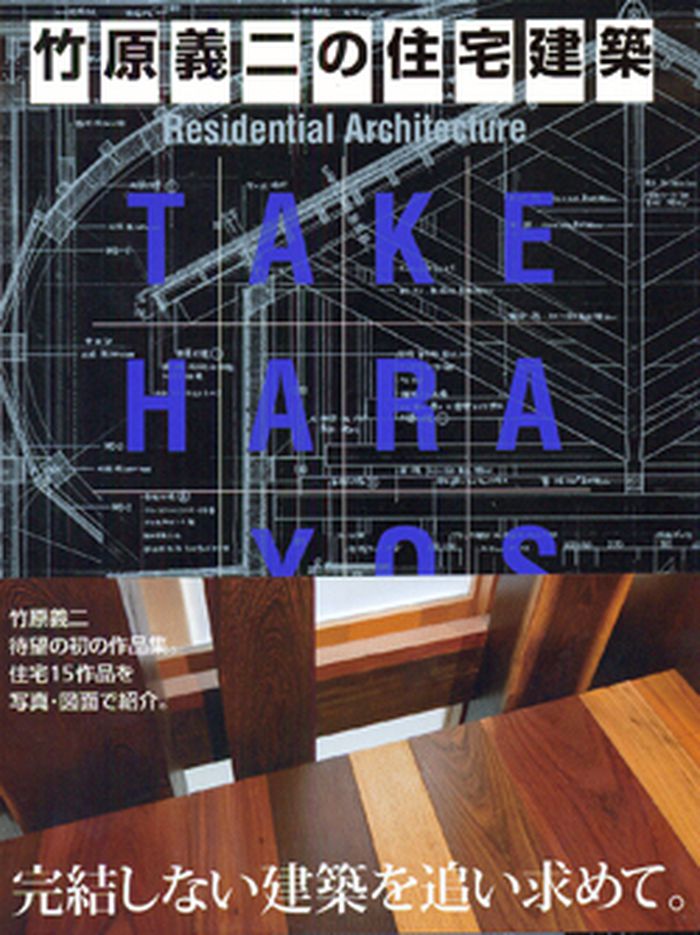
Yoshiji Takehara: residential architecture
Actions:
Price:
$84.95
(available to order)
Summary:
Yoshiji Takehara set up his own practice Moo Architect Workshop in 1978 after apprenticing under Osamu Ishii. He has focused on designing houses and built approximately 150 individual residences and collective residences in the last thirty years. Projects included are Okawa House, Kishiwada House, Hieidaira House, Nukata House, House No.101, Horai Atelier Kuro and many others. Essays by Terunobu Fujimori, Yoshiaki Hanada and Yoshiji Takehara himself.
Yoshiji Takehara: residential architecture
Actions:
Price:
$84.95
(available to order)
Summary:
Yoshiji Takehara set up his own practice Moo Architect Workshop in 1978 after apprenticing under Osamu Ishii. He has focused on designing houses and built approximately 150 individual residences and collective residences in the last thirty years. Projects included are Okawa House, Kishiwada House, Hieidaira House, Nukata House, House No.101, Horai Atelier Kuro and many others. Essays by Terunobu Fujimori, Yoshiaki Hanada and Yoshiji Takehara himself.
Form:
books
books
Publication:
May 2010
May 2010
Subject:
Architecture Monographs
Architecture Monographs
Form:
books
books
Actions:
Price:
$79.00
(available to order)
Summary:
Yoshiharu Tsukamoto and Momoyo Kaijima of Atelier Bow-Wow have built a career confronting the challenges posed by dense urban environments. Their city houses—enclosed in vibrant, idiosyncratic forms—are distinguished by their capacity to accommodate the changing needs of the occupants. A basic feature is the permeability of interior spaces, where public and the more(...)
$79.00
(available to order)
Summary:
Yoshiharu Tsukamoto and Momoyo Kaijima of Atelier Bow-Wow have built a career confronting the challenges posed by dense urban environments. Their city houses—enclosed in vibrant, idiosyncratic forms—are distinguished by their capacity to accommodate the changing needs of the occupants. A basic feature is the permeability of interior spaces, where public and the more(...)
Title:
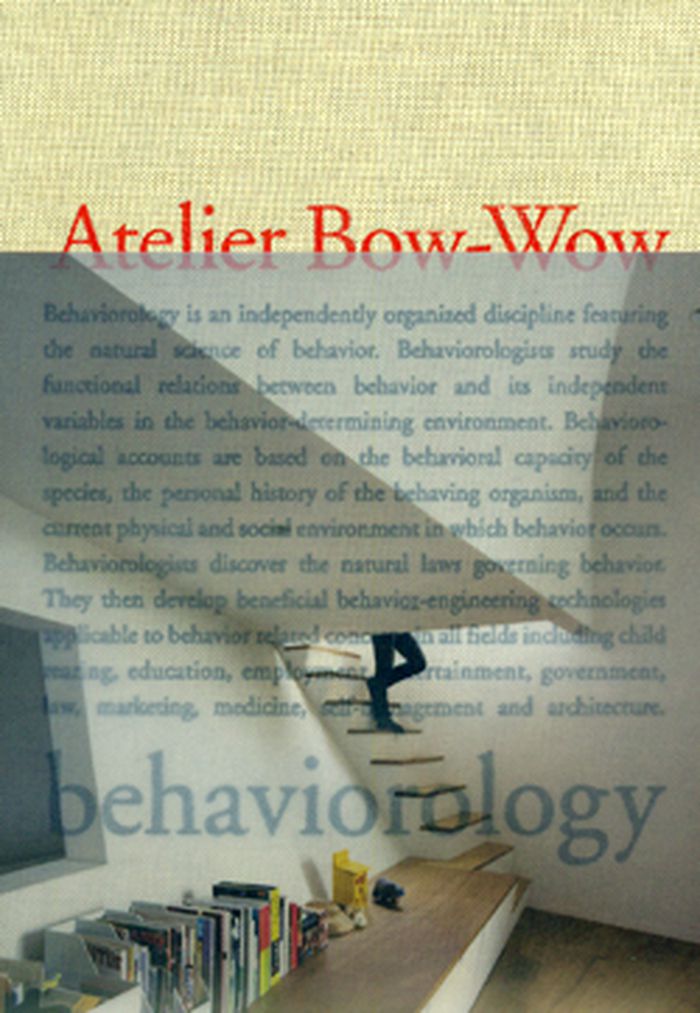
Atelier Bow-Wow: behaviorology
Actions:
Price:
$79.00
(available to order)
Summary:
Yoshiharu Tsukamoto and Momoyo Kaijima of Atelier Bow-Wow have built a career confronting the challenges posed by dense urban environments. Their city houses—enclosed in vibrant, idiosyncratic forms—are distinguished by their capacity to accommodate the changing needs of the occupants. A basic feature is the permeability of interior spaces, where public and the more intimate places co-mingle, often in vertical structures with a total floor area that rarely exceeds 200 square meters. Atelier Bow-Wow has a dedicated research division that has published a number of treatises on vernacular architecture. This book will feature their newest research, including plans, as well as explorations on mobile or portable projects. The book includes key projects such as the Mini House, The Sway House, the Juicy House, House and Atelier Bow-Wow, the House Tower, and the Aco House.
Atelier Bow-Wow: behaviorology
Actions:
Price:
$79.00
(available to order)
Summary:
Yoshiharu Tsukamoto and Momoyo Kaijima of Atelier Bow-Wow have built a career confronting the challenges posed by dense urban environments. Their city houses—enclosed in vibrant, idiosyncratic forms—are distinguished by their capacity to accommodate the changing needs of the occupants. A basic feature is the permeability of interior spaces, where public and the more intimate places co-mingle, often in vertical structures with a total floor area that rarely exceeds 200 square meters. Atelier Bow-Wow has a dedicated research division that has published a number of treatises on vernacular architecture. This book will feature their newest research, including plans, as well as explorations on mobile or portable projects. The book includes key projects such as the Mini House, The Sway House, the Juicy House, House and Atelier Bow-Wow, the House Tower, and the Aco House.
Form:
books
books
Publication:
May 2010
May 2010
Subject:
Architecture Monographs
Architecture Monographs


