


125 Results
Form:
books
books
Actions:
Price:
$86.00
(available to order)
Summary:
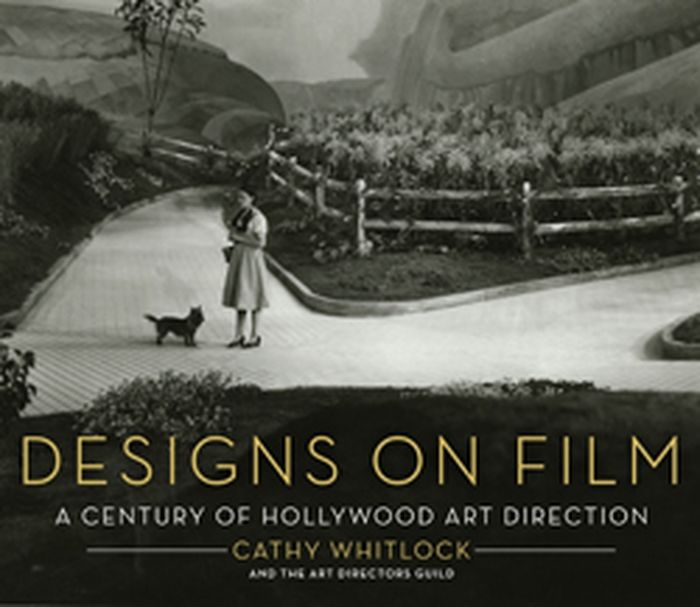
Drawing on insights from the most prominent Hollywood production designers and the historical knowledge of the venerable Art Directors Guild, Designs on Filmdelves into the detailed process of how sets are imagined, drawn, built, and decorated.
$86.00
(available to order)
Summary:
Drawing on insights from the most prominent Hollywood production designers and the historical knowledge of the venerable Art Directors Guild, Designs on Filmdelves into the detailed process of how sets are imagined, drawn, built, and decorated.
Title:
Designs on film: A century of Hollywood art direction
Actions:
Price:
$86.00
(available to order)
Summary:
Drawing on insights from the most prominent Hollywood production designers and the historical knowledge of the venerable Art Directors Guild, Designs on Filmdelves into the detailed process of how sets are imagined, drawn, built, and decorated.
Designs on film: A century of Hollywood art direction
Actions:
Price:
$86.00
(available to order)
Summary:
Drawing on insights from the most prominent Hollywood production designers and the historical knowledge of the venerable Art Directors Guild, Designs on Filmdelves into the detailed process of how sets are imagined, drawn, built, and decorated.
Form:
books
books
Publication:
December 2010
December 2010
Subject:
Architecture and Film, Set Design
Architecture and Film, Set Design
Form:
books
books
Actions:
Price:
$27.95
(available to order)
Summary:
Rethinking the significance of films including "Pillow Talk," "Rear Window," and "The Seven Year Itch," Pamela Robertson Wojcik examines the popularity of the "apartment plot," her term for stories in which the apartment functions as a central narrative device. From the baby boom years into the 1970s, the apartment plot was not only key to films; it also surfaced in TV(...)
$27.95
(available to order)
Summary:
Rethinking the significance of films including "Pillow Talk," "Rear Window," and "The Seven Year Itch," Pamela Robertson Wojcik examines the popularity of the "apartment plot," her term for stories in which the apartment functions as a central narrative device. From the baby boom years into the 1970s, the apartment plot was not only key to films; it also surfaced in TV(...)
Subject:
Architecture and Film, Set Design
Architecture and Film, Set Design
Publication:
November 2010
November 2010
Title:
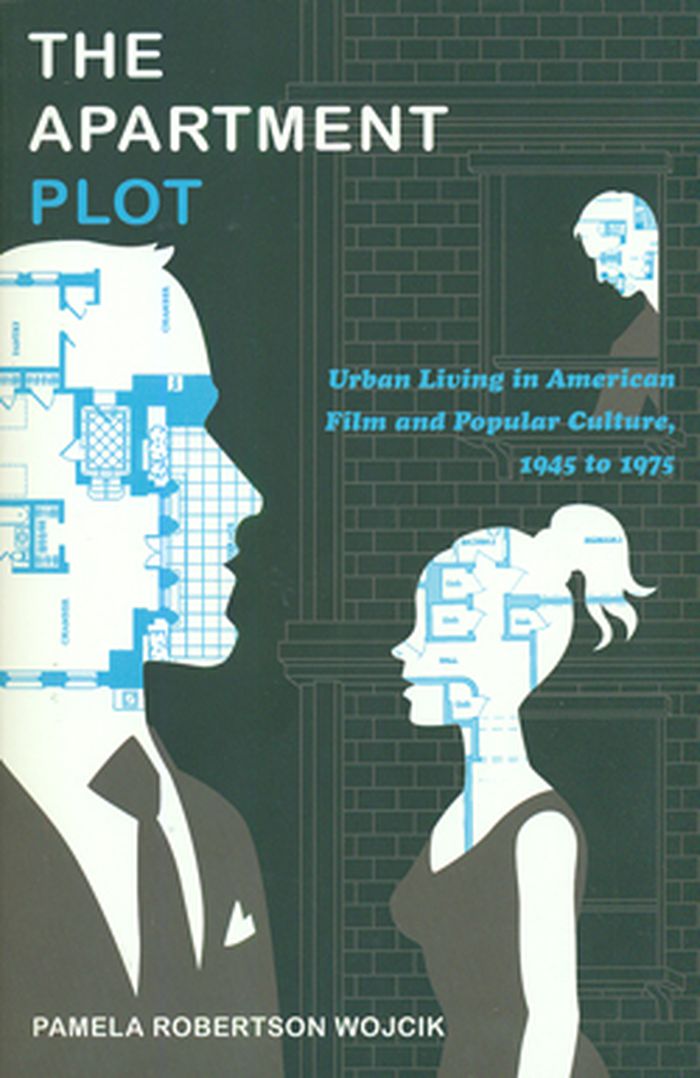
The apartment plot : urban living in American film and popular culture, 1945 to 1975
Actions:
Price:
$27.95
(available to order)
Summary:
Rethinking the significance of films including "Pillow Talk," "Rear Window," and "The Seven Year Itch," Pamela Robertson Wojcik examines the popularity of the "apartment plot," her term for stories in which the apartment functions as a central narrative device. From the baby boom years into the 1970s, the apartment plot was not only key to films; it also surfaced in TV shows, Broadway plays, literature, and comic strips, from "The Honeymooners" and" The Mary Tyler Moore Show "to" Subways are for Sleeping "and" Apartment 3-G." By identifying the apartment plot as a film genre, Wojcik reveals affinities between movies generally viewed as belonging to such distinct genres as film noir, romantic comedy, and melodrama. She analyzes the apartment plot as part of a mid-twentieth-century urban discourse, showing how it offers a vision of home centered on values of community, visibility, contact, mobility, impermanence, and porousness that contrasts with views of home as private, stable, and family-based.
The apartment plot : urban living in American film and popular culture, 1945 to 1975
Actions:
Price:
$27.95
(available to order)
Summary:
Rethinking the significance of films including "Pillow Talk," "Rear Window," and "The Seven Year Itch," Pamela Robertson Wojcik examines the popularity of the "apartment plot," her term for stories in which the apartment functions as a central narrative device. From the baby boom years into the 1970s, the apartment plot was not only key to films; it also surfaced in TV shows, Broadway plays, literature, and comic strips, from "The Honeymooners" and" The Mary Tyler Moore Show "to" Subways are for Sleeping "and" Apartment 3-G." By identifying the apartment plot as a film genre, Wojcik reveals affinities between movies generally viewed as belonging to such distinct genres as film noir, romantic comedy, and melodrama. She analyzes the apartment plot as part of a mid-twentieth-century urban discourse, showing how it offers a vision of home centered on values of community, visibility, contact, mobility, impermanence, and porousness that contrasts with views of home as private, stable, and family-based.
Form:
books
books
Publication:
November 2010
November 2010
Subject:
Architecture and Film, Set Design
Architecture and Film, Set Design
Form:
books
books
Actions:
Price:
$32.95
(available to order)
Summary:
Dystopic imagery has figured prominently in modern depictions of the urban landscape. The city is often portrayed as a terrifying world of darkness, crisis, and catastrophe. Noir Urbanisms traces the history of the modern city through its critical representations in art, cinema, print journalism, literature, sociology, and architecture. It focuses on visual forms of(...)
$32.95
(available to order)
Summary:
Dystopic imagery has figured prominently in modern depictions of the urban landscape. The city is often portrayed as a terrifying world of darkness, crisis, and catastrophe. Noir Urbanisms traces the history of the modern city through its critical representations in art, cinema, print journalism, literature, sociology, and architecture. It focuses on visual forms of(...)
Title:
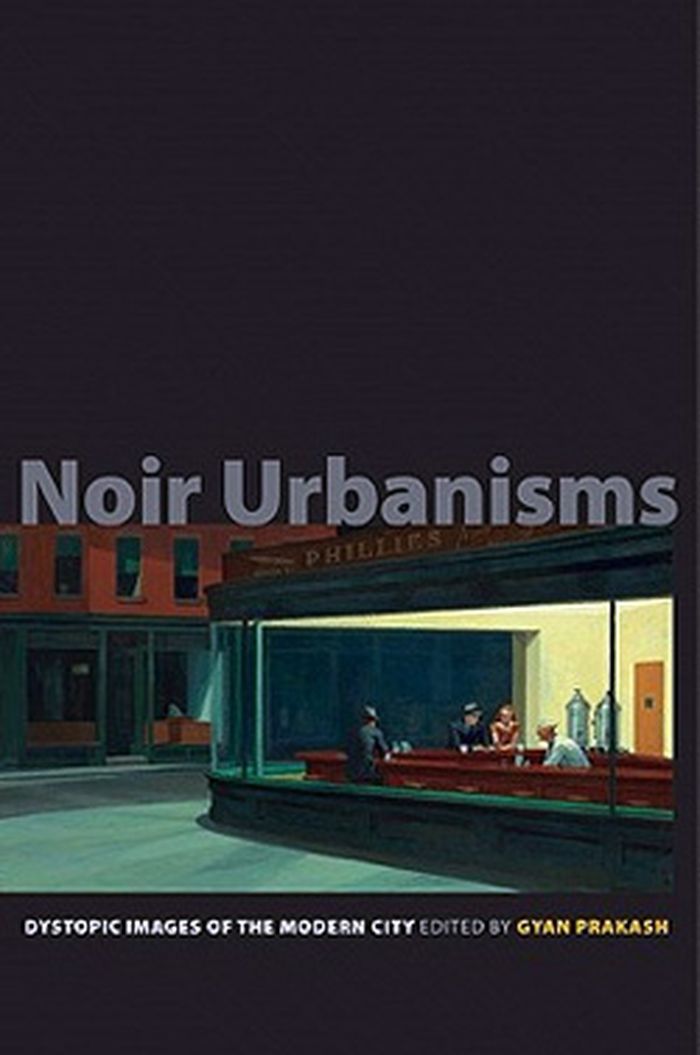
Noir urbanisms: Dystopic images of the modern city
Actions:
Price:
$32.95
(available to order)
Summary:
Dystopic imagery has figured prominently in modern depictions of the urban landscape. The city is often portrayed as a terrifying world of darkness, crisis, and catastrophe. Noir Urbanisms traces the history of the modern city through its critical representations in art, cinema, print journalism, literature, sociology, and architecture. It focuses on visual forms of dystopic representation--because the history of the modern city is inseparable from the production and circulation of images--and examines their strengths and limits as urban criticism. Contributors explore dystopic images of the modern city in Germany, Mexico, Japan, India, South Africa, China, and the United States. Their topics include Weimar representations of urban dystopia in Fritz Lang's 1927 film Metropolis; 1960s modernist architecture in Mexico City; Hollywood film noir of the 1940s and 1950s; the recurring fictional destruction of Tokyo in postwar Japan's sci-fi doom culture; the urban fringe in Bombay cinema; fictional explorations of urban dystopia in postapartheid Johannesburg; and Delhi's out-of-control and media-saturated urbanism in the 1980s and 1990s. What emerges in Noir Urbanisms is the unsettling and disorienting alchemy between dark representations and the modern urban experience.
Noir urbanisms: Dystopic images of the modern city
Actions:
Price:
$32.95
(available to order)
Summary:
Dystopic imagery has figured prominently in modern depictions of the urban landscape. The city is often portrayed as a terrifying world of darkness, crisis, and catastrophe. Noir Urbanisms traces the history of the modern city through its critical representations in art, cinema, print journalism, literature, sociology, and architecture. It focuses on visual forms of dystopic representation--because the history of the modern city is inseparable from the production and circulation of images--and examines their strengths and limits as urban criticism. Contributors explore dystopic images of the modern city in Germany, Mexico, Japan, India, South Africa, China, and the United States. Their topics include Weimar representations of urban dystopia in Fritz Lang's 1927 film Metropolis; 1960s modernist architecture in Mexico City; Hollywood film noir of the 1940s and 1950s; the recurring fictional destruction of Tokyo in postwar Japan's sci-fi doom culture; the urban fringe in Bombay cinema; fictional explorations of urban dystopia in postapartheid Johannesburg; and Delhi's out-of-control and media-saturated urbanism in the 1980s and 1990s. What emerges in Noir Urbanisms is the unsettling and disorienting alchemy between dark representations and the modern urban experience.
Form:
books
books
Publication:
October 2010
October 2010
Subject:
Architecture and Film, Set Design
Architecture and Film, Set Design
Form:
books
books
Actions:
Price:
$36.00
(available to order)
Summary:
In the tradition of "Paris, Texas" and "Faraway, So Close", the texts and pictures in this publication weave ambiguous and moving narratives in fits of rhythmic prose and inventive imagery. Prefaced by Wenders' poetic meditations on the metaphysics of photography and film, the book consists of short, autobiographical sketches relating Wenders' experiences — both(...)
$36.00
(available to order)
Summary:
In the tradition of "Paris, Texas" and "Faraway, So Close", the texts and pictures in this publication weave ambiguous and moving narratives in fits of rhythmic prose and inventive imagery. Prefaced by Wenders' poetic meditations on the metaphysics of photography and film, the book consists of short, autobiographical sketches relating Wenders' experiences — both(...)
Publication:
October 2010
October 2010
Title:
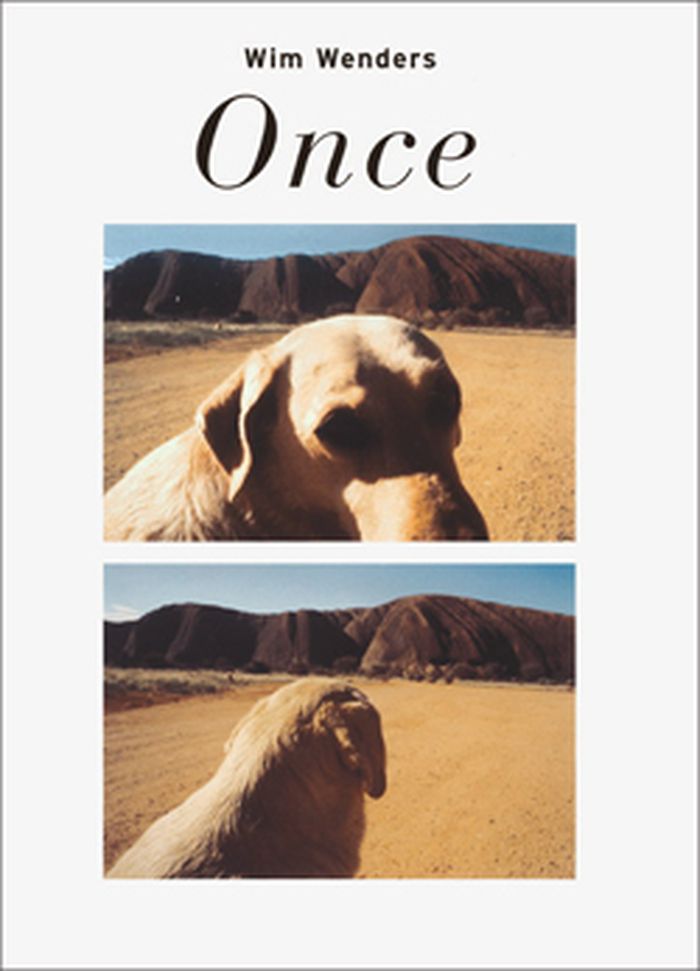
Wim Wenders : once, pictures and stories
Actions:
Price:
$36.00
(available to order)
Summary:
In the tradition of "Paris, Texas" and "Faraway, So Close", the texts and pictures in this publication weave ambiguous and moving narratives in fits of rhythmic prose and inventive imagery. Prefaced by Wenders' poetic meditations on the metaphysics of photography and film, the book consists of short, autobiographical sketches relating Wenders' experiences — both meaningful and apparently trivial — on his trips across the world scouting locations for his films, as well as photographs taken during these excursions. The result is at once travel diary, photo album, and a series of short films or short stories — revealing the views and sentiments of an auteur inspired by the poetry of the eye and the melody of speech.
Wim Wenders : once, pictures and stories
Actions:
Price:
$36.00
(available to order)
Summary:
In the tradition of "Paris, Texas" and "Faraway, So Close", the texts and pictures in this publication weave ambiguous and moving narratives in fits of rhythmic prose and inventive imagery. Prefaced by Wenders' poetic meditations on the metaphysics of photography and film, the book consists of short, autobiographical sketches relating Wenders' experiences — both meaningful and apparently trivial — on his trips across the world scouting locations for his films, as well as photographs taken during these excursions. The result is at once travel diary, photo album, and a series of short films or short stories — revealing the views and sentiments of an auteur inspired by the poetry of the eye and the melody of speech.
Form:
books
books
Publication:
October 2010
October 2010
Form:
books
books
Actions:
Price:
$39.95
(available to order)
Summary:
Divisé en quatre chapitres, "Aux limites du cinéma", "Histoires d'interactivité", "Des formes d'un autre cinéma", "Une esthétique des informations", cet ouvrage donne la parole à des artistes, des philosophes, des critiques, des théoriciens et des scientifiques reconnus qui tous, partant du cinéma, en imaginent les nouvelles voies.
$39.95
(available to order)
Summary:
Divisé en quatre chapitres, "Aux limites du cinéma", "Histoires d'interactivité", "Des formes d'un autre cinéma", "Une esthétique des informations", cet ouvrage donne la parole à des artistes, des philosophes, des critiques, des théoriciens et des scientifiques reconnus qui tous, partant du cinéma, en imaginent les nouvelles voies.
Publication:
November 2014
November 2014
Title:
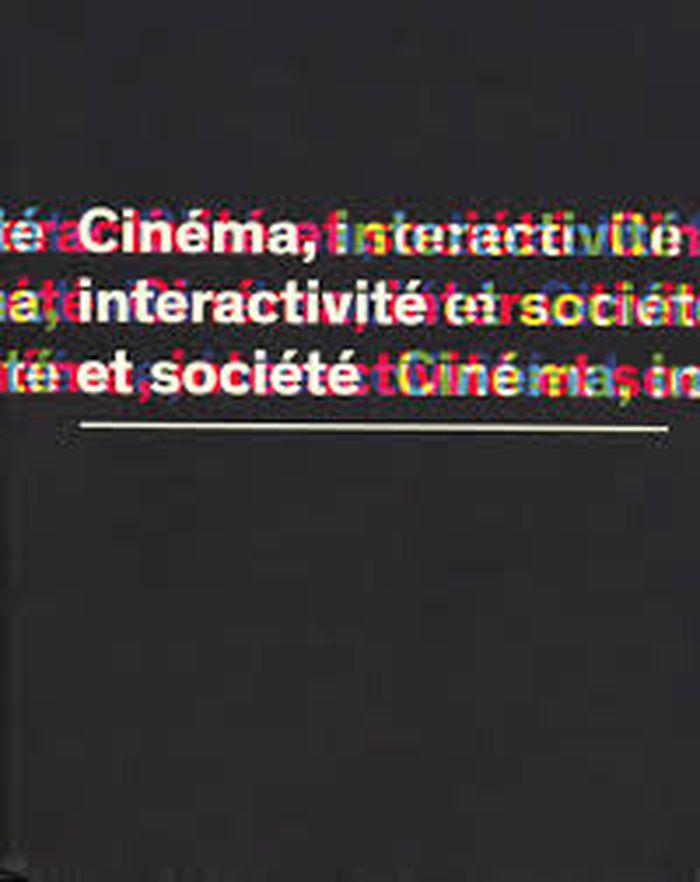
Cinéma, interactivité et société
Actions:
Price:
$39.95
(available to order)
Summary:
Divisé en quatre chapitres, "Aux limites du cinéma", "Histoires d'interactivité", "Des formes d'un autre cinéma", "Une esthétique des informations", cet ouvrage donne la parole à des artistes, des philosophes, des critiques, des théoriciens et des scientifiques reconnus qui tous, partant du cinéma, en imaginent les nouvelles voies.
Cinéma, interactivité et société
Actions:
Price:
$39.95
(available to order)
Summary:
Divisé en quatre chapitres, "Aux limites du cinéma", "Histoires d'interactivité", "Des formes d'un autre cinéma", "Une esthétique des informations", cet ouvrage donne la parole à des artistes, des philosophes, des critiques, des théoriciens et des scientifiques reconnus qui tous, partant du cinéma, en imaginent les nouvelles voies.
Form:
books
books
Publication:
November 2014
November 2014
Form:
books
books
Actions:
Price:
$34.95
(available to order)
Summary:
La façon de concevoir l’espace et les déplacements ne se révèle pas uniquement en scrutant des plans et des cartes : cela exige de saisir l’imaginaire sous-jacent, la représentation de ce qu’est et devrait être la ville, la banlieue ou la campagne, les identités spatiales et l’appropriation de l’espace, dans leur dimension de mémoire et de projet. Les œuvres de création(...)
$34.95
(available to order)
Summary:
La façon de concevoir l’espace et les déplacements ne se révèle pas uniquement en scrutant des plans et des cartes : cela exige de saisir l’imaginaire sous-jacent, la représentation de ce qu’est et devrait être la ville, la banlieue ou la campagne, les identités spatiales et l’appropriation de l’espace, dans leur dimension de mémoire et de projet. Les œuvres de création(...)
Publication:
March 2015
March 2015
Title:
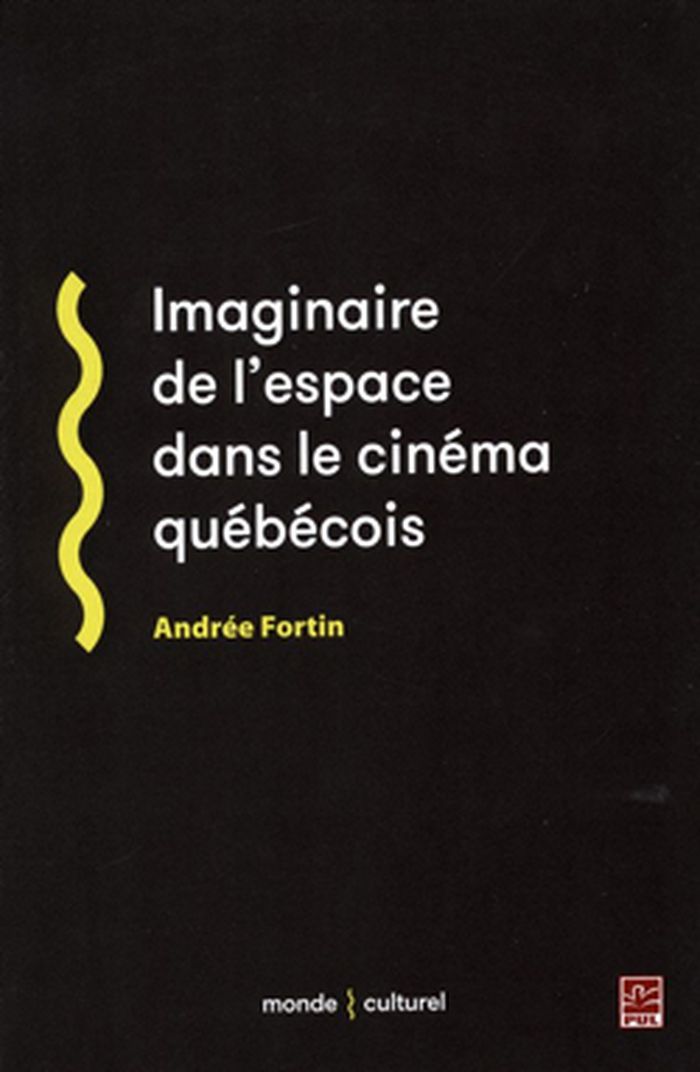
Imaginaire de l'espace dans le cinéma québécois
Actions:
Price:
$34.95
(available to order)
Summary:
La façon de concevoir l’espace et les déplacements ne se révèle pas uniquement en scrutant des plans et des cartes : cela exige de saisir l’imaginaire sous-jacent, la représentation de ce qu’est et devrait être la ville, la banlieue ou la campagne, les identités spatiales et l’appropriation de l’espace, dans leur dimension de mémoire et de projet. Les œuvres de création et en particulier le cinéma de fiction présentent un imaginaire, une vision de l’espace habité et habitable. L’imaginaire de l’espace dans le cinéma québécois est ici exploré dans un itinéraire partant des espaces habités (la ville, la banlieue et la campagne), pour aboutir aux espaces identitaires en passant par les espaces de déplacement et de circulation, la place publique et l’espace public.
Imaginaire de l'espace dans le cinéma québécois
Actions:
Price:
$34.95
(available to order)
Summary:
La façon de concevoir l’espace et les déplacements ne se révèle pas uniquement en scrutant des plans et des cartes : cela exige de saisir l’imaginaire sous-jacent, la représentation de ce qu’est et devrait être la ville, la banlieue ou la campagne, les identités spatiales et l’appropriation de l’espace, dans leur dimension de mémoire et de projet. Les œuvres de création et en particulier le cinéma de fiction présentent un imaginaire, une vision de l’espace habité et habitable. L’imaginaire de l’espace dans le cinéma québécois est ici exploré dans un itinéraire partant des espaces habités (la ville, la banlieue et la campagne), pour aboutir aux espaces identitaires en passant par les espaces de déplacement et de circulation, la place publique et l’espace public.
Form:
books
books
Publication:
March 2015
March 2015
Form:
books
books
Actions:
Price:
$21.00
(available to order)
Summary:
As in the films of Wong Kar-wai and Johnnie To, readers will drift and dash through the streets of Central to the district’s periphery, almost recklessly, automatically, or for the sheer pleasure of roaming. The first of its kind in English, this book is more than a city guide to Hong Kong through the medium of film; it is a unique exploration of relationship between(...)
$21.00
(available to order)
Summary:
As in the films of Wong Kar-wai and Johnnie To, readers will drift and dash through the streets of Central to the district’s periphery, almost recklessly, automatically, or for the sheer pleasure of roaming. The first of its kind in English, this book is more than a city guide to Hong Kong through the medium of film; it is a unique exploration of relationship between(...)
Subject:
Architecture and Film, Set Design
Architecture and Film, Set Design
Publication:
September 2013
September 2013
Title:
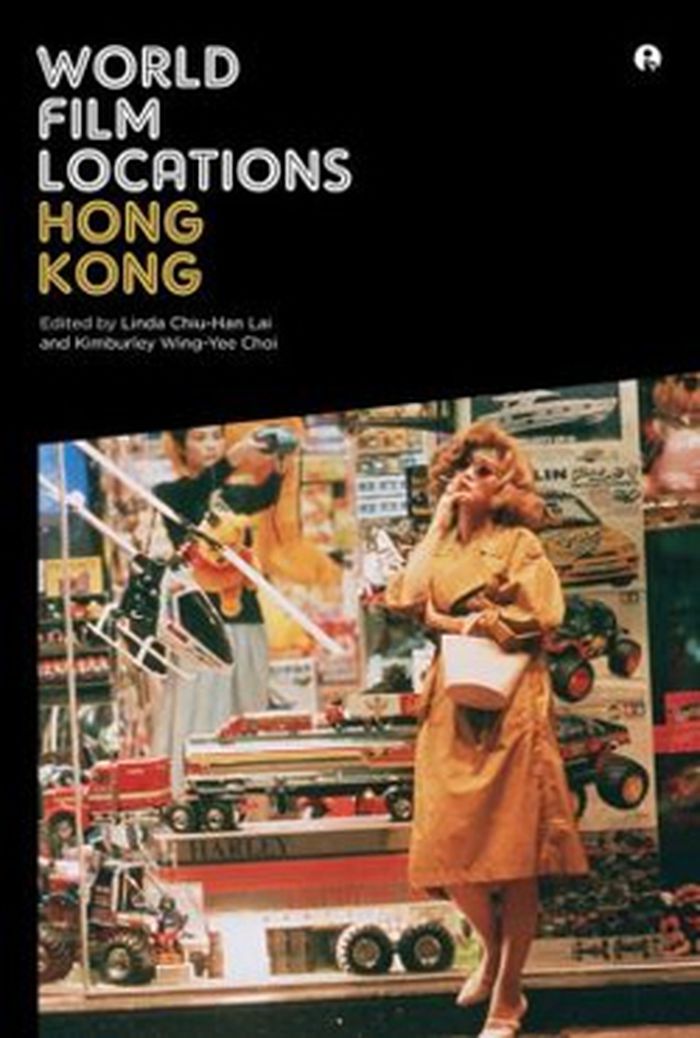
World film locations : Hong Kong
Actions:
Price:
$21.00
(available to order)
Summary:
As in the films of Wong Kar-wai and Johnnie To, readers will drift and dash through the streets of Central to the district’s periphery, almost recklessly, automatically, or for the sheer pleasure of roaming. The first of its kind in English, this book is more than a city guide to Hong Kong through the medium of film; it is a unique exploration of relationship between location and place and genre innovations in Hong Kong cinema.
World film locations : Hong Kong
Actions:
Price:
$21.00
(available to order)
Summary:
As in the films of Wong Kar-wai and Johnnie To, readers will drift and dash through the streets of Central to the district’s periphery, almost recklessly, automatically, or for the sheer pleasure of roaming. The first of its kind in English, this book is more than a city guide to Hong Kong through the medium of film; it is a unique exploration of relationship between location and place and genre innovations in Hong Kong cinema.
Form:
books
books
Publication:
September 2013
September 2013
Subject:
Architecture and Film, Set Design
Architecture and Film, Set Design
Form:
books
books
Title:
World film location : Prague
World film location : Prague
Actions:
Price:
$28.95
(available to order)
Summary:
Prague, the “Hollywood of the East,” has played an important role in the history of cinema and this publication traverses the city’s topography to examine an internationally diverse range of movies made in the Czech capital. Exploring legendary Prague landmarks as they appear onscreen — including the Charles Bridge, Old Town, Malá Strana, Liechtenstein Palace, Wenceslas(...)
$28.95
(available to order)
Summary:
Prague, the “Hollywood of the East,” has played an important role in the history of cinema and this publication traverses the city’s topography to examine an internationally diverse range of movies made in the Czech capital. Exploring legendary Prague landmarks as they appear onscreen — including the Charles Bridge, Old Town, Malá Strana, Liechtenstein Palace, Wenceslas(...)
Title:
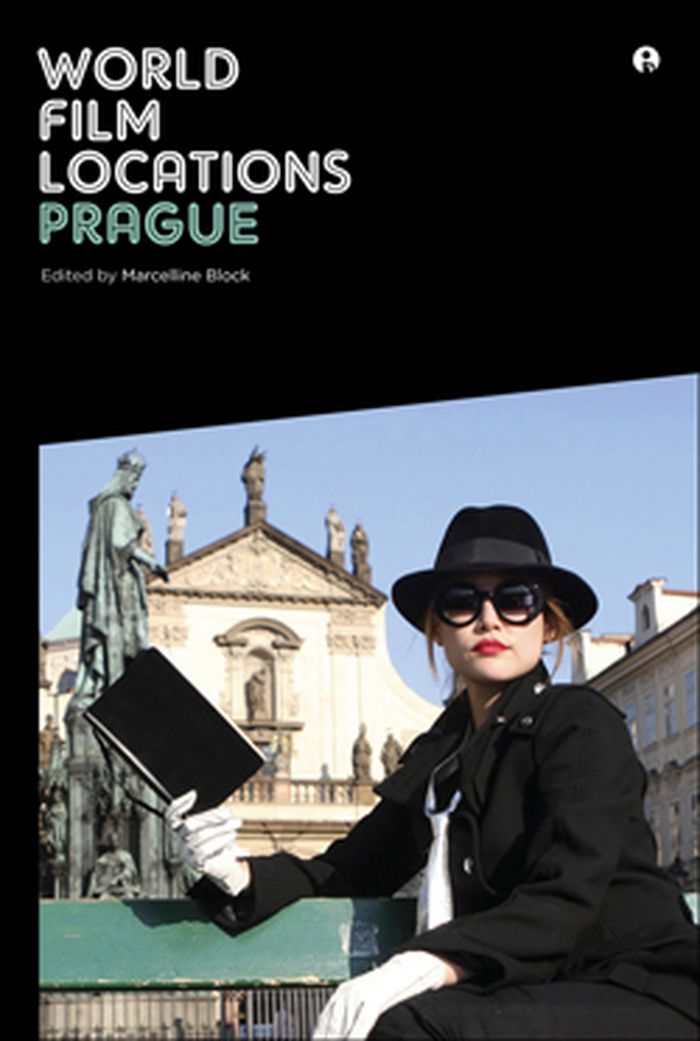
World film location : Prague
Actions:
Price:
$28.95
(available to order)
Summary:
Prague, the “Hollywood of the East,” has played an important role in the history of cinema and this publication traverses the city’s topography to examine an internationally diverse range of movies made in the Czech capital. Exploring legendary Prague landmarks as they appear onscreen — including the Charles Bridge, Old Town, Malá Strana, Liechtenstein Palace, Wenceslas Square, and Prague Castle — the book also discusses the intersection of the capital city and its cinematic representations; Prague and the Czech New Wave; the iconic Barrandov Studios; and the impact of political events such as the Prague Spring, the Soviet Invasion of 1968, and the Velvet Revolution on the city’s film industry.
World film location : Prague
Actions:
Price:
$28.95
(available to order)
Summary:
Prague, the “Hollywood of the East,” has played an important role in the history of cinema and this publication traverses the city’s topography to examine an internationally diverse range of movies made in the Czech capital. Exploring legendary Prague landmarks as they appear onscreen — including the Charles Bridge, Old Town, Malá Strana, Liechtenstein Palace, Wenceslas Square, and Prague Castle — the book also discusses the intersection of the capital city and its cinematic representations; Prague and the Czech New Wave; the iconic Barrandov Studios; and the impact of political events such as the Prague Spring, the Soviet Invasion of 1968, and the Velvet Revolution on the city’s film industry.
Form:
books
books
Publication:
September 2013
September 2013
Subject:
Architecture and Film, Set Design
Architecture and Film, Set Design
Form:
books
books
Actions:
Price:
$27.95
(available to order)
Summary:
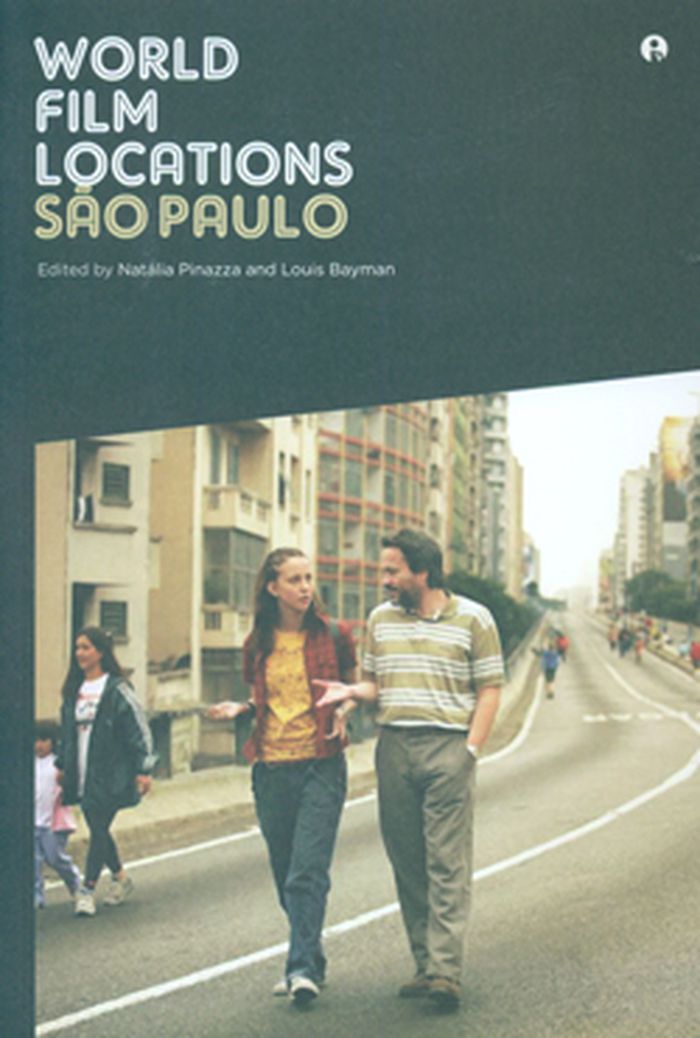
This book serves as an introduction to the city for film enthusiasts, visitors, and tourists while simultaneously opening scholarly debates on global concerns such as marginalization, rapid urbanization, and child poverty.
$27.95
(available to order)
Summary:
This book serves as an introduction to the city for film enthusiasts, visitors, and tourists while simultaneously opening scholarly debates on global concerns such as marginalization, rapid urbanization, and child poverty.
Subject:
Architecture and Film, Set Design
Architecture and Film, Set Design
Publication:
September 2013
September 2013
Title:
World film locations: São Paulo
Actions:
Price:
$27.95
(available to order)
Summary:
This book serves as an introduction to the city for film enthusiasts, visitors, and tourists while simultaneously opening scholarly debates on global concerns such as marginalization, rapid urbanization, and child poverty.
World film locations: São Paulo
Actions:
Price:
$27.95
(available to order)
Summary:
This book serves as an introduction to the city for film enthusiasts, visitors, and tourists while simultaneously opening scholarly debates on global concerns such as marginalization, rapid urbanization, and child poverty.
Form:
books
books
Publication:
September 2013
September 2013
Subject:
Architecture and Film, Set Design
Architecture and Film, Set Design
Form:
books
books
Actions:
Price:
$27.95
(available to order)
Summary:
World Film Locations: Barcelona explores the rich cinematic history of this seductive Catalonian city. The essays collected here cover essential themes of the city’s cinematic history, including the origins of cinema in Barcelona; the role of Ciutat Vella (old quarter) as a film set; the influential Barcelona School of the 1960s; the film presence of Gaudí and his work;(...)
$27.95
(available to order)
Summary:
World Film Locations: Barcelona explores the rich cinematic history of this seductive Catalonian city. The essays collected here cover essential themes of the city’s cinematic history, including the origins of cinema in Barcelona; the role of Ciutat Vella (old quarter) as a film set; the influential Barcelona School of the 1960s; the film presence of Gaudí and his work;(...)
Subject:
Architecture and Film, Set Design
Architecture and Film, Set Design
Publication:
September 2013
September 2013
Title:
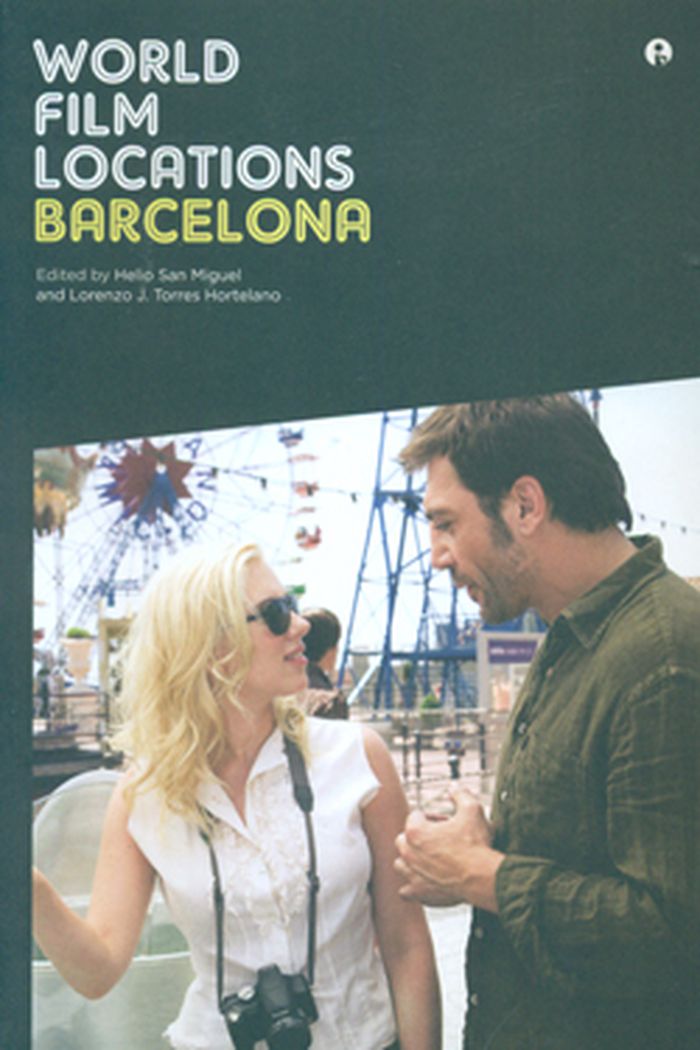
World film locations: Barcelona
Actions:
Price:
$27.95
(available to order)
Summary:
World Film Locations: Barcelona explores the rich cinematic history of this seductive Catalonian city. The essays collected here cover essential themes of the city’s cinematic history, including the origins of cinema in Barcelona; the role of Ciutat Vella (old quarter) as a film set; the influential Barcelona School of the 1960s; the film presence of Gaudí and his work; changing attitudes and urban renewal before and after the 1992 Olympics; and the emergence of a new generation of female filmmakers that have made Barcelona the center of their cinematic explorations.
World film locations: Barcelona
Actions:
Price:
$27.95
(available to order)
Summary:
World Film Locations: Barcelona explores the rich cinematic history of this seductive Catalonian city. The essays collected here cover essential themes of the city’s cinematic history, including the origins of cinema in Barcelona; the role of Ciutat Vella (old quarter) as a film set; the influential Barcelona School of the 1960s; the film presence of Gaudí and his work; changing attitudes and urban renewal before and after the 1992 Olympics; and the emergence of a new generation of female filmmakers that have made Barcelona the center of their cinematic explorations.
Form:
books
books
Publication:
September 2013
September 2013
Subject:
Architecture and Film, Set Design
Architecture and Film, Set Design


