


125 Results
Form:
books
books
Price:
$24.95
(available to order)
Summary:
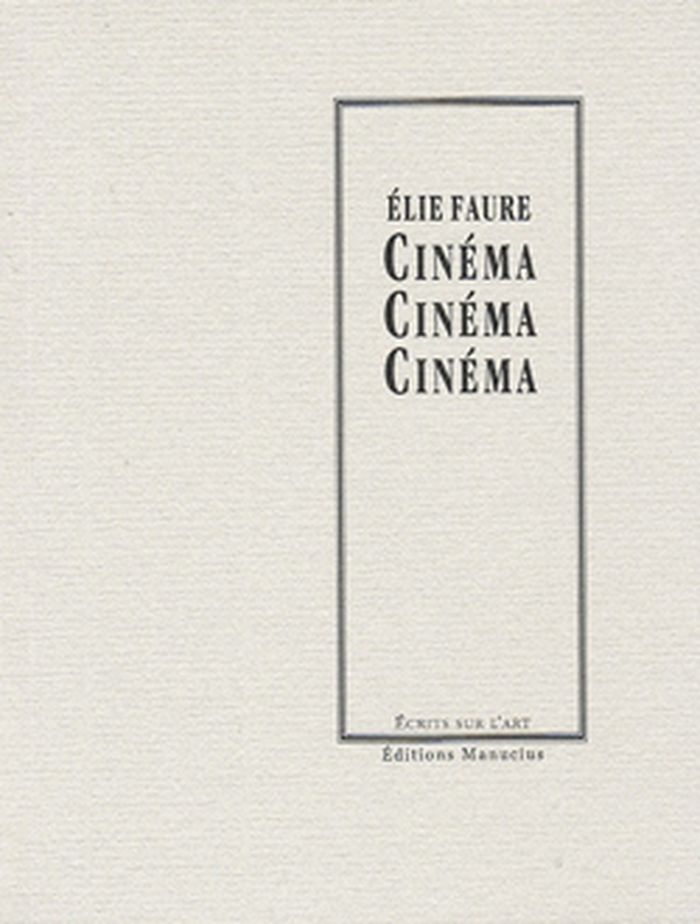
Élie Faure [1873-1937] médecin, historien, essayiste, est surtout connu pour sa monumentale Histoire de l’art en sept tomes (1909-1927).Ses écrits sur le cinéma, bien connus des cinéphiles et abondamment cités dans la littérature spécialisée, sont disséminés dans l’ensemble de ses textes.
$24.95
(available to order)
Summary:
Élie Faure [1873-1937] médecin, historien, essayiste, est surtout connu pour sa monumentale Histoire de l’art en sept tomes (1909-1927).Ses écrits sur le cinéma, bien connus des cinéphiles et abondamment cités dans la littérature spécialisée, sont disséminés dans l’ensemble de ses textes.
Title:
Cinéma
Actions:
Price:
$24.95
(available to order)
Summary:
Élie Faure [1873-1937] médecin, historien, essayiste, est surtout connu pour sa monumentale Histoire de l’art en sept tomes (1909-1927).Ses écrits sur le cinéma, bien connus des cinéphiles et abondamment cités dans la littérature spécialisée, sont disséminés dans l’ensemble de ses textes.
Cinéma
Actions:
Price:
$24.95
(available to order)
Summary:
Élie Faure [1873-1937] médecin, historien, essayiste, est surtout connu pour sa monumentale Histoire de l’art en sept tomes (1909-1927).Ses écrits sur le cinéma, bien connus des cinéphiles et abondamment cités dans la littérature spécialisée, sont disséminés dans l’ensemble de ses textes.
Form:
books
books
Publication:
September 2013
September 2013
Subject:
Architecture and Film, Set Design
Architecture and Film, Set Design
Form:
books
books
Actions:
Price:
$15.00
(available to order)
Summary:
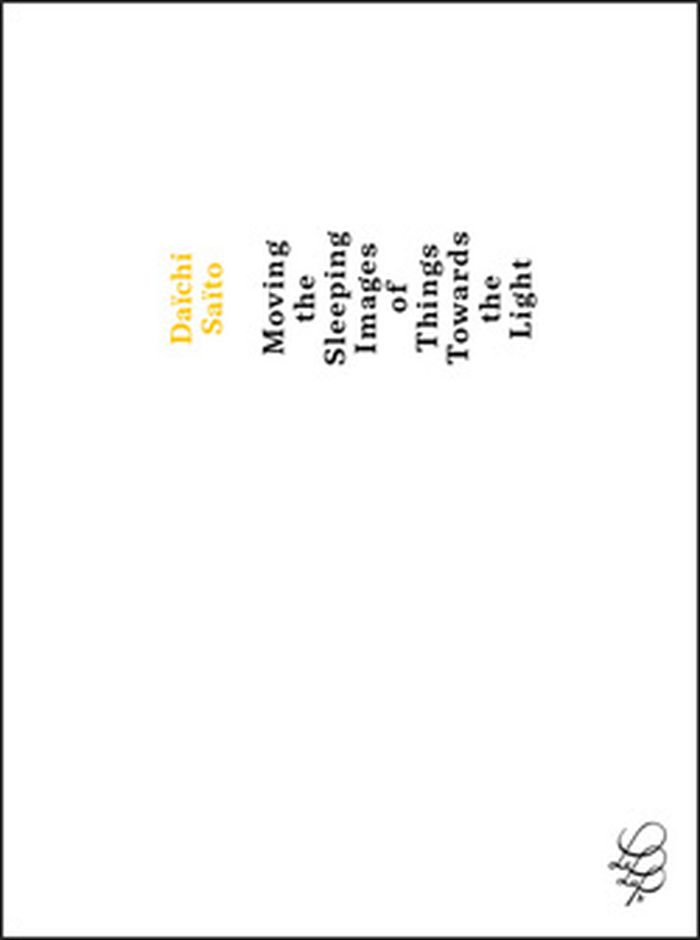
Moving the Sleeping Images of Things Towards the Light est le premier livre de Daïchi Saïto, cinéaste et cofondateur du collectif montréalais Double négatif. La préface est signée par André Habib, professeur en études cinématographiques de l'Université de Montréal et spécialiste du cinéma expérimental. La version originale anglaise est incluse dans le livre.
$15.00
(available to order)
Summary:
Moving the Sleeping Images of Things Towards the Light est le premier livre de Daïchi Saïto, cinéaste et cofondateur du collectif montréalais Double négatif. La préface est signée par André Habib, professeur en études cinématographiques de l'Université de Montréal et spécialiste du cinéma expérimental. La version originale anglaise est incluse dans le livre.
Publication:
December 2013
December 2013
Title:
Moving the Sleeping Images of Things Towards the Light
Actions:
Price:
$15.00
(available to order)
Summary:
Moving the Sleeping Images of Things Towards the Light est le premier livre de Daïchi Saïto, cinéaste et cofondateur du collectif montréalais Double négatif. La préface est signée par André Habib, professeur en études cinématographiques de l'Université de Montréal et spécialiste du cinéma expérimental. La version originale anglaise est incluse dans le livre.
Moving the Sleeping Images of Things Towards the Light
Actions:
Price:
$15.00
(available to order)
Summary:
Moving the Sleeping Images of Things Towards the Light est le premier livre de Daïchi Saïto, cinéaste et cofondateur du collectif montréalais Double négatif. La préface est signée par André Habib, professeur en études cinématographiques de l'Université de Montréal et spécialiste du cinéma expérimental. La version originale anglaise est incluse dans le livre.
Form:
books
books
Publication:
December 2013
December 2013
Form:
books
books
Actions:
Price:
$65.00
(available to order)
Summary:
In this imaginative and scholarly book, Steven Jacobs explores the architectural elements of Alfred Hitchcock's films and the vital role they played in providing atmosphere and facilitating plot development. Hitchcock famously left nothing to chance, and from the Greenwich Village apartment that provided the set for Rear Window or the now-iconic Bates house in Psycho,(...)
$65.00
(available to order)
Summary:
In this imaginative and scholarly book, Steven Jacobs explores the architectural elements of Alfred Hitchcock's films and the vital role they played in providing atmosphere and facilitating plot development. Hitchcock famously left nothing to chance, and from the Greenwich Village apartment that provided the set for Rear Window or the now-iconic Bates house in Psycho,(...)
Title:
The wrong house: the architecture of Alfred Hitchcock
Actions:
Price:
$65.00
(available to order)
Summary:
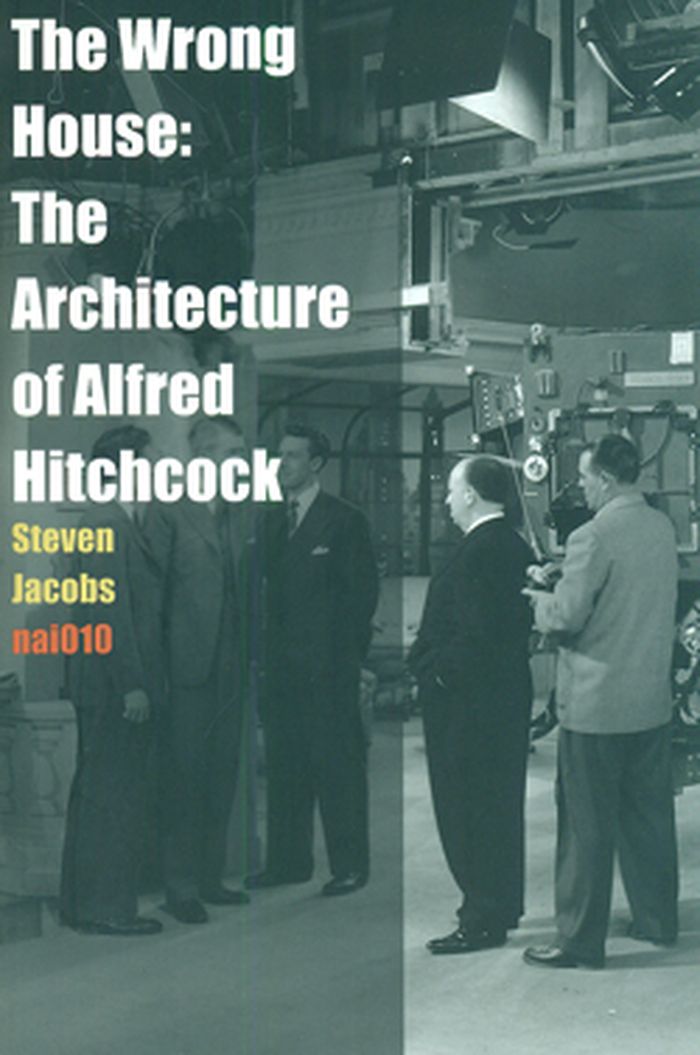
In this imaginative and scholarly book, Steven Jacobs explores the architectural elements of Alfred Hitchcock's films and the vital role they played in providing atmosphere and facilitating plot development. Hitchcock famously left nothing to chance, and from the Greenwich Village apartment that provided the set for Rear Window or the now-iconic Bates house in Psycho, every architectural entity plays a significant role both in setting the scene and in advancing the suspenseful narratives of which Hitchcock was master. Having worked as a set designer in the early 1920s, the director remained intimately involved with his films' sets throughout his entire career.
The wrong house: the architecture of Alfred Hitchcock
Actions:
Price:
$65.00
(available to order)
Summary:
In this imaginative and scholarly book, Steven Jacobs explores the architectural elements of Alfred Hitchcock's films and the vital role they played in providing atmosphere and facilitating plot development. Hitchcock famously left nothing to chance, and from the Greenwich Village apartment that provided the set for Rear Window or the now-iconic Bates house in Psycho, every architectural entity plays a significant role both in setting the scene and in advancing the suspenseful narratives of which Hitchcock was master. Having worked as a set designer in the early 1920s, the director remained intimately involved with his films' sets throughout his entire career.
Form:
books
books
Publication:
February 2014
February 2014
Subject:
Architecture and Film, Set Design
Architecture and Film, Set Design
Form:
books
books
Actions:
Price:
$45.00
(available to order)
Summary:
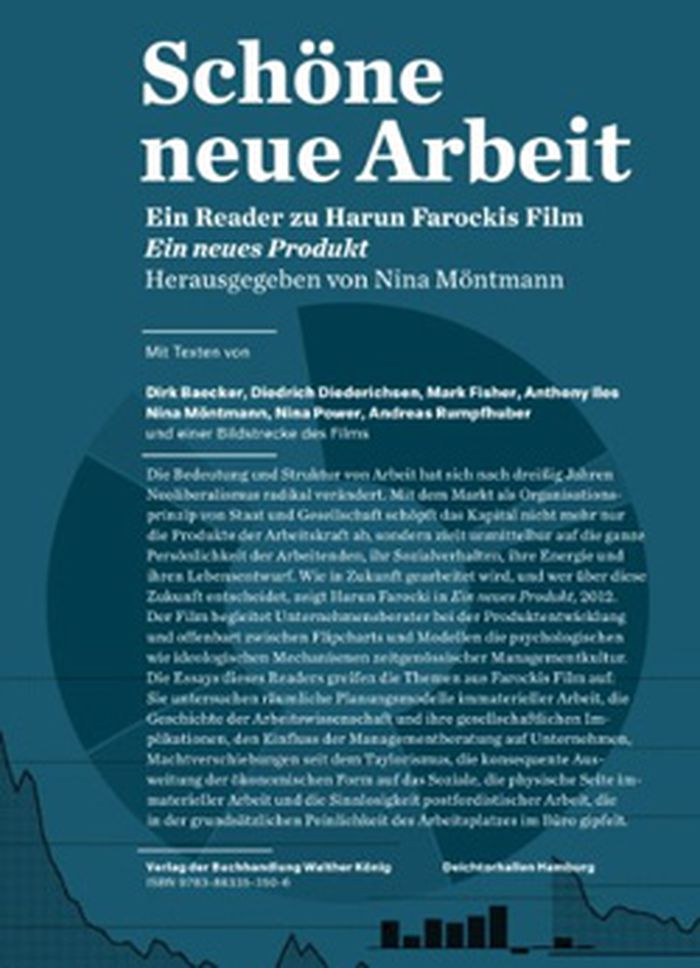
Harun Farocki’s (born 1944) latest film Ein Neues Produkt looks at the structure of workplaces from architectural, social and economic perspectives, documenting a year in the life of a consulting firm. This accompanying volume includes six essays and an interview.
$45.00
(available to order)
Summary:
Harun Farocki’s (born 1944) latest film Ein Neues Produkt looks at the structure of workplaces from architectural, social and economic perspectives, documenting a year in the life of a consulting firm. This accompanying volume includes six essays and an interview.
Title:
Brave new work : a reader on Harun Farocki's film
Actions:
Price:
$45.00
(available to order)
Summary:
Harun Farocki’s (born 1944) latest film Ein Neues Produkt looks at the structure of workplaces from architectural, social and economic perspectives, documenting a year in the life of a consulting firm. This accompanying volume includes six essays and an interview.
Brave new work : a reader on Harun Farocki's film
Actions:
Price:
$45.00
(available to order)
Summary:
Harun Farocki’s (born 1944) latest film Ein Neues Produkt looks at the structure of workplaces from architectural, social and economic perspectives, documenting a year in the life of a consulting firm. This accompanying volume includes six essays and an interview.
Form:
books
books
Publication:
February 2014
February 2014
Subject:
Architecture and Film, Set Design
Architecture and Film, Set Design
Form:
books
books
Actions:
Price:
$39.95
(available to order)
Summary:
Reimagining Cinem explores the innovations that film and media artists offered Expo audiences and presents extensive visual material to reconstruct the viewer's experience.The book reflects how the Expo 67 film-events were encountered as creative experimentations that resonated with broader 1960s arts and culture, and as institutional collaborations with artists. More(...)
$39.95
(available to order)
Summary:
Reimagining Cinem explores the innovations that film and media artists offered Expo audiences and presents extensive visual material to reconstruct the viewer's experience.The book reflects how the Expo 67 film-events were encountered as creative experimentations that resonated with broader 1960s arts and culture, and as institutional collaborations with artists. More(...)
Subject:
Architecture and Film, Set Design
Architecture and Film, Set Design
Publication:
November 2014
November 2014
Title:
Reimagining cinema: film at Expo 67
Actions:
Price:
$39.95
(available to order)
Summary:
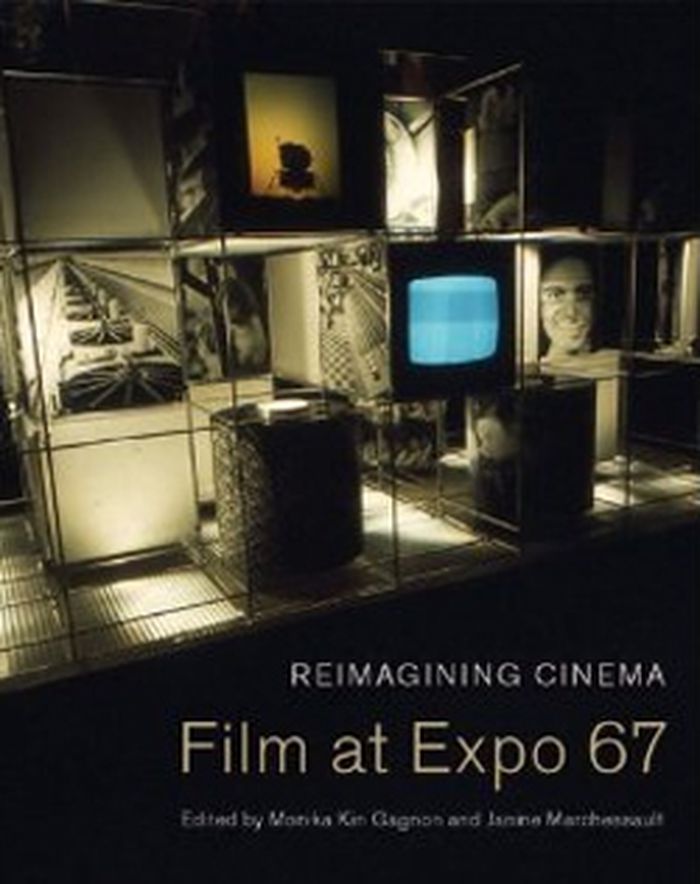
Reimagining Cinem explores the innovations that film and media artists offered Expo audiences and presents extensive visual material to reconstruct the viewer's experience.The book reflects how the Expo 67 film-events were encountered as creative experimentations that resonated with broader 1960s arts and culture, and as institutional collaborations with artists. More displays of photographic, cinematic, and telematic technology were experienced at Expo 67 than in any other previous world exposition. Reimagining Cinema captures the complexity and imaginative fervour of this exciting period in film history.
Reimagining cinema: film at Expo 67
Actions:
Price:
$39.95
(available to order)
Summary:
Reimagining Cinem explores the innovations that film and media artists offered Expo audiences and presents extensive visual material to reconstruct the viewer's experience.The book reflects how the Expo 67 film-events were encountered as creative experimentations that resonated with broader 1960s arts and culture, and as institutional collaborations with artists. More displays of photographic, cinematic, and telematic technology were experienced at Expo 67 than in any other previous world exposition. Reimagining Cinema captures the complexity and imaginative fervour of this exciting period in film history.
Form:
books
books
Publication:
November 2014
November 2014
Subject:
Architecture and Film, Set Design
Architecture and Film, Set Design
Form:
books
books
Actions:
Price:
$45.00
(available to order)
Summary:
With the birth of film came the birth of a revolutionary visual language. This book examines the relationship between the visual language of film and the onscreen perception of space and architectural design, revealing how film's visual vocabulary influenced architecture in the twentieth century and continues to influence it today.
$45.00
(available to order)
Summary:
With the birth of film came the birth of a revolutionary visual language. This book examines the relationship between the visual language of film and the onscreen perception of space and architectural design, revealing how film's visual vocabulary influenced architecture in the twentieth century and continues to influence it today.
Title:
The architecture of the screen
Actions:
Price:
$45.00
(available to order)
Summary:
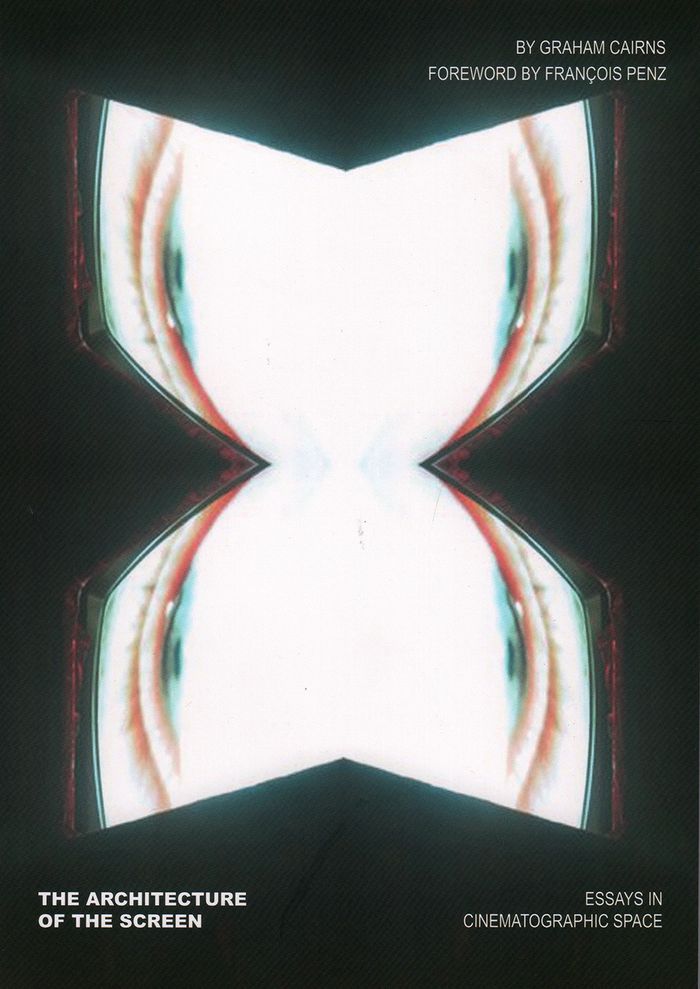
With the birth of film came the birth of a revolutionary visual language. This book examines the relationship between the visual language of film and the onscreen perception of space and architectural design, revealing how film's visual vocabulary influenced architecture in the twentieth century and continues to influence it today.
The architecture of the screen
Actions:
Price:
$45.00
(available to order)
Summary:
With the birth of film came the birth of a revolutionary visual language. This book examines the relationship between the visual language of film and the onscreen perception of space and architectural design, revealing how film's visual vocabulary influenced architecture in the twentieth century and continues to influence it today.
Form:
books
books
Publication:
February 2013
February 2013
Subject:
Architecture and Film, Set Design
Architecture and Film, Set Design
Form:
books
books
Actions:
Price:
$27.95
(available to order)
Summary:
Corridor offers a series of conceptually provocative readings that illuminate a hidden and surprising relationship between architectural space and modern American fiction. By paying close attention to fictional descriptions of some of modernity's least remarkable structures, Kate Marshall discovers a rich network of connections between corridors and novels, one that also(...)
$27.95
(available to order)
Summary:
Corridor offers a series of conceptually provocative readings that illuminate a hidden and surprising relationship between architectural space and modern American fiction. By paying close attention to fictional descriptions of some of modernity's least remarkable structures, Kate Marshall discovers a rich network of connections between corridors and novels, one that also(...)
Title:
Corridor: media architecture in american fiction
Actions:
Price:
$27.95
(available to order)
Summary:
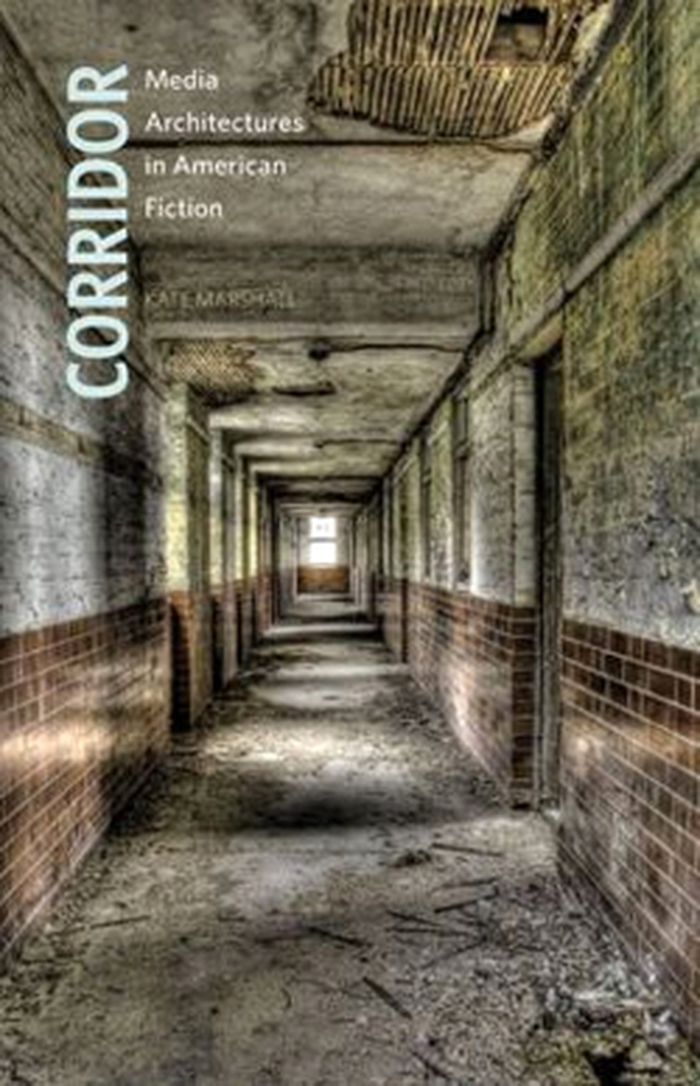
Corridor offers a series of conceptually provocative readings that illuminate a hidden and surprising relationship between architectural space and modern American fiction. By paying close attention to fictional descriptions of some of modernity's least remarkable structures, Kate Marshall discovers a rich network of connections between corridors and novels, one that also sheds new light on the nature of modern media.
Corridor: media architecture in american fiction
Actions:
Price:
$27.95
(available to order)
Summary:
Corridor offers a series of conceptually provocative readings that illuminate a hidden and surprising relationship between architectural space and modern American fiction. By paying close attention to fictional descriptions of some of modernity's least remarkable structures, Kate Marshall discovers a rich network of connections between corridors and novels, one that also sheds new light on the nature of modern media.
Form:
books
books
Publication:
February 2013
February 2013
Subject:
Architecture and Film, Set Design
Architecture and Film, Set Design
Form:
books
books
Actions:
Price:
$19.95
(available to order)
Summary:
From one of the earliest mobile shots in film history — a voyage up the Grand Canal shot in 1896 — to classic depictions of the city like Summertime, Death in Venice, and Don’t Look Now, as well as recent big budget productions such as The Tourist, this book spans the history of filmmaking in Venice.
$19.95
(available to order)
Summary:
From one of the earliest mobile shots in film history — a voyage up the Grand Canal shot in 1896 — to classic depictions of the city like Summertime, Death in Venice, and Don’t Look Now, as well as recent big budget productions such as The Tourist, this book spans the history of filmmaking in Venice.
Title:
World film locations : Venice
Actions:
Price:
$19.95
(available to order)
Summary:
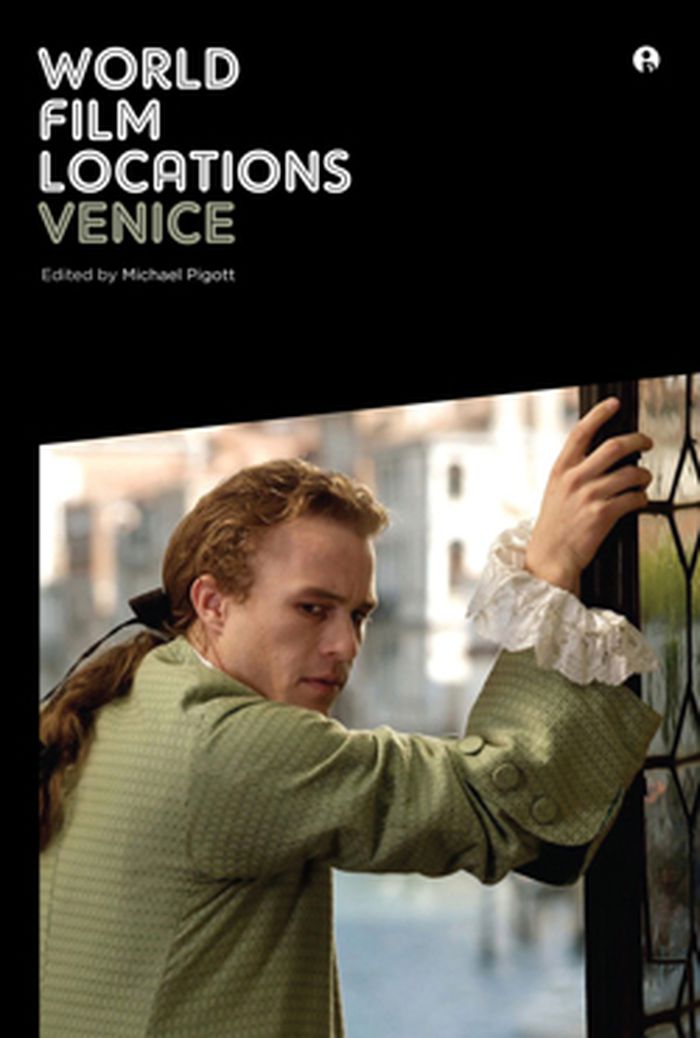
From one of the earliest mobile shots in film history — a voyage up the Grand Canal shot in 1896 — to classic depictions of the city like Summertime, Death in Venice, and Don’t Look Now, as well as recent big budget productions such as The Tourist, this book spans the history of filmmaking in Venice.
World film locations : Venice
Actions:
Price:
$19.95
(available to order)
Summary:
From one of the earliest mobile shots in film history — a voyage up the Grand Canal shot in 1896 — to classic depictions of the city like Summertime, Death in Venice, and Don’t Look Now, as well as recent big budget productions such as The Tourist, this book spans the history of filmmaking in Venice.
Form:
books
books
Publication:
March 2013
March 2013
Subject:
Architecture and Film, Set Design
Architecture and Film, Set Design
Form:
books
books
Actions:
Price:
$19.95
(available to order)
Summary:
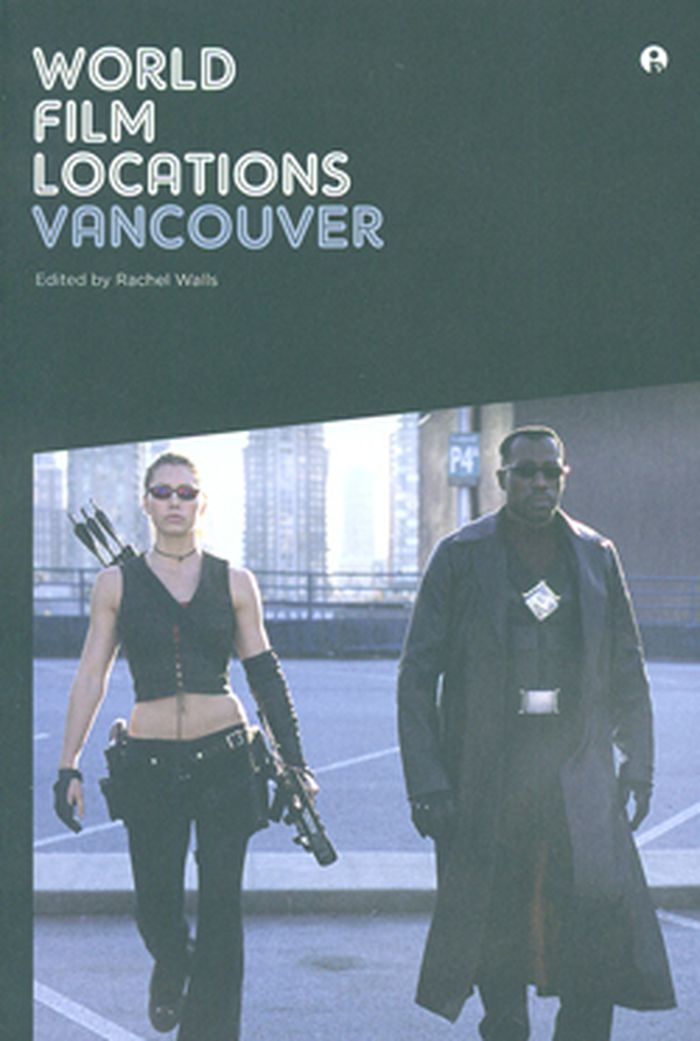
World Film Locations : Vancouver offers insight into how so-called “runaway” productions from Hollywood use Vancouver as a stand-in for other locations and it highlights the work of Canadian filmmakers who deserve more attention. Thirty-eight analyses of different film scenes reveal the cinematic city in its myriad forms, while spotlight essays provide insight into the(...)
$19.95
(available to order)
Summary:
World Film Locations : Vancouver offers insight into how so-called “runaway” productions from Hollywood use Vancouver as a stand-in for other locations and it highlights the work of Canadian filmmakers who deserve more attention. Thirty-eight analyses of different film scenes reveal the cinematic city in its myriad forms, while spotlight essays provide insight into the(...)
Title:
World film locations : Vancouver
Actions:
Price:
$19.95
(available to order)
Summary:
World Film Locations : Vancouver offers insight into how so-called “runaway” productions from Hollywood use Vancouver as a stand-in for other locations and it highlights the work of Canadian filmmakers who deserve more attention. Thirty-eight analyses of different film scenes reveal the cinematic city in its myriad forms, while spotlight essays provide insight into the creativity and contradictions of Vancouver’s film industry throughout the ages.
World film locations : Vancouver
Actions:
Price:
$19.95
(available to order)
Summary:
World Film Locations : Vancouver offers insight into how so-called “runaway” productions from Hollywood use Vancouver as a stand-in for other locations and it highlights the work of Canadian filmmakers who deserve more attention. Thirty-eight analyses of different film scenes reveal the cinematic city in its myriad forms, while spotlight essays provide insight into the creativity and contradictions of Vancouver’s film industry throughout the ages.
Form:
books
books
Publication:
March 2013
March 2013
Subject:
Architecture and Film, Set Design
Architecture and Film, Set Design
Form:
books
books
Actions:
Price:
$64.95
(available to order)
Summary:
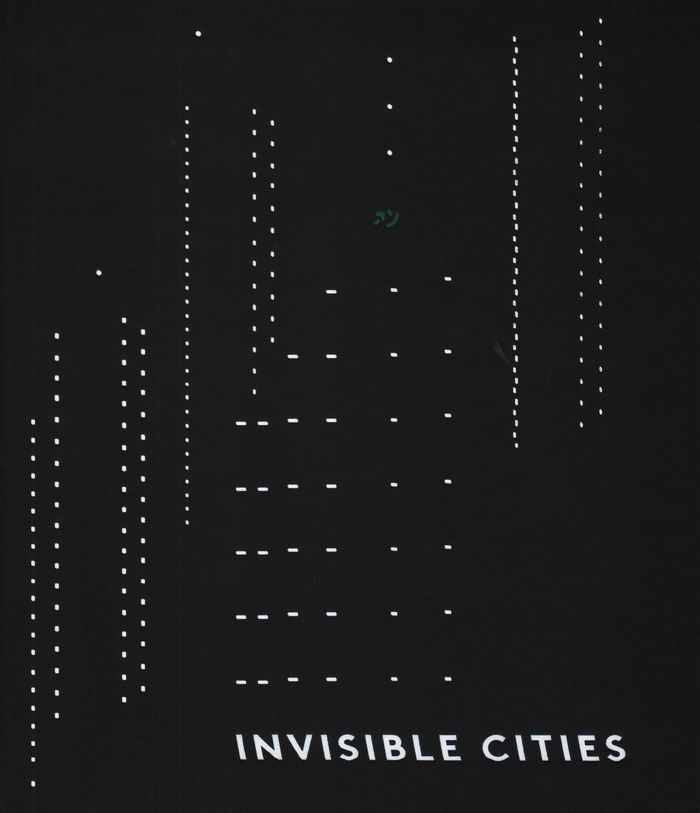
Pierre-Jean Giloux seeks to create a language using sound and image that combines elements of pop culture and mass media with more 'intellectual' cultures which refer to the visual arts and architecture. This first monograph by the artist accompanies a series of videos inspired by the Metabolists, a utopist architecture movement which emerged in Japan in the late 1950s.(...)
$64.95
(available to order)
Summary:
Pierre-Jean Giloux seeks to create a language using sound and image that combines elements of pop culture and mass media with more 'intellectual' cultures which refer to the visual arts and architecture. This first monograph by the artist accompanies a series of videos inspired by the Metabolists, a utopist architecture movement which emerged in Japan in the late 1950s.(...)
Title:
Pierre Jean Giloux : invisible cities : Machinami, Japanese urban landscapes
Actions:
Price:
$64.95
(available to order)
Summary:
Pierre-Jean Giloux seeks to create a language using sound and image that combines elements of pop culture and mass media with more 'intellectual' cultures which refer to the visual arts and architecture. This first monograph by the artist accompanies a series of videos inspired by the Metabolists, a utopist architecture movement which emerged in Japan in the late 1950s. It follows the films’ production as he explores the connections between four cities (Tokyo, Yokohama, Osaka, Kyoto) to create urban portraits combining digital with filmed or photographed images of social and urban reality. The book includes texts by Pierre Musso, Élie During, and Vincent Romagny.
Pierre Jean Giloux : invisible cities : Machinami, Japanese urban landscapes
Actions:
Price:
$64.95
(available to order)
Summary:
Pierre-Jean Giloux seeks to create a language using sound and image that combines elements of pop culture and mass media with more 'intellectual' cultures which refer to the visual arts and architecture. This first monograph by the artist accompanies a series of videos inspired by the Metabolists, a utopist architecture movement which emerged in Japan in the late 1950s. It follows the films’ production as he explores the connections between four cities (Tokyo, Yokohama, Osaka, Kyoto) to create urban portraits combining digital with filmed or photographed images of social and urban reality. The book includes texts by Pierre Musso, Élie During, and Vincent Romagny.
Form:
books
books
Publication:
June 2018
June 2018
Subject:
Architecture and Film, Set Design
Architecture and Film, Set Design


