


125 Results
Form:
books
books
Price:
$68.95
(available to order)
Summary:
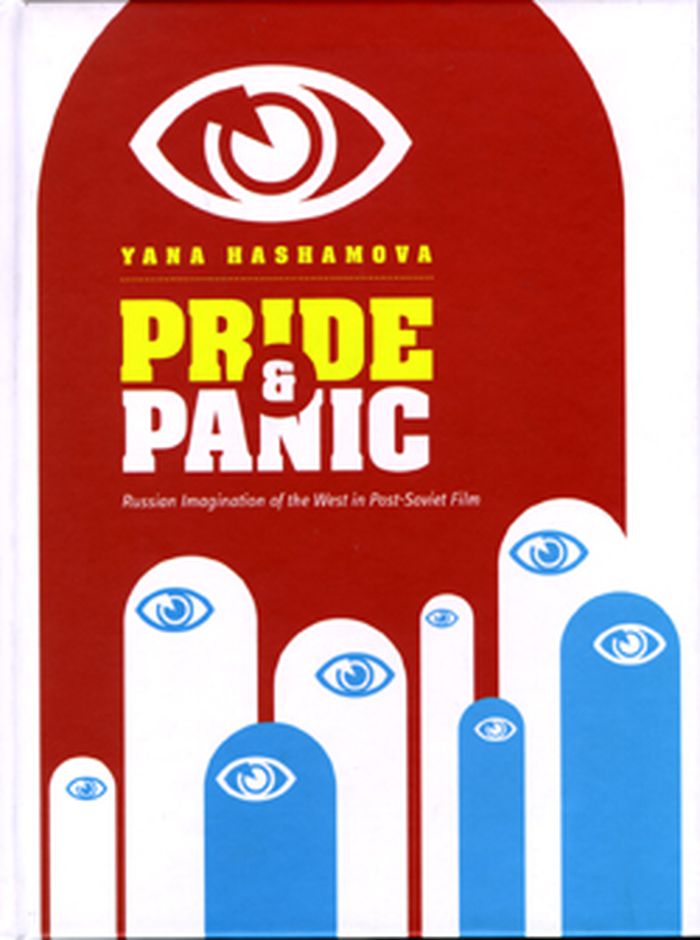
Since the fall of Communism, Russians have struggled to reconcile their social traditions with a flood of Western cultural imports. Contemporary Russian cinema has latched on to the resulting confusion and ambivalence, mining societal upheaval for revolutionary cinematic topics. Yana Hashamova explores this largely uncharted territory in Pride and Panic.
$68.95
(available to order)
Summary:
Since the fall of Communism, Russians have struggled to reconcile their social traditions with a flood of Western cultural imports. Contemporary Russian cinema has latched on to the resulting confusion and ambivalence, mining societal upheaval for revolutionary cinematic topics. Yana Hashamova explores this largely uncharted territory in Pride and Panic.
Publication:
May 2007, Bristol
May 2007, Bristol
Title:
Pride & panic: Russian imagination of the west in post-soviet film
Actions:
Price:
$68.95
(available to order)
Summary:
Since the fall of Communism, Russians have struggled to reconcile their social traditions with a flood of Western cultural imports. Contemporary Russian cinema has latched on to the resulting confusion and ambivalence, mining societal upheaval for revolutionary cinematic topics. Yana Hashamova explores this largely uncharted territory in Pride and Panic.
Pride & panic: Russian imagination of the west in post-soviet film
Actions:
Price:
$68.95
(available to order)
Summary:
Since the fall of Communism, Russians have struggled to reconcile their social traditions with a flood of Western cultural imports. Contemporary Russian cinema has latched on to the resulting confusion and ambivalence, mining societal upheaval for revolutionary cinematic topics. Yana Hashamova explores this largely uncharted territory in Pride and Panic.
Form:
books
books
Publication:
May 2007, Bristol
May 2007, Bristol
Form:
books
books
Title:
5+1AA - Rudy Ricciotti: the new cinema palace of Venice / le nouveau palais du cinéma de Venise
5+1AA - Rudy Ricciotti: the new cinema palace of Venice / le nouveau palais du cinéma de Venise
Actions:
Price:
$48.00
(available to order)
Summary:
Le concours est rendu en mars 2005, il neige depuis une semaine a Gênes. Le 26 Mai 5+1AA et Rudy Ricciotti sont déclarés lauréats. Le projet fait partie des réalisations architecturales programmés pour la célébrations du cent cinquantième anniversaire de l'unité de l'Italie en 2011. Le 28 Août 2008, les travaux commencent. En 2011, Venise aura son nouveau palais du cinéma.
$48.00
(available to order)
Summary:
Le concours est rendu en mars 2005, il neige depuis une semaine a Gênes. Le 26 Mai 5+1AA et Rudy Ricciotti sont déclarés lauréats. Le projet fait partie des réalisations architecturales programmés pour la célébrations du cent cinquantième anniversaire de l'unité de l'Italie en 2011. Le 28 Août 2008, les travaux commencent. En 2011, Venise aura son nouveau palais du cinéma.
Subject:
Architecture and Film, Set Design
Architecture and Film, Set Design
Publication:
October 2008, Milano
October 2008, Milano
Title:
5+1AA - Rudy Ricciotti: the new cinema palace of Venice / le nouveau palais du cinéma de Venise
Actions:
Price:
$48.00
(available to order)
Summary:
Le concours est rendu en mars 2005, il neige depuis une semaine a Gênes. Le 26 Mai 5+1AA et Rudy Ricciotti sont déclarés lauréats. Le projet fait partie des réalisations architecturales programmés pour la célébrations du cent cinquantième anniversaire de l'unité de l'Italie en 2011. Le 28 Août 2008, les travaux commencent. En 2011, Venise aura son nouveau palais du cinéma.
5+1AA - Rudy Ricciotti: the new cinema palace of Venice / le nouveau palais du cinéma de Venise
Actions:
Price:
$48.00
(available to order)
Summary:
Le concours est rendu en mars 2005, il neige depuis une semaine a Gênes. Le 26 Mai 5+1AA et Rudy Ricciotti sont déclarés lauréats. Le projet fait partie des réalisations architecturales programmés pour la célébrations du cent cinquantième anniversaire de l'unité de l'Italie en 2011. Le 28 Août 2008, les travaux commencent. En 2011, Venise aura son nouveau palais du cinéma.
Form:
books
books
Publication:
October 2008, Milano
October 2008, Milano
Subject:
Architecture and Film, Set Design
Architecture and Film, Set Design
Form:
books
books
Title:
Architecture and film
Architecture and film
Actions:
Price:
$32.50
(available to order)
Summary:
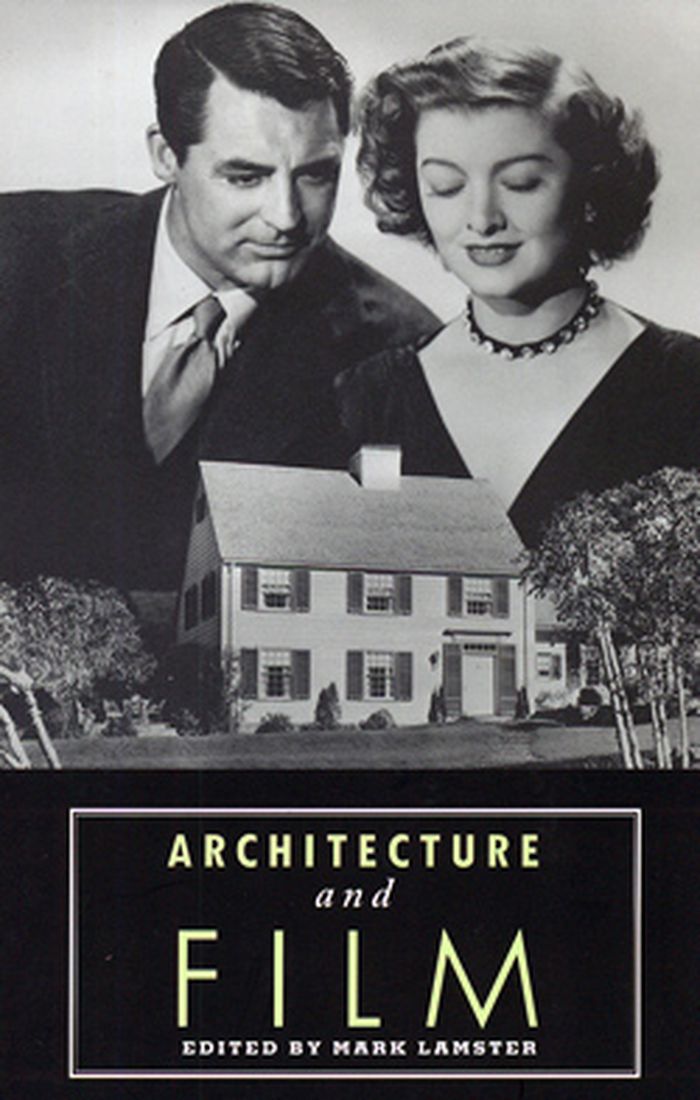
"Architecture and Film" looks at the ways architecture and architects are treated on screen and, conversely, how these depictions filter and shape the ways we understand the built environment. It also examines the significant effect that the film industry has had on the (...)
$32.50
(available to order)
Summary:
"Architecture and Film" looks at the ways architecture and architects are treated on screen and, conversely, how these depictions filter and shape the ways we understand the built environment. It also examines the significant effect that the film industry has had on the (...)
Subject:
Architecture and Film, Set Design
Architecture and Film, Set Design
Publication:
February 2000, New York
February 2000, New York
Title:
Architecture and film
Actions:
Price:
$32.50
(available to order)
Summary:
"Architecture and Film" looks at the ways architecture and architects are treated on screen and, conversely, how these depictions filter and shape the ways we understand the built environment. It also examines the significant effect that the film industry has had on the American public's perception of urban, suburban, and rural spaces. Contributors to this collection of essays come from a wide range of disciplines. Nancy Levinson writes on how films from "The Fountainhead" to "Jungle Fever" have depicted architects. Eric Rosenberg looks at how architecture and spatial relations shape the Beatles films "A Hard Day's Night", "Help!", and "Let It Be". Joseph Rosa discusses why modern domestic architecture in recent Hollywood films such as "The Ice Storm", "L.A. Confidential", and "The Big Lebowski" has become synonymous with unstable inhabitants. Peter Hall discusses the history of film titling, focusing on the groundbreaking work of Saul Bass and Maurice Binder. Editor Mark Lamster examines the anti-urbanism of the Star Wars trilogy. The collection also includes the voices of those from within the film industry, who are uniquely able to provide a "behind the scenes" perspective: film editor Bob Eisenhardt comments on the making of "Concert of Wills", a documentary on the construction of the Getty Museum; and Robert Kraft focuses on his work as a location director for Diane Keaton's upcoming film about Los Angeles. Also included are interviews with David Rockwell, architect of numerous Planet Hollywood restaurants worldwide and designer of a new hall to host the Academy Awards ceremony; Kyle Kooper, who created title sequences for "Seven" and "Mission Impossible"; and motion picture art director Jan Roelfs, whose credits include "Gattaca", "Orlando", and "Little Women". Previously priced at $41.50.
Architecture and film
Actions:
Price:
$32.50
(available to order)
Summary:
"Architecture and Film" looks at the ways architecture and architects are treated on screen and, conversely, how these depictions filter and shape the ways we understand the built environment. It also examines the significant effect that the film industry has had on the American public's perception of urban, suburban, and rural spaces. Contributors to this collection of essays come from a wide range of disciplines. Nancy Levinson writes on how films from "The Fountainhead" to "Jungle Fever" have depicted architects. Eric Rosenberg looks at how architecture and spatial relations shape the Beatles films "A Hard Day's Night", "Help!", and "Let It Be". Joseph Rosa discusses why modern domestic architecture in recent Hollywood films such as "The Ice Storm", "L.A. Confidential", and "The Big Lebowski" has become synonymous with unstable inhabitants. Peter Hall discusses the history of film titling, focusing on the groundbreaking work of Saul Bass and Maurice Binder. Editor Mark Lamster examines the anti-urbanism of the Star Wars trilogy. The collection also includes the voices of those from within the film industry, who are uniquely able to provide a "behind the scenes" perspective: film editor Bob Eisenhardt comments on the making of "Concert of Wills", a documentary on the construction of the Getty Museum; and Robert Kraft focuses on his work as a location director for Diane Keaton's upcoming film about Los Angeles. Also included are interviews with David Rockwell, architect of numerous Planet Hollywood restaurants worldwide and designer of a new hall to host the Academy Awards ceremony; Kyle Kooper, who created title sequences for "Seven" and "Mission Impossible"; and motion picture art director Jan Roelfs, whose credits include "Gattaca", "Orlando", and "Little Women". Previously priced at $41.50.
Form:
books
books
Publication:
February 2000, New York
February 2000, New York
Subject:
Architecture and Film, Set Design
Architecture and Film, Set Design
Form:
books
books
Actions:
Price:
$25.95
(available to order)
Summary:
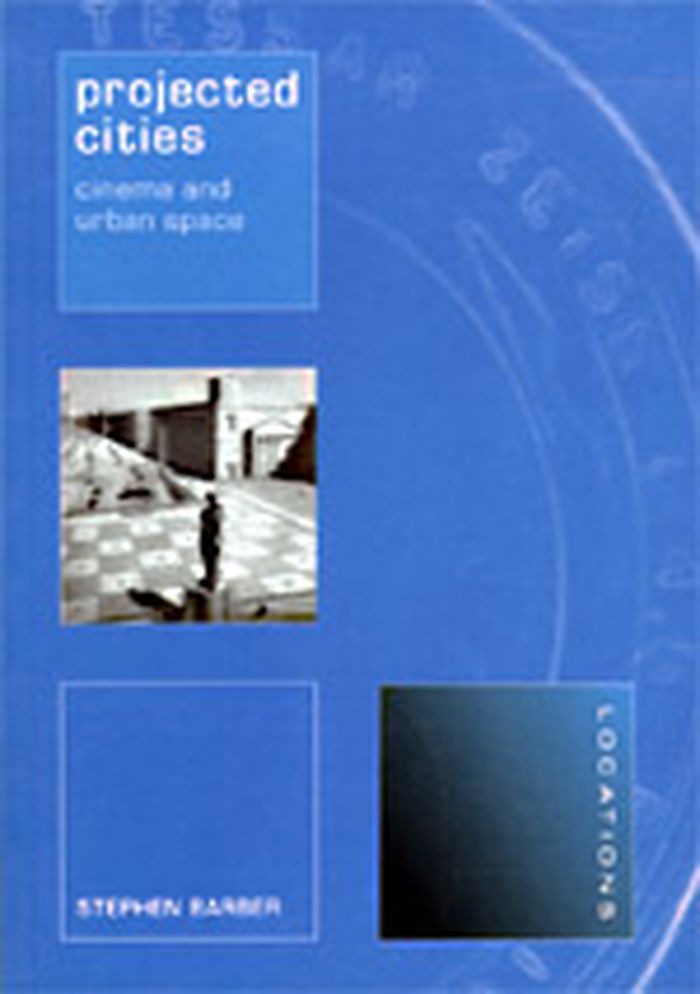
In this illuminating and provocative survey, Stephen Barber examines the historical relationship between film and the urban landscape. "Projected cities" looks with particular focus at the cinema of Europe and Japan, two closely linked cinematic cultures which have been foremost in the use of urban imagery, to reveal elements of culture, architecture and history. By(...)
$25.95
(available to order)
Summary:
In this illuminating and provocative survey, Stephen Barber examines the historical relationship between film and the urban landscape. "Projected cities" looks with particular focus at the cinema of Europe and Japan, two closely linked cinematic cultures which have been foremost in the use of urban imagery, to reveal elements of culture, architecture and history. By(...)
Subject:
Architecture and Film, Set Design
Architecture and Film, Set Design
Publication:
November 2002, London
November 2002, London
Title:
Projected cities: cinema and urban space
Actions:
Price:
$25.95
(available to order)
Summary:
In this illuminating and provocative survey, Stephen Barber examines the historical relationship between film and the urban landscape. "Projected cities" looks with particular focus at the cinema of Europe and Japan, two closely linked cinematic cultures which have been foremost in the use of urban imagery, to reveal elements of culture, architecture and history. By examining this imagery, especially at moments of turmoil and experimentation, the author reveals how cinema has used images of cities to influence our perception of everything from history to the human body, and how cinematic images of cities have been fundamental to the ways in which the city has been imagined, formulated and remembered. The book goes on to assess the impact of media culture on the status of film and cinema spaces, and concludes by considering digital renderings of the modern city.
Projected cities: cinema and urban space
Actions:
Price:
$25.95
(available to order)
Summary:
In this illuminating and provocative survey, Stephen Barber examines the historical relationship between film and the urban landscape. "Projected cities" looks with particular focus at the cinema of Europe and Japan, two closely linked cinematic cultures which have been foremost in the use of urban imagery, to reveal elements of culture, architecture and history. By examining this imagery, especially at moments of turmoil and experimentation, the author reveals how cinema has used images of cities to influence our perception of everything from history to the human body, and how cinematic images of cities have been fundamental to the ways in which the city has been imagined, formulated and remembered. The book goes on to assess the impact of media culture on the status of film and cinema spaces, and concludes by considering digital renderings of the modern city.
Form:
books
books
Publication:
November 2002, London
November 2002, London
Subject:
Architecture and Film, Set Design
Architecture and Film, Set Design
Form:
books
books
Actions:
Price:
$56.50
(available to order)
Summary:
The single-screen movie theaters that punctuated small-town America's main streets and city neighborhoods since the 1920s are all but gone. The well-dressed throng of moviegoers has vanished; the facades are boarded. In "Silent Screens", photographer Michael Putnam captures these once(...)
$56.50
(available to order)
Summary:
The single-screen movie theaters that punctuated small-town America's main streets and city neighborhoods since the 1920s are all but gone. The well-dressed throng of moviegoers has vanished; the facades are boarded. In "Silent Screens", photographer Michael Putnam captures these once(...)
Title:
Silent screens : the decline and transformation of the American movie theater
Actions:
Price:
$56.50
(available to order)
Summary:
The single-screen movie theaters that punctuated small-town America's main streets and city neighborhoods since the 1920s are all but gone. The well-dressed throng of moviegoers has vanished; the facades are boarded. In "Silent Screens", photographer Michael Putnam captures these once prominent cinemas in decline and transformation. His photographs of abandoned movie houses and forlorn marquees are an elegy to this disappearing cultural icon. In the early 1980s, Putnam began photographing closed theaters, theaters that had been converted to other uses (a church, a swimming pool), theaters on the verge of collapse, theaters being demolished, and even vacant lots where theaters once stood. The result is an archive of images, large in quantity and geographically diffuse. Here is what has become of the Odeons, Strands, and Arcadias that existed as velvet and marble outposts of Hollywood drama next to barbershops, hardware stores, and five-and-dimes. Introduced by Robert Sklar, the starkly beautiful photographs are accompanied by original reminiscences on moviegoing by Peter Bogdanovich, Molly Haskell, Andrew Sarris, and Chester H. Liebs as well as excerpts from the works of poet John Hollander and writers Larry McMurtry and John Updike. Sklar begins by mapping the rise and fall of the local movie house, tracing the demise of small-town theaters to their role as bit players in the grand spectacle of Hollywood film distribution. "Under standard distribution practice," he writes, "a new film took from six months to a year to wend its way from picture palace to Podunk (the prints getting more and more frayed and scratched along the route). Even though the small-town theaters and their urban neighborhood counterparts made up the majority of the nation's movie houses, their significance, in terms of revenue returned to the major motion-picture companies that produced and distributed films, was paltry." In his essay, "Old Dreams," Last Picture Show director Peter Bogdanovich recalls the closing of New York City's great movie palaces -- the mammoth Roxy, the old Paramount near Times Square, the Capitol, and the Mayfair -- and the more innocent time in which they existed "when a quarter often bought you two features, a newsreel, a comedy short, a travelogue, a cartoon, a serial, and coming attractions." While the images in Putnam's book can be read as a metaphor for the death of many downtowns in America, "Silent Screens" goes beyond mere nostalgia to tell the important story of the disappearance of the single-screen theater, illuminating the layers of cultural and economic significance that still surround it.
Silent screens : the decline and transformation of the American movie theater
Actions:
Price:
$56.50
(available to order)
Summary:
The single-screen movie theaters that punctuated small-town America's main streets and city neighborhoods since the 1920s are all but gone. The well-dressed throng of moviegoers has vanished; the facades are boarded. In "Silent Screens", photographer Michael Putnam captures these once prominent cinemas in decline and transformation. His photographs of abandoned movie houses and forlorn marquees are an elegy to this disappearing cultural icon. In the early 1980s, Putnam began photographing closed theaters, theaters that had been converted to other uses (a church, a swimming pool), theaters on the verge of collapse, theaters being demolished, and even vacant lots where theaters once stood. The result is an archive of images, large in quantity and geographically diffuse. Here is what has become of the Odeons, Strands, and Arcadias that existed as velvet and marble outposts of Hollywood drama next to barbershops, hardware stores, and five-and-dimes. Introduced by Robert Sklar, the starkly beautiful photographs are accompanied by original reminiscences on moviegoing by Peter Bogdanovich, Molly Haskell, Andrew Sarris, and Chester H. Liebs as well as excerpts from the works of poet John Hollander and writers Larry McMurtry and John Updike. Sklar begins by mapping the rise and fall of the local movie house, tracing the demise of small-town theaters to their role as bit players in the grand spectacle of Hollywood film distribution. "Under standard distribution practice," he writes, "a new film took from six months to a year to wend its way from picture palace to Podunk (the prints getting more and more frayed and scratched along the route). Even though the small-town theaters and their urban neighborhood counterparts made up the majority of the nation's movie houses, their significance, in terms of revenue returned to the major motion-picture companies that produced and distributed films, was paltry." In his essay, "Old Dreams," Last Picture Show director Peter Bogdanovich recalls the closing of New York City's great movie palaces -- the mammoth Roxy, the old Paramount near Times Square, the Capitol, and the Mayfair -- and the more innocent time in which they existed "when a quarter often bought you two features, a newsreel, a comedy short, a travelogue, a cartoon, a serial, and coming attractions." While the images in Putnam's book can be read as a metaphor for the death of many downtowns in America, "Silent Screens" goes beyond mere nostalgia to tell the important story of the disappearance of the single-screen theater, illuminating the layers of cultural and economic significance that still surround it.
Form:
books
books
Publication:
June 2000, Baltimore
June 2000, Baltimore
Subject:
Architecture and Film, Set Design
Architecture and Film, Set Design
Form:
books
books
Title:
Cinematic city
Cinematic city
Actions:
Price:
$52.95
(available to order)
Summary:
Innovative and thought-provoking volume offering a wealth of insights into the cityscape, screenscape and the interconnections between the two. Illustrated throughout with movie stills, a diverse selection of film genres, cities and historical periods are examined by leading names in the field.
$52.95
(available to order)
Summary:
Innovative and thought-provoking volume offering a wealth of insights into the cityscape, screenscape and the interconnections between the two. Illustrated throughout with movie stills, a diverse selection of film genres, cities and historical periods are examined by leading names in the field.
Title:
Cinematic city
Actions:
Price:
$52.95
(available to order)
Summary:
Innovative and thought-provoking volume offering a wealth of insights into the cityscape, screenscape and the interconnections between the two. Illustrated throughout with movie stills, a diverse selection of film genres, cities and historical periods are examined by leading names in the field.
Cinematic city
Actions:
Price:
$52.95
(available to order)
Summary:
Innovative and thought-provoking volume offering a wealth of insights into the cityscape, screenscape and the interconnections between the two. Illustrated throughout with movie stills, a diverse selection of film genres, cities and historical periods are examined by leading names in the field.
Form:
books
books
Publication:
May 1997, London
May 1997, London
Subject:
Architecture and Film, Set Design
Architecture and Film, Set Design
Form:
books
books
Title:
Claude Jutra
Claude Jutra
Actions:
Price:
$29.95
(available to order)
Summary:
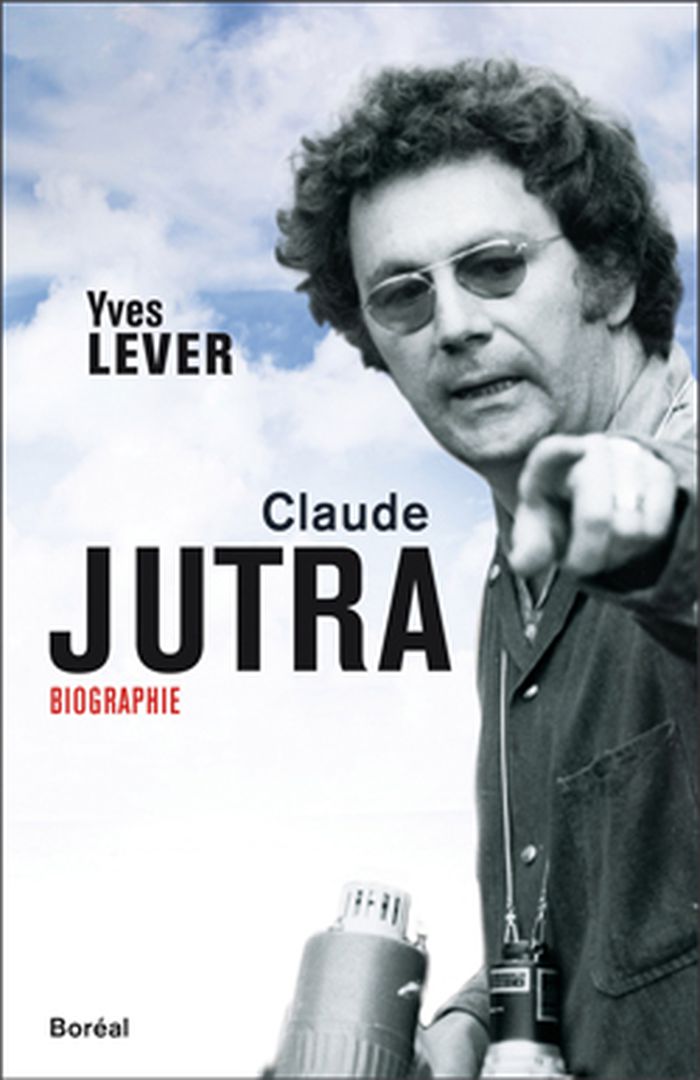
Cette biographie du cinéaste Québecois Claude Jutra est le récit de la vie d'un homme complexe. C'est aussi une réévaluation critique de l'ouvre du cinéaste et un portrait de la venue au monde du cinéma québécois.
$29.95
(available to order)
Summary:
Cette biographie du cinéaste Québecois Claude Jutra est le récit de la vie d'un homme complexe. C'est aussi une réévaluation critique de l'ouvre du cinéaste et un portrait de la venue au monde du cinéma québécois.
Title:
Claude Jutra
Actions:
Price:
$29.95
(available to order)
Summary:
Cette biographie du cinéaste Québecois Claude Jutra est le récit de la vie d'un homme complexe. C'est aussi une réévaluation critique de l'ouvre du cinéaste et un portrait de la venue au monde du cinéma québécois.
Claude Jutra
Actions:
Price:
$29.95
(available to order)
Summary:
Cette biographie du cinéaste Québecois Claude Jutra est le récit de la vie d'un homme complexe. C'est aussi une réévaluation critique de l'ouvre du cinéaste et un portrait de la venue au monde du cinéma québécois.
Form:
books
books
Publication:
February 2016
February 2016
Subject:
Architecture and Film, Set Design
Architecture and Film, Set Design
Form:
books
books
Actions:
Price:
$55.00
(available in store)
Summary:
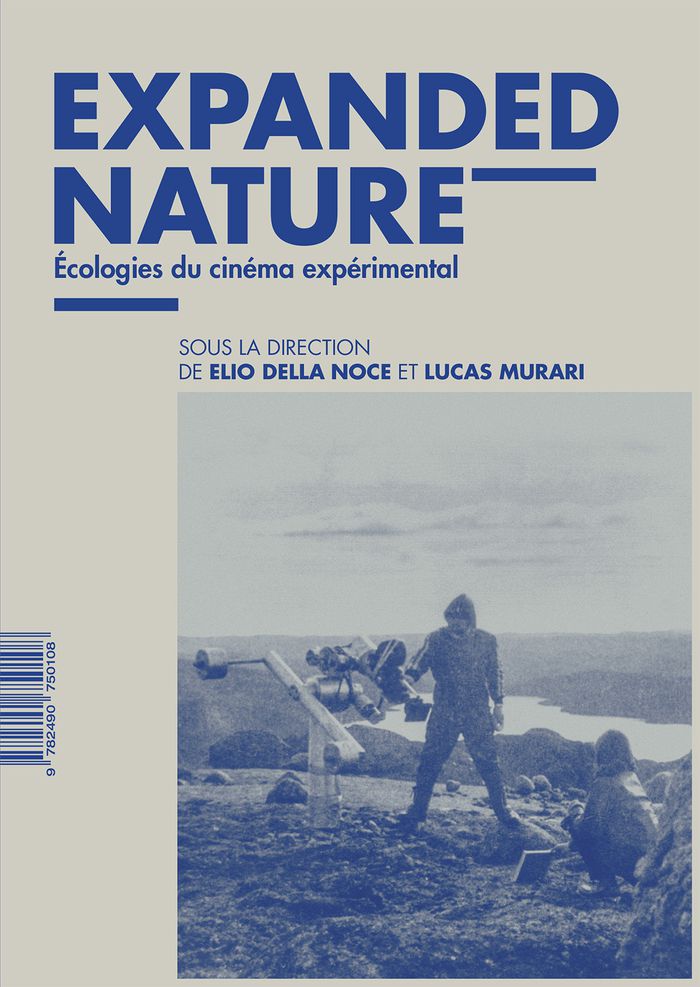
Si les cinéastes expérimentaux « élargissent » le champ artistique par une exploration des puissances, des modes de diffusion ou même de performance de l'image animée, à l'ère de l'Anthropocène, ces pratiques contiennent l'espoir d'une toute autre expansion : élargir notre expérience de la nature.
$55.00
(available in store)
Summary:
Si les cinéastes expérimentaux « élargissent » le champ artistique par une exploration des puissances, des modes de diffusion ou même de performance de l'image animée, à l'ère de l'Anthropocène, ces pratiques contiennent l'espoir d'une toute autre expansion : élargir notre expérience de la nature.
Subject:
Architecture and Film, Set Design
Architecture and Film, Set Design
Publication:
April 2022
April 2022
Title:
Expanded Nature : Écologies du cinéma expérimental
Actions:
Price:
$55.00
(available in store)
Summary:
Si les cinéastes expérimentaux « élargissent » le champ artistique par une exploration des puissances, des modes de diffusion ou même de performance de l'image animée, à l'ère de l'Anthropocène, ces pratiques contiennent l'espoir d'une toute autre expansion : élargir notre expérience de la nature.
Expanded Nature : Écologies du cinéma expérimental
Actions:
Price:
$55.00
(available in store)
Summary:
Si les cinéastes expérimentaux « élargissent » le champ artistique par une exploration des puissances, des modes de diffusion ou même de performance de l'image animée, à l'ère de l'Anthropocène, ces pratiques contiennent l'espoir d'une toute autre expansion : élargir notre expérience de la nature.
Form:
books
books
Publication:
April 2022
April 2022
Subject:
Architecture and Film, Set Design
Architecture and Film, Set Design
Form:
books
books
Actions:
Price:
$53.95
(available to order)
Summary:
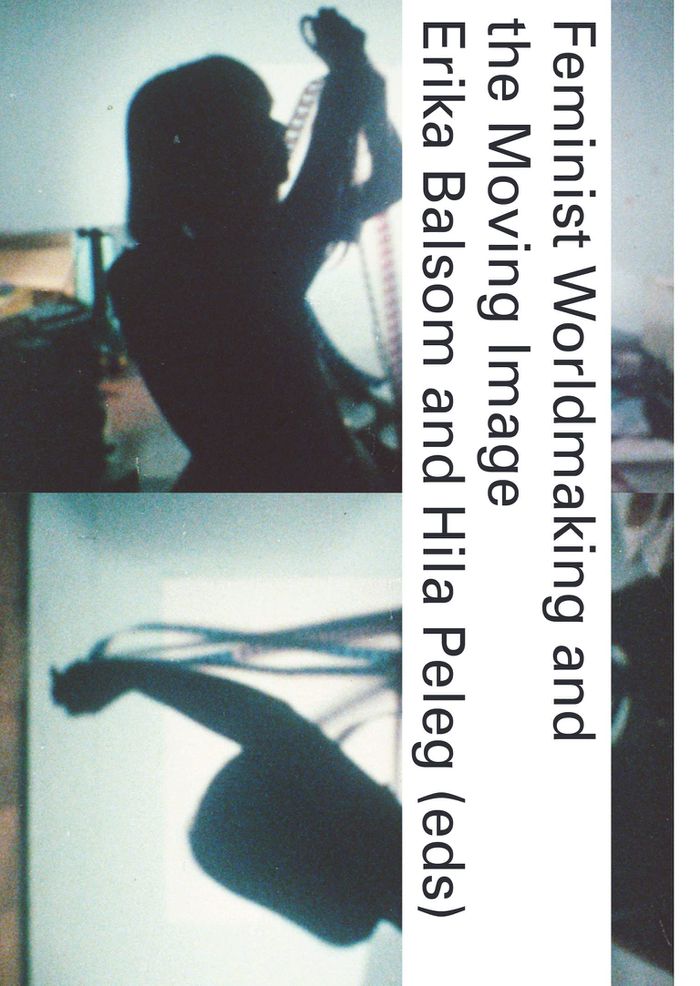
This book offers intersectional, intergenerational, and international perspectives on nonfiction film- and videomaking by and about women, examining practices that range from activist documentaries to avant-garde experiments. Concentrating primarily on the period between the 1970s and 1990s, the contributions revisit major figures, contexts, and debates across a(...)
$53.95
(available to order)
Summary:
This book offers intersectional, intergenerational, and international perspectives on nonfiction film- and videomaking by and about women, examining practices that range from activist documentaries to avant-garde experiments. Concentrating primarily on the period between the 1970s and 1990s, the contributions revisit major figures, contexts, and debates across a(...)
Title:
Feminist worldmaking and the moving image
Actions:
Price:
$53.95
(available to order)
Summary:
This book offers intersectional, intergenerational, and international perspectives on nonfiction film- and videomaking by and about women, examining practices that range from activist documentaries to avant-garde experiments. Concentrating primarily on the period between the 1970s and 1990s, the contributions revisit major figures, contexts, and debates across a polycentric, global geography. They explore how the moving image has been a crucial terrain of feminist struggle—a way of not only picturing the world but remaking it. The contributors consider key decolonial filmmakers, including Trinh T. Minh-ha and Sarah Maldoror; explore collectively produced films with ties to women's liberation movements in different countries; and investigate the cinematic expressions of tensions and alliances between feminism and anti-imperialist struggles. They grapple with the need for a broader more inclusive definition of the term ''feminism''; meditate on the figure of the grandmother; reflect on realist aesthetics; and ask what a feminist film historiography might look like.
Feminist worldmaking and the moving image
Actions:
Price:
$53.95
(available to order)
Summary:
This book offers intersectional, intergenerational, and international perspectives on nonfiction film- and videomaking by and about women, examining practices that range from activist documentaries to avant-garde experiments. Concentrating primarily on the period between the 1970s and 1990s, the contributions revisit major figures, contexts, and debates across a polycentric, global geography. They explore how the moving image has been a crucial terrain of feminist struggle—a way of not only picturing the world but remaking it. The contributors consider key decolonial filmmakers, including Trinh T. Minh-ha and Sarah Maldoror; explore collectively produced films with ties to women's liberation movements in different countries; and investigate the cinematic expressions of tensions and alliances between feminism and anti-imperialist struggles. They grapple with the need for a broader more inclusive definition of the term ''feminism''; meditate on the figure of the grandmother; reflect on realist aesthetics; and ask what a feminist film historiography might look like.
Form:
books
books
Publication:
August 2022
August 2022
Subject:
Architecture and Film, Set Design
Architecture and Film, Set Design
Form:
books
books
Actions:
Price:
$74.95
(available in store)
Summary:
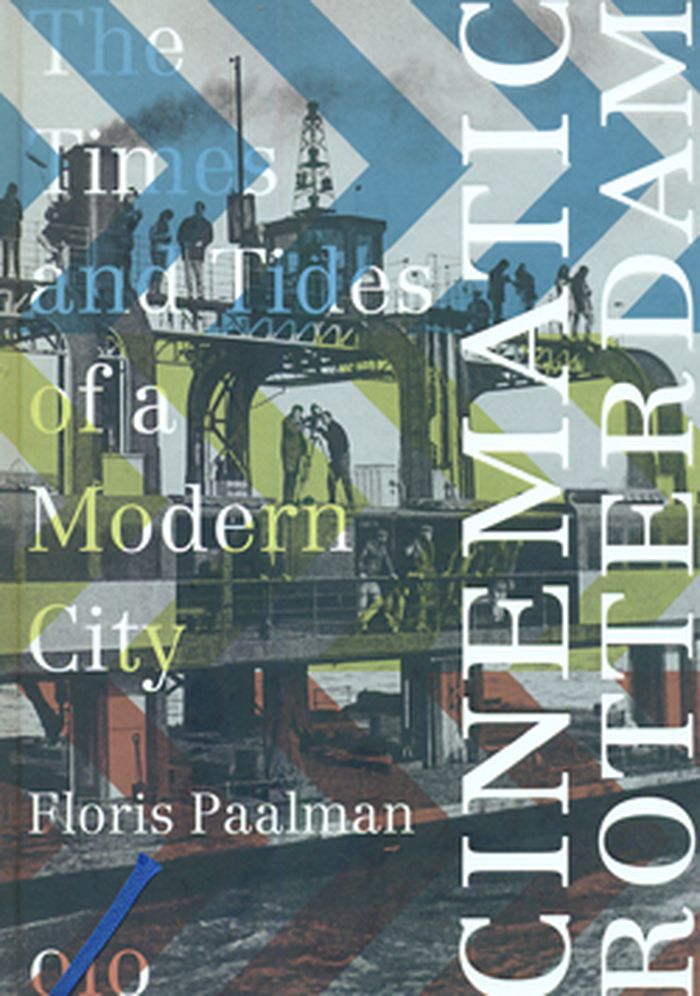
Cinematic Rotterdam is not only a thorough study of the audiovisual history of Rotterdam but is more especially a conceptual exploration of a hidden dimension of the city itself. Besides being an exhaustive reference work for policymakers, clients, producers and researchers in architecture, media and social studies, this overview makes a visual guide for anyone(...)
$74.95
(available in store)
Summary:
Cinematic Rotterdam is not only a thorough study of the audiovisual history of Rotterdam but is more especially a conceptual exploration of a hidden dimension of the city itself. Besides being an exhaustive reference work for policymakers, clients, producers and researchers in architecture, media and social studies, this overview makes a visual guide for anyone(...)
Publication:
May 2011
May 2011
Title:
Cinematic Rotterdam:The times and tides of a modern city
Actions:
Price:
$74.95
(available in store)
Summary:
Cinematic Rotterdam is not only a thorough study of the audiovisual history of Rotterdam but is more especially a conceptual exploration of a hidden dimension of the city itself. Besides being an exhaustive reference work for policymakers, clients, producers and researchers in architecture, media and social studies, this overview makes a visual guide for anyone interested in looking at the city of Rotterdam from a different angle.
Cinematic Rotterdam:The times and tides of a modern city
Actions:
Price:
$74.95
(available in store)
Summary:
Cinematic Rotterdam is not only a thorough study of the audiovisual history of Rotterdam but is more especially a conceptual exploration of a hidden dimension of the city itself. Besides being an exhaustive reference work for policymakers, clients, producers and researchers in architecture, media and social studies, this overview makes a visual guide for anyone interested in looking at the city of Rotterdam from a different angle.
Form:
books
books
Publication:
May 2011
May 2011


