


380 Results
Form:
books
books
Price:
$90.00
(available to order)
Summary:
A multimedia exploration of the morphology of architecture in the American Southwest as defined by evolving modes of transportation. In examining advances in transportation, the book asks how we have come to acquiesce to the monotonous, isolating, and aesthetically bankrupt landscape of suburbia. It also casts predictions about how the future built landscape will look as(...)
$90.00
(available to order)
Summary:
A multimedia exploration of the morphology of architecture in the American Southwest as defined by evolving modes of transportation. In examining advances in transportation, the book asks how we have come to acquiesce to the monotonous, isolating, and aesthetically bankrupt landscape of suburbia. It also casts predictions about how the future built landscape will look as(...)
Publication:
January 2022
January 2022
Title:
Architecture of normal: The colonization of the American landscape
Actions:
Price:
$90.00
(available to order)
Summary:
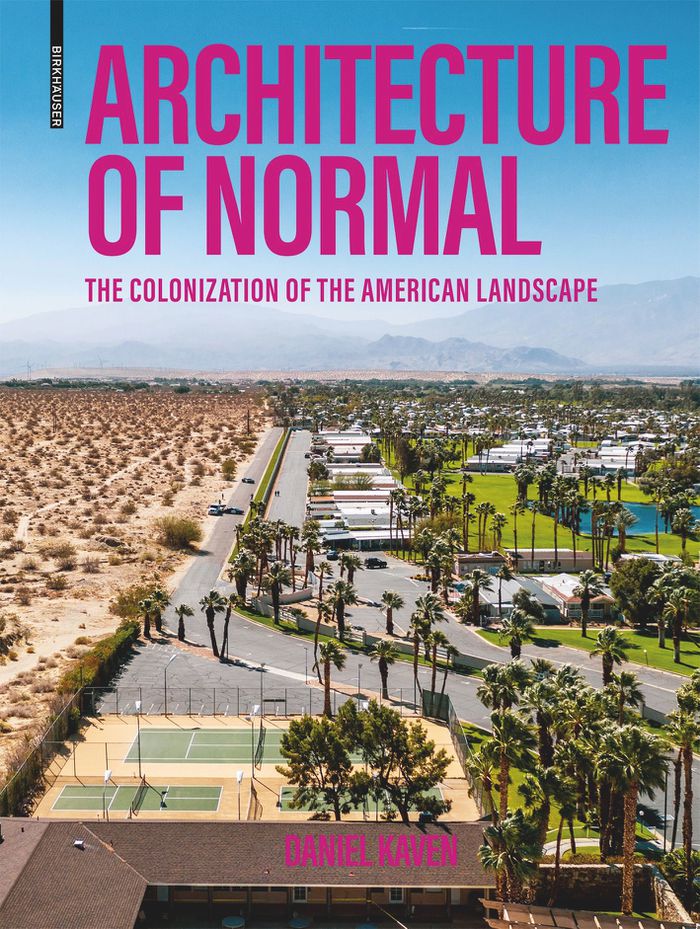
A multimedia exploration of the morphology of architecture in the American Southwest as defined by evolving modes of transportation. In examining advances in transportation, the book asks how we have come to acquiesce to the monotonous, isolating, and aesthetically bankrupt landscape of suburbia. It also casts predictions about how the future built landscape will look as it continues to adapt to patterns of human movement.
Architecture of normal: The colonization of the American landscape
Actions:
Price:
$90.00
(available to order)
Summary:
A multimedia exploration of the morphology of architecture in the American Southwest as defined by evolving modes of transportation. In examining advances in transportation, the book asks how we have come to acquiesce to the monotonous, isolating, and aesthetically bankrupt landscape of suburbia. It also casts predictions about how the future built landscape will look as it continues to adapt to patterns of human movement.
Form:
books
books
Publication:
January 2022
January 2022
Form:
books
books
Price:
$46.95
(available to order)
Summary:
Working in rural China is unlike other countryside: it is full of contradiction, neither rural nor urban, both traditional and modern, abandoned in some areas and yet others are becoming cities overnight. It is in fact a laboratory for new ways of living. And it has become our laboratory for new ways of making architecture. Whereas contemporary architecture since the(...)
$46.95
(available to order)
Summary:
Working in rural China is unlike other countryside: it is full of contradiction, neither rural nor urban, both traditional and modern, abandoned in some areas and yet others are becoming cities overnight. It is in fact a laboratory for new ways of living. And it has become our laboratory for new ways of making architecture. Whereas contemporary architecture since the(...)
Title:
Uncertainty : Experiments in making from the Chinese countryside
Actions:
Price:
$46.95
(available to order)
Summary:
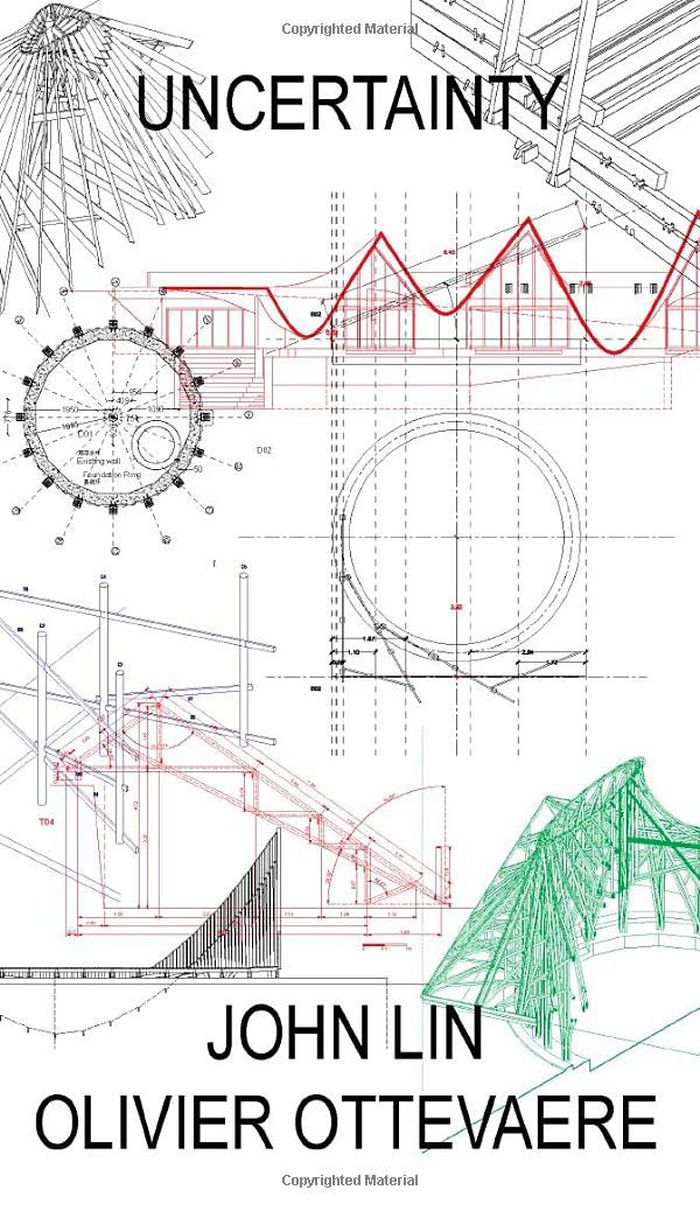
Working in rural China is unlike other countryside: it is full of contradiction, neither rural nor urban, both traditional and modern, abandoned in some areas and yet others are becoming cities overnight. It is in fact a laboratory for new ways of living. And it has become our laboratory for new ways of making architecture. Whereas contemporary architecture since the advent of modernism has developed increasingly controlled, prototypical, and standardized mechanisms for building, our experiments embrace the opposite: a lack of control, taking place within the flux of political, social and economic uncertainties. The experiments presented here are examples taken from a series of design and build projects conducted from the Department of Architecture at the University of Hong Kong over the past 10 years. They are remarkable in their diffuse explorations and situations. Some were urgent post-earthquake reconstructions, often adapting to extreme topographies or taking place in the midst of major urbanizing transformations, whereas other experiments occurred in forgotten villages with left-behind craftspeople and their disappearing building cultures. These forays and what can be best described as adventures in building, left us with varied and novel (sometimes failed) experiments with structure and program. But they are presented here for the trait they have in common: an exploration of the limits of material, geometry, construction methods, and even historical context. As often occurs for architects working in a foreign landscape, the differences in language and culture have proven to be a source of constant miscommunication and surprising discovery. The lack of a common spoken language- these remote areas speak their own dialects- has placed an emphasis on drawing as another means of communication. Through drawing we have explored a means of design and a means of building. Therefore, this is also a book about ways of drawing that represent ways of control and, inversely perhaps, what not to control.
Uncertainty : Experiments in making from the Chinese countryside
Actions:
Price:
$46.95
(available to order)
Summary:
Working in rural China is unlike other countryside: it is full of contradiction, neither rural nor urban, both traditional and modern, abandoned in some areas and yet others are becoming cities overnight. It is in fact a laboratory for new ways of living. And it has become our laboratory for new ways of making architecture. Whereas contemporary architecture since the advent of modernism has developed increasingly controlled, prototypical, and standardized mechanisms for building, our experiments embrace the opposite: a lack of control, taking place within the flux of political, social and economic uncertainties. The experiments presented here are examples taken from a series of design and build projects conducted from the Department of Architecture at the University of Hong Kong over the past 10 years. They are remarkable in their diffuse explorations and situations. Some were urgent post-earthquake reconstructions, often adapting to extreme topographies or taking place in the midst of major urbanizing transformations, whereas other experiments occurred in forgotten villages with left-behind craftspeople and their disappearing building cultures. These forays and what can be best described as adventures in building, left us with varied and novel (sometimes failed) experiments with structure and program. But they are presented here for the trait they have in common: an exploration of the limits of material, geometry, construction methods, and even historical context. As often occurs for architects working in a foreign landscape, the differences in language and culture have proven to be a source of constant miscommunication and surprising discovery. The lack of a common spoken language- these remote areas speak their own dialects- has placed an emphasis on drawing as another means of communication. Through drawing we have explored a means of design and a means of building. Therefore, this is also a book about ways of drawing that represent ways of control and, inversely perhaps, what not to control.
Form:
books
books
Publication:
June 2022
June 2022
Subject:
Contemporary Architecture
Contemporary Architecture
Form:
books
books
Price:
$134.99
(available to order)
Summary:
This book documents contemporary architectural projects designed by women architects participating in diverse forms of practice in diverse regions around the world. Examining each design within its unique context, this collection of forty projects includes beautifully illustrated case studies of transformative buildings, encompassing a range of sizes, building types,(...)
$134.99
(available to order)
Summary:
This book documents contemporary architectural projects designed by women architects participating in diverse forms of practice in diverse regions around the world. Examining each design within its unique context, this collection of forty projects includes beautifully illustrated case studies of transformative buildings, encompassing a range of sizes, building types,(...)
Subject:
Contemporary Architecture
Contemporary Architecture
Publication:
August 2022
August 2022
Title:
Expanding field of architecture: Women in practice across the globe
Actions:
Price:
$134.99
(available to order)
Summary:
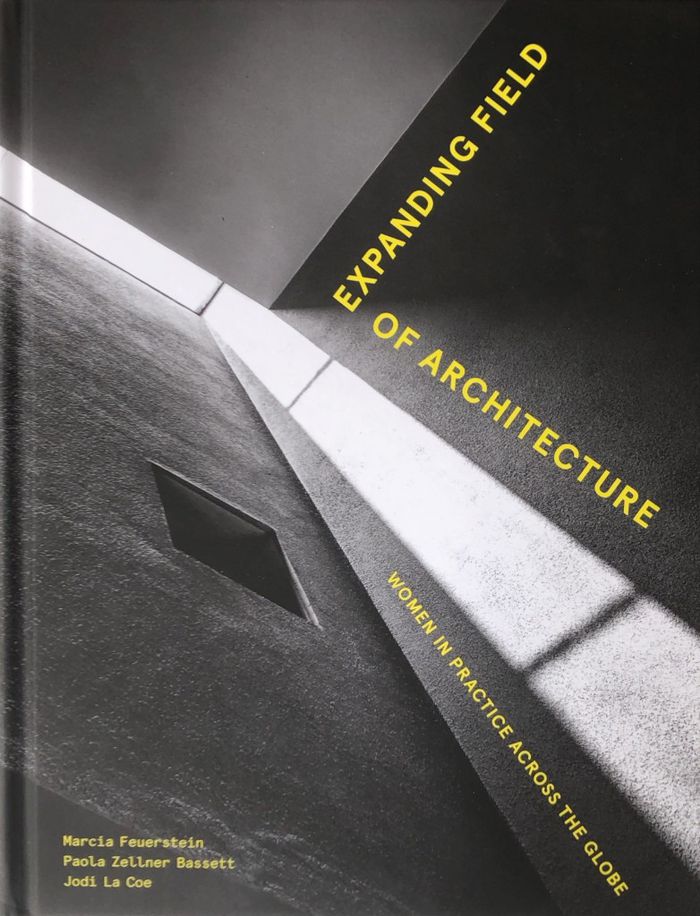
This book documents contemporary architectural projects designed by women architects participating in diverse forms of practice in diverse regions around the world. Examining each design within its unique context, this collection of forty projects includes beautifully illustrated case studies of transformative buildings, encompassing a range of sizes, building types, materials, and construction methods. Overcoming historical challenges within architectural practice, the women architects in this collection lead their firms and expand the field of architecture.
Expanding field of architecture: Women in practice across the globe
Actions:
Price:
$134.99
(available to order)
Summary:
This book documents contemporary architectural projects designed by women architects participating in diverse forms of practice in diverse regions around the world. Examining each design within its unique context, this collection of forty projects includes beautifully illustrated case studies of transformative buildings, encompassing a range of sizes, building types, materials, and construction methods. Overcoming historical challenges within architectural practice, the women architects in this collection lead their firms and expand the field of architecture.
Form:
books
books
Publication:
August 2022
August 2022
Subject:
Contemporary Architecture
Contemporary Architecture
Form:
books
books
Title:
Future architecture book
Future architecture book
Actions:
Price:
$46.95
(available in store)
Summary:
Thousands of artefacts produced throughout the years—ideas, projects, exhibitions, events, reflections, publications, library, thousands of photographs, visual identity packs, call for proposals and testimonials were looked through and are now formed into four main chapters:1. Reflections, with contributions by Giovanna Borasi, Amica Dall, Marina Otero Verzier and Stojan(...)
$46.95
(available in store)
Summary:
Thousands of artefacts produced throughout the years—ideas, projects, exhibitions, events, reflections, publications, library, thousands of photographs, visual identity packs, call for proposals and testimonials were looked through and are now formed into four main chapters:1. Reflections, with contributions by Giovanna Borasi, Amica Dall, Marina Otero Verzier and Stojan(...)
Title:
Future architecture book
Actions:
Price:
$46.95
(available in store)
Summary:
Thousands of artefacts produced throughout the years—ideas, projects, exhibitions, events, reflections, publications, library, thousands of photographs, visual identity packs, call for proposals and testimonials were looked through and are now formed into four main chapters:1. Reflections, with contributions by Giovanna Borasi, Amica Dall, Marina Otero Verzier and Stojan Pelko, in a critical and political tone reflect on each year’s ideas submitted at the Calls for Ideas. Chapter 2. Charts give a visual representation of the vast data found in applied and selected ideas, while 3.Dossier takes the form of a statistical report that captures the sheer quantity, complexity and mathematically measurable success of the platform. The highlight of the book is the chapter 4. Collaborations. Here, the evolution from an Idea, through program to the outcome is presented, thus exposing mechanisms of collaboration, which resulted in the many events across Europe, be it an exhibition, publication, film, lecture series and more.
Future architecture book
Actions:
Price:
$46.95
(available in store)
Summary:
Thousands of artefacts produced throughout the years—ideas, projects, exhibitions, events, reflections, publications, library, thousands of photographs, visual identity packs, call for proposals and testimonials were looked through and are now formed into four main chapters:1. Reflections, with contributions by Giovanna Borasi, Amica Dall, Marina Otero Verzier and Stojan Pelko, in a critical and political tone reflect on each year’s ideas submitted at the Calls for Ideas. Chapter 2. Charts give a visual representation of the vast data found in applied and selected ideas, while 3.Dossier takes the form of a statistical report that captures the sheer quantity, complexity and mathematically measurable success of the platform. The highlight of the book is the chapter 4. Collaborations. Here, the evolution from an Idea, through program to the outcome is presented, thus exposing mechanisms of collaboration, which resulted in the many events across Europe, be it an exhibition, publication, film, lecture series and more.
Form:
books
books
Publication:
June 2022
June 2022
Subject:
Contemporary Architecture
Contemporary Architecture
Form:
books
books
Actions:
Price:
$64.00
(available to order)
Summary:
Seven Questions is the outcome of a series of online lunch lectures at ETH Zu¨rich, organized by studio Jan de Vylder during the Corona lockdown. The briefing for the speakers was as simple as it was tricky: Talk about seven questions that you consider relevant without answering them. The results were as diverse as the contributors: 68 experts from architecture, design,(...)
$64.00
(available to order)
Summary:
Seven Questions is the outcome of a series of online lunch lectures at ETH Zu¨rich, organized by studio Jan de Vylder during the Corona lockdown. The briefing for the speakers was as simple as it was tricky: Talk about seven questions that you consider relevant without answering them. The results were as diverse as the contributors: 68 experts from architecture, design,(...)
Title:
Seven questions: Studio Jan de Vylder
Actions:
Price:
$64.00
(available to order)
Summary:
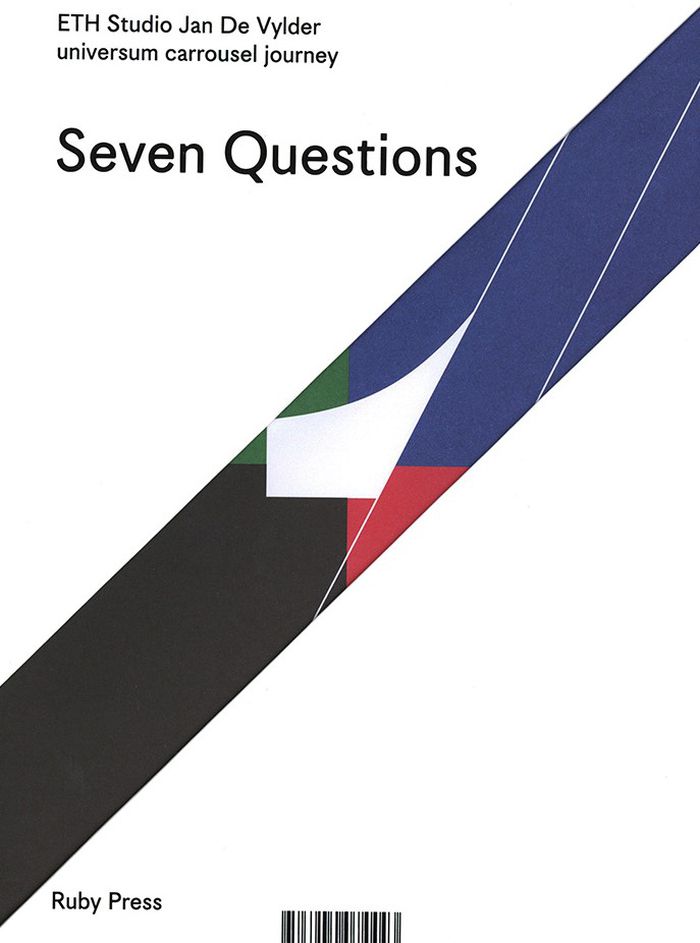
Seven Questions is the outcome of a series of online lunch lectures at ETH Zu¨rich, organized by studio Jan de Vylder during the Corona lockdown. The briefing for the speakers was as simple as it was tricky: Talk about seven questions that you consider relevant without answering them. The results were as diverse as the contributors: 68 experts from architecture, design, history, theory, sociology, art, etc. gave an insight in the creative processes that drive their work.
Seven questions: Studio Jan de Vylder
Actions:
Price:
$64.00
(available to order)
Summary:
Seven Questions is the outcome of a series of online lunch lectures at ETH Zu¨rich, organized by studio Jan de Vylder during the Corona lockdown. The briefing for the speakers was as simple as it was tricky: Talk about seven questions that you consider relevant without answering them. The results were as diverse as the contributors: 68 experts from architecture, design, history, theory, sociology, art, etc. gave an insight in the creative processes that drive their work.
Form:
books
books
Publication:
June 2022
June 2022
Subject:
Contemporary Architecture
Contemporary Architecture
Form:
books
books

Price:
$43.00
(available to order)
Summary:
Safety and sustainability in buildings and cities have taken on new meaning during the COVID -19 pandemic. Buildings became magnifiers of contagion instead of shelters for protection. In this essential resource for both practitioners and students of architecture, interior design, and urban design, 90 of the world’s leading experts investigate a variety of approaches to(...)
$43.00
(available to order)
Summary:
Safety and sustainability in buildings and cities have taken on new meaning during the COVID -19 pandemic. Buildings became magnifiers of contagion instead of shelters for protection. In this essential resource for both practitioners and students of architecture, interior design, and urban design, 90 of the world’s leading experts investigate a variety of approaches to(...)
Title:
The pandemic effect: Ninety experts on immunizing the built environment
Actions:
Price:
$43.00
(available to order)
Summary:
Safety and sustainability in buildings and cities have taken on new meaning during the COVID -19 pandemic. Buildings became magnifiers of contagion instead of shelters for protection. In this essential resource for both practitioners and students of architecture, interior design, and urban design, 90 of the world’s leading experts investigate a variety of approaches to future-proof architecture and buildings against widespread disease. This broad collection of perspectives explores the transformations underway in the built environment—and offers design strategies to limit the severity of subsequent pandemics.
The pandemic effect: Ninety experts on immunizing the built environment
Actions:
Price:
$43.00
(available to order)
Summary:
Safety and sustainability in buildings and cities have taken on new meaning during the COVID -19 pandemic. Buildings became magnifiers of contagion instead of shelters for protection. In this essential resource for both practitioners and students of architecture, interior design, and urban design, 90 of the world’s leading experts investigate a variety of approaches to future-proof architecture and buildings against widespread disease. This broad collection of perspectives explores the transformations underway in the built environment—and offers design strategies to limit the severity of subsequent pandemics.
Form:
books
books
Publication:
January 2023
January 2023
Subject:
Contemporary Architecture
Contemporary Architecture
Form:
books
books
Price:
$76.95
(available in store)
Summary:
"Share: Conversations about contemporary architecture. The Nordic countries" is the first book in a new global series of investigative interviews about the modern architectural process. Initiated and undertaken by the Norway-based Canadian architect Todd Saunders, the Nordic Countries edition features interviews with 30 architectural practices from Finland, Norway,(...)
$76.95
(available in store)
Summary:
"Share: Conversations about contemporary architecture. The Nordic countries" is the first book in a new global series of investigative interviews about the modern architectural process. Initiated and undertaken by the Norway-based Canadian architect Todd Saunders, the Nordic Countries edition features interviews with 30 architectural practices from Finland, Norway,(...)
Subject:
Contemporary Architecture
Contemporary Architecture
Publication:
October 2022
October 2022
Title:
Share: Conversations about contemporary architecture. The Nordic countries
Actions:
Price:
$76.95
(available in store)
Summary:
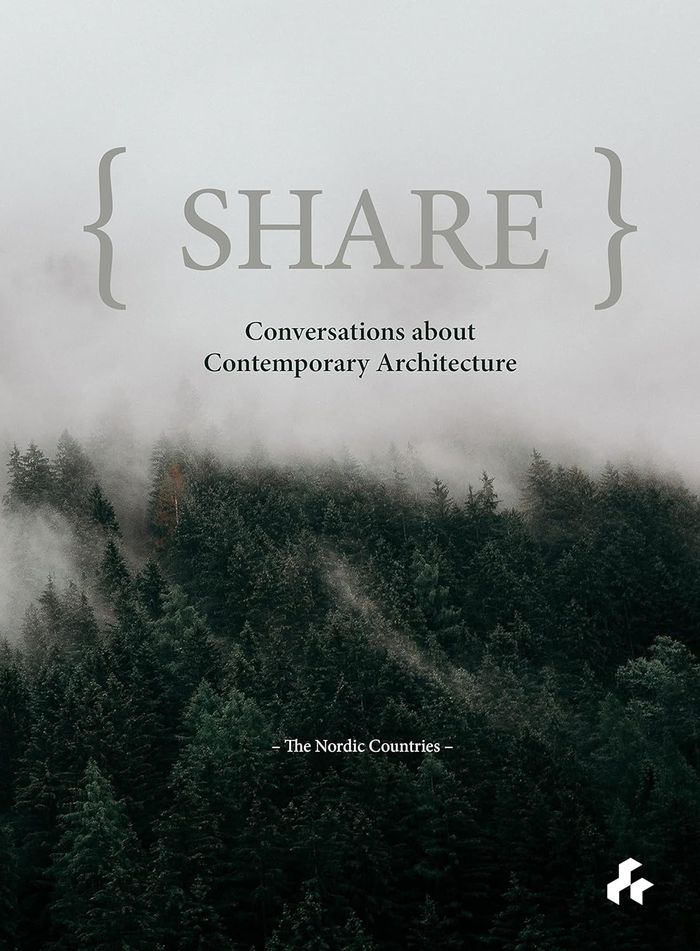
"Share: Conversations about contemporary architecture. The Nordic countries" is the first book in a new global series of investigative interviews about the modern architectural process. Initiated and undertaken by the Norway-based Canadian architect Todd Saunders, the Nordic Countries edition features interviews with 30 architectural practices from Finland, Norway, Denmark, Sweden and Iceland. With more than 25 years of professional practice behind him, Saunders has always been fascinated by the role of creativity in everyday practice and the potential power alluded to it. In a series of interviews undertaken over the past year, Saunders has queried the changing role of the architect, the challenges of contemporary practice – especially the impact of the pandemic – and the ways in which architects can achieve the right balance in the relationship between site, client, craft and innovation. Presented as a series of candid conversations between architect and architect, the book offers insights that go beyond the polished histories that usually make it into print. In particular, the interviews explore the role of challenge and failure, conflict and mistakes, chance and coincidence; all familiar aspects of the architectural process yet elements that tend to be glossed over in conventional monographs. The Nordic countries edition will be followed by companion volumes that explore the work of architects in North and South America, central Europe and the Far East.
Share: Conversations about contemporary architecture. The Nordic countries
Actions:
Price:
$76.95
(available in store)
Summary:
"Share: Conversations about contemporary architecture. The Nordic countries" is the first book in a new global series of investigative interviews about the modern architectural process. Initiated and undertaken by the Norway-based Canadian architect Todd Saunders, the Nordic Countries edition features interviews with 30 architectural practices from Finland, Norway, Denmark, Sweden and Iceland. With more than 25 years of professional practice behind him, Saunders has always been fascinated by the role of creativity in everyday practice and the potential power alluded to it. In a series of interviews undertaken over the past year, Saunders has queried the changing role of the architect, the challenges of contemporary practice – especially the impact of the pandemic – and the ways in which architects can achieve the right balance in the relationship between site, client, craft and innovation. Presented as a series of candid conversations between architect and architect, the book offers insights that go beyond the polished histories that usually make it into print. In particular, the interviews explore the role of challenge and failure, conflict and mistakes, chance and coincidence; all familiar aspects of the architectural process yet elements that tend to be glossed over in conventional monographs. The Nordic countries edition will be followed by companion volumes that explore the work of architects in North and South America, central Europe and the Far East.
Form:
books
books
Publication:
October 2022
October 2022
Subject:
Contemporary Architecture
Contemporary Architecture
Form:
books
books
Actions:
Price:
$44.00
(available to order)
Summary:
Nous ne pouvons plus continuer à fabriquer la ville de demain avec une logique architecturale qui voudrait qu'un bâtiment = un usage. La permanence propre à l'architecture et au bâti contraste avec la mouvance de la société contemporaine. Le patrimoine construit ne peut pas être traité comme un objet de consommation, parce qu'il mobilise trop d'énergie, de ressources et(...)
$44.00
(available to order)
Summary:
Nous ne pouvons plus continuer à fabriquer la ville de demain avec une logique architecturale qui voudrait qu'un bâtiment = un usage. La permanence propre à l'architecture et au bâti contraste avec la mouvance de la société contemporaine. Le patrimoine construit ne peut pas être traité comme un objet de consommation, parce qu'il mobilise trop d'énergie, de ressources et(...)
Subject:
Contemporary Architecture
Contemporary Architecture
Publication:
May 2022
May 2022
Title:
Architecture évolutive réversible : Formes et dispositifs
Actions:
Price:
$44.00
(available to order)
Summary:
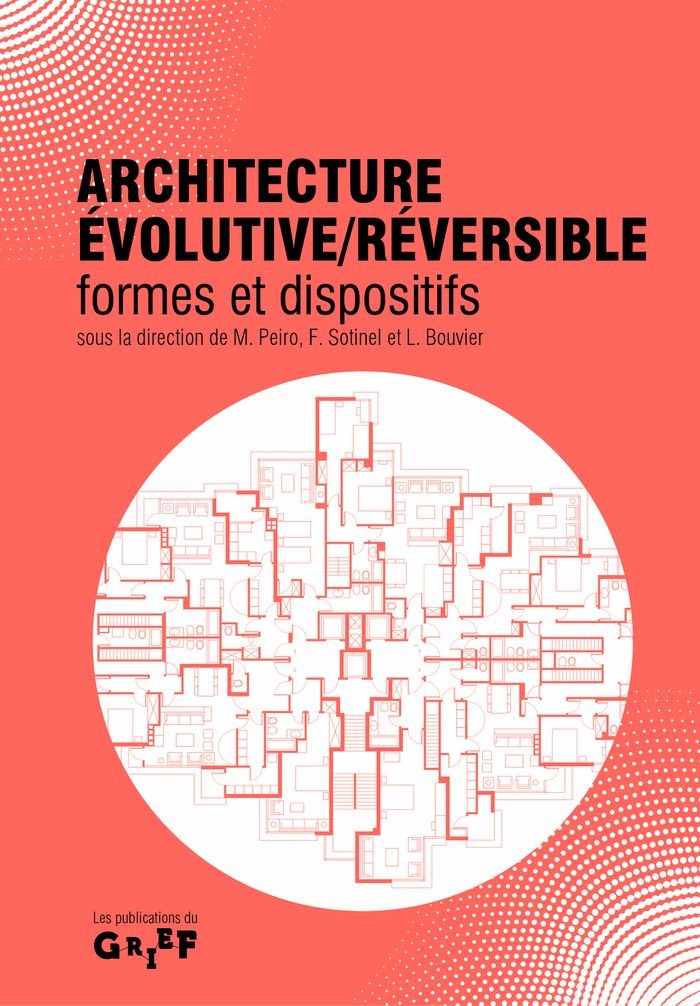
Nous ne pouvons plus continuer à fabriquer la ville de demain avec une logique architecturale qui voudrait qu'un bâtiment = un usage. La permanence propre à l'architecture et au bâti contraste avec la mouvance de la société contemporaine. Le patrimoine construit ne peut pas être traité comme un objet de consommation, parce qu'il mobilise trop d'énergie, de ressources et de temps. Pour être vraiment durable, comment s'adapter à cette future obsolescence ? Comment tendre vers une architecture atemporelle ? Fabriquer l'architecture comme un objet totalement réversible présente le risque de produire une architecture sans ancrage, sans histoire, incapable de considérer toutes les problématiques qui doivent intervenir dans le processus de création. Dans le prolongement d'un colloque organisé par le Groupe de Recherche sur l'Invention et l'Évolution des Formes (Grief) et par l'École Nationale Supérieure d'Architecture de Bretagne en 2020, cet ouvrage ouvre des pistes de réflexion investies par une quinzaine d'auteurs, architectes ou chercheurs.
Architecture évolutive réversible : Formes et dispositifs
Actions:
Price:
$44.00
(available to order)
Summary:
Nous ne pouvons plus continuer à fabriquer la ville de demain avec une logique architecturale qui voudrait qu'un bâtiment = un usage. La permanence propre à l'architecture et au bâti contraste avec la mouvance de la société contemporaine. Le patrimoine construit ne peut pas être traité comme un objet de consommation, parce qu'il mobilise trop d'énergie, de ressources et de temps. Pour être vraiment durable, comment s'adapter à cette future obsolescence ? Comment tendre vers une architecture atemporelle ? Fabriquer l'architecture comme un objet totalement réversible présente le risque de produire une architecture sans ancrage, sans histoire, incapable de considérer toutes les problématiques qui doivent intervenir dans le processus de création. Dans le prolongement d'un colloque organisé par le Groupe de Recherche sur l'Invention et l'Évolution des Formes (Grief) et par l'École Nationale Supérieure d'Architecture de Bretagne en 2020, cet ouvrage ouvre des pistes de réflexion investies par une quinzaine d'auteurs, architectes ou chercheurs.
Form:
books
books
Publication:
May 2022
May 2022
Subject:
Contemporary Architecture
Contemporary Architecture
Form:
books
books
Actions:
Price:
$16.95
(available to order)
Summary:
Aux côtés des incontournables Jean Nouvel, Dominique Perrault, Christian de Portzamparc, Frank Gehry, Richard Meier, Daniel Libeskind, Massimiliano Fuksas ou encore Mario Botta, une nouvelle génération d'architectes se fait une place. Concernés par l'environnement et le rôle de l'architecture dans la société contemporaine, ils se jouent des formes et des couleurs et(...)
$16.95
(available to order)
Summary:
Aux côtés des incontournables Jean Nouvel, Dominique Perrault, Christian de Portzamparc, Frank Gehry, Richard Meier, Daniel Libeskind, Massimiliano Fuksas ou encore Mario Botta, une nouvelle génération d'architectes se fait une place. Concernés par l'environnement et le rôle de l'architecture dans la société contemporaine, ils se jouent des formes et des couleurs et(...)
Publication:
September 2010
September 2010
Title:
Les nouveaux maîtres de l'architecture: Bâtiments & espaces publics, résidences privées
Actions:
Price:
$16.95
(available to order)
Summary:
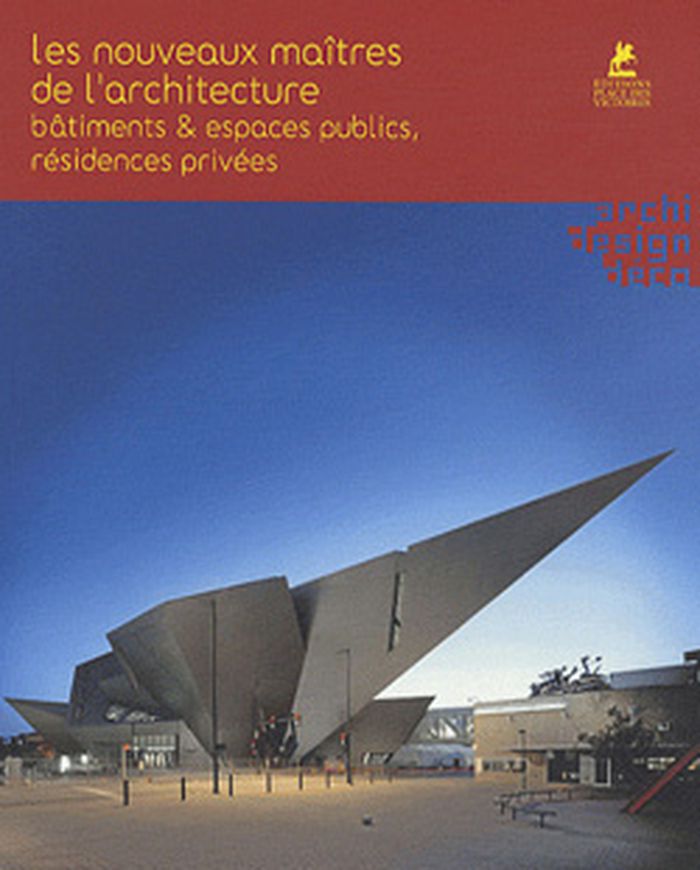
Aux côtés des incontournables Jean Nouvel, Dominique Perrault, Christian de Portzamparc, Frank Gehry, Richard Meier, Daniel Libeskind, Massimiliano Fuksas ou encore Mario Botta, une nouvelle génération d'architectes se fait une place. Concernés par l'environnement et le rôle de l'architecture dans la société contemporaine, ils se jouent des formes et des couleurs et revisitent les styles traditionnels. Cet ouvrage présente les travaux de 25 architectes et paysagistes à découvrir absolument.
Les nouveaux maîtres de l'architecture: Bâtiments & espaces publics, résidences privées
Actions:
Price:
$16.95
(available to order)
Summary:
Aux côtés des incontournables Jean Nouvel, Dominique Perrault, Christian de Portzamparc, Frank Gehry, Richard Meier, Daniel Libeskind, Massimiliano Fuksas ou encore Mario Botta, une nouvelle génération d'architectes se fait une place. Concernés par l'environnement et le rôle de l'architecture dans la société contemporaine, ils se jouent des formes et des couleurs et revisitent les styles traditionnels. Cet ouvrage présente les travaux de 25 architectes et paysagistes à découvrir absolument.
Form:
books
books
Publication:
September 2010
September 2010
Form:
books
books
Title:
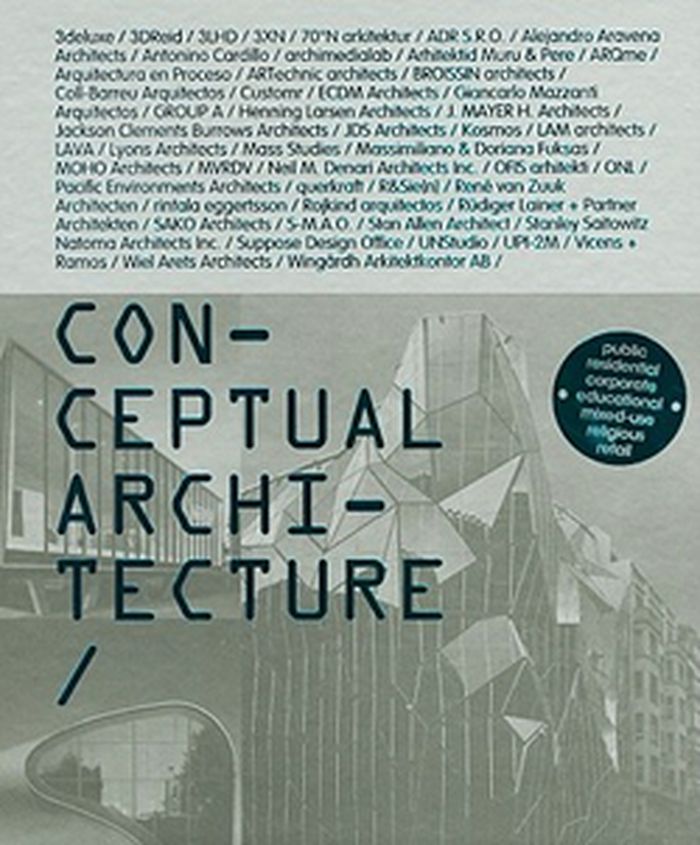
Conceptual architecture
Conceptual architecture
Actions:
Price:
$63.00
(available to order)
Summary:
The works featured in Conceptual Architecture possess qualities that can be attributed to a delicate handling of materials and details. The book is divided into seven sections: Public, Residential, Corporate, Educational, Mixed-use, Religious and Business
$63.00
(available to order)
Summary:
The works featured in Conceptual Architecture possess qualities that can be attributed to a delicate handling of materials and details. The book is divided into seven sections: Public, Residential, Corporate, Educational, Mixed-use, Religious and Business
Title:
Conceptual architecture
Actions:
Price:
$63.00
(available to order)
Summary:
The works featured in Conceptual Architecture possess qualities that can be attributed to a delicate handling of materials and details. The book is divided into seven sections: Public, Residential, Corporate, Educational, Mixed-use, Religious and Business
Conceptual architecture
Actions:
Price:
$63.00
(available to order)
Summary:
The works featured in Conceptual Architecture possess qualities that can be attributed to a delicate handling of materials and details. The book is divided into seven sections: Public, Residential, Corporate, Educational, Mixed-use, Religious and Business
Form:
books
books
Publication:
October 2010
October 2010
Subject:
Contemporary Architecture
Contemporary Architecture


