


642 Results
Form:
books
books
Actions:
Price:
$49.95
(available to order)
Summary:
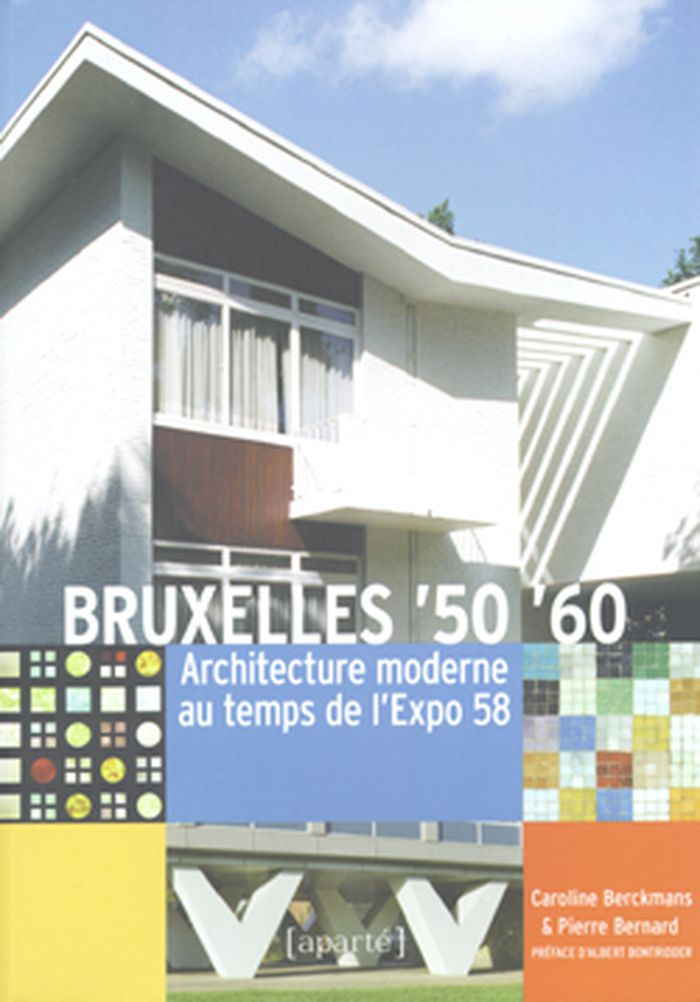
Découverte d'une architecture passionnante, très créative, base de l'architecture contemporaine actuelle La présentation d'une architecture inédite, très présente à Bruxelles. Reflet d'une époque en quête de renouveau, elle ose les couleurs joyeuses et les formes dynamiques et aériennes. Toute personne qui aime l'architecture, le patrimoine, qui recherche l'âme d'une(...)
$49.95
(available to order)
Summary:
Découverte d'une architecture passionnante, très créative, base de l'architecture contemporaine actuelle La présentation d'une architecture inédite, très présente à Bruxelles. Reflet d'une époque en quête de renouveau, elle ose les couleurs joyeuses et les formes dynamiques et aériennes. Toute personne qui aime l'architecture, le patrimoine, qui recherche l'âme d'une(...)
Subject:
Architecture since 1900, Europe
Architecture since 1900, Europe
Publication:
June 2008, Bruxelles
June 2008, Bruxelles
Title:
Bruxelles '50 '60 Architecture moderne au temps de l'Expo 58
Actions:
Price:
$49.95
(available to order)
Summary:
Découverte d'une architecture passionnante, très créative, base de l'architecture contemporaine actuelle La présentation d'une architecture inédite, très présente à Bruxelles. Reflet d'une époque en quête de renouveau, elle ose les couleurs joyeuses et les formes dynamiques et aériennes. Toute personne qui aime l'architecture, le patrimoine, qui recherche l'âme d'une ville, passionnée de découverte. Env. 600 photos. Repères historiques, de styles, de vocabulaire architectural et des techniques utilisées. Enrichi de citations de contemporains. Situation des immeubles sur une carte de la région bruxelloise. Plaisir d'un livre entre le guide et le livre d'art à un prix accessible. Force de séduction d'un livre qui convainc dès qu'il est feuilleté.
Bruxelles '50 '60 Architecture moderne au temps de l'Expo 58
Actions:
Price:
$49.95
(available to order)
Summary:
Découverte d'une architecture passionnante, très créative, base de l'architecture contemporaine actuelle La présentation d'une architecture inédite, très présente à Bruxelles. Reflet d'une époque en quête de renouveau, elle ose les couleurs joyeuses et les formes dynamiques et aériennes. Toute personne qui aime l'architecture, le patrimoine, qui recherche l'âme d'une ville, passionnée de découverte. Env. 600 photos. Repères historiques, de styles, de vocabulaire architectural et des techniques utilisées. Enrichi de citations de contemporains. Situation des immeubles sur une carte de la région bruxelloise. Plaisir d'un livre entre le guide et le livre d'art à un prix accessible. Force de séduction d'un livre qui convainc dès qu'il est feuilleté.
Form:
books
books
Publication:
June 2008, Bruxelles
June 2008, Bruxelles
Subject:
Architecture since 1900, Europe
Architecture since 1900, Europe
Form:
books
books
Title:
Ready for take-off
Ready for take-off
Actions:
Price:
$63.00
(available to order)
Summary:
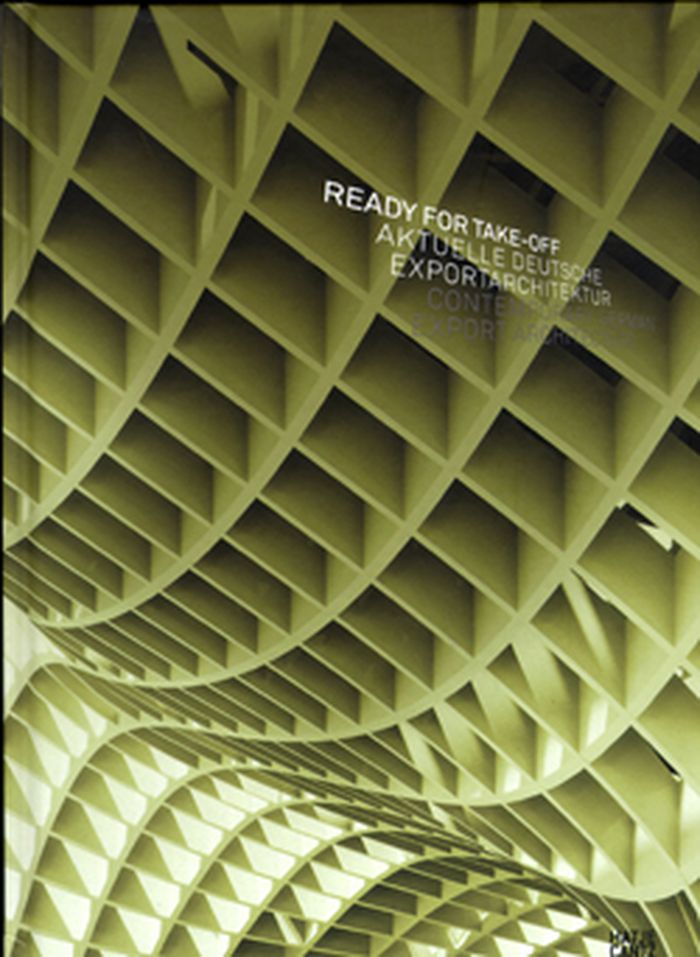
"Ready for Take Off": the German contribution to the 2007 Sao Paulo Architecture Biennale An increasing number of young German architects are taking off--becoming key players in global architecture. The firms selected for this publication, Architekturb�ro Deutschland, Barkow Leibinger Architekten, Behnisch Architekten, BeL, Carsten Roth Architekt, Gerber Architekten,(...)
$63.00
(available to order)
Summary:
"Ready for Take Off": the German contribution to the 2007 Sao Paulo Architecture Biennale An increasing number of young German architects are taking off--becoming key players in global architecture. The firms selected for this publication, Architekturb�ro Deutschland, Barkow Leibinger Architekten, Behnisch Architekten, BeL, Carsten Roth Architekt, Gerber Architekten,(...)
Subject:
Architecture since 1900, Europe
Architecture since 1900, Europe
Publication:
June 2008
June 2008
Title:
Ready for take-off
Actions:
Price:
$63.00
(available to order)
Summary:
"Ready for Take Off": the German contribution to the 2007 Sao Paulo Architecture Biennale An increasing number of young German architects are taking off--becoming key players in global architecture. The firms selected for this publication, Architekturb�ro Deutschland, Barkow Leibinger Architekten, Behnisch Architekten, BeL, Carsten Roth Architekt, Gerber Architekten, Gewers K�hn und K�hn Architekten, Ingenhoven Architekten, J. MAYER H., Kirsten Schemel Architekten, KSP Engel und Zimmermann Architekten, KSV Kr�ger Schuberth Vandreike, Pysall Ruge Architekten, sauerbruch hutton, Staab Architekten and Wandel Hoefer Lorch + Hirsch, are all currently working on their first large projects outside of Germany. In this volume, each firm, along with its engineering partner, presents a current commission from outside of Germany in addition to a finished building in Germany, providing an in-depth look at its development.
Ready for take-off
Actions:
Price:
$63.00
(available to order)
Summary:
"Ready for Take Off": the German contribution to the 2007 Sao Paulo Architecture Biennale An increasing number of young German architects are taking off--becoming key players in global architecture. The firms selected for this publication, Architekturb�ro Deutschland, Barkow Leibinger Architekten, Behnisch Architekten, BeL, Carsten Roth Architekt, Gerber Architekten, Gewers K�hn und K�hn Architekten, Ingenhoven Architekten, J. MAYER H., Kirsten Schemel Architekten, KSP Engel und Zimmermann Architekten, KSV Kr�ger Schuberth Vandreike, Pysall Ruge Architekten, sauerbruch hutton, Staab Architekten and Wandel Hoefer Lorch + Hirsch, are all currently working on their first large projects outside of Germany. In this volume, each firm, along with its engineering partner, presents a current commission from outside of Germany in addition to a finished building in Germany, providing an in-depth look at its development.
Form:
books
books
Publication:
June 2008
June 2008
Subject:
Architecture since 1900, Europe
Architecture since 1900, Europe
Form:
books
books
Actions:
Price:
$38.50
(available to order)
Summary:
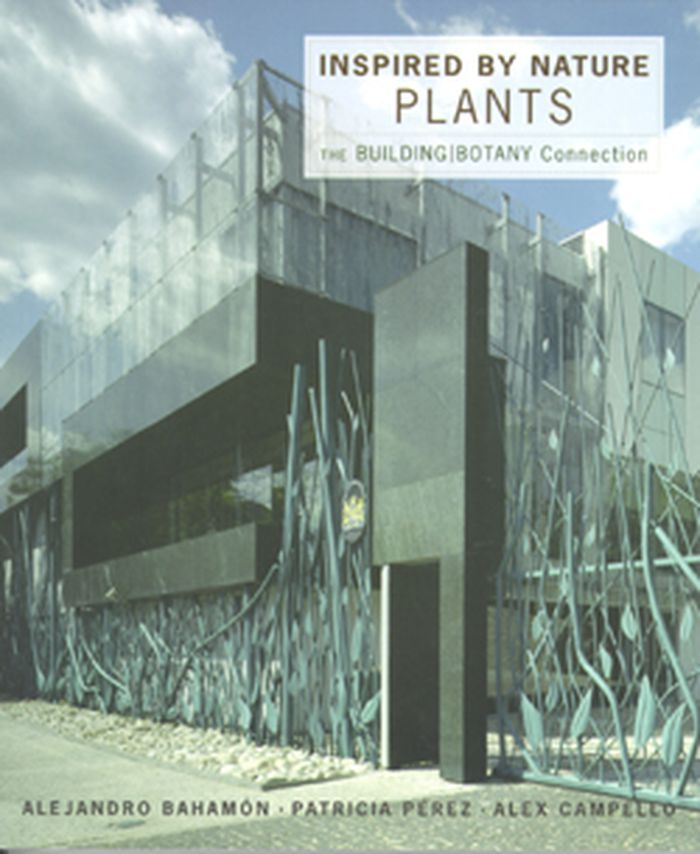
Nature has always furnished stimulating ideas for the design of architecture, both vernacular and in the work of major architects. Inspired by Nature: Plants looks at how the plant world serves as a useful source of inspiration, whether intentional or inconscious, for great contemporary architecture. Accompanying the images of built examples, ranging from houses to(...)
$38.50
(available to order)
Summary:
Nature has always furnished stimulating ideas for the design of architecture, both vernacular and in the work of major architects. Inspired by Nature: Plants looks at how the plant world serves as a useful source of inspiration, whether intentional or inconscious, for great contemporary architecture. Accompanying the images of built examples, ranging from houses to(...)
Subject:
Architecture since 1900, Europe
Architecture since 1900, Europe
Publication:
May 2008, New York, London
May 2008, New York, London
Title:
Inspired by nature plants, the building/botany collection
Actions:
Price:
$38.50
(available to order)
Summary:
Nature has always furnished stimulating ideas for the design of architecture, both vernacular and in the work of major architects. Inspired by Nature: Plants looks at how the plant world serves as a useful source of inspiration, whether intentional or inconscious, for great contemporary architecture. Accompanying the images of built examples, ranging from houses to hotels, schools, and commercial and industrial projects, are botanical drawings and an explanation of why natural forms make good models for structure. The visual analogies underline how architects can find elegant solution and create new, sustainable, and efficient architectonic forms by the close and unsderstanding observation of nature.
Inspired by nature plants, the building/botany collection
Actions:
Price:
$38.50
(available to order)
Summary:
Nature has always furnished stimulating ideas for the design of architecture, both vernacular and in the work of major architects. Inspired by Nature: Plants looks at how the plant world serves as a useful source of inspiration, whether intentional or inconscious, for great contemporary architecture. Accompanying the images of built examples, ranging from houses to hotels, schools, and commercial and industrial projects, are botanical drawings and an explanation of why natural forms make good models for structure. The visual analogies underline how architects can find elegant solution and create new, sustainable, and efficient architectonic forms by the close and unsderstanding observation of nature.
Form:
books
books
Publication:
May 2008, New York, London
May 2008, New York, London
Subject:
Architecture since 1900, Europe
Architecture since 1900, Europe
Form:
books
books
Title:
On Brick Lane
On Brick Lane
Actions:
Price:
$42.00
(available to order)
Summary:
A mesmerizing return to the memory-nest of Rachel Lichtenstein's heartland. By listening with such care and sympathetic attention, she teases out the voices of the living and the dead. Here is a mapping to set beside mayhew and Jack London, a valid attempt to identify eternal verities in a place that is vanishing, reinventing itself, even as she walks across it' Ian Sinclair
$42.00
(available to order)
Summary:
A mesmerizing return to the memory-nest of Rachel Lichtenstein's heartland. By listening with such care and sympathetic attention, she teases out the voices of the living and the dead. Here is a mapping to set beside mayhew and Jack London, a valid attempt to identify eternal verities in a place that is vanishing, reinventing itself, even as she walks across it' Ian Sinclair
Subject:
Architecture since 1900, Europe
Architecture since 1900, Europe
Publication:
August 2007, London, New York
August 2007, London, New York
Title:
On Brick Lane
Actions:
Price:
$42.00
(available to order)
Summary:
A mesmerizing return to the memory-nest of Rachel Lichtenstein's heartland. By listening with such care and sympathetic attention, she teases out the voices of the living and the dead. Here is a mapping to set beside mayhew and Jack London, a valid attempt to identify eternal verities in a place that is vanishing, reinventing itself, even as she walks across it' Ian Sinclair
On Brick Lane
Actions:
Price:
$42.00
(available to order)
Summary:
A mesmerizing return to the memory-nest of Rachel Lichtenstein's heartland. By listening with such care and sympathetic attention, she teases out the voices of the living and the dead. Here is a mapping to set beside mayhew and Jack London, a valid attempt to identify eternal verities in a place that is vanishing, reinventing itself, even as she walks across it' Ian Sinclair
Form:
books
books
Publication:
August 2007, London, New York
August 2007, London, New York
Subject:
Architecture since 1900, Europe
Architecture since 1900, Europe
Form:
books
books
Actions:
Price:
$90.00
(available to order)
Summary:
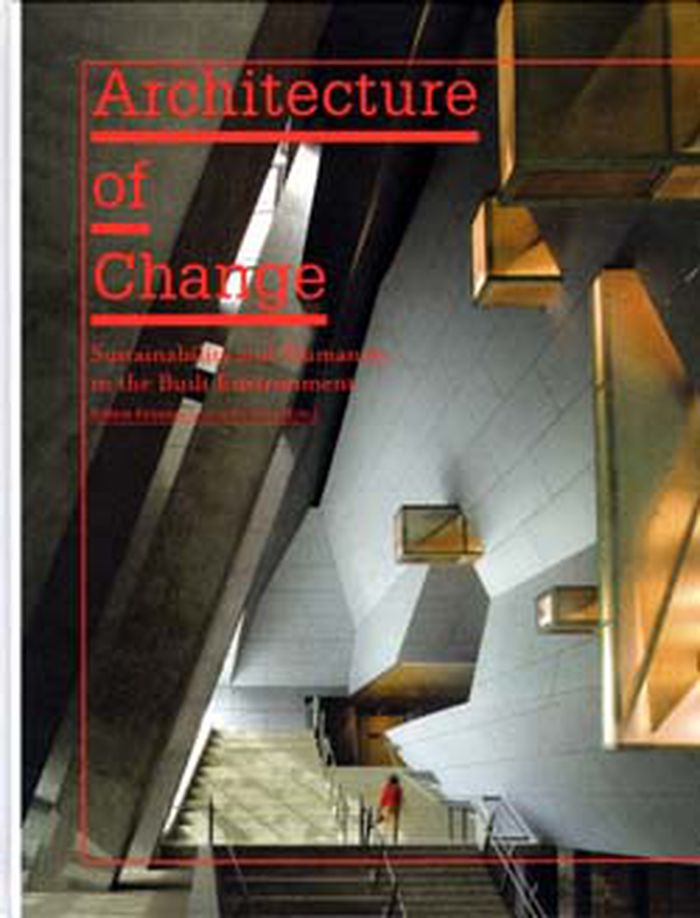
Through extensive picture material as well as project-related text annotations, this book features recently built and realized projects that - in addition to their exceptional architectural quality - make a notable contribution to a liveable and sustainable future, such as Morphosis, Steven Holl Architects, Sauerbruch Hutton, SMC Alsop, Rural Studio, Urban-Think Tank,(...)
$90.00
(available to order)
Summary:
Through extensive picture material as well as project-related text annotations, this book features recently built and realized projects that - in addition to their exceptional architectural quality - make a notable contribution to a liveable and sustainable future, such as Morphosis, Steven Holl Architects, Sauerbruch Hutton, SMC Alsop, Rural Studio, Urban-Think Tank,(...)
Subject:
Architecture since 1900, Europe
Architecture since 1900, Europe
Publication:
April 2008, Berlin
April 2008, Berlin
Title:
Architecture of change: sustainability and humanity in the built environment
Actions:
Price:
$90.00
(available to order)
Summary:
Through extensive picture material as well as project-related text annotations, this book features recently built and realized projects that - in addition to their exceptional architectural quality - make a notable contribution to a liveable and sustainable future, such as Morphosis, Steven Holl Architects, Sauerbruch Hutton, SMC Alsop, Rural Studio, Urban-Think Tank, Architecture of Humanity,and many more. The book also includes essays by and interviews with internationally renowned experts in architecture, science, economics, and politics such as Saskia Sassen, Klaus Toepfer, Yung Ho Chang, and others. Table of contents, index of projects, Biographies.
Architecture of change: sustainability and humanity in the built environment
Actions:
Price:
$90.00
(available to order)
Summary:
Through extensive picture material as well as project-related text annotations, this book features recently built and realized projects that - in addition to their exceptional architectural quality - make a notable contribution to a liveable and sustainable future, such as Morphosis, Steven Holl Architects, Sauerbruch Hutton, SMC Alsop, Rural Studio, Urban-Think Tank, Architecture of Humanity,and many more. The book also includes essays by and interviews with internationally renowned experts in architecture, science, economics, and politics such as Saskia Sassen, Klaus Toepfer, Yung Ho Chang, and others. Table of contents, index of projects, Biographies.
Form:
books
books
Publication:
April 2008, Berlin
April 2008, Berlin
Subject:
Architecture since 1900, Europe
Architecture since 1900, Europe
Form:
books
books
Actions:
Price:
$52.50
(available to order)
Summary:
The urban and cultural climate of Rotterdam changed radically between 1970 and 2000. Opinions differ about what the most important changes were, and when they occurred. "Imagine a metropolis" shows that it was first and foremost a new perspective on Rotterdam that stimulated the development of the city during this period. If the Rotterdam of 1970 was still a city with an(...)
$52.50
(available to order)
Summary:
The urban and cultural climate of Rotterdam changed radically between 1970 and 2000. Opinions differ about what the most important changes were, and when they occurred. "Imagine a metropolis" shows that it was first and foremost a new perspective on Rotterdam that stimulated the development of the city during this period. If the Rotterdam of 1970 was still a city with an(...)
Subject:
Architecture since 1900, Europe
Architecture since 1900, Europe
Publication:
October 2007, Rotterdam
October 2007, Rotterdam
Title:
Imagine a metropolis : Rotterdam's creative class, 1970-2000
Actions:
Price:
$52.50
(available to order)
Summary:
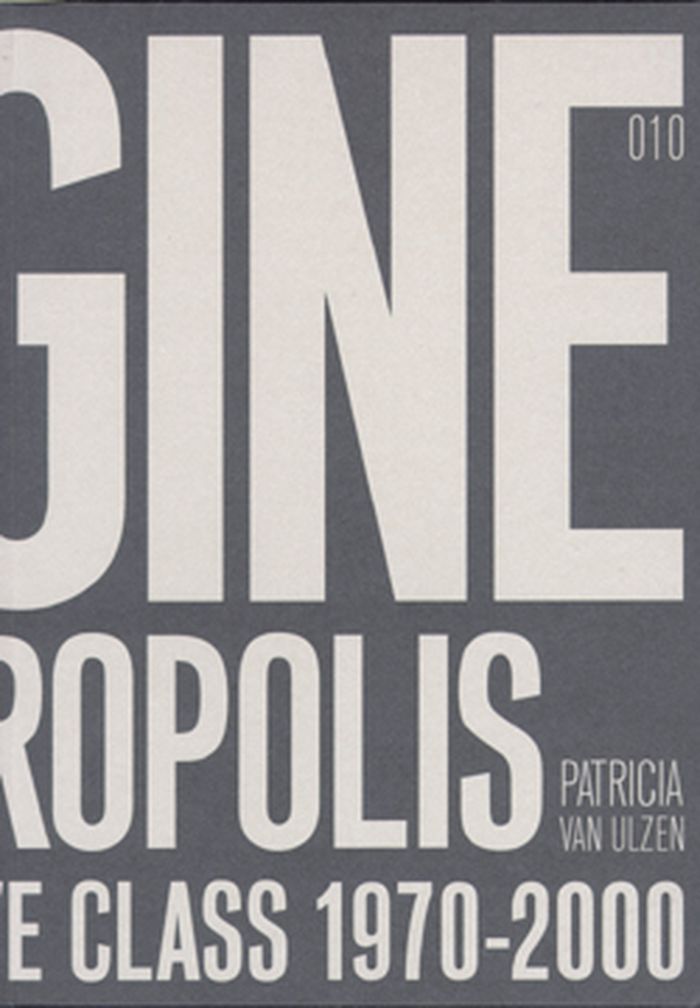
The urban and cultural climate of Rotterdam changed radically between 1970 and 2000. Opinions differ about what the most important changes were, and when they occurred. "Imagine a metropolis" shows that it was first and foremost a new perspective on Rotterdam that stimulated the development of the city during this period. If the Rotterdam of 1970 was still a city with an identity crises that wanted to be small rather than large and cosy rather than commercial, by 2000 Rotterdam had the image of the most metropolitan of all Dutch cities. Artists and other cultural practitioners – a group these days termed the ‘creative class’ – were the first to advance this metropolitan vision, thereby paving the way for the New Rotterdam that would begin to take concrete shape at the end of the 1980s. "Imagine a metropolis" goes on to show that this New Rotterdam is returning to its nineteenth-century identity and the developments of the inter-war years and the period of post-war reconstruction.
Imagine a metropolis : Rotterdam's creative class, 1970-2000
Actions:
Price:
$52.50
(available to order)
Summary:
The urban and cultural climate of Rotterdam changed radically between 1970 and 2000. Opinions differ about what the most important changes were, and when they occurred. "Imagine a metropolis" shows that it was first and foremost a new perspective on Rotterdam that stimulated the development of the city during this period. If the Rotterdam of 1970 was still a city with an identity crises that wanted to be small rather than large and cosy rather than commercial, by 2000 Rotterdam had the image of the most metropolitan of all Dutch cities. Artists and other cultural practitioners – a group these days termed the ‘creative class’ – were the first to advance this metropolitan vision, thereby paving the way for the New Rotterdam that would begin to take concrete shape at the end of the 1980s. "Imagine a metropolis" goes on to show that this New Rotterdam is returning to its nineteenth-century identity and the developments of the inter-war years and the period of post-war reconstruction.
Form:
books
books
Publication:
October 2007, Rotterdam
October 2007, Rotterdam
Subject:
Architecture since 1900, Europe
Architecture since 1900, Europe
Form:
books
books
Actions:
Price:
$64.99
(available to order)
Summary:
The author describes and analyzes the architecture of the palaces, synagogues, railroad stations, and department stores that architects and developers designed and built in Paris, Vienna, Budapest, Berlin, New York, Chicago and other cities. This richly illustrated history begins with the dramatic changes in nineteenth-century society and culture that liberated the first(...)
$64.99
(available to order)
Summary:
The author describes and analyzes the architecture of the palaces, synagogues, railroad stations, and department stores that architects and developers designed and built in Paris, Vienna, Budapest, Berlin, New York, Chicago and other cities. This richly illustrated history begins with the dramatic changes in nineteenth-century society and culture that liberated the first(...)
Subject:
Architecture since 1900, Europe
Architecture since 1900, Europe
Publication:
January 2004, Jersey city
January 2004, Jersey city
Title:
The Jewish contribution to modern architecture 1830-1930
Actions:
Price:
$64.99
(available to order)
Summary:
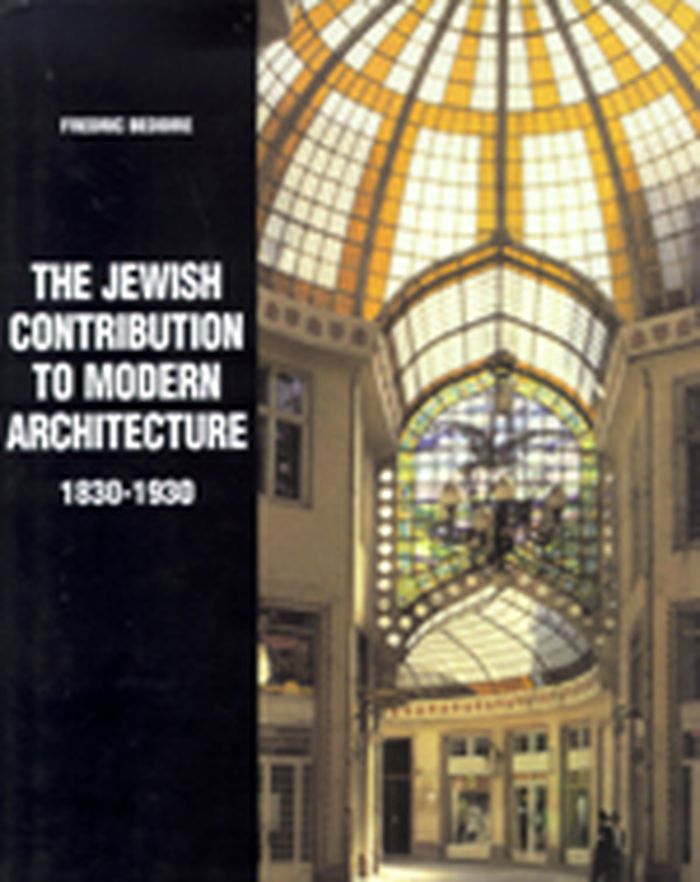
The author describes and analyzes the architecture of the palaces, synagogues, railroad stations, and department stores that architects and developers designed and built in Paris, Vienna, Budapest, Berlin, New York, Chicago and other cities. This richly illustrated history begins with the dramatic changes in nineteenth-century society and culture that liberated the first generation of Jews from the ghettos of Venice, Prague, and Frankfurt. It concludes with the modernism of the 1920s and 1930s. The book combines family history, urban history, and the history of architecture and architects with a history of Jews and Jewish thought.
The Jewish contribution to modern architecture 1830-1930
Actions:
Price:
$64.99
(available to order)
Summary:
The author describes and analyzes the architecture of the palaces, synagogues, railroad stations, and department stores that architects and developers designed and built in Paris, Vienna, Budapest, Berlin, New York, Chicago and other cities. This richly illustrated history begins with the dramatic changes in nineteenth-century society and culture that liberated the first generation of Jews from the ghettos of Venice, Prague, and Frankfurt. It concludes with the modernism of the 1920s and 1930s. The book combines family history, urban history, and the history of architecture and architects with a history of Jews and Jewish thought.
Form:
books
books
Publication:
January 2004, Jersey city
January 2004, Jersey city
Subject:
Architecture since 1900, Europe
Architecture since 1900, Europe
Form:
books
books
Actions:
Price:
$69.95
(available in store)
Summary:
As Timothy Leary's tune-in-turn-on-drop-out message spread across the country, idealistic and anarchic enclaves mushroomed with names like Drop City and Morning Star - many experimenting with alternative forms of energy, recycling, and means of sustainability. For the first time, in rich documentary illustration material, these ephemeral spaces are brought together in(...)
$69.95
(available in store)
Summary:
As Timothy Leary's tune-in-turn-on-drop-out message spread across the country, idealistic and anarchic enclaves mushroomed with names like Drop City and Morning Star - many experimenting with alternative forms of energy, recycling, and means of sustainability. For the first time, in rich documentary illustration material, these ephemeral spaces are brought together in(...)
Title:
Spaced out: crash pads, hippie communes, infinity machines, and other radical environments of the psychedelic sixties
Actions:
Price:
$69.95
(available in store)
Summary:
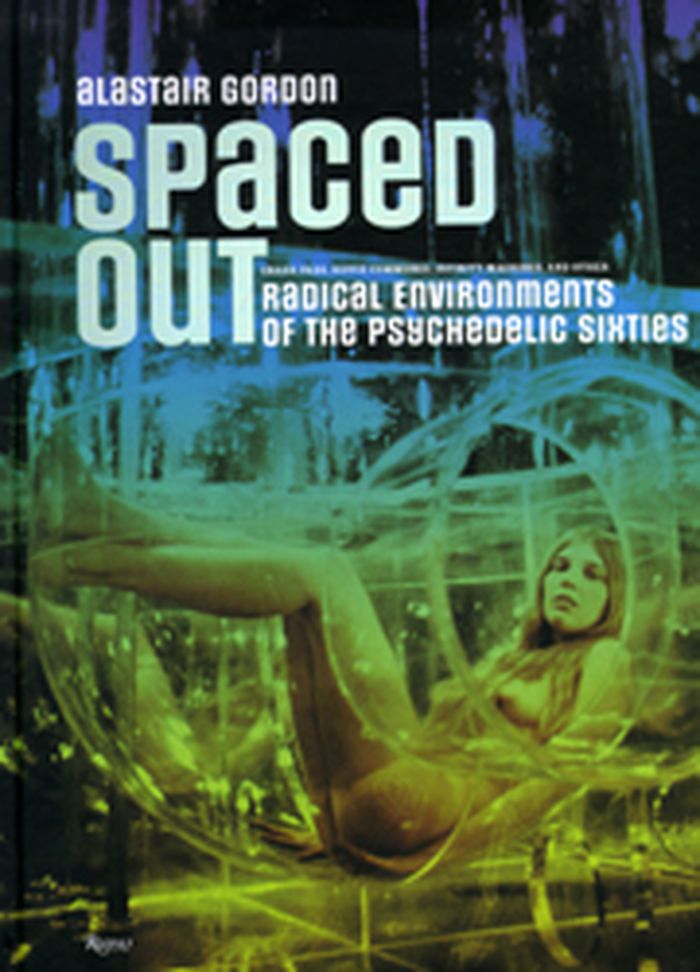
As Timothy Leary's tune-in-turn-on-drop-out message spread across the country, idealistic and anarchic enclaves mushroomed with names like Drop City and Morning Star - many experimenting with alternative forms of energy, recycling, and means of sustainability. For the first time, in rich documentary illustration material, these ephemeral spaces are brought together in this book. Many of the photographs have never been published before. They are explained and displayed in detail by an extensive text by acclaimed author Alistair Gordon.
Spaced out: crash pads, hippie communes, infinity machines, and other radical environments of the psychedelic sixties
Actions:
Price:
$69.95
(available in store)
Summary:
As Timothy Leary's tune-in-turn-on-drop-out message spread across the country, idealistic and anarchic enclaves mushroomed with names like Drop City and Morning Star - many experimenting with alternative forms of energy, recycling, and means of sustainability. For the first time, in rich documentary illustration material, these ephemeral spaces are brought together in this book. Many of the photographs have never been published before. They are explained and displayed in detail by an extensive text by acclaimed author Alistair Gordon.
Form:
books
books
Publication:
April 2008
April 2008
Subject:
Architecture since 1900, Europe
Architecture since 1900, Europe
Form:
books
books
Actions:
Price:
$44.95
(available to order)
Summary:
Au-delà de l'étude des techniques et matériaux utilisés dans les constructions animales, comparée aux exemples d'architecture, cet ouvrage introduit des informations sur les comportements animaux en relation avec leur habitat.
$44.95
(available to order)
Summary:
Au-delà de l'étude des techniques et matériaux utilisés dans les constructions animales, comparée aux exemples d'architecture, cet ouvrage introduit des informations sur les comportements animaux en relation avec leur habitat.
Subject:
Architecture since 1900, Europe
Architecture since 1900, Europe
Publication:
February 2008, Paris
February 2008, Paris
Title:
Analogies architecture animale
Actions:
Price:
$44.95
(available to order)
Summary:
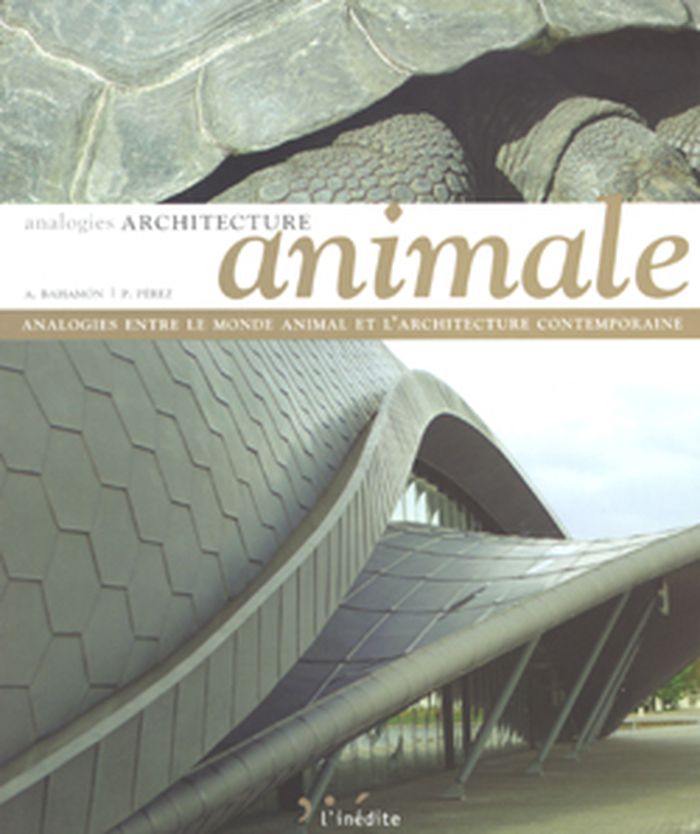
Au-delà de l'étude des techniques et matériaux utilisés dans les constructions animales, comparée aux exemples d'architecture, cet ouvrage introduit des informations sur les comportements animaux en relation avec leur habitat.
Analogies architecture animale
Actions:
Price:
$44.95
(available to order)
Summary:
Au-delà de l'étude des techniques et matériaux utilisés dans les constructions animales, comparée aux exemples d'architecture, cet ouvrage introduit des informations sur les comportements animaux en relation avec leur habitat.
Form:
books
books
Publication:
February 2008, Paris
February 2008, Paris
Subject:
Architecture since 1900, Europe
Architecture since 1900, Europe
Form:
books
books
Actions:
Price:
$65.00
(available to order)
Summary:
Au XVIIIe siècle, les Alpes ont donné lieu à une nouvelle forme de contemplation de la nature qui s’est cristallisée autour de la notion de sublime. Oscillant entre effroi et fascination, cet état émotionnel suscite une expérience limite avidement recherchée : pleins d’attentes et de désirs, les voyageurs se sont aventurés dans les montagnes pour projeter des rêves très(...)
$65.00
(available to order)
Summary:
Au XVIIIe siècle, les Alpes ont donné lieu à une nouvelle forme de contemplation de la nature qui s’est cristallisée autour de la notion de sublime. Oscillant entre effroi et fascination, cet état émotionnel suscite une expérience limite avidement recherchée : pleins d’attentes et de désirs, les voyageurs se sont aventurés dans les montagnes pour projeter des rêves très(...)
Title:
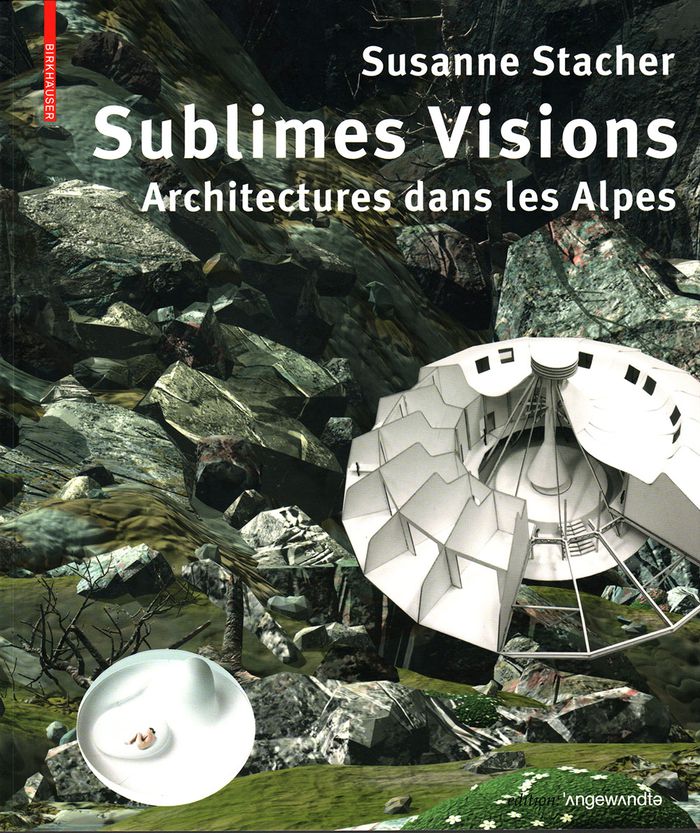
Sublimes visions : architectures dans les Alpes
Actions:
Price:
$65.00
(available to order)
Summary:
Au XVIIIe siècle, les Alpes ont donné lieu à une nouvelle forme de contemplation de la nature qui s’est cristallisée autour de la notion de sublime. Oscillant entre effroi et fascination, cet état émotionnel suscite une expérience limite avidement recherchée : pleins d’attentes et de désirs, les voyageurs se sont aventurés dans les montagnes pour projeter des rêves très différents sur cette « nature sauvage », encore inexplorée. Comment le sublime a-t-il influencé l’architecture construite dans les Alpes, des débuts du tourisme jusqu’à nos jours ? Guidée par cette question centrale, l’auteur analyse l’architecture alpine dans son évolution historique et propose également une approche critique du tourisme actuel. Un livre qui nous invite à réfléchir sur l’avenir de la construction dans les Alpes, mais aussi sur notre rapport à la nature.
Sublimes visions : architectures dans les Alpes
Actions:
Price:
$65.00
(available to order)
Summary:
Au XVIIIe siècle, les Alpes ont donné lieu à une nouvelle forme de contemplation de la nature qui s’est cristallisée autour de la notion de sublime. Oscillant entre effroi et fascination, cet état émotionnel suscite une expérience limite avidement recherchée : pleins d’attentes et de désirs, les voyageurs se sont aventurés dans les montagnes pour projeter des rêves très différents sur cette « nature sauvage », encore inexplorée. Comment le sublime a-t-il influencé l’architecture construite dans les Alpes, des débuts du tourisme jusqu’à nos jours ? Guidée par cette question centrale, l’auteur analyse l’architecture alpine dans son évolution historique et propose également une approche critique du tourisme actuel. Un livre qui nous invite à réfléchir sur l’avenir de la construction dans les Alpes, mais aussi sur notre rapport à la nature.
Form:
books
books
Publication:
October 2018
October 2018
Subject:
Architecture since 1900, Europe
Architecture since 1900, Europe


