


51 Results
Form:
books
books
Actions:
Price:
$46.95
(available in store)
Summary:
En contrepoint de l'abondante littérature existante qui porte sur ce que l'écologie fait à l’architecture, le présent ouvrage renverse la perspective et ouvre un débat. Les auteurs rassemblés au sein de l’ouvrage, chercheurs et praticiens, s'interrogent en effet sur les multiples manières qu’ont les acteurs de l'aménagement des espaces construits — architectes,(...)
Title:
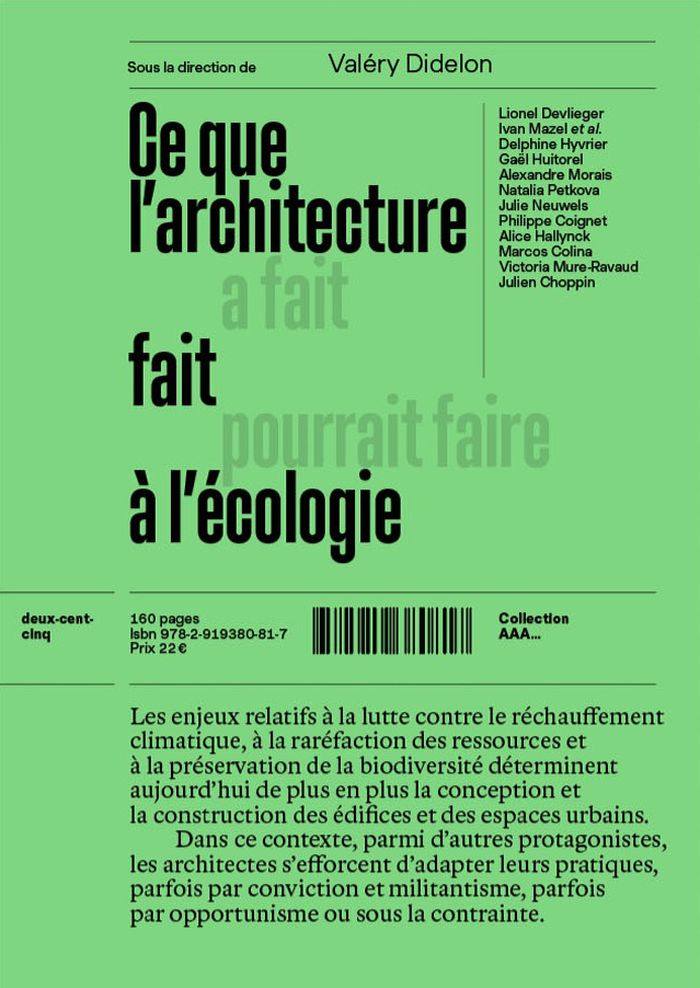
Ce que l'architecture fait à l'écologie
Actions:
Price:
$46.95
(available in store)
Summary:
En contrepoint de l'abondante littérature existante qui porte sur ce que l'écologie fait à l’architecture, le présent ouvrage renverse la perspective et ouvre un débat. Les auteurs rassemblés au sein de l’ouvrage, chercheurs et praticiens, s'interrogent en effet sur les multiples manières qu’ont les acteurs de l'aménagement des espaces construits — architectes, paysagistes, ingénieurs, etc. — de façonner les attentes de la société en matière de lutte contre le dérèglement climatique, l’épuisement des ressources et l’effondrement de la biodiversité. Ce que l’architecture fait à l’écologie montre que leurs pratiques et discours déterminent les conditions de production du cadre bâti autant qu’ils sont déterminés par celles-ci. Dans cet ouvrage, l’architecture est ainsi considérée comme l’un des laboratoires où s’inventent la technique, l’esthétique et plus encore l’éthique qui peut orienter et guider l’action collective dans le monde qui vient.
Form:
books
books
Publication:
June 2024
June 2024
Subject:
Architecture ecologies
Architecture ecologies
Form:
books
books
Actions:
Price:
$59.00
(available in store)
Summary:
La moyenne montagne est un territoire à l’avant-poste de la crise climatique et de l’habitabilité que nous connaissons. Le réchauffement y est en effet deux fois plus rapide que partout ailleurs. Les conséquences sont évidentes, implacables: disparition de la neige et son corollaire économique qui met à mal une dynamique enclenchée pendant les Trente Glorieuses et les(...)
Title:
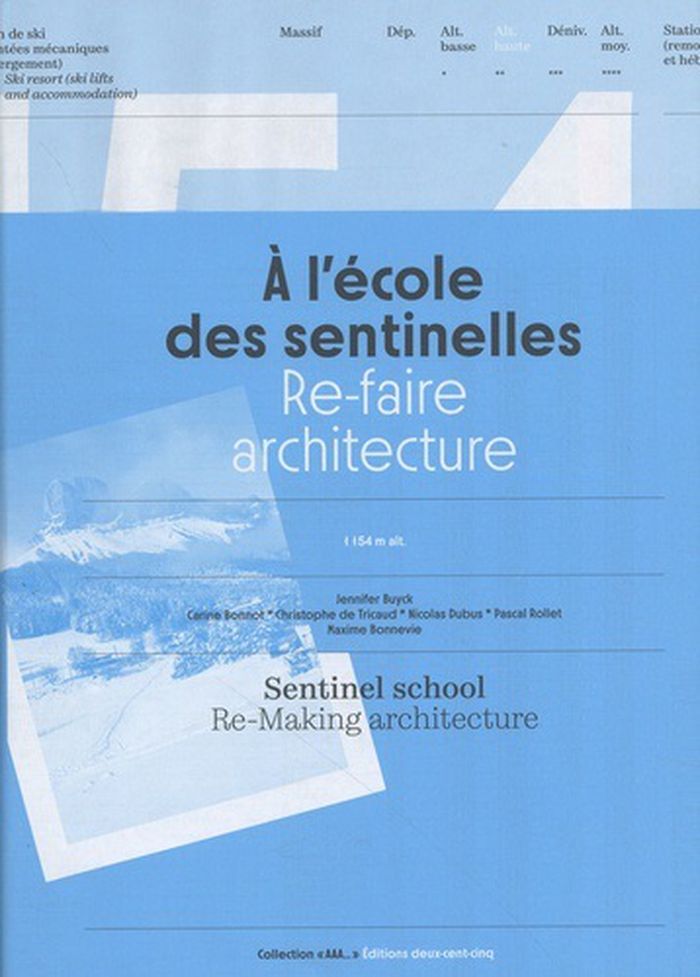
À l'école des sentinelles : Re-faire architecture
Actions:
Price:
$59.00
(available in store)
Summary:
La moyenne montagne est un territoire à l’avant-poste de la crise climatique et de l’habitabilité que nous connaissons. Le réchauffement y est en effet deux fois plus rapide que partout ailleurs. Les conséquences sont évidentes, implacables: disparition de la neige et son corollaire économique qui met à mal une dynamique enclenchée pendant les Trente Glorieuses et les investissements des plans neige. Que faire alors des infrastructures et du bâti — patrimoine architectural ordinaire du XXe siècle? Est-il voué à l’abandon, à disparaître? Ce livre relate une expérience simultanément pédagogique, humaine, technique et prospective. Celle de l’hôtel des Deux-Sœurs au col de l’Arzelier et de sa possible réhabilitation imaginée par une équipe engagée dans la compétition Solar Decathlon Europe 2021-2022.
Form:
books
books
Publication:
June 2024
June 2024
Subject:
Architecture ecologies
Architecture ecologies
Form:
books
books
Actions:
Price:
$59.00
(available to order)
Summary:
Que veut — encore — dire inventer pour un architecte aujourd’hui dans le paysage troublé de l’Anthropocène? Et cette invention en architecture, si elle existe, en quoi se distingue-t-elle d’autres modes inventifs? Alors que la crise de l’habitabilité du monde est patente, la notion d’invention, commune à la philosophie et à l’architecture, se voit actuellement(...)
Title:
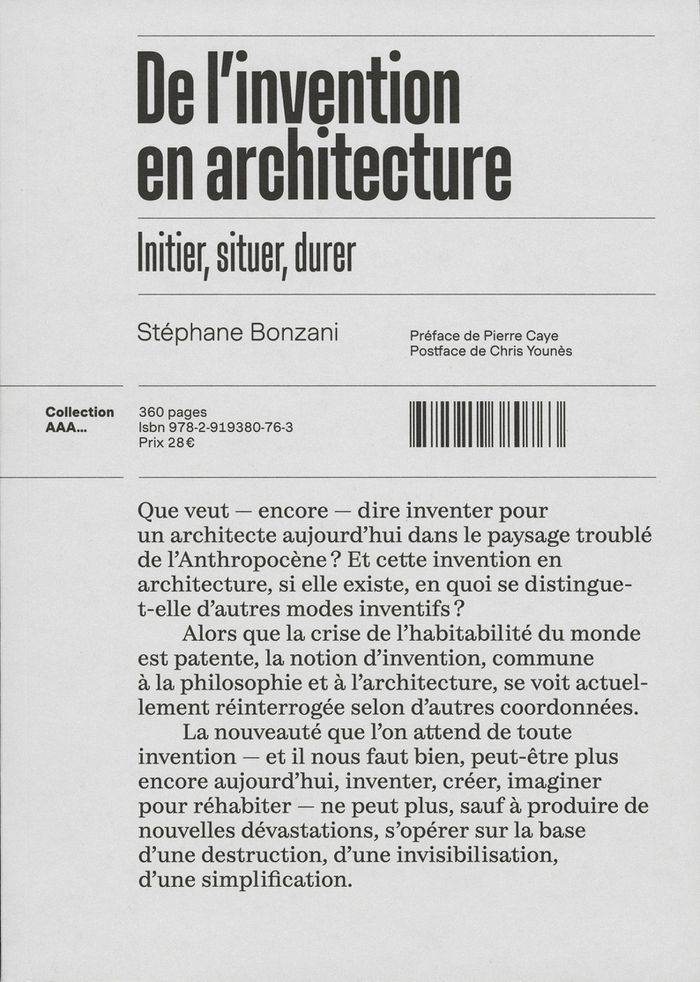
De l'invention en architecture : Initier, situer, durer
Actions:
Price:
$59.00
(available to order)
Summary:
Que veut — encore — dire inventer pour un architecte aujourd’hui dans le paysage troublé de l’Anthropocène? Et cette invention en architecture, si elle existe, en quoi se distingue-t-elle d’autres modes inventifs? Alors que la crise de l’habitabilité du monde est patente, la notion d’invention, commune à la philosophie et à l’architecture, se voit actuellement réinterrogée selon d’autres coordonnées. La nouveauté que l’on attend de toute invention — et il nous faut bien, peut-être plus encore aujourd’hui, inventer, créer, imaginer pour ré-habiter — ne peut plus, sauf à produire de nouvelles dévastations, s’opérer sur la base d’une destruction, d’une invisibilisation, d’une simplification.
Form:
books
books
Publication:
January 2024
January 2024
Subject:
Architecture ecologies
Architecture ecologies
Form:
books
books
Title:
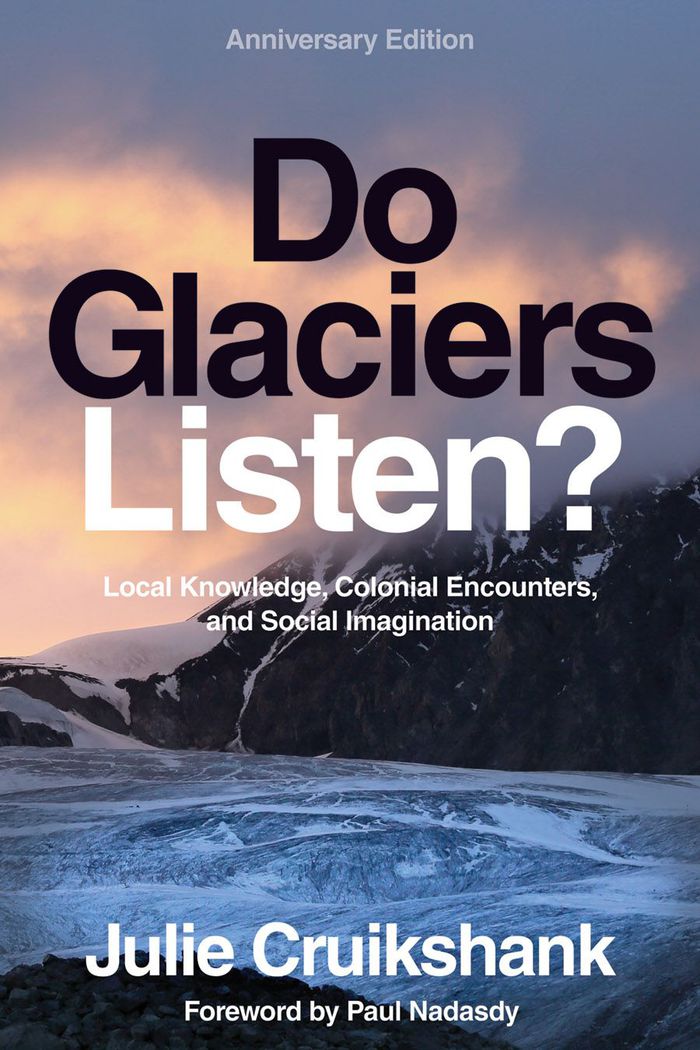
Do glaciers listen? Local knowledge, colonial encounters, and social imagination. Anniversay edition
Do glaciers listen? Local knowledge, colonial encounters, and social imagination. Anniversay edition
Actions:
Price:
$34.95
(available in store)
Summary:
"Do Glaciers Listen?" examines conflicting understandings of glaciers in the Saint Elias Mountains, a rugged area where Alaska, British Columbia, and the Yukon Territory meet. In the late eighteenth and early nineteenth centuries, significant geophysical change coincided with social upheaval from a growing European colonial presence and increased trade among Indigenous(...)
Title:
Do glaciers listen? Local knowledge, colonial encounters, and social imagination. Anniversay edition
Actions:
Price:
$34.95
(available in store)
Summary:
"Do Glaciers Listen?" examines conflicting understandings of glaciers in the Saint Elias Mountains, a rugged area where Alaska, British Columbia, and the Yukon Territory meet. In the late eighteenth and early nineteenth centuries, significant geophysical change coincided with social upheaval from a growing European colonial presence and increased trade among Indigenous Peoples. The European visitors saw glaciers as inanimate and subject to empirical investigation. However, Indigenous oral histories described glaciers as sentient, responding to human behavior and shaping the physical and cultural environments through which they move. Through these contrasts, Cruikshank demonstrates how local knowledge is produced rather than discovered through colonial encounters, and how it often conjoins social and biophysical processes. The result is an interdisciplinary tour de force filled with insight about our relationship to the world around us.
Form:
books
books
Publication:
October 2026
October 2026
Subject:
Architecture ecologies
Architecture ecologies
Form:
books
books
Price:
$52.00
(available in store)
Summary:
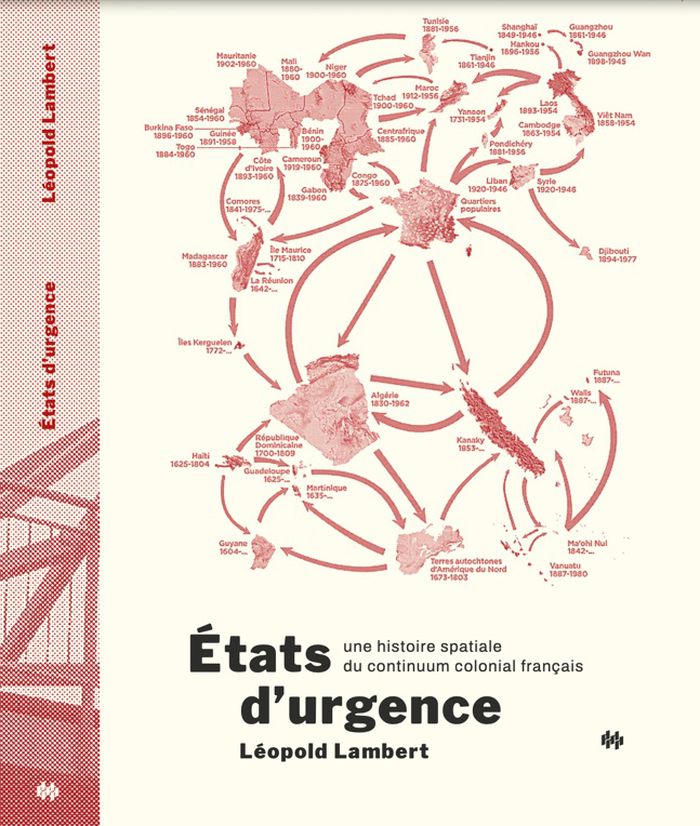
Dispositif contre-révolutionnaire par excellence, l’état d’urgence relie trois espaces-temps : la révolution algérienne de 1954-1962, l’insurrection kanak de 1984-1988, et le soulèvement des quartiers populaires en France de 2005. Revenant en détail sur chacun de ces trois moments, Léopold Lambert retrace la généalogie coloniale de ce dispositif et éclaire ainsi la(...)
Title:
États d'urgence: Une histoire spatiale du continuum colonial français
Actions:
Price:
$52.00
(available in store)
Summary:
Dispositif contre-révolutionnaire par excellence, l’état d’urgence relie trois espaces-temps : la révolution algérienne de 1954-1962, l’insurrection kanak de 1984-1988, et le soulèvement des quartiers populaires en France de 2005. Revenant en détail sur chacun de ces trois moments, Léopold Lambert retrace la généalogie coloniale de ce dispositif et éclaire ainsi la période marquée par l’instauration d’un état d’urgence permanent depuis 2015. Des méthodes répressives aux résistances populaires, il détaille les similarités et les spécificités de ces trois séquences qui ont marqué le continent colonial français. Léopold Lambert propose une lecture géographique et spatiale de l’état d’urgence, s’armant de nombreux graphiques et de cartes. Les camps de regroupement en Algérie y croisent « la ville blanche », Nouméa et les commissariats des banlieues françaises. La casbah d’Alger rencontre les tribus kanak et les bidonvilles de Nanterre.
Form:
books
books
Publication:
November 2026
November 2026
Subject:
Architecture ecologies
Architecture ecologies
Form:
books
books
Title:
Border environments: CRA 1
Border environments: CRA 1
Actions:
Price:
$50.50
(available to order)
Summary:
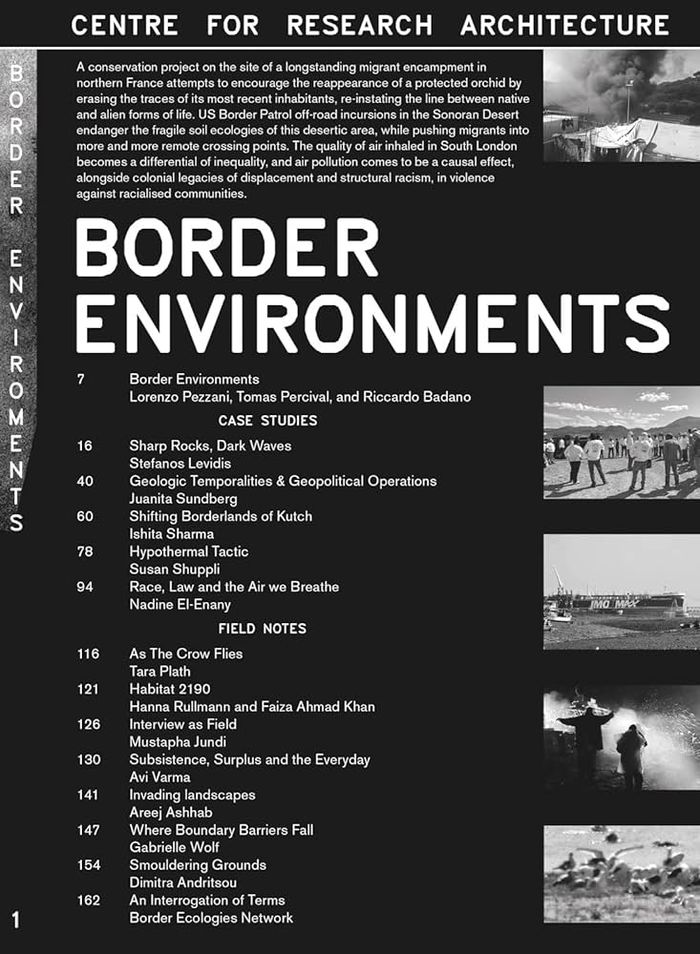
Over the past fifteen years, the Centre for Research Architecture at Goldsmiths, University of London, has brought together established and emergent scholars who convene to work with each other and share their ideas and insights. These assemblies have produced a space of critical encounter for developing new investigative methods, expanded spatial practices, and(...)
Subject:
Architecture ecologies
Architecture ecologies
Publication:
September 2023
September 2023
Title:
Border environments: CRA 1
Actions:
Price:
$50.50
(available to order)
Summary:
Over the past fifteen years, the Centre for Research Architecture at Goldsmiths, University of London, has brought together established and emergent scholars who convene to work with each other and share their ideas and insights. These assemblies have produced a space of critical encounter for developing new investigative methods, expanded spatial practices, and speculative propositions designed to respond to and intervene in the urgent political conditions of our time. This new series invites the reader into this ever-evolving pedagogical context. Each book is organized around a specific spatial issue and brings together a heterogeneous range of materials and contributors. The first work in the series, ''Border Environments'', explores the entanglement of ecology and migration. It examines the interplay between discriminatory politics, emergent technologies, and bordering practices within the context of (constructed) natures by highlighting a variety of interventions, investigative techniques, visual projects, and modes of witnessing that address the role of both human and more-than-human actors in border struggles. As such, the book is also a provocation that can be used to identify and organize new lines of struggle connecting environmental and mobility justice.
Form:
books
books
Publication:
September 2023
September 2023
Subject:
Architecture ecologies
Architecture ecologies
Form:
books
books
Price:
$58.00
(available to order)
Summary:
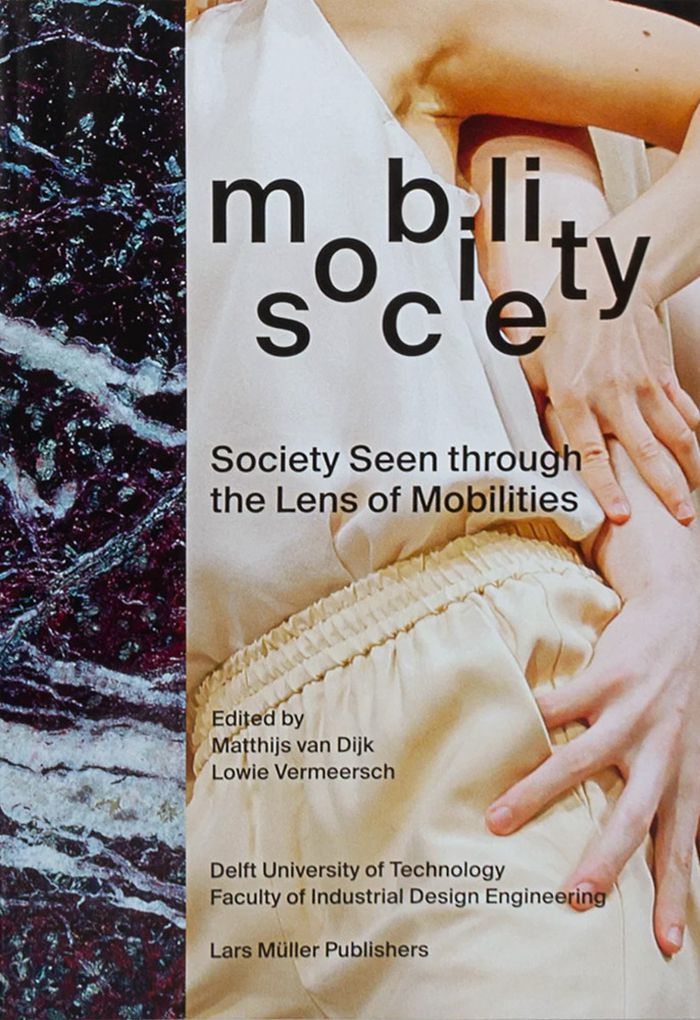
Mobility shapes society in countless ways. Looking at society from the perspective of mobility reveals that its key moments of development coincide with the removal of obstacles to human flow—in the physical movement of people, goods, ideas, and spoken and written language. This book explores mobility in various essayistic modes, from visual essays to scientific essay to(...)
Subject:
Architecture ecologies
Architecture ecologies
Publication:
December 2023
December 2023
Title:
Mobility society: Society seen through the lens of mobilities
Actions:
Price:
$58.00
(available to order)
Summary:
Mobility shapes society in countless ways. Looking at society from the perspective of mobility reveals that its key moments of development coincide with the removal of obstacles to human flow—in the physical movement of people, goods, ideas, and spoken and written language. This book explores mobility in various essayistic modes, from visual essays to scientific essay to broad cultural speculations. ''Mobility | Society'' addresses, among other topics, energy politics and oil’s grip on everyday life; urban transportation policy; the restrictions placed upon differently abled bodies; patterns of data flow; human mobility and Blackness; the politics of speed; concepts of "freedom" in relation to mobility; the appearance and experience of permanence in architectural and other objects; geological movement; and the politics of mobile phones. The design of the book encourages the reader to discover and explore unsuspected relations between mobilities and aspects of our evolving society.
Form:
books
books
Publication:
December 2023
December 2023
Subject:
Architecture ecologies
Architecture ecologies
Form:
books
books
Title:
Climate inheritance
Climate inheritance
Actions:
Price:
$45.00
(available to order)
Summary:
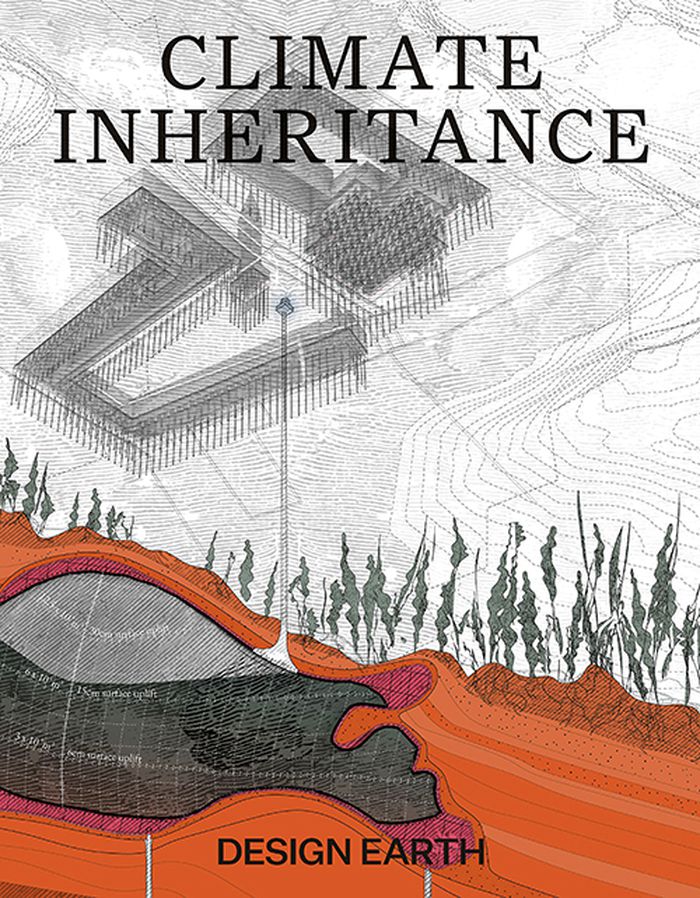
Climate Inheritance is a speculative design research publication that reckons with the complexity of world and heritage in the Anthropocene. The impacts of climate change on heritage sites—from Venice flooding to extinction in the Galápagos Islands—have garnered empathetic media attention in a landscape that has otherwise failed to communicate the urgency of the climate(...)
Subject:
Architecture ecologies
Architecture ecologies
Publication:
September 2023
September 2023
Title:
Climate inheritance
Actions:
Price:
$45.00
(available to order)
Summary:
Climate Inheritance is a speculative design research publication that reckons with the complexity of world and heritage in the Anthropocene. The impacts of climate change on heritage sites—from Venice flooding to extinction in the Galápagos Islands—have garnered empathetic media attention in a landscape that has otherwise failed to communicate the urgency of the climate crisis. In a strategic subversion of the media aura of heritage, DESIGN EARTH casts ten World Heritage sites as narrative figures to visualize pervasive climate risks—rising sea levels, extinction, droughts, air pollution, melting glaciers, material vulnerability, unchecked tourism, and the massive displacement of communities and cultural artifacts—all while situating the present emergency within the wreckages of other ends of world, replete with the salvages of extractivism, racism, and settler colonialism. The possibilities of such climate inheritances are narrated in drawing triptychs and mythologies that bequeath other worlds and values.
Form:
books
books
Publication:
September 2023
September 2023
Subject:
Architecture ecologies
Architecture ecologies
Form:
books
books
Price:
$60.00
(available in store)
Summary:
This book is an extended visual essay of ideas, images, drawings and projects that follows the work of Alper Derinbogaz over the past decade, framing an approach based on empathy with earth. Exploring architecture through the lens of evolution, ''Geospaces'' traces relationships between topography, geology, genetics, ecologies, and construction technologies, arguing that(...)
Title:
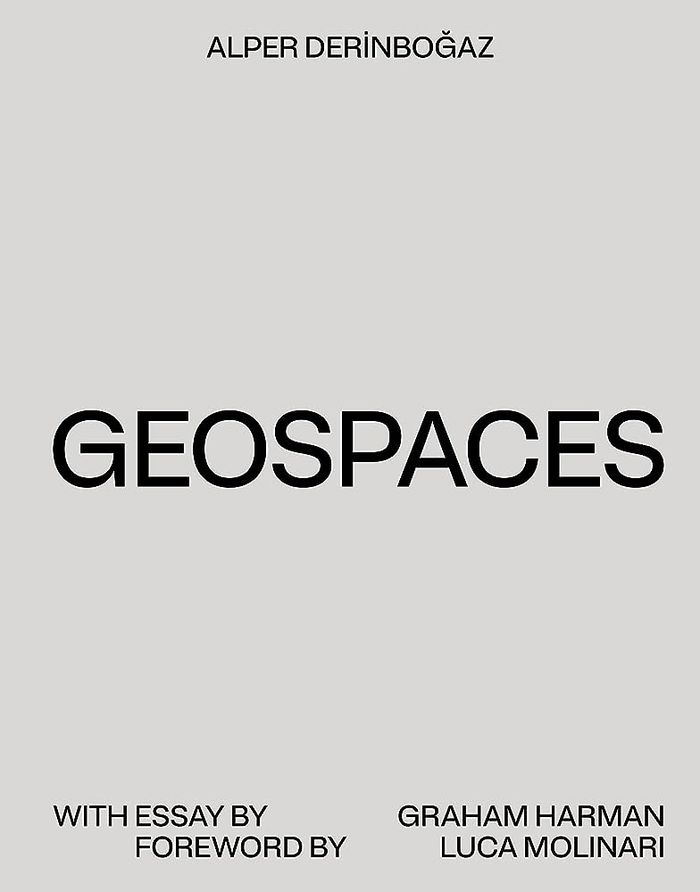
Geospaces: Continuities between humans, spaces, and the earth
Actions:
Price:
$60.00
(available in store)
Summary:
This book is an extended visual essay of ideas, images, drawings and projects that follows the work of Alper Derinbogaz over the past decade, framing an approach based on empathy with earth. Exploring architecture through the lens of evolution, ''Geospaces'' traces relationships between topography, geology, genetics, ecologies, and construction technologies, arguing that a hybrid approach to making will shape our future habitats.
Form:
books
books
Publication:
August 2023
August 2023
Subject:
Architecture ecologies
Architecture ecologies
Form:
books
books
Actions:
Price:
$54.95
(available to order)
Summary:
This book presents conflicting definitions and concepts of architects and designers and the parallel histories of their intellectual positions toward environmental thought from the 19th century to today. It showcases that ecological design starts with the reconceptualization of the world as a complex system of flows rather than a discrete compilation of objects, which(...)
Title:
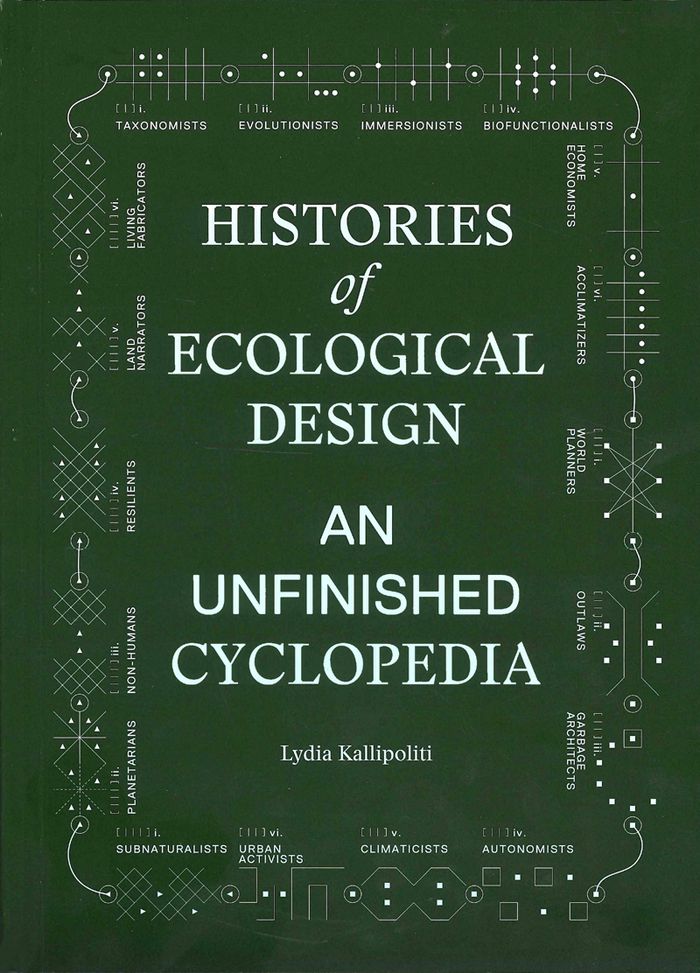
Histories of ecological design: an unfinished encyclopedia
Actions:
Price:
$54.95
(available to order)
Summary:
This book presents conflicting definitions and concepts of architects and designers and the parallel histories of their intellectual positions toward environmental thought from the 19th century to today. It showcases that ecological design starts with the reconceptualization of the world as a complex system of flows rather than a discrete compilation of objects, which visual artist and theorist György Kepes has described as one of the fundamental reorientations of the 20th century. To survey the formation of this field, the history of ecological design will not be exclusively examined chronologically, but also in connected worldviews, each rendering evolving perceptions of nature, its relation to culture, and the occupation of the natural world by human and non-human subjects.
Form:
books
books
Publication:
March 2024
March 2024
Subject:
Architecture ecologies
Architecture ecologies


