


125 Results
Form:
books
books

Price:
$95.00
(available to order)
Summary:
The experience of architectural spaces is formed by the way they are staged. The Drama of Space examines the composition and articulation of architectural spaces in terms of spatial dramaturgy, as a repertoire of means and strategies for shaping spatial experience. This fundamental approach to architectural design is presented in four parts: Archetypal principles of(...)
Title:
The drama of space: spatial sequences and compositions in architecture
Actions:
Price:
$95.00
(available to order)
Summary:
The experience of architectural spaces is formed by the way they are staged. The Drama of Space examines the composition and articulation of architectural spaces in terms of spatial dramaturgy, as a repertoire of means and strategies for shaping spatial experience. This fundamental approach to architectural design is presented in four parts: Archetypal principles of spatial composition are traced from the study of three assembly buildings of the early modern period in Venice. Theatre, film, music, and theory provide background knowledge on dramaturgy. Detailed analyses of 18 international case studies offer new perspectives on contemporary architecture. The book ends with a systematic presentation of the dramaturgy of space, its parameters and tools, in architectural design.
Form:
books
books
Publication:
November 2017
November 2017
Subject:
Architecture and Film, Set Design
Architecture and Film, Set Design
Form:
books
books
Actions:
Price:
$44.50
(available to order)
Summary:
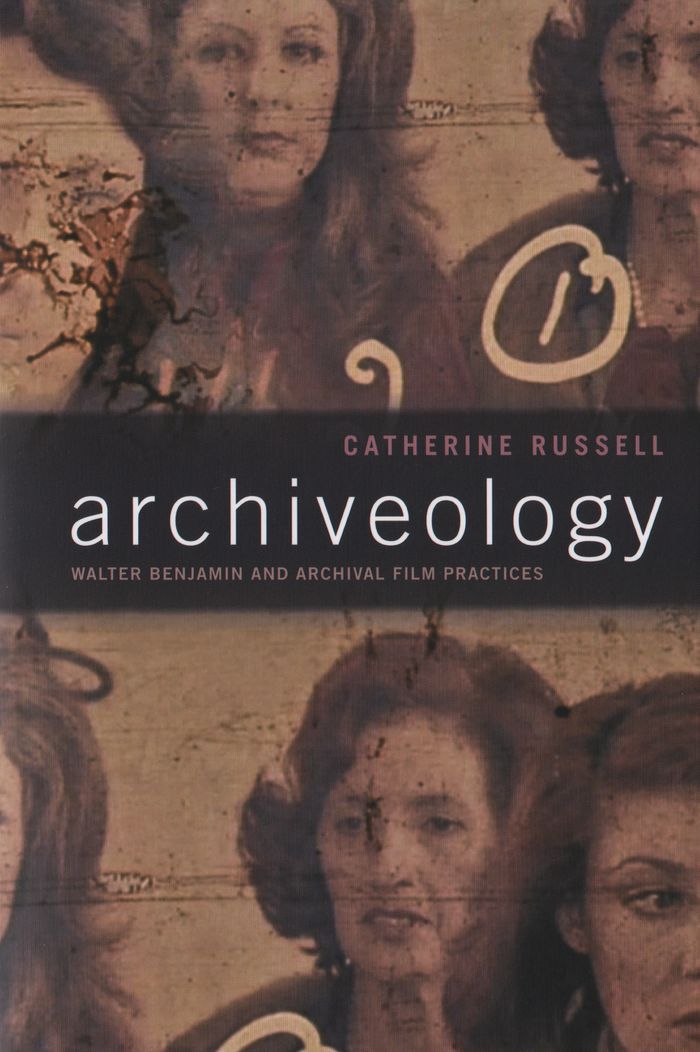
In "Archiveology" Catherine Russell uses the work of Walter Benjamin to explore how the practice of archiveology-the reuse, recycling, appropriation, and borrowing of archival sounds and images by filmmakers-provides ways to imagine the past and the future. Noting how the film archive does not function simply as a place where moving images are preserved, Russell examines(...)
Title:
Archiveology: Walter Benjamin and archival film practices
Actions:
Price:
$44.50
(available to order)
Summary:
In "Archiveology" Catherine Russell uses the work of Walter Benjamin to explore how the practice of archiveology-the reuse, recycling, appropriation, and borrowing of archival sounds and images by filmmakers-provides ways to imagine the past and the future. Noting how the film archive does not function simply as a place where moving images are preserved, Russell examines a range of films alongside Benjamin's conceptions of memory, document, excavation, and historiography. She shows how city films such as Nicole Vedres's Paris 1900 (1947) and Thom Andersen's Los Angeles Plays Itself (2003) reconstruct notions of urban life and uses Christian Marclay's The Clock (2010) to draw parallels between critical cinephilia and Benjamin's theory of the phantasmagoria. Russell also discusses practices of collecting in archiveological film and rereads films by Joseph Cornell and Rania Stephan to explore an archival practice that dislocates and relocates the female image in film. In so doing, she not only shows how Benjamin's work is as relevant to film theory as ever; she shows how archiveology can awaken artists and audiences to critical forms of history and memory.
Form:
books
books
Publication:
March 2018
March 2018
Subject:
Architecture and Film, Set Design
Architecture and Film, Set Design
Form:
books
books
Actions:
Price:
$42.95
(available to order)
Summary:
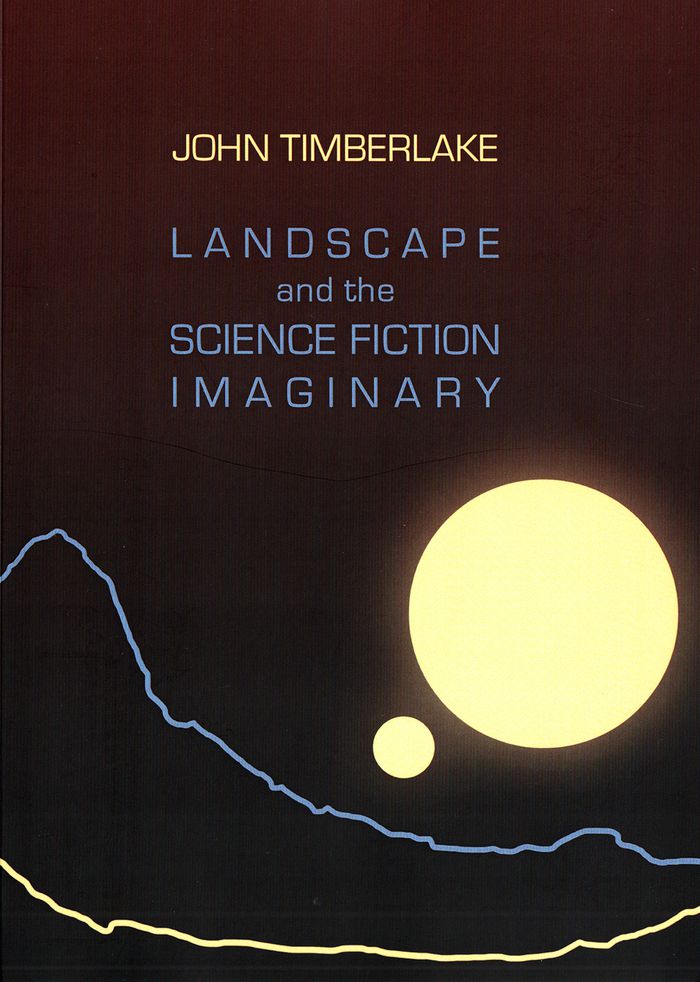
There has been plenty of scholarship on science fiction over the decades, but it has left one crucial aspect of the genre all but unanalysed: the visual. Ambitious and original, "Landscape and the Science Fiction Imaginary" corrects that oversight, making a powerful argument for science fiction as a visual cultural discourse. Taking influential historical works of visual(...)
Title:
Landscape and the science fiction imaginary
Actions:
Price:
$42.95
(available to order)
Summary:
There has been plenty of scholarship on science fiction over the decades, but it has left one crucial aspect of the genre all but unanalysed: the visual. Ambitious and original, "Landscape and the Science Fiction Imaginary" corrects that oversight, making a powerful argument for science fiction as a visual cultural discourse. Taking influential historical works of visual art as starting points, along with illustrations, movie matte paintings, documentaries, artist’s impressions and digital environments, John Timberlake focuses on the notion of science fiction as an 'imaginary topos', one that draws principally on the intersection between landscape and historical/prehistorical time. Richly illustrated, this book will appeal to scholars, students, and fans of science fiction and the remarkable visual culture that surrounds it.
Form:
books
books
Publication:
March 2018
March 2018
Subject:
Architecture and Film, Set Design
Architecture and Film, Set Design
Form:
books
books
Actions:
Price:
$64.95
(available in store)
Summary:
The publication is the first comprehensive study of Baruchello’s relationship with the moving image from the sixties on. Produced on the occasion of the exhibition "Gianfranco Baruchello: Cold Cinema". "Film, video e opere 1960-1999", held at La Triennale di Milano in 2014 and 2015, the book opens with a densely packed montage of Baruchello’s own notes, images, and(...)
Publication:
April 2018
April 2018
Title:
Gianfranco Baruchello : archive of moving images, 1960-2016
Actions:
Price:
$64.95
(available in store)
Summary:
The publication is the first comprehensive study of Baruchello’s relationship with the moving image from the sixties on. Produced on the occasion of the exhibition "Gianfranco Baruchello: Cold Cinema". "Film, video e opere 1960-1999", held at La Triennale di Milano in 2014 and 2015, the book opens with a densely packed montage of Baruchello’s own notes, images, and documents, presented by means of a medium dear to the artist, photocopies. An essay by Alessandro Rabottini takes us through the rooms of the exhibition at La Triennale di Milano, while a conversation between Baruchello and Massimiliano Gioni highlights some key aspects of his ideas about cinema. Carla Subrizi’s text winds its way through his entire production of films and videos, whereas an essay by Philippe-Alain Michaud examines some of the historical roots of Verifica incerta (1964-65).
Form:
books
books
Publication:
April 2018
April 2018
Form:
books
books
Title:
Exhibiting the moving image
Exhibiting the moving image
Actions:
Price:
$39.95
(available to order)
Summary:
Since the 1990s, a "cinematographic turn" has taken place in contemporary art, paralleled by the emergence of a "cinema of exhibition." This collection of new essays investigates the relationships between the "white cube" and the "black box," focusing mainly on the 1970s, a decade in which film practices and moving images were integrated into museums and art spaces. The(...)
Publication:
March 2016
March 2016
Title:
Exhibiting the moving image
Actions:
Price:
$39.95
(available to order)
Summary:
Since the 1990s, a "cinematographic turn" has taken place in contemporary art, paralleled by the emergence of a "cinema of exhibition." This collection of new essays investigates the relationships between the "white cube" and the "black box," focusing mainly on the 1970s, a decade in which film practices and moving images were integrated into museums and art spaces. The authors analyze multiple modalities of presenting the moving image through historical case studies: the anatomy of video art, expanded cinema, artists’ films and installations, and the moving image in the public sphere. Exploring examples from the 1930s to the present, these contributions address commercial, spectacular or advertising forms of moving images, artists’ performative practices, installations in large museums, exhibitions devoted to projections and festivals of experimental films.
Form:
books
books
Publication:
March 2016
March 2016
Form:
books
books
Title:
Sur le film
Sur le film
Actions:
Price:
$75.95
(available in store)
Summary:
Ce livre propose une lecture rétrospective, non linéaire et décentrée de l’histoire des images en mouvement : il s’appuie sur une analyse de la pensée filmique telle qu’elle se déploie, indépendamment de ses applications techniques, dans l’histoire des représentations, et constitue un repérage de la manière dont les propriétés du film, disjointes de l’appareil qui(...)
Title:
Sur le film
Actions:
Price:
$75.95
(available in store)
Summary:
Ce livre propose une lecture rétrospective, non linéaire et décentrée de l’histoire des images en mouvement : il s’appuie sur une analyse de la pensée filmique telle qu’elle se déploie, indépendamment de ses applications techniques, dans l’histoire des représentations, et constitue un repérage de la manière dont les propriétés du film, disjointes de l’appareil qui conditionne le spectacle cinématographique, agissent dans les différents champs des pratiques artistiques.
Form:
books
books
Publication:
May 2016
May 2016
Subject:
Architecture and Film, Set Design
Architecture and Film, Set Design
Form:
books
books
Title:
Le cinéma aujourd'hui
Le cinéma aujourd'hui
Actions:
Price:
$69.95
(available to order)
Summary:
Le Cinéma aujourd'hui présente un panorama du cinéma international et des films qui se sont imposés sur nos écrans au cours des trente dernières années. L'auteur s'intéresse tout d'abord au nouvel Hollywood : ses réalisateurs et ses genres, et cette capacité à réagir aux changements qui lui a permis de conserver sa position dominante. Les films hollywoodiens sont vus par(...)
Title:
Le cinéma aujourd'hui
Actions:
Price:
$69.95
(available to order)
Summary:
Le Cinéma aujourd'hui présente un panorama du cinéma international et des films qui se sont imposés sur nos écrans au cours des trente dernières années. L'auteur s'intéresse tout d'abord au nouvel Hollywood : ses réalisateurs et ses genres, et cette capacité à réagir aux changements qui lui a permis de conserver sa position dominante. Les films hollywoodiens sont vus par des millions de spectateurs de tous pays, pas seulement pour leur qualité de production, mais aussi parce qu'ils touchent les rêves et l'imagination de chacun. L'auteur se tourne ensuite vers les autres lieux de production, l'Europe de l'Ouest et de l'Est, l'Afrique du Nord et l'Amérique latine, les pays d'Océanie et l'industrie indienne du cinéma, appelée Bollywood. Des réalisateurs aussi influents que Steven Spielberg, Chen Kaige ou Jean-Luc Godard côtoient une nouvelle génération d'artistes comme Paul Thomas Anderson, Lukas Moodysson et Samira Makhmalbaf.
Form:
books
books
Publication:
January 2004
January 2004
Subject:
Architecture and Film, Set Design
Architecture and Film, Set Design
Form:
books
books
Price:
$24.99
(available to order)
Summary:
C'est à Berlin, en 1926, que le réalisateur russe S. M. Eisenstein découvre l'utilisation architecturale du verre et la place qu'il occupe dans un certain nombre d'utopies de réconciliation sociale (Gropius, Mies van der Rohe, Le Corbusier…). C'est alors qu'il envisage de réaliser Glass House, un projet inabouti dont il ne reste aujourd'hui que ses notes de travail,(...)
Title:
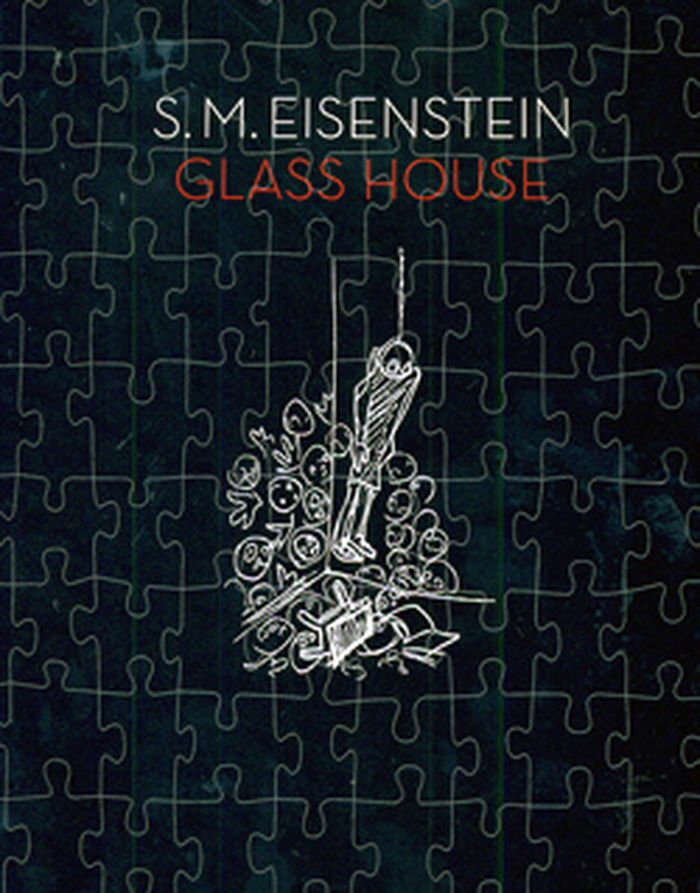
Glass house: du projet de film au film comme projet S. M. Eisenstein
Actions:
Price:
$24.99
(available to order)
Summary:
C'est à Berlin, en 1926, que le réalisateur russe S. M. Eisenstein découvre l'utilisation architecturale du verre et la place qu'il occupe dans un certain nombre d'utopies de réconciliation sociale (Gropius, Mies van der Rohe, Le Corbusier…). C'est alors qu'il envisage de réaliser Glass House, un projet inabouti dont il ne reste aujourd'hui que ses notes de travail, publiées dans cet ouvrage. Un projet pourtant tenté à Hollywood lorsqu'Eisenstein imagina la conception d'un gratte-ciel en verre où tous seraient soumis au regard de tous, où chacun serait renvoyé à sa solitude par soumission aux valeurs capitalistes, et où la question de l'aliénation sociale se mêlerait à celle du «trouble dans le genre» au travers de personnages venus tout droit de la tradition berlinoise du cabaret. Charlie Chaplin, fasciné par cette anti-utopie où lumière et transparence aboutissent à la coercition et à la mort, avait alors soutenu le réalisateur russe. Ce n'est donc pas un hasard si, dans Le Dictateur, Hinckel avoue à Napaloni être amateur de «moderne» et vouloir mettre partout des parois et plafonds en verre. Mais Glass House fut également un projet de cinéma : un cinéma échappant aux lois de la pesanteur, à l'héritage de la peinture naturaliste et à l'architecture traditionnelle, qui conduisit Eisenstein à une réflexion esthétique sur les thèmes du polycentrisme et de l'hétérotopie – thèmes que l'art moderne et contemporain ne cesseront jamais de travailler.
Form:
books
books
Publication:
December 2009
December 2009
Subject:
Architecture and Film, Set Design
Architecture and Film, Set Design
Form:
books
books
Actions:
Price:
$29.99
(available to order)
Summary:
Broadway avenue in downtown Los Angeles holds an extraordinary collection of twelve once-luxurious and now abandoned film-palaces, built between 1910 and 1931. In most cities worldwide, such a concentration of cinemas would have been demolished long ago - here however the buildings have survived the end of film-projection intact, some of their interiors ruined and gutted,(...)
Title:
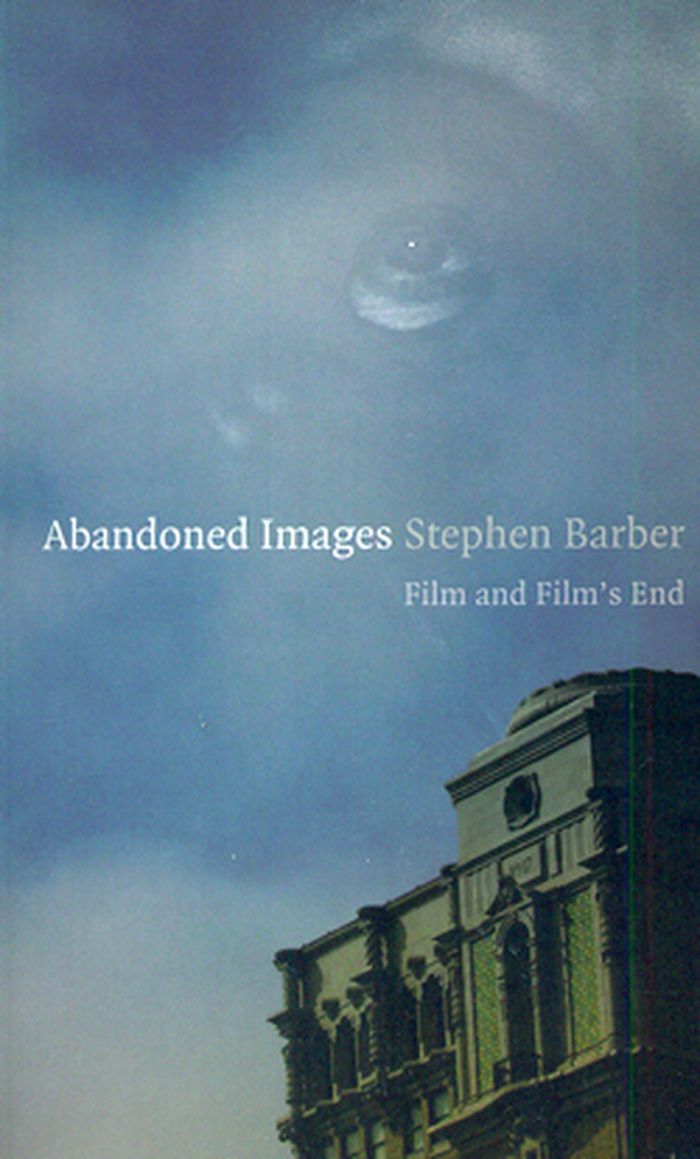
Abandoned images: film and film's end
Actions:
Price:
$29.99
(available to order)
Summary:
Broadway avenue in downtown Los Angeles holds an extraordinary collection of twelve once-luxurious and now abandoned film-palaces, built between 1910 and 1931. In most cities worldwide, such a concentration of cinemas would have been demolished long ago - here however the buildings have survived the end of film-projection intact, some of their interiors ruined and gutted, others transformed and re-used as churches, nightclubs and storage spaces. Stephen Barber begins with an exploration of these remarkable derelicts, and broadens to ask questions about the abandonment of film itself.
Form:
books
books
Publication:
February 2010
February 2010
Subject:
Architecture and Film, Set Design
Architecture and Film, Set Design
Form:
books
books
Title:
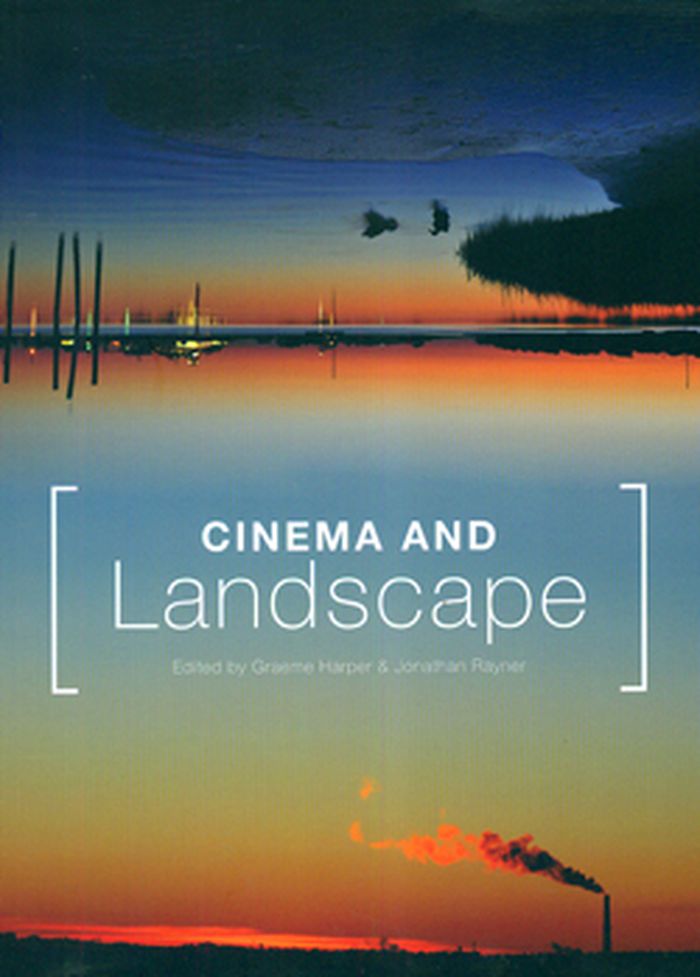
Cinema and landscape
Cinema and landscape
Actions:
Price:
$29.95
(available to order)
Summary:
The notion of landscape is a complex one, but it has been central to the art and artistry of the cinema. After all, what is the French New Wave without Paris? What are the films of Sidney Lumet, Woody Allen, Martin Scorsese, and Spike Lee without New York? Cinema and Landscape frames contemporary film landscapes across the world, in an exploration of screen aesthetics and(...)
Subject:
Architecture and Film, Set Design
Architecture and Film, Set Design
Publication:
February 2010
February 2010
Title:
Cinema and landscape
Actions:
Price:
$29.95
(available to order)
Summary:
The notion of landscape is a complex one, but it has been central to the art and artistry of the cinema. After all, what is the French New Wave without Paris? What are the films of Sidney Lumet, Woody Allen, Martin Scorsese, and Spike Lee without New York? Cinema and Landscape frames contemporary film landscapes across the world, in an exploration of screen aesthetics and national ideology, film form and cultural geography, cinematic representation and the human environment. This volume both extends the existing field of film studies and stakes claims to overlapping, contested territories in the humanities and social sciences.
Form:
books
books
Publication:
February 2010
February 2010
Subject:
Architecture and Film, Set Design
Architecture and Film, Set Design


