


125 Results
Form:
books
books
Actions:
Price:
$44.50
(available to order)
Summary:
In "Archiveology" Catherine Russell uses the work of Walter Benjamin to explore how the practice of archiveology-the reuse, recycling, appropriation, and borrowing of archival sounds and images by filmmakers-provides ways to imagine the past and the future. Noting how the film archive does not function simply as a place where moving images are preserved, Russell examines(...)
$44.50
(available to order)
Summary:
In "Archiveology" Catherine Russell uses the work of Walter Benjamin to explore how the practice of archiveology-the reuse, recycling, appropriation, and borrowing of archival sounds and images by filmmakers-provides ways to imagine the past and the future. Noting how the film archive does not function simply as a place where moving images are preserved, Russell examines(...)
Title:
Archiveology: Walter Benjamin and archival film practices
Actions:
Price:
$44.50
(available to order)
Summary:
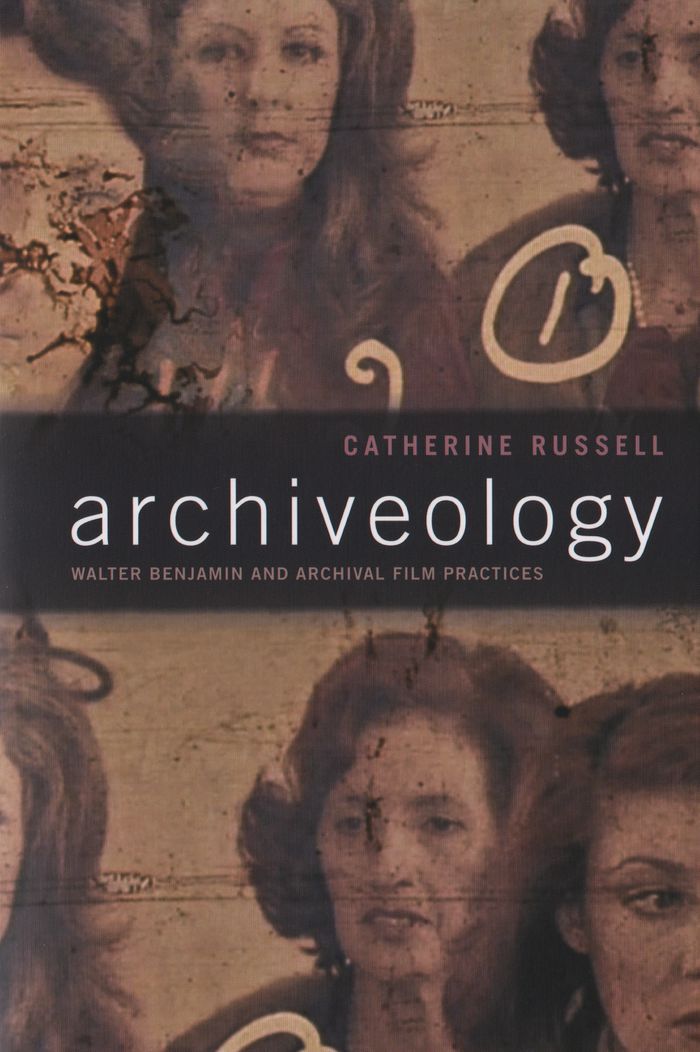
In "Archiveology" Catherine Russell uses the work of Walter Benjamin to explore how the practice of archiveology-the reuse, recycling, appropriation, and borrowing of archival sounds and images by filmmakers-provides ways to imagine the past and the future. Noting how the film archive does not function simply as a place where moving images are preserved, Russell examines a range of films alongside Benjamin's conceptions of memory, document, excavation, and historiography. She shows how city films such as Nicole Vedres's Paris 1900 (1947) and Thom Andersen's Los Angeles Plays Itself (2003) reconstruct notions of urban life and uses Christian Marclay's The Clock (2010) to draw parallels between critical cinephilia and Benjamin's theory of the phantasmagoria. Russell also discusses practices of collecting in archiveological film and rereads films by Joseph Cornell and Rania Stephan to explore an archival practice that dislocates and relocates the female image in film. In so doing, she not only shows how Benjamin's work is as relevant to film theory as ever; she shows how archiveology can awaken artists and audiences to critical forms of history and memory.
Archiveology: Walter Benjamin and archival film practices
Actions:
Price:
$44.50
(available to order)
Summary:
In "Archiveology" Catherine Russell uses the work of Walter Benjamin to explore how the practice of archiveology-the reuse, recycling, appropriation, and borrowing of archival sounds and images by filmmakers-provides ways to imagine the past and the future. Noting how the film archive does not function simply as a place where moving images are preserved, Russell examines a range of films alongside Benjamin's conceptions of memory, document, excavation, and historiography. She shows how city films such as Nicole Vedres's Paris 1900 (1947) and Thom Andersen's Los Angeles Plays Itself (2003) reconstruct notions of urban life and uses Christian Marclay's The Clock (2010) to draw parallels between critical cinephilia and Benjamin's theory of the phantasmagoria. Russell also discusses practices of collecting in archiveological film and rereads films by Joseph Cornell and Rania Stephan to explore an archival practice that dislocates and relocates the female image in film. In so doing, she not only shows how Benjamin's work is as relevant to film theory as ever; she shows how archiveology can awaken artists and audiences to critical forms of history and memory.
Form:
books
books
Publication:
March 2018
March 2018
Subject:
Architecture and Film, Set Design
Architecture and Film, Set Design
Form:
books
books
Actions:
Price:
$42.95
(available to order)
Summary:
There has been plenty of scholarship on science fiction over the decades, but it has left one crucial aspect of the genre all but unanalysed: the visual. Ambitious and original, "Landscape and the Science Fiction Imaginary" corrects that oversight, making a powerful argument for science fiction as a visual cultural discourse. Taking influential historical works of visual(...)
$42.95
(available to order)
Summary:
There has been plenty of scholarship on science fiction over the decades, but it has left one crucial aspect of the genre all but unanalysed: the visual. Ambitious and original, "Landscape and the Science Fiction Imaginary" corrects that oversight, making a powerful argument for science fiction as a visual cultural discourse. Taking influential historical works of visual(...)
Title:
Landscape and the science fiction imaginary
Actions:
Price:
$42.95
(available to order)
Summary:
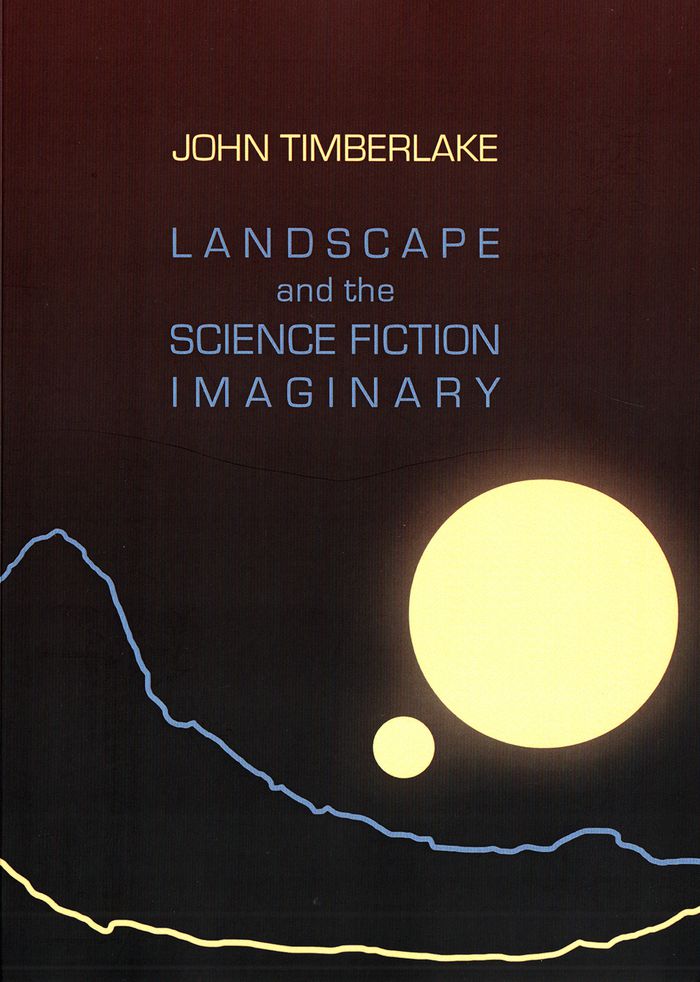
There has been plenty of scholarship on science fiction over the decades, but it has left one crucial aspect of the genre all but unanalysed: the visual. Ambitious and original, "Landscape and the Science Fiction Imaginary" corrects that oversight, making a powerful argument for science fiction as a visual cultural discourse. Taking influential historical works of visual art as starting points, along with illustrations, movie matte paintings, documentaries, artist’s impressions and digital environments, John Timberlake focuses on the notion of science fiction as an 'imaginary topos', one that draws principally on the intersection between landscape and historical/prehistorical time. Richly illustrated, this book will appeal to scholars, students, and fans of science fiction and the remarkable visual culture that surrounds it.
Landscape and the science fiction imaginary
Actions:
Price:
$42.95
(available to order)
Summary:
There has been plenty of scholarship on science fiction over the decades, but it has left one crucial aspect of the genre all but unanalysed: the visual. Ambitious and original, "Landscape and the Science Fiction Imaginary" corrects that oversight, making a powerful argument for science fiction as a visual cultural discourse. Taking influential historical works of visual art as starting points, along with illustrations, movie matte paintings, documentaries, artist’s impressions and digital environments, John Timberlake focuses on the notion of science fiction as an 'imaginary topos', one that draws principally on the intersection between landscape and historical/prehistorical time. Richly illustrated, this book will appeal to scholars, students, and fans of science fiction and the remarkable visual culture that surrounds it.
Form:
books
books
Publication:
March 2018
March 2018
Subject:
Architecture and Film, Set Design
Architecture and Film, Set Design
Form:
books
books
Actions:
Price:
$64.95
(available in store)
Summary:
The publication is the first comprehensive study of Baruchello’s relationship with the moving image from the sixties on. Produced on the occasion of the exhibition "Gianfranco Baruchello: Cold Cinema". "Film, video e opere 1960-1999", held at La Triennale di Milano in 2014 and 2015, the book opens with a densely packed montage of Baruchello’s own notes, images, and(...)
$64.95
(available in store)
Summary:
The publication is the first comprehensive study of Baruchello’s relationship with the moving image from the sixties on. Produced on the occasion of the exhibition "Gianfranco Baruchello: Cold Cinema". "Film, video e opere 1960-1999", held at La Triennale di Milano in 2014 and 2015, the book opens with a densely packed montage of Baruchello’s own notes, images, and(...)
Publication:
April 2018
April 2018
Title:
Gianfranco Baruchello : archive of moving images, 1960-2016
Actions:
Price:
$64.95
(available in store)
Summary:
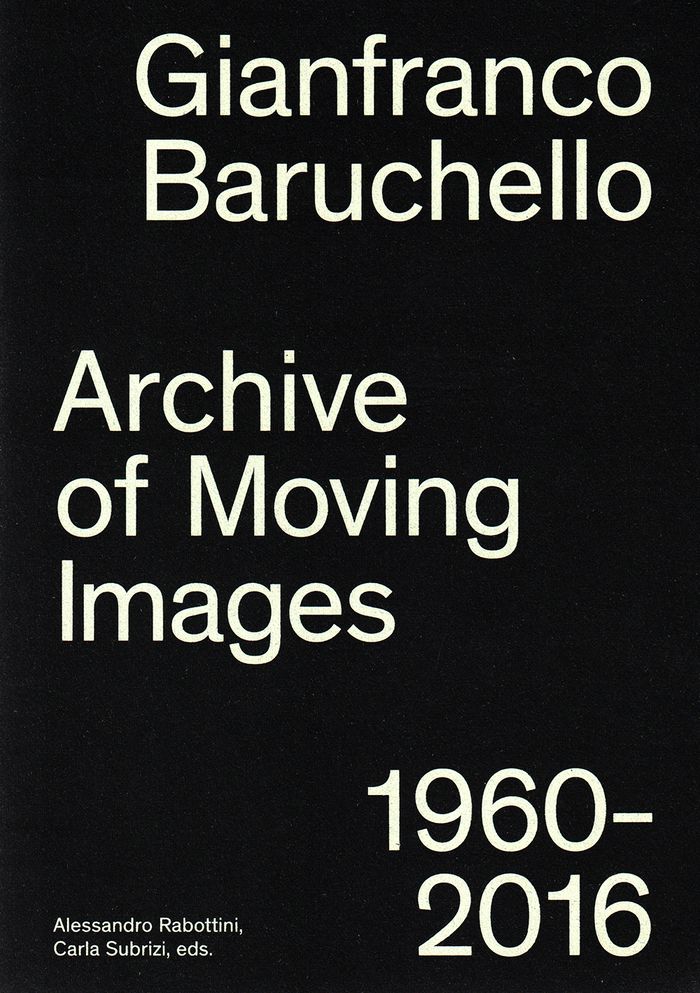
The publication is the first comprehensive study of Baruchello’s relationship with the moving image from the sixties on. Produced on the occasion of the exhibition "Gianfranco Baruchello: Cold Cinema". "Film, video e opere 1960-1999", held at La Triennale di Milano in 2014 and 2015, the book opens with a densely packed montage of Baruchello’s own notes, images, and documents, presented by means of a medium dear to the artist, photocopies. An essay by Alessandro Rabottini takes us through the rooms of the exhibition at La Triennale di Milano, while a conversation between Baruchello and Massimiliano Gioni highlights some key aspects of his ideas about cinema. Carla Subrizi’s text winds its way through his entire production of films and videos, whereas an essay by Philippe-Alain Michaud examines some of the historical roots of Verifica incerta (1964-65).
Gianfranco Baruchello : archive of moving images, 1960-2016
Actions:
Price:
$64.95
(available in store)
Summary:
The publication is the first comprehensive study of Baruchello’s relationship with the moving image from the sixties on. Produced on the occasion of the exhibition "Gianfranco Baruchello: Cold Cinema". "Film, video e opere 1960-1999", held at La Triennale di Milano in 2014 and 2015, the book opens with a densely packed montage of Baruchello’s own notes, images, and documents, presented by means of a medium dear to the artist, photocopies. An essay by Alessandro Rabottini takes us through the rooms of the exhibition at La Triennale di Milano, while a conversation between Baruchello and Massimiliano Gioni highlights some key aspects of his ideas about cinema. Carla Subrizi’s text winds its way through his entire production of films and videos, whereas an essay by Philippe-Alain Michaud examines some of the historical roots of Verifica incerta (1964-65).
Form:
books
books
Publication:
April 2018
April 2018
Form:
books
books
Title:
Exhibiting the moving image
Exhibiting the moving image
Actions:
Price:
$39.95
(available to order)
Summary:
Since the 1990s, a "cinematographic turn" has taken place in contemporary art, paralleled by the emergence of a "cinema of exhibition." This collection of new essays investigates the relationships between the "white cube" and the "black box," focusing mainly on the 1970s, a decade in which film practices and moving images were integrated into museums and art spaces. The(...)
$39.95
(available to order)
Summary:
Since the 1990s, a "cinematographic turn" has taken place in contemporary art, paralleled by the emergence of a "cinema of exhibition." This collection of new essays investigates the relationships between the "white cube" and the "black box," focusing mainly on the 1970s, a decade in which film practices and moving images were integrated into museums and art spaces. The(...)
Publication:
March 2016
March 2016
Title:
Exhibiting the moving image
Actions:
Price:
$39.95
(available to order)
Summary:
Since the 1990s, a "cinematographic turn" has taken place in contemporary art, paralleled by the emergence of a "cinema of exhibition." This collection of new essays investigates the relationships between the "white cube" and the "black box," focusing mainly on the 1970s, a decade in which film practices and moving images were integrated into museums and art spaces. The authors analyze multiple modalities of presenting the moving image through historical case studies: the anatomy of video art, expanded cinema, artists’ films and installations, and the moving image in the public sphere. Exploring examples from the 1930s to the present, these contributions address commercial, spectacular or advertising forms of moving images, artists’ performative practices, installations in large museums, exhibitions devoted to projections and festivals of experimental films.
Exhibiting the moving image
Actions:
Price:
$39.95
(available to order)
Summary:
Since the 1990s, a "cinematographic turn" has taken place in contemporary art, paralleled by the emergence of a "cinema of exhibition." This collection of new essays investigates the relationships between the "white cube" and the "black box," focusing mainly on the 1970s, a decade in which film practices and moving images were integrated into museums and art spaces. The authors analyze multiple modalities of presenting the moving image through historical case studies: the anatomy of video art, expanded cinema, artists’ films and installations, and the moving image in the public sphere. Exploring examples from the 1930s to the present, these contributions address commercial, spectacular or advertising forms of moving images, artists’ performative practices, installations in large museums, exhibitions devoted to projections and festivals of experimental films.
Form:
books
books
Publication:
March 2016
March 2016
Form:
books
books
Title:
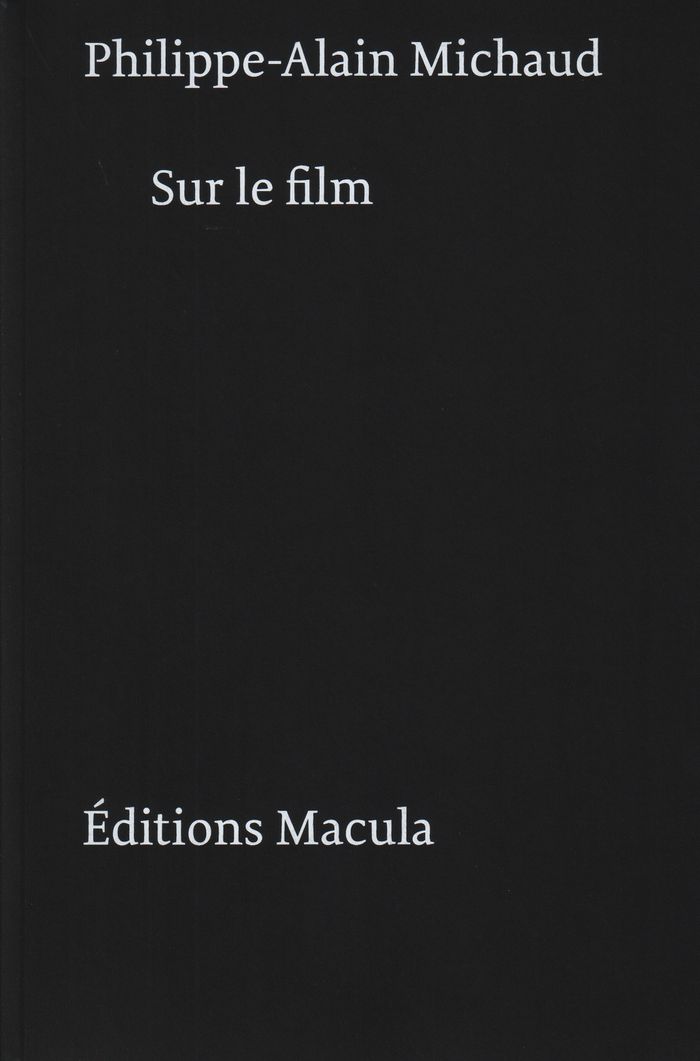
Sur le film
Sur le film
Actions:
Price:
$75.95
(available in store)
Summary:
Ce livre propose une lecture rétrospective, non linéaire et décentrée de l’histoire des images en mouvement : il s’appuie sur une analyse de la pensée filmique telle qu’elle se déploie, indépendamment de ses applications techniques, dans l’histoire des représentations, et constitue un repérage de la manière dont les propriétés du film, disjointes de l’appareil qui(...)
$75.95
(available in store)
Summary:
Ce livre propose une lecture rétrospective, non linéaire et décentrée de l’histoire des images en mouvement : il s’appuie sur une analyse de la pensée filmique telle qu’elle se déploie, indépendamment de ses applications techniques, dans l’histoire des représentations, et constitue un repérage de la manière dont les propriétés du film, disjointes de l’appareil qui(...)
Title:
Sur le film
Actions:
Price:
$75.95
(available in store)
Summary:
Ce livre propose une lecture rétrospective, non linéaire et décentrée de l’histoire des images en mouvement : il s’appuie sur une analyse de la pensée filmique telle qu’elle se déploie, indépendamment de ses applications techniques, dans l’histoire des représentations, et constitue un repérage de la manière dont les propriétés du film, disjointes de l’appareil qui conditionne le spectacle cinématographique, agissent dans les différents champs des pratiques artistiques.
Sur le film
Actions:
Price:
$75.95
(available in store)
Summary:
Ce livre propose une lecture rétrospective, non linéaire et décentrée de l’histoire des images en mouvement : il s’appuie sur une analyse de la pensée filmique telle qu’elle se déploie, indépendamment de ses applications techniques, dans l’histoire des représentations, et constitue un repérage de la manière dont les propriétés du film, disjointes de l’appareil qui conditionne le spectacle cinématographique, agissent dans les différents champs des pratiques artistiques.
Form:
books
books
Publication:
May 2016
May 2016
Subject:
Architecture and Film, Set Design
Architecture and Film, Set Design
Form:
books
books
Actions:
Price:
$37.95
(available to order)
Summary:
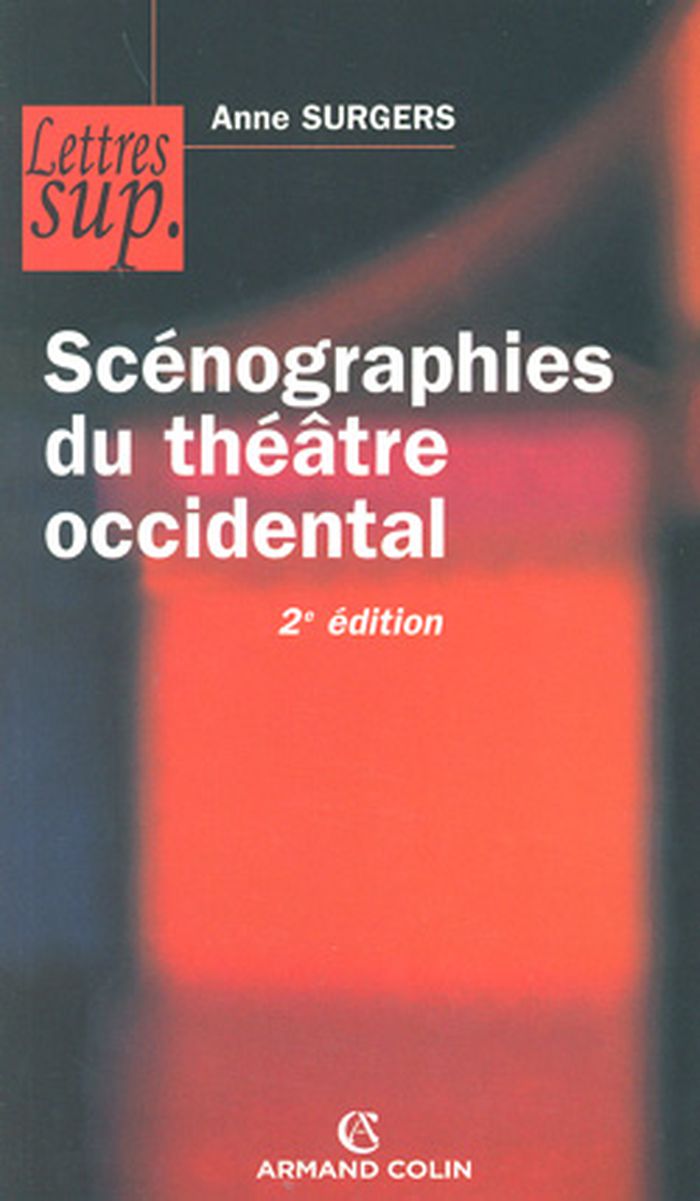
Cette nouvelle édition a été soigneusement mise à jour et augmentée; elle propose notamment une bibliographie révisée, des développements inédits sur le théâtre baroque européen et français ainsi qu'une lecture emblématique rhétorique ou allégorique des décors à la Renaissance et au XVIIe siècle.
$37.95
(available to order)
Summary:
Cette nouvelle édition a été soigneusement mise à jour et augmentée; elle propose notamment une bibliographie révisée, des développements inédits sur le théâtre baroque européen et français ainsi qu'une lecture emblématique rhétorique ou allégorique des décors à la Renaissance et au XVIIe siècle.
Title:
Scénographies du théâtre occidental
Actions:
Price:
$37.95
(available to order)
Summary:
Cette nouvelle édition a été soigneusement mise à jour et augmentée; elle propose notamment une bibliographie révisée, des développements inédits sur le théâtre baroque européen et français ainsi qu'une lecture emblématique rhétorique ou allégorique des décors à la Renaissance et au XVIIe siècle.
Scénographies du théâtre occidental
Actions:
Price:
$37.95
(available to order)
Summary:
Cette nouvelle édition a été soigneusement mise à jour et augmentée; elle propose notamment une bibliographie révisée, des développements inédits sur le théâtre baroque européen et français ainsi qu'une lecture emblématique rhétorique ou allégorique des décors à la Renaissance et au XVIIe siècle.
Form:
books
books
Publication:
January 2007
January 2007
Subject:
Architecture and Film, Set Design
Architecture and Film, Set Design
Form:
books
books
Actions:
Price:
$29.99
(available to order)
Summary:
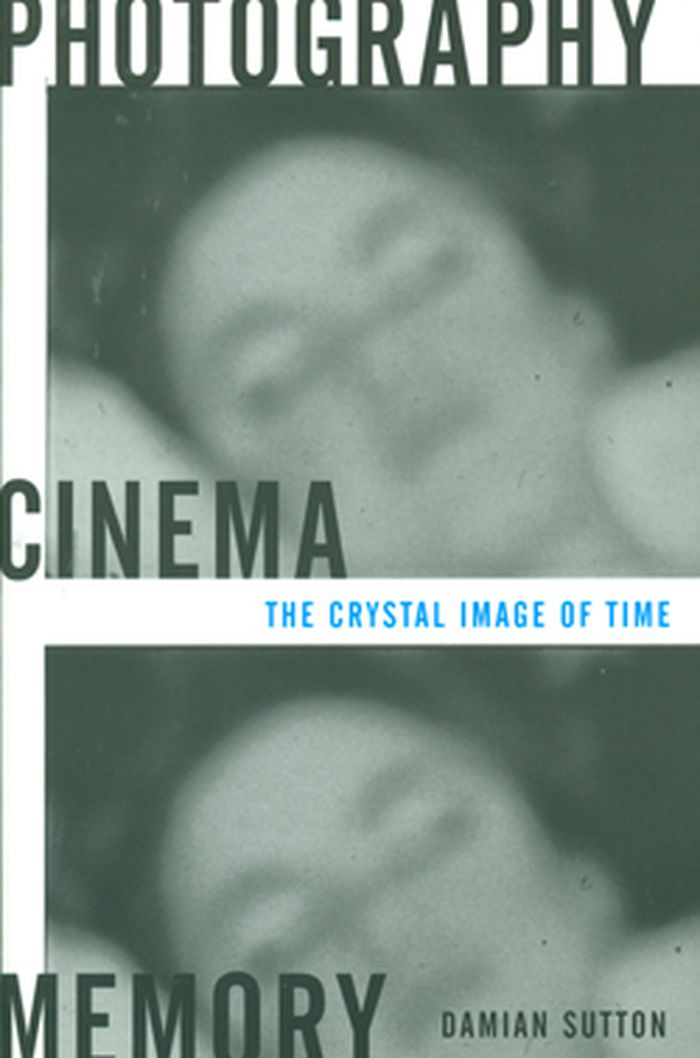
Cinema and photography are both intimately associated with time—cinema with time in passing, the photograph with the lost moment. In Photography, Cinema, Memory, Damian Peter Sutton explores time in both media to present a radical new understanding of the photographic image as always coming into being.
$29.99
(available to order)
Summary:
Cinema and photography are both intimately associated with time—cinema with time in passing, the photograph with the lost moment. In Photography, Cinema, Memory, Damian Peter Sutton explores time in both media to present a radical new understanding of the photographic image as always coming into being.
Title:
Photography , cinema, memory: the crystal image of time
Actions:
Price:
$29.99
(available to order)
Summary:
Cinema and photography are both intimately associated with time—cinema with time in passing, the photograph with the lost moment. In Photography, Cinema, Memory, Damian Peter Sutton explores time in both media to present a radical new understanding of the photographic image as always coming into being.
Photography , cinema, memory: the crystal image of time
Actions:
Price:
$29.99
(available to order)
Summary:
Cinema and photography are both intimately associated with time—cinema with time in passing, the photograph with the lost moment. In Photography, Cinema, Memory, Damian Peter Sutton explores time in both media to present a radical new understanding of the photographic image as always coming into being.
Form:
books
books
Publication:
June 2009
June 2009
Subject:
Architecture and Film, Set Design
Architecture and Film, Set Design
Form:
books
books
Price:
$68.95
(available to order)
Summary:
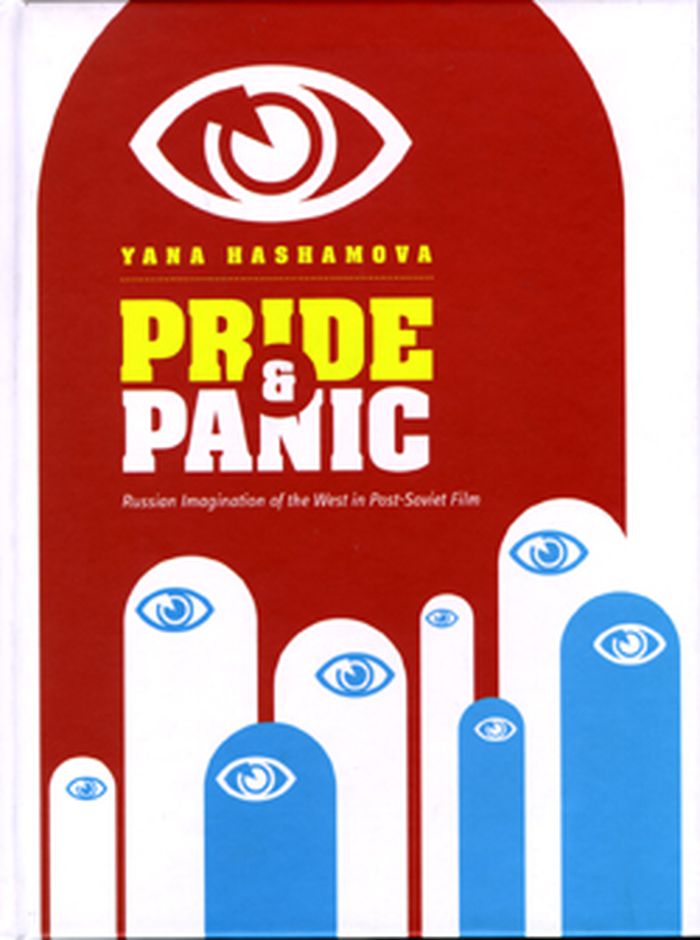
Since the fall of Communism, Russians have struggled to reconcile their social traditions with a flood of Western cultural imports. Contemporary Russian cinema has latched on to the resulting confusion and ambivalence, mining societal upheaval for revolutionary cinematic topics. Yana Hashamova explores this largely uncharted territory in Pride and Panic.
$68.95
(available to order)
Summary:
Since the fall of Communism, Russians have struggled to reconcile their social traditions with a flood of Western cultural imports. Contemporary Russian cinema has latched on to the resulting confusion and ambivalence, mining societal upheaval for revolutionary cinematic topics. Yana Hashamova explores this largely uncharted territory in Pride and Panic.
Publication:
May 2007, Bristol
May 2007, Bristol
Title:
Pride & panic: Russian imagination of the west in post-soviet film
Actions:
Price:
$68.95
(available to order)
Summary:
Since the fall of Communism, Russians have struggled to reconcile their social traditions with a flood of Western cultural imports. Contemporary Russian cinema has latched on to the resulting confusion and ambivalence, mining societal upheaval for revolutionary cinematic topics. Yana Hashamova explores this largely uncharted territory in Pride and Panic.
Pride & panic: Russian imagination of the west in post-soviet film
Actions:
Price:
$68.95
(available to order)
Summary:
Since the fall of Communism, Russians have struggled to reconcile their social traditions with a flood of Western cultural imports. Contemporary Russian cinema has latched on to the resulting confusion and ambivalence, mining societal upheaval for revolutionary cinematic topics. Yana Hashamova explores this largely uncharted territory in Pride and Panic.
Form:
books
books
Publication:
May 2007, Bristol
May 2007, Bristol
Form:
books
books
Title:
5+1AA - Rudy Ricciotti: the new cinema palace of Venice / le nouveau palais du cinéma de Venise
5+1AA - Rudy Ricciotti: the new cinema palace of Venice / le nouveau palais du cinéma de Venise
Actions:
Price:
$48.00
(available to order)
Summary:
Le concours est rendu en mars 2005, il neige depuis une semaine a Gênes. Le 26 Mai 5+1AA et Rudy Ricciotti sont déclarés lauréats. Le projet fait partie des réalisations architecturales programmés pour la célébrations du cent cinquantième anniversaire de l'unité de l'Italie en 2011. Le 28 Août 2008, les travaux commencent. En 2011, Venise aura son nouveau palais du cinéma.
$48.00
(available to order)
Summary:
Le concours est rendu en mars 2005, il neige depuis une semaine a Gênes. Le 26 Mai 5+1AA et Rudy Ricciotti sont déclarés lauréats. Le projet fait partie des réalisations architecturales programmés pour la célébrations du cent cinquantième anniversaire de l'unité de l'Italie en 2011. Le 28 Août 2008, les travaux commencent. En 2011, Venise aura son nouveau palais du cinéma.
Subject:
Architecture and Film, Set Design
Architecture and Film, Set Design
Publication:
October 2008, Milano
October 2008, Milano
Title:
5+1AA - Rudy Ricciotti: the new cinema palace of Venice / le nouveau palais du cinéma de Venise
Actions:
Price:
$48.00
(available to order)
Summary:
Le concours est rendu en mars 2005, il neige depuis une semaine a Gênes. Le 26 Mai 5+1AA et Rudy Ricciotti sont déclarés lauréats. Le projet fait partie des réalisations architecturales programmés pour la célébrations du cent cinquantième anniversaire de l'unité de l'Italie en 2011. Le 28 Août 2008, les travaux commencent. En 2011, Venise aura son nouveau palais du cinéma.
5+1AA - Rudy Ricciotti: the new cinema palace of Venice / le nouveau palais du cinéma de Venise
Actions:
Price:
$48.00
(available to order)
Summary:
Le concours est rendu en mars 2005, il neige depuis une semaine a Gênes. Le 26 Mai 5+1AA et Rudy Ricciotti sont déclarés lauréats. Le projet fait partie des réalisations architecturales programmés pour la célébrations du cent cinquantième anniversaire de l'unité de l'Italie en 2011. Le 28 Août 2008, les travaux commencent. En 2011, Venise aura son nouveau palais du cinéma.
Form:
books
books
Publication:
October 2008, Milano
October 2008, Milano
Subject:
Architecture and Film, Set Design
Architecture and Film, Set Design
Form:
books
books
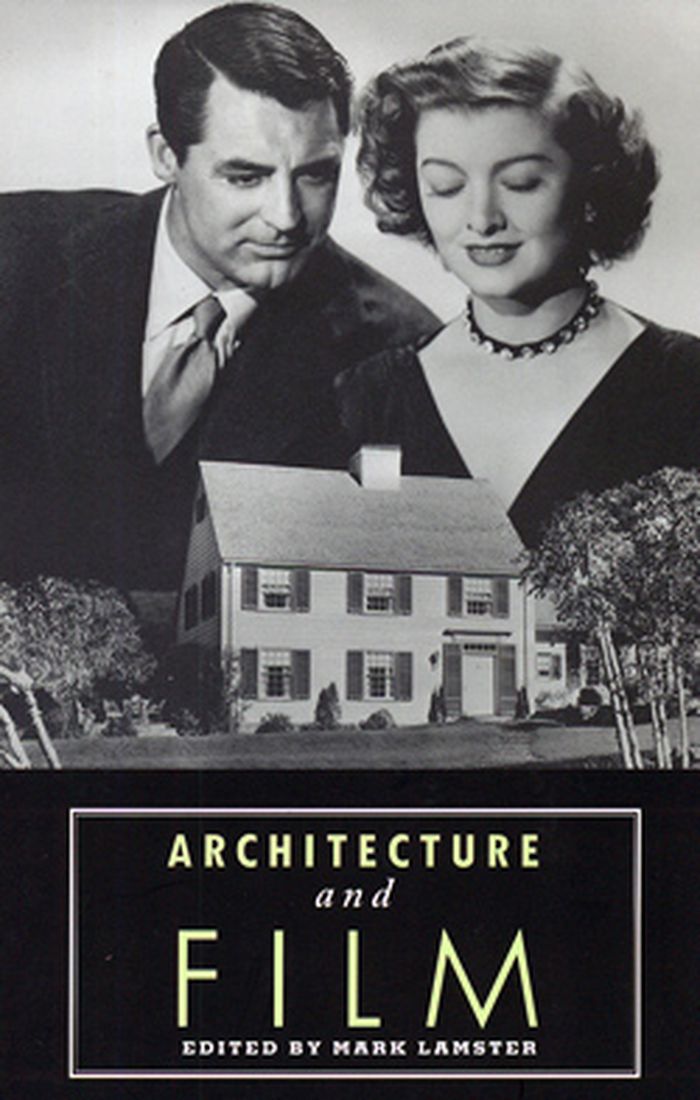
Title:
Architecture and film
Architecture and film
Actions:
Price:
$32.50
(available to order)
Summary:
"Architecture and Film" looks at the ways architecture and architects are treated on screen and, conversely, how these depictions filter and shape the ways we understand the built environment. It also examines the significant effect that the film industry has had on the (...)
$32.50
(available to order)
Summary:
"Architecture and Film" looks at the ways architecture and architects are treated on screen and, conversely, how these depictions filter and shape the ways we understand the built environment. It also examines the significant effect that the film industry has had on the (...)
Subject:
Architecture and Film, Set Design
Architecture and Film, Set Design
Publication:
February 2000, New York
February 2000, New York
Title:
Architecture and film
Actions:
Price:
$32.50
(available to order)
Summary:
"Architecture and Film" looks at the ways architecture and architects are treated on screen and, conversely, how these depictions filter and shape the ways we understand the built environment. It also examines the significant effect that the film industry has had on the American public's perception of urban, suburban, and rural spaces. Contributors to this collection of essays come from a wide range of disciplines. Nancy Levinson writes on how films from "The Fountainhead" to "Jungle Fever" have depicted architects. Eric Rosenberg looks at how architecture and spatial relations shape the Beatles films "A Hard Day's Night", "Help!", and "Let It Be". Joseph Rosa discusses why modern domestic architecture in recent Hollywood films such as "The Ice Storm", "L.A. Confidential", and "The Big Lebowski" has become synonymous with unstable inhabitants. Peter Hall discusses the history of film titling, focusing on the groundbreaking work of Saul Bass and Maurice Binder. Editor Mark Lamster examines the anti-urbanism of the Star Wars trilogy. The collection also includes the voices of those from within the film industry, who are uniquely able to provide a "behind the scenes" perspective: film editor Bob Eisenhardt comments on the making of "Concert of Wills", a documentary on the construction of the Getty Museum; and Robert Kraft focuses on his work as a location director for Diane Keaton's upcoming film about Los Angeles. Also included are interviews with David Rockwell, architect of numerous Planet Hollywood restaurants worldwide and designer of a new hall to host the Academy Awards ceremony; Kyle Kooper, who created title sequences for "Seven" and "Mission Impossible"; and motion picture art director Jan Roelfs, whose credits include "Gattaca", "Orlando", and "Little Women". Previously priced at $41.50.
Architecture and film
Actions:
Price:
$32.50
(available to order)
Summary:
"Architecture and Film" looks at the ways architecture and architects are treated on screen and, conversely, how these depictions filter and shape the ways we understand the built environment. It also examines the significant effect that the film industry has had on the American public's perception of urban, suburban, and rural spaces. Contributors to this collection of essays come from a wide range of disciplines. Nancy Levinson writes on how films from "The Fountainhead" to "Jungle Fever" have depicted architects. Eric Rosenberg looks at how architecture and spatial relations shape the Beatles films "A Hard Day's Night", "Help!", and "Let It Be". Joseph Rosa discusses why modern domestic architecture in recent Hollywood films such as "The Ice Storm", "L.A. Confidential", and "The Big Lebowski" has become synonymous with unstable inhabitants. Peter Hall discusses the history of film titling, focusing on the groundbreaking work of Saul Bass and Maurice Binder. Editor Mark Lamster examines the anti-urbanism of the Star Wars trilogy. The collection also includes the voices of those from within the film industry, who are uniquely able to provide a "behind the scenes" perspective: film editor Bob Eisenhardt comments on the making of "Concert of Wills", a documentary on the construction of the Getty Museum; and Robert Kraft focuses on his work as a location director for Diane Keaton's upcoming film about Los Angeles. Also included are interviews with David Rockwell, architect of numerous Planet Hollywood restaurants worldwide and designer of a new hall to host the Academy Awards ceremony; Kyle Kooper, who created title sequences for "Seven" and "Mission Impossible"; and motion picture art director Jan Roelfs, whose credits include "Gattaca", "Orlando", and "Little Women". Previously priced at $41.50.
Form:
books
books
Publication:
February 2000, New York
February 2000, New York
Subject:
Architecture and Film, Set Design
Architecture and Film, Set Design


