


125 Results
Form:
books
books
Actions:
Price:
$49.95
(available in store)
Summary:
Cet essai explore une facette de Hans Hartung (1904-1989) d'apparence improbable : les liens de ce géant de la peinture abstraite avec le cinéma. Il n'existe aucun film de Hartung, ni d'inclination réelle de sa part pour le septième art. Mais une enquête au cœur d'innombrables archives jusqu'alors inédites révèle des réseaux insoupçonnés : ce sont, entre autres, des(...)
$49.95
(available in store)
Summary:
Cet essai explore une facette de Hans Hartung (1904-1989) d'apparence improbable : les liens de ce géant de la peinture abstraite avec le cinéma. Il n'existe aucun film de Hartung, ni d'inclination réelle de sa part pour le septième art. Mais une enquête au cœur d'innombrables archives jusqu'alors inédites révèle des réseaux insoupçonnés : ce sont, entre autres, des(...)
Title:
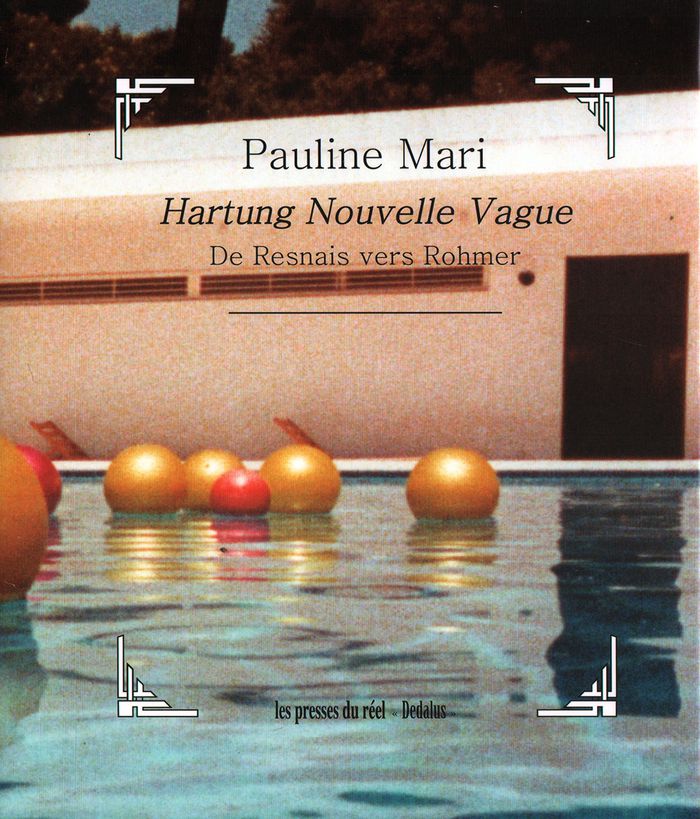
Hartung Nouvelle Vague : De Resnais vers Rohmer
Actions:
Price:
$49.95
(available in store)
Summary:
Cet essai explore une facette de Hans Hartung (1904-1989) d'apparence improbable : les liens de ce géant de la peinture abstraite avec le cinéma. Il n'existe aucun film de Hartung, ni d'inclination réelle de sa part pour le septième art. Mais une enquête au cœur d'innombrables archives jusqu'alors inédites révèle des réseaux insoupçonnés : ce sont, entre autres, des réalisateurs comme Alain Resnais, Henri-Georges Clouzot, Jean-Luc Godard, Éric Rohmer, plus récemment Larry Clark, qui ont admiré l'homme et sa peinture. Sa vie de héros antinazi, ex-légionnaire amputé au genou, traversé d'expériences cauchemardesques, mais déterminé à peindre ses « taches », passionnait. Qu'il ait été parodié, glorifié dans des décors de film, ou qu'il ait nourri des rôles campés par Anthony Perkins comme Maurice Ronet, Hartung est un fascinant point aveugle du cinéma.
Hartung Nouvelle Vague : De Resnais vers Rohmer
Actions:
Price:
$49.95
(available in store)
Summary:
Cet essai explore une facette de Hans Hartung (1904-1989) d'apparence improbable : les liens de ce géant de la peinture abstraite avec le cinéma. Il n'existe aucun film de Hartung, ni d'inclination réelle de sa part pour le septième art. Mais une enquête au cœur d'innombrables archives jusqu'alors inédites révèle des réseaux insoupçonnés : ce sont, entre autres, des réalisateurs comme Alain Resnais, Henri-Georges Clouzot, Jean-Luc Godard, Éric Rohmer, plus récemment Larry Clark, qui ont admiré l'homme et sa peinture. Sa vie de héros antinazi, ex-légionnaire amputé au genou, traversé d'expériences cauchemardesques, mais déterminé à peindre ses « taches », passionnait. Qu'il ait été parodié, glorifié dans des décors de film, ou qu'il ait nourri des rôles campés par Anthony Perkins comme Maurice Ronet, Hartung est un fascinant point aveugle du cinéma.
Form:
books
books
Publication:
October 2019
October 2019
Subject:
Architecture and Film, Set Design
Architecture and Film, Set Design
Form:
books
books
Actions:
Price:
$65.00
(available to order)
Summary:
Sergei Eisenstein’s cinematic adaptation of Karl Marx’s Capital was never realized, yet it has haunted the imagination of many filmmakers, historians, and philosophers to the present day. 'Dance of Values' aims to conjure the phantom of Eisenstein’s Capital, presenting for the first time material from the full scope of the film project’s archival body. This 'visual(...)
$65.00
(available to order)
Summary:
Sergei Eisenstein’s cinematic adaptation of Karl Marx’s Capital was never realized, yet it has haunted the imagination of many filmmakers, historians, and philosophers to the present day. 'Dance of Values' aims to conjure the phantom of Eisenstein’s Capital, presenting for the first time material from the full scope of the film project’s archival body. This 'visual(...)
Title:
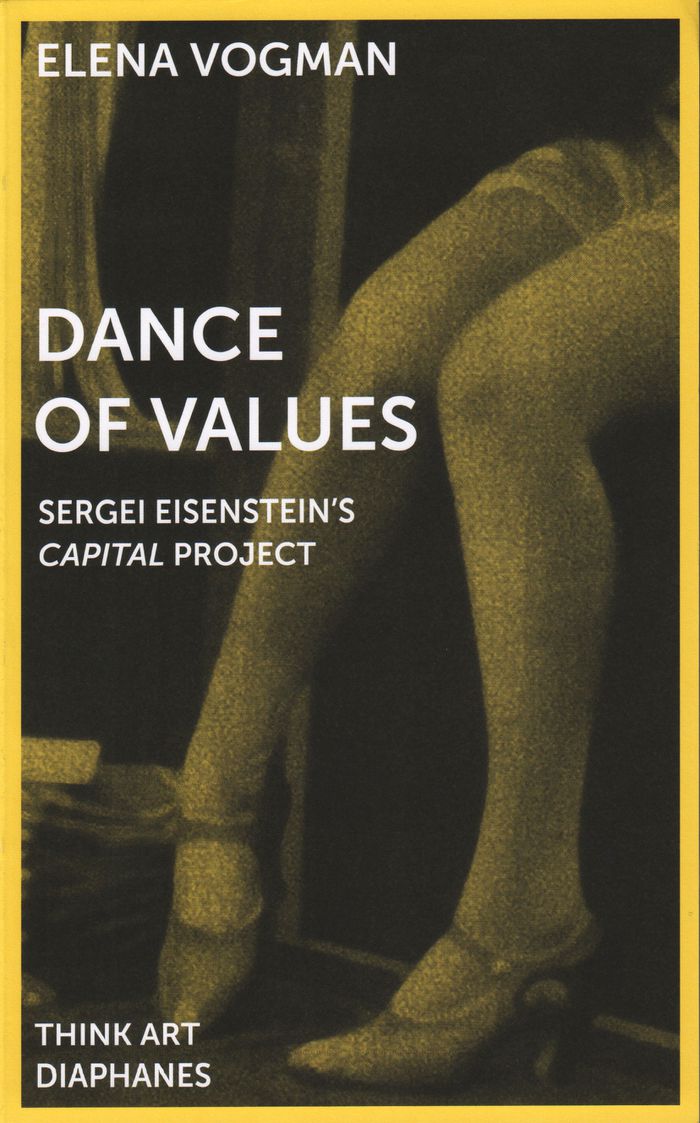
Dance of values: Sergei Eisenstein's Capital proect
Actions:
Price:
$65.00
(available to order)
Summary:
Sergei Eisenstein’s cinematic adaptation of Karl Marx’s Capital was never realized, yet it has haunted the imagination of many filmmakers, historians, and philosophers to the present day. 'Dance of Values' aims to conjure the phantom of Eisenstein’s Capital, presenting for the first time material from the full scope of the film project’s archival body. This 'visual instruction in the dialectical method,' as Eisenstein called it, comprises more than five hundred pages of notes, drawings, press clippings, diagrams, negatives, theoretical reflections, and extensive quotations. 'Dance of Values' explores the internal formal necessity underlying Eisenstein’s artistic choices, and argues that its brilliant adaptation of Marx’s Capital relied on the fragmentary and nonlinear state of its material. Published here for the first time, sequences from Eisenstein’s archival materials are presented in this volume not as mere illustrations but as arguments in their own right, a visual theorization of value.
Dance of values: Sergei Eisenstein's Capital proect
Actions:
Price:
$65.00
(available to order)
Summary:
Sergei Eisenstein’s cinematic adaptation of Karl Marx’s Capital was never realized, yet it has haunted the imagination of many filmmakers, historians, and philosophers to the present day. 'Dance of Values' aims to conjure the phantom of Eisenstein’s Capital, presenting for the first time material from the full scope of the film project’s archival body. This 'visual instruction in the dialectical method,' as Eisenstein called it, comprises more than five hundred pages of notes, drawings, press clippings, diagrams, negatives, theoretical reflections, and extensive quotations. 'Dance of Values' explores the internal formal necessity underlying Eisenstein’s artistic choices, and argues that its brilliant adaptation of Marx’s Capital relied on the fragmentary and nonlinear state of its material. Published here for the first time, sequences from Eisenstein’s archival materials are presented in this volume not as mere illustrations but as arguments in their own right, a visual theorization of value.
Form:
books
books
Publication:
January 2018
January 2018
Subject:
Architecture and Film, Set Design
Architecture and Film, Set Design
Form:
books
books
Actions:
Price:
$64.95
(available to order)
Summary:
Pierre-Jean Giloux seeks to create a language using sound and image that combines elements of pop culture and mass media with more 'intellectual' cultures which refer to the visual arts and architecture. This first monograph by the artist accompanies a series of videos inspired by the Metabolists, a utopist architecture movement which emerged in Japan in the late 1950s.(...)
$64.95
(available to order)
Summary:
Pierre-Jean Giloux seeks to create a language using sound and image that combines elements of pop culture and mass media with more 'intellectual' cultures which refer to the visual arts and architecture. This first monograph by the artist accompanies a series of videos inspired by the Metabolists, a utopist architecture movement which emerged in Japan in the late 1950s.(...)
Title:
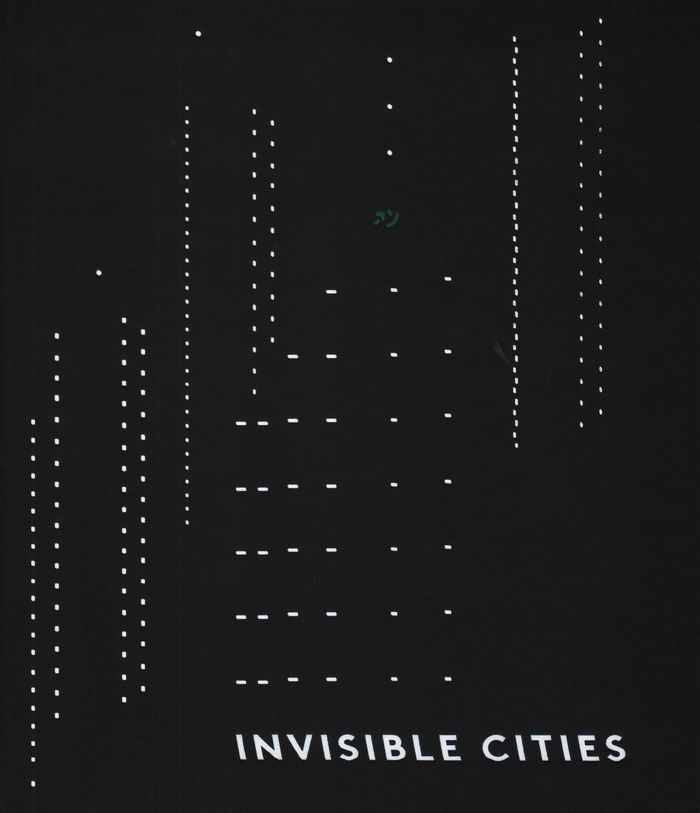
Pierre Jean Giloux : invisible cities : Machinami, Japanese urban landscapes
Actions:
Price:
$64.95
(available to order)
Summary:
Pierre-Jean Giloux seeks to create a language using sound and image that combines elements of pop culture and mass media with more 'intellectual' cultures which refer to the visual arts and architecture. This first monograph by the artist accompanies a series of videos inspired by the Metabolists, a utopist architecture movement which emerged in Japan in the late 1950s. It follows the films’ production as he explores the connections between four cities (Tokyo, Yokohama, Osaka, Kyoto) to create urban portraits combining digital with filmed or photographed images of social and urban reality. The book includes texts by Pierre Musso, Élie During, and Vincent Romagny.
Pierre Jean Giloux : invisible cities : Machinami, Japanese urban landscapes
Actions:
Price:
$64.95
(available to order)
Summary:
Pierre-Jean Giloux seeks to create a language using sound and image that combines elements of pop culture and mass media with more 'intellectual' cultures which refer to the visual arts and architecture. This first monograph by the artist accompanies a series of videos inspired by the Metabolists, a utopist architecture movement which emerged in Japan in the late 1950s. It follows the films’ production as he explores the connections between four cities (Tokyo, Yokohama, Osaka, Kyoto) to create urban portraits combining digital with filmed or photographed images of social and urban reality. The book includes texts by Pierre Musso, Élie During, and Vincent Romagny.
Form:
books
books
Publication:
June 2018
June 2018
Subject:
Architecture and Film, Set Design
Architecture and Film, Set Design
Form:
books
books
Title:
Disparitions
Disparitions
Actions:
Price:
$35.95
(available in store)
Summary:
« J’essaie peut-être de dire une chose impossible : être où je ne suis pas, parler avec les morts, aimer une inconnue. J’essaie, penché sur l’image, de fixer le point où la fiction prend corps. Des histoires liées à la photographie, au cinéma, à des images qui hantent la mémoire ; des récits en train de s’écrire, des enquêtes en train d’être menées, des scènes en train(...)
$35.95
(available in store)
Summary:
« J’essaie peut-être de dire une chose impossible : être où je ne suis pas, parler avec les morts, aimer une inconnue. J’essaie, penché sur l’image, de fixer le point où la fiction prend corps. Des histoires liées à la photographie, au cinéma, à des images qui hantent la mémoire ; des récits en train de s’écrire, des enquêtes en train d’être menées, des scènes en train(...)
Title:
Disparitions
Actions:
Price:
$35.95
(available in store)
Summary:
« J’essaie peut-être de dire une chose impossible : être où je ne suis pas, parler avec les morts, aimer une inconnue. J’essaie, penché sur l’image, de fixer le point où la fiction prend corps. Des histoires liées à la photographie, au cinéma, à des images qui hantent la mémoire ; des récits en train de s’écrire, des enquêtes en train d’être menées, des scènes en train de se filmer ; des études de cas : Antonioni, Gus Van Sant, Chris Marker, Giacometti, Stendhal, Duras… Au fond de toute image, de tout récit, il s’agit avant tout de saisir l’absence, d’écrire la disparition. » Bertrand Schefer.
Disparitions
Actions:
Price:
$35.95
(available in store)
Summary:
« J’essaie peut-être de dire une chose impossible : être où je ne suis pas, parler avec les morts, aimer une inconnue. J’essaie, penché sur l’image, de fixer le point où la fiction prend corps. Des histoires liées à la photographie, au cinéma, à des images qui hantent la mémoire ; des récits en train de s’écrire, des enquêtes en train d’être menées, des scènes en train de se filmer ; des études de cas : Antonioni, Gus Van Sant, Chris Marker, Giacometti, Stendhal, Duras… Au fond de toute image, de tout récit, il s’agit avant tout de saisir l’absence, d’écrire la disparition. » Bertrand Schefer.
Form:
books
books
Publication:
March 2020
March 2020
Subject:
Architecture and Film, Set Design
Architecture and Film, Set Design
Form:
books
books
Actions:
Price:
$46.95
(available to order)
Summary:
Studios are, at once, material environments and symbolic forms, sites of artistic creation and physical labor, and nodes in networks of resource circulation. They are architectural places that generate virtual spaces—worlds built to build worlds. On the outside, they have become icons of corporate identity, while on the inside, they have remained invisible in order to be(...)
$46.95
(available to order)
Summary:
Studios are, at once, material environments and symbolic forms, sites of artistic creation and physical labor, and nodes in networks of resource circulation. They are architectural places that generate virtual spaces—worlds built to build worlds. On the outside, they have become icons of corporate identity, while on the inside, they have remained invisible in order to be(...)
Title:
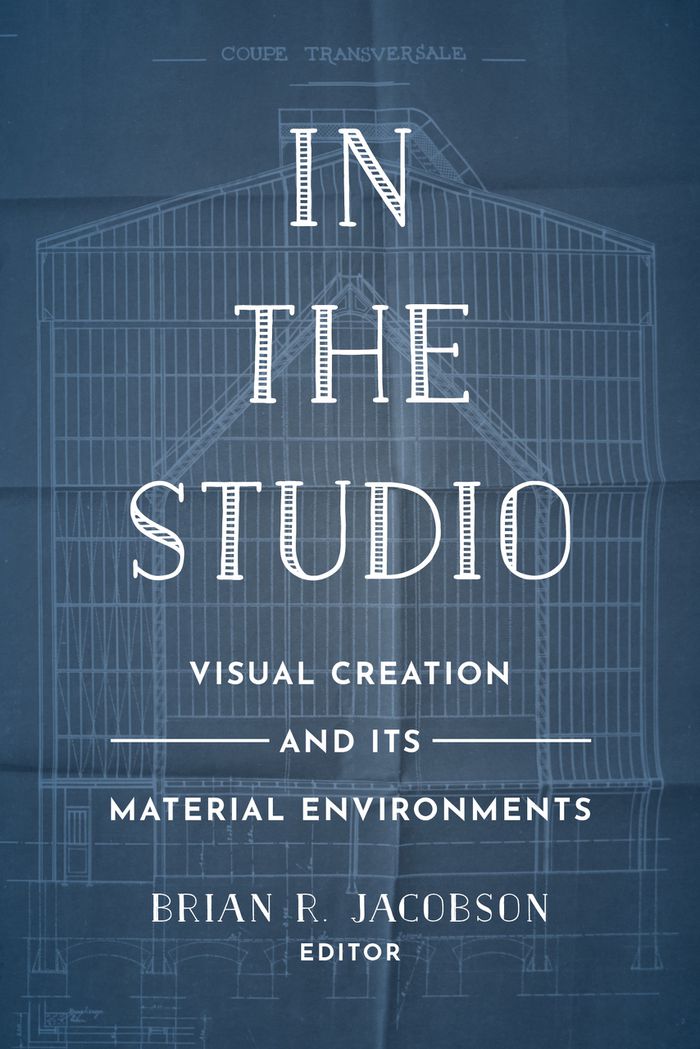
In the studio: Visual creation and its material environments
Actions:
Price:
$46.95
(available to order)
Summary:
Studios are, at once, material environments and symbolic forms, sites of artistic creation and physical labor, and nodes in networks of resource circulation. They are architectural places that generate virtual spaces—worlds built to build worlds. On the outside, they have become icons of corporate identity, while on the inside, they have remained invisible in order to be seen. As such, they have actively faded into the background of critical discourse and into the margins of film and media history. Recovering their hidden role in the history of visual creation, ''In the studio'' demonstrates that when we foreground these worlds, we gain new insights into moving-image culture and the material, ecological, social, political, and economic dynamics that quietly mark the worlds on our screens.
In the studio: Visual creation and its material environments
Actions:
Price:
$46.95
(available to order)
Summary:
Studios are, at once, material environments and symbolic forms, sites of artistic creation and physical labor, and nodes in networks of resource circulation. They are architectural places that generate virtual spaces—worlds built to build worlds. On the outside, they have become icons of corporate identity, while on the inside, they have remained invisible in order to be seen. As such, they have actively faded into the background of critical discourse and into the margins of film and media history. Recovering their hidden role in the history of visual creation, ''In the studio'' demonstrates that when we foreground these worlds, we gain new insights into moving-image culture and the material, ecological, social, political, and economic dynamics that quietly mark the worlds on our screens.
Form:
books
books
Publication:
July 2020
July 2020
Subject:
Architecture and Film, Set Design
Architecture and Film, Set Design
Form:
books
books

Title:
Design in a frame of emotion
Design in a frame of emotion
Actions:
Price:
$24.00
(available in store)
Summary:
A conversation about design, filmmaking, Afrofuturism, world-building, and other topics with Hannah Beachler, Academy-Award-winning production designer of "Black Panther". Hannah Beachler is known as an award-winning production designer, but she tells an audience that she considers herself to be more of a story designer. As film stills and concept art from a few of those(...)
$24.00
(available in store)
Summary:
A conversation about design, filmmaking, Afrofuturism, world-building, and other topics with Hannah Beachler, Academy-Award-winning production designer of "Black Panther". Hannah Beachler is known as an award-winning production designer, but she tells an audience that she considers herself to be more of a story designer. As film stills and concept art from a few of those(...)
Subject:
Architecture and Film, Set Design
Architecture and Film, Set Design
Publication:
February 2021
February 2021
Title:
Design in a frame of emotion
Actions:
Price:
$24.00
(available in store)
Summary:
A conversation about design, filmmaking, Afrofuturism, world-building, and other topics with Hannah Beachler, Academy-Award-winning production designer of "Black Panther". Hannah Beachler is known as an award-winning production designer, but she tells an audience that she considers herself to be more of a story designer. As film stills and concept art from a few of those stories--"Moonlight", "Miles Ahead", "Creed", "Lemonade", and "Black Panther"--flash across a screen, Beachler engages in a meandering conversation with Jacqueline Stewart and Toni L. Griffin about set building and curation, urban design, location scouting, Afrofuturism, fictional histories, and Black feminist narratives, and illustrates her role: a designer behind on-screen tableaux that provide not only visual feasts of artistry and imagination, but also intimate spaces of emotion, humanity, and constructed memory.
Design in a frame of emotion
Actions:
Price:
$24.00
(available in store)
Summary:
A conversation about design, filmmaking, Afrofuturism, world-building, and other topics with Hannah Beachler, Academy-Award-winning production designer of "Black Panther". Hannah Beachler is known as an award-winning production designer, but she tells an audience that she considers herself to be more of a story designer. As film stills and concept art from a few of those stories--"Moonlight", "Miles Ahead", "Creed", "Lemonade", and "Black Panther"--flash across a screen, Beachler engages in a meandering conversation with Jacqueline Stewart and Toni L. Griffin about set building and curation, urban design, location scouting, Afrofuturism, fictional histories, and Black feminist narratives, and illustrates her role: a designer behind on-screen tableaux that provide not only visual feasts of artistry and imagination, but also intimate spaces of emotion, humanity, and constructed memory.
Form:
books
books
Publication:
February 2021
February 2021
Subject:
Architecture and Film, Set Design
Architecture and Film, Set Design
Form:
books
books
Actions:
Price:
$55.00
(available in store)
Summary:
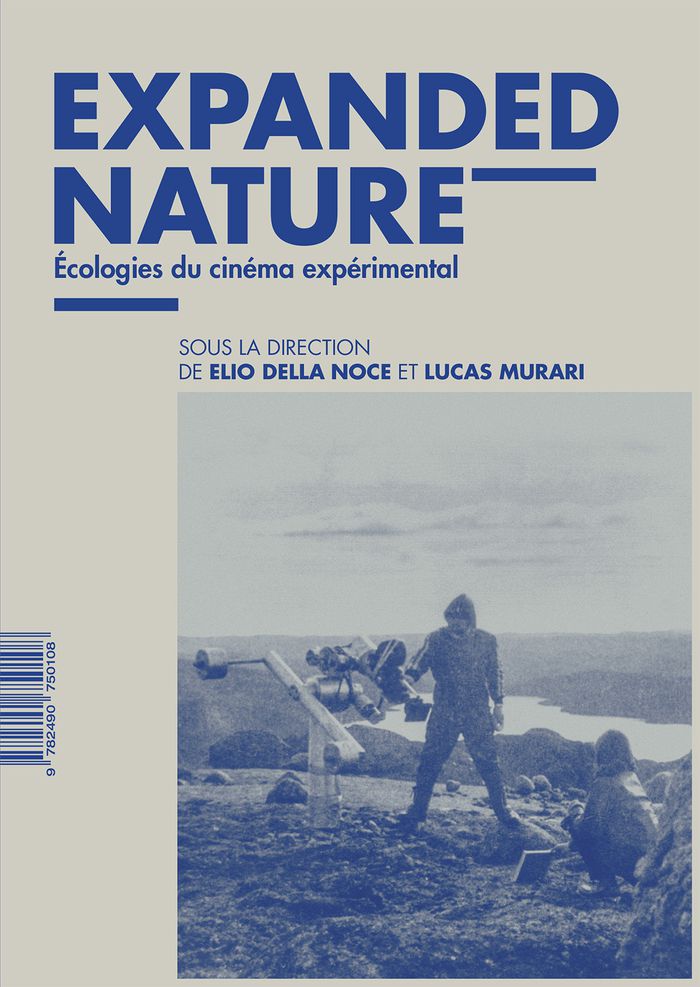
Si les cinéastes expérimentaux « élargissent » le champ artistique par une exploration des puissances, des modes de diffusion ou même de performance de l'image animée, à l'ère de l'Anthropocène, ces pratiques contiennent l'espoir d'une toute autre expansion : élargir notre expérience de la nature.
$55.00
(available in store)
Summary:
Si les cinéastes expérimentaux « élargissent » le champ artistique par une exploration des puissances, des modes de diffusion ou même de performance de l'image animée, à l'ère de l'Anthropocène, ces pratiques contiennent l'espoir d'une toute autre expansion : élargir notre expérience de la nature.
Subject:
Architecture and Film, Set Design
Architecture and Film, Set Design
Publication:
April 2022
April 2022
Title:
Expanded Nature : Écologies du cinéma expérimental
Actions:
Price:
$55.00
(available in store)
Summary:
Si les cinéastes expérimentaux « élargissent » le champ artistique par une exploration des puissances, des modes de diffusion ou même de performance de l'image animée, à l'ère de l'Anthropocène, ces pratiques contiennent l'espoir d'une toute autre expansion : élargir notre expérience de la nature.
Expanded Nature : Écologies du cinéma expérimental
Actions:
Price:
$55.00
(available in store)
Summary:
Si les cinéastes expérimentaux « élargissent » le champ artistique par une exploration des puissances, des modes de diffusion ou même de performance de l'image animée, à l'ère de l'Anthropocène, ces pratiques contiennent l'espoir d'une toute autre expansion : élargir notre expérience de la nature.
Form:
books
books
Publication:
April 2022
April 2022
Subject:
Architecture and Film, Set Design
Architecture and Film, Set Design
Form:
books
books
Actions:
Price:
$53.95
(available to order)
Summary:
This book offers intersectional, intergenerational, and international perspectives on nonfiction film- and videomaking by and about women, examining practices that range from activist documentaries to avant-garde experiments. Concentrating primarily on the period between the 1970s and 1990s, the contributions revisit major figures, contexts, and debates across a(...)
$53.95
(available to order)
Summary:
This book offers intersectional, intergenerational, and international perspectives on nonfiction film- and videomaking by and about women, examining practices that range from activist documentaries to avant-garde experiments. Concentrating primarily on the period between the 1970s and 1990s, the contributions revisit major figures, contexts, and debates across a(...)
Title:
Feminist worldmaking and the moving image
Actions:
Price:
$53.95
(available to order)
Summary:
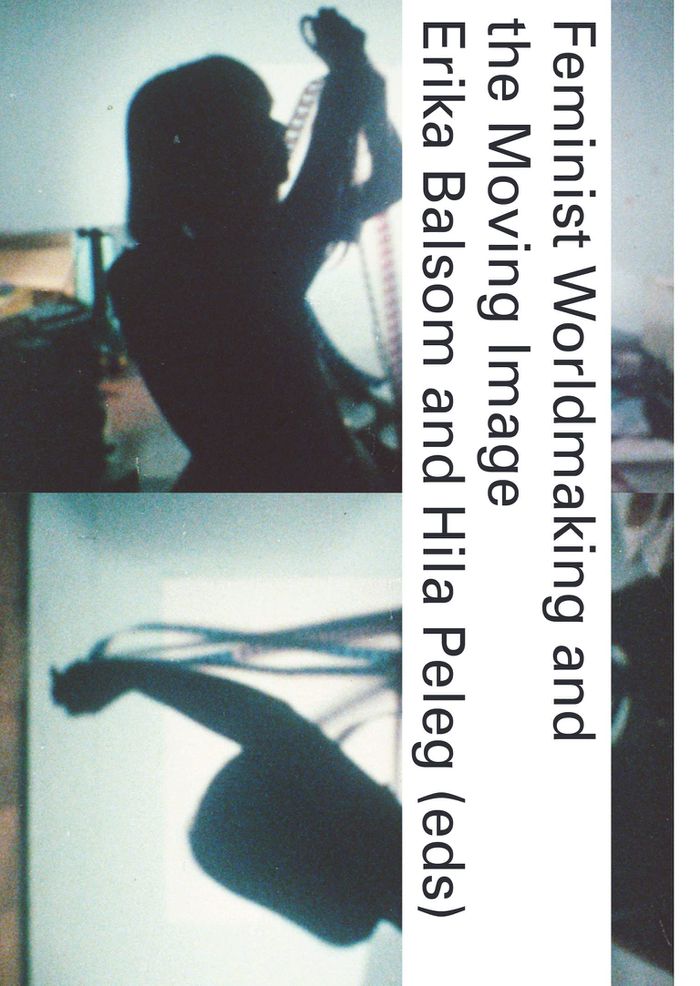
This book offers intersectional, intergenerational, and international perspectives on nonfiction film- and videomaking by and about women, examining practices that range from activist documentaries to avant-garde experiments. Concentrating primarily on the period between the 1970s and 1990s, the contributions revisit major figures, contexts, and debates across a polycentric, global geography. They explore how the moving image has been a crucial terrain of feminist struggle—a way of not only picturing the world but remaking it. The contributors consider key decolonial filmmakers, including Trinh T. Minh-ha and Sarah Maldoror; explore collectively produced films with ties to women's liberation movements in different countries; and investigate the cinematic expressions of tensions and alliances between feminism and anti-imperialist struggles. They grapple with the need for a broader more inclusive definition of the term ''feminism''; meditate on the figure of the grandmother; reflect on realist aesthetics; and ask what a feminist film historiography might look like.
Feminist worldmaking and the moving image
Actions:
Price:
$53.95
(available to order)
Summary:
This book offers intersectional, intergenerational, and international perspectives on nonfiction film- and videomaking by and about women, examining practices that range from activist documentaries to avant-garde experiments. Concentrating primarily on the period between the 1970s and 1990s, the contributions revisit major figures, contexts, and debates across a polycentric, global geography. They explore how the moving image has been a crucial terrain of feminist struggle—a way of not only picturing the world but remaking it. The contributors consider key decolonial filmmakers, including Trinh T. Minh-ha and Sarah Maldoror; explore collectively produced films with ties to women's liberation movements in different countries; and investigate the cinematic expressions of tensions and alliances between feminism and anti-imperialist struggles. They grapple with the need for a broader more inclusive definition of the term ''feminism''; meditate on the figure of the grandmother; reflect on realist aesthetics; and ask what a feminist film historiography might look like.
Form:
books
books
Publication:
August 2022
August 2022
Subject:
Architecture and Film, Set Design
Architecture and Film, Set Design
Form:
books
books
Actions:
Price:
$78.95
(available to order)
Summary:
Des artistes de différents horizons témoignent de leur attachement à l’œuvre de Jacques Tati ( Pierre Étaix, David Lynch, Olivier Assayas, Jean-Claude Carrière, Sempé, Philippe Delerm, Jean-Philippe Toussaint…). Si le livre reproduit les objets, souvenirs, photogrammes des films rassemblés dans l’exposition que la Cinémathèque française consacre au cinéaste, il est,(...)
$78.95
(available to order)
Summary:
Des artistes de différents horizons témoignent de leur attachement à l’œuvre de Jacques Tati ( Pierre Étaix, David Lynch, Olivier Assayas, Jean-Claude Carrière, Sempé, Philippe Delerm, Jean-Philippe Toussaint…). Si le livre reproduit les objets, souvenirs, photogrammes des films rassemblés dans l’exposition que la Cinémathèque française consacre au cinéaste, il est,(...)
Subject:
Architecture and Film, Set Design
Architecture and Film, Set Design
Publication:
May 2009
May 2009
Title:
Jacques Tati: deux temps, trois mouvements
Actions:
Price:
$78.95
(available to order)
Summary:
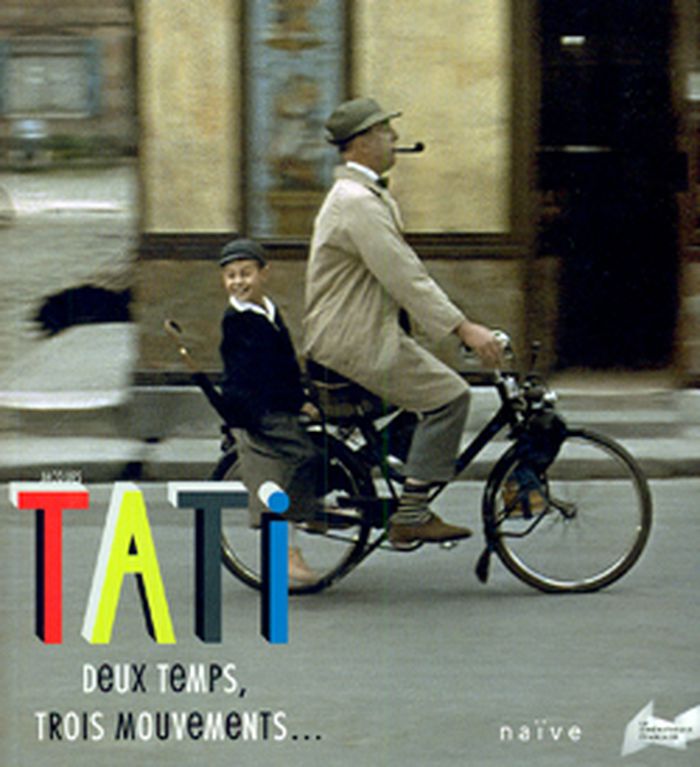
Des artistes de différents horizons témoignent de leur attachement à l’œuvre de Jacques Tati ( Pierre Étaix, David Lynch, Olivier Assayas, Jean-Claude Carrière, Sempé, Philippe Delerm, Jean-Philippe Toussaint…). Si le livre reproduit les objets, souvenirs, photogrammes des films rassemblés dans l’exposition que la Cinémathèque française consacre au cinéaste, il est, au-delà d’un catalogue, une création graphique, un objet ludique qui réussit à restituer l’esprit et la fantaisie si singulière de Tati.
Jacques Tati: deux temps, trois mouvements
Actions:
Price:
$78.95
(available to order)
Summary:
Des artistes de différents horizons témoignent de leur attachement à l’œuvre de Jacques Tati ( Pierre Étaix, David Lynch, Olivier Assayas, Jean-Claude Carrière, Sempé, Philippe Delerm, Jean-Philippe Toussaint…). Si le livre reproduit les objets, souvenirs, photogrammes des films rassemblés dans l’exposition que la Cinémathèque française consacre au cinéaste, il est, au-delà d’un catalogue, une création graphique, un objet ludique qui réussit à restituer l’esprit et la fantaisie si singulière de Tati.
Form:
books
books
Publication:
May 2009
May 2009
Subject:
Architecture and Film, Set Design
Architecture and Film, Set Design
Form:
books
books
Title:
Tu n'as rien vu à Hiroshima
Tu n'as rien vu à Hiroshima
Actions:
Price:
$49.50
(available to order)
Summary:
Le 28 juillet 1958, le cinéaste Alain Resnais partait au Japon tourner l'essentiel de ce qui allait devenir un film mythique de l'histoire du cinéma : Hiroshima mon amour. C'est son premier long-métrage et le premier scénario de l'écrivain Marguerite Duras. Le cinquantième anniversaire de ce tournage historique est l'occasion de proposer un regard nouveau sur ce film à(...)
$49.50
(available to order)
Summary:
Le 28 juillet 1958, le cinéaste Alain Resnais partait au Japon tourner l'essentiel de ce qui allait devenir un film mythique de l'histoire du cinéma : Hiroshima mon amour. C'est son premier long-métrage et le premier scénario de l'écrivain Marguerite Duras. Le cinquantième anniversaire de ce tournage historique est l'occasion de proposer un regard nouveau sur ce film à(...)
Publication:
August 2009
August 2009
Title:
Tu n'as rien vu à Hiroshima
Actions:
Price:
$49.50
(available to order)
Summary:
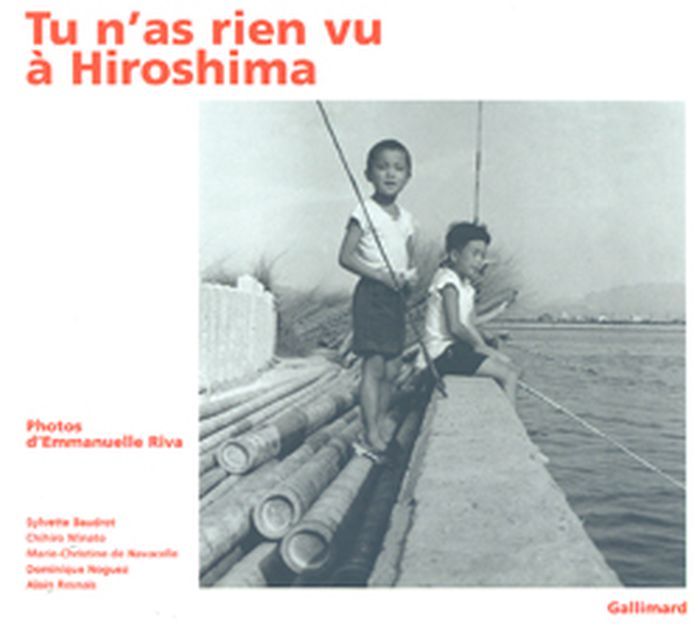
Le 28 juillet 1958, le cinéaste Alain Resnais partait au Japon tourner l'essentiel de ce qui allait devenir un film mythique de l'histoire du cinéma : Hiroshima mon amour. C'est son premier long-métrage et le premier scénario de l'écrivain Marguerite Duras. Le cinquantième anniversaire de ce tournage historique est l'occasion de proposer un regard nouveau sur ce film à travers des textes de Chihiro Minato, Marie-Christine de Navacelle, Dominique Noguez, et aussi d'un entretien avec Emmanuelle Riva. Un remarquable ensemble de photographies, qu'elle a prises avant le tournage, de la ville d'Hiroshima, de ses habitants et surtout de ses enfants, est présenté pour la première fois. Ces images exceptionnelles éclairent le film comme elles éclairent la résurrection, treize ans après le drame du 6 août 1945, de la première ville frappée par la bombe atomique.
Tu n'as rien vu à Hiroshima
Actions:
Price:
$49.50
(available to order)
Summary:
Le 28 juillet 1958, le cinéaste Alain Resnais partait au Japon tourner l'essentiel de ce qui allait devenir un film mythique de l'histoire du cinéma : Hiroshima mon amour. C'est son premier long-métrage et le premier scénario de l'écrivain Marguerite Duras. Le cinquantième anniversaire de ce tournage historique est l'occasion de proposer un regard nouveau sur ce film à travers des textes de Chihiro Minato, Marie-Christine de Navacelle, Dominique Noguez, et aussi d'un entretien avec Emmanuelle Riva. Un remarquable ensemble de photographies, qu'elle a prises avant le tournage, de la ville d'Hiroshima, de ses habitants et surtout de ses enfants, est présenté pour la première fois. Ces images exceptionnelles éclairent le film comme elles éclairent la résurrection, treize ans après le drame du 6 août 1945, de la première ville frappée par la bombe atomique.
Form:
books
books
Publication:
August 2009
August 2009


