


198 Results
Form:
books
books
Actions:
Price:
$32.00
(available to order)
Summary:
Simple, healthy, and comforting, breakfast cereals are a perennially popular way to start the day. This book examines cereal’s long, distinguished, and surprising history—dating back to when, around 10,000 years ago, the agricultural revolution led people to break their fasts with wheat, rice, and corn porridges. Only in the second half of the nineteenth century did(...)
$32.00
(available to order)
Summary:
Simple, healthy, and comforting, breakfast cereals are a perennially popular way to start the day. This book examines cereal’s long, distinguished, and surprising history—dating back to when, around 10,000 years ago, the agricultural revolution led people to break their fasts with wheat, rice, and corn porridges. Only in the second half of the nineteenth century did(...)
Title:
Breakfast cereal: a global history
Actions:
Price:
$32.00
(available to order)
Summary:
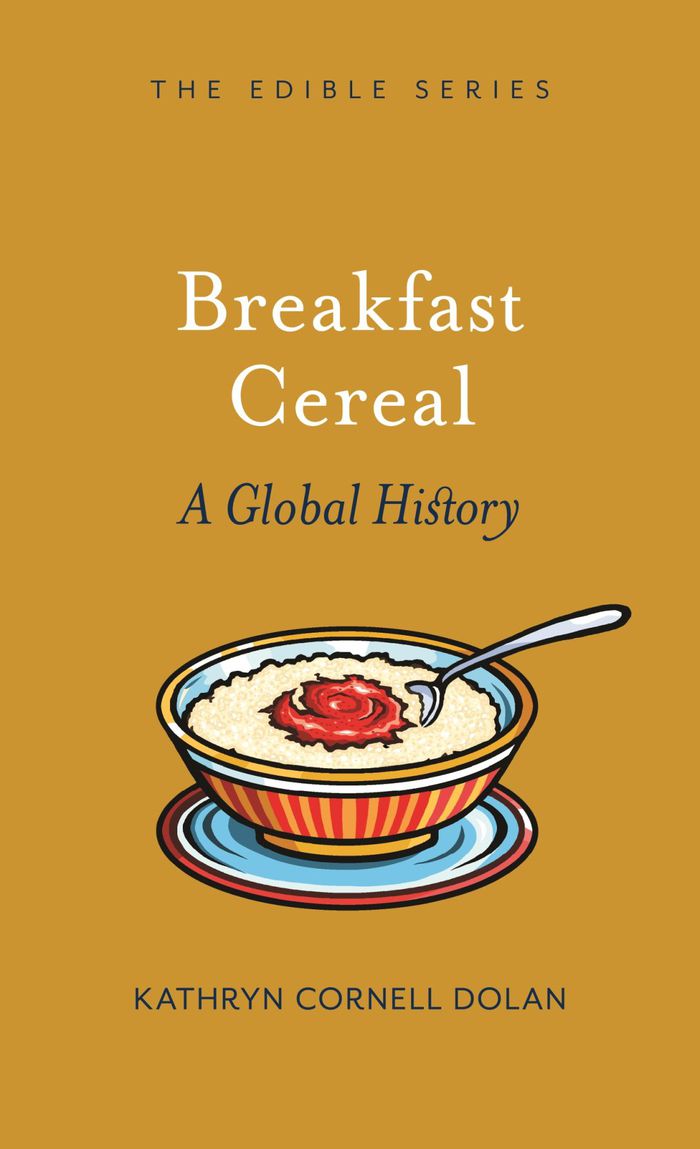
Simple, healthy, and comforting, breakfast cereals are a perennially popular way to start the day. This book examines cereal’s long, distinguished, and surprising history—dating back to when, around 10,000 years ago, the agricultural revolution led people to break their fasts with wheat, rice, and corn porridges. Only in the second half of the nineteenth century did entrepreneurs and food reformers create the breakfast cereals we recognize today: Kellogg’s Corn Flakes, Cheerios, and Quaker Oats, among others. In this entertaining, well-illustrated account, Kathryn Cornell Dolan explores the history of breakfast cereals, including many historical and modern recipes that the reader can try at home.
Breakfast cereal: a global history
Actions:
Price:
$32.00
(available to order)
Summary:
Simple, healthy, and comforting, breakfast cereals are a perennially popular way to start the day. This book examines cereal’s long, distinguished, and surprising history—dating back to when, around 10,000 years ago, the agricultural revolution led people to break their fasts with wheat, rice, and corn porridges. Only in the second half of the nineteenth century did entrepreneurs and food reformers create the breakfast cereals we recognize today: Kellogg’s Corn Flakes, Cheerios, and Quaker Oats, among others. In this entertaining, well-illustrated account, Kathryn Cornell Dolan explores the history of breakfast cereals, including many historical and modern recipes that the reader can try at home.
Form:
books
books
Publication:
May 2023
May 2023
Subject:
Food
Food
Form:
books
books
Actions:
Price:
$56.00
(available to order)
Summary:
This publication showcases transformative solutions for food insecurity in the UAE over the past 50 years. From innovations in the private sector to public policy initiatives, these strategies aim to eliminate hunger by providing year-round access to nutritious food in a country whose natural landscape is unconducive to farming. The book is published on the occasion of(...)
$56.00
(available to order)
Summary:
This publication showcases transformative solutions for food insecurity in the UAE over the past 50 years. From innovations in the private sector to public policy initiatives, these strategies aim to eliminate hunger by providing year-round access to nutritious food in a country whose natural landscape is unconducive to farming. The book is published on the occasion of(...)
Title:
On foraging: Food knowledge and environmental imaginaries in the UAE’s landscape
Actions:
Price:
$56.00
(available to order)
Summary:
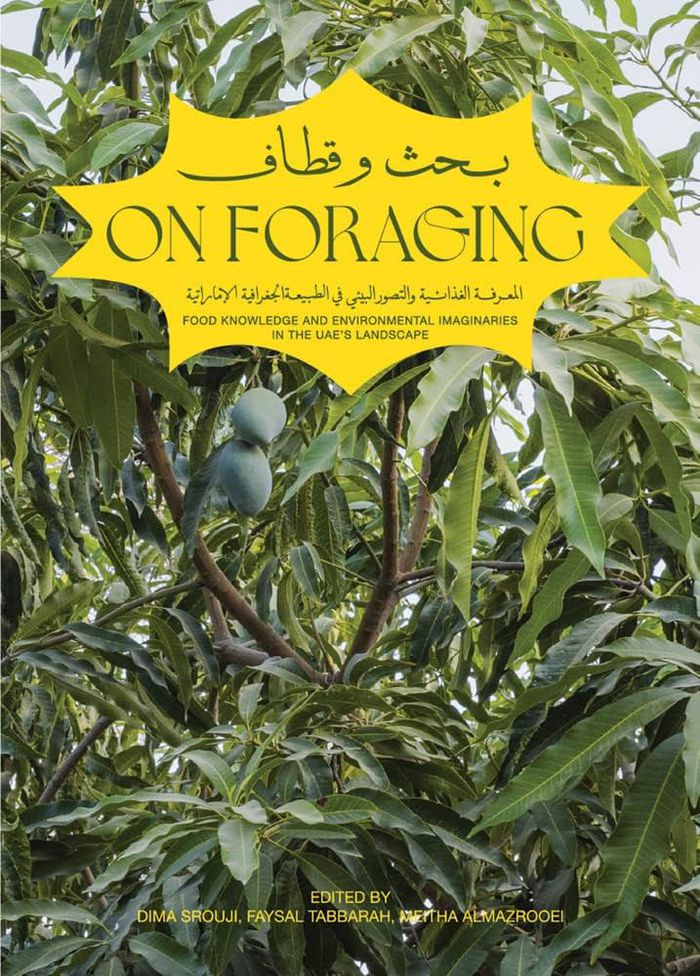
This publication showcases transformative solutions for food insecurity in the UAE over the past 50 years. From innovations in the private sector to public policy initiatives, these strategies aim to eliminate hunger by providing year-round access to nutritious food in a country whose natural landscape is unconducive to farming. The book is published on the occasion of 'On Foraging: Food Knowledge and Environmental Imaginaries' in the UAE’s Landscape, an exhibition commissioned by Warehouse421 for the UAE Pavilion at Expo 2020, Dubai, UAE.
On foraging: Food knowledge and environmental imaginaries in the UAE’s landscape
Actions:
Price:
$56.00
(available to order)
Summary:
This publication showcases transformative solutions for food insecurity in the UAE over the past 50 years. From innovations in the private sector to public policy initiatives, these strategies aim to eliminate hunger by providing year-round access to nutritious food in a country whose natural landscape is unconducive to farming. The book is published on the occasion of 'On Foraging: Food Knowledge and Environmental Imaginaries' in the UAE’s Landscape, an exhibition commissioned by Warehouse421 for the UAE Pavilion at Expo 2020, Dubai, UAE.
Form:
books
books
Publication:
June 2023
June 2023
Subject:
Food
Food
Form:
books
books
Title:
Grave Matters
Grave Matters
Actions:
Price:
$39.95
(available to order)
Summary:
'Cemeteries', writes Mark C. Taylor, 'are where I go to commune with "my" ghosts. The journey to the cemetery is always solitary even when I am with people who are closest to me. In the graveyard, the we is dispersed and the I stripped bare.' In "Grave Matters", Taylor's ghosts become our own. His thoughtful, poignant essay interweaves personal narrative, historical(...)
$39.95
(available to order)
Summary:
'Cemeteries', writes Mark C. Taylor, 'are where I go to commune with "my" ghosts. The journey to the cemetery is always solitary even when I am with people who are closest to me. In the graveyard, the we is dispersed and the I stripped bare.' In "Grave Matters", Taylor's ghosts become our own. His thoughtful, poignant essay interweaves personal narrative, historical(...)
Title:
Grave Matters
Actions:
Price:
$39.95
(available to order)
Summary:
'Cemeteries', writes Mark C. Taylor, 'are where I go to commune with "my" ghosts. The journey to the cemetery is always solitary even when I am with people who are closest to me. In the graveyard, the we is dispersed and the I stripped bare.' In "Grave Matters", Taylor's ghosts become our own. His thoughtful, poignant essay interweaves personal narrative, historical analysis, cultural commentary and philosophical reflection. Dietrich Christian Lammerts's photographs show us the graves of the artists, architects, writers, philosophers and musicians who shaped Western culture; at once beautiful and disturbing, they suggest an alternative history of modernism and its precursors. Grave Matters raises difficult questions: What place do the modern greats have in the postmodern age? Who decided where and how they would be buried? Who wrote their epitaphs? What do their deaths, and their graves, tell us about their lives and suggest about our own? The words and images of Grave Matters inscribe the future that we all face, and to ponder this memento mori is to meet life anew.
Grave Matters
Actions:
Price:
$39.95
(available to order)
Summary:
'Cemeteries', writes Mark C. Taylor, 'are where I go to commune with "my" ghosts. The journey to the cemetery is always solitary even when I am with people who are closest to me. In the graveyard, the we is dispersed and the I stripped bare.' In "Grave Matters", Taylor's ghosts become our own. His thoughtful, poignant essay interweaves personal narrative, historical analysis, cultural commentary and philosophical reflection. Dietrich Christian Lammerts's photographs show us the graves of the artists, architects, writers, philosophers and musicians who shaped Western culture; at once beautiful and disturbing, they suggest an alternative history of modernism and its precursors. Grave Matters raises difficult questions: What place do the modern greats have in the postmodern age? Who decided where and how they would be buried? Who wrote their epitaphs? What do their deaths, and their graves, tell us about their lives and suggest about our own? The words and images of Grave Matters inscribe the future that we all face, and to ponder this memento mori is to meet life anew.
Form:
books
books
Publication:
June 2002, London
June 2002, London
Subject:
Food
Food
Form:
books
books
Title:
AD 75:3 Food + the city
AD 75:3 Food + the city
Actions:
Price:
$54.99
(available in store)
Summary:
Architectural Design vol 75 no 3 may/june 2005. "Food + the city" makes the relationships between food and the city visible by exploring both the ways in which buying and eating food have become such a significant part of urban public life, and the ways in which design supports and enhances the place of food in the city. It is timely because the proliferation of urban(...)
$54.99
(available in store)
Summary:
Architectural Design vol 75 no 3 may/june 2005. "Food + the city" makes the relationships between food and the city visible by exploring both the ways in which buying and eating food have become such a significant part of urban public life, and the ways in which design supports and enhances the place of food in the city. It is timely because the proliferation of urban(...)
Title:
AD 75:3 Food + the city
Actions:
Price:
$54.99
(available in store)
Summary:
Architectural Design vol 75 no 3 may/june 2005. "Food + the city" makes the relationships between food and the city visible by exploring both the ways in which buying and eating food have become such a significant part of urban public life, and the ways in which design supports and enhances the place of food in the city. It is timely because the proliferation of urban cafes, restaurants, and markets continues, but is not sufficiently recognized or analyzed. Food related topics are now of great interest in academic and design disciplines but the theme of this issue, food as it relates to the variety and vitality of urban life, has not been addressed.
AD 75:3 Food + the city
Actions:
Price:
$54.99
(available in store)
Summary:
Architectural Design vol 75 no 3 may/june 2005. "Food + the city" makes the relationships between food and the city visible by exploring both the ways in which buying and eating food have become such a significant part of urban public life, and the ways in which design supports and enhances the place of food in the city. It is timely because the proliferation of urban cafes, restaurants, and markets continues, but is not sufficiently recognized or analyzed. Food related topics are now of great interest in academic and design disciplines but the theme of this issue, food as it relates to the variety and vitality of urban life, has not been addressed.
Form:
books
books
Publication:
May 2005, London
May 2005, London
Form:
books
books
Actions:
Price:
$84.95
(available to order)
Summary:
''LIGURIA: Recipes & Wanderings Along the Italian Riviera'' is the first in a new series, developed in partnership with Belmond, offering an exclusive window into culinary communities across the globe. Featuring vivid photography by Laura Jane Coulson alongside essays by Andy Baraghani, Corrado Corti, Gilda Bruno, and Luca Cesari, the book explores key ingredients,(...)
$84.95
(available to order)
Summary:
''LIGURIA: Recipes & Wanderings Along the Italian Riviera'' is the first in a new series, developed in partnership with Belmond, offering an exclusive window into culinary communities across the globe. Featuring vivid photography by Laura Jane Coulson alongside essays by Andy Baraghani, Corrado Corti, Gilda Bruno, and Luca Cesari, the book explores key ingredients,(...)
Title:
LIGURIA: Recipes & Wanderings Along the Italian Riviera
Actions:
Price:
$84.95
(available to order)
Summary:
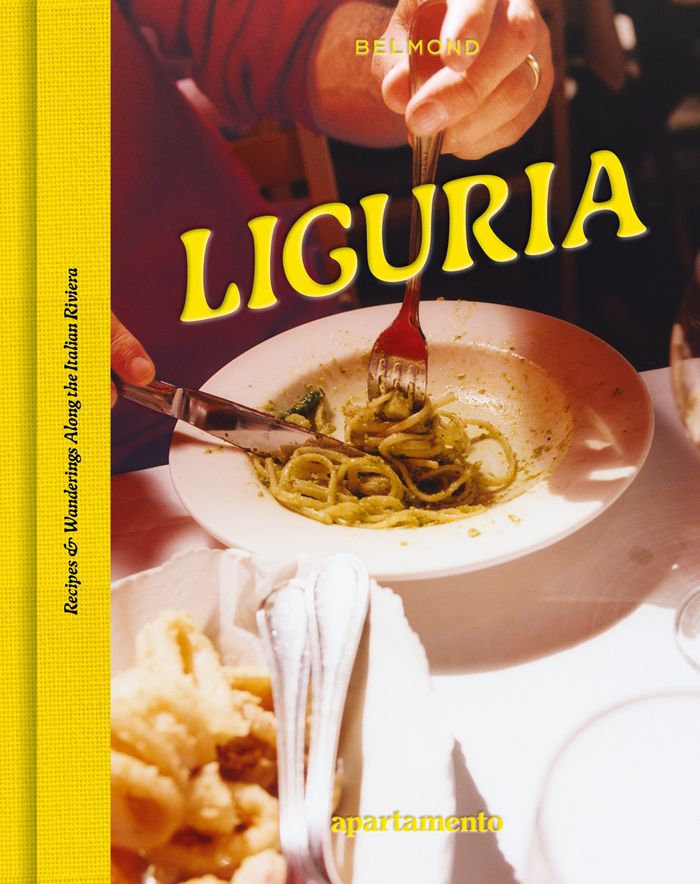
''LIGURIA: Recipes & Wanderings Along the Italian Riviera'' is the first in a new series, developed in partnership with Belmond, offering an exclusive window into culinary communities across the globe. Featuring vivid photography by Laura Jane Coulson alongside essays by Andy Baraghani, Corrado Corti, Gilda Bruno, and Luca Cesari, the book explores key ingredients, people, and histories which make this rugged coastline so irresistible. From the world of Apartamento, an introduction by Ruth Rogers shares impressions gathered over decades of walking Liguria’s seaside paths, and two guest recipes from Fanny Singer and Max Rocha show how admires from afar might incorporate Ligurian cuisine into their kitchens. ''LIGURIA'' presents 24 classic dishes inspired by the kitchens of Belmond’s hotels in Portofino: Splendido, set in the hills overlooking the bay, and Splendido Mare, down in the piazzetta.
LIGURIA: Recipes & Wanderings Along the Italian Riviera
Actions:
Price:
$84.95
(available to order)
Summary:
''LIGURIA: Recipes & Wanderings Along the Italian Riviera'' is the first in a new series, developed in partnership with Belmond, offering an exclusive window into culinary communities across the globe. Featuring vivid photography by Laura Jane Coulson alongside essays by Andy Baraghani, Corrado Corti, Gilda Bruno, and Luca Cesari, the book explores key ingredients, people, and histories which make this rugged coastline so irresistible. From the world of Apartamento, an introduction by Ruth Rogers shares impressions gathered over decades of walking Liguria’s seaside paths, and two guest recipes from Fanny Singer and Max Rocha show how admires from afar might incorporate Ligurian cuisine into their kitchens. ''LIGURIA'' presents 24 classic dishes inspired by the kitchens of Belmond’s hotels in Portofino: Splendido, set in the hills overlooking the bay, and Splendido Mare, down in the piazzetta.
Form:
books
books
Publication:
August 2024
August 2024
Subject:
Food
Food
Form:
books
books
Actions:
Price:
$37.99
(available to order)
Summary:
An illustrated guide to wild ingredient-based drinks featuring 100 plants to forage, where to find them, which parts to safely use, an overview of their uses in drinks, and delicious recipes. The book celebrates year-round foraging and feasting, from soothing winter warmers and delicate botanical teas to energy-boosting tonics and zingy summer coolers. Liz’s expertise and(...)
$37.99
(available to order)
Summary:
An illustrated guide to wild ingredient-based drinks featuring 100 plants to forage, where to find them, which parts to safely use, an overview of their uses in drinks, and delicious recipes. The book celebrates year-round foraging and feasting, from soothing winter warmers and delicate botanical teas to energy-boosting tonics and zingy summer coolers. Liz’s expertise and(...)
Title:
A forager's guide to wild drinks
Actions:
Price:
$37.99
(available to order)
Summary:
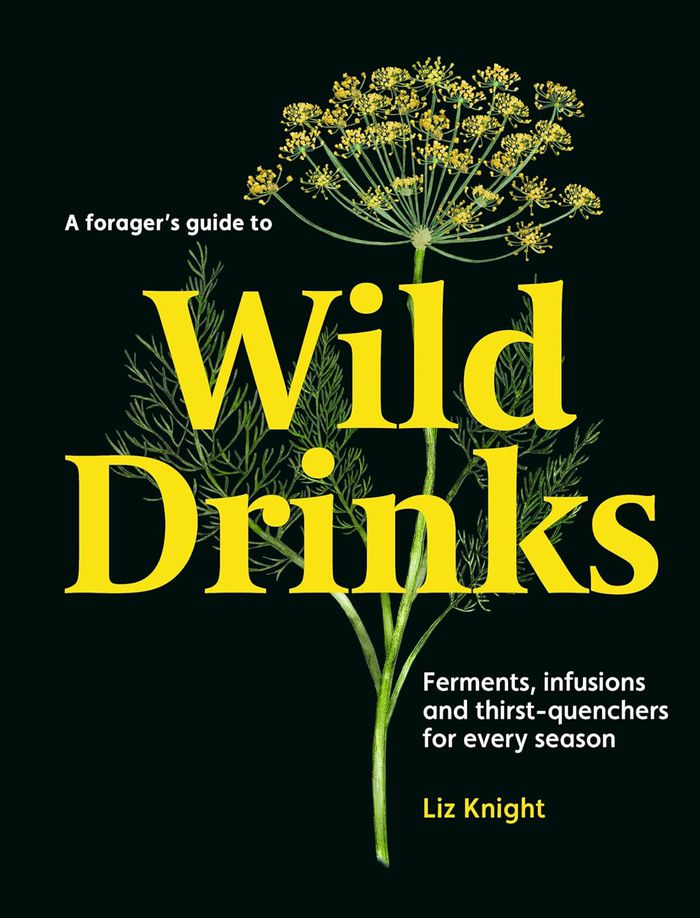
An illustrated guide to wild ingredient-based drinks featuring 100 plants to forage, where to find them, which parts to safely use, an overview of their uses in drinks, and delicious recipes. The book celebrates year-round foraging and feasting, from soothing winter warmers and delicate botanical teas to energy-boosting tonics and zingy summer coolers. Liz’s expertise and enthusiasm are truly infectious, and her readers will soon be happily gathering their own wild harvest. She includes step-by-step instructions for the basic processes for making 11 types of drinks, including wines, beers, ciders, kombuchas, teas, coffees, juices, tinctures, and tonics.
A forager's guide to wild drinks
Actions:
Price:
$37.99
(available to order)
Summary:
An illustrated guide to wild ingredient-based drinks featuring 100 plants to forage, where to find them, which parts to safely use, an overview of their uses in drinks, and delicious recipes. The book celebrates year-round foraging and feasting, from soothing winter warmers and delicate botanical teas to energy-boosting tonics and zingy summer coolers. Liz’s expertise and enthusiasm are truly infectious, and her readers will soon be happily gathering their own wild harvest. She includes step-by-step instructions for the basic processes for making 11 types of drinks, including wines, beers, ciders, kombuchas, teas, coffees, juices, tinctures, and tonics.
Form:
books
books
Publication:
November 2024
November 2024
Subject:
Food
Food
Form:
books
books
Title:
Recipe: Object lessons
Recipe: Object lessons
Actions:
Price:
$21.95
(available in store)
Summary:
''Object Lessons'' is a series of short, beautifully designed books about the hidden lives of ordinary things. ''Recipe'' reveals the surprising lessons that recipes teach, in addition to the obvious instructions on how to prepare a dish or perform a process. These include lessons in hospitality, friendship, community, family and ethnic heritage, tradition, nutrition,(...)
$21.95
(available in store)
Summary:
''Object Lessons'' is a series of short, beautifully designed books about the hidden lives of ordinary things. ''Recipe'' reveals the surprising lessons that recipes teach, in addition to the obvious instructions on how to prepare a dish or perform a process. These include lessons in hospitality, friendship, community, family and ethnic heritage, tradition, nutrition,(...)
Title:
Recipe: Object lessons
Actions:
Price:
$21.95
(available in store)
Summary:
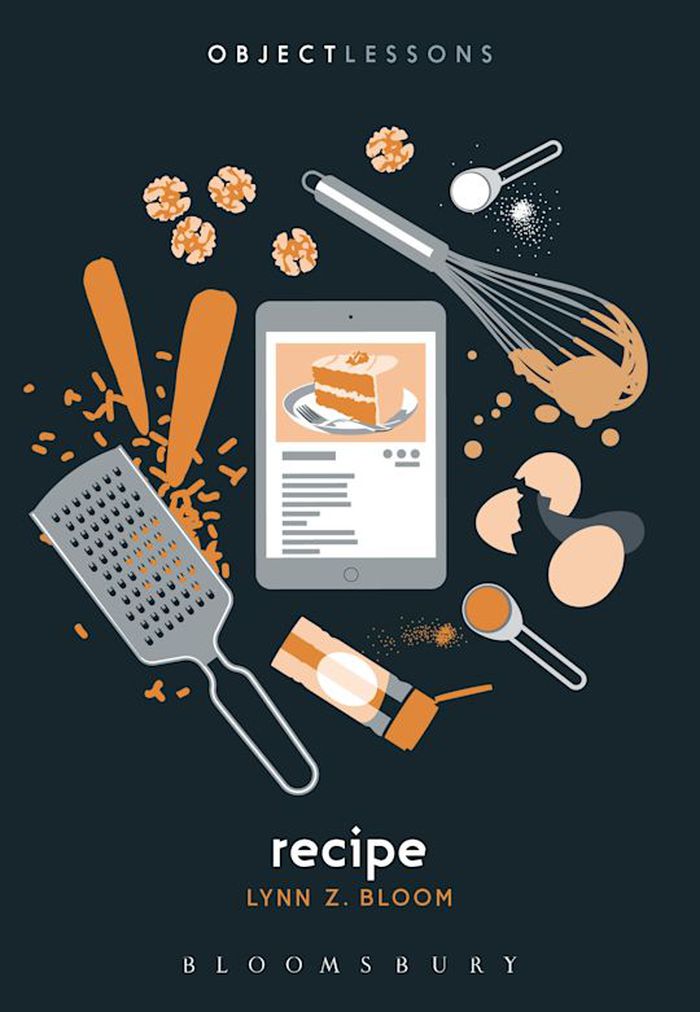
''Object Lessons'' is a series of short, beautifully designed books about the hidden lives of ordinary things. ''Recipe'' reveals the surprising lessons that recipes teach, in addition to the obvious instructions on how to prepare a dish or perform a process. These include lessons in hospitality, friendship, community, family and ethnic heritage, tradition, nutrition, precision and order, invention and improvisation, feasting and famine, survival and seduction and love. A recipe is a signature, as individual as the cook's fingerprint; a passport to travel the world without leaving the kitchen; a lifeline for people in hunger and in want; and always a means to expand one's worldview, if not waistline.
Recipe: Object lessons
Actions:
Price:
$21.95
(available in store)
Summary:
''Object Lessons'' is a series of short, beautifully designed books about the hidden lives of ordinary things. ''Recipe'' reveals the surprising lessons that recipes teach, in addition to the obvious instructions on how to prepare a dish or perform a process. These include lessons in hospitality, friendship, community, family and ethnic heritage, tradition, nutrition, precision and order, invention and improvisation, feasting and famine, survival and seduction and love. A recipe is a signature, as individual as the cook's fingerprint; a passport to travel the world without leaving the kitchen; a lifeline for people in hunger and in want; and always a means to expand one's worldview, if not waistline.
Form:
books
books
Publication:
December 2022
December 2022
Subject:
Food
Food
Form:
books
books
Title:
Coffee: Object lessons
Coffee: Object lessons
Actions:
Price:
$21.95
(available in store)
Summary:
''Coffee'' --it's the thing that gets us through, and over, and around. The thing--the beverage, the break, the ritual--we choose to slow ourselves down or speed ourselves up. The excuse to pause; the reason to meet; the charge we who drink it allow ourselves in lieu of something stronger or scarier. ''Coffee'' goes to lifestyle, and character, and sensibility: where do(...)
$21.95
(available in store)
Summary:
''Coffee'' --it's the thing that gets us through, and over, and around. The thing--the beverage, the break, the ritual--we choose to slow ourselves down or speed ourselves up. The excuse to pause; the reason to meet; the charge we who drink it allow ourselves in lieu of something stronger or scarier. ''Coffee'' goes to lifestyle, and character, and sensibility: where do(...)
Title:
Coffee: Object lessons
Actions:
Price:
$21.95
(available in store)
Summary:
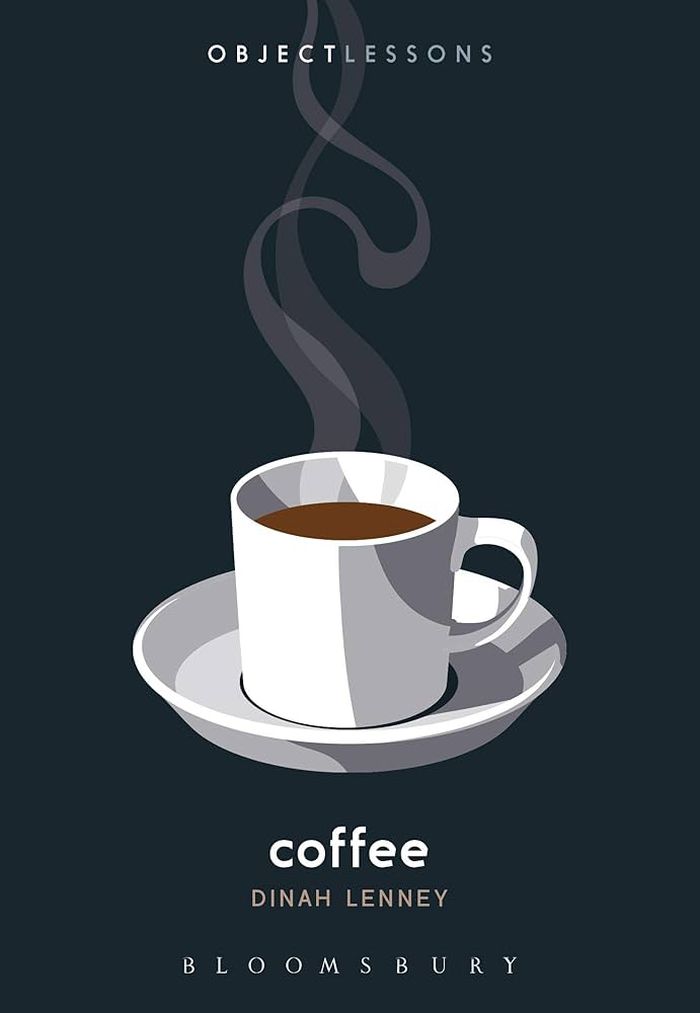
''Coffee'' --it's the thing that gets us through, and over, and around. The thing--the beverage, the break, the ritual--we choose to slow ourselves down or speed ourselves up. The excuse to pause; the reason to meet; the charge we who drink it allow ourselves in lieu of something stronger or scarier. ''Coffee'' goes to lifestyle, and character, and sensibility: where do we buy it, how do we brew it, how strong can we take it, how often, how hot, how cold? How does coffee remind us, stir us, comfort us? But ''Coffee'' is about more than coffee: it's a personal history and a promise to self; in her confrontation with the hours (with time--big picture, little picture), Dinah Lenney faces head-on the challenges of growing older and carrying on.
Coffee: Object lessons
Actions:
Price:
$21.95
(available in store)
Summary:
''Coffee'' --it's the thing that gets us through, and over, and around. The thing--the beverage, the break, the ritual--we choose to slow ourselves down or speed ourselves up. The excuse to pause; the reason to meet; the charge we who drink it allow ourselves in lieu of something stronger or scarier. ''Coffee'' goes to lifestyle, and character, and sensibility: where do we buy it, how do we brew it, how strong can we take it, how often, how hot, how cold? How does coffee remind us, stir us, comfort us? But ''Coffee'' is about more than coffee: it's a personal history and a promise to self; in her confrontation with the hours (with time--big picture, little picture), Dinah Lenney faces head-on the challenges of growing older and carrying on.
Form:
books
books
Publication:
December 2020
December 2020
Form:
books
books

Actions:
Price:
$38.95
(available to order)
Summary:
Au cours des dernières décennies, nos pratiques et nos modes de production alimentaires ont significativement évolué. Nous assistons plus récemment au (re)développement des circuits courts et de proximité, à la mise en place de projets alimentaires territoriaux à l'échelle des collectivités locales, à l'organisation de festivals autour de l'alimentation, à l'implantation(...)
$38.95
(available to order)
Summary:
Au cours des dernières décennies, nos pratiques et nos modes de production alimentaires ont significativement évolué. Nous assistons plus récemment au (re)développement des circuits courts et de proximité, à la mise en place de projets alimentaires territoriaux à l'échelle des collectivités locales, à l'organisation de festivals autour de l'alimentation, à l'implantation(...)
Title:
Les clés de la transition alimentaire
Actions:
Price:
$38.95
(available to order)
Summary:
Au cours des dernières décennies, nos pratiques et nos modes de production alimentaires ont significativement évolué. Nous assistons plus récemment au (re)développement des circuits courts et de proximité, à la mise en place de projets alimentaires territoriaux à l'échelle des collectivités locales, à l'organisation de festivals autour de l'alimentation, à l'implantation de jardins partagés au sein des villes, à une tentative de planification de la transition agricole et alimentaire à l'échelle nationale et européenne, à la création de réseaux d'acteurs engagés dans ces démarches de transition, et plus généralement au développement d'une multitude d'initiatives visant à repenser nos façons de produire, transformer, distribuer, ou consommer. Toutes ces actions ne prennent pas la même voie et leurs objectifs se distinguent parfois. Celles-ci sont portées par des acteurs très variés. Elles partagent cependant un constat, qui constitue le point de départ de nombre d'entre elles : notre système alimentaire a des effets néfastes à la fois sur notre société et sur l'environnement.
Les clés de la transition alimentaire
Actions:
Price:
$38.95
(available to order)
Summary:
Au cours des dernières décennies, nos pratiques et nos modes de production alimentaires ont significativement évolué. Nous assistons plus récemment au (re)développement des circuits courts et de proximité, à la mise en place de projets alimentaires territoriaux à l'échelle des collectivités locales, à l'organisation de festivals autour de l'alimentation, à l'implantation de jardins partagés au sein des villes, à une tentative de planification de la transition agricole et alimentaire à l'échelle nationale et européenne, à la création de réseaux d'acteurs engagés dans ces démarches de transition, et plus généralement au développement d'une multitude d'initiatives visant à repenser nos façons de produire, transformer, distribuer, ou consommer. Toutes ces actions ne prennent pas la même voie et leurs objectifs se distinguent parfois. Celles-ci sont portées par des acteurs très variés. Elles partagent cependant un constat, qui constitue le point de départ de nombre d'entre elles : notre système alimentaire a des effets néfastes à la fois sur notre société et sur l'environnement.
Form:
books
books
Publication:
February 2025
February 2025
Subject:
Food
Food
Form:
books
books
Actions:
Price:
$26.00
(available in store)
Summary:
Qu’est-ce que la mondialisation de l’alimentation?? Quels sont ses enjeux dans le contexte des problématiques écologiques actuelles?? Que faire lorsque «?local?» rime avec «?mondial?»?? De la surpêche de la morue dans l’Atlantique à l’émergence du tourisme gourmand au Pérou, en passant par la présence planétaire des chaînes de restauration rapide et la médiatisation des(...)
$26.00
(available in store)
Summary:
Qu’est-ce que la mondialisation de l’alimentation?? Quels sont ses enjeux dans le contexte des problématiques écologiques actuelles?? Que faire lorsque «?local?» rime avec «?mondial?»?? De la surpêche de la morue dans l’Atlantique à l’émergence du tourisme gourmand au Pérou, en passant par la présence planétaire des chaînes de restauration rapide et la médiatisation des(...)
Title:
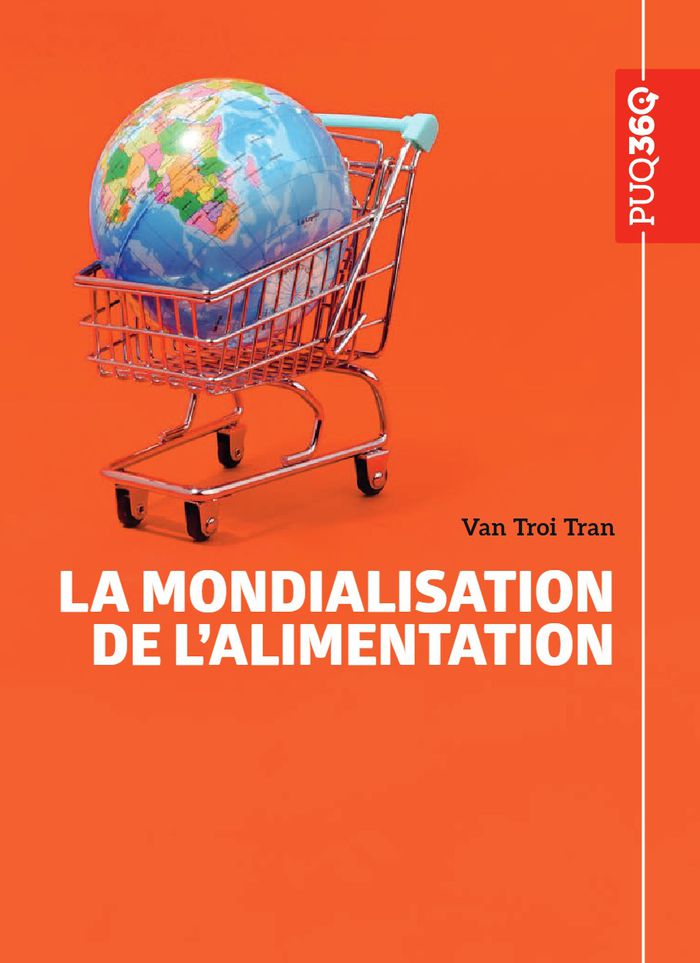
La mondialisation de l'alimentation
Actions:
Price:
$26.00
(available in store)
Summary:
Qu’est-ce que la mondialisation de l’alimentation?? Quels sont ses enjeux dans le contexte des problématiques écologiques actuelles?? Que faire lorsque «?local?» rime avec «?mondial?»?? De la surpêche de la morue dans l’Atlantique à l’émergence du tourisme gourmand au Pérou, en passant par la présence planétaire des chaînes de restauration rapide et la médiatisation des cultures culinaires sur les réseaux sociaux, elle revêt un caractère tentaculaire et planétaire auquel tout le monde participe. Comme nos assiettes peuvent en témoigner, les reliefs de la mondialisation sont beaucoup plus sinueux qu’il n’y paraît. Dans cet essai, l’ethnologue Van Troi Tran propose de se pencher sur les dynamiques culturelles des différents espaces transnationaux qui se constituent, se chevauchent, se mélangent et se confrontent dans son sillage.
La mondialisation de l'alimentation
Actions:
Price:
$26.00
(available in store)
Summary:
Qu’est-ce que la mondialisation de l’alimentation?? Quels sont ses enjeux dans le contexte des problématiques écologiques actuelles?? Que faire lorsque «?local?» rime avec «?mondial?»?? De la surpêche de la morue dans l’Atlantique à l’émergence du tourisme gourmand au Pérou, en passant par la présence planétaire des chaînes de restauration rapide et la médiatisation des cultures culinaires sur les réseaux sociaux, elle revêt un caractère tentaculaire et planétaire auquel tout le monde participe. Comme nos assiettes peuvent en témoigner, les reliefs de la mondialisation sont beaucoup plus sinueux qu’il n’y paraît. Dans cet essai, l’ethnologue Van Troi Tran propose de se pencher sur les dynamiques culturelles des différents espaces transnationaux qui se constituent, se chevauchent, se mélangent et se confrontent dans son sillage.
Form:
books
books
Publication:
February 2025
February 2025
Subject:
Food
Food


