


198 Results
Form:
books
books

Title:
Nourrir la ville et la solidarité : Initiatives communautaires à l'assaut des déserts alimentaires
Nourrir la ville et la solidarité : Initiatives communautaires à l'assaut des déserts alimentaires
Actions:
Price:
$18.95
(available to order)
Summary:
Un vacarme constant. Du béton brûlant. De la grisaille. Un horizon rétréci par des milliers d’immeubles. Un voisinage peuplé d’inconnu·es. Alors que la croissance et l’étalement des grands centres urbains se poursuivent au Canada comme ailleurs, est-il possible d’imaginer une nouvelle façon de faire société ? Et si les villes se faisaient aussi verdoyantes,(...)
$18.95
(available to order)
Summary:
Un vacarme constant. Du béton brûlant. De la grisaille. Un horizon rétréci par des milliers d’immeubles. Un voisinage peuplé d’inconnu·es. Alors que la croissance et l’étalement des grands centres urbains se poursuivent au Canada comme ailleurs, est-il possible d’imaginer une nouvelle façon de faire société ? Et si les villes se faisaient aussi verdoyantes,(...)
Title:
Nourrir la ville et la solidarité : Initiatives communautaires à l'assaut des déserts alimentaires
Actions:
Price:
$18.95
(available to order)
Summary:
Un vacarme constant. Du béton brûlant. De la grisaille. Un horizon rétréci par des milliers d’immeubles. Un voisinage peuplé d’inconnu·es. Alors que la croissance et l’étalement des grands centres urbains se poursuivent au Canada comme ailleurs, est-il possible d’imaginer une nouvelle façon de faire société ? Et si les villes se faisaient aussi verdoyantes, nourrissantes ? Cet essai explore le rôle de l’alimentation – au-delà de l’agriculture urbaine – dans la réappropriation des quartiers par leurs résident·es. Et si, en (ré)enchâssant l’alimentation au sein du tissu urbain, nous réinventions la ville ?
Nourrir la ville et la solidarité : Initiatives communautaires à l'assaut des déserts alimentaires
Actions:
Price:
$18.95
(available to order)
Summary:
Un vacarme constant. Du béton brûlant. De la grisaille. Un horizon rétréci par des milliers d’immeubles. Un voisinage peuplé d’inconnu·es. Alors que la croissance et l’étalement des grands centres urbains se poursuivent au Canada comme ailleurs, est-il possible d’imaginer une nouvelle façon de faire société ? Et si les villes se faisaient aussi verdoyantes, nourrissantes ? Cet essai explore le rôle de l’alimentation – au-delà de l’agriculture urbaine – dans la réappropriation des quartiers par leurs résident·es. Et si, en (ré)enchâssant l’alimentation au sein du tissu urbain, nous réinventions la ville ?
Form:
books
books
Publication:
November 2022
November 2022
Subject:
Food
Food
Form:
books
books
Price:
$50.95
(available to order)
Summary:
In this sweeping chronicle of guaraná—a glossy-leaved Amazonian vine packed with more caffeine than any other plant—Seth Garfield develops a wide-ranging approach to the history of Brazil itself. The story begins with guaraná as the pre-Columbian cultivar of the Sateré-Mawé people in the Lower Amazon region, where it figured centrally in the Indigenous nation's origin(...)
$50.95
(available to order)
Summary:
In this sweeping chronicle of guaraná—a glossy-leaved Amazonian vine packed with more caffeine than any other plant—Seth Garfield develops a wide-ranging approach to the history of Brazil itself. The story begins with guaraná as the pre-Columbian cultivar of the Sateré-Mawé people in the Lower Amazon region, where it figured centrally in the Indigenous nation's origin(...)
Title:
Guaraná: How Brazil Embraced the World's Most Caffeine-Rich Plant
Actions:
Price:
$50.95
(available to order)
Summary:
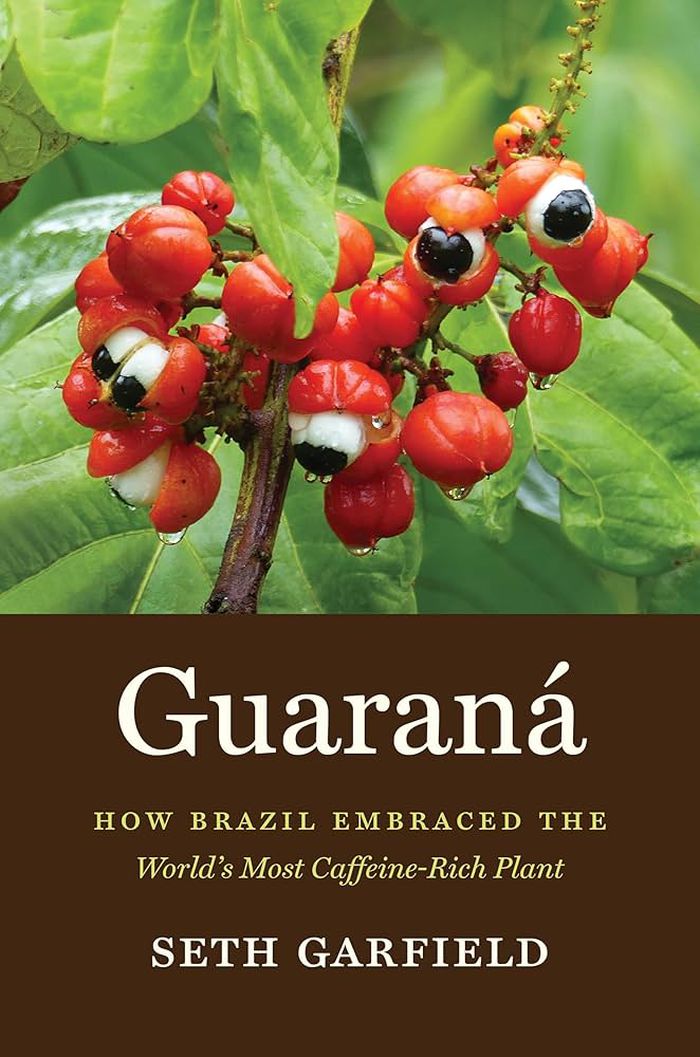
In this sweeping chronicle of guaraná—a glossy-leaved Amazonian vine packed with more caffeine than any other plant—Seth Garfield develops a wide-ranging approach to the history of Brazil itself. The story begins with guaraná as the pre-Columbian cultivar of the Sateré-Mawé people in the Lower Amazon region, where it figured centrally in the Indigenous nation's origin stories, dietary regimes, and communal ceremonies. During subsequent centuries of Portuguese colonialism and Brazilian rule, guaraná was reformulated by settlers, scientists, folklorists, food technologists, and marketers. Whether in search of pleasure, profits, professional distinction, or patriotic markers, promoters imparted new meanings to guaraná and found new uses for it. Today, it is the namesake ingredient of a multibillion-dollar soft drink industry and a beloved national symbol. Guaraná’s journey elucidates human impacts on Amazonian ecosystems; the circulation of knowledge, goods, and power; and the promise of modernity in Latin America's largest nation. For Garfield, the beverage's history reveals not only the structuring of inequalities in Brazil but also the mythmaking and ordering of social practices that constitute so-called traditional and modern societies.
Guaraná: How Brazil Embraced the World's Most Caffeine-Rich Plant
Actions:
Price:
$50.95
(available to order)
Summary:
In this sweeping chronicle of guaraná—a glossy-leaved Amazonian vine packed with more caffeine than any other plant—Seth Garfield develops a wide-ranging approach to the history of Brazil itself. The story begins with guaraná as the pre-Columbian cultivar of the Sateré-Mawé people in the Lower Amazon region, where it figured centrally in the Indigenous nation's origin stories, dietary regimes, and communal ceremonies. During subsequent centuries of Portuguese colonialism and Brazilian rule, guaraná was reformulated by settlers, scientists, folklorists, food technologists, and marketers. Whether in search of pleasure, profits, professional distinction, or patriotic markers, promoters imparted new meanings to guaraná and found new uses for it. Today, it is the namesake ingredient of a multibillion-dollar soft drink industry and a beloved national symbol. Guaraná’s journey elucidates human impacts on Amazonian ecosystems; the circulation of knowledge, goods, and power; and the promise of modernity in Latin America's largest nation. For Garfield, the beverage's history reveals not only the structuring of inequalities in Brazil but also the mythmaking and ordering of social practices that constitute so-called traditional and modern societies.
Form:
books
books
Publication:
July 2025
July 2025
Subject:
Food
Food
Form:
books
books
Title:
Comment l'humanité se viande
Comment l'humanité se viande
Actions:
Price:
$18.95
(available in store)
Summary:
Tandis que les protéines animales ne sont plus nécessaires à la nutrition d'une majorité d'humains, des centaines de millions d'animaux sont tués chaque jour pour être mangés. Cette exploitation de masse ne soulève pas seulement une question éthique fondamentale. Elle constitue un risque écologique crucial qui met en péril l'habitabilité de la planète. L'élevage accapare(...)
$18.95
(available in store)
Summary:
Tandis que les protéines animales ne sont plus nécessaires à la nutrition d'une majorité d'humains, des centaines de millions d'animaux sont tués chaque jour pour être mangés. Cette exploitation de masse ne soulève pas seulement une question éthique fondamentale. Elle constitue un risque écologique crucial qui met en péril l'habitabilité de la planète. L'élevage accapare(...)
Title:
Comment l'humanité se viande
Actions:
Price:
$18.95
(available in store)
Summary:
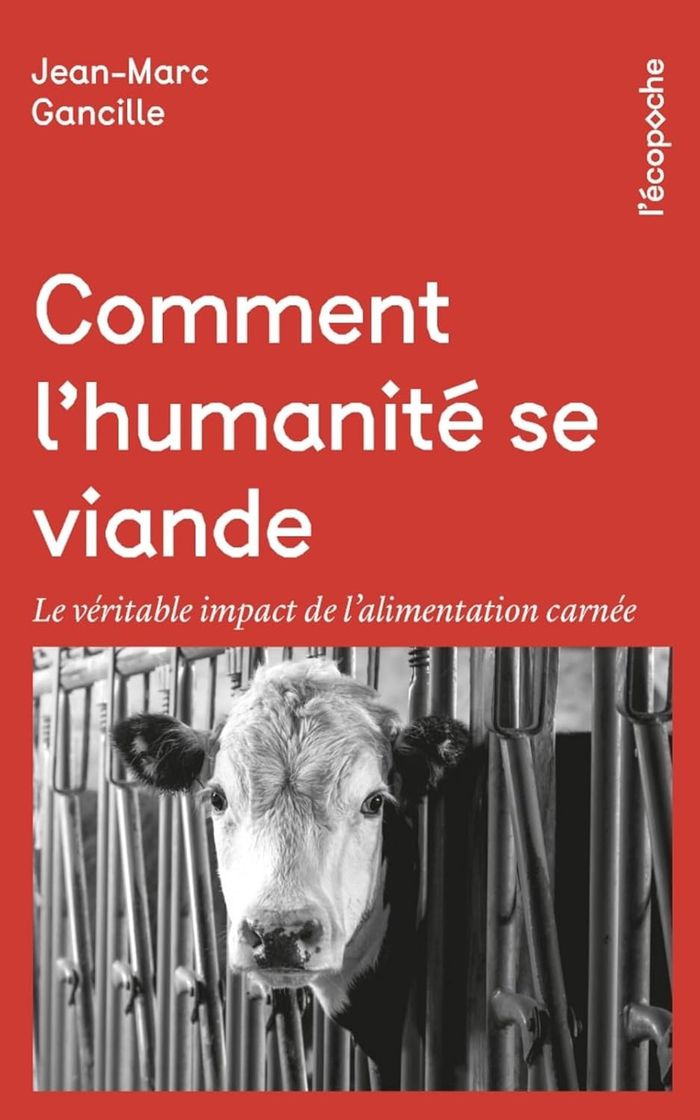
Tandis que les protéines animales ne sont plus nécessaires à la nutrition d'une majorité d'humains, des centaines de millions d'animaux sont tués chaque jour pour être mangés. Cette exploitation de masse ne soulève pas seulement une question éthique fondamentale. Elle constitue un risque écologique crucial qui met en péril l'habitabilité de la planète. L'élevage accapare 77 % des surfaces agricoles mondiales quand la pêche se déploie dans plus de la moitié des océans. Principaux fossoyeurs de la biodiversité sauvage, l'un et l'autre sont aussi en passe de devenir les tout premiers contributeurs du changement climatique : le secteur de la viande représente déjà près de 15 % des émissions mondiales de gaz à effet de serre. Face à ce désastre, l'heure n'est plus à distinguer les pratiques industrielles et artisanales : les deux se combinent sous l'effet d'un appétit insatiable qui dévore la planète.
Comment l'humanité se viande
Actions:
Price:
$18.95
(available in store)
Summary:
Tandis que les protéines animales ne sont plus nécessaires à la nutrition d'une majorité d'humains, des centaines de millions d'animaux sont tués chaque jour pour être mangés. Cette exploitation de masse ne soulève pas seulement une question éthique fondamentale. Elle constitue un risque écologique crucial qui met en péril l'habitabilité de la planète. L'élevage accapare 77 % des surfaces agricoles mondiales quand la pêche se déploie dans plus de la moitié des océans. Principaux fossoyeurs de la biodiversité sauvage, l'un et l'autre sont aussi en passe de devenir les tout premiers contributeurs du changement climatique : le secteur de la viande représente déjà près de 15 % des émissions mondiales de gaz à effet de serre. Face à ce désastre, l'heure n'est plus à distinguer les pratiques industrielles et artisanales : les deux se combinent sous l'effet d'un appétit insatiable qui dévore la planète.
Form:
books
books
Publication:
July 2025
July 2025
Subject:
Food
Food
Form:
books
books
Title:
Everyday Mandu Cookbook
Everyday Mandu Cookbook
Actions:
Price:
$49.95
(available to order)
Summary:
''Everyday Mandu Cookbook'' is a fun and delicious guide to making Korean-style mandu (dumplings). It covers everything from basic dough, classic meat and veggie fillings, folding techniques, and cooking methods to creative twists. With charming illustrations, each step is shared in an easy and enjoyable way. The book is written in both Korean and English.
$49.95
(available to order)
Summary:
''Everyday Mandu Cookbook'' is a fun and delicious guide to making Korean-style mandu (dumplings). It covers everything from basic dough, classic meat and veggie fillings, folding techniques, and cooking methods to creative twists. With charming illustrations, each step is shared in an easy and enjoyable way. The book is written in both Korean and English.
Title:
Everyday Mandu Cookbook
Actions:
Price:
$49.95
(available to order)
Summary:
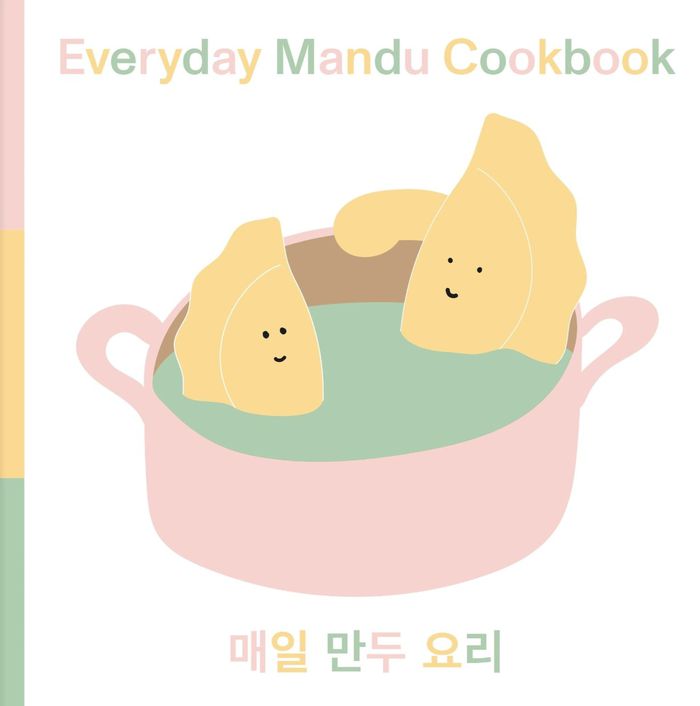
''Everyday Mandu Cookbook'' is a fun and delicious guide to making Korean-style mandu (dumplings). It covers everything from basic dough, classic meat and veggie fillings, folding techniques, and cooking methods to creative twists. With charming illustrations, each step is shared in an easy and enjoyable way. The book is written in both Korean and English.
Everyday Mandu Cookbook
Actions:
Price:
$49.95
(available to order)
Summary:
''Everyday Mandu Cookbook'' is a fun and delicious guide to making Korean-style mandu (dumplings). It covers everything from basic dough, classic meat and veggie fillings, folding techniques, and cooking methods to creative twists. With charming illustrations, each step is shared in an easy and enjoyable way. The book is written in both Korean and English.
Form:
books
books
Publication:
September 2025
September 2025
Subject:
Food
Food
Form:
books
books
Title:
Amaro : Un goût italien
Amaro : Un goût italien
Actions:
Price:
$30.95
(available in store)
Summary:
De la roquette aux artichauts, du radicchio à la cima di rapa, du café aux digestifs, l’amertume joue un rôle de premier plan dans la cuisine italienne. Aucune autre cuisine européenne n’a une telle prédilection pour cette saveur qui a d’ailleurs donné son nom à des produits bien connus : les liqueurs comme l’Amaretto ou les variétés infinies d’amari, les vins comme(...)
$30.95
(available in store)
Summary:
De la roquette aux artichauts, du radicchio à la cima di rapa, du café aux digestifs, l’amertume joue un rôle de premier plan dans la cuisine italienne. Aucune autre cuisine européenne n’a une telle prédilection pour cette saveur qui a d’ailleurs donné son nom à des produits bien connus : les liqueurs comme l’Amaretto ou les variétés infinies d’amari, les vins comme(...)
Title:
Amaro : Un goût italien
Actions:
Price:
$30.95
(available in store)
Summary:
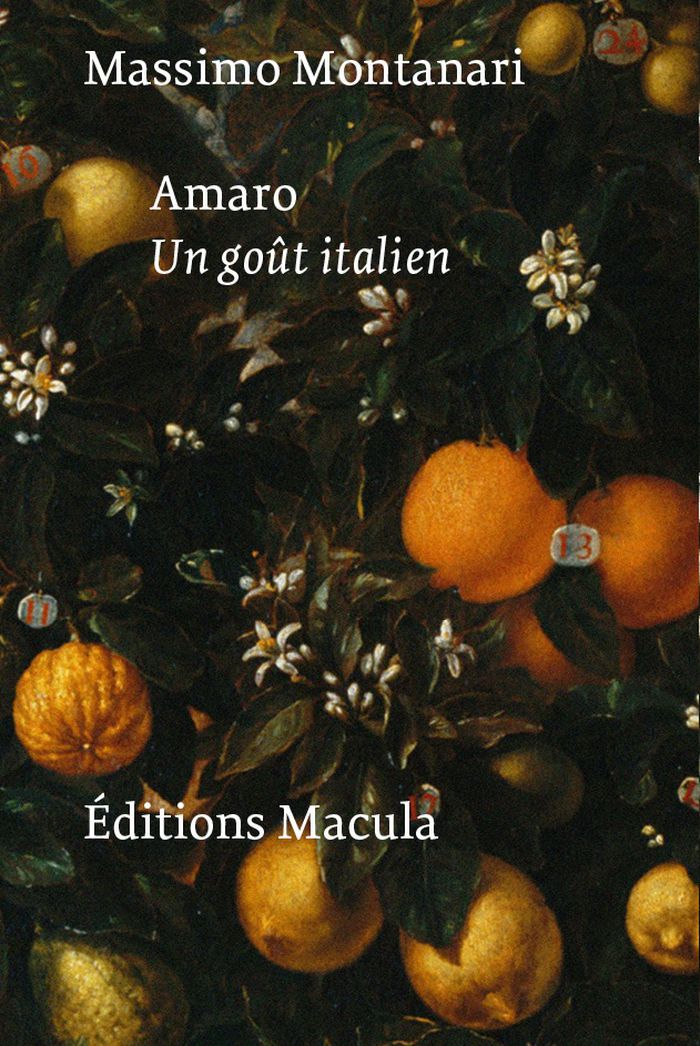
De la roquette aux artichauts, du radicchio à la cima di rapa, du café aux digestifs, l’amertume joue un rôle de premier plan dans la cuisine italienne. Aucune autre cuisine européenne n’a une telle prédilection pour cette saveur qui a d’ailleurs donné son nom à des produits bien connus : les liqueurs comme l’Amaretto ou les variétés infinies d’amari, les vins comme l’Amarone ou le Negroamaro, et même ces délicieuses friandises aux amandes, les fameux amaretti. L’historien de l’alimentation Massimo Montanari puise dans les sources littéraires, les traités de botanique, les traités d’agriculture, les recettes de cuisine et de diététique pour retracer les origines de la prédilection de ses compatriotes pour l’amertume, dont les racines sont à trouver autant dans la paysannerie que dans la noblesse. Un voyage savoureux aux sources de l’amer.
Amaro : Un goût italien
Actions:
Price:
$30.95
(available in store)
Summary:
De la roquette aux artichauts, du radicchio à la cima di rapa, du café aux digestifs, l’amertume joue un rôle de premier plan dans la cuisine italienne. Aucune autre cuisine européenne n’a une telle prédilection pour cette saveur qui a d’ailleurs donné son nom à des produits bien connus : les liqueurs comme l’Amaretto ou les variétés infinies d’amari, les vins comme l’Amarone ou le Negroamaro, et même ces délicieuses friandises aux amandes, les fameux amaretti. L’historien de l’alimentation Massimo Montanari puise dans les sources littéraires, les traités de botanique, les traités d’agriculture, les recettes de cuisine et de diététique pour retracer les origines de la prédilection de ses compatriotes pour l’amertume, dont les racines sont à trouver autant dans la paysannerie que dans la noblesse. Un voyage savoureux aux sources de l’amer.
Form:
books
books
Publication:
January 2026
January 2026
Subject:
Food
Food
Form:
books
books

Actions:
Price:
$25.00
(available in store)
Summary:
François Chaslin nous restitue l'étonnante destinée d'Antonin Carême (1783-1833), as du pastillage, du mastic et de la pâte – brisée ou feuilletée, sucrée ou salée, d'amande ou de fruits. Apprenti rue Vivienne, le jeune tourier se prend de passion pour l'architecture à l'ancienne Bibliothèque royale. Pâtissier rue de la Paix, repéré pour les banquets de Talleyrand, il est(...)
$25.00
(available in store)
Summary:
François Chaslin nous restitue l'étonnante destinée d'Antonin Carême (1783-1833), as du pastillage, du mastic et de la pâte – brisée ou feuilletée, sucrée ou salée, d'amande ou de fruits. Apprenti rue Vivienne, le jeune tourier se prend de passion pour l'architecture à l'ancienne Bibliothèque royale. Pâtissier rue de la Paix, repéré pour les banquets de Talleyrand, il est(...)
Title:
Beauté comestible: Les architectures du pâtissier carême
Actions:
Price:
$25.00
(available in store)
Summary:
François Chaslin nous restitue l'étonnante destinée d'Antonin Carême (1783-1833), as du pastillage, du mastic et de la pâte – brisée ou feuilletée, sucrée ou salée, d'amande ou de fruits. Apprenti rue Vivienne, le jeune tourier se prend de passion pour l'architecture à l'ancienne Bibliothèque royale. Pâtissier rue de la Paix, repéré pour les banquets de Talleyrand, il est vite surnommé « le roi des chefs et le chef des rois ». La réputation de ses spectaculaires pièces montées le fait publier de véritables traités d'architectures pâtissières tour à tour « pittoresques », « royales » ou « parisiennes » (1815). Au point même de prescrire des projets urbains pour Saint-Pétersbourg et Paris et, à titre posthume, se voir élevé au rang de « pâtissier national ».
Beauté comestible: Les architectures du pâtissier carême
Actions:
Price:
$25.00
(available in store)
Summary:
François Chaslin nous restitue l'étonnante destinée d'Antonin Carême (1783-1833), as du pastillage, du mastic et de la pâte – brisée ou feuilletée, sucrée ou salée, d'amande ou de fruits. Apprenti rue Vivienne, le jeune tourier se prend de passion pour l'architecture à l'ancienne Bibliothèque royale. Pâtissier rue de la Paix, repéré pour les banquets de Talleyrand, il est vite surnommé « le roi des chefs et le chef des rois ». La réputation de ses spectaculaires pièces montées le fait publier de véritables traités d'architectures pâtissières tour à tour « pittoresques », « royales » ou « parisiennes » (1815). Au point même de prescrire des projets urbains pour Saint-Pétersbourg et Paris et, à titre posthume, se voir élevé au rang de « pâtissier national ».
Form:
books
books
Publication:
June 2025
June 2025
Form:
books
books
Actions:
Price:
$28.00
(available in store)
Summary:
Over the past several decades, globalization has homogenized what we eat, and done so ruthlessly. The numbers are stark: Of the roughly six thousand different plants once consumed by human beings, only nine remain major staples today. Just three of these—rice, wheat, and corn—now provide fifty percent of all our calories.The source of much of the world’s food—seeds—is(...)
$28.00
(available in store)
Summary:
Over the past several decades, globalization has homogenized what we eat, and done so ruthlessly. The numbers are stark: Of the roughly six thousand different plants once consumed by human beings, only nine remain major staples today. Just three of these—rice, wheat, and corn—now provide fifty percent of all our calories.The source of much of the world’s food—seeds—is(...)
Title:
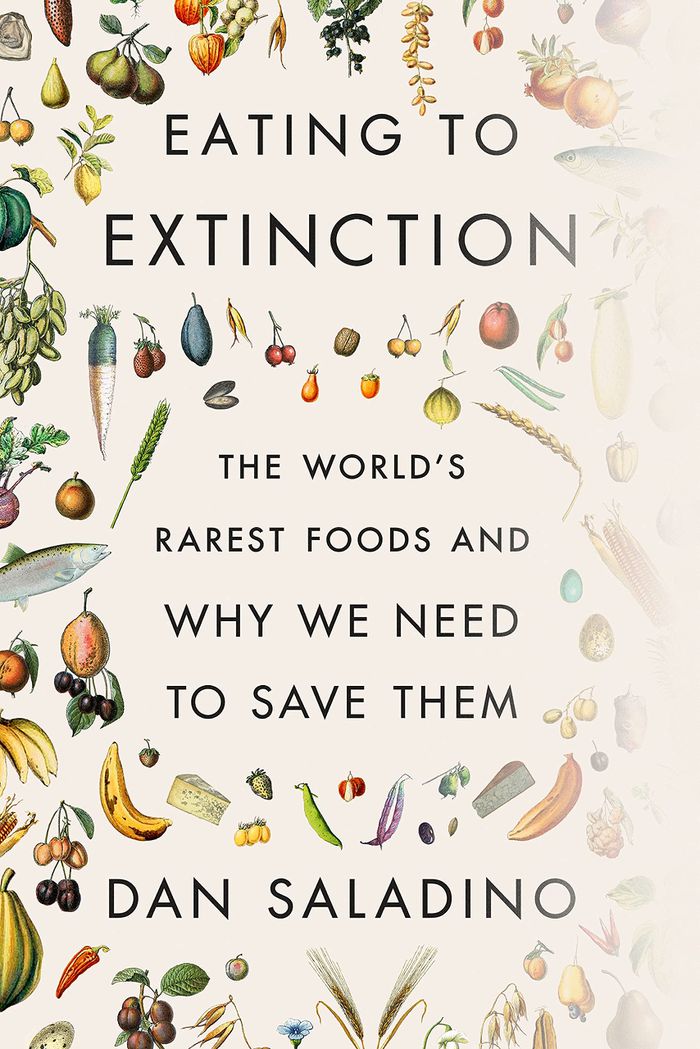
Eating to extinction: the world's rarest foods and why we need to save them
Actions:
Price:
$28.00
(available in store)
Summary:
Over the past several decades, globalization has homogenized what we eat, and done so ruthlessly. The numbers are stark: Of the roughly six thousand different plants once consumed by human beings, only nine remain major staples today. Just three of these—rice, wheat, and corn—now provide fifty percent of all our calories.The source of much of the world’s food—seeds—is mostly in the control of just four corporations. Ninety-five percent of milk consumed in the United States comes from a single breed of cow. Half of all the world’s cheese is made with bacteria or enzymes made by one company. And one in four beers drunk around the world is the product of one brewer. When we lose diversity and foods become endangered, we not only risk the loss of traditional foodways, but also of flavors, smells, and textures that may never be experienced again. And the consolidation of our food has other steep costs, including a lack of resilience in the face of climate change, pests, and parasites. Our food monoculture is a threat to our health—and to the planet. In ''Eating to Extinction'', the BBC food journalist Dan Saladino travels the world to experience and document our most at-risk foods before it’s too late. He tells the fascinating stories of the people who continue to cultivate, forage, hunt, cook, and consume what the rest of us have forgotten or didn’t even know existed. Take honey—not the familiar product sold in plastic bottles, but the wild honey gathered by the Hadza people of East Africa, whose diet consists of eight hundred different plants and animals and who communicate with birds in order to locate bees’ nests. Or consider murnong—once the staple food of Aboriginal Australians, this small root vegetable with the sweet taste of coconut is undergoing a revival after nearly being driven to extinction. And in Sierra Leone, there are just a few surviving stenophylla trees, a plant species now considered crucial to the future of coffee.
Eating to extinction: the world's rarest foods and why we need to save them
Actions:
Price:
$28.00
(available in store)
Summary:
Over the past several decades, globalization has homogenized what we eat, and done so ruthlessly. The numbers are stark: Of the roughly six thousand different plants once consumed by human beings, only nine remain major staples today. Just three of these—rice, wheat, and corn—now provide fifty percent of all our calories.The source of much of the world’s food—seeds—is mostly in the control of just four corporations. Ninety-five percent of milk consumed in the United States comes from a single breed of cow. Half of all the world’s cheese is made with bacteria or enzymes made by one company. And one in four beers drunk around the world is the product of one brewer. When we lose diversity and foods become endangered, we not only risk the loss of traditional foodways, but also of flavors, smells, and textures that may never be experienced again. And the consolidation of our food has other steep costs, including a lack of resilience in the face of climate change, pests, and parasites. Our food monoculture is a threat to our health—and to the planet. In ''Eating to Extinction'', the BBC food journalist Dan Saladino travels the world to experience and document our most at-risk foods before it’s too late. He tells the fascinating stories of the people who continue to cultivate, forage, hunt, cook, and consume what the rest of us have forgotten or didn’t even know existed. Take honey—not the familiar product sold in plastic bottles, but the wild honey gathered by the Hadza people of East Africa, whose diet consists of eight hundred different plants and animals and who communicate with birds in order to locate bees’ nests. Or consider murnong—once the staple food of Aboriginal Australians, this small root vegetable with the sweet taste of coconut is undergoing a revival after nearly being driven to extinction. And in Sierra Leone, there are just a few surviving stenophylla trees, a plant species now considered crucial to the future of coffee.
Form:
books
books
Publication:
January 2023
January 2023
Subject:
Food
Food
Form:
books
books
Title:
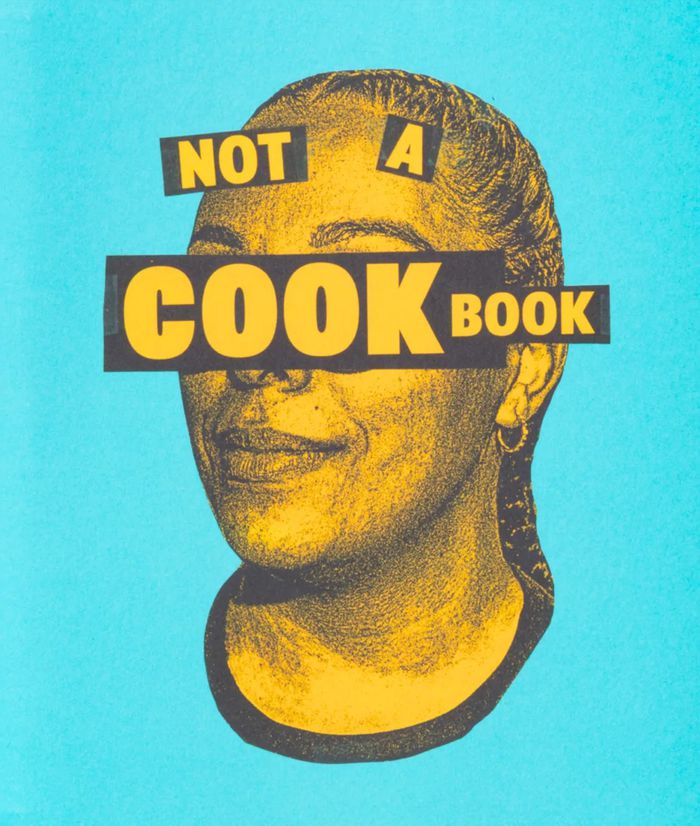
Not a cookbook
Not a cookbook
Actions:
Price:
$50.00
(available in store)
Summary:
At first glance, "Not a cookbook" appears to be just what its title implies – but beneath the surface lies a layered, collage-style portrait of a restaurant and the family that holds it together. Centered on Resto Palme, a Caribbean restaurant in Montreal run by married duo Lee-Anne Millaire Lafleur and Ralph Alerte, the book offers a deeply personal and provocative(...)
$50.00
(available in store)
Summary:
At first glance, "Not a cookbook" appears to be just what its title implies – but beneath the surface lies a layered, collage-style portrait of a restaurant and the family that holds it together. Centered on Resto Palme, a Caribbean restaurant in Montreal run by married duo Lee-Anne Millaire Lafleur and Ralph Alerte, the book offers a deeply personal and provocative(...)
Subject:
Food
Food
Publication:
May 2026
May 2026
Title:
Not a cookbook
Actions:
Price:
$50.00
(available in store)
Summary:
At first glance, "Not a cookbook" appears to be just what its title implies – but beneath the surface lies a layered, collage-style portrait of a restaurant and the family that holds it together. Centered on Resto Palme, a Caribbean restaurant in Montreal run by married duo Lee-Anne Millaire Lafleur and Ralph Alerte, the book offers a deeply personal and provocative exploration of kitchen culture, where food becomes a lens through which to examine family, friendship, labor, and resistance. A longtime friend of the family, Reis takes an embedded, nonlinear approach to storytelling. Through photographs, texts, and contributions from customers and staff, Not a Cookbook captures not just the daily challenges of running a family business, but also the peripheral stories – of racism, activism, and the emotional labor required to build and protect something shared and sacred.
Not a cookbook
Actions:
Price:
$50.00
(available in store)
Summary:
At first glance, "Not a cookbook" appears to be just what its title implies – but beneath the surface lies a layered, collage-style portrait of a restaurant and the family that holds it together. Centered on Resto Palme, a Caribbean restaurant in Montreal run by married duo Lee-Anne Millaire Lafleur and Ralph Alerte, the book offers a deeply personal and provocative exploration of kitchen culture, where food becomes a lens through which to examine family, friendship, labor, and resistance. A longtime friend of the family, Reis takes an embedded, nonlinear approach to storytelling. Through photographs, texts, and contributions from customers and staff, Not a Cookbook captures not just the daily challenges of running a family business, but also the peripheral stories – of racism, activism, and the emotional labor required to build and protect something shared and sacred.
Form:
books
books
Publication:
May 2026
May 2026
Subject:
Food
Food
Form:
books
books
Actions:
Price:
$88.00
(available to order)
Summary:
What we talk about when we talk about Bar Brutal: This is aportrait of one of the world’s best-loved drinking holes and its formative role in the natural wine movement, a two-way symbiosis from Barcelona to the world. Emerging in 2013, Brutal is the place where a legendary cast of winemakers, sommeliers, chefs, musicians, and wanton drinkers have all converged in the(...)
$88.00
(available to order)
Summary:
What we talk about when we talk about Bar Brutal: This is aportrait of one of the world’s best-loved drinking holes and its formative role in the natural wine movement, a two-way symbiosis from Barcelona to the world. Emerging in 2013, Brutal is the place where a legendary cast of winemakers, sommeliers, chefs, musicians, and wanton drinkers have all converged in the(...)
Title:
Bar Brutal: A cookbook of revelations
Actions:
Price:
$88.00
(available to order)
Summary:
What we talk about when we talk about Bar Brutal: This is aportrait of one of the world’s best-loved drinking holes and its formative role in the natural wine movement, a two-way symbiosis from Barcelona to the world. Emerging in 2013, Brutal is the place where a legendary cast of winemakers, sommeliers, chefs, musicians, and wanton drinkers have all converged in the feeling that something was taking shape there between the never-ending party and an intimate knowledge of the wines. The book combines multiple, intersecting strands that veer between structure and chaos, reflecting the bar’s own underlying methodology. At the centre of the work is Bar Brutal’s first official cookbook, featuring 26 recipes, while collage sections merge archival imagery with the stories—or revelations—of 80-odd contributors, including Stefano Colombo, Joan Ramón Escoda, Christian Tschida, Nuria Renom, John Wurdeman, Thierry Puzelat, LCD Soundsystem, Peggy Gou, 2manydjs, Gilles Peterson, Aziz Ansari, Alice Feiring, and many more. Photo essays by Adrià Cañameras, Nacho Alegre, and Yago Castromil document the dinners, wines, people, and spaces that bring the place alive by day and night, while four written chapters anchor the story in time and place, tracing the bar’s evolution. Brought together by Madeleine Willis, former Apartamento editor and long-time Brutal regular, the work reflects the same energy that Brutal has injected into Barcelona and the wide world of wine since 2013 and celebrates over a decade of happy, chaotic, expansive service.
Bar Brutal: A cookbook of revelations
Actions:
Price:
$88.00
(available to order)
Summary:
What we talk about when we talk about Bar Brutal: This is aportrait of one of the world’s best-loved drinking holes and its formative role in the natural wine movement, a two-way symbiosis from Barcelona to the world. Emerging in 2013, Brutal is the place where a legendary cast of winemakers, sommeliers, chefs, musicians, and wanton drinkers have all converged in the feeling that something was taking shape there between the never-ending party and an intimate knowledge of the wines. The book combines multiple, intersecting strands that veer between structure and chaos, reflecting the bar’s own underlying methodology. At the centre of the work is Bar Brutal’s first official cookbook, featuring 26 recipes, while collage sections merge archival imagery with the stories—or revelations—of 80-odd contributors, including Stefano Colombo, Joan Ramón Escoda, Christian Tschida, Nuria Renom, John Wurdeman, Thierry Puzelat, LCD Soundsystem, Peggy Gou, 2manydjs, Gilles Peterson, Aziz Ansari, Alice Feiring, and many more. Photo essays by Adrià Cañameras, Nacho Alegre, and Yago Castromil document the dinners, wines, people, and spaces that bring the place alive by day and night, while four written chapters anchor the story in time and place, tracing the bar’s evolution. Brought together by Madeleine Willis, former Apartamento editor and long-time Brutal regular, the work reflects the same energy that Brutal has injected into Barcelona and the wide world of wine since 2013 and celebrates over a decade of happy, chaotic, expansive service.
Form:
books
books
Publication:
July 2026
July 2026
Subject:
Food
Food
Form:
books
books
Title:
Food: alphabet city
Food: alphabet city
Actions:
Price:
$18.95
(available to order)
Summary:
As the slow food movement meets fast food nation and eating locally collides with on-demand arugula, our food habits are shifting: writers and artists examine and imagine these changes, from the idea of a farm in a skyscraper to a map of fruit that falls on public property, from the genealogy of an organic bento box to a tale of chop suey and egg rolls.
$18.95
(available to order)
Summary:
As the slow food movement meets fast food nation and eating locally collides with on-demand arugula, our food habits are shifting: writers and artists examine and imagine these changes, from the idea of a farm in a skyscraper to a map of fruit that falls on public property, from the genealogy of an organic bento box to a tale of chop suey and egg rolls.
Title:
Food: alphabet city
Actions:
Price:
$18.95
(available to order)
Summary:
As the slow food movement meets fast food nation and eating locally collides with on-demand arugula, our food habits are shifting: writers and artists examine and imagine these changes, from the idea of a farm in a skyscraper to a map of fruit that falls on public property, from the genealogy of an organic bento box to a tale of chop suey and egg rolls.
Food: alphabet city
Actions:
Price:
$18.95
(available to order)
Summary:
As the slow food movement meets fast food nation and eating locally collides with on-demand arugula, our food habits are shifting: writers and artists examine and imagine these changes, from the idea of a farm in a skyscraper to a map of fruit that falls on public property, from the genealogy of an organic bento box to a tale of chop suey and egg rolls.
Form:
books
books
Publication:
October 2007, Cambridge
October 2007, Cambridge
Subject:
Food
Food


