


182 Results
Form:
books
books
Actions:
Price:
$49.95
(available to order)
Summary:
Histoires du Mékong,ce sont d'abord des histoires, celles des habitants du delta et de leurs territoires, de paysages sauvages ou urbains qui portent parfois encore les stigmates d'une époque glorieuse mais aussi tourmentée.C’est aussi une histoire, celle des auteurs de ce livre : durant trois semaines, aux mois de mars et avril, Florian Chavanon, et David Dibilio, ont(...)
$49.95
(available to order)
Summary:
Histoires du Mékong,ce sont d'abord des histoires, celles des habitants du delta et de leurs territoires, de paysages sauvages ou urbains qui portent parfois encore les stigmates d'une époque glorieuse mais aussi tourmentée.C’est aussi une histoire, celle des auteurs de ce livre : durant trois semaines, aux mois de mars et avril, Florian Chavanon, et David Dibilio, ont(...)
Subject:
Contemporary Asian Architecture
Contemporary Asian Architecture
Publication:
April 2013
April 2013
Title:
Histoire du Mekong/ Mekong stories
Actions:
Price:
$49.95
(available to order)
Summary:
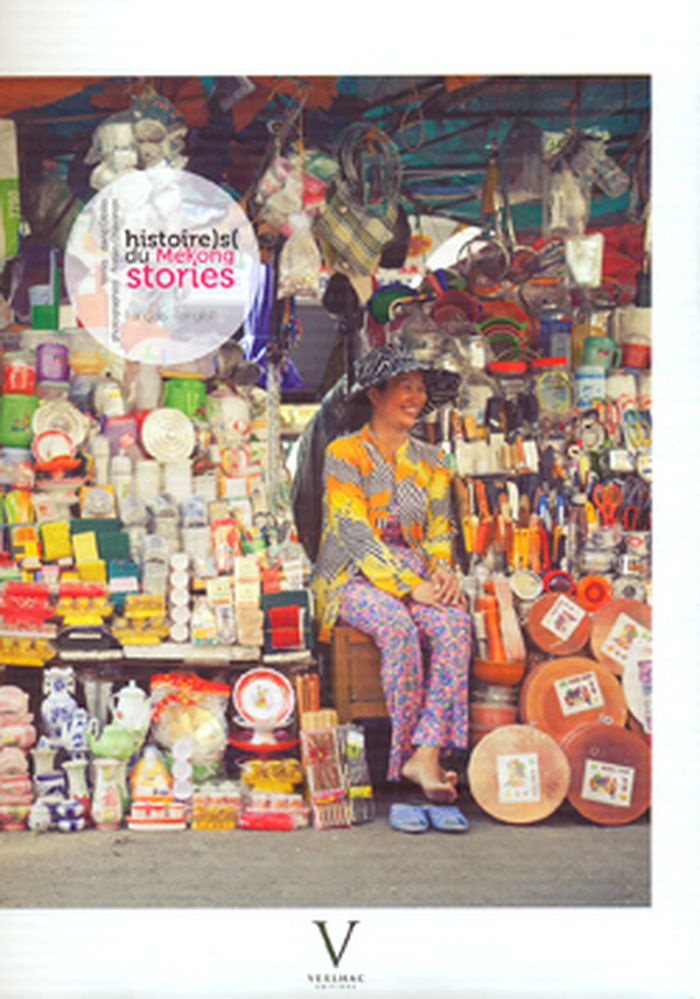
Histoires du Mékong,ce sont d'abord des histoires, celles des habitants du delta et de leurs territoires, de paysages sauvages ou urbains qui portent parfois encore les stigmates d'une époque glorieuse mais aussi tourmentée.C’est aussi une histoire, celle des auteurs de ce livre : durant trois semaines, aux mois de mars et avril, Florian Chavanon, et David Dibilio, ont remonté le Mékong depuis Saigon, explorant les neuf bras qui composent le delta au ViêtNam, jusqu’à Chau Doc puis Phnom Penh au Cambodge. Ils ont ensuite emprunté la route le long du Tonlé Sap pour finir à Siem Reap où se trouvent les majestueux temples d’Angkor. Au fil des textes et des photographies en couleurs et noir & blanc, Histoire)s( du Mékong nous montre toutes les facettes et les richesses de ce fleuve, entre histoire et modernité.
Histoire du Mekong/ Mekong stories
Actions:
Price:
$49.95
(available to order)
Summary:
Histoires du Mékong,ce sont d'abord des histoires, celles des habitants du delta et de leurs territoires, de paysages sauvages ou urbains qui portent parfois encore les stigmates d'une époque glorieuse mais aussi tourmentée.C’est aussi une histoire, celle des auteurs de ce livre : durant trois semaines, aux mois de mars et avril, Florian Chavanon, et David Dibilio, ont remonté le Mékong depuis Saigon, explorant les neuf bras qui composent le delta au ViêtNam, jusqu’à Chau Doc puis Phnom Penh au Cambodge. Ils ont ensuite emprunté la route le long du Tonlé Sap pour finir à Siem Reap où se trouvent les majestueux temples d’Angkor. Au fil des textes et des photographies en couleurs et noir & blanc, Histoire)s( du Mékong nous montre toutes les facettes et les richesses de ce fleuve, entre histoire et modernité.
Form:
books
books
Publication:
April 2013
April 2013
Subject:
Contemporary Asian Architecture
Contemporary Asian Architecture
Form:
books
books
Actions:
Price:
$49.95
(available to order)
Summary:
Chapitres: Anatomie de la rue japonaise, La ville comme personnage : regards d’auteurs, La topographie fantasmée de Tôkyô, Chaos urbain : Scènes de destruction, Le manga dans la ville, Vertiginosités nippones, À la lueur de l’orient, Densha, Mon Amour, Visions of neo-tôkyô, Yûichi Yokoyama, bâtisseur de monde, L’architecture japonaise, entre le dedans et dehors
$49.95
(available to order)
Summary:
Chapitres: Anatomie de la rue japonaise, La ville comme personnage : regards d’auteurs, La topographie fantasmée de Tôkyô, Chaos urbain : Scènes de destruction, Le manga dans la ville, Vertiginosités nippones, À la lueur de l’orient, Densha, Mon Amour, Visions of neo-tôkyô, Yûichi Yokoyama, bâtisseur de monde, L’architecture japonaise, entre le dedans et dehors
Title:
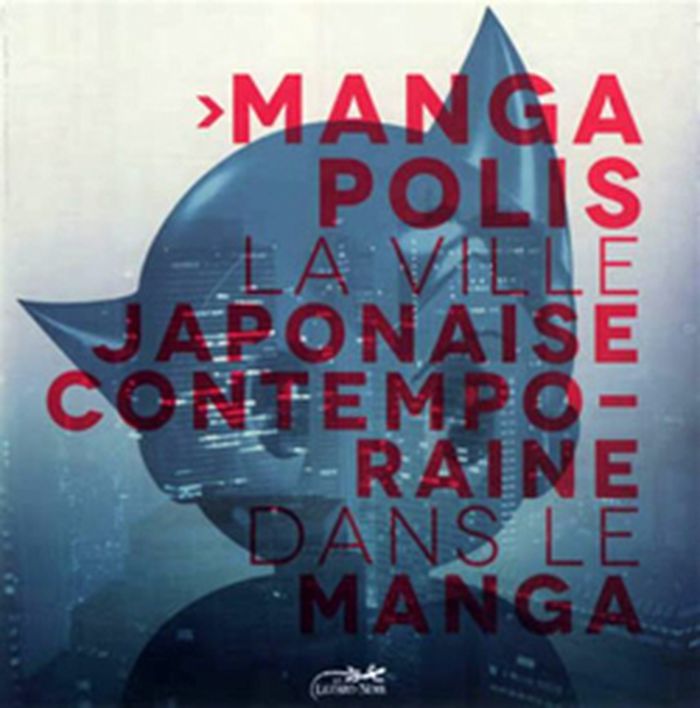
Mangapolis : la ville japonaise contemporaine dans le Manga
Actions:
Price:
$49.95
(available to order)
Summary:
Chapitres: Anatomie de la rue japonaise, La ville comme personnage : regards d’auteurs, La topographie fantasmée de Tôkyô, Chaos urbain : Scènes de destruction, Le manga dans la ville, Vertiginosités nippones, À la lueur de l’orient, Densha, Mon Amour, Visions of neo-tôkyô, Yûichi Yokoyama, bâtisseur de monde, L’architecture japonaise, entre le dedans et dehors
Mangapolis : la ville japonaise contemporaine dans le Manga
Actions:
Price:
$49.95
(available to order)
Summary:
Chapitres: Anatomie de la rue japonaise, La ville comme personnage : regards d’auteurs, La topographie fantasmée de Tôkyô, Chaos urbain : Scènes de destruction, Le manga dans la ville, Vertiginosités nippones, À la lueur de l’orient, Densha, Mon Amour, Visions of neo-tôkyô, Yûichi Yokoyama, bâtisseur de monde, L’architecture japonaise, entre le dedans et dehors
Form:
books
books
Publication:
May 2013
May 2013
Subject:
Contemporary Asian Architecture
Contemporary Asian Architecture
Form:
books
books
Price:
$41.95
(available to order)
Summary:
Preserved buildings and historic districts, museums and reconstructions have become an important part of the landscape of cities around the world. Beginning in the 1970s, Tokyo participated in this trend. However, repeated destruction and rapid redevelopment left the city with little building stock of recognized historical value. Late twentieth-century Tokyo thus presents(...)
$41.95
(available to order)
Summary:
Preserved buildings and historic districts, museums and reconstructions have become an important part of the landscape of cities around the world. Beginning in the 1970s, Tokyo participated in this trend. However, repeated destruction and rapid redevelopment left the city with little building stock of recognized historical value. Late twentieth-century Tokyo thus presents(...)
Title:
Tokyo vernacular : common spaces, local histories, found objects
Actions:
Price:
$41.95
(available to order)
Summary:
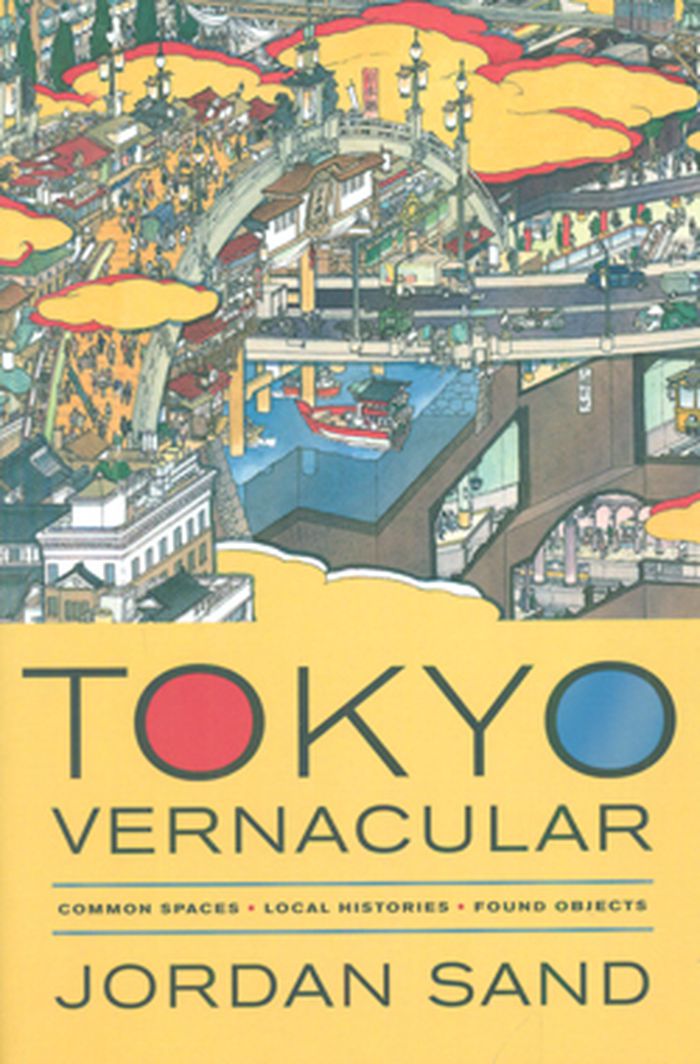
Preserved buildings and historic districts, museums and reconstructions have become an important part of the landscape of cities around the world. Beginning in the 1970s, Tokyo participated in this trend. However, repeated destruction and rapid redevelopment left the city with little building stock of recognized historical value. Late twentieth-century Tokyo thus presents an illuminating case of the emergence of a new sense of history in the city’s physical environment, since it required both a shift in perceptions of value and a search for history in the margins and interstices of a rapidly modernizing cityscape.
Tokyo vernacular : common spaces, local histories, found objects
Actions:
Price:
$41.95
(available to order)
Summary:
Preserved buildings and historic districts, museums and reconstructions have become an important part of the landscape of cities around the world. Beginning in the 1970s, Tokyo participated in this trend. However, repeated destruction and rapid redevelopment left the city with little building stock of recognized historical value. Late twentieth-century Tokyo thus presents an illuminating case of the emergence of a new sense of history in the city’s physical environment, since it required both a shift in perceptions of value and a search for history in the margins and interstices of a rapidly modernizing cityscape.
Form:
books
books
Publication:
August 2013
August 2013
Subject:
Contemporary Asian Architecture
Contemporary Asian Architecture
Form:
books
books
Actions:
Price:
$60.00
(available to order)
Summary:
A new trend in contemporary architecture is emerging from the East Asian countries of China, Japan, the Republic of Korea and Taiwan. This volume introduces more than 60 architectural projects throughout East Asia.
$60.00
(available to order)
Summary:
A new trend in contemporary architecture is emerging from the East Asian countries of China, Japan, the Republic of Korea and Taiwan. This volume introduces more than 60 architectural projects throughout East Asia.
Subject:
Contemporary Asian Architecture
Contemporary Asian Architecture
Publication:
October 2013
October 2013
Title:
Eastern promises: contemporary architecture and spatial practices in East Asia
Actions:
Price:
$60.00
(available to order)
Summary:
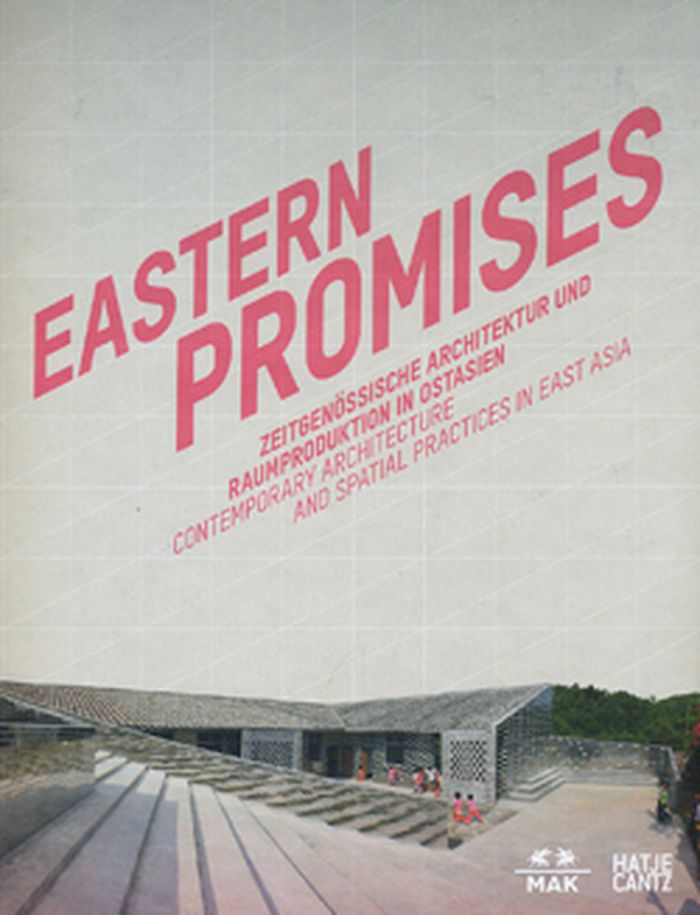
A new trend in contemporary architecture is emerging from the East Asian countries of China, Japan, the Republic of Korea and Taiwan. This volume introduces more than 60 architectural projects throughout East Asia.
Eastern promises: contemporary architecture and spatial practices in East Asia
Actions:
Price:
$60.00
(available to order)
Summary:
A new trend in contemporary architecture is emerging from the East Asian countries of China, Japan, the Republic of Korea and Taiwan. This volume introduces more than 60 architectural projects throughout East Asia.
Form:
books
books
Publication:
October 2013
October 2013
Subject:
Contemporary Asian Architecture
Contemporary Asian Architecture
Form:
books
books
Actions:
Price:
$50.00
(available to order)
Summary:
Forced to thrust skywards by the constraints of its position on a narrow strip of land between the sea and high mountains, Hong Kong has developed a breath-taking skyline. One of the most densely populated areas in the world, it has a greater number of high-rise structures than any other major international city: more than 2,300 buildings at over 100 metres high – and(...)
$50.00
(available to order)
Summary:
Forced to thrust skywards by the constraints of its position on a narrow strip of land between the sea and high mountains, Hong Kong has developed a breath-taking skyline. One of the most densely populated areas in the world, it has a greater number of high-rise structures than any other major international city: more than 2,300 buildings at over 100 metres high – and(...)
Title:
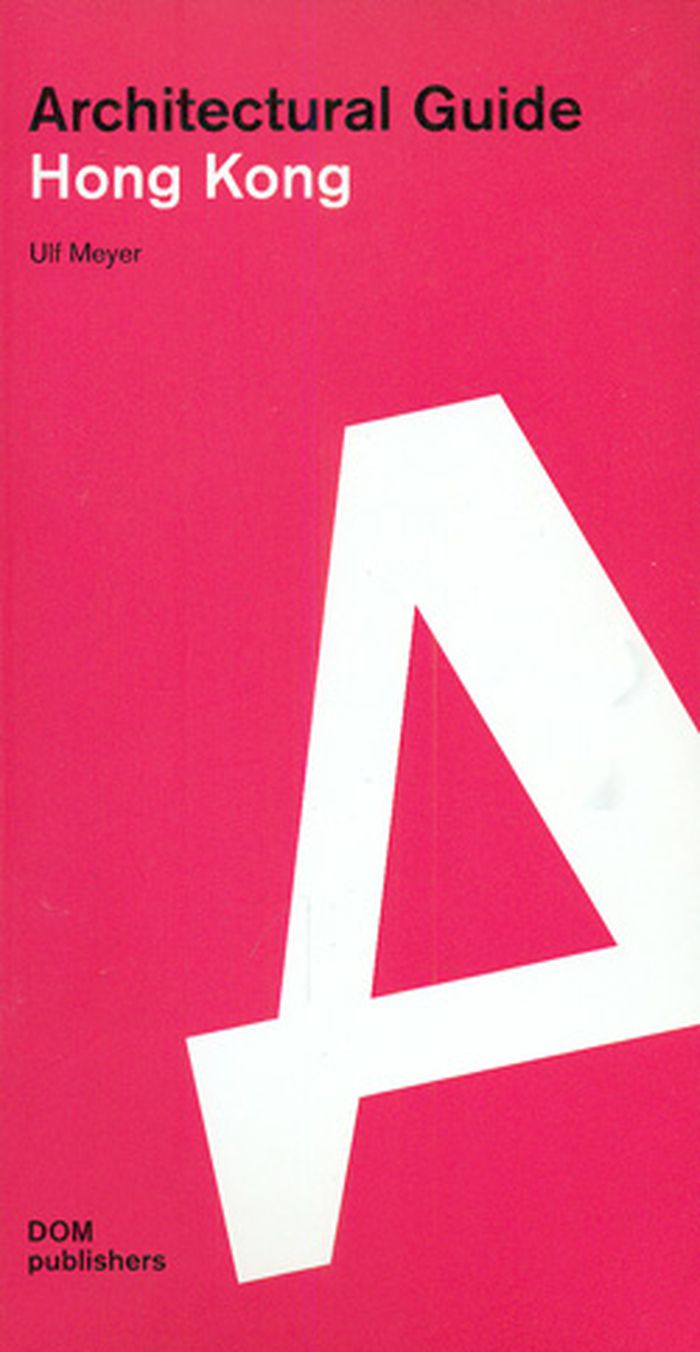
Hong Kong architectural guide
Actions:
Price:
$50.00
(available to order)
Summary:
Forced to thrust skywards by the constraints of its position on a narrow strip of land between the sea and high mountains, Hong Kong has developed a breath-taking skyline. One of the most densely populated areas in the world, it has a greater number of high-rise structures than any other major international city: more than 2,300 buildings at over 100 metres high – and more are completed almost daily. The originally wild and now largely domesticated topography of the island seems exhausted, fully restricted and there is no more land to be taken from the sea. Mainly European and American architects have played a role in creating the buildings of Hong Kong, but local architects maintain their hold with confidence on this hotly contested market. This guide to architecture presents 100 characteristic buildings that define the urban landscape of the former British Crown Colony.
Hong Kong architectural guide
Actions:
Price:
$50.00
(available to order)
Summary:
Forced to thrust skywards by the constraints of its position on a narrow strip of land between the sea and high mountains, Hong Kong has developed a breath-taking skyline. One of the most densely populated areas in the world, it has a greater number of high-rise structures than any other major international city: more than 2,300 buildings at over 100 metres high – and more are completed almost daily. The originally wild and now largely domesticated topography of the island seems exhausted, fully restricted and there is no more land to be taken from the sea. Mainly European and American architects have played a role in creating the buildings of Hong Kong, but local architects maintain their hold with confidence on this hotly contested market. This guide to architecture presents 100 characteristic buildings that define the urban landscape of the former British Crown Colony.
Form:
books
books
Publication:
October 2013
October 2013
Form:
books
books
Price:
$84.95
(available to order)
Summary:
China's Vanishing Worlds is a documentation in images and text of modernization's effect on traditional ways of life, and a sympathetic portrait of lives burdened by hardship but blessed by simplicity and tranquility
$84.95
(available to order)
Summary:
China's Vanishing Worlds is a documentation in images and text of modernization's effect on traditional ways of life, and a sympathetic portrait of lives burdened by hardship but blessed by simplicity and tranquility
Publication:
August 2013
August 2013
Title:
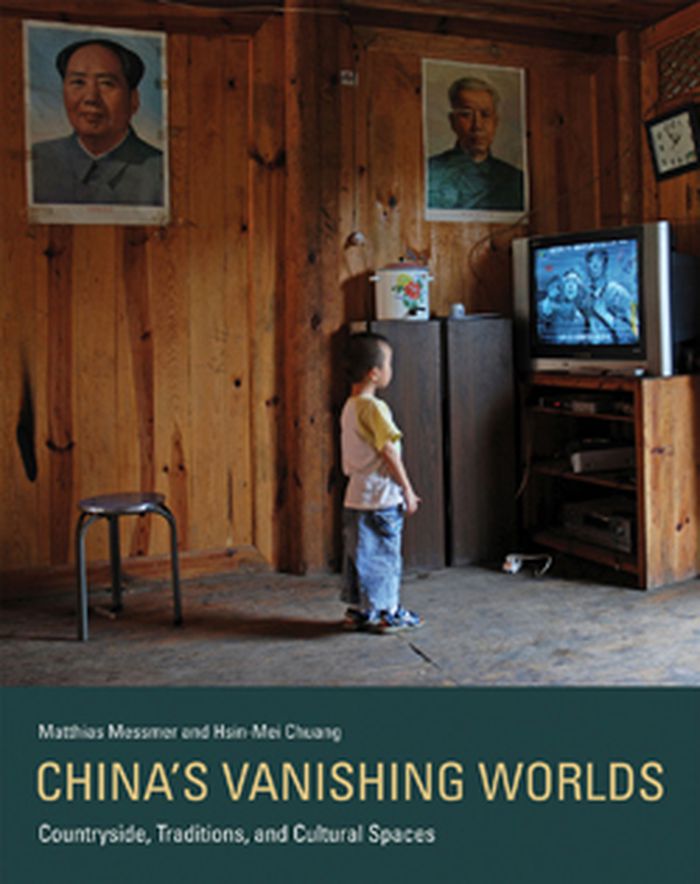
China's vanishing worlds : countryside, traditions, and cultural spaces
Actions:
Price:
$84.95
(available to order)
Summary:
China's Vanishing Worlds is a documentation in images and text of modernization's effect on traditional ways of life, and a sympathetic portrait of lives burdened by hardship but blessed by simplicity and tranquility
China's vanishing worlds : countryside, traditions, and cultural spaces
Actions:
Price:
$84.95
(available to order)
Summary:
China's Vanishing Worlds is a documentation in images and text of modernization's effect on traditional ways of life, and a sympathetic portrait of lives burdened by hardship but blessed by simplicity and tranquility
Form:
books
books
Publication:
August 2013
August 2013
Form:
books
books
Actions:
Price:
$105.00
(available in store)
Summary:
Presenting the latest in Japanese building, this book reveals how the likes of Tadao Ando, SANAA, Shigeru Ban, Kengo Kuma, and Junya Ishigami are relinking past, present, and future — building greener and smarter than ever before.
$105.00
(available in store)
Summary:
Presenting the latest in Japanese building, this book reveals how the likes of Tadao Ando, SANAA, Shigeru Ban, Kengo Kuma, and Junya Ishigami are relinking past, present, and future — building greener and smarter than ever before.
Title:
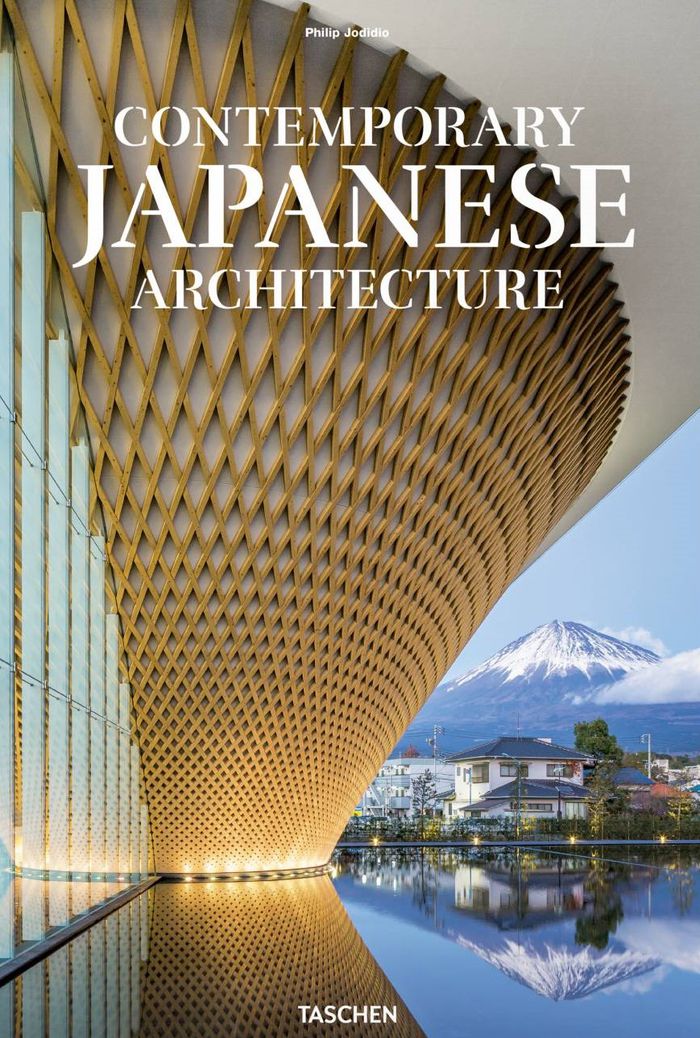
Contemporary Japanese architecture
Actions:
Price:
$105.00
(available in store)
Summary:
Presenting the latest in Japanese building, this book reveals how the likes of Tadao Ando, SANAA, Shigeru Ban, Kengo Kuma, and Junya Ishigami are relinking past, present, and future — building greener and smarter than ever before.
Contemporary Japanese architecture
Actions:
Price:
$105.00
(available in store)
Summary:
Presenting the latest in Japanese building, this book reveals how the likes of Tadao Ando, SANAA, Shigeru Ban, Kengo Kuma, and Junya Ishigami are relinking past, present, and future — building greener and smarter than ever before.
Form:
books
books
Publication:
December 2020
December 2020
Subject:
Contemporary Asian Architecture
Contemporary Asian Architecture
Form:
books
books
Actions:
Price:
$62.00
(available to order)
Summary:
In 2014, Xu Tiantian, founder of Beijing-based studio Design and Architecture (DnA) began to work in Songyang County, in China's Zhejiang Province. Her exemplary holistic planning concept of Architectural Acupuncture, which has gained the support of local administrative and political leadership, aims at revitalising rural areas and comprises the renovation of production(...)
$62.00
(available to order)
Summary:
In 2014, Xu Tiantian, founder of Beijing-based studio Design and Architecture (DnA) began to work in Songyang County, in China's Zhejiang Province. Her exemplary holistic planning concept of Architectural Acupuncture, which has gained the support of local administrative and political leadership, aims at revitalising rural areas and comprises the renovation of production(...)
Subject:
Contemporary Asian Architecture
Contemporary Asian Architecture
Publication:
January 2021
January 2021
Title:
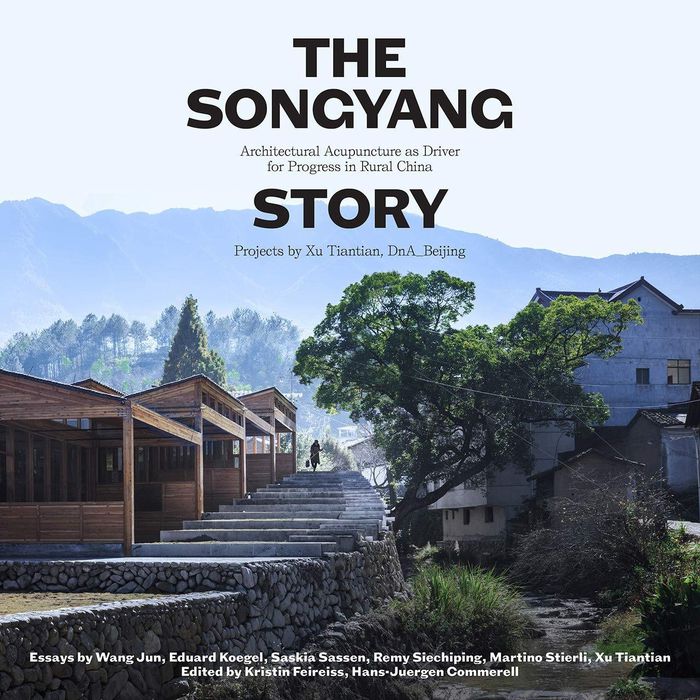
Songyang Story: architectural acupuncture as driver for socio-economic in rural China
Actions:
Price:
$62.00
(available to order)
Summary:
In 2014, Xu Tiantian, founder of Beijing-based studio Design and Architecture (DnA) began to work in Songyang County, in China's Zhejiang Province. Her exemplary holistic planning concept of Architectural Acupuncture, which has gained the support of local administrative and political leadership, aims at revitalising rural areas and comprises the renovation of production plants and of tourist and technical infrastructure as well as the creation of venues for culture and education and of social housing. Each of Xu's small-scale interventions at local level is unique, only the small budget is common to all of them. Moreover, they are all inter-related with each other and in their entirety serve the broader goal of mutual enhancement. This book introduces Xu's concept of Architectural Acupuncture and discusses the influence of architecture on cultural self-understanding and economic renewal in 21st-century rural China. It features some 20 new buildings and conversions of existing structures with diverse functions. Published alongside are essays by international economists, sociologists, and curators as well as by the secretary of the Songyang County Party Committee, examining the social, political, and economic implications of sustainable planning and collective action in the Chinese province.
Songyang Story: architectural acupuncture as driver for socio-economic in rural China
Actions:
Price:
$62.00
(available to order)
Summary:
In 2014, Xu Tiantian, founder of Beijing-based studio Design and Architecture (DnA) began to work in Songyang County, in China's Zhejiang Province. Her exemplary holistic planning concept of Architectural Acupuncture, which has gained the support of local administrative and political leadership, aims at revitalising rural areas and comprises the renovation of production plants and of tourist and technical infrastructure as well as the creation of venues for culture and education and of social housing. Each of Xu's small-scale interventions at local level is unique, only the small budget is common to all of them. Moreover, they are all inter-related with each other and in their entirety serve the broader goal of mutual enhancement. This book introduces Xu's concept of Architectural Acupuncture and discusses the influence of architecture on cultural self-understanding and economic renewal in 21st-century rural China. It features some 20 new buildings and conversions of existing structures with diverse functions. Published alongside are essays by international economists, sociologists, and curators as well as by the secretary of the Songyang County Party Committee, examining the social, political, and economic implications of sustainable planning and collective action in the Chinese province.
Form:
books
books
Publication:
January 2021
January 2021
Subject:
Contemporary Asian Architecture
Contemporary Asian Architecture
Form:
books
books
Actions:
Price:
$79.95
(available in store)
Summary:
À partir de la fin des années 1950, le Japon, largement détruit pendant la Seconde Guerre mondiale, entame un cycle de haute croissance économique. Pendant une dizaine année, jusqu’au choc pétrolier de 1973, une nouvelle génération d’architectes va développer des projets utopiques et visionnaires dont les enjeux sont de contrôler et de développer la croissance urbaine.(...)
$79.95
(available in store)
Summary:
À partir de la fin des années 1950, le Japon, largement détruit pendant la Seconde Guerre mondiale, entame un cycle de haute croissance économique. Pendant une dizaine année, jusqu’au choc pétrolier de 1973, une nouvelle génération d’architectes va développer des projets utopiques et visionnaires dont les enjeux sont de contrôler et de développer la croissance urbaine.(...)
Subject:
Contemporary Asian Architecture
Contemporary Asian Architecture
Publication:
March 2021
March 2021
Title:
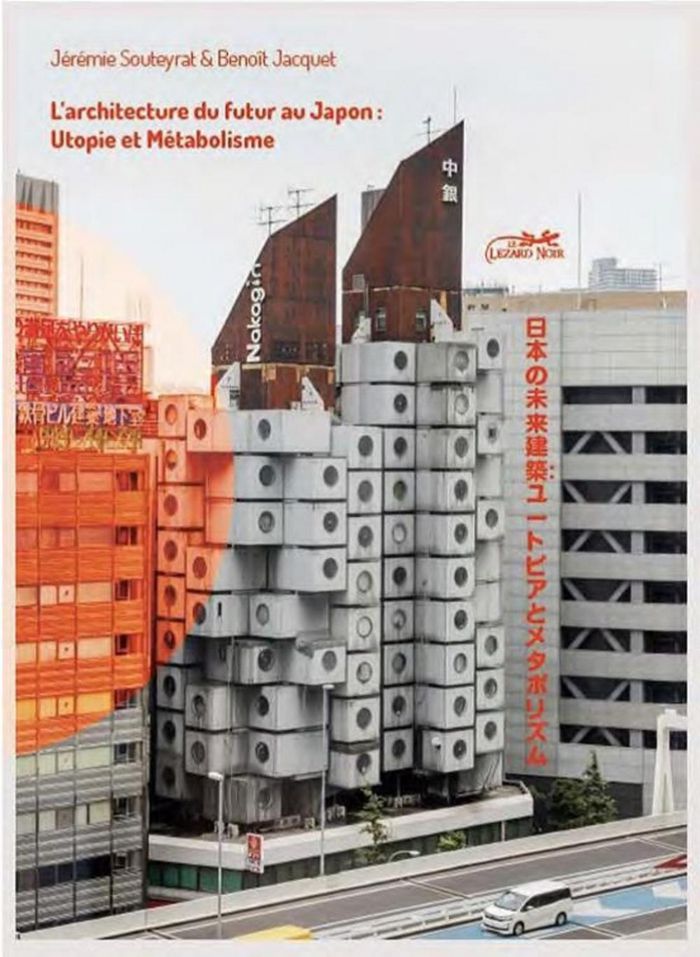
L'architecture du futur au Japon : Utopie et métabolisme
Actions:
Price:
$79.95
(available in store)
Summary:
À partir de la fin des années 1950, le Japon, largement détruit pendant la Seconde Guerre mondiale, entame un cycle de haute croissance économique. Pendant une dizaine année, jusqu’au choc pétrolier de 1973, une nouvelle génération d’architectes va développer des projets utopiques et visionnaires dont les enjeux sont de contrôler et de développer la croissance urbaine. Cet ouvrage propose plusieurs projets et réalisations datant des années 1960 et 1970, photographiés en 2017 par Jérémie Souteyrat.
L'architecture du futur au Japon : Utopie et métabolisme
Actions:
Price:
$79.95
(available in store)
Summary:
À partir de la fin des années 1950, le Japon, largement détruit pendant la Seconde Guerre mondiale, entame un cycle de haute croissance économique. Pendant une dizaine année, jusqu’au choc pétrolier de 1973, une nouvelle génération d’architectes va développer des projets utopiques et visionnaires dont les enjeux sont de contrôler et de développer la croissance urbaine. Cet ouvrage propose plusieurs projets et réalisations datant des années 1960 et 1970, photographiés en 2017 par Jérémie Souteyrat.
Form:
books
books
Publication:
March 2021
March 2021
Subject:
Contemporary Asian Architecture
Contemporary Asian Architecture
Form:
books
books
Title:
Once upon a China
Once upon a China
Actions:
Price:
$57.95
(available in store)
Summary:
"Once upon a China" is an unconventional architectural story of great beauty, empathy, honour and sadness. The chapters are reimaginations of "Dream of the red mansion," "Journey to the West ," "The water margin," and "Romance of the three kingdoms," and are conceived as specific themes of Chinese identity: domesticity, consumerism, democracy and adaptability. These four(...)
$57.95
(available in store)
Summary:
"Once upon a China" is an unconventional architectural story of great beauty, empathy, honour and sadness. The chapters are reimaginations of "Dream of the red mansion," "Journey to the West ," "The water margin," and "Romance of the three kingdoms," and are conceived as specific themes of Chinese identity: domesticity, consumerism, democracy and adaptability. These four(...)
Title:
Once upon a China
Actions:
Price:
$57.95
(available in store)
Summary:
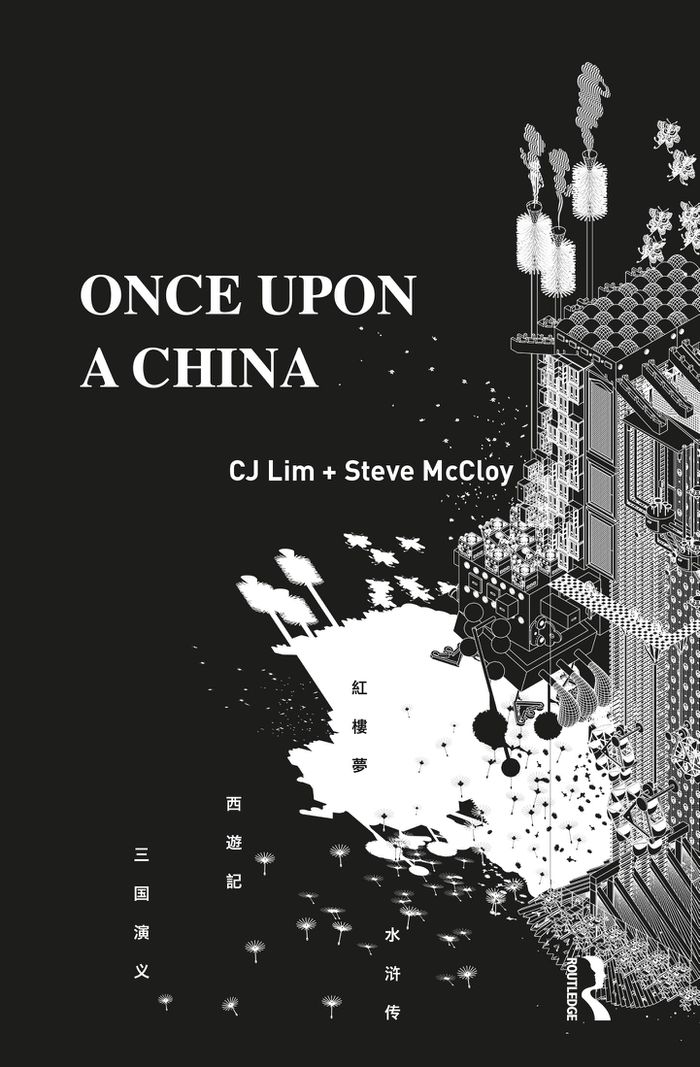
"Once upon a China" is an unconventional architectural story of great beauty, empathy, honour and sadness. The chapters are reimaginations of "Dream of the red mansion," "Journey to the West ," "The water margin," and "Romance of the three kingdoms," and are conceived as specific themes of Chinese identity: domesticity, consumerism, democracy and adaptability. These four seminal pre-modern fictions contain diverse voices and philosophical perspectives on history as well as satires that have defined past developments of Chinese societies, politics and the built environment. Comics is an unorthodox but extraordinary medium for architectural speculations. The eccentric characteristics of comic-inspired drawings in this book enrich the processes of conception and conceptualisation of design – their fragmented yet sequential nature proves versatile in the imagination of spatial experiences, enabling the complex stories of place, brief and building to materialise. At the same time, the politicisation of architecture through comics engenders a sense of optimism to reappraise Chinese design futures and critical thinking beyond the exuberance of non-contextual Western capitalist models.
Once upon a China
Actions:
Price:
$57.95
(available in store)
Summary:
"Once upon a China" is an unconventional architectural story of great beauty, empathy, honour and sadness. The chapters are reimaginations of "Dream of the red mansion," "Journey to the West ," "The water margin," and "Romance of the three kingdoms," and are conceived as specific themes of Chinese identity: domesticity, consumerism, democracy and adaptability. These four seminal pre-modern fictions contain diverse voices and philosophical perspectives on history as well as satires that have defined past developments of Chinese societies, politics and the built environment. Comics is an unorthodox but extraordinary medium for architectural speculations. The eccentric characteristics of comic-inspired drawings in this book enrich the processes of conception and conceptualisation of design – their fragmented yet sequential nature proves versatile in the imagination of spatial experiences, enabling the complex stories of place, brief and building to materialise. At the same time, the politicisation of architecture through comics engenders a sense of optimism to reappraise Chinese design futures and critical thinking beyond the exuberance of non-contextual Western capitalist models.
Form:
books
books
Publication:
May 2021
May 2021
Subject:
Contemporary Asian Architecture
Contemporary Asian Architecture


