


81 Results
Form:
books
books
Actions:
Price:
$49.95
(available to order)
Summary:
This publication considers the work of fashion designers who put textile development at the centre of their practice. Taking in both flights of fancy gracing the most exclusive catwalks in the world and emerging designers working on a much smaller scale, this book explores and pays homage to the experimental, the beautiful and the extravagant in textile design.
$49.95
(available to order)
Summary:
This publication considers the work of fashion designers who put textile development at the centre of their practice. Taking in both flights of fancy gracing the most exclusive catwalks in the world and emerging designers working on a much smaller scale, this book explores and pays homage to the experimental, the beautiful and the extravagant in textile design.
Title:
Fashioning fabrics : contemporary textiles in fashion
Actions:
Price:
$49.95
(available to order)
Summary:
This publication considers the work of fashion designers who put textile development at the centre of their practice. Taking in both flights of fancy gracing the most exclusive catwalks in the world and emerging designers working on a much smaller scale, this book explores and pays homage to the experimental, the beautiful and the extravagant in textile design.
Fashioning fabrics : contemporary textiles in fashion
Actions:
Price:
$49.95
(available to order)
Summary:
This publication considers the work of fashion designers who put textile development at the centre of their practice. Taking in both flights of fancy gracing the most exclusive catwalks in the world and emerging designers working on a much smaller scale, this book explores and pays homage to the experimental, the beautiful and the extravagant in textile design.
Form:
books
books
Publication:
January 1900
January 1900
Subject:
Fashion Design
Fashion Design
Form:
books
books
Title:
Gothic dark glamour
Gothic dark glamour
Actions:
Price:
$45.00
(available to order)
Summary:
From its origins in the eighteenth-century literature of terror to its contemporary manifestations in vampire fiction, cinema, and art, the gothic has embraced the powers of horror and the erotic macabre. “Gothic” is an epithet with a strange history – evoking images of death, destruction, and decay. Ironically, its negative connotations have made the gothic an ideal(...)
$45.00
(available to order)
Summary:
From its origins in the eighteenth-century literature of terror to its contemporary manifestations in vampire fiction, cinema, and art, the gothic has embraced the powers of horror and the erotic macabre. “Gothic” is an epithet with a strange history – evoking images of death, destruction, and decay. Ironically, its negative connotations have made the gothic an ideal(...)
Subject:
Fashion Design
Fashion Design
Publication:
September 2008, New Haven, London
September 2008, New Haven, London
Title:
Gothic dark glamour
Actions:
Price:
$45.00
(available to order)
Summary:
From its origins in the eighteenth-century literature of terror to its contemporary manifestations in vampire fiction, cinema, and art, the gothic has embraced the powers of horror and the erotic macabre. “Gothic” is an epithet with a strange history – evoking images of death, destruction, and decay. Ironically, its negative connotations have made the gothic an ideal symbol of rebellion for a wide range of cultural outsiders. Popularly associated with black-clad teenagers and rock musicians, gothic fashion encompasses not only subcultural styles (from old-school goth to cyber-goth and beyond) but also high fashion by such designers as Alexander McQueen, John Galliano of Christian Dior, Rick Owens, Olivier Theyskens, and Yohji Yamamoto. Fashion photographers, such as Sean Ellis and Eugenio Recuenco, have also drawn on the visual vocabulary of the gothic to convey narratives of dark glamour. As the text and lavish illustrations in this book suggest, gothic fashion has deep cultural roots that give it an enduring potency.
Gothic dark glamour
Actions:
Price:
$45.00
(available to order)
Summary:
From its origins in the eighteenth-century literature of terror to its contemporary manifestations in vampire fiction, cinema, and art, the gothic has embraced the powers of horror and the erotic macabre. “Gothic” is an epithet with a strange history – evoking images of death, destruction, and decay. Ironically, its negative connotations have made the gothic an ideal symbol of rebellion for a wide range of cultural outsiders. Popularly associated with black-clad teenagers and rock musicians, gothic fashion encompasses not only subcultural styles (from old-school goth to cyber-goth and beyond) but also high fashion by such designers as Alexander McQueen, John Galliano of Christian Dior, Rick Owens, Olivier Theyskens, and Yohji Yamamoto. Fashion photographers, such as Sean Ellis and Eugenio Recuenco, have also drawn on the visual vocabulary of the gothic to convey narratives of dark glamour. As the text and lavish illustrations in this book suggest, gothic fashion has deep cultural roots that give it an enduring potency.
Form:
books
books
Publication:
September 2008, New Haven, London
September 2008, New Haven, London
Subject:
Fashion Design
Fashion Design
Form:
books
books

Actions:
Price:
$31.00
(available to order)
Summary:
Take one part Mexi-Monster cinema, one part Teenage Mutant Ninja Turtles, throw in a little Zoro, the WWF and the knit-costume-wearing performance art collective Forcefield, and you come up with the raw, vivid, and psychologically unhinged world of Lucha Libre the sports-entertainment phenomenon that first swept Mexico and now the world. Photographer Lourdes Grobet's(...)
$31.00
(available to order)
Summary:
Take one part Mexi-Monster cinema, one part Teenage Mutant Ninja Turtles, throw in a little Zoro, the WWF and the knit-costume-wearing performance art collective Forcefield, and you come up with the raw, vivid, and psychologically unhinged world of Lucha Libre the sports-entertainment phenomenon that first swept Mexico and now the world. Photographer Lourdes Grobet's(...)
Title:
Lucha Libre: masked superstars of Mexican wrestling
Actions:
Price:
$31.00
(available to order)
Summary:
Take one part Mexi-Monster cinema, one part Teenage Mutant Ninja Turtles, throw in a little Zoro, the WWF and the knit-costume-wearing performance art collective Forcefield, and you come up with the raw, vivid, and psychologically unhinged world of Lucha Libre the sports-entertainment phenomenon that first swept Mexico and now the world. Photographer Lourdes Grobet's penentrating study of Mexican professional wrestling culture features more than 500 photographs of luchadores like Blue Demon, Santo, The Witch, Adorable Rub', El Solitario and Hurricane Ramirez, as well as pictures of their families, friends and fans--onstage, backstage and even at home.
Lucha Libre: masked superstars of Mexican wrestling
Actions:
Price:
$31.00
(available to order)
Summary:
Take one part Mexi-Monster cinema, one part Teenage Mutant Ninja Turtles, throw in a little Zoro, the WWF and the knit-costume-wearing performance art collective Forcefield, and you come up with the raw, vivid, and psychologically unhinged world of Lucha Libre the sports-entertainment phenomenon that first swept Mexico and now the world. Photographer Lourdes Grobet's penentrating study of Mexican professional wrestling culture features more than 500 photographs of luchadores like Blue Demon, Santo, The Witch, Adorable Rub', El Solitario and Hurricane Ramirez, as well as pictures of their families, friends and fans--onstage, backstage and even at home.
Form:
books
books
Publication:
July 2008, Mexico
July 2008, Mexico
Subject:
Fashion Design
Fashion Design
Form:
books
books
Actions:
Price:
$68.00
(available to order)
Summary:
Now anybody can raid Chloe Sevigny's wardrobe! Re-inventing the looks of 1989 for 2008, Sevigny has designed her first collection for the discerning New York/Los Angeles boutique Opening Ceremony. It's a concise and carefully assembled collection, comprised of 40 pieces, and this volume presents each of them as photographed by Mark Borthwick, who first shot Sevigny for(...)
$68.00
(available to order)
Summary:
Now anybody can raid Chloe Sevigny's wardrobe! Re-inventing the looks of 1989 for 2008, Sevigny has designed her first collection for the discerning New York/Los Angeles boutique Opening Ceremony. It's a concise and carefully assembled collection, comprised of 40 pieces, and this volume presents each of them as photographed by Mark Borthwick, who first shot Sevigny for(...)
Title:
Chloe Sevigny for opening ceremony
Actions:
Price:
$68.00
(available to order)
Summary:
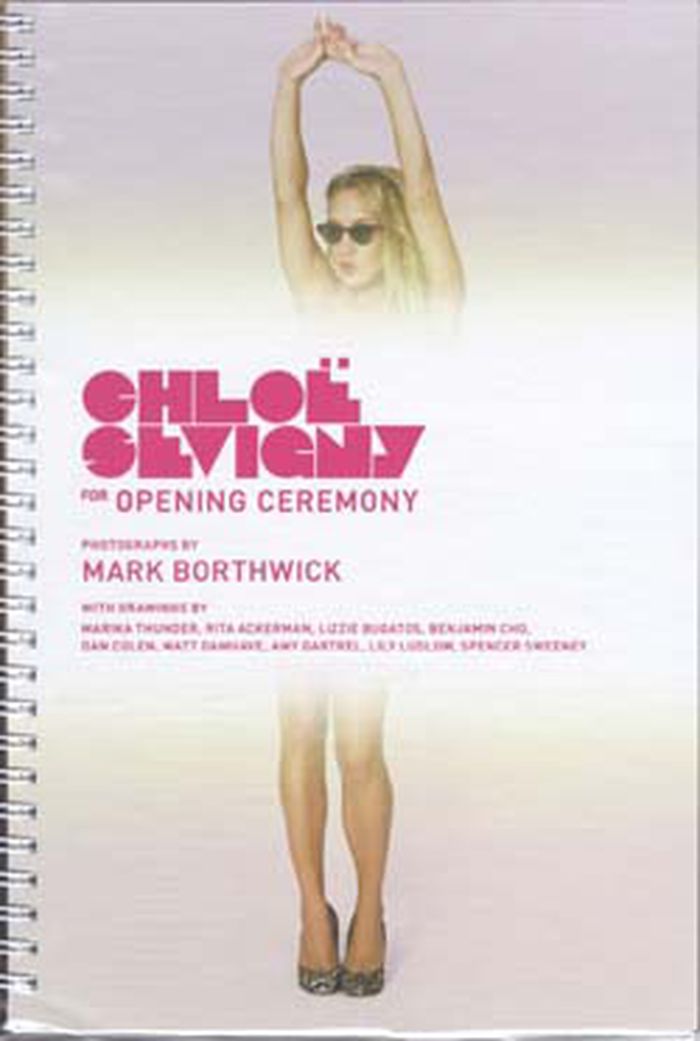
Now anybody can raid Chloe Sevigny's wardrobe! Re-inventing the looks of 1989 for 2008, Sevigny has designed her first collection for the discerning New York/Los Angeles boutique Opening Ceremony. It's a concise and carefully assembled collection, comprised of 40 pieces, and this volume presents each of them as photographed by Mark Borthwick, who first shot Sevigny for Purple magazine 10 years ago. The collection was inspired by the teen fashions of the late 80s and early 90s in Connecticut and New York, where Sevigny grew up, and further inflected by the looks of "women who are outrageous yet effortless--Liz Goldwyn, Cecilia Dean, Angelica Houston, Marlene Dietrich, Debbie Harry, Poison Ivy, Slim Keith, Patti Smith." In Sevigny's vision, calico and Liberty prints might be matched with gingham check trousers--each piece evokes a look but can be combined to many ends. In this mix-and-match volume, in which each page is split into two separately flippable sections, Sevigny models each ensemble with a minimum of fuss, allowing the clothes to speak for themselves. Borthwick's ethereal photographs are complemented with drawings by Marika Thunder, Rita Ackerman, Lizzie Bougatsos, Benjamin Cho, Dan Colen, Matt Damhave, Amy Gartrel, Lily Ludlow and Spencer Sweeney.
Chloe Sevigny for opening ceremony
Actions:
Price:
$68.00
(available to order)
Summary:
Now anybody can raid Chloe Sevigny's wardrobe! Re-inventing the looks of 1989 for 2008, Sevigny has designed her first collection for the discerning New York/Los Angeles boutique Opening Ceremony. It's a concise and carefully assembled collection, comprised of 40 pieces, and this volume presents each of them as photographed by Mark Borthwick, who first shot Sevigny for Purple magazine 10 years ago. The collection was inspired by the teen fashions of the late 80s and early 90s in Connecticut and New York, where Sevigny grew up, and further inflected by the looks of "women who are outrageous yet effortless--Liz Goldwyn, Cecilia Dean, Angelica Houston, Marlene Dietrich, Debbie Harry, Poison Ivy, Slim Keith, Patti Smith." In Sevigny's vision, calico and Liberty prints might be matched with gingham check trousers--each piece evokes a look but can be combined to many ends. In this mix-and-match volume, in which each page is split into two separately flippable sections, Sevigny models each ensemble with a minimum of fuss, allowing the clothes to speak for themselves. Borthwick's ethereal photographs are complemented with drawings by Marika Thunder, Rita Ackerman, Lizzie Bougatsos, Benjamin Cho, Dan Colen, Matt Damhave, Amy Gartrel, Lily Ludlow and Spencer Sweeney.
Form:
books
books
Publication:
July 2008
July 2008
Subject:
Fashion Design
Fashion Design
Form:
books
books
Actions:
Price:
$52.00
(available to order)
Summary:
This definitive study and essential guide to the 1980s Jamaican Dancehall scene features hundreds of exclusive photographs with accompanying text, interviews and biographies. The book captures a vibrant, globally influential and yet rarely documented culture that has been mixing music, fashion and lifestyle with aplomb since its inception.
$52.00
(available to order)
Summary:
This definitive study and essential guide to the 1980s Jamaican Dancehall scene features hundreds of exclusive photographs with accompanying text, interviews and biographies. The book captures a vibrant, globally influential and yet rarely documented culture that has been mixing music, fashion and lifestyle with aplomb since its inception.
Title:
Dancehall: the rise of Jamaican dancehall culture
Actions:
Price:
$52.00
(available to order)
Summary:
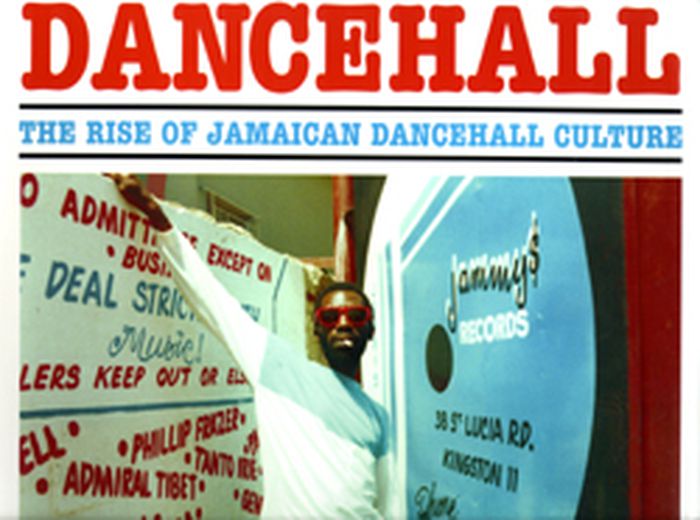
This definitive study and essential guide to the 1980s Jamaican Dancehall scene features hundreds of exclusive photographs with accompanying text, interviews and biographies. The book captures a vibrant, globally influential and yet rarely documented culture that has been mixing music, fashion and lifestyle with aplomb since its inception.
Dancehall: the rise of Jamaican dancehall culture
Actions:
Price:
$52.00
(available to order)
Summary:
This definitive study and essential guide to the 1980s Jamaican Dancehall scene features hundreds of exclusive photographs with accompanying text, interviews and biographies. The book captures a vibrant, globally influential and yet rarely documented culture that has been mixing music, fashion and lifestyle with aplomb since its inception.
Form:
books
books
Publication:
October 2008, London
October 2008, London
Subject:
Fashion Design
Fashion Design
Form:
books
books
Title:
Best company
Best company
Actions:
Price:
$40.95
(available in store)
Summary:
Perfect definition of a fox. Including an interview with Olmes Carretti by Vier5,texts by Alec Lobrano, Manuela Cassarà, and Franca Miele, as well as an extensive index of texts, shirts, drawings, embroidery patterns, patterns, and short introductionary texts on logo, labels, drawings, embroidery, textiles
$40.95
(available in store)
Summary:
Perfect definition of a fox. Including an interview with Olmes Carretti by Vier5,texts by Alec Lobrano, Manuela Cassarà, and Franca Miele, as well as an extensive index of texts, shirts, drawings, embroidery patterns, patterns, and short introductionary texts on logo, labels, drawings, embroidery, textiles
Title:
Best company
Actions:
Price:
$40.95
(available in store)
Summary:
Perfect definition of a fox. Including an interview with Olmes Carretti by Vier5,texts by Alec Lobrano, Manuela Cassarà, and Franca Miele, as well as an extensive index of texts, shirts, drawings, embroidery patterns, patterns, and short introductionary texts on logo, labels, drawings, embroidery, textiles
Best company
Actions:
Price:
$40.95
(available in store)
Summary:
Perfect definition of a fox. Including an interview with Olmes Carretti by Vier5,texts by Alec Lobrano, Manuela Cassarà, and Franca Miele, as well as an extensive index of texts, shirts, drawings, embroidery patterns, patterns, and short introductionary texts on logo, labels, drawings, embroidery, textiles
Form:
books
books
Publication:
December 2008
December 2008
Subject:
Fashion Design
Fashion Design
Form:
books
books
Actions:
Price:
$62.00
(available to order)
Summary:
Far from passive containers or neutral fields where particular objects are to be desired, bought, and sold, department stores constitute spaces formative for both shopping behaviour and culture. In the constantly changing environment, in an interplay between retail strategies and responses to customer behaviour, a negotiation is going on of what and who is of importance,(...)
$62.00
(available to order)
Summary:
Far from passive containers or neutral fields where particular objects are to be desired, bought, and sold, department stores constitute spaces formative for both shopping behaviour and culture. In the constantly changing environment, in an interplay between retail strategies and responses to customer behaviour, a negotiation is going on of what and who is of importance,(...)
Title:
Structuring fashion: department stores as situating practice
Actions:
Price:
$62.00
(available to order)
Summary:
Far from passive containers or neutral fields where particular objects are to be desired, bought, and sold, department stores constitute spaces formative for both shopping behaviour and culture. In the constantly changing environment, in an interplay between retail strategies and responses to customer behaviour, a negotiation is going on of what and who is of importance, who is to be given exposure, and what needs to be hidden. As such, department stores form intricate examples of how shopping spaces are sites of negotiation of public culture, and of reproducing or creating norms and ideas in society. Inspired by the work of Baudrillard and Butler, Wigley, and Williamson, this book investigates how department stores work as situating structures, in which we not only find what we want, but what we should want, who we are, how our society is arranged, and our role in it - an investigation that challenges our understanding of architecture and planning as well as of society in general. Daniel Koch is a researcher and teacher at the School of Architecture, Royal Institute of Technology, Stockholm, Sweden. Structural Fashion is his doctoral dissertation that develops and improves the theories of his former work on spatial systems as producers of meaning, refocusing the main inquiry onto departement stores.
Structuring fashion: department stores as situating practice
Actions:
Price:
$62.00
(available to order)
Summary:
Far from passive containers or neutral fields where particular objects are to be desired, bought, and sold, department stores constitute spaces formative for both shopping behaviour and culture. In the constantly changing environment, in an interplay between retail strategies and responses to customer behaviour, a negotiation is going on of what and who is of importance, who is to be given exposure, and what needs to be hidden. As such, department stores form intricate examples of how shopping spaces are sites of negotiation of public culture, and of reproducing or creating norms and ideas in society. Inspired by the work of Baudrillard and Butler, Wigley, and Williamson, this book investigates how department stores work as situating structures, in which we not only find what we want, but what we should want, who we are, how our society is arranged, and our role in it - an investigation that challenges our understanding of architecture and planning as well as of society in general. Daniel Koch is a researcher and teacher at the School of Architecture, Royal Institute of Technology, Stockholm, Sweden. Structural Fashion is his doctoral dissertation that develops and improves the theories of his former work on spatial systems as producers of meaning, refocusing the main inquiry onto departement stores.
Form:
books
books
Publication:
January 1900, Stockholm
January 1900, Stockholm
Subject:
Fashion Design
Fashion Design
Form:
books
books
Title:
The rise of fashion
The rise of fashion
Actions:
Price:
$24.95
(available to order)
Summary:
In The Rise of Fashion, Daniel Leonhard Purdy brings together key writings from the Enlightenment to the twentieth century that explore fashion as the ultimate expression of modernity. Making available many previously untranslated or otherwise unfamiliar works from French, German, and English, Purdy establishes an extraordinary lineage of fashion commentary dating back to(...)
$24.95
(available to order)
Summary:
In The Rise of Fashion, Daniel Leonhard Purdy brings together key writings from the Enlightenment to the twentieth century that explore fashion as the ultimate expression of modernity. Making available many previously untranslated or otherwise unfamiliar works from French, German, and English, Purdy establishes an extraordinary lineage of fashion commentary dating back to(...)
Title:
The rise of fashion
Actions:
Price:
$24.95
(available to order)
Summary:
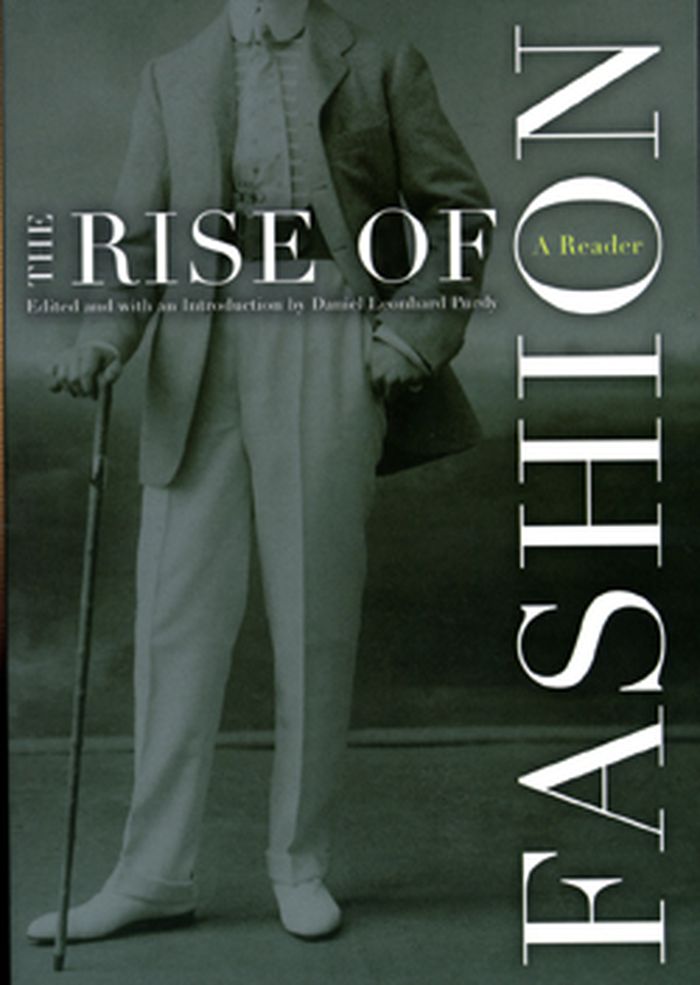
In The Rise of Fashion, Daniel Leonhard Purdy brings together key writings from the Enlightenment to the twentieth century that explore fashion as the ultimate expression of modernity. Making available many previously untranslated or otherwise unfamiliar works from French, German, and English, Purdy establishes an extraordinary lineage of fashion commentary dating back to Mandeville and Voltaire, which laid the groundwork for the writings on commodity culture of Adorno, Benjamin, and the Frankfurt School. From critiques of aristocratic excess to accounts of fashion’s influence on our ideals of masculinity or femininity, from the figure of the dandy and the eroticism of clothing to the class politics of fashion, this landmark reader includes works by philosophers (Carlyle, Rousseau, Georg Simmel) and social theorists (Herbert Spencer, Veblen), as well as writers (Goethe, Baudelaire, Mallarmé, Wilde) and critics (Karl Kraus, Adolf Loos, Simone de Beauvoir).
The rise of fashion
Actions:
Price:
$24.95
(available to order)
Summary:
In The Rise of Fashion, Daniel Leonhard Purdy brings together key writings from the Enlightenment to the twentieth century that explore fashion as the ultimate expression of modernity. Making available many previously untranslated or otherwise unfamiliar works from French, German, and English, Purdy establishes an extraordinary lineage of fashion commentary dating back to Mandeville and Voltaire, which laid the groundwork for the writings on commodity culture of Adorno, Benjamin, and the Frankfurt School. From critiques of aristocratic excess to accounts of fashion’s influence on our ideals of masculinity or femininity, from the figure of the dandy and the eroticism of clothing to the class politics of fashion, this landmark reader includes works by philosophers (Carlyle, Rousseau, Georg Simmel) and social theorists (Herbert Spencer, Veblen), as well as writers (Goethe, Baudelaire, Mallarmé, Wilde) and critics (Karl Kraus, Adolf Loos, Simone de Beauvoir).
Form:
books
books
Publication:
January 1900, Minneapolis London
January 1900, Minneapolis London
Subject:
Fashion Design
Fashion Design
Form:
books
books
Title:
The London Cut Savile Row
The London Cut Savile Row
Actions:
Price:
$24.95
(available to order)
Summary:
This book, written by James Sherwood, the first in English for twenty years, is a portrait of modern Savile Row, and contains detailed information on London's premier tailors, including images of Savile Row past and present. The book presents both the style and story of a street that continues to inspire fashion: Ralph Lauren, Gianni Versace, Calvin Klein, Tom Ford(...)
$24.95
(available to order)
Summary:
This book, written by James Sherwood, the first in English for twenty years, is a portrait of modern Savile Row, and contains detailed information on London's premier tailors, including images of Savile Row past and present. The book presents both the style and story of a street that continues to inspire fashion: Ralph Lauren, Gianni Versace, Calvin Klein, Tom Ford(...)
Title:
The London Cut Savile Row
Actions:
Price:
$24.95
(available to order)
Summary:
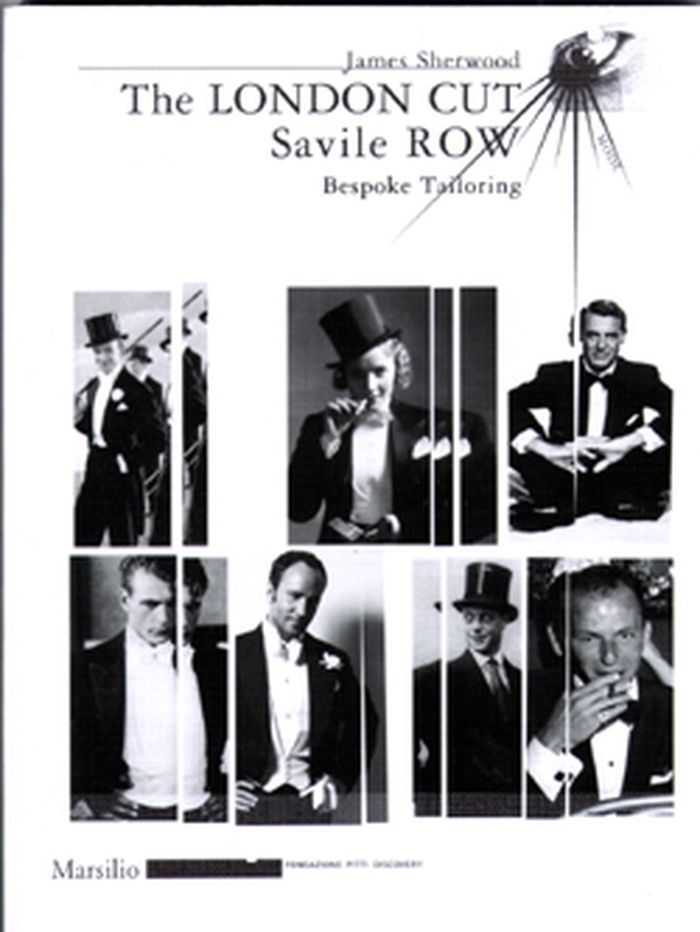
This book, written by James Sherwood, the first in English for twenty years, is a portrait of modern Savile Row, and contains detailed information on London's premier tailors, including images of Savile Row past and present. The book presents both the style and story of a street that continues to inspire fashion: Ralph Lauren, Gianni Versace, Calvin Klein, Tom Ford have all walked the Row while Stella McCartney and Alexander McQueen were trained here.
The London Cut Savile Row
Actions:
Price:
$24.95
(available to order)
Summary:
This book, written by James Sherwood, the first in English for twenty years, is a portrait of modern Savile Row, and contains detailed information on London's premier tailors, including images of Savile Row past and present. The book presents both the style and story of a street that continues to inspire fashion: Ralph Lauren, Gianni Versace, Calvin Klein, Tom Ford have all walked the Row while Stella McCartney and Alexander McQueen were trained here.
Form:
books
books
Publication:
January 2008, Venice
January 2008, Venice
Subject:
Fashion Design
Fashion Design
Form:
books
books
Actions:
Price:
$26.95
(available to order)
Summary:
Forget makeover culture, forget slavishly following fashion diva dictates, forget your insecurities—forget everything you’ve ever read in fashion magazines! This guide shows you that the secret to finding your inherent natural style is to have fun and be inspired. Kira Jolliffe and Bay Garnett, clothing aficionados and editors of Britain’s hit Cheap Date magazine, show(...)
$26.95
(available to order)
Summary:
Forget makeover culture, forget slavishly following fashion diva dictates, forget your insecurities—forget everything you’ve ever read in fashion magazines! This guide shows you that the secret to finding your inherent natural style is to have fun and be inspired. Kira Jolliffe and Bay Garnett, clothing aficionados and editors of Britain’s hit Cheap Date magazine, show(...)
Title:
The cheap date guide to style
Actions:
Price:
$26.95
(available to order)
Summary:
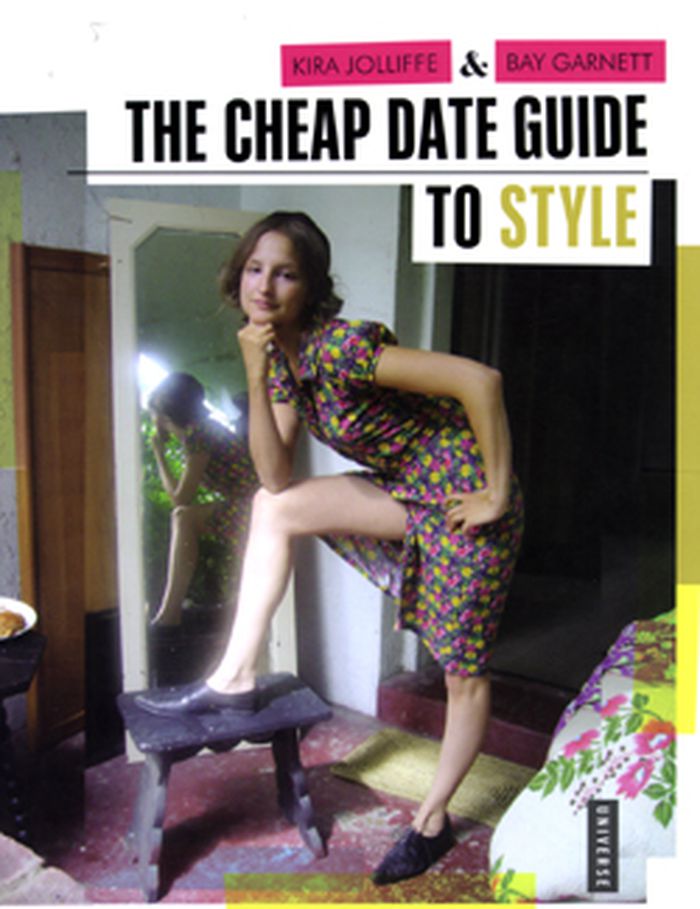
Forget makeover culture, forget slavishly following fashion diva dictates, forget your insecurities—forget everything you’ve ever read in fashion magazines! This guide shows you that the secret to finding your inherent natural style is to have fun and be inspired. Kira Jolliffe and Bay Garnett, clothing aficionados and editors of Britain’s hit Cheap Date magazine, show you how to build your style without going broke, going mad, or coming out looking like everyone else. Included are chapters on developing your own sense of style, the art of accessorizing, and crafting a cool wardrobe from a mix of cheap basics and chic secondhand finds. Because "to be stylish, you need to be into clothes, and if you’re into clothes, you’re into finding them," the CD girls share their time-tested strategies for thrifting, including how to identify prized finds. For further inspiration, throughout the book there are interviews with some of the world’s most stylish women, including Mischa Barton, Rachel Weisz, and Chloë Sevigny. Following the age-old mantra "the rules are—there are no rules," this sophisticated yet scrappy guide will refresh and reinvigorate both you and your wardrobe.
The cheap date guide to style
Actions:
Price:
$26.95
(available to order)
Summary:
Forget makeover culture, forget slavishly following fashion diva dictates, forget your insecurities—forget everything you’ve ever read in fashion magazines! This guide shows you that the secret to finding your inherent natural style is to have fun and be inspired. Kira Jolliffe and Bay Garnett, clothing aficionados and editors of Britain’s hit Cheap Date magazine, show you how to build your style without going broke, going mad, or coming out looking like everyone else. Included are chapters on developing your own sense of style, the art of accessorizing, and crafting a cool wardrobe from a mix of cheap basics and chic secondhand finds. Because "to be stylish, you need to be into clothes, and if you’re into clothes, you’re into finding them," the CD girls share their time-tested strategies for thrifting, including how to identify prized finds. For further inspiration, throughout the book there are interviews with some of the world’s most stylish women, including Mischa Barton, Rachel Weisz, and Chloë Sevigny. Following the age-old mantra "the rules are—there are no rules," this sophisticated yet scrappy guide will refresh and reinvigorate both you and your wardrobe.
Form:
books
books
Publication:
April 2008, London
April 2008, London
Subject:
Fashion Design
Fashion Design


