


878 Results
Form:
books
books

Title:
S'indigner, oui, mais agir
S'indigner, oui, mais agir
Actions:
Price:
$10.00
(available in store)
Summary:
Fidèle à ses idéaux, Serge Mongeau poursuit sa défense du bien commun dans ce nouvel opus qui peut être lu comme son «testament politique». Fustigeant toujours les inégalités sociales, l’absence de véritable démocratie et l’indifférence face à la crise écologique, ce militant de longue date pose une question toute simple: pourquoi ne pas commencer dès maintenant à vivre(...)
$10.00
(available in store)
Summary:
Fidèle à ses idéaux, Serge Mongeau poursuit sa défense du bien commun dans ce nouvel opus qui peut être lu comme son «testament politique». Fustigeant toujours les inégalités sociales, l’absence de véritable démocratie et l’indifférence face à la crise écologique, ce militant de longue date pose une question toute simple: pourquoi ne pas commencer dès maintenant à vivre(...)
Title:
S'indigner, oui, mais agir
Actions:
Price:
$10.00
(available in store)
Summary:
Fidèle à ses idéaux, Serge Mongeau poursuit sa défense du bien commun dans ce nouvel opus qui peut être lu comme son «testament politique». Fustigeant toujours les inégalités sociales, l’absence de véritable démocratie et l’indifférence face à la crise écologique, ce militant de longue date pose une question toute simple: pourquoi ne pas commencer dès maintenant à vivre en adéquation avec les valeurs que nous défendons?
S'indigner, oui, mais agir
Actions:
Price:
$10.00
(available in store)
Summary:
Fidèle à ses idéaux, Serge Mongeau poursuit sa défense du bien commun dans ce nouvel opus qui peut être lu comme son «testament politique». Fustigeant toujours les inégalités sociales, l’absence de véritable démocratie et l’indifférence face à la crise écologique, ce militant de longue date pose une question toute simple: pourquoi ne pas commencer dès maintenant à vivre en adéquation avec les valeurs que nous défendons?
Form:
books
books
Publication:
April 2014
April 2014
Subject:
Critical Theory
Critical Theory
Form:
books
books
Title:
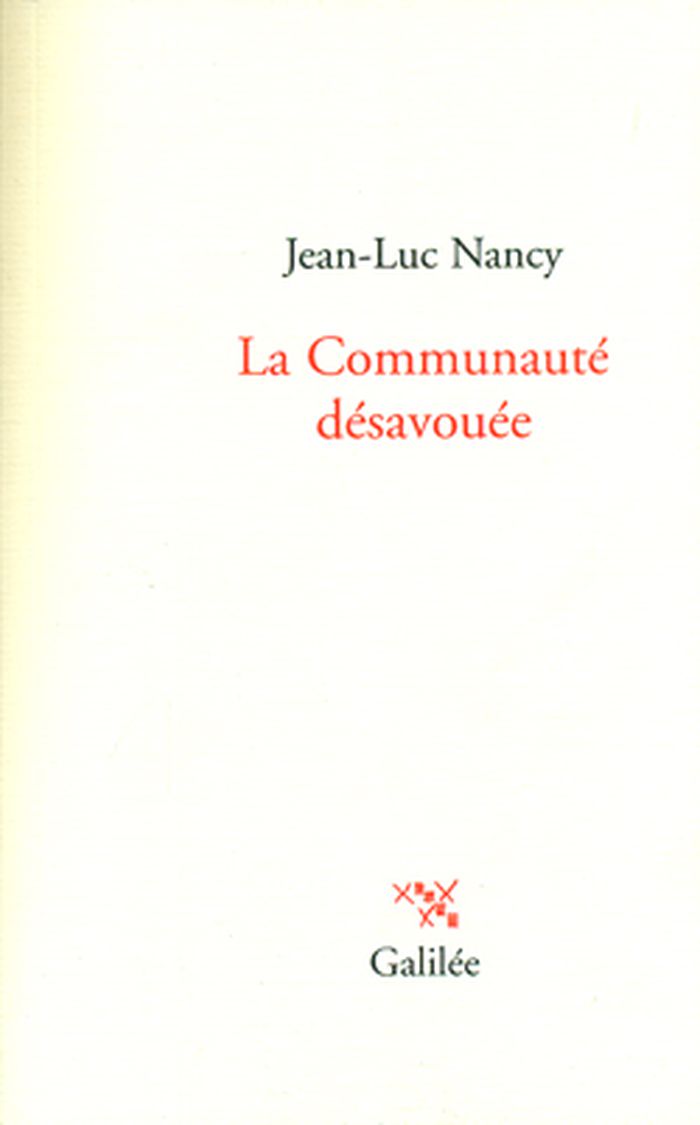
La communauté désavouée
La communauté désavouée
Actions:
Price:
$39.95
(available to order)
Summary:
La Communauté inavouable, livre par lequel Maurice Blanchot répondit en 1983 à mon article "La Communauté désoeuvrée", est resté un titre célèbre, un repère souvent évoqué ou invoqué. Mais le contenu du livre n'a pas été scruté avec l'attention qu'il aurait dû susciter. J'ai mis longtemps moi-même à passer outre l'intimidation et à affronter les arcanes d'un texte(...)
$39.95
(available to order)
Summary:
La Communauté inavouable, livre par lequel Maurice Blanchot répondit en 1983 à mon article "La Communauté désoeuvrée", est resté un titre célèbre, un repère souvent évoqué ou invoqué. Mais le contenu du livre n'a pas été scruté avec l'attention qu'il aurait dû susciter. J'ai mis longtemps moi-même à passer outre l'intimidation et à affronter les arcanes d'un texte(...)
Title:
La communauté désavouée
Actions:
Price:
$39.95
(available to order)
Summary:
La Communauté inavouable, livre par lequel Maurice Blanchot répondit en 1983 à mon article "La Communauté désoeuvrée", est resté un titre célèbre, un repère souvent évoqué ou invoqué. Mais le contenu du livre n'a pas été scruté avec l'attention qu'il aurait dû susciter. J'ai mis longtemps moi-même à passer outre l'intimidation et à affronter les arcanes d'un texte soigneusement protégé et presque dérobé. Blanchot ne tentait pas seulement de s'y expliquer en renouant les fils de passés plus ou moins éloignés - 1968, 1936 -, mais il s'efforçait de pénétrer le coeur très obscurci de ce qu'on pouvait ou non nommer "communauté", au-delà ou en-deçà de toute institution socio-politique, se voulût-elle "communiste" ou se donnât-elle la référence d'une "Loi" sublime. Il se risquait en fait à esquisser un mythe capable de fonder une communauté sur le désaveu de toute fondation commune. Il s'exposait ainsi à une discussion que je m'efforce d'ouvrir, autour d'une aporie avec laquelle nous ne sommes pas quittes et qui se nomme ici "le coeur ou la loi". (Jean-Luc Nancy)
La communauté désavouée
Actions:
Price:
$39.95
(available to order)
Summary:
La Communauté inavouable, livre par lequel Maurice Blanchot répondit en 1983 à mon article "La Communauté désoeuvrée", est resté un titre célèbre, un repère souvent évoqué ou invoqué. Mais le contenu du livre n'a pas été scruté avec l'attention qu'il aurait dû susciter. J'ai mis longtemps moi-même à passer outre l'intimidation et à affronter les arcanes d'un texte soigneusement protégé et presque dérobé. Blanchot ne tentait pas seulement de s'y expliquer en renouant les fils de passés plus ou moins éloignés - 1968, 1936 -, mais il s'efforçait de pénétrer le coeur très obscurci de ce qu'on pouvait ou non nommer "communauté", au-delà ou en-deçà de toute institution socio-politique, se voulût-elle "communiste" ou se donnât-elle la référence d'une "Loi" sublime. Il se risquait en fait à esquisser un mythe capable de fonder une communauté sur le désaveu de toute fondation commune. Il s'exposait ainsi à une discussion que je m'efforce d'ouvrir, autour d'une aporie avec laquelle nous ne sommes pas quittes et qui se nomme ici "le coeur ou la loi". (Jean-Luc Nancy)
Form:
books
books
Publication:
April 2014
April 2014
Subject:
Critical Theory
Critical Theory
Form:
books
books

Title:
Robert Walser : microscripts
Robert Walser : microscripts
Actions:
Price:
$26.50
(available to order)
Summary:
Robert Walser wrote many of his manuscripts in a highly enigmatic, shrunken-down form. These narrow strips of paper (many of them written during his hospitalization in the Waldau sanatorium) covered with tiny ant-like markings only a millimeter or two high, came to light only after the author's death in 1956. At first considered a secret code, the microscripts were(...)
$26.50
(available to order)
Summary:
Robert Walser wrote many of his manuscripts in a highly enigmatic, shrunken-down form. These narrow strips of paper (many of them written during his hospitalization in the Waldau sanatorium) covered with tiny ant-like markings only a millimeter or two high, came to light only after the author's death in 1956. At first considered a secret code, the microscripts were(...)
Title:
Robert Walser : microscripts
Actions:
Price:
$26.50
(available to order)
Summary:
Robert Walser wrote many of his manuscripts in a highly enigmatic, shrunken-down form. These narrow strips of paper (many of them written during his hospitalization in the Waldau sanatorium) covered with tiny ant-like markings only a millimeter or two high, came to light only after the author's death in 1956. At first considered a secret code, the microscripts were eventually discovered to be a radically miniaturized form of a Germanic script: a whole story could fit on the back of a business card. Schnapps, rotten husbands, small town life, the radio, pigs (and how none of us can deny being one), jealousy, Van Gogh and marriage proposals are some of Walser's subjects. These texts take strength from Walser's motto: "To be small and to stay small."
Robert Walser : microscripts
Actions:
Price:
$26.50
(available to order)
Summary:
Robert Walser wrote many of his manuscripts in a highly enigmatic, shrunken-down form. These narrow strips of paper (many of them written during his hospitalization in the Waldau sanatorium) covered with tiny ant-like markings only a millimeter or two high, came to light only after the author's death in 1956. At first considered a secret code, the microscripts were eventually discovered to be a radically miniaturized form of a Germanic script: a whole story could fit on the back of a business card. Schnapps, rotten husbands, small town life, the radio, pigs (and how none of us can deny being one), jealousy, Van Gogh and marriage proposals are some of Walser's subjects. These texts take strength from Walser's motto: "To be small and to stay small."
Form:
books
books
Publication:
May 2012
May 2012
Subject:
Critical Theory
Critical Theory
Form:
books
books
Actions:
Price:
$65.00
(available to order)
Summary:
En dégageant une éthique de la connaissance et une autre de la création poétique, Bachelard dévoile une double dimension éthique, l'une plutôt marquée par la tradition chrétienne et kantienne, l'autre plutôt par un eudémonisme aristotélicien. Faut-il voir dans ce double discours éthique une contradiction, une incohérence, une négligence ? Ou ne pourrait-on pas, de manière(...)
$65.00
(available to order)
Summary:
En dégageant une éthique de la connaissance et une autre de la création poétique, Bachelard dévoile une double dimension éthique, l'une plutôt marquée par la tradition chrétienne et kantienne, l'autre plutôt par un eudémonisme aristotélicien. Faut-il voir dans ce double discours éthique une contradiction, une incohérence, une négligence ? Ou ne pourrait-on pas, de manière(...)
Title:
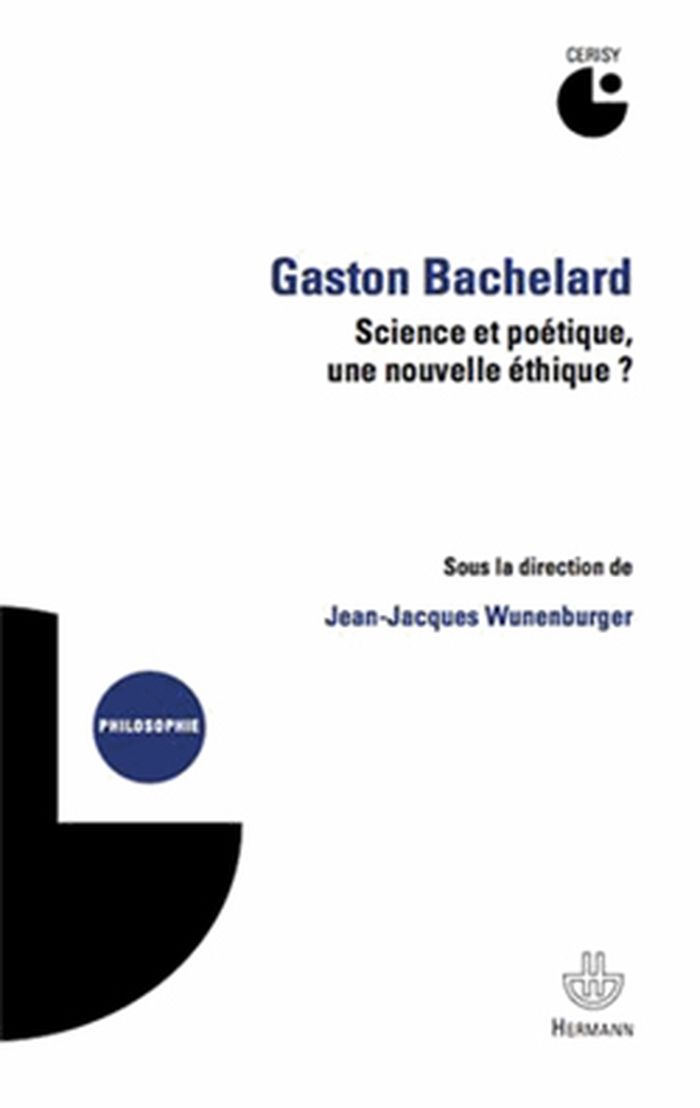
Gaston Bachelard. Science et poétique, une nouvelle éthique?
Actions:
Price:
$65.00
(available to order)
Summary:
En dégageant une éthique de la connaissance et une autre de la création poétique, Bachelard dévoile une double dimension éthique, l'une plutôt marquée par la tradition chrétienne et kantienne, l'autre plutôt par un eudémonisme aristotélicien. Faut-il voir dans ce double discours éthique une contradiction, une incohérence, une négligence ? Ou ne pourrait-on pas, de manière inattendue, conclure que pour Bachelard l'homme est double jusque dans sa vie morale ? Contre l'éthique unidimensionnelle classique, Bachelard plaiderait donc pour une éthique plurielle. Jamais un philosophe n'avait osé s'aventurer dans pareille direction, et nous n'avons pas fini de méditer cette double racine morale de l'homme, et les conséquences théoriques et pratiques de cette proposition singulière.
Gaston Bachelard. Science et poétique, une nouvelle éthique?
Actions:
Price:
$65.00
(available to order)
Summary:
En dégageant une éthique de la connaissance et une autre de la création poétique, Bachelard dévoile une double dimension éthique, l'une plutôt marquée par la tradition chrétienne et kantienne, l'autre plutôt par un eudémonisme aristotélicien. Faut-il voir dans ce double discours éthique une contradiction, une incohérence, une négligence ? Ou ne pourrait-on pas, de manière inattendue, conclure que pour Bachelard l'homme est double jusque dans sa vie morale ? Contre l'éthique unidimensionnelle classique, Bachelard plaiderait donc pour une éthique plurielle. Jamais un philosophe n'avait osé s'aventurer dans pareille direction, et nous n'avons pas fini de méditer cette double racine morale de l'homme, et les conséquences théoriques et pratiques de cette proposition singulière.
Form:
books
books
Publication:
June 2014
June 2014
Subject:
Critical Theory
Critical Theory
Form:
books
books
Actions:
Price:
$33.95
(available to order)
Summary:
Knowing where things are seems effortless. Yet our brains devote tremendous computational power to figuring out the simplest details about spatial relationships. Going to the grocery store or finding our cell phone requires sleuthing and coordination across different sensory and motor domains. Making Space traces this mental detective work to explain how the brain creates(...)
$33.95
(available to order)
Summary:
Knowing where things are seems effortless. Yet our brains devote tremendous computational power to figuring out the simplest details about spatial relationships. Going to the grocery store or finding our cell phone requires sleuthing and coordination across different sensory and motor domains. Making Space traces this mental detective work to explain how the brain creates(...)
Title:
Making space: how the brain knows where things are
Actions:
Price:
$33.95
(available to order)
Summary:
Knowing where things are seems effortless. Yet our brains devote tremendous computational power to figuring out the simplest details about spatial relationships. Going to the grocery store or finding our cell phone requires sleuthing and coordination across different sensory and motor domains. Making Space traces this mental detective work to explain how the brain creates our sense of location. But it goes further, to make the case that spatial processing permeates all our cognitive abilities, and that the brain’s systems for thinking about space may be the systems of thought itself.
Making space: how the brain knows where things are
Actions:
Price:
$33.95
(available to order)
Summary:
Knowing where things are seems effortless. Yet our brains devote tremendous computational power to figuring out the simplest details about spatial relationships. Going to the grocery store or finding our cell phone requires sleuthing and coordination across different sensory and motor domains. Making Space traces this mental detective work to explain how the brain creates our sense of location. But it goes further, to make the case that spatial processing permeates all our cognitive abilities, and that the brain’s systems for thinking about space may be the systems of thought itself.
Form:
books
books
Publication:
November 2014
November 2014
Subject:
Critical Theory
Critical Theory
Form:
books
books
Actions:
Price:
$48.95
(available in store)
Summary:
German writer, critic, and theorist Paul Scheerbart (1863–1915) died nearly a century ago, but his influence is still being felt today. Considered by some a mad eccentric and by others a visionary political thinker in his own time, he is now experiencing a revival thanks to a new generation of scholars who are rightfully situating him in the modernist pantheon. Glass!(...)
$48.95
(available in store)
Summary:
German writer, critic, and theorist Paul Scheerbart (1863–1915) died nearly a century ago, but his influence is still being felt today. Considered by some a mad eccentric and by others a visionary political thinker in his own time, he is now experiencing a revival thanks to a new generation of scholars who are rightfully situating him in the modernist pantheon. Glass!(...)
Subject:
Critical Theory
Critical Theory
Publication:
October 2014
October 2014
Title:
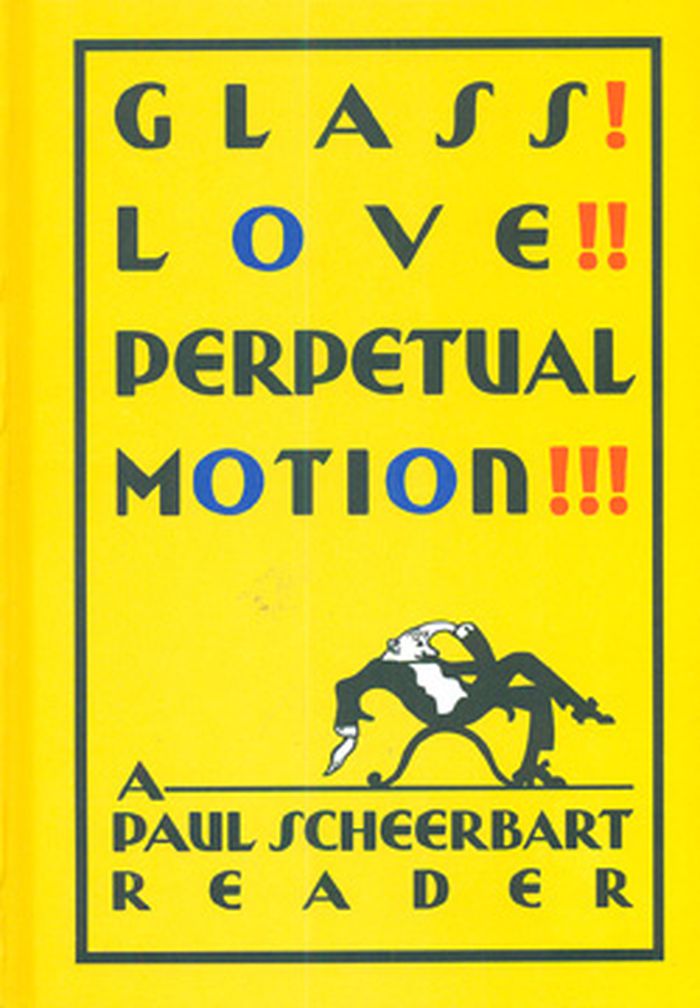
Glass! Love!! Perpetual motion!!! A Paul Scheerbart reader
Actions:
Price:
$48.95
(available in store)
Summary:
German writer, critic, and theorist Paul Scheerbart (1863–1915) died nearly a century ago, but his influence is still being felt today. Considered by some a mad eccentric and by others a visionary political thinker in his own time, he is now experiencing a revival thanks to a new generation of scholars who are rightfully situating him in the modernist pantheon. Glass! Love!! Perpetual Motion!!! is the first collection of Scheerbart’s multifarious writings to be published in English.
Glass! Love!! Perpetual motion!!! A Paul Scheerbart reader
Actions:
Price:
$48.95
(available in store)
Summary:
German writer, critic, and theorist Paul Scheerbart (1863–1915) died nearly a century ago, but his influence is still being felt today. Considered by some a mad eccentric and by others a visionary political thinker in his own time, he is now experiencing a revival thanks to a new generation of scholars who are rightfully situating him in the modernist pantheon. Glass! Love!! Perpetual Motion!!! is the first collection of Scheerbart’s multifarious writings to be published in English.
Form:
books
books
Publication:
October 2014
October 2014
Subject:
Critical Theory
Critical Theory
Form:
books
books
Actions:
Price:
$42.00
(available to order)
Summary:
In The Hoarders, Scott Herring provides an in-depth examination of how modern hoarders came into being, from their onset in the late 1930s to the present day. He finds that both the idea of organization and the role of the clutterologist are deeply ingrained in our culture, and that there is a fine line between clutter and deviance in America. Herring introduces us to(...)
$42.00
(available to order)
Summary:
In The Hoarders, Scott Herring provides an in-depth examination of how modern hoarders came into being, from their onset in the late 1930s to the present day. He finds that both the idea of organization and the role of the clutterologist are deeply ingrained in our culture, and that there is a fine line between clutter and deviance in America. Herring introduces us to(...)
Title:
The hoarders : material deviance in Modern American cutlure
Actions:
Price:
$42.00
(available to order)
Summary:
In The Hoarders, Scott Herring provides an in-depth examination of how modern hoarders came into being, from their onset in the late 1930s to the present day. He finds that both the idea of organization and the role of the clutterologist are deeply ingrained in our culture, and that there is a fine line between clutter and deviance in America. Herring introduces us to Jill, whose countertops are piled high with decaying food and whose cabinets are overrun with purchases, while the fly strips hanging from her ceiling are arguably more fly than strip. When Jill spots a decomposing pumpkin about to be jettisoned, she stops, seeing in the rotting, squalid vegetable a special treasure. “I’ve never seen one quite like this before,” she says, and looks to see if any seeds remain. It is from moments like these that Herring builds his questions: What counts as an acceptable material life—and who decides? Is hoarding some sort of inherent deviation of the mind, or a recent historical phenomenon grounded in changing material cultures? Herring opts for the latter, explaining that hoarders attract attention not because they are mentally ill but because they challenge normal modes of material relations.
The hoarders : material deviance in Modern American cutlure
Actions:
Price:
$42.00
(available to order)
Summary:
In The Hoarders, Scott Herring provides an in-depth examination of how modern hoarders came into being, from their onset in the late 1930s to the present day. He finds that both the idea of organization and the role of the clutterologist are deeply ingrained in our culture, and that there is a fine line between clutter and deviance in America. Herring introduces us to Jill, whose countertops are piled high with decaying food and whose cabinets are overrun with purchases, while the fly strips hanging from her ceiling are arguably more fly than strip. When Jill spots a decomposing pumpkin about to be jettisoned, she stops, seeing in the rotting, squalid vegetable a special treasure. “I’ve never seen one quite like this before,” she says, and looks to see if any seeds remain. It is from moments like these that Herring builds his questions: What counts as an acceptable material life—and who decides? Is hoarding some sort of inherent deviation of the mind, or a recent historical phenomenon grounded in changing material cultures? Herring opts for the latter, explaining that hoarders attract attention not because they are mentally ill but because they challenge normal modes of material relations.
Form:
books
books
Publication:
September 2014
September 2014
Subject:
Critical Theory
Critical Theory
Form:
books
books
Title:
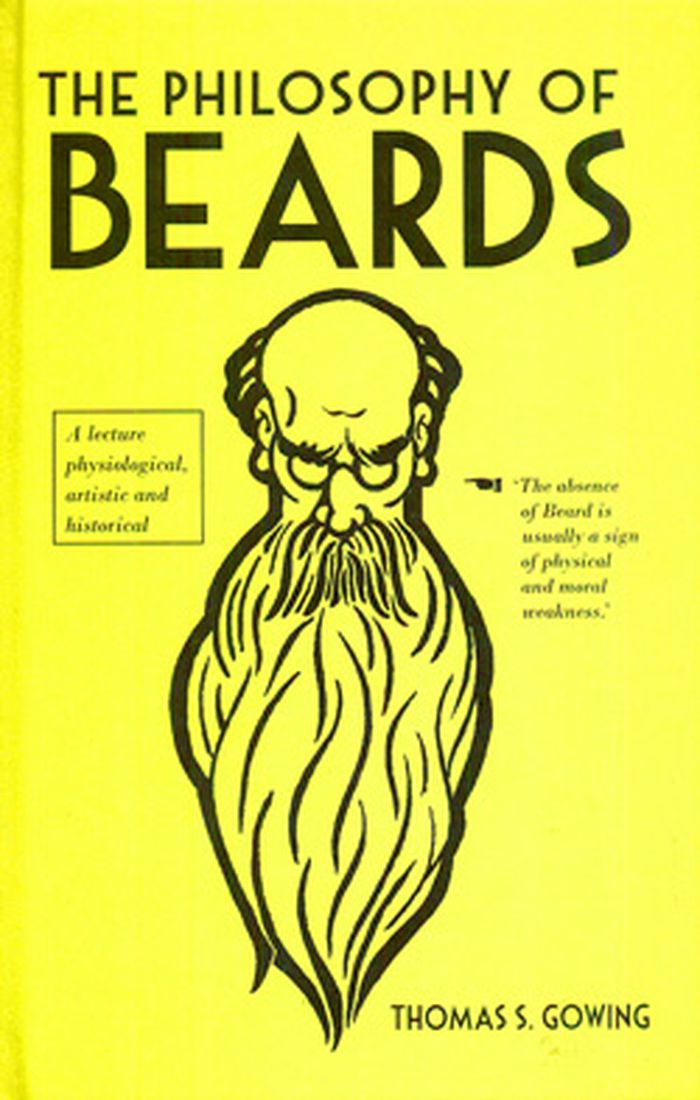
The philosophy of beards
The philosophy of beards
Actions:
Price:
$13.50
(available to order)
Summary:
Reminding us that since ancient times the beard has been an essential symbol of manly distinction, Thomas S. Gowing presents a moral case for eschewing the bitter bite of the razor. He contrasts the vigor and daring of the bearded—say, lumberjacks and Lincoln—with the undeniable effeminacy of the shaven.
$13.50
(available to order)
Summary:
Reminding us that since ancient times the beard has been an essential symbol of manly distinction, Thomas S. Gowing presents a moral case for eschewing the bitter bite of the razor. He contrasts the vigor and daring of the bearded—say, lumberjacks and Lincoln—with the undeniable effeminacy of the shaven.
Title:
The philosophy of beards
Actions:
Price:
$13.50
(available to order)
Summary:
Reminding us that since ancient times the beard has been an essential symbol of manly distinction, Thomas S. Gowing presents a moral case for eschewing the bitter bite of the razor. He contrasts the vigor and daring of the bearded—say, lumberjacks and Lincoln—with the undeniable effeminacy of the shaven.
The philosophy of beards
Actions:
Price:
$13.50
(available to order)
Summary:
Reminding us that since ancient times the beard has been an essential symbol of manly distinction, Thomas S. Gowing presents a moral case for eschewing the bitter bite of the razor. He contrasts the vigor and daring of the bearded—say, lumberjacks and Lincoln—with the undeniable effeminacy of the shaven.
Form:
books
books
Publication:
November 2014
November 2014
Subject:
Critical Theory
Critical Theory
Form:
books
books
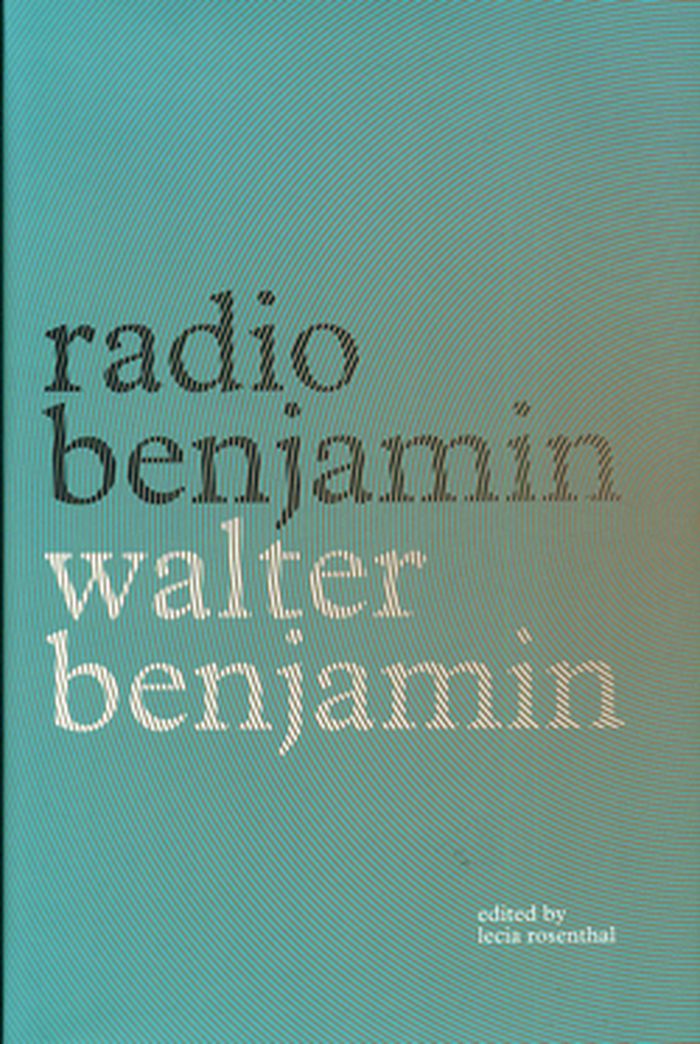
Title:
Radio Benjamin
Radio Benjamin
Actions:
Price:
$35.00
(available to order)
Summary:
Walter Benjamin was fascinated by the impact of new technology on culture, an interest that extended beyond his renowned critical essays. From 1927 to ’33, he wrote and presented something in the region of eighty broadcasts using the new medium of radio. Radio Benjamin gathers the surviving transcripts, which appear here for the first time in English. This eclectic(...)
$35.00
(available to order)
Summary:
Walter Benjamin was fascinated by the impact of new technology on culture, an interest that extended beyond his renowned critical essays. From 1927 to ’33, he wrote and presented something in the region of eighty broadcasts using the new medium of radio. Radio Benjamin gathers the surviving transcripts, which appear here for the first time in English. This eclectic(...)
Title:
Radio Benjamin
Actions:
Price:
$35.00
(available to order)
Summary:
Walter Benjamin was fascinated by the impact of new technology on culture, an interest that extended beyond his renowned critical essays. From 1927 to ’33, he wrote and presented something in the region of eighty broadcasts using the new medium of radio. Radio Benjamin gathers the surviving transcripts, which appear here for the first time in English. This eclectic collection demonstrates the range of Benjamin’s thinking and his enthusiasm for popular sensibilities.
Radio Benjamin
Actions:
Price:
$35.00
(available to order)
Summary:
Walter Benjamin was fascinated by the impact of new technology on culture, an interest that extended beyond his renowned critical essays. From 1927 to ’33, he wrote and presented something in the region of eighty broadcasts using the new medium of radio. Radio Benjamin gathers the surviving transcripts, which appear here for the first time in English. This eclectic collection demonstrates the range of Benjamin’s thinking and his enthusiasm for popular sensibilities.
Form:
books
books
Publication:
November 2014
November 2014
Subject:
Critical Theory
Critical Theory
Form:
books
books
Price:
$41.00
(available to order)
Summary:
High modernism is now as far from us as antiquity was for the Renaissance. Such is the premise of Fredric Jameson’s major new work in which modernist works, this time in painting (Rubens) and music (Wagner and Mahler), are pitted against late-modernist ones (in film) as well as a variety of postmodern experiments (from SF to The Wire, from “Eurotrash” in opera to Altman(...)
$41.00
(available to order)
Summary:
High modernism is now as far from us as antiquity was for the Renaissance. Such is the premise of Fredric Jameson’s major new work in which modernist works, this time in painting (Rubens) and music (Wagner and Mahler), are pitted against late-modernist ones (in film) as well as a variety of postmodern experiments (from SF to The Wire, from “Eurotrash” in opera to Altman(...)
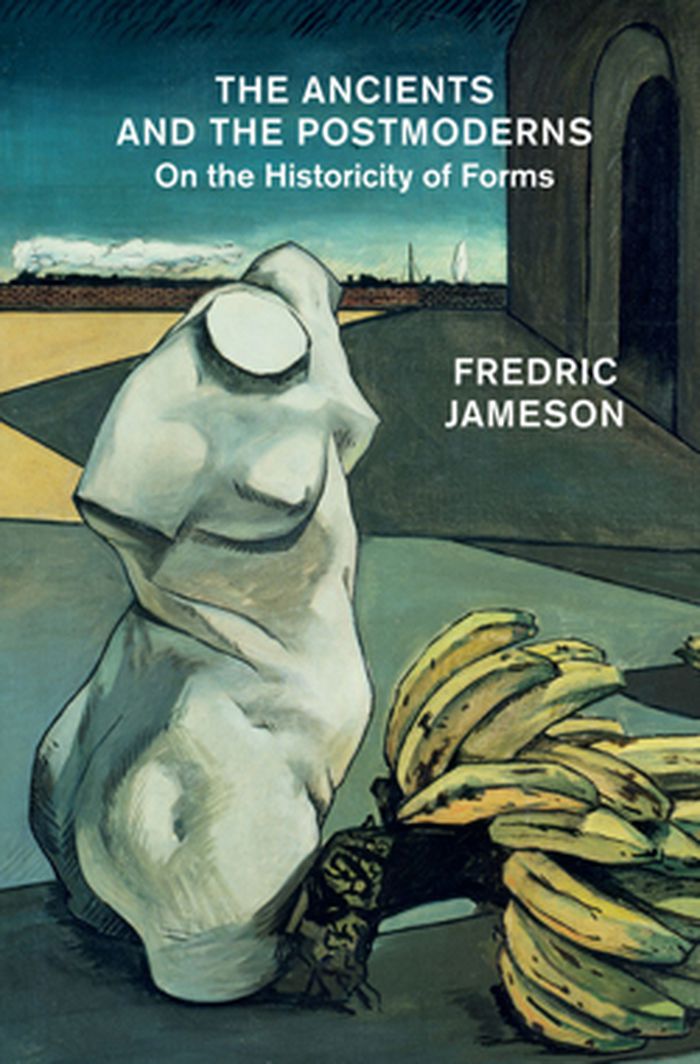
Title:
The ancients and the postmoderns: on the historicity of forms
Actions:
Price:
$41.00
(available to order)
Summary:
High modernism is now as far from us as antiquity was for the Renaissance. Such is the premise of Fredric Jameson’s major new work in which modernist works, this time in painting (Rubens) and music (Wagner and Mahler), are pitted against late-modernist ones (in film) as well as a variety of postmodern experiments (from SF to The Wire, from “Eurotrash” in opera to Altman and East German literature): all of which attempt, in their different ways, to invent new forms to grasp a specific social totality. Throughout the historical periods, argues Jameson, the question of narrative persists through its multiple formal changes and metamorphoses
The ancients and the postmoderns: on the historicity of forms
Actions:
Price:
$41.00
(available to order)
Summary:
High modernism is now as far from us as antiquity was for the Renaissance. Such is the premise of Fredric Jameson’s major new work in which modernist works, this time in painting (Rubens) and music (Wagner and Mahler), are pitted against late-modernist ones (in film) as well as a variety of postmodern experiments (from SF to The Wire, from “Eurotrash” in opera to Altman and East German literature): all of which attempt, in their different ways, to invent new forms to grasp a specific social totality. Throughout the historical periods, argues Jameson, the question of narrative persists through its multiple formal changes and metamorphoses
Form:
books
books
Publication:
February 2015
February 2015
Subject:
Critical Theory
Critical Theory


