


103 Results
Form:
books
books
Actions:
Price:
$54.95
(available to order)
Summary:
Vanessa R. Schwartz engagingly presents the jet plane’s power to define a new age at a critical moment in the mid-20th century, arguing that the craft’s speed and smooth ride allowed people to imagine themselves living in the future. Exploring realms as diverse as airport architecture, theme park design, film, and photography, Schwartz argues that the jet created an(...)
$54.95
(available to order)
Summary:
Vanessa R. Schwartz engagingly presents the jet plane’s power to define a new age at a critical moment in the mid-20th century, arguing that the craft’s speed and smooth ride allowed people to imagine themselves living in the future. Exploring realms as diverse as airport architecture, theme park design, film, and photography, Schwartz argues that the jet created an(...)
Title:
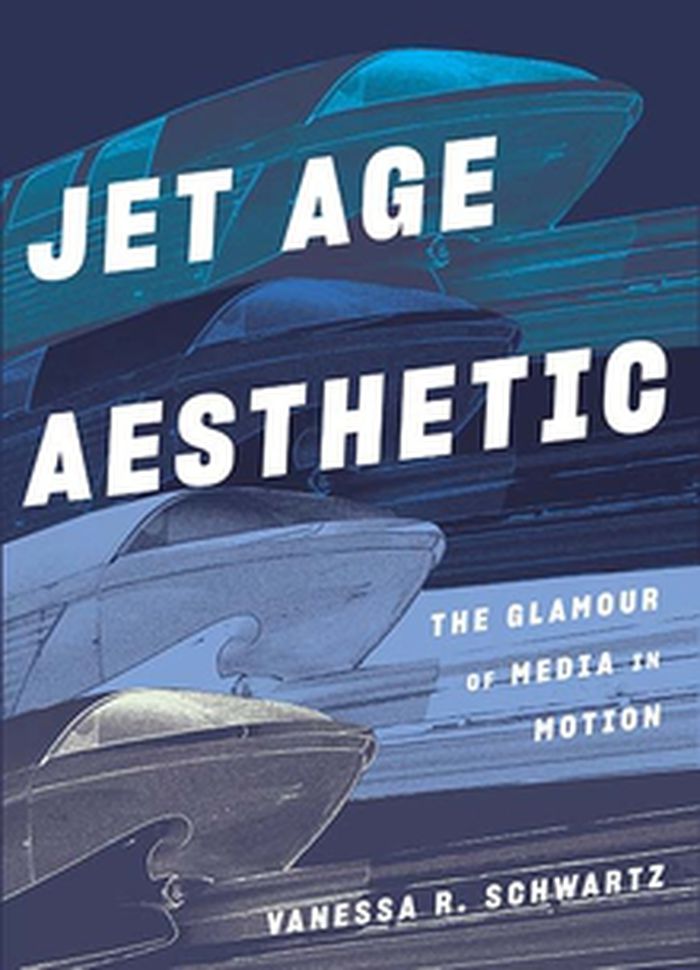
Jet age aesthetic: the glamour of media in motion
Actions:
Price:
$54.95
(available to order)
Summary:
Vanessa R. Schwartz engagingly presents the jet plane’s power to define a new age at a critical moment in the mid-20th century, arguing that the craft’s speed and smooth ride allowed people to imagine themselves living in the future. Exploring realms as diverse as airport architecture, theme park design, film, and photography, Schwartz argues that the jet created an aesthetic that circulated on the ground below. Visual and media culture, including Eero Saarinen’s airports, David Bailey’s photographs of the jet set, and Ernst Haas’s experiments in color photojournalism glamorized the imagery of motion. Drawing on unprecedented access to the archives of The Walt Disney Studios, Schwartz also examines the period’s most successful example of fluid motion meeting media culture: Disneyland. The park’s dedication to “people-moving” defined Walt Disney’s vision, shaping the very identity of the place. The jet age aesthetic laid the groundwork for our contemporary media culture, in which motion is so fluid that we can surf the internet while going nowhere at all.
Jet age aesthetic: the glamour of media in motion
Actions:
Price:
$54.95
(available to order)
Summary:
Vanessa R. Schwartz engagingly presents the jet plane’s power to define a new age at a critical moment in the mid-20th century, arguing that the craft’s speed and smooth ride allowed people to imagine themselves living in the future. Exploring realms as diverse as airport architecture, theme park design, film, and photography, Schwartz argues that the jet created an aesthetic that circulated on the ground below. Visual and media culture, including Eero Saarinen’s airports, David Bailey’s photographs of the jet set, and Ernst Haas’s experiments in color photojournalism glamorized the imagery of motion. Drawing on unprecedented access to the archives of The Walt Disney Studios, Schwartz also examines the period’s most successful example of fluid motion meeting media culture: Disneyland. The park’s dedication to “people-moving” defined Walt Disney’s vision, shaping the very identity of the place. The jet age aesthetic laid the groundwork for our contemporary media culture, in which motion is so fluid that we can surf the internet while going nowhere at all.
Form:
books
books
Publication:
April 2020
April 2020
Subject:
Design, Periods and Styles
Design, Periods and Styles
Form:
books
books
Actions:
Price:
$34.00
(available to order)
Summary:
The effervescent, creative synergy among Italian artists and designers in the post-war, post-fascist period is the subject of this exhibition catalogue for a show in Paris held at the end of 2019. Forty works of avant-garde art and design highlight the common aspirations and experimental spirit of this visionary generation, featuring artists and works that mirror each(...)
$34.00
(available to order)
Summary:
The effervescent, creative synergy among Italian artists and designers in the post-war, post-fascist period is the subject of this exhibition catalogue for a show in Paris held at the end of 2019. Forty works of avant-garde art and design highlight the common aspirations and experimental spirit of this visionary generation, featuring artists and works that mirror each(...)
Title:
Utopia: Italian art and design
Actions:
Price:
$34.00
(available to order)
Summary:
The effervescent, creative synergy among Italian artists and designers in the post-war, post-fascist period is the subject of this exhibition catalogue for a show in Paris held at the end of 2019. Forty works of avant-garde art and design highlight the common aspirations and experimental spirit of this visionary generation, featuring artists and works that mirror each other in their approach to the world. Included here are works by Lucio Fontana, Carlo Mollino, Ettore Sottsass, Gaetano Pesce, Carlo Scarpa, Gino Sarfatti, Dadamaino, Alighiero Boetti, Mimmo Rotella, Gio Ponti, and Piero Manzoni, among others. In this book, Italian artists, architects, and designers reveal their exceptional ability to overturn the boundaries between art and design. Their visionary modernism is still influential today.
Utopia: Italian art and design
Actions:
Price:
$34.00
(available to order)
Summary:
The effervescent, creative synergy among Italian artists and designers in the post-war, post-fascist period is the subject of this exhibition catalogue for a show in Paris held at the end of 2019. Forty works of avant-garde art and design highlight the common aspirations and experimental spirit of this visionary generation, featuring artists and works that mirror each other in their approach to the world. Included here are works by Lucio Fontana, Carlo Mollino, Ettore Sottsass, Gaetano Pesce, Carlo Scarpa, Gino Sarfatti, Dadamaino, Alighiero Boetti, Mimmo Rotella, Gio Ponti, and Piero Manzoni, among others. In this book, Italian artists, architects, and designers reveal their exceptional ability to overturn the boundaries between art and design. Their visionary modernism is still influential today.
Form:
books
books
Publication:
September 2020
September 2020
Subject:
Design, Periods and Styles
Design, Periods and Styles
Form:
books
books
Price:
$80.00
(available to order)
Summary:
The Pattern and Decoration movement emerged in the 1970s as an embrace of long-dismissed art forms associated with the decorative. Pioneering artists such as Miriam Schapiro, Joyce Kozloff, Robert Kushner, and others appropriated patterns, frequently from non-Western decorative arts, to produce intricate, often dizzying or gaudy designs in media ranging from painting,(...)
$80.00
(available to order)
Summary:
The Pattern and Decoration movement emerged in the 1970s as an embrace of long-dismissed art forms associated with the decorative. Pioneering artists such as Miriam Schapiro, Joyce Kozloff, Robert Kushner, and others appropriated patterns, frequently from non-Western decorative arts, to produce intricate, often dizzying or gaudy designs in media ranging from painting,(...)
Title:
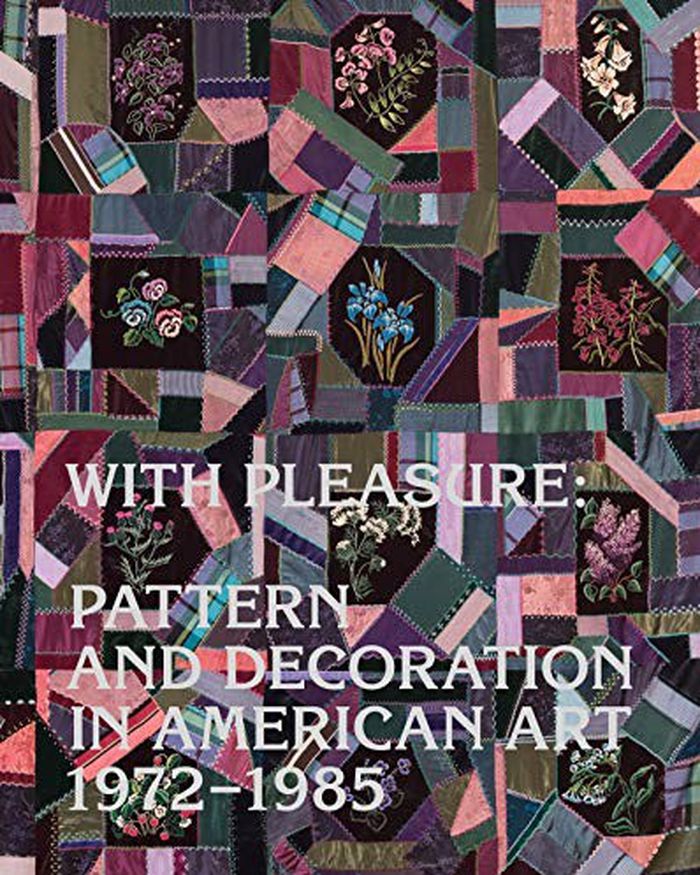
With pleasure : Pattern and Decoration in American Art 1972–1985
Actions:
Price:
$80.00
(available to order)
Summary:
The Pattern and Decoration movement emerged in the 1970s as an embrace of long-dismissed art forms associated with the decorative. Pioneering artists such as Miriam Schapiro, Joyce Kozloff, Robert Kushner, and others appropriated patterns, frequently from non-Western decorative arts, to produce intricate, often dizzying or gaudy designs in media ranging from painting, sculpture, and collage to ceramics, installation art, and performance. This book showcases works by more than 40 artists from across the United States, examining the movement’s defiant adoption of art forms traditionally viewed as feminine, craft-based, or otherwise inferior to fine art.
With pleasure : Pattern and Decoration in American Art 1972–1985
Actions:
Price:
$80.00
(available to order)
Summary:
The Pattern and Decoration movement emerged in the 1970s as an embrace of long-dismissed art forms associated with the decorative. Pioneering artists such as Miriam Schapiro, Joyce Kozloff, Robert Kushner, and others appropriated patterns, frequently from non-Western decorative arts, to produce intricate, often dizzying or gaudy designs in media ranging from painting, sculpture, and collage to ceramics, installation art, and performance. This book showcases works by more than 40 artists from across the United States, examining the movement’s defiant adoption of art forms traditionally viewed as feminine, craft-based, or otherwise inferior to fine art.
Form:
books
books
Publication:
December 2019
December 2019
Subject:
Design, Periods and Styles
Design, Periods and Styles
Form:
books
books
Actions:
Price:
$40.00
(available to order)
Summary:
Respected as the international authority on architecture and design, ''Architectural Digest'' magazine gives readers an exclusive look into the most spectacular properties and private homes of celebrities and cultural figures, highlighting the work of the world's top architects, designers, and interior decorators. This volume celebrates the evolution of the revered(...)
$40.00
(available to order)
Summary:
Respected as the international authority on architecture and design, ''Architectural Digest'' magazine gives readers an exclusive look into the most spectacular properties and private homes of celebrities and cultural figures, highlighting the work of the world's top architects, designers, and interior decorators. This volume celebrates the evolution of the revered(...)
Title:
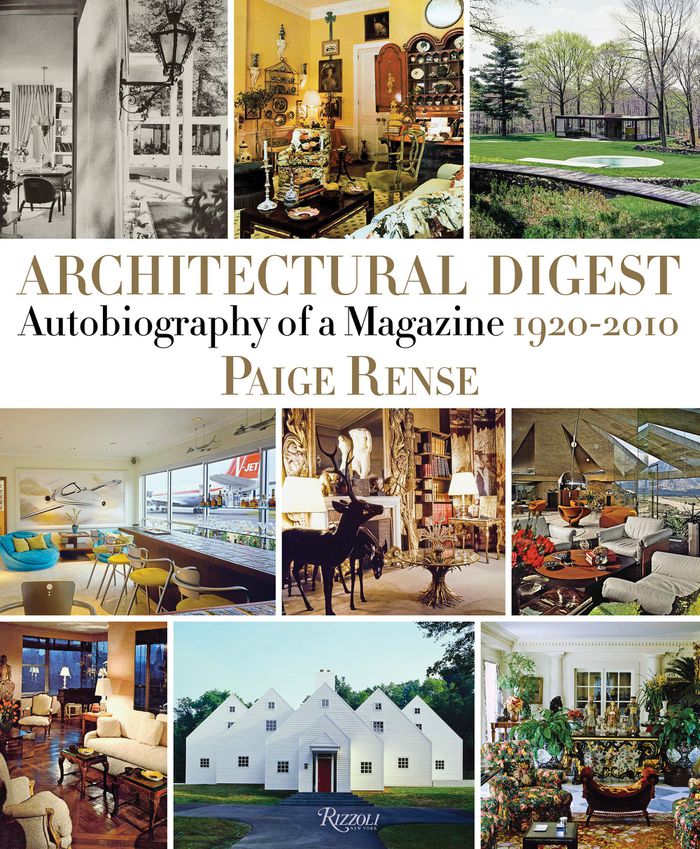
Architectural Digest: Autobiography of a magazine, 1920-2010
Actions:
Price:
$40.00
(available to order)
Summary:
Respected as the international authority on architecture and design, ''Architectural Digest'' magazine gives readers an exclusive look into the most spectacular properties and private homes of celebrities and cultural figures, highlighting the work of the world's top architects, designers, and interior decorators. This volume celebrates the evolution of the revered magazine as told through the voice of its legendary editor for four decades, Paige Rense. An epic visual history of the magazine's meteoric rise penned by Rense, this volume documents exclusively and intimately the renowned magazine's history and cultural significance, and celebration of the ever evolving homes and lifestyles. This volume is full of candid recollections, commentary, archival covers, and interior shots of the magazine and also features the work of the world's top architects and interior designers such as Mario Buatta, Philip Johnson, Tony Duquette, and Sally Sirkin Lewis, as well as the homes of celebrities like Truman Capote, Sonny & Cher, Elton John, Diane Keaton and Ralph Lauren. Each chapter, written in the first person--is followed by lavishly illustrated anecdotes from Rense's memories of past issues. As the editor who gave readers a glimpse into the most enviable homes around the world, Rense is uniquely qualified to tell the story of ''Architectural Digest,'' a tale that her nearly one million loyal fans and readers of the magazine will be eager to read.
Architectural Digest: Autobiography of a magazine, 1920-2010
Actions:
Price:
$40.00
(available to order)
Summary:
Respected as the international authority on architecture and design, ''Architectural Digest'' magazine gives readers an exclusive look into the most spectacular properties and private homes of celebrities and cultural figures, highlighting the work of the world's top architects, designers, and interior decorators. This volume celebrates the evolution of the revered magazine as told through the voice of its legendary editor for four decades, Paige Rense. An epic visual history of the magazine's meteoric rise penned by Rense, this volume documents exclusively and intimately the renowned magazine's history and cultural significance, and celebration of the ever evolving homes and lifestyles. This volume is full of candid recollections, commentary, archival covers, and interior shots of the magazine and also features the work of the world's top architects and interior designers such as Mario Buatta, Philip Johnson, Tony Duquette, and Sally Sirkin Lewis, as well as the homes of celebrities like Truman Capote, Sonny & Cher, Elton John, Diane Keaton and Ralph Lauren. Each chapter, written in the first person--is followed by lavishly illustrated anecdotes from Rense's memories of past issues. As the editor who gave readers a glimpse into the most enviable homes around the world, Rense is uniquely qualified to tell the story of ''Architectural Digest,'' a tale that her nearly one million loyal fans and readers of the magazine will be eager to read.
Form:
books
books
Publication:
October 2021
October 2021
Subject:
Design, Periods and Styles
Design, Periods and Styles
Form:
books
books
Actions:
Price:
$74.95
(available to order)
Summary:
In 1938, Vienna lost its best and most creative minds. This rupture was manifested in all of the arts and sciences and its mark is felt to this day – not least in the field of furniture design. With inexhaustible creativity the Jewish furniture designers who were forced to flee Vienna continued to work while in exile. They taught at the best universities and spread their(...)
$74.95
(available to order)
Summary:
In 1938, Vienna lost its best and most creative minds. This rupture was manifested in all of the arts and sciences and its mark is felt to this day – not least in the field of furniture design. With inexhaustible creativity the Jewish furniture designers who were forced to flee Vienna continued to work while in exile. They taught at the best universities and spread their(...)
Title:
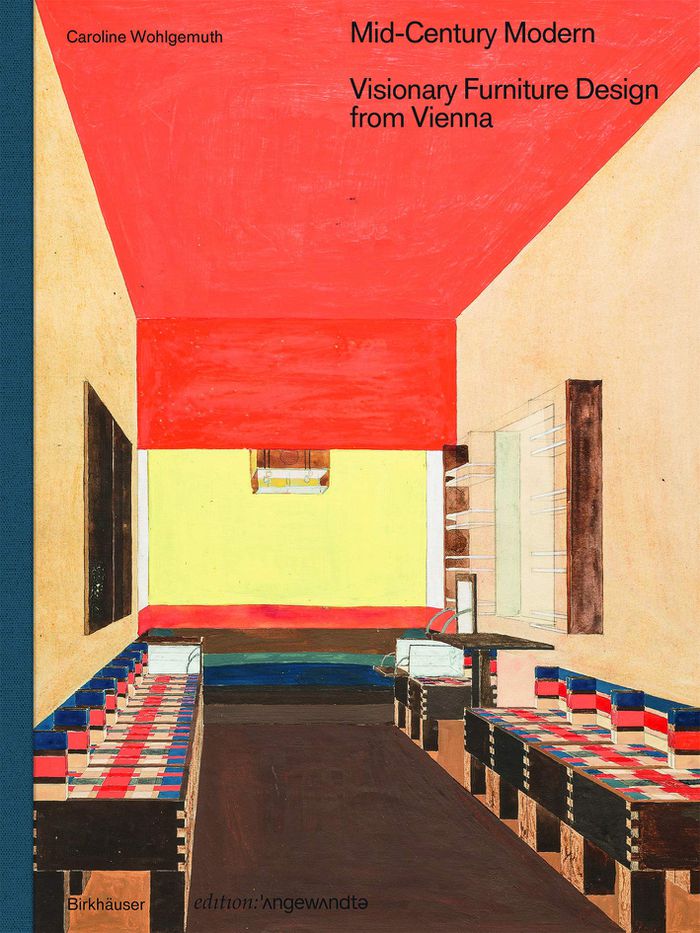
Mid-century modern: Visionary furniture design from Vienna
Actions:
Price:
$74.95
(available to order)
Summary:
In 1938, Vienna lost its best and most creative minds. This rupture was manifested in all of the arts and sciences and its mark is felt to this day – not least in the field of furniture design. With inexhaustible creativity the Jewish furniture designers who were forced to flee Vienna continued to work while in exile. They taught at the best universities and spread their ideas and vision throughout the entire world. Their creations became classics of twentieth-century furniture design, the epitome of mid-century modern style. This book honors the memory of the exiled designers with a thorough overview of their work. It details their life stories and their visionary designs, which remain as relevant and contemporary as ever, and brings to light new aspects of the history of Viennese furniture design.
Mid-century modern: Visionary furniture design from Vienna
Actions:
Price:
$74.95
(available to order)
Summary:
In 1938, Vienna lost its best and most creative minds. This rupture was manifested in all of the arts and sciences and its mark is felt to this day – not least in the field of furniture design. With inexhaustible creativity the Jewish furniture designers who were forced to flee Vienna continued to work while in exile. They taught at the best universities and spread their ideas and vision throughout the entire world. Their creations became classics of twentieth-century furniture design, the epitome of mid-century modern style. This book honors the memory of the exiled designers with a thorough overview of their work. It details their life stories and their visionary designs, which remain as relevant and contemporary as ever, and brings to light new aspects of the history of Viennese furniture design.
Form:
books
books
Publication:
October 2021
October 2021
Subject:
Design, Periods and Styles
Design, Periods and Styles
Form:
books
books
Actions:
Price:
$72.95
(available to order)
Summary:
C'est dans une situation pleine de paradoxes qu'une scène du design se développe au Liban dès 2000, et se voit rapidement saluée par les critiques, les foires et l'ensemble des acteurs de la branche. Consciente d’un positionnement unique, entre héritage occidental et identité orientale, un pied sur la Méditerranée, l'autre posé en Asie, Beyrouth construit son design et(...)
$72.95
(available to order)
Summary:
C'est dans une situation pleine de paradoxes qu'une scène du design se développe au Liban dès 2000, et se voit rapidement saluée par les critiques, les foires et l'ensemble des acteurs de la branche. Consciente d’un positionnement unique, entre héritage occidental et identité orientale, un pied sur la Méditerranée, l'autre posé en Asie, Beyrouth construit son design et(...)
Title:
Beyrouth : Les temps du design
Actions:
Price:
$72.95
(available to order)
Summary:
C'est dans une situation pleine de paradoxes qu'une scène du design se développe au Liban dès 2000, et se voit rapidement saluée par les critiques, les foires et l'ensemble des acteurs de la branche. Consciente d’un positionnement unique, entre héritage occidental et identité orientale, un pied sur la Méditerranée, l'autre posé en Asie, Beyrouth construit son design et transforme son multiculturalisme en une force créatrice. Le présent ouvrage analyse cette situation spécifique qui associe simultanément reconstruction économique et architecturale, conscience sociale et développement international. Jusqu'à l'élaboration de ce projet d'exposition et de publication, aucune étude n'avait été conduite sur l'histoire du design au Liban, soit de l'indépendance du pays en 1943 à nos jours. Cet ouvrage a l'ambition de combler cette lacune en présentant un état de la question bâti sur une documentation riche, tout en assumant certaines parties lacunaires dues à la disparition de pans entiers d'archives durant et après la guerre civile. Cette recherche s'appuie également sur une étude du contexte sociopolitique et culturel qui a contribué à faire aujourd'hui de Beyrouth une ville créative, et ce, malgré un contexte fréquemment troublé.
Beyrouth : Les temps du design
Actions:
Price:
$72.95
(available to order)
Summary:
C'est dans une situation pleine de paradoxes qu'une scène du design se développe au Liban dès 2000, et se voit rapidement saluée par les critiques, les foires et l'ensemble des acteurs de la branche. Consciente d’un positionnement unique, entre héritage occidental et identité orientale, un pied sur la Méditerranée, l'autre posé en Asie, Beyrouth construit son design et transforme son multiculturalisme en une force créatrice. Le présent ouvrage analyse cette situation spécifique qui associe simultanément reconstruction économique et architecturale, conscience sociale et développement international. Jusqu'à l'élaboration de ce projet d'exposition et de publication, aucune étude n'avait été conduite sur l'histoire du design au Liban, soit de l'indépendance du pays en 1943 à nos jours. Cet ouvrage a l'ambition de combler cette lacune en présentant un état de la question bâti sur une documentation riche, tout en assumant certaines parties lacunaires dues à la disparition de pans entiers d'archives durant et après la guerre civile. Cette recherche s'appuie également sur une étude du contexte sociopolitique et culturel qui a contribué à faire aujourd'hui de Beyrouth une ville créative, et ce, malgré un contexte fréquemment troublé.
Form:
books
books
Publication:
April 2022
April 2022
Subject:
Design, Periods and Styles
Design, Periods and Styles
Form:
books
books
Actions:
Price:
$48.95
(available to order)
Summary:
Le design contemporain, quel intérêt ? Le design contemporain, c’est quoi ? Retenir quelques dates repères Ils l’ont fait pour la première fois Connaître les mots clés. Comment approcher le design contemporain ? Renouer les fils avec le passé. Changer sa façon de voir...
$48.95
(available to order)
Summary:
Le design contemporain, quel intérêt ? Le design contemporain, c’est quoi ? Retenir quelques dates repères Ils l’ont fait pour la première fois Connaître les mots clés. Comment approcher le design contemporain ? Renouer les fils avec le passé. Changer sa façon de voir...
Title:
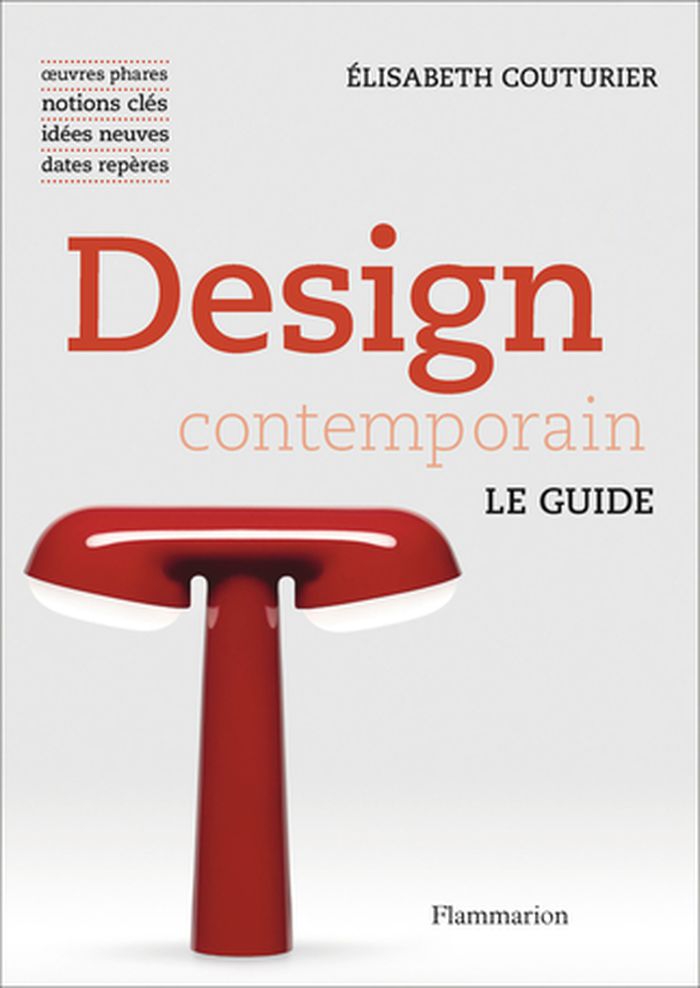
Design contemporain : le guide
Actions:
Price:
$48.95
(available to order)
Summary:
Le design contemporain, quel intérêt ? Le design contemporain, c’est quoi ? Retenir quelques dates repères Ils l’ont fait pour la première fois Connaître les mots clés. Comment approcher le design contemporain ? Renouer les fils avec le passé. Changer sa façon de voir...
Design contemporain : le guide
Actions:
Price:
$48.95
(available to order)
Summary:
Le design contemporain, quel intérêt ? Le design contemporain, c’est quoi ? Retenir quelques dates repères Ils l’ont fait pour la première fois Connaître les mots clés. Comment approcher le design contemporain ? Renouer les fils avec le passé. Changer sa façon de voir...
Form:
books
books
Publication:
June 2022
June 2022
Subject:
Design, Periods and Styles
Design, Periods and Styles
Form:
books
books
Title:
Beirut: The eras of design
Beirut: The eras of design
Actions:
Price:
$65.00
(available to order)
Summary:
This publication analyzes Lebanon’s unique situation—a convergence of economic and architectural reconstruction, social awareness and international development. It also testifies to the designers’ determination to take ownership of their destiny and image by presenting objects and forms that are simultaneously aware of their diverse heritage and are deeply rooted in a(...)
$65.00
(available to order)
Summary:
This publication analyzes Lebanon’s unique situation—a convergence of economic and architectural reconstruction, social awareness and international development. It also testifies to the designers’ determination to take ownership of their destiny and image by presenting objects and forms that are simultaneously aware of their diverse heritage and are deeply rooted in a(...)
Subject:
Design, Periods and Styles
Design, Periods and Styles
Publication:
September 2022
September 2022
Title:
Beirut: The eras of design
Actions:
Price:
$65.00
(available to order)
Summary:
This publication analyzes Lebanon’s unique situation—a convergence of economic and architectural reconstruction, social awareness and international development. It also testifies to the designers’ determination to take ownership of their destiny and image by presenting objects and forms that are simultaneously aware of their diverse heritage and are deeply rooted in a complex reality. Prior to the development of this exhibition and publication project, no extensive research has been undertaken on the history of design in Lebanon. This book aims to fill that gap, presenting the state of design based on extensive documentation. It is the first retrospective on design in Lebanon, from the 1920s until today, includes works by over 50 designers, uncovering this major design scene in the Middle-East.
Beirut: The eras of design
Actions:
Price:
$65.00
(available to order)
Summary:
This publication analyzes Lebanon’s unique situation—a convergence of economic and architectural reconstruction, social awareness and international development. It also testifies to the designers’ determination to take ownership of their destiny and image by presenting objects and forms that are simultaneously aware of their diverse heritage and are deeply rooted in a complex reality. Prior to the development of this exhibition and publication project, no extensive research has been undertaken on the history of design in Lebanon. This book aims to fill that gap, presenting the state of design based on extensive documentation. It is the first retrospective on design in Lebanon, from the 1920s until today, includes works by over 50 designers, uncovering this major design scene in the Middle-East.
Form:
books
books
Publication:
September 2022
September 2022
Subject:
Design, Periods and Styles
Design, Periods and Styles
Form:
books
books

Actions:
Price:
$56.95
(available to order)
Summary:
Après l'Art Nouveau et l'Art Déco, est fondée en 1929 l'U.A.M. (Union des Artistes modernes) qui réunit tous les grands créateurs de l'époque. L' « équipement » moderne se substitue à l'ornementation des salons décorés de « bibelots ». Il s'agit à présent de « désencombrer » l'espace intérieur.. A travers une quinzaine d'essais d'historiens de l'art, ce catalogue explore(...)
$56.95
(available to order)
Summary:
Après l'Art Nouveau et l'Art Déco, est fondée en 1929 l'U.A.M. (Union des Artistes modernes) qui réunit tous les grands créateurs de l'époque. L' « équipement » moderne se substitue à l'ornementation des salons décorés de « bibelots ». Il s'agit à présent de « désencombrer » l'espace intérieur.. A travers une quinzaine d'essais d'historiens de l'art, ce catalogue explore(...)
Title:
Intérieurs modernes 1920-1930
Actions:
Price:
$56.95
(available to order)
Summary:
Après l'Art Nouveau et l'Art Déco, est fondée en 1929 l'U.A.M. (Union des Artistes modernes) qui réunit tous les grands créateurs de l'époque. L' « équipement » moderne se substitue à l'ornementation des salons décorés de « bibelots ». Il s'agit à présent de « désencombrer » l'espace intérieur.. A travers une quinzaine d'essais d'historiens de l'art, ce catalogue explore toutes les facettes de l'intérieur moderne en France dans les années 1920-1930 : son héritage des arts décoratifs, son articulation avec les avant-gardes internationales, tel que le Bauhaus ; sa dimension syncrétique impliquant toutes les dimensions de la création ; l'esthétique de la machine et les métaphores de la modernité tel que le paquebot ; la nature comme artifice décoratif. Trois créations architecturales majeures sont également analysées : la villa Noailles de Robert Mallet-Stevens, la Maison de Verre de Pierre Chareau et la villa E-1027 d'Eileen Gray. Enfin, entre design et mode, la mise en mouvement des corps redessine également une nouvelle figure de la femme moderne, aux avant-postes de la création. La transformation de l'espace intérieur trouvera également dans le cinéma un dispositif d'exposition et un outil de communication privilégié de ces changements de paradigme dans la perception de l'intérieur. Le catalogue qui explore une décennie de design met en avant la richesse de la collection du Musée national d'art moderne qui prête l'essentiel des œuvres et des objets de l'exposition.
Intérieurs modernes 1920-1930
Actions:
Price:
$56.95
(available to order)
Summary:
Après l'Art Nouveau et l'Art Déco, est fondée en 1929 l'U.A.M. (Union des Artistes modernes) qui réunit tous les grands créateurs de l'époque. L' « équipement » moderne se substitue à l'ornementation des salons décorés de « bibelots ». Il s'agit à présent de « désencombrer » l'espace intérieur.. A travers une quinzaine d'essais d'historiens de l'art, ce catalogue explore toutes les facettes de l'intérieur moderne en France dans les années 1920-1930 : son héritage des arts décoratifs, son articulation avec les avant-gardes internationales, tel que le Bauhaus ; sa dimension syncrétique impliquant toutes les dimensions de la création ; l'esthétique de la machine et les métaphores de la modernité tel que le paquebot ; la nature comme artifice décoratif. Trois créations architecturales majeures sont également analysées : la villa Noailles de Robert Mallet-Stevens, la Maison de Verre de Pierre Chareau et la villa E-1027 d'Eileen Gray. Enfin, entre design et mode, la mise en mouvement des corps redessine également une nouvelle figure de la femme moderne, aux avant-postes de la création. La transformation de l'espace intérieur trouvera également dans le cinéma un dispositif d'exposition et un outil de communication privilégié de ces changements de paradigme dans la perception de l'intérieur. Le catalogue qui explore une décennie de design met en avant la richesse de la collection du Musée national d'art moderne qui prête l'essentiel des œuvres et des objets de l'exposition.
Form:
books
books
Publication:
October 2022
October 2022
Subject:
Design, Periods and Styles
Design, Periods and Styles
Form:
books
books
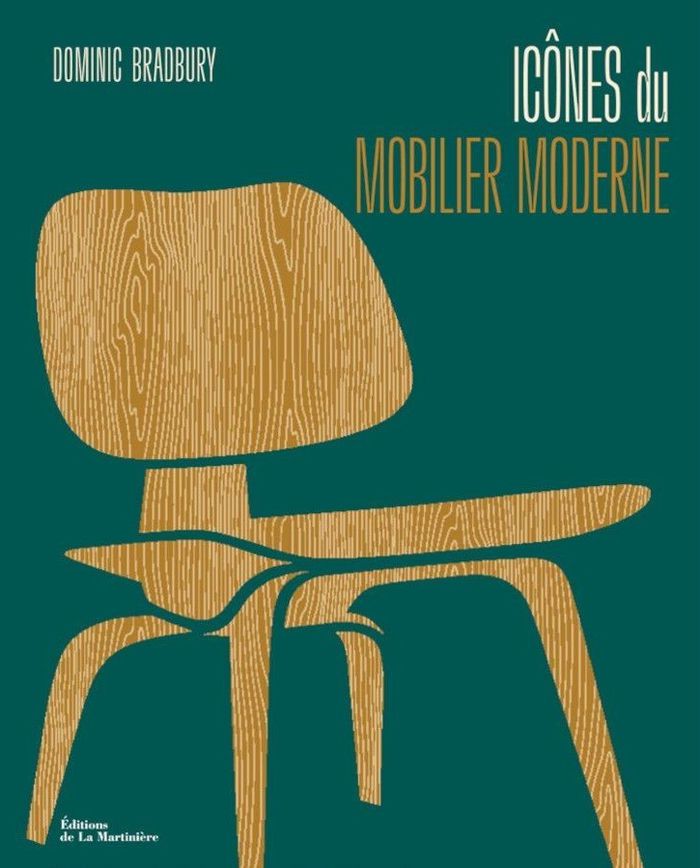
Title:
Icônes du mobilier moderne
Icônes du mobilier moderne
Actions:
Price:
$99.95
(available to order)
Summary:
L'époque du milieu des années 1940 au début des années 1970 est pour le mobilier et la décoration intérieure l’une des plus prolifiques, novatrices et passionnantes. Optimisme de l’après-guerre, formes nouvelles de logement, innovations dans les méthodes de fabrication et l’emploi des matériaux : tout concourt au dynamisme de la création pour la maison. Du fauteuil à la(...)
$99.95
(available to order)
Summary:
L'époque du milieu des années 1940 au début des années 1970 est pour le mobilier et la décoration intérieure l’une des plus prolifiques, novatrices et passionnantes. Optimisme de l’après-guerre, formes nouvelles de logement, innovations dans les méthodes de fabrication et l’emploi des matériaux : tout concourt au dynamisme de la création pour la maison. Du fauteuil à la(...)
Title:
Icônes du mobilier moderne
Actions:
Price:
$99.95
(available to order)
Summary:
L'époque du milieu des années 1940 au début des années 1970 est pour le mobilier et la décoration intérieure l’une des plus prolifiques, novatrices et passionnantes. Optimisme de l’après-guerre, formes nouvelles de logement, innovations dans les méthodes de fabrication et l’emploi des matériaux : tout concourt au dynamisme de la création pour la maison. Du fauteuil à la chaise longue, en passant par le meuble de rangement et la table de chevet, cet ouvrage complet et richement illustré offre un vaste panorama du mobilier moderne de cette période, réunissant des centaines de meubles réalisés par des créateurs et des créatrices du monde entier, célèbres ou méconnus. Tous les collectionneurs et amateurs de ce design intemporel trouveront en Icônes du mobilier moderne un ouvrage de référence.
Icônes du mobilier moderne
Actions:
Price:
$99.95
(available to order)
Summary:
L'époque du milieu des années 1940 au début des années 1970 est pour le mobilier et la décoration intérieure l’une des plus prolifiques, novatrices et passionnantes. Optimisme de l’après-guerre, formes nouvelles de logement, innovations dans les méthodes de fabrication et l’emploi des matériaux : tout concourt au dynamisme de la création pour la maison. Du fauteuil à la chaise longue, en passant par le meuble de rangement et la table de chevet, cet ouvrage complet et richement illustré offre un vaste panorama du mobilier moderne de cette période, réunissant des centaines de meubles réalisés par des créateurs et des créatrices du monde entier, célèbres ou méconnus. Tous les collectionneurs et amateurs de ce design intemporel trouveront en Icônes du mobilier moderne un ouvrage de référence.
Form:
books
books
Publication:
January 2023
January 2023
Subject:
Design, Periods and Styles
Design, Periods and Styles


