


319 Results
Form:
books
books
Actions:
Price:
$31.50
(available to order)
Summary:
The thesis investigates emerging practices aimed at exploiting the World Wide Web as a space for popularizing historical knowledge. It questions the role of visual design in the communication of cultural heritage and historical information through online means, by addressing issues concerning data access, visualization, and interactive narration. A selection of(...)
$31.50
(available to order)
Summary:
The thesis investigates emerging practices aimed at exploiting the World Wide Web as a space for popularizing historical knowledge. It questions the role of visual design in the communication of cultural heritage and historical information through online means, by addressing issues concerning data access, visualization, and interactive narration. A selection of(...)
Title:
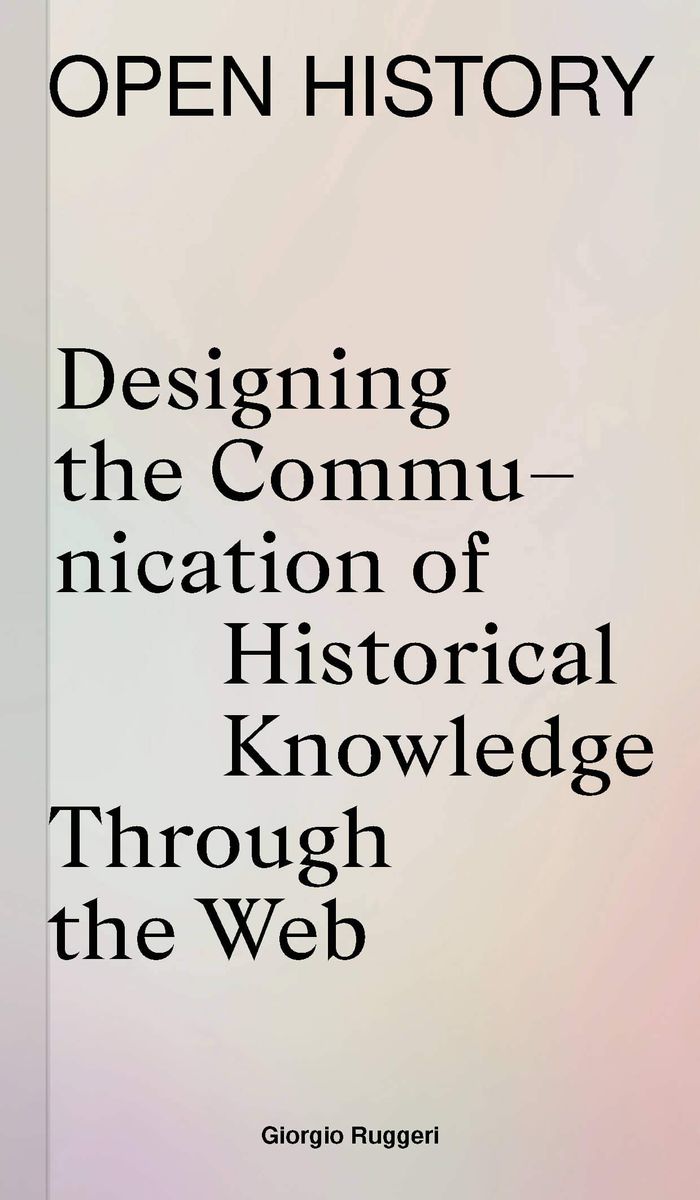
Open history: designing the communication of historical knowledge through the Web
Actions:
Price:
$31.50
(available to order)
Summary:
The thesis investigates emerging practices aimed at exploiting the World Wide Web as a space for popularizing historical knowledge. It questions the role of visual design in the communication of cultural heritage and historical information through online means, by addressing issues concerning data access, visualization, and interactive narration. A selection of cuttingedge history websites, ranging from online exhibitions to virtual museum tours, from temporal maps to interactive documentaries, illustrates how the online environment is expanding and challenging conventional historical scholarship. The critical analyses, conducted through the lens of graphic, web, and information design, suggest the need for enhanced collaborations between historians and designers.
Open history: designing the communication of historical knowledge through the Web
Actions:
Price:
$31.50
(available to order)
Summary:
The thesis investigates emerging practices aimed at exploiting the World Wide Web as a space for popularizing historical knowledge. It questions the role of visual design in the communication of cultural heritage and historical information through online means, by addressing issues concerning data access, visualization, and interactive narration. A selection of cuttingedge history websites, ranging from online exhibitions to virtual museum tours, from temporal maps to interactive documentaries, illustrates how the online environment is expanding and challenging conventional historical scholarship. The critical analyses, conducted through the lens of graphic, web, and information design, suggest the need for enhanced collaborations between historians and designers.
Form:
books
books
Publication:
October 2019
October 2019
Subject:
Design Theory
Design Theory
Form:
books
books
Actions:
Price:
$25.95
(available to order)
Summary:
How do we formulate alternative approaches to the world’s unresponsive or intractable dilemmas—from climate cataclysm to inequality to concentrations of authoritarian power? Easterling argues that the search for solutions is a mistake. Instead, she offers the perspective of medium design, one that considers not only separate objects, ideas and events but also the space(...)
$25.95
(available to order)
Summary:
How do we formulate alternative approaches to the world’s unresponsive or intractable dilemmas—from climate cataclysm to inequality to concentrations of authoritarian power? Easterling argues that the search for solutions is a mistake. Instead, she offers the perspective of medium design, one that considers not only separate objects, ideas and events but also the space(...)
Title:
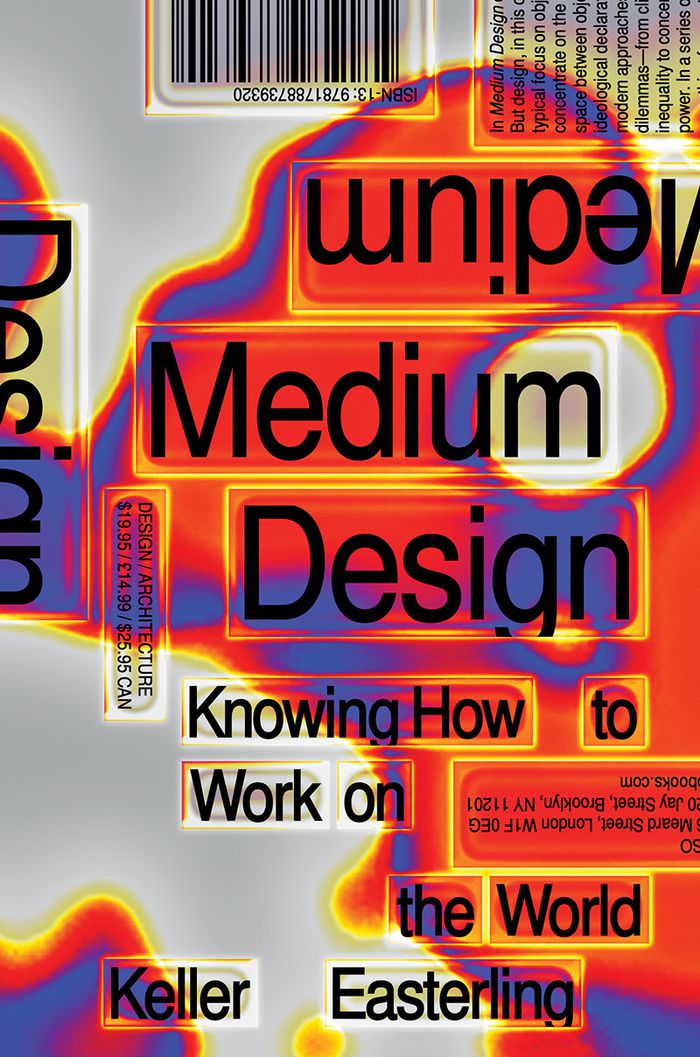
Medium design: knowing how to work on the world
Actions:
Price:
$25.95
(available to order)
Summary:
How do we formulate alternative approaches to the world’s unresponsive or intractable dilemmas—from climate cataclysm to inequality to concentrations of authoritarian power? Easterling argues that the search for solutions is a mistake. Instead, she offers the perspective of medium design, one that considers not only separate objects, ideas and events but also the space between them. This background matrix with all its latent potentials is profoundly underexploited in a culture that is good at naming things but not so good at seeing how they connect and interact. In case studies dealing with everything from automation and migration to explosive urban growth and atmospheric changes, ''Medium design'' looks not to new technologies for innovation but rather to sophisticated relationships between emergent and incumbent technologies. It does not try to eliminate problems but rather put them together in productive combinations. And it offers forms of activism for modulating power and temperament in organisations of all kinds.
Medium design: knowing how to work on the world
Actions:
Price:
$25.95
(available to order)
Summary:
How do we formulate alternative approaches to the world’s unresponsive or intractable dilemmas—from climate cataclysm to inequality to concentrations of authoritarian power? Easterling argues that the search for solutions is a mistake. Instead, she offers the perspective of medium design, one that considers not only separate objects, ideas and events but also the space between them. This background matrix with all its latent potentials is profoundly underexploited in a culture that is good at naming things but not so good at seeing how they connect and interact. In case studies dealing with everything from automation and migration to explosive urban growth and atmospheric changes, ''Medium design'' looks not to new technologies for innovation but rather to sophisticated relationships between emergent and incumbent technologies. It does not try to eliminate problems but rather put them together in productive combinations. And it offers forms of activism for modulating power and temperament in organisations of all kinds.
Form:
books
books
Publication:
January 2021
January 2021
Subject:
Design Theory
Design Theory
Form:
books
books
Actions:
Price:
$26.95
(available to order)
Summary:
John Hunt has witnessed again and again the power of original thinking to transform bothcompanies and individuals. Few can argue with Hunt's claim that it is ideas that move the world forward, and he articulates that anyone can play: there is no hierarchy to original thinking. By illustrating how to create space so ideas can breathe, this publication provides a lifeline(...)
$26.95
(available to order)
Summary:
John Hunt has witnessed again and again the power of original thinking to transform bothcompanies and individuals. Few can argue with Hunt's claim that it is ideas that move the world forward, and he articulates that anyone can play: there is no hierarchy to original thinking. By illustrating how to create space so ideas can breathe, this publication provides a lifeline(...)
Title:
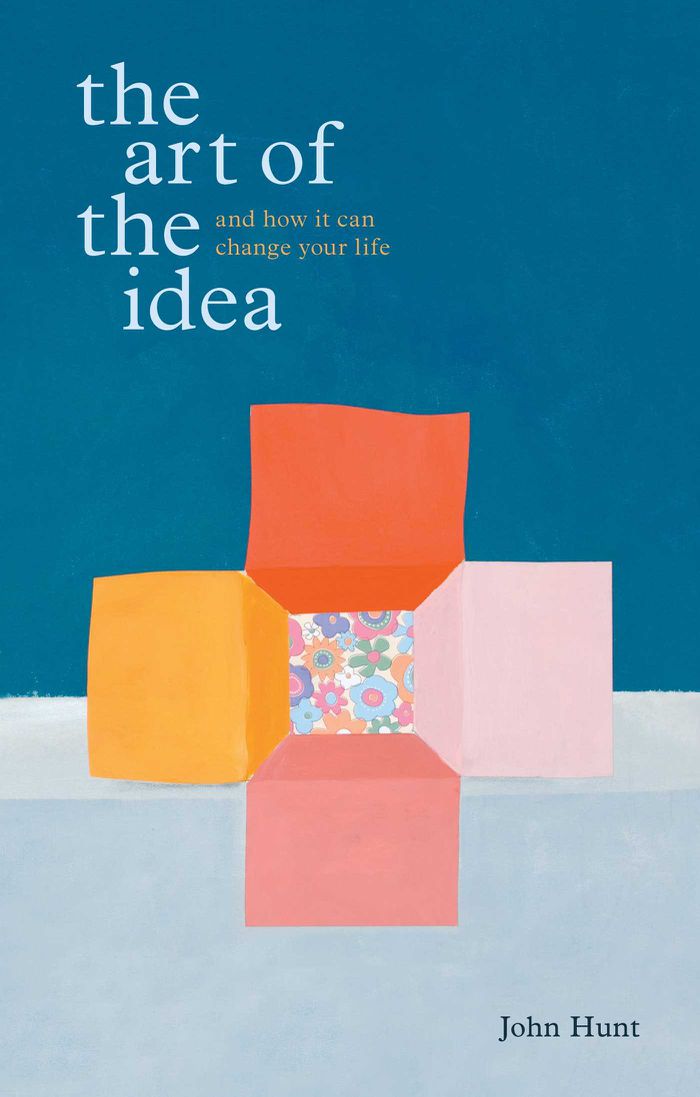
The art of the idea: and how it can change your life
Actions:
Price:
$26.95
(available to order)
Summary:
John Hunt has witnessed again and again the power of original thinking to transform bothcompanies and individuals. Few can argue with Hunt's claim that it is ideas that move the world forward, and he articulates that anyone can play: there is no hierarchy to original thinking. By illustrating how to create space so ideas can breathe, this publication provides a lifeline to those who find themselves stuck in a rut.
The art of the idea: and how it can change your life
Actions:
Price:
$26.95
(available to order)
Summary:
John Hunt has witnessed again and again the power of original thinking to transform bothcompanies and individuals. Few can argue with Hunt's claim that it is ideas that move the world forward, and he articulates that anyone can play: there is no hierarchy to original thinking. By illustrating how to create space so ideas can breathe, this publication provides a lifeline to those who find themselves stuck in a rut.
Form:
books
books
Publication:
March 2009
March 2009
Subject:
Design Theory
Design Theory
Form:
books
books
Price:
$48.00
(available to order)
Summary:
During the ‘CAMon! Project’ workshop led by Italian architects Michele Brunello, Marco Brega, and Andrea Angeli’s, students at the Libre Académie des Beaux-arts Douala in Cameroon learned how simple games can also be a formidable design tool. Through Stefano Graziani’s colour photographs, this book features the 12 games resulting from the students' designs. The texts(...)
$48.00
(available to order)
Summary:
During the ‘CAMon! Project’ workshop led by Italian architects Michele Brunello, Marco Brega, and Andrea Angeli’s, students at the Libre Académie des Beaux-arts Douala in Cameroon learned how simple games can also be a formidable design tool. Through Stefano Graziani’s colour photographs, this book features the 12 games resulting from the students' designs. The texts(...)
Title:
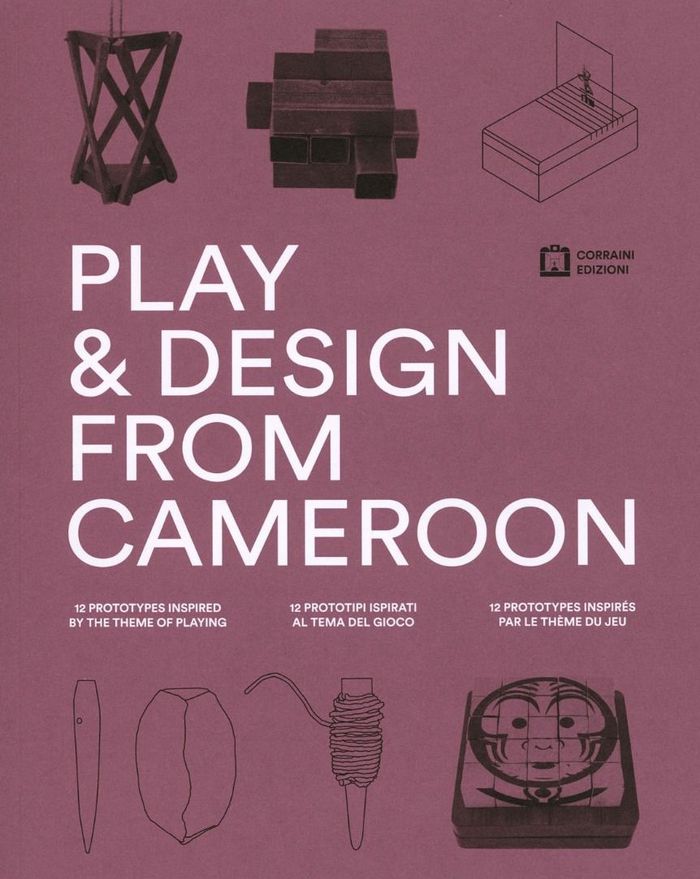
Play & design from Cameroon: 12 prototypes inspired by theme of playing
Actions:
Price:
$48.00
(available to order)
Summary:
During the ‘CAMon! Project’ workshop led by Italian architects Michele Brunello, Marco Brega, and Andrea Angeli’s, students at the Libre Académie des Beaux-arts Douala in Cameroon learned how simple games can also be a formidable design tool. Through Stefano Graziani’s colour photographs, this book features the 12 games resulting from the students' designs. The texts address the theme of playing from different perspectives, highlighting the relationship between design, education and cooperation. Each game — puppets, puzzles, masks, and mazes — has a strong empathic value, based on imagination and a broader exploration of reality.
Play & design from Cameroon: 12 prototypes inspired by theme of playing
Actions:
Price:
$48.00
(available to order)
Summary:
During the ‘CAMon! Project’ workshop led by Italian architects Michele Brunello, Marco Brega, and Andrea Angeli’s, students at the Libre Académie des Beaux-arts Douala in Cameroon learned how simple games can also be a formidable design tool. Through Stefano Graziani’s colour photographs, this book features the 12 games resulting from the students' designs. The texts address the theme of playing from different perspectives, highlighting the relationship between design, education and cooperation. Each game — puppets, puzzles, masks, and mazes — has a strong empathic value, based on imagination and a broader exploration of reality.
Form:
books
books
Publication:
March 2021
March 2021
Subject:
Design Theory
Design Theory
Form:
books
books
Price:
$32.00
(available to order)
Summary:
Things in life tend to fall apart. Cars break down. Buildings fall into disrepair. Personal items deteriorate. Yet today’s researchers are exploiting newly understood properties of matter to program materials that physically sense, adapt, and fall together instead of apart. These materials open new directions for industrial innovation and challenge us to rethink the way(...)
$32.00
(available to order)
Summary:
Things in life tend to fall apart. Cars break down. Buildings fall into disrepair. Personal items deteriorate. Yet today’s researchers are exploiting newly understood properties of matter to program materials that physically sense, adapt, and fall together instead of apart. These materials open new directions for industrial innovation and challenge us to rethink the way(...)
Title:
Things fall together: a guide to the new materials revolution
Actions:
Price:
$32.00
(available to order)
Summary:
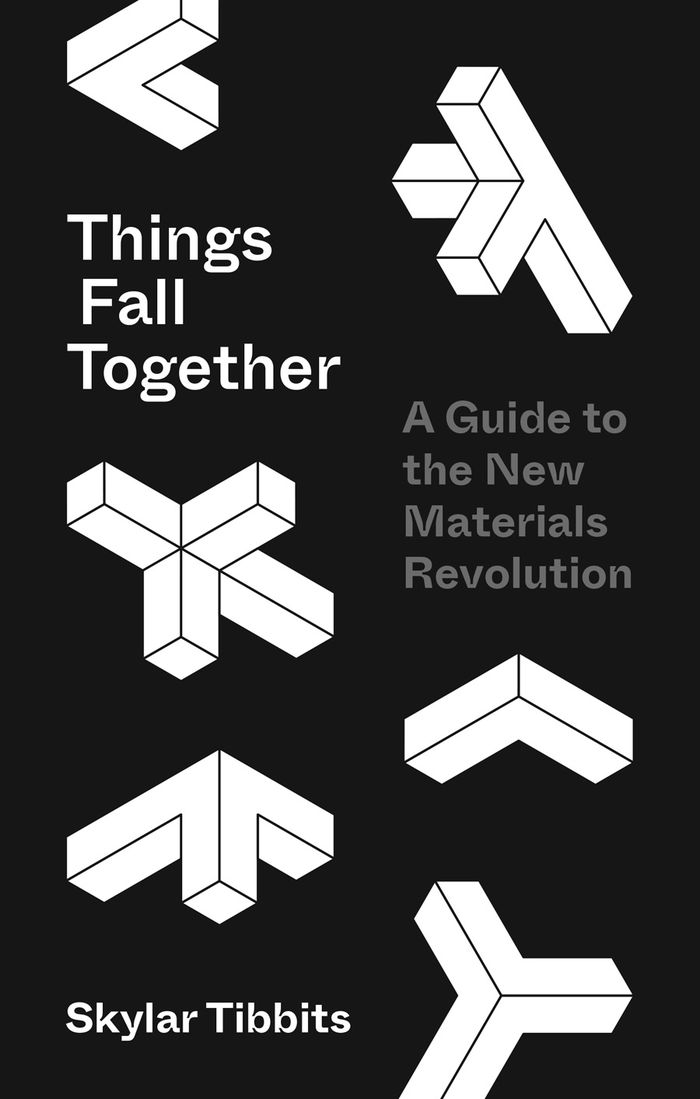
Things in life tend to fall apart. Cars break down. Buildings fall into disrepair. Personal items deteriorate. Yet today’s researchers are exploiting newly understood properties of matter to program materials that physically sense, adapt, and fall together instead of apart. These materials open new directions for industrial innovation and challenge us to rethink the way we build and collaborate with our environment. "Things fall together" is a provocative guide to this emerging, often mind-bending reality, presenting a bold vision for harnessing the intelligence embedded in the material world. Drawing on his pioneering work on self-assembly and programmable material technologies, Skylar Tibbits lays out the core, frequently counterintuitive ideas and strategies that animate this new approach to design and innovation. From furniture that builds itself to shoes printed flat that jump into shape to islands that grow themselves, he describes how matter can compute and exhibit behaviors that we typically associate with biological organisms, and challenges our fundamental assumptions about what physical materials can do and how we can interact with them. Intelligent products today often rely on electronics, batteries, and complicated mechanisms. Tibbits offers a different approach, showing how we can design simple and elegant material intelligence that may one day animate and improve itself—and along the way help us build a more sustainable future.
Things fall together: a guide to the new materials revolution
Actions:
Price:
$32.00
(available to order)
Summary:
Things in life tend to fall apart. Cars break down. Buildings fall into disrepair. Personal items deteriorate. Yet today’s researchers are exploiting newly understood properties of matter to program materials that physically sense, adapt, and fall together instead of apart. These materials open new directions for industrial innovation and challenge us to rethink the way we build and collaborate with our environment. "Things fall together" is a provocative guide to this emerging, often mind-bending reality, presenting a bold vision for harnessing the intelligence embedded in the material world. Drawing on his pioneering work on self-assembly and programmable material technologies, Skylar Tibbits lays out the core, frequently counterintuitive ideas and strategies that animate this new approach to design and innovation. From furniture that builds itself to shoes printed flat that jump into shape to islands that grow themselves, he describes how matter can compute and exhibit behaviors that we typically associate with biological organisms, and challenges our fundamental assumptions about what physical materials can do and how we can interact with them. Intelligent products today often rely on electronics, batteries, and complicated mechanisms. Tibbits offers a different approach, showing how we can design simple and elegant material intelligence that may one day animate and improve itself—and along the way help us build a more sustainable future.
Form:
books
books
Publication:
June 2021
June 2021
Subject:
Design Theory
Design Theory
Form:
books
books

Actions:
Price:
$38.99
(available to order)
Summary:
Robertson’s unconventional history of the origins of the information age posits the filing cabinet as an information storage container, an 'automatic memory' machine that contributed to a new type of information labor privileging manual dexterity over mental deliberation. Gendered assumptions about women’s nimble fingers helped to naturalize the changes that brought(...)
$38.99
(available to order)
Summary:
Robertson’s unconventional history of the origins of the information age posits the filing cabinet as an information storage container, an 'automatic memory' machine that contributed to a new type of information labor privileging manual dexterity over mental deliberation. Gendered assumptions about women’s nimble fingers helped to naturalize the changes that brought(...)
Title:
The filing cabinet: a vertical history of information
Actions:
Price:
$38.99
(available to order)
Summary:
Robertson’s unconventional history of the origins of the information age posits the filing cabinet as an information storage container, an 'automatic memory' machine that contributed to a new type of information labor privileging manual dexterity over mental deliberation. Gendered assumptions about women’s nimble fingers helped to naturalize the changes that brought women into the workforce as low-level clerical workers. The filing cabinet emerges from this unexpected account as a sophisticated piece of information technology and a site of gendered labor that with its folders, files, and tabs continues to shape how we interact with information and data in today’s digital world.
The filing cabinet: a vertical history of information
Actions:
Price:
$38.99
(available to order)
Summary:
Robertson’s unconventional history of the origins of the information age posits the filing cabinet as an information storage container, an 'automatic memory' machine that contributed to a new type of information labor privileging manual dexterity over mental deliberation. Gendered assumptions about women’s nimble fingers helped to naturalize the changes that brought women into the workforce as low-level clerical workers. The filing cabinet emerges from this unexpected account as a sophisticated piece of information technology and a site of gendered labor that with its folders, files, and tabs continues to shape how we interact with information and data in today’s digital world.
Form:
books
books
Publication:
May 2021
May 2021
Subject:
Design Theory
Design Theory
Form:
books
books
Title:
Poetics of the oriental rug
Poetics of the oriental rug
Actions:
Price:
$19.95
(available in store)
Summary:
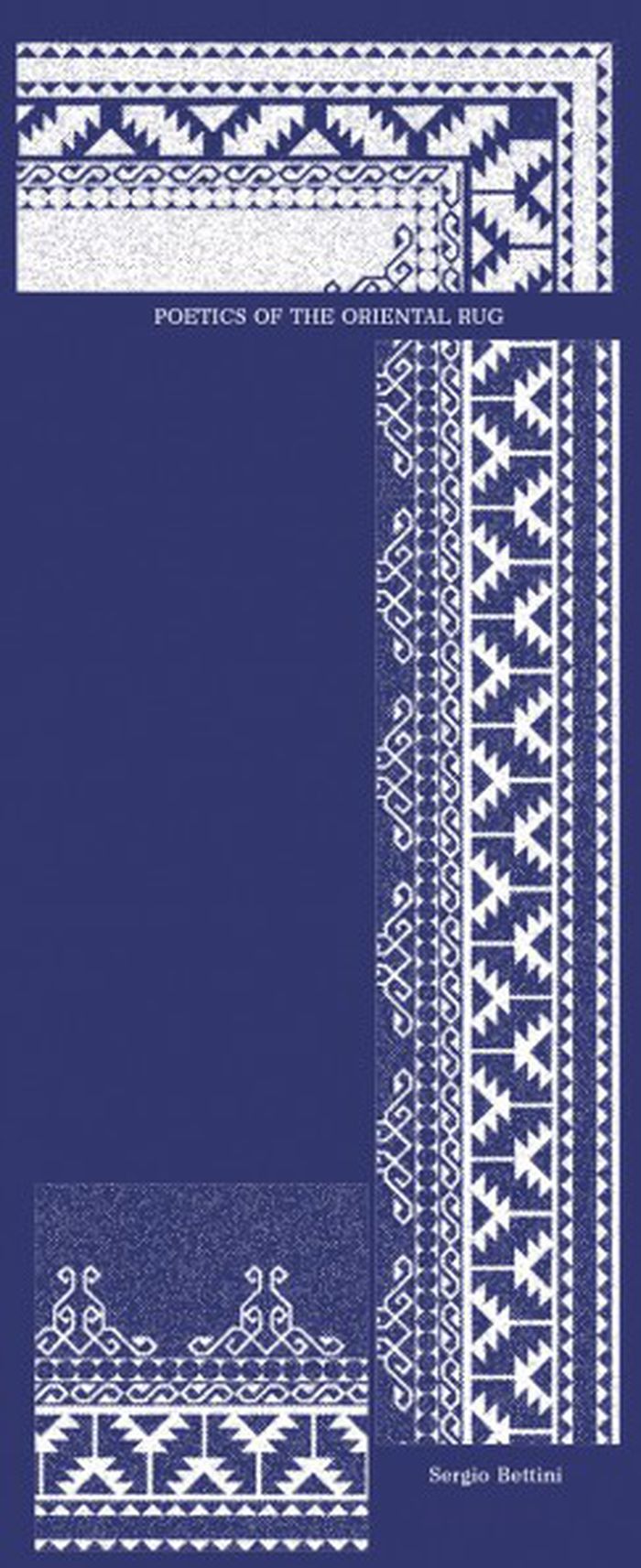
‘Poetics of the Oriental Rug’ is published as a supplement to 'MacGuffin Magazine 9: The Rug'. It is the transcript of a seminal lecture entitled Poetica del tappeto orientale and delivered at the University of Padua in the early 1960s by Italian art historian Sergio Bettini (1905–1986).
$19.95
(available in store)
Summary:
‘Poetics of the Oriental Rug’ is published as a supplement to 'MacGuffin Magazine 9: The Rug'. It is the transcript of a seminal lecture entitled Poetica del tappeto orientale and delivered at the University of Padua in the early 1960s by Italian art historian Sergio Bettini (1905–1986).
Title:
Poetics of the oriental rug
Actions:
Price:
$19.95
(available in store)
Summary:
‘Poetics of the Oriental Rug’ is published as a supplement to 'MacGuffin Magazine 9: The Rug'. It is the transcript of a seminal lecture entitled Poetica del tappeto orientale and delivered at the University of Padua in the early 1960s by Italian art historian Sergio Bettini (1905–1986).
Poetics of the oriental rug
Actions:
Price:
$19.95
(available in store)
Summary:
‘Poetics of the Oriental Rug’ is published as a supplement to 'MacGuffin Magazine 9: The Rug'. It is the transcript of a seminal lecture entitled Poetica del tappeto orientale and delivered at the University of Padua in the early 1960s by Italian art historian Sergio Bettini (1905–1986).
Form:
books
books
Publication:
June 2021
June 2021
Subject:
Design Theory
Design Theory
Form:
books
books

Title:
DÉCOR n° 01
DÉCOR n° 01
Actions:
Price:
$54.95
(available in store)
Summary:
Premier numéro de la grande revue annuelle de l'École des arts décoratifs de Paris, consacrée aux enjeux du décor contemporain. Traiter la notion de « décor » implique au moins deux présupposés : d'une part que la critique moderne de l'ornementation et du décoratif n'a pas eu raison du décor ; et d'autre part que la réhabilitation ludique et parfois cynique du décoratif(...)
$54.95
(available in store)
Summary:
Premier numéro de la grande revue annuelle de l'École des arts décoratifs de Paris, consacrée aux enjeux du décor contemporain. Traiter la notion de « décor » implique au moins deux présupposés : d'une part que la critique moderne de l'ornementation et du décoratif n'a pas eu raison du décor ; et d'autre part que la réhabilitation ludique et parfois cynique du décoratif(...)
Publication:
June 2021
June 2021
Title:
DÉCOR n° 01
Actions:
Price:
$54.95
(available in store)
Summary:
Premier numéro de la grande revue annuelle de l'École des arts décoratifs de Paris, consacrée aux enjeux du décor contemporain. Traiter la notion de « décor » implique au moins deux présupposés : d'une part que la critique moderne de l'ornementation et du décoratif n'a pas eu raison du décor ; et d'autre part que la réhabilitation ludique et parfois cynique du décoratif dans le postmoderne ne suffit pas à rendre compte du décor contemporain. Le décor reste à l'œuvre, autant quand on prétend le dépasser que lorsque l'on le recouvre par l'emphase décorative. Il s'agit donc de réfléchir à la pratique actuelle des décorateur.ice.s, que ce soit au théâtre, au cinéma, dans les jeux vidéo ou la réalité augmentée, ainsi qu'aux propositions artistiques qui incorporent cette dimension. Mais plus largement, il s'agit de comprendre cette notion en un sens qui déborde celui du décor de fiction pour étendre sa désignation à l'ensemble de l'environnement quotidien et montrer à quel point le décor touche à l'organisation même du réel dans sa dimension esthétique, sociale et politique.
DÉCOR n° 01
Actions:
Price:
$54.95
(available in store)
Summary:
Premier numéro de la grande revue annuelle de l'École des arts décoratifs de Paris, consacrée aux enjeux du décor contemporain. Traiter la notion de « décor » implique au moins deux présupposés : d'une part que la critique moderne de l'ornementation et du décoratif n'a pas eu raison du décor ; et d'autre part que la réhabilitation ludique et parfois cynique du décoratif dans le postmoderne ne suffit pas à rendre compte du décor contemporain. Le décor reste à l'œuvre, autant quand on prétend le dépasser que lorsque l'on le recouvre par l'emphase décorative. Il s'agit donc de réfléchir à la pratique actuelle des décorateur.ice.s, que ce soit au théâtre, au cinéma, dans les jeux vidéo ou la réalité augmentée, ainsi qu'aux propositions artistiques qui incorporent cette dimension. Mais plus largement, il s'agit de comprendre cette notion en un sens qui déborde celui du décor de fiction pour étendre sa désignation à l'ensemble de l'environnement quotidien et montrer à quel point le décor touche à l'organisation même du réel dans sa dimension esthétique, sociale et politique.
Form:
books
books
Publication:
June 2021
June 2021
Form:
books
books
Actions:
Price:
$75.00
(available to order)
Summary:
Un parcours d'inventions et d'expérimentations à travers plus de 200 pièces d'artistes internationaux, observant la diversité non seulement des formes et des décors, mais aussi des processus de fabrication de la céramique.
$75.00
(available to order)
Summary:
Un parcours d'inventions et d'expérimentations à travers plus de 200 pièces d'artistes internationaux, observant la diversité non seulement des formes et des décors, mais aussi des processus de fabrication de la céramique.
Title:
Artifices instables – Histoires de céramiques
Actions:
Price:
$75.00
(available to order)
Summary:
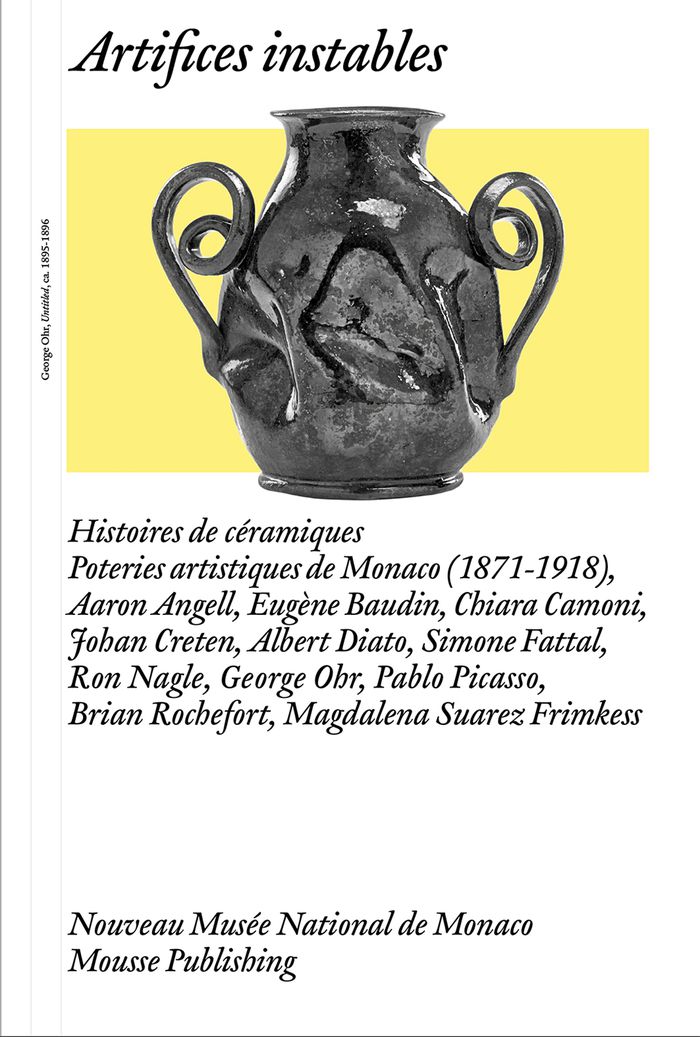
Un parcours d'inventions et d'expérimentations à travers plus de 200 pièces d'artistes internationaux, observant la diversité non seulement des formes et des décors, mais aussi des processus de fabrication de la céramique.
Artifices instables – Histoires de céramiques
Actions:
Price:
$75.00
(available to order)
Summary:
Un parcours d'inventions et d'expérimentations à travers plus de 200 pièces d'artistes internationaux, observant la diversité non seulement des formes et des décors, mais aussi des processus de fabrication de la céramique.
Form:
books
books
Publication:
January 2021
January 2021
Subject:
Design Theory
Design Theory
Form:
books
books
Actions:
Price:
$35.95
(available to order)
Summary:
Drawing on fifteen years of field research in Las Vegas, anthropologist Natasha Dow Schüll shows how the mechanical rhythm of electronic gambling pulls players into a trancelike state they call the "machine zone," in which daily worries, social demands, and even bodily awareness fade away. Once in the zone, gambling addicts play not to win but simply to keep playing, for(...)
$35.95
(available to order)
Summary:
Drawing on fifteen years of field research in Las Vegas, anthropologist Natasha Dow Schüll shows how the mechanical rhythm of electronic gambling pulls players into a trancelike state they call the "machine zone," in which daily worries, social demands, and even bodily awareness fade away. Once in the zone, gambling addicts play not to win but simply to keep playing, for(...)
Title:
Addiction by design: machine gambling in Las Vegas
Actions:
Price:
$35.95
(available to order)
Summary:
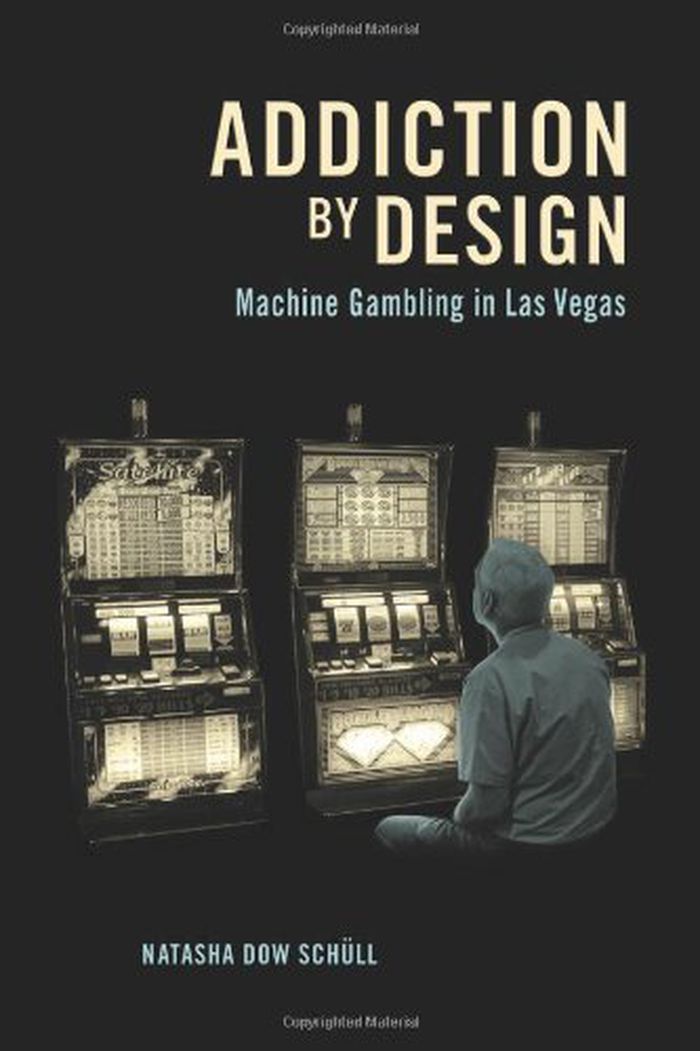
Drawing on fifteen years of field research in Las Vegas, anthropologist Natasha Dow Schüll shows how the mechanical rhythm of electronic gambling pulls players into a trancelike state they call the "machine zone," in which daily worries, social demands, and even bodily awareness fade away. Once in the zone, gambling addicts play not to win but simply to keep playing, for as long as possible?even at the cost of physical and economic exhaustion. In continuous machine play, gamblers seek to lose themselves while the gambling industry seeks profit. Schüll describes the strategic calculations behind game algorithms and machine ergonomics, casino architecture and "ambience management," player tracking and cash access systems?all designed to meet the market's desire for maximum "time on device." Her account moves from casino floors into gamblers' everyday lives, from gambling industry conventions and Gamblers Anonymous meetings to regulatory debates over whether addiction to gambling machines stems from the consumer, the product, or the interplay between the two. ''Addiction by design'' is a compelling inquiry into the intensifying traffic between people and machines of chance, offering clues to some of the broader anxieties and predicaments of contemporary life. At stake in Schüll's account of the intensifying traffic between people and machines of chance is a blurring of the line between design and experience, profit and loss, control and compulsion.
Addiction by design: machine gambling in Las Vegas
Actions:
Price:
$35.95
(available to order)
Summary:
Drawing on fifteen years of field research in Las Vegas, anthropologist Natasha Dow Schüll shows how the mechanical rhythm of electronic gambling pulls players into a trancelike state they call the "machine zone," in which daily worries, social demands, and even bodily awareness fade away. Once in the zone, gambling addicts play not to win but simply to keep playing, for as long as possible?even at the cost of physical and economic exhaustion. In continuous machine play, gamblers seek to lose themselves while the gambling industry seeks profit. Schüll describes the strategic calculations behind game algorithms and machine ergonomics, casino architecture and "ambience management," player tracking and cash access systems?all designed to meet the market's desire for maximum "time on device." Her account moves from casino floors into gamblers' everyday lives, from gambling industry conventions and Gamblers Anonymous meetings to regulatory debates over whether addiction to gambling machines stems from the consumer, the product, or the interplay between the two. ''Addiction by design'' is a compelling inquiry into the intensifying traffic between people and machines of chance, offering clues to some of the broader anxieties and predicaments of contemporary life. At stake in Schüll's account of the intensifying traffic between people and machines of chance is a blurring of the line between design and experience, profit and loss, control and compulsion.
Form:
books
books
Publication:
May 2014
May 2014
Subject:
Design Theory
Design Theory


