


432 Results
Form:
books
books
Price:
$24.00
(available to order)
Summary:
La voiture électrique a le vent en poupe. Dans un contexte d’urgence écologique, elle semble être la solution pour résoudre les principaux problèmes sanitaires et climatiques causés par la voiture à essence. Pour l’expert en transports Laurent Castaignède, il est urgent de prendre la mesure de la révolution en cours. En Occident comme en Chine, un remplacement aussi(...)
$24.00
(available to order)
Summary:
La voiture électrique a le vent en poupe. Dans un contexte d’urgence écologique, elle semble être la solution pour résoudre les principaux problèmes sanitaires et climatiques causés par la voiture à essence. Pour l’expert en transports Laurent Castaignède, il est urgent de prendre la mesure de la révolution en cours. En Occident comme en Chine, un remplacement aussi(...)
Title:
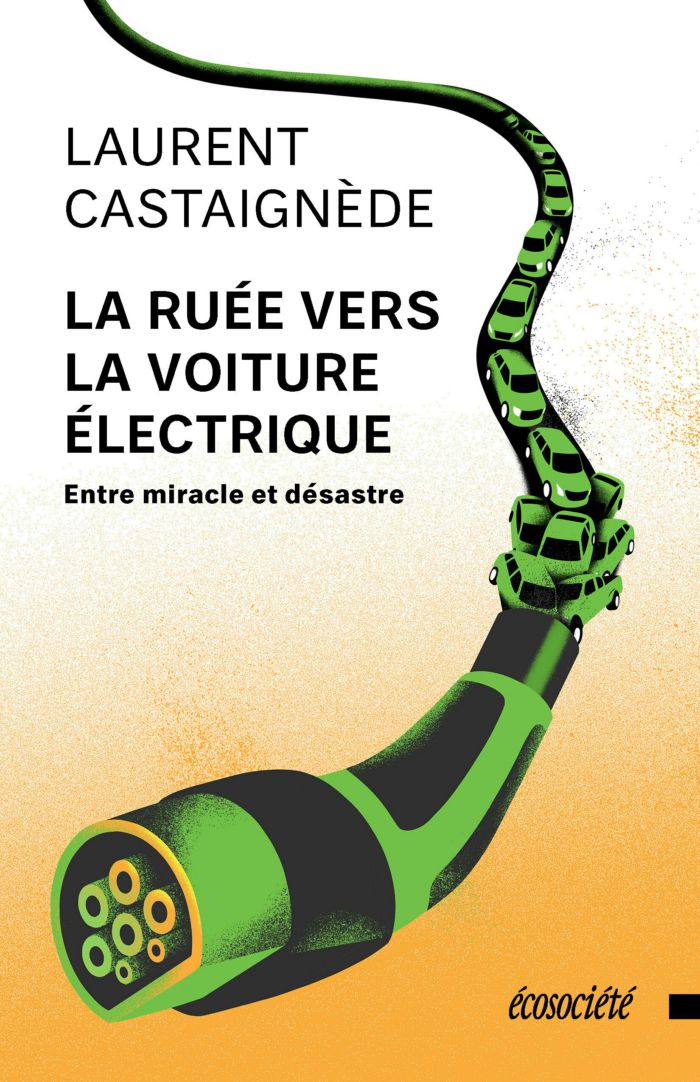
La Ruée vers la voiture électrique : entre miracle et désastre
Actions:
Price:
$24.00
(available to order)
Summary:
La voiture électrique a le vent en poupe. Dans un contexte d’urgence écologique, elle semble être la solution pour résoudre les principaux problèmes sanitaires et climatiques causés par la voiture à essence. Pour l’expert en transports Laurent Castaignède, il est urgent de prendre la mesure de la révolution en cours. En Occident comme en Chine, un remplacement aussi rapide et massif du parc automobile est-il possible ? Les promesses écologiques de la voiture électrique seront-elles au rendez-vous ou risquent-elles de s’évanouir dans un nouveau scandale environnemental ? Pour Laurent Castaignède, nous sommes sur le point d’accepter une nouvelle dépendance énergétique, verdie, sur fond de croissance économique jusqu’au-boutiste. Remontant aux origines de la mobilité routière électrique, l’ancien ingénieur automobile fait le point sur la situation actuelle, dont le dynamisme de déploiement est inédit. Si la voiture électrique n’émet pas de gaz polluants à l’utilisation, elle pose de nombreux problèmes. Elle mobilise des ressources critiques pour sa fabrication et ses recharges, pour des gabarits de véhicules toujours plus démesurés. Elle maintient aussi le modèle de l’auto-solo, sans rien changer aux problèmes d’embouteillage et au poids financier des infrastructures routières sur les collectivités.
La Ruée vers la voiture électrique : entre miracle et désastre
Actions:
Price:
$24.00
(available to order)
Summary:
La voiture électrique a le vent en poupe. Dans un contexte d’urgence écologique, elle semble être la solution pour résoudre les principaux problèmes sanitaires et climatiques causés par la voiture à essence. Pour l’expert en transports Laurent Castaignède, il est urgent de prendre la mesure de la révolution en cours. En Occident comme en Chine, un remplacement aussi rapide et massif du parc automobile est-il possible ? Les promesses écologiques de la voiture électrique seront-elles au rendez-vous ou risquent-elles de s’évanouir dans un nouveau scandale environnemental ? Pour Laurent Castaignède, nous sommes sur le point d’accepter une nouvelle dépendance énergétique, verdie, sur fond de croissance économique jusqu’au-boutiste. Remontant aux origines de la mobilité routière électrique, l’ancien ingénieur automobile fait le point sur la situation actuelle, dont le dynamisme de déploiement est inédit. Si la voiture électrique n’émet pas de gaz polluants à l’utilisation, elle pose de nombreux problèmes. Elle mobilise des ressources critiques pour sa fabrication et ses recharges, pour des gabarits de véhicules toujours plus démesurés. Elle maintient aussi le modèle de l’auto-solo, sans rien changer aux problèmes d’embouteillage et au poids financier des infrastructures routières sur les collectivités.
Form:
books
books
Publication:
October 2023
October 2023
Subject:
Environment and environmental theory
Environment and environmental theory
Form:
books
books
Title:
Microhabitable
Microhabitable
Actions:
Price:
$50.00
(available to order)
Summary:
Researching across disciplines, "Microhabitable" considers scale, as well as questions of habitability and self-organisation, in a de-anthropocentric, or more than- human, framework. What methodologies and strategies might those anthropological, political and scientific discourses that deal with the microscopic, the micropolitical and the microeconomic have to share with(...)
$50.00
(available to order)
Summary:
Researching across disciplines, "Microhabitable" considers scale, as well as questions of habitability and self-organisation, in a de-anthropocentric, or more than- human, framework. What methodologies and strategies might those anthropological, political and scientific discourses that deal with the microscopic, the micropolitical and the microeconomic have to share with(...)
Subject:
Environment and environmental theory
Environment and environmental theory
Publication:
January 2024
January 2024
Title:
Microhabitable
Actions:
Price:
$50.00
(available to order)
Summary:
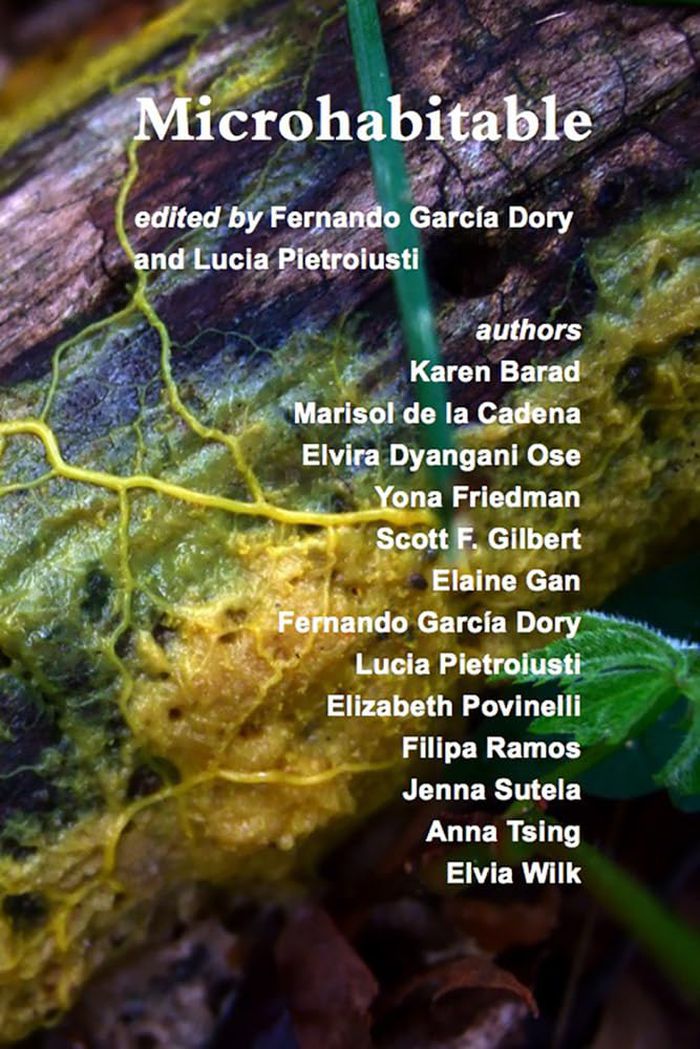
Researching across disciplines, "Microhabitable" considers scale, as well as questions of habitability and self-organisation, in a de-anthropocentric, or more than- human, framework. What methodologies and strategies might those anthropological, political and scientific discourses that deal with the microscopic, the micropolitical and the microeconomic have to share with one another? "Microhabitable"’s authors suggest methodologies of encounter and exchange between differential knowledges, be they subaltern, peasant, indigenous, vegetal, matriarchal or post/ nonhuman.
Microhabitable
Actions:
Price:
$50.00
(available to order)
Summary:
Researching across disciplines, "Microhabitable" considers scale, as well as questions of habitability and self-organisation, in a de-anthropocentric, or more than- human, framework. What methodologies and strategies might those anthropological, political and scientific discourses that deal with the microscopic, the micropolitical and the microeconomic have to share with one another? "Microhabitable"’s authors suggest methodologies of encounter and exchange between differential knowledges, be they subaltern, peasant, indigenous, vegetal, matriarchal or post/ nonhuman.
Form:
books
books
Publication:
January 2024
January 2024
Subject:
Environment and environmental theory
Environment and environmental theory
Form:
books
books
Actions:
Price:
$20.00
(available to order)
Summary:
Le constat est implacable : le plastique actuel et son recyclage représentent une impasse, sur le plan écologique et sanitaire. À peine 10?% du plastique produit à base de pétrole est recyclé, le reste terminant dans les dépotoirs ou l’environnement… Par chance, un substitut existe : le bioplastique. Dans cet ouvrage de vulgarisation, Paul Lavallée présente un panorama(...)
$20.00
(available to order)
Summary:
Le constat est implacable : le plastique actuel et son recyclage représentent une impasse, sur le plan écologique et sanitaire. À peine 10?% du plastique produit à base de pétrole est recyclé, le reste terminant dans les dépotoirs ou l’environnement… Par chance, un substitut existe : le bioplastique. Dans cet ouvrage de vulgarisation, Paul Lavallée présente un panorama(...)
Title:
Le plastique est mort, vive le bioplastique!
Actions:
Price:
$20.00
(available to order)
Summary:
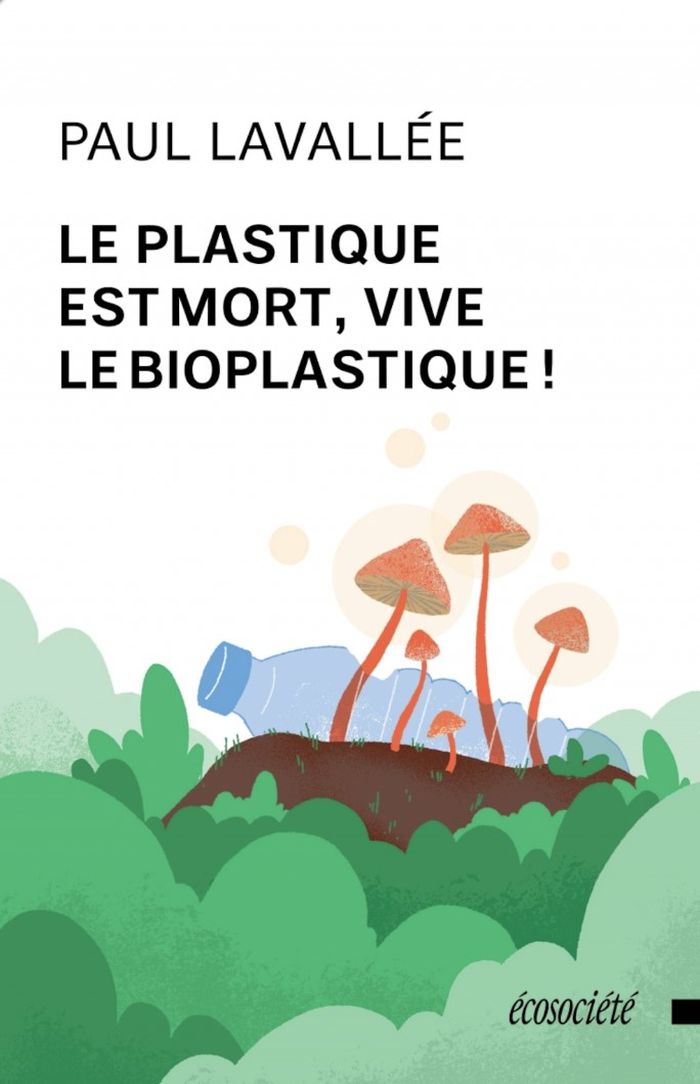
Le constat est implacable : le plastique actuel et son recyclage représentent une impasse, sur le plan écologique et sanitaire. À peine 10?% du plastique produit à base de pétrole est recyclé, le reste terminant dans les dépotoirs ou l’environnement… Par chance, un substitut existe : le bioplastique. Dans cet ouvrage de vulgarisation, Paul Lavallée présente un panorama complet des avantages des bioplastiques et des mythes à déconstruire. Fabriqué à partir de tout matériau organique (végétaux, résidus alimentaires, algues…), le bioplastique peut se décomposer par certaines bactéries, devenir du compost ou du méthane. Plan de conversion à l’appui, ce livre essentiel montre comment le bioplastique offre un avenir beaucoup plus sain pour l’environnement et les êtres vivants.
Le plastique est mort, vive le bioplastique!
Actions:
Price:
$20.00
(available to order)
Summary:
Le constat est implacable : le plastique actuel et son recyclage représentent une impasse, sur le plan écologique et sanitaire. À peine 10?% du plastique produit à base de pétrole est recyclé, le reste terminant dans les dépotoirs ou l’environnement… Par chance, un substitut existe : le bioplastique. Dans cet ouvrage de vulgarisation, Paul Lavallée présente un panorama complet des avantages des bioplastiques et des mythes à déconstruire. Fabriqué à partir de tout matériau organique (végétaux, résidus alimentaires, algues…), le bioplastique peut se décomposer par certaines bactéries, devenir du compost ou du méthane. Plan de conversion à l’appui, ce livre essentiel montre comment le bioplastique offre un avenir beaucoup plus sain pour l’environnement et les êtres vivants.
Form:
books
books
Publication:
October 2023
October 2023
Subject:
Environment and environmental theory
Environment and environmental theory
Form:
books
books
Title:
Atlas d'une planète menacée
Atlas d'une planète menacée
Actions:
Price:
$56.95
(available to order)
Summary:
Comment fonctionne notre climat ? Pourquoi y a-t-il de moins en moins d'eau potable ? Comment se forme un « vortex de déchets » ? De quelle surface avons-nous besoin pour notre alimentation ?. Pouvons-nous sauver le monde grâce à l'innovation technologique ? Retrouvez les réponses à ces questions et à bien d'autres dans cet atlas de l'infographe Esther Gonstalla - un(...)
$56.95
(available to order)
Summary:
Comment fonctionne notre climat ? Pourquoi y a-t-il de moins en moins d'eau potable ? Comment se forme un « vortex de déchets » ? De quelle surface avons-nous besoin pour notre alimentation ?. Pouvons-nous sauver le monde grâce à l'innovation technologique ? Retrouvez les réponses à ces questions et à bien d'autres dans cet atlas de l'infographe Esther Gonstalla - un(...)
Title:
Atlas d'une planète menacée
Actions:
Price:
$56.95
(available to order)
Summary:
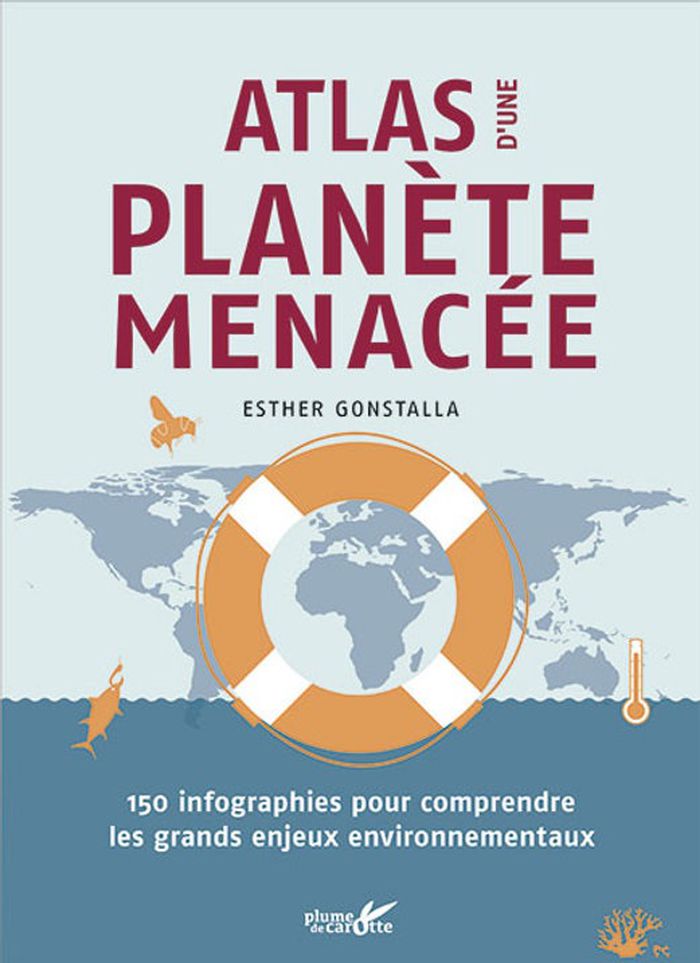
Comment fonctionne notre climat ? Pourquoi y a-t-il de moins en moins d'eau potable ? Comment se forme un « vortex de déchets » ? De quelle surface avons-nous besoin pour notre alimentation ?. Pouvons-nous sauver le monde grâce à l'innovation technologique ? Retrouvez les réponses à ces questions et à bien d'autres dans cet atlas de l'infographe Esther Gonstalla - un concentré de connaissances dans des graphiques clairs et attrayants qui vous offriront des aperçus étonnants de notre fascinante planète. Un livre pour tous ceux qui souhaitent connaître l'état de notre planète et les stratégies susceptibles de la sauver.
Atlas d'une planète menacée
Actions:
Price:
$56.95
(available to order)
Summary:
Comment fonctionne notre climat ? Pourquoi y a-t-il de moins en moins d'eau potable ? Comment se forme un « vortex de déchets » ? De quelle surface avons-nous besoin pour notre alimentation ?. Pouvons-nous sauver le monde grâce à l'innovation technologique ? Retrouvez les réponses à ces questions et à bien d'autres dans cet atlas de l'infographe Esther Gonstalla - un concentré de connaissances dans des graphiques clairs et attrayants qui vous offriront des aperçus étonnants de notre fascinante planète. Un livre pour tous ceux qui souhaitent connaître l'état de notre planète et les stratégies susceptibles de la sauver.
Form:
books
books
Publication:
November 2023
November 2023
Subject:
Environment and environmental theory
Environment and environmental theory
Form:
books
books
Price:
$33.95
(available in store)
Summary:
Dans un monde qui se dirige vers le chaos climatique, la nature est morte. Elle ne peut plus être séparée de la société. Tout n'est plus qu'un amalgame d'hybrides, où l'homme ne possède aucune faculté d’action particulière qui le différencie de la matière morte. Mais est-ce vraiment le cas? Dans cette polémique cinglante avec les philosophes de ce qu’il nomme le tournant(...)
$33.95
(available in store)
Summary:
Dans un monde qui se dirige vers le chaos climatique, la nature est morte. Elle ne peut plus être séparée de la société. Tout n'est plus qu'un amalgame d'hybrides, où l'homme ne possède aucune faculté d’action particulière qui le différencie de la matière morte. Mais est-ce vraiment le cas? Dans cette polémique cinglante avec les philosophes de ce qu’il nomme le tournant(...)
Title:
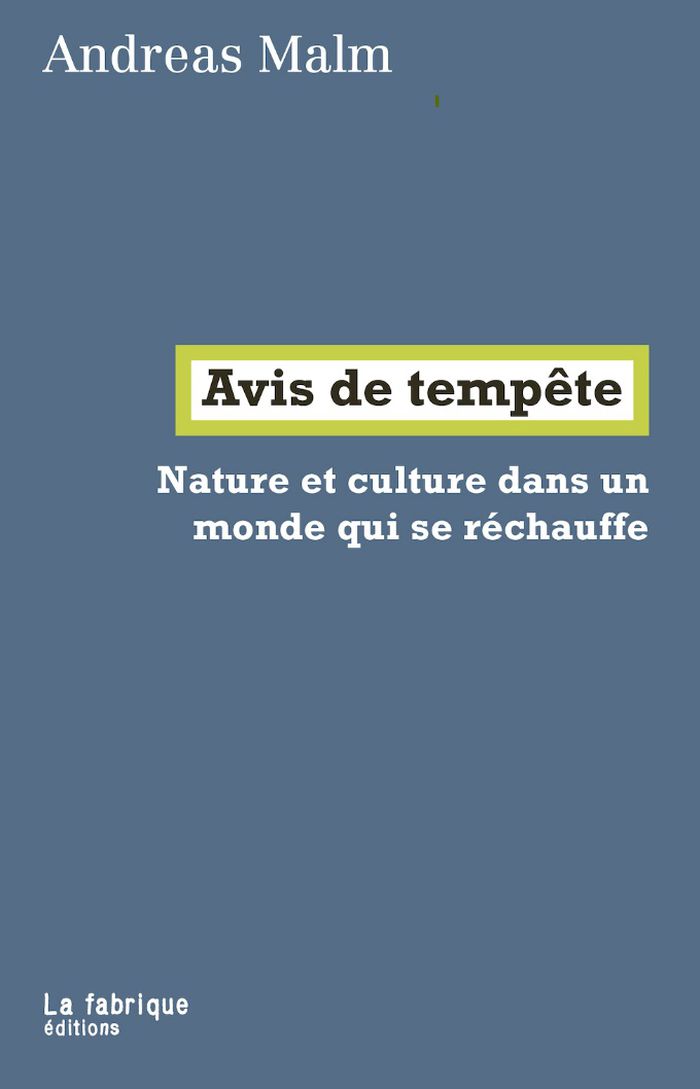
Avis de tempête : Nature et culture dans un monde qui se réchauffe
Actions:
Price:
$33.95
(available in store)
Summary:
Dans un monde qui se dirige vers le chaos climatique, la nature est morte. Elle ne peut plus être séparée de la société. Tout n'est plus qu'un amalgame d'hybrides, où l'homme ne possède aucune faculté d’action particulière qui le différencie de la matière morte. Mais est-ce vraiment le cas? Dans cette polémique cinglante avec les philosophes de ce qu’il nomme le tournant culturel (dont Bruno Latour est une figure centrale), Andreas Malm développe un contre-argument : dans un monde qui se réchauffe, la nature revient en force, et il est plus important que jamais de distinguer le naturel du social. C’est en attribuant aux humains une capacité d’action spécifique que la résistance devient concevable. Ce livre pose des questions urgentes à l’heure ou l’inaction climatique à l’échelle mondiale inquiète de plus en plus de gens : quel rôle doit jouer la pensée théorique dans la lutte contre le réchauffement mondial? Et ce qui s’écrit aujourd’hui est-il à la hauteur du défi?
Avis de tempête : Nature et culture dans un monde qui se réchauffe
Actions:
Price:
$33.95
(available in store)
Summary:
Dans un monde qui se dirige vers le chaos climatique, la nature est morte. Elle ne peut plus être séparée de la société. Tout n'est plus qu'un amalgame d'hybrides, où l'homme ne possède aucune faculté d’action particulière qui le différencie de la matière morte. Mais est-ce vraiment le cas? Dans cette polémique cinglante avec les philosophes de ce qu’il nomme le tournant culturel (dont Bruno Latour est une figure centrale), Andreas Malm développe un contre-argument : dans un monde qui se réchauffe, la nature revient en force, et il est plus important que jamais de distinguer le naturel du social. C’est en attribuant aux humains une capacité d’action spécifique que la résistance devient concevable. Ce livre pose des questions urgentes à l’heure ou l’inaction climatique à l’échelle mondiale inquiète de plus en plus de gens : quel rôle doit jouer la pensée théorique dans la lutte contre le réchauffement mondial? Et ce qui s’écrit aujourd’hui est-il à la hauteur du défi?
Form:
books
books
Publication:
November 2023
November 2023
Subject:
Environment and environmental theory
Environment and environmental theory
Form:
books
books

Title:
Manifestos
Manifestos
Actions:
Price:
$39.95
(available to order)
Summary:
"Manifestos" brings together for the first time in English the manifestos written by Édouard Glissant and Patrick Chamoiseau between 2000 and 2009. Composed in part in the aftermath of Barack Obama’s election in 2008, the texts resonate with the current context of divided identities and criticisms of multiculturalism. The individual texts grapple with concrete historical(...)
$39.95
(available to order)
Summary:
"Manifestos" brings together for the first time in English the manifestos written by Édouard Glissant and Patrick Chamoiseau between 2000 and 2009. Composed in part in the aftermath of Barack Obama’s election in 2008, the texts resonate with the current context of divided identities and criticisms of multiculturalism. The individual texts grapple with concrete historical(...)
Subject:
Environment and environmental theory
Environment and environmental theory
Publication:
September 2022
September 2022
Title:
Manifestos
Actions:
Price:
$39.95
(available to order)
Summary:
"Manifestos" brings together for the first time in English the manifestos written by Édouard Glissant and Patrick Chamoiseau between 2000 and 2009. Composed in part in the aftermath of Barack Obama’s election in 2008, the texts resonate with the current context of divided identities and criticisms of multiculturalism. The individual texts grapple with concrete historical and political moments in France, the Caribbean, and North America. Across the manifestos, as well as two collectively signed op-eds, the authors engage with socio-political aspects of climate catastrophe, resource extraction, toxicity, and neocolonialism. Throughout the collection, Glissant and Chamoiseau engage with key themes articulated through their poetic vocabulary, including Relation, globalization, globality (mondialité), anti-universalism, métissage, the tout-monde ("whole-world") and the tout-vivant ("all-living," including the relationship of humans to each other and "nature"), créolité and the creolization of the world, and the liberation from community assignations in response to individualism and neoliberal societies. Translated as the first volume in the Planetarities series with Goldsmiths Press, the themes of "Manifestos" resonate with the planetary as they work in response to contemporary forms of (economic) globalization, western capitalism, identity politics, and urban, digital and cosmic ecosystems, as well as the role of the poet-writer. A distinguishing feature of this publication is its interventional aspect, which prioritizes engaged scholarship and practice while demonstrating the relevance of the poetic in response to the urgencies of planetary crisis.
Manifestos
Actions:
Price:
$39.95
(available to order)
Summary:
"Manifestos" brings together for the first time in English the manifestos written by Édouard Glissant and Patrick Chamoiseau between 2000 and 2009. Composed in part in the aftermath of Barack Obama’s election in 2008, the texts resonate with the current context of divided identities and criticisms of multiculturalism. The individual texts grapple with concrete historical and political moments in France, the Caribbean, and North America. Across the manifestos, as well as two collectively signed op-eds, the authors engage with socio-political aspects of climate catastrophe, resource extraction, toxicity, and neocolonialism. Throughout the collection, Glissant and Chamoiseau engage with key themes articulated through their poetic vocabulary, including Relation, globalization, globality (mondialité), anti-universalism, métissage, the tout-monde ("whole-world") and the tout-vivant ("all-living," including the relationship of humans to each other and "nature"), créolité and the creolization of the world, and the liberation from community assignations in response to individualism and neoliberal societies. Translated as the first volume in the Planetarities series with Goldsmiths Press, the themes of "Manifestos" resonate with the planetary as they work in response to contemporary forms of (economic) globalization, western capitalism, identity politics, and urban, digital and cosmic ecosystems, as well as the role of the poet-writer. A distinguishing feature of this publication is its interventional aspect, which prioritizes engaged scholarship and practice while demonstrating the relevance of the poetic in response to the urgencies of planetary crisis.
Form:
books
books
Publication:
September 2022
September 2022
Subject:
Environment and environmental theory
Environment and environmental theory
Form:
books
books
Price:
$38.95
(available to order)
Summary:
À terme, il faudra un profond changement de paradigme du modèle économique pour relever les enjeux écologiques et sociaux auxquels l'humanité est confrontée. C'est ce qu'on appelle communément une révolution. En s'appuyant sur sa triple expérience de biologiste, de syndicaliste et de député LFI-Nupes, Hendrik Davi dresse une synthèse méticuleuse des multiples crises(...)
$38.95
(available to order)
Summary:
À terme, il faudra un profond changement de paradigme du modèle économique pour relever les enjeux écologiques et sociaux auxquels l'humanité est confrontée. C'est ce qu'on appelle communément une révolution. En s'appuyant sur sa triple expérience de biologiste, de syndicaliste et de député LFI-Nupes, Hendrik Davi dresse une synthèse méticuleuse des multiples crises(...)
Publication:
November 2023
November 2023
Title:
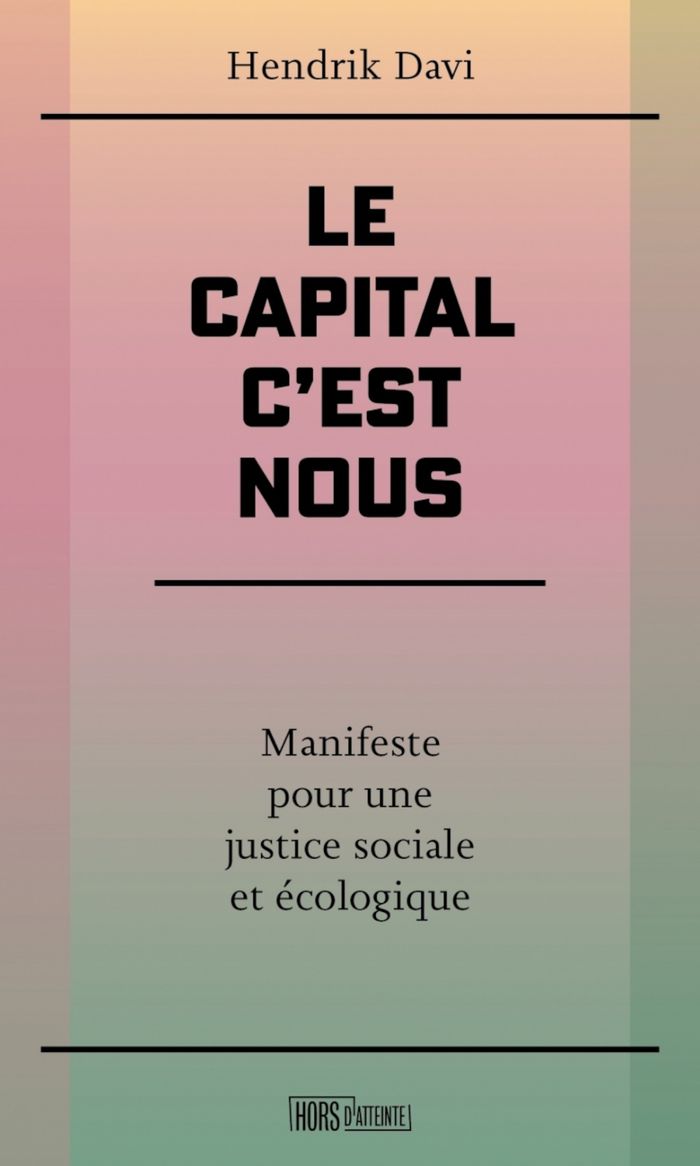
Le capital c'est nous : Manifeste pour une justice sociale et écologique
Actions:
Price:
$38.95
(available to order)
Summary:
À terme, il faudra un profond changement de paradigme du modèle économique pour relever les enjeux écologiques et sociaux auxquels l'humanité est confrontée. C'est ce qu'on appelle communément une révolution. En s'appuyant sur sa triple expérience de biologiste, de syndicaliste et de député LFI-Nupes, Hendrik Davi dresse une synthèse méticuleuse des multiples crises auxquelles nous sommes actuellement confrontés et propose un horizon écosocialiste lucide et désirable vers lequel nous pourrions tendre. Passant de la théorie à la pratique, il propose une stratégie concrète et amorce l'écriture d'une histoire plus apaisée et plus collective.
Le capital c'est nous : Manifeste pour une justice sociale et écologique
Actions:
Price:
$38.95
(available to order)
Summary:
À terme, il faudra un profond changement de paradigme du modèle économique pour relever les enjeux écologiques et sociaux auxquels l'humanité est confrontée. C'est ce qu'on appelle communément une révolution. En s'appuyant sur sa triple expérience de biologiste, de syndicaliste et de député LFI-Nupes, Hendrik Davi dresse une synthèse méticuleuse des multiples crises auxquelles nous sommes actuellement confrontés et propose un horizon écosocialiste lucide et désirable vers lequel nous pourrions tendre. Passant de la théorie à la pratique, il propose une stratégie concrète et amorce l'écriture d'une histoire plus apaisée et plus collective.
Form:
books
books
Publication:
November 2023
November 2023
Form:
books
books

Price:
$42.95
(available to order)
Summary:
Depuis les forêts himalayennes de son enfance jusqu'aux tribunes de l'ONU, Vandana Shiva offre pour la première fois le récit de son combat pour la vie et pour la Terre. Dans une écriture à la fois sensible et rebelle, elle revient sur près de cinquante années de lutte contre la déforestation et contre l'accaparement de l'eau et des semences. Défenseuse infatigable de(...)
$42.95
(available to order)
Summary:
Depuis les forêts himalayennes de son enfance jusqu'aux tribunes de l'ONU, Vandana Shiva offre pour la première fois le récit de son combat pour la vie et pour la Terre. Dans une écriture à la fois sensible et rebelle, elle revient sur près de cinquante années de lutte contre la déforestation et contre l'accaparement de l'eau et des semences. Défenseuse infatigable de(...)
Title:
Mémoire terrestes : Une vie de luttes pour l'écologie et le féminisme
Actions:
Price:
$42.95
(available to order)
Summary:
Depuis les forêts himalayennes de son enfance jusqu'aux tribunes de l'ONU, Vandana Shiva offre pour la première fois le récit de son combat pour la vie et pour la Terre. Dans une écriture à la fois sensible et rebelle, elle revient sur près de cinquante années de lutte contre la déforestation et contre l'accaparement de l'eau et des semences. Défenseuse infatigable de l'autonomie alimentaire, des connaissances autochtones et de la démocratie directe, elle établit par ses actes et sa pensée les liens entre crise écologique, patriarcat et capitalisme. Lutte contre les OGM, catastrophe de Bhopal, mouvement Chipko : ces « Mémoires terrestres » nous font retraverser un demi-siècle de résistances planétaires en faveur de l'écologie et de la Terre-Mère. Par son destin hors du commun, la militante indienne incarne l'idée, aux côtés de tant d'autres, que les femmes sont « les véritables gardiennes des connaissances liées à la biodiversité ». Vandana Shiva s'impose ici comme une héritière des luttes menées à la fois par Gandhi et Rachel Carson.
Mémoire terrestes : Une vie de luttes pour l'écologie et le féminisme
Actions:
Price:
$42.95
(available to order)
Summary:
Depuis les forêts himalayennes de son enfance jusqu'aux tribunes de l'ONU, Vandana Shiva offre pour la première fois le récit de son combat pour la vie et pour la Terre. Dans une écriture à la fois sensible et rebelle, elle revient sur près de cinquante années de lutte contre la déforestation et contre l'accaparement de l'eau et des semences. Défenseuse infatigable de l'autonomie alimentaire, des connaissances autochtones et de la démocratie directe, elle établit par ses actes et sa pensée les liens entre crise écologique, patriarcat et capitalisme. Lutte contre les OGM, catastrophe de Bhopal, mouvement Chipko : ces « Mémoires terrestres » nous font retraverser un demi-siècle de résistances planétaires en faveur de l'écologie et de la Terre-Mère. Par son destin hors du commun, la militante indienne incarne l'idée, aux côtés de tant d'autres, que les femmes sont « les véritables gardiennes des connaissances liées à la biodiversité ». Vandana Shiva s'impose ici comme une héritière des luttes menées à la fois par Gandhi et Rachel Carson.
Form:
books
books
Publication:
November 2023
November 2023
Subject:
Environment and environmental theory
Environment and environmental theory
Form:
books
books
Actions:
Price:
$36.95
(available to order)
Summary:
Depuis l'automne 2021, la France et ses pays voisins font face à une hausse délirante des prix de l'électricité et du gaz : les factures explosent, des ménages subissent de plein fouet la précarité énergétique, des entreprises réduisent leur production, ferment ou délocalisent. Pour le gouvernement et les dirigeants de l'Union européenne, relayés par certains médias,(...)
$36.95
(available to order)
Summary:
Depuis l'automne 2021, la France et ses pays voisins font face à une hausse délirante des prix de l'électricité et du gaz : les factures explosent, des ménages subissent de plein fouet la précarité énergétique, des entreprises réduisent leur production, ferment ou délocalisent. Pour le gouvernement et les dirigeants de l'Union européenne, relayés par certains médias,(...)
Title:
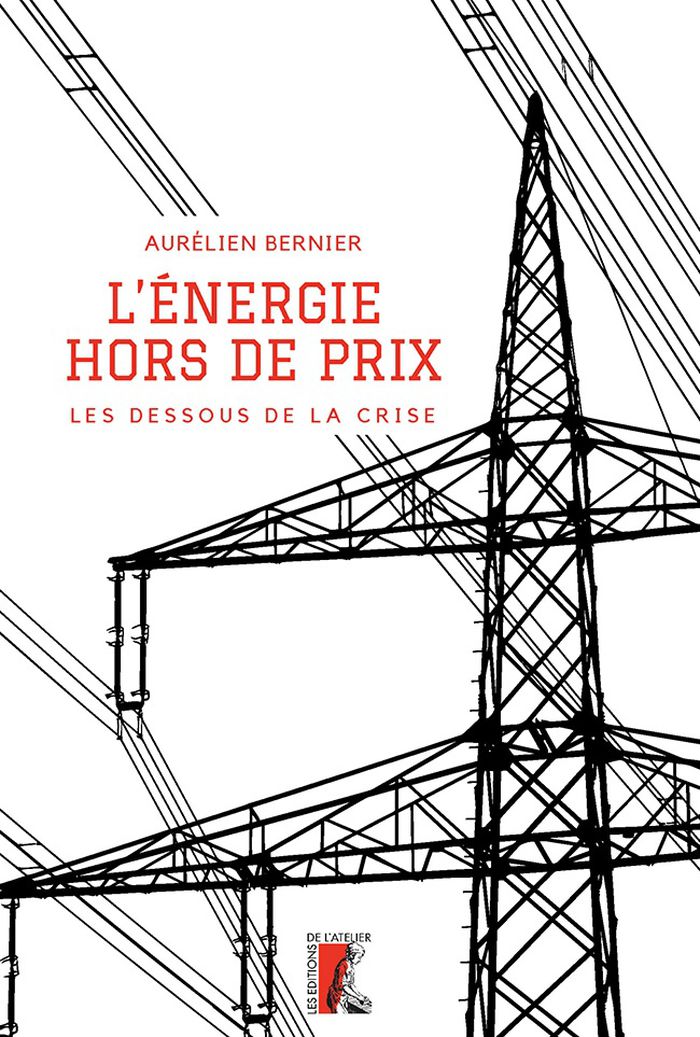
L'énergie hors de prix : les dessous de la crise
Actions:
Price:
$36.95
(available to order)
Summary:
Depuis l'automne 2021, la France et ses pays voisins font face à une hausse délirante des prix de l'électricité et du gaz : les factures explosent, des ménages subissent de plein fouet la précarité énergétique, des entreprises réduisent leur production, ferment ou délocalisent. Pour le gouvernement et les dirigeants de l'Union européenne, relayés par certains médias, cette hausse est directement liée au Covid-19 et à la guerre en Ukraine. Ce qui les décharge de toute responsabilité. Dans des termes accessibles à tous, cet ouvrage démontre au contraire que cette crise est le résultat de vingt-cinq années de dérégulation et de démantèlement du service public de l'énergie. Alors que celui-ci fonctionnait bien, EDF et GDF ont été sacrifiées au nom de la concurrence. L'électricité et le gaz sont devenus des produits de spéculation, cotés en Bourse. Aujourd'hui, le piège se referme sur nous, et la crise énergétique ne fait que commencer... Comment tout cela a-t-il pu arriver ? Et comment peut-on en sortir ? Ce livre propose une analyse en profondeur de ce qui a mené à cette situation inquiétante, mais aussi des pistes pour réinventer un service public de l'énergie.
L'énergie hors de prix : les dessous de la crise
Actions:
Price:
$36.95
(available to order)
Summary:
Depuis l'automne 2021, la France et ses pays voisins font face à une hausse délirante des prix de l'électricité et du gaz : les factures explosent, des ménages subissent de plein fouet la précarité énergétique, des entreprises réduisent leur production, ferment ou délocalisent. Pour le gouvernement et les dirigeants de l'Union européenne, relayés par certains médias, cette hausse est directement liée au Covid-19 et à la guerre en Ukraine. Ce qui les décharge de toute responsabilité. Dans des termes accessibles à tous, cet ouvrage démontre au contraire que cette crise est le résultat de vingt-cinq années de dérégulation et de démantèlement du service public de l'énergie. Alors que celui-ci fonctionnait bien, EDF et GDF ont été sacrifiées au nom de la concurrence. L'électricité et le gaz sont devenus des produits de spéculation, cotés en Bourse. Aujourd'hui, le piège se referme sur nous, et la crise énergétique ne fait que commencer... Comment tout cela a-t-il pu arriver ? Et comment peut-on en sortir ? Ce livre propose une analyse en profondeur de ce qui a mené à cette situation inquiétante, mais aussi des pistes pour réinventer un service public de l'énergie.
Form:
books
books
Publication:
October 2023
October 2023
Subject:
Environment and environmental theory
Environment and environmental theory
Form:
books
books
Actions:
Price:
$24.95
(available to order)
Summary:
Depuis des millions d’années, plusieurs espèces d’arbres ont réussi à traverser tous les changements climatiques qu’a subis la planète. Comme quoi les forêts naturelles peuvent survivre aux épisodes de chaleur intense et de sécheresse. Mais ce n’est pas le cas des forêts aménagées. Leur gestion actuelle, conjuguée à des pratiques de reboisement inappropriées, vise(...)
$24.95
(available to order)
Summary:
Depuis des millions d’années, plusieurs espèces d’arbres ont réussi à traverser tous les changements climatiques qu’a subis la planète. Comme quoi les forêts naturelles peuvent survivre aux épisodes de chaleur intense et de sécheresse. Mais ce n’est pas le cas des forêts aménagées. Leur gestion actuelle, conjuguée à des pratiques de reboisement inappropriées, vise(...)
Title:
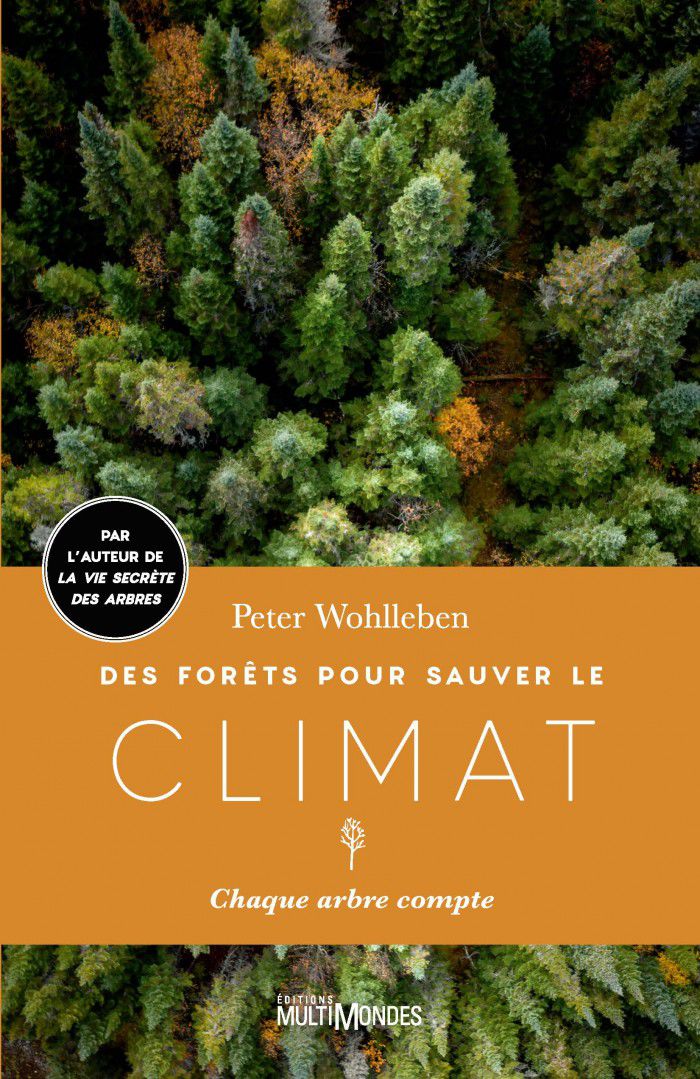
Des forêts pour sauver le climat
Actions:
Price:
$24.95
(available to order)
Summary:
Depuis des millions d’années, plusieurs espèces d’arbres ont réussi à traverser tous les changements climatiques qu’a subis la planète. Comme quoi les forêts naturelles peuvent survivre aux épisodes de chaleur intense et de sécheresse. Mais ce n’est pas le cas des forêts aménagées. Leur gestion actuelle, conjuguée à des pratiques de reboisement inappropriées, vise uniquement à augmenter la récolte de bois. À l’heure du grand dérèglement climatique, il faut d’urgence repenser cette façon de faire. Il serait notamment justifié d’appliquer la fameuse taxe carbone à la sylviculture, sachant qu’un mètre cube de bois peut équivaloir à une tonne de dioxyde de carbone. Provocatrice, cette proposition s’inscrit bien dans l’optique d’une foresterie viable. Pour cela, il faut privilégier la plantation d’arbres indigènes, et aider les écosystèmes à s’autogérer. Et dans ce défi écologique pour concevoir les forêts du futur, chaque arbre compte.
Des forêts pour sauver le climat
Actions:
Price:
$24.95
(available to order)
Summary:
Depuis des millions d’années, plusieurs espèces d’arbres ont réussi à traverser tous les changements climatiques qu’a subis la planète. Comme quoi les forêts naturelles peuvent survivre aux épisodes de chaleur intense et de sécheresse. Mais ce n’est pas le cas des forêts aménagées. Leur gestion actuelle, conjuguée à des pratiques de reboisement inappropriées, vise uniquement à augmenter la récolte de bois. À l’heure du grand dérèglement climatique, il faut d’urgence repenser cette façon de faire. Il serait notamment justifié d’appliquer la fameuse taxe carbone à la sylviculture, sachant qu’un mètre cube de bois peut équivaloir à une tonne de dioxyde de carbone. Provocatrice, cette proposition s’inscrit bien dans l’optique d’une foresterie viable. Pour cela, il faut privilégier la plantation d’arbres indigènes, et aider les écosystèmes à s’autogérer. Et dans ce défi écologique pour concevoir les forêts du futur, chaque arbre compte.
Form:
books
books
Publication:
April 2023
April 2023
Subject:
Environment and environmental theory
Environment and environmental theory


