


460 Results
Form:
books
books
Actions:
Price:
$12.95
(available to order)
Summary:
La grande historienne anglaise traite ici de l'un de ses sujets de prédilection : le rôle joué en Europe par la tradition hermétique et la pensée magique dans l'histoire des idées, à la charnière de la Renaissance et du XVIIe siècle. Selon elle, loin de faire obstacle au développement de la pensée scientifique, la tradition hermétique a au contraire amorcé le changement(...)
$12.95
(available to order)
Summary:
La grande historienne anglaise traite ici de l'un de ses sujets de prédilection : le rôle joué en Europe par la tradition hermétique et la pensée magique dans l'histoire des idées, à la charnière de la Renaissance et du XVIIe siècle. Selon elle, loin de faire obstacle au développement de la pensée scientifique, la tradition hermétique a au contraire amorcé le changement(...)
Title:
Science et tradition hermétique, n.é.
Actions:
Price:
$12.95
(available to order)
Summary:
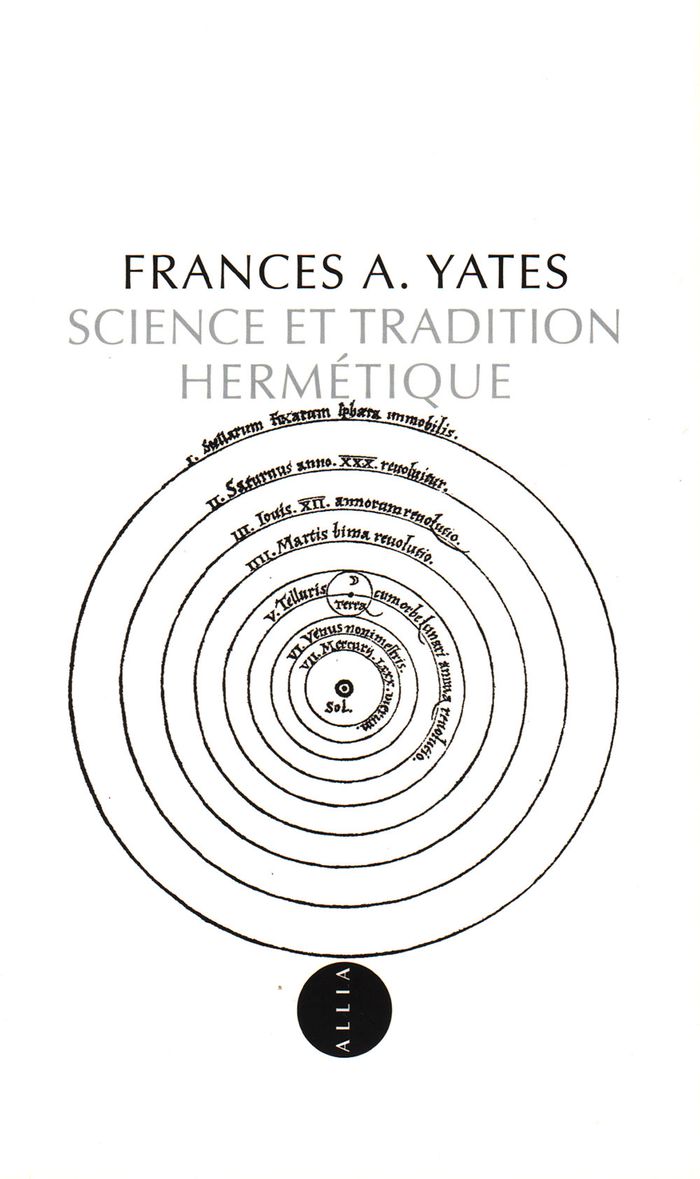
La grande historienne anglaise traite ici de l'un de ses sujets de prédilection : le rôle joué en Europe par la tradition hermétique et la pensée magique dans l'histoire des idées, à la charnière de la Renaissance et du XVIIe siècle. Selon elle, loin de faire obstacle au développement de la pensée scientifique, la tradition hermétique a au contraire amorcé le changement dans les mentalités qui a favorisé l'émergence de la science moderne, notamment l'héliocentrisme de Copernic et la physique de Newton.
Science et tradition hermétique, n.é.
Actions:
Price:
$12.95
(available to order)
Summary:
La grande historienne anglaise traite ici de l'un de ses sujets de prédilection : le rôle joué en Europe par la tradition hermétique et la pensée magique dans l'histoire des idées, à la charnière de la Renaissance et du XVIIe siècle. Selon elle, loin de faire obstacle au développement de la pensée scientifique, la tradition hermétique a au contraire amorcé le changement dans les mentalités qui a favorisé l'émergence de la science moderne, notamment l'héliocentrisme de Copernic et la physique de Newton.
Form:
books
books
Publication:
November 2018
November 2018
Subject:
Current Exhibitions
Current Exhibitions
Form:
books
books

Actions:
Price:
$22.95
(available in store)
Summary:
Álvaro Siza and Alexandre Alves Costa take us to Morocco, on a journey undertaken in 1967 by a group of seven friends in a Renault 4L and a Fiat 850, with no spare tyre. The aim of this collection is to construct a map of emotions from unique journeys undertaken by recognised personalities from the architectural culture. A tour around the various continents, but also the(...)
$22.95
(available in store)
Summary:
Álvaro Siza and Alexandre Alves Costa take us to Morocco, on a journey undertaken in 1967 by a group of seven friends in a Renault 4L and a Fiat 850, with no spare tyre. The aim of this collection is to construct a map of emotions from unique journeys undertaken by recognised personalities from the architectural culture. A tour around the various continents, but also the(...)
Publication:
January 2018
January 2018
Title:
Marrocos, 1967. Viagens / Journeys
Actions:
Price:
$22.95
(available in store)
Summary:
Álvaro Siza and Alexandre Alves Costa take us to Morocco, on a journey undertaken in 1967 by a group of seven friends in a Renault 4L and a Fiat 850, with no spare tyre. The aim of this collection is to construct a map of emotions from unique journeys undertaken by recognised personalities from the architectural culture. A tour around the various continents, but also the universe of its authors.
Marrocos, 1967. Viagens / Journeys
Actions:
Price:
$22.95
(available in store)
Summary:
Álvaro Siza and Alexandre Alves Costa take us to Morocco, on a journey undertaken in 1967 by a group of seven friends in a Renault 4L and a Fiat 850, with no spare tyre. The aim of this collection is to construct a map of emotions from unique journeys undertaken by recognised personalities from the architectural culture. A tour around the various continents, but also the universe of its authors.
Form:
books
books
Publication:
January 2018
January 2018
Form:
books
books
Title:
Glacier: nature and culture
Glacier: nature and culture
Actions:
Price:
$34.95
(available to order)
Summary:
As major actors in the unfolding drama of climate change, glaciers feature prominently in Earth’s past and its future. Wherever on the planet we live, glaciers affect each of us directly. They control the atmospheric and ocean circulations that drive the weather; they supply drinking and irrigation water to millions of people; and they protect us from catastrophic(...)
$34.95
(available to order)
Summary:
As major actors in the unfolding drama of climate change, glaciers feature prominently in Earth’s past and its future. Wherever on the planet we live, glaciers affect each of us directly. They control the atmospheric and ocean circulations that drive the weather; they supply drinking and irrigation water to millions of people; and they protect us from catastrophic(...)
Title:
Glacier: nature and culture
Actions:
Price:
$34.95
(available to order)
Summary:
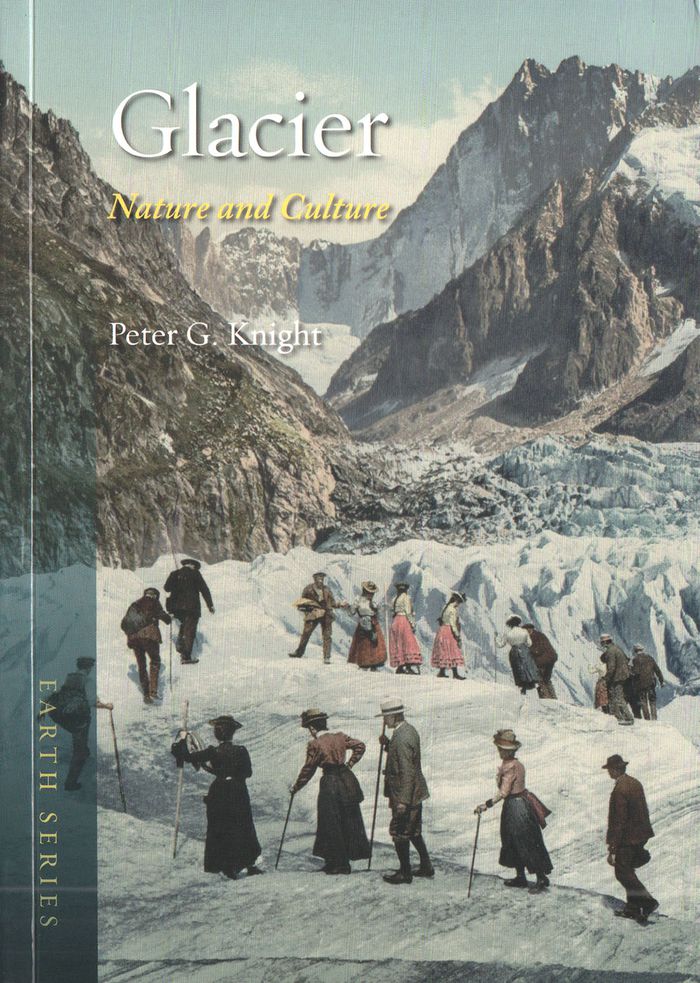
As major actors in the unfolding drama of climate change, glaciers feature prominently in Earth’s past and its future. Wherever on the planet we live, glaciers affect each of us directly. They control the atmospheric and ocean circulations that drive the weather; they supply drinking and irrigation water to millions of people; and they protect us from catastrophic sea-level rise. The very existence of glaciers affects our view of the planet and of ourselves, but it is less than two hundred years since we first realized that ice ages come and go and that glaciers once covered much more of the planet’s surface than they do now. An inspiration to artists and a challenge for engineers, glaciers mean different things to different people. Crossing the boundaries between art, environment, science, nature, and culture, this book considers glaciers from myriad perspectives, revealing their complexity, majesty, and importance—but also their fragility.
Glacier: nature and culture
Actions:
Price:
$34.95
(available to order)
Summary:
As major actors in the unfolding drama of climate change, glaciers feature prominently in Earth’s past and its future. Wherever on the planet we live, glaciers affect each of us directly. They control the atmospheric and ocean circulations that drive the weather; they supply drinking and irrigation water to millions of people; and they protect us from catastrophic sea-level rise. The very existence of glaciers affects our view of the planet and of ourselves, but it is less than two hundred years since we first realized that ice ages come and go and that glaciers once covered much more of the planet’s surface than they do now. An inspiration to artists and a challenge for engineers, glaciers mean different things to different people. Crossing the boundaries between art, environment, science, nature, and culture, this book considers glaciers from myriad perspectives, revealing their complexity, majesty, and importance—but also their fragility.
Form:
books
books
Publication:
December 2019
December 2019
Form:
books
books
Actions:
Price:
$88.95
(available to order)
Summary:
For the sheer quantity and quality of his inventions, scientist and structural engineer Vladimir Shukhov (1853–1939) is sometimes referred to as the “Russian Thomas Edison.” Among his pioneering contributions are a number of innovations related to the oil industry, including the design and construction of the first Russian pipeline and the world’s first industrial plant(...)
$88.95
(available to order)
Summary:
For the sheer quantity and quality of his inventions, scientist and structural engineer Vladimir Shukhov (1853–1939) is sometimes referred to as the “Russian Thomas Edison.” Among his pioneering contributions are a number of innovations related to the oil industry, including the design and construction of the first Russian pipeline and the world’s first industrial plant(...)
Publication:
August 2016
August 2016
Title:
Networks of construction: Vladimir Shukohov
Actions:
Price:
$88.95
(available to order)
Summary:
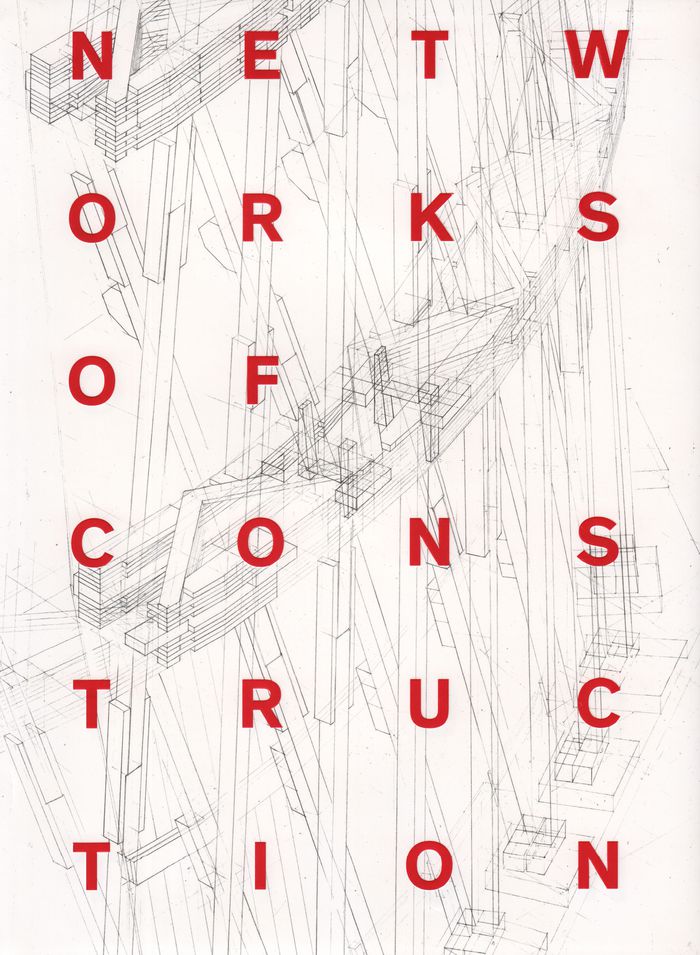
For the sheer quantity and quality of his inventions, scientist and structural engineer Vladimir Shukhov (1853–1939) is sometimes referred to as the “Russian Thomas Edison.” Among his pioneering contributions are a number of innovations related to the oil industry, including the design and construction of the first Russian pipeline and the world’s first industrial plant for oil cracking. His groundbreaking structural works include the cable-supported hanging roof and the hyperboloid lattice tower epitomized by the Shukhov Tower in Moscow, which bears his name. Networks of Construction collects Shukhov’s trailblazing achievements from the turn of the twentieth century, exploring his career and complicated creative process. Each of Shukhov’s projects, the book shows, was realized through an elaborate process beginning with an intense period of planning to account for the interconnections among a wide range of factors, from the technical background of the construction workers to technology transfer, the nomenclature of steel grades, and the scientification of construction knowledge. Ekaterina Nozhova and Uta Hassler of the Institute of Historic Building Research and Conservation at ETH Zurich have painstakingly reconstructed Shukhov’s process through a wealth of drawings, photographs, and documents.
Networks of construction: Vladimir Shukohov
Actions:
Price:
$88.95
(available to order)
Summary:
For the sheer quantity and quality of his inventions, scientist and structural engineer Vladimir Shukhov (1853–1939) is sometimes referred to as the “Russian Thomas Edison.” Among his pioneering contributions are a number of innovations related to the oil industry, including the design and construction of the first Russian pipeline and the world’s first industrial plant for oil cracking. His groundbreaking structural works include the cable-supported hanging roof and the hyperboloid lattice tower epitomized by the Shukhov Tower in Moscow, which bears his name. Networks of Construction collects Shukhov’s trailblazing achievements from the turn of the twentieth century, exploring his career and complicated creative process. Each of Shukhov’s projects, the book shows, was realized through an elaborate process beginning with an intense period of planning to account for the interconnections among a wide range of factors, from the technical background of the construction workers to technology transfer, the nomenclature of steel grades, and the scientification of construction knowledge. Ekaterina Nozhova and Uta Hassler of the Institute of Historic Building Research and Conservation at ETH Zurich have painstakingly reconstructed Shukhov’s process through a wealth of drawings, photographs, and documents.
Form:
books
books
Publication:
August 2016
August 2016
Form:
books
books
Actions:
Price:
$71.95
(available to order)
Summary:
Films use architecture as visual shorthand to tell viewers everything they need to know about the characters in a short amount of time. Illustrated by a diverse range of films from different eras and cultures, this book investigates the reciprocity between film and architecture. Using a phenomenological approach, it describes how we, the viewers, can learn how to read(...)
$71.95
(available to order)
Summary:
Films use architecture as visual shorthand to tell viewers everything they need to know about the characters in a short amount of time. Illustrated by a diverse range of films from different eras and cultures, this book investigates the reciprocity between film and architecture. Using a phenomenological approach, it describes how we, the viewers, can learn how to read(...)
Publication:
April 2018
April 2018
Title:
Film, architecture and spatial imagination
Actions:
Price:
$71.95
(available to order)
Summary:
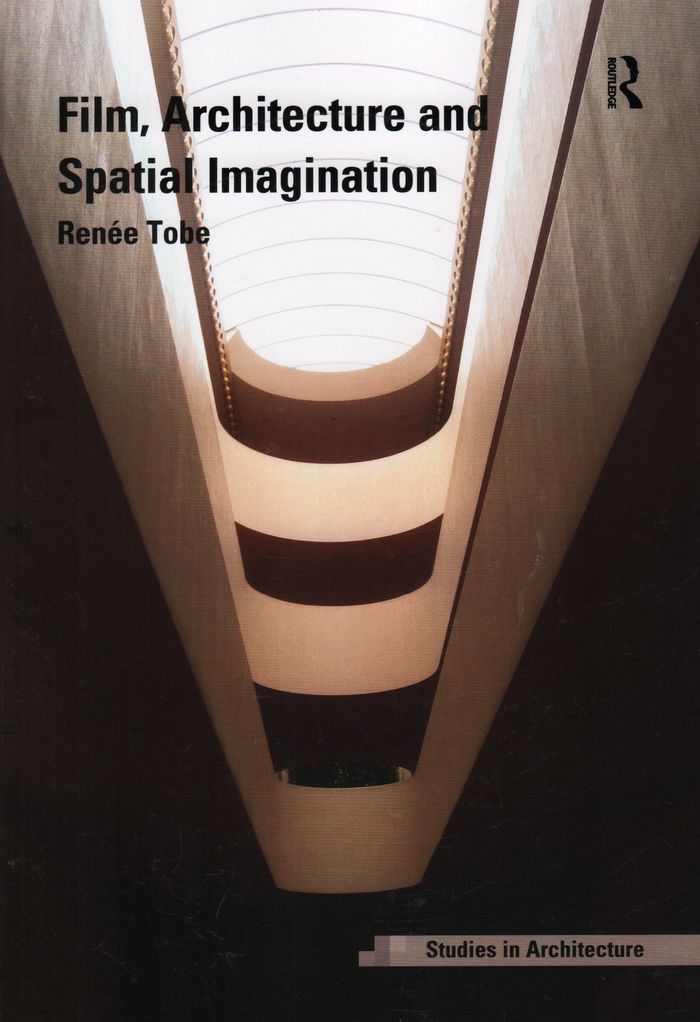
Films use architecture as visual shorthand to tell viewers everything they need to know about the characters in a short amount of time. Illustrated by a diverse range of films from different eras and cultures, this book investigates the reciprocity between film and architecture. Using a phenomenological approach, it describes how we, the viewers, can learn how to read architecture and design in film in order to see the many inherent messages. Architecture’s representational capacity contributes to the plausibility or 'reality' possible in film. The book provides an ontological understanding that clarifies and stabilizes the reciprocity of the actual world and a filmic world of illusion and human imagination, thereby shedding light on both film and architecture.
Film, architecture and spatial imagination
Actions:
Price:
$71.95
(available to order)
Summary:
Films use architecture as visual shorthand to tell viewers everything they need to know about the characters in a short amount of time. Illustrated by a diverse range of films from different eras and cultures, this book investigates the reciprocity between film and architecture. Using a phenomenological approach, it describes how we, the viewers, can learn how to read architecture and design in film in order to see the many inherent messages. Architecture’s representational capacity contributes to the plausibility or 'reality' possible in film. The book provides an ontological understanding that clarifies and stabilizes the reciprocity of the actual world and a filmic world of illusion and human imagination, thereby shedding light on both film and architecture.
Form:
books
books
Publication:
April 2018
April 2018
Form:
books
books
Title:
Silence (Object Lessons)
Silence (Object Lessons)
Actions:
Price:
$21.95
(available to order)
Summary:
What is silence? In a series of short meditations, novelist and playwright John Biguenet considers silence as a servant of power, as a lie, as a punishment, as the voice of God, as a terrorist's final weapon, as a luxury good, as the reason for torture-in short, as an object we both do and do not recognize. Concluding with the prospects for its future in a world(...)
$21.95
(available to order)
Summary:
What is silence? In a series of short meditations, novelist and playwright John Biguenet considers silence as a servant of power, as a lie, as a punishment, as the voice of God, as a terrorist's final weapon, as a luxury good, as the reason for torture-in short, as an object we both do and do not recognize. Concluding with the prospects for its future in a world(...)
Title:
Silence (Object Lessons)
Actions:
Price:
$21.95
(available to order)
Summary:
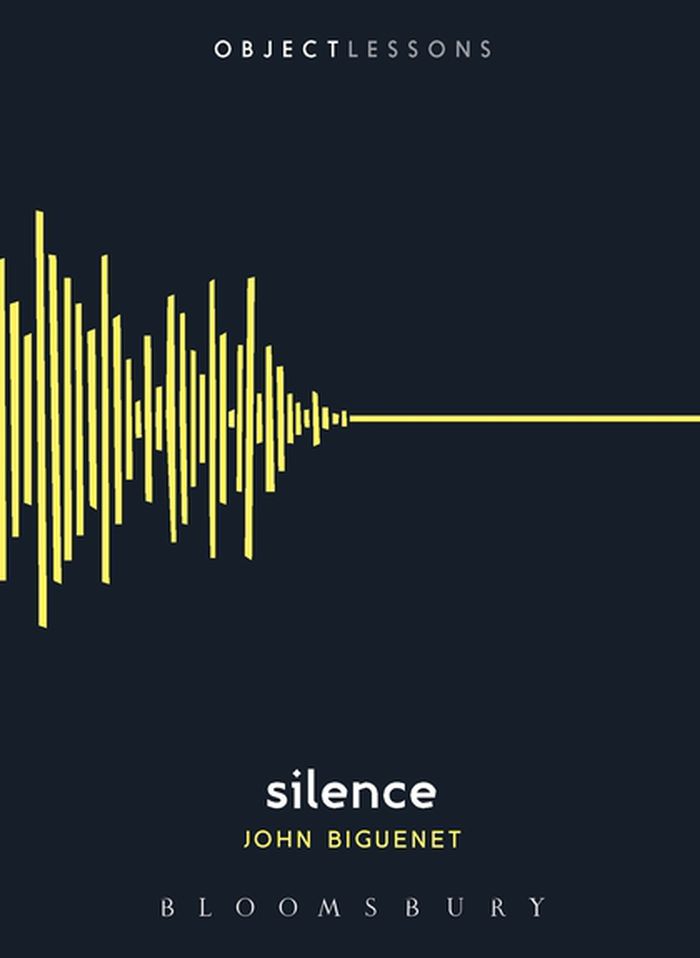
What is silence? In a series of short meditations, novelist and playwright John Biguenet considers silence as a servant of power, as a lie, as a punishment, as the voice of God, as a terrorist's final weapon, as a luxury good, as the reason for torture-in short, as an object we both do and do not recognize. Concluding with the prospects for its future in a world burgeoning with noise, Biguenet asks whether we should desire or fear silence-or if it is even ours to choose.
Silence (Object Lessons)
Actions:
Price:
$21.95
(available to order)
Summary:
What is silence? In a series of short meditations, novelist and playwright John Biguenet considers silence as a servant of power, as a lie, as a punishment, as the voice of God, as a terrorist's final weapon, as a luxury good, as the reason for torture-in short, as an object we both do and do not recognize. Concluding with the prospects for its future in a world burgeoning with noise, Biguenet asks whether we should desire or fear silence-or if it is even ours to choose.
Form:
books
books
Publication:
May 2015
May 2015
Form:
books
books
Title:
Alvin Baltrop: The Piers
Alvin Baltrop: The Piers
Actions:
Price:
$87.00
(available to order)
Summary:
Powerful, lyrical and controversial, Alvin Baltrop's photographs are a groundbreaking exploration of clandestine gay culture in New York in the 1970s and 80s. During that era, the derelict warehouses beneath Manhattan's West Side piers became a lawless, forgotten part of the city that played host to gay cruising, drug smuggling, prostitution and suicides. Baltrop(...)
$87.00
(available to order)
Summary:
Powerful, lyrical and controversial, Alvin Baltrop's photographs are a groundbreaking exploration of clandestine gay culture in New York in the 1970s and 80s. During that era, the derelict warehouses beneath Manhattan's West Side piers became a lawless, forgotten part of the city that played host to gay cruising, drug smuggling, prostitution and suicides. Baltrop(...)
Title:
Alvin Baltrop: The Piers
Actions:
Price:
$87.00
(available to order)
Summary:
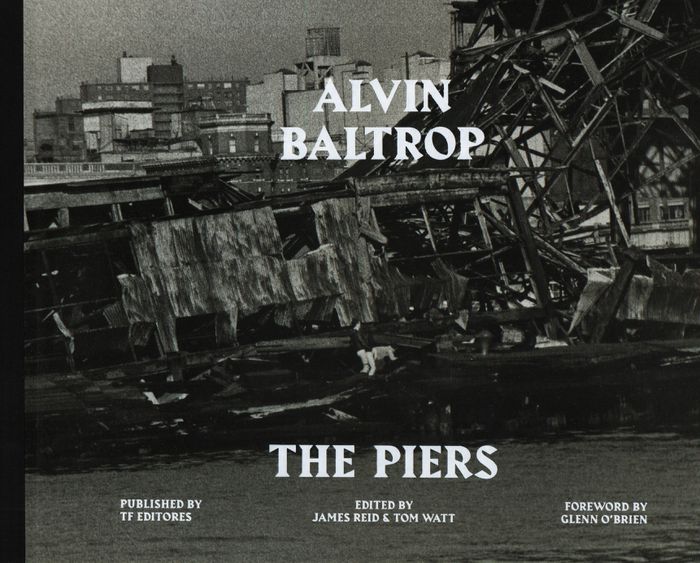
Powerful, lyrical and controversial, Alvin Baltrop's photographs are a groundbreaking exploration of clandestine gay culture in New York in the 1970s and 80s. During that era, the derelict warehouses beneath Manhattan's West Side piers became a lawless, forgotten part of the city that played host to gay cruising, drug smuggling, prostitution and suicides. Baltrop documented this scene, unflinchingly and obsessively capturing everything from fleeting naked figures in mangled architectural environments to scenes of explicit sex and police raids on the piers. His work is little known and underpublished--mainly due to its unflinching subject matter--but while often explicit, his photographs are on a par with those of Nan Goldin, Peter Hujar and Enrique Metenides. While the outside world saw New York as the glamorous playground of Studio 54, Warhol's gang and the disco era, Baltrop photographed the city's gritty flipside; his work is an important part of both gay culture and the history of New York itself. This clothbound volume compiles the Piers series in one definitive monograph, a powerful tribute to a long-forgotten world at the city's dilapidated margins.
Alvin Baltrop: The Piers
Actions:
Price:
$87.00
(available to order)
Summary:
Powerful, lyrical and controversial, Alvin Baltrop's photographs are a groundbreaking exploration of clandestine gay culture in New York in the 1970s and 80s. During that era, the derelict warehouses beneath Manhattan's West Side piers became a lawless, forgotten part of the city that played host to gay cruising, drug smuggling, prostitution and suicides. Baltrop documented this scene, unflinchingly and obsessively capturing everything from fleeting naked figures in mangled architectural environments to scenes of explicit sex and police raids on the piers. His work is little known and underpublished--mainly due to its unflinching subject matter--but while often explicit, his photographs are on a par with those of Nan Goldin, Peter Hujar and Enrique Metenides. While the outside world saw New York as the glamorous playground of Studio 54, Warhol's gang and the disco era, Baltrop photographed the city's gritty flipside; his work is an important part of both gay culture and the history of New York itself. This clothbound volume compiles the Piers series in one definitive monograph, a powerful tribute to a long-forgotten world at the city's dilapidated margins.
Form:
books
books
Publication:
August 2015
August 2015
Subject:
Current Exhibitions
Current Exhibitions
Form:
books
books
Actions:
Price:
$48.95
(available to order)
Summary:
The Soviet Union was a notoriously closed society until Stalin’s death in 1953. Then, in the mid-1950s, a torrent of Western novels, films, and paintings invaded Soviet streets and homes, acquiring heightened emotional significance. To See Paris and Die is a history of this momentous opening to the West. Imported novels challenged fundamental tenets of Soviet ethics,(...)
$48.95
(available to order)
Summary:
The Soviet Union was a notoriously closed society until Stalin’s death in 1953. Then, in the mid-1950s, a torrent of Western novels, films, and paintings invaded Soviet streets and homes, acquiring heightened emotional significance. To See Paris and Die is a history of this momentous opening to the West. Imported novels challenged fundamental tenets of Soviet ethics,(...)
Title:
To see Paris and die: the Soviet lives of Western culture
Actions:
Price:
$48.95
(available to order)
Summary:
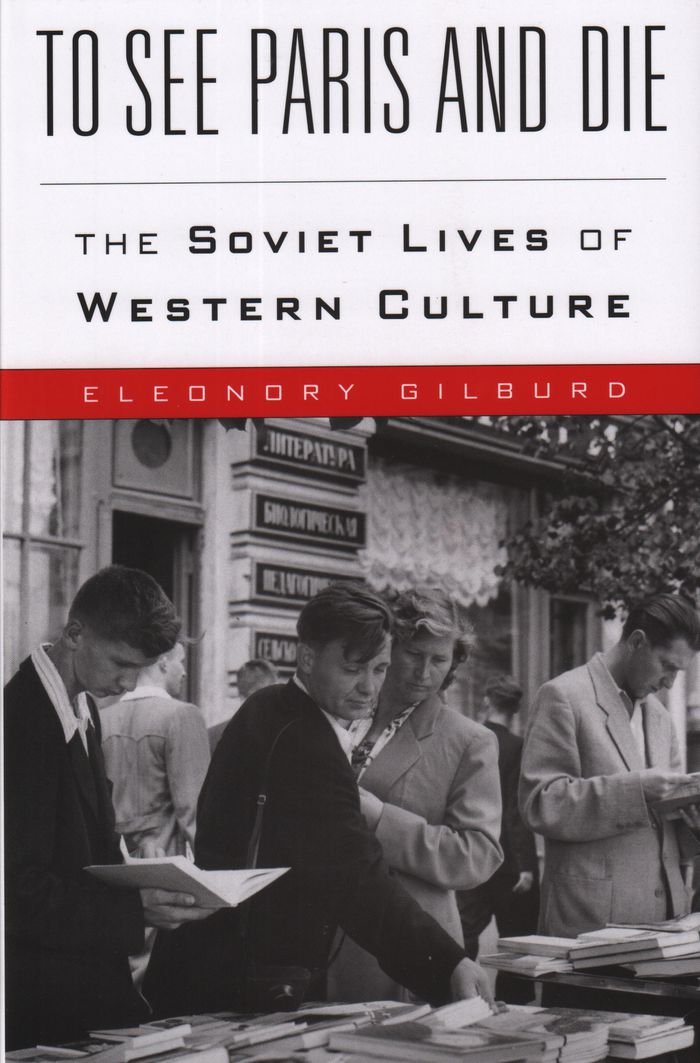
The Soviet Union was a notoriously closed society until Stalin’s death in 1953. Then, in the mid-1950s, a torrent of Western novels, films, and paintings invaded Soviet streets and homes, acquiring heightened emotional significance. To See Paris and Die is a history of this momentous opening to the West. Imported novels challenged fundamental tenets of Soviet ethics, while modernist paintings tested deep-seated notions of culture. Western films were eroticized even before viewers took their seats. The drama of cultural exchange and translation encompassed discovery as well as loss. Eleonory Gilburd explores the pleasure, longing, humiliation, and anger that Soviet citizens felt as they found themselves in the midst of this cross-cultural encounter. With the end of the Soviet Union, the Soviet West disappeared from the cultural map. Gilburd’s history reveals how domesticated Western imports defined the last three decades of the Soviet Union, as well as its death and afterlife.
To see Paris and die: the Soviet lives of Western culture
Actions:
Price:
$48.95
(available to order)
Summary:
The Soviet Union was a notoriously closed society until Stalin’s death in 1953. Then, in the mid-1950s, a torrent of Western novels, films, and paintings invaded Soviet streets and homes, acquiring heightened emotional significance. To See Paris and Die is a history of this momentous opening to the West. Imported novels challenged fundamental tenets of Soviet ethics, while modernist paintings tested deep-seated notions of culture. Western films were eroticized even before viewers took their seats. The drama of cultural exchange and translation encompassed discovery as well as loss. Eleonory Gilburd explores the pleasure, longing, humiliation, and anger that Soviet citizens felt as they found themselves in the midst of this cross-cultural encounter. With the end of the Soviet Union, the Soviet West disappeared from the cultural map. Gilburd’s history reveals how domesticated Western imports defined the last three decades of the Soviet Union, as well as its death and afterlife.
Form:
books
books
Publication:
December 2018
December 2018
Subject:
Current Exhibitions
Current Exhibitions
Form:
books
books
Title:
The golden calf
The golden calf
Actions:
Price:
$23.95
(available to order)
Summary:
Ostap Bender, the "grand strategist," is a con man on the make in the Soviet Union during the New Economic Policy (NEP) period. He's obsessed with getting one last big score—a few hundred thousand will do—and heading for Rio de Janeiro, where there are "a million and a half people, all of them wearing white pants, without exception." When Bender hears the story of(...)
$23.95
(available to order)
Summary:
Ostap Bender, the "grand strategist," is a con man on the make in the Soviet Union during the New Economic Policy (NEP) period. He's obsessed with getting one last big score—a few hundred thousand will do—and heading for Rio de Janeiro, where there are "a million and a half people, all of them wearing white pants, without exception." When Bender hears the story of(...)
Title:
The golden calf
Actions:
Price:
$23.95
(available to order)
Summary:
Ostap Bender, the "grand strategist," is a con man on the make in the Soviet Union during the New Economic Policy (NEP) period. He's obsessed with getting one last big score—a few hundred thousand will do—and heading for Rio de Janeiro, where there are "a million and a half people, all of them wearing white pants, without exception." When Bender hears the story of Alexandr Koreiko, an "undercover millionaire"—no Soviet citizen was allowed to openly hoard so much capital—the chase is on. Koreiko has made his millions by taking advantage of the wide-spread corruption and utter chaos of the NEP, all while serving quietly as an accountant at a government office and living on 46 rubles a month. He's just waiting for the Soviet regime to collapse so he can make use of his stash, which he keeps hidden away in a suitcase.
The golden calf
Actions:
Price:
$23.95
(available to order)
Summary:
Ostap Bender, the "grand strategist," is a con man on the make in the Soviet Union during the New Economic Policy (NEP) period. He's obsessed with getting one last big score—a few hundred thousand will do—and heading for Rio de Janeiro, where there are "a million and a half people, all of them wearing white pants, without exception." When Bender hears the story of Alexandr Koreiko, an "undercover millionaire"—no Soviet citizen was allowed to openly hoard so much capital—the chase is on. Koreiko has made his millions by taking advantage of the wide-spread corruption and utter chaos of the NEP, all while serving quietly as an accountant at a government office and living on 46 rubles a month. He's just waiting for the Soviet regime to collapse so he can make use of his stash, which he keeps hidden away in a suitcase.
Form:
books
books
Publication:
December 2009
December 2009
Subject:
Current Exhibitions
Current Exhibitions
Form:
books
books
Actions:
Price:
$64.00
(available to order)
Summary:
Throughout history, artists and citizens have turned to protest art as a means of demonstrating social and political discontent. From the earliest broadsheets in the 1500s to engravings, photolithographs, prints, posters, murals, graffiti, and political cartoons, these endlessly inventive graphic forms have symbolized and spurred on power struggles, rebellions, spirited(...)
$64.00
(available to order)
Summary:
Throughout history, artists and citizens have turned to protest art as a means of demonstrating social and political discontent. From the earliest broadsheets in the 1500s to engravings, photolithographs, prints, posters, murals, graffiti, and political cartoons, these endlessly inventive graphic forms have symbolized and spurred on power struggles, rebellions, spirited(...)
Publication:
October 2019
October 2019
Title:
Protest! A history of social and political protest graphics
Actions:
Price:
$64.00
(available to order)
Summary:
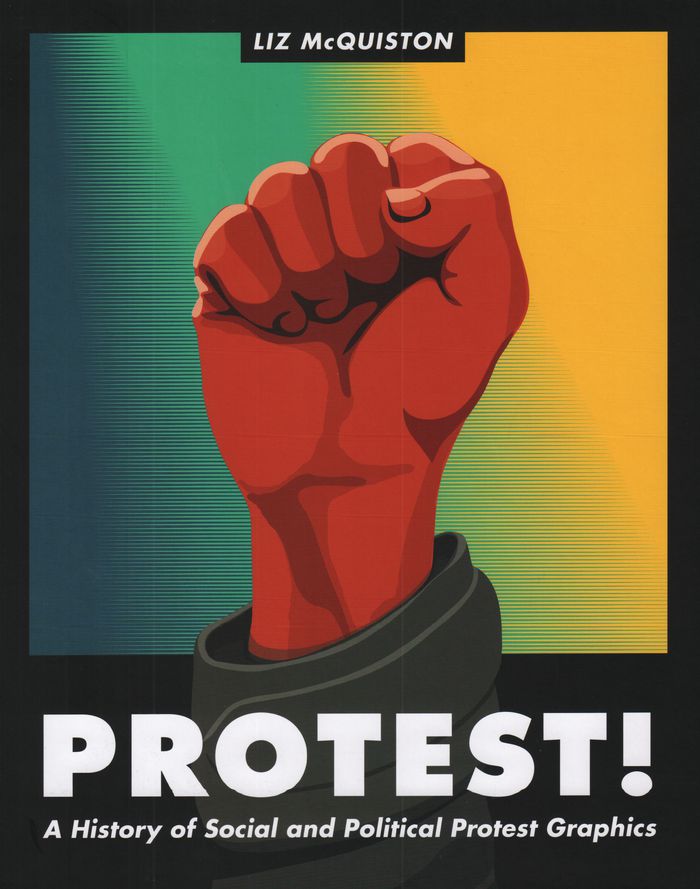
Throughout history, artists and citizens have turned to protest art as a means of demonstrating social and political discontent. From the earliest broadsheets in the 1500s to engravings, photolithographs, prints, posters, murals, graffiti, and political cartoons, these endlessly inventive graphic forms have symbolized and spurred on power struggles, rebellions, spirited causes, and calls to arms. Spanning continents and centuries, "Protest!" presents a major new chronological look at protest graphics and shows how these images have been shaped by international events as well as advances in technology.
Protest! A history of social and political protest graphics
Actions:
Price:
$64.00
(available to order)
Summary:
Throughout history, artists and citizens have turned to protest art as a means of demonstrating social and political discontent. From the earliest broadsheets in the 1500s to engravings, photolithographs, prints, posters, murals, graffiti, and political cartoons, these endlessly inventive graphic forms have symbolized and spurred on power struggles, rebellions, spirited causes, and calls to arms. Spanning continents and centuries, "Protest!" presents a major new chronological look at protest graphics and shows how these images have been shaped by international events as well as advances in technology.
Form:
books
books
Publication:
October 2019
October 2019


