


81 Results
Form:
books
books
Actions:
Price:
$115.00
(available to order)
Summary:
British-American designer Charles James (1906–78), “America’s First Couturier,” is famed for the extraordinarily elegant evening gowns he created in the 1930s through the 1950s for society ladies on both sides of the Atlantic. From the beginning of his career, James also designed revolutionary unisex styles. The famous eiderdown evening jacket, designed in 1937 for women,(...)
$115.00
(available to order)
Summary:
British-American designer Charles James (1906–78), “America’s First Couturier,” is famed for the extraordinarily elegant evening gowns he created in the 1930s through the 1950s for society ladies on both sides of the Atlantic. From the beginning of his career, James also designed revolutionary unisex styles. The famous eiderdown evening jacket, designed in 1937 for women,(...)
Title:
Charles James: the couture secrets of shape
Actions:
Price:
$115.00
(available to order)
Summary:
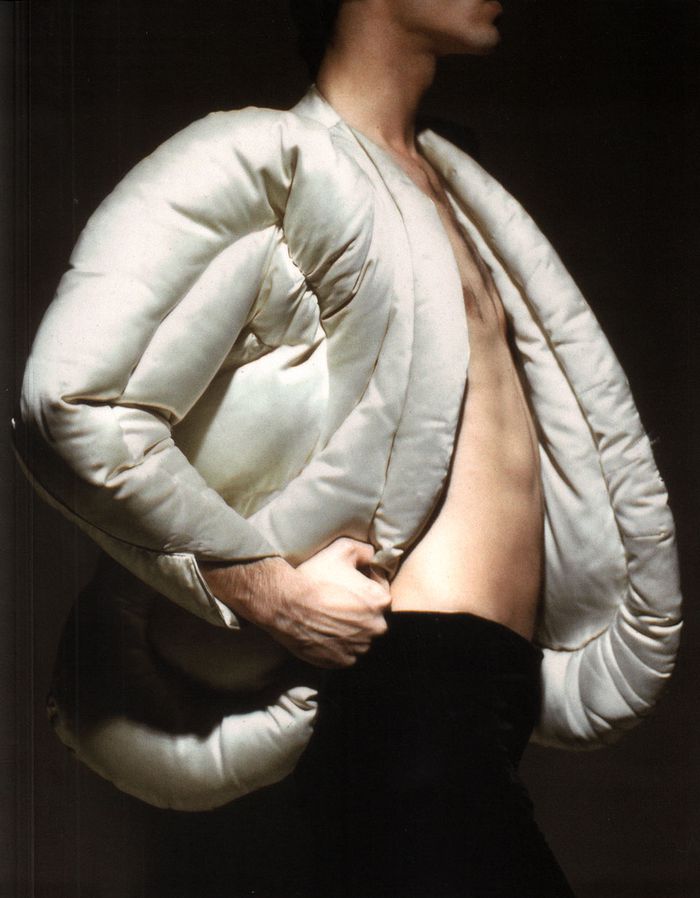
British-American designer Charles James (1906–78), “America’s First Couturier,” is famed for the extraordinarily elegant evening gowns he created in the 1930s through the 1950s for society ladies on both sides of the Atlantic. From the beginning of his career, James also designed revolutionary unisex styles. The famous eiderdown evening jacket, designed in 1937 for women, was revived as a cult unisex design object in 1970s New York. The eiderdown jacket and James’ other unisex designs share with his ball gowns a sculptural, architectural presence and a rigorously cerebral design process grounded in science and mathematics. James is regarded as a visionary thinker in the world of fashion, introducing lasting innovations in both technique and methodology.
Charles James: the couture secrets of shape
Actions:
Price:
$115.00
(available to order)
Summary:
British-American designer Charles James (1906–78), “America’s First Couturier,” is famed for the extraordinarily elegant evening gowns he created in the 1930s through the 1950s for society ladies on both sides of the Atlantic. From the beginning of his career, James also designed revolutionary unisex styles. The famous eiderdown evening jacket, designed in 1937 for women, was revived as a cult unisex design object in 1970s New York. The eiderdown jacket and James’ other unisex designs share with his ball gowns a sculptural, architectural presence and a rigorously cerebral design process grounded in science and mathematics. James is regarded as a visionary thinker in the world of fashion, introducing lasting innovations in both technique and methodology.
Form:
books
books
Publication:
May 2019
May 2019
Subject:
Fashion Design
Fashion Design
Form:
books
books
Actions:
Price:
$76.00
(available to order)
Summary:
Under the label Atelier Zanolli, a fantastic world of silk fabrics painted and imprinted with patterns, opulently embroidered cushions, colorful pearl creations, and finely crafted leather and wood articles, was created between 1905 and 1939 in Zurich. The Zanollis had immigrated from Italy in 1905. Their family business was run by Antonietta and her daughters Pia, Lea,(...)
$76.00
(available to order)
Summary:
Under the label Atelier Zanolli, a fantastic world of silk fabrics painted and imprinted with patterns, opulently embroidered cushions, colorful pearl creations, and finely crafted leather and wood articles, was created between 1905 and 1939 in Zurich. The Zanollis had immigrated from Italy in 1905. Their family business was run by Antonietta and her daughters Pia, Lea,(...)
Subject:
Fashion Design
Fashion Design
Publication:
September 2022
September 2022
Title:
Atelier Zanolli: Fabrics, fashion, craft 1905-1939
Actions:
Price:
$76.00
(available to order)
Summary:
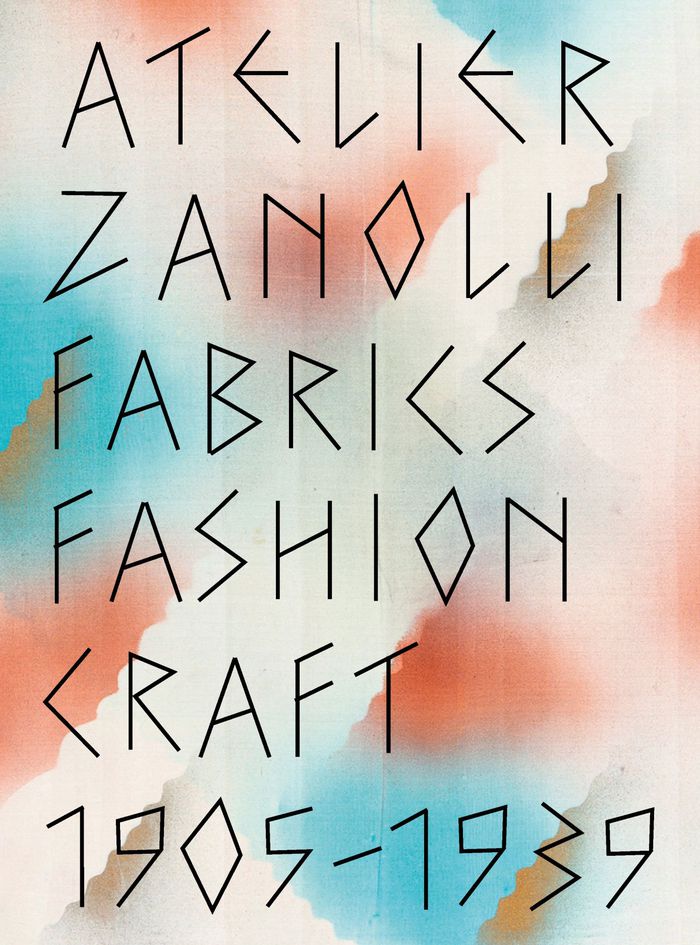
Under the label Atelier Zanolli, a fantastic world of silk fabrics painted and imprinted with patterns, opulently embroidered cushions, colorful pearl creations, and finely crafted leather and wood articles, was created between 1905 and 1939 in Zurich. The Zanollis had immigrated from Italy in 1905. Their family business was run by Antonietta and her daughters Pia, Lea, and Zoe Zanolli. The cultural and stylistic influences manifested in the Zanollis’ visually appealing products range from the avant-garde to an aesthetic forged by a spirit of intellectual national defense against the increasing threat of the totalitarian regimes in Nazi Germany, fascist Italy, and the communist Soviet Union, that was prevalent in Switzerland in the 1930s. Driven by a striving for artistic self-realization, the atelier defied the many economic challenges of the period and carried out many commissions for Zurich’s leading textile businesses and department stores. This book traces the history of Atelier Zanolli, places its work in the context of the growth of Zurich and the Swiss textile industry in the first half of the twentieth century, and for the first time positions the “Zanolli style” internationally. More than six hundred images show the wealth of colors and shapes in a veritable cosmos of textiles and crafted objects, as well as templates, sketches, private photographs, business cards, and letters. The essays illuminate the techniques and work processes used, discuss entire motif families and unique designs, and grant rare comprehensive insight into the tastes of the time.
Atelier Zanolli: Fabrics, fashion, craft 1905-1939
Actions:
Price:
$76.00
(available to order)
Summary:
Under the label Atelier Zanolli, a fantastic world of silk fabrics painted and imprinted with patterns, opulently embroidered cushions, colorful pearl creations, and finely crafted leather and wood articles, was created between 1905 and 1939 in Zurich. The Zanollis had immigrated from Italy in 1905. Their family business was run by Antonietta and her daughters Pia, Lea, and Zoe Zanolli. The cultural and stylistic influences manifested in the Zanollis’ visually appealing products range from the avant-garde to an aesthetic forged by a spirit of intellectual national defense against the increasing threat of the totalitarian regimes in Nazi Germany, fascist Italy, and the communist Soviet Union, that was prevalent in Switzerland in the 1930s. Driven by a striving for artistic self-realization, the atelier defied the many economic challenges of the period and carried out many commissions for Zurich’s leading textile businesses and department stores. This book traces the history of Atelier Zanolli, places its work in the context of the growth of Zurich and the Swiss textile industry in the first half of the twentieth century, and for the first time positions the “Zanolli style” internationally. More than six hundred images show the wealth of colors and shapes in a veritable cosmos of textiles and crafted objects, as well as templates, sketches, private photographs, business cards, and letters. The essays illuminate the techniques and work processes used, discuss entire motif families and unique designs, and grant rare comprehensive insight into the tastes of the time.
Form:
books
books
Publication:
September 2022
September 2022
Subject:
Fashion Design
Fashion Design
Form:
books
books

Title:
Beyond the collaboration
Beyond the collaboration
Actions:
Price:
$22.00
(available to order)
Summary:
How do you tell the story of a friendship? How do you trace the roots of one of the most significant cross-disciplinary unions in fashion today? Artist Sterling Ruby and fashion designer Raf Simons did just that when they sat on stage with curator Jessica Morgan at the Harvard University Graduate School of Design. Offering complimentary perspectives on a bond that has(...)
$22.00
(available to order)
Summary:
How do you tell the story of a friendship? How do you trace the roots of one of the most significant cross-disciplinary unions in fashion today? Artist Sterling Ruby and fashion designer Raf Simons did just that when they sat on stage with curator Jessica Morgan at the Harvard University Graduate School of Design. Offering complimentary perspectives on a bond that has(...)
Title:
Beyond the collaboration
Actions:
Price:
$22.00
(available to order)
Summary:
How do you tell the story of a friendship? How do you trace the roots of one of the most significant cross-disciplinary unions in fashion today? Artist Sterling Ruby and fashion designer Raf Simons did just that when they sat on stage with curator Jessica Morgan at the Harvard University Graduate School of Design. Offering complimentary perspectives on a bond that has matured over the span of a decade, and a body of work that transcends boundaries, Ruby and Simons spoke with mutual respect, trust, and a deep investment in the future. This is a story, and an exchange, that is beyond collaboration. The Incidents is a book series based on uncommon events at the Harvard University Graduate School of Design from 1936 to tomorrow.
Beyond the collaboration
Actions:
Price:
$22.00
(available to order)
Summary:
How do you tell the story of a friendship? How do you trace the roots of one of the most significant cross-disciplinary unions in fashion today? Artist Sterling Ruby and fashion designer Raf Simons did just that when they sat on stage with curator Jessica Morgan at the Harvard University Graduate School of Design. Offering complimentary perspectives on a bond that has matured over the span of a decade, and a body of work that transcends boundaries, Ruby and Simons spoke with mutual respect, trust, and a deep investment in the future. This is a story, and an exchange, that is beyond collaboration. The Incidents is a book series based on uncommon events at the Harvard University Graduate School of Design from 1936 to tomorrow.
Form:
books
books
Publication:
March 2019
March 2019
Subject:
Fashion Design
Fashion Design
Form:
books
books
Actions:
Price:
$48.95
(available to order)
Summary:
This extensively illustrated book is a celebration of the V's collection of 20th-century fashion. The latest title in the Fashion in Detail series, this book offers a detailed look at some of the most stunning garments in the collection. The book features line drawings of each garment's structure and specially commissioned close-up photographs of each item's most(...)
$48.95
(available to order)
Summary:
This extensively illustrated book is a celebration of the V's collection of 20th-century fashion. The latest title in the Fashion in Detail series, this book offers a detailed look at some of the most stunning garments in the collection. The book features line drawings of each garment's structure and specially commissioned close-up photographs of each item's most(...)
Title:
Twentieth-century fashion detail
Actions:
Price:
$48.95
(available to order)
Summary:
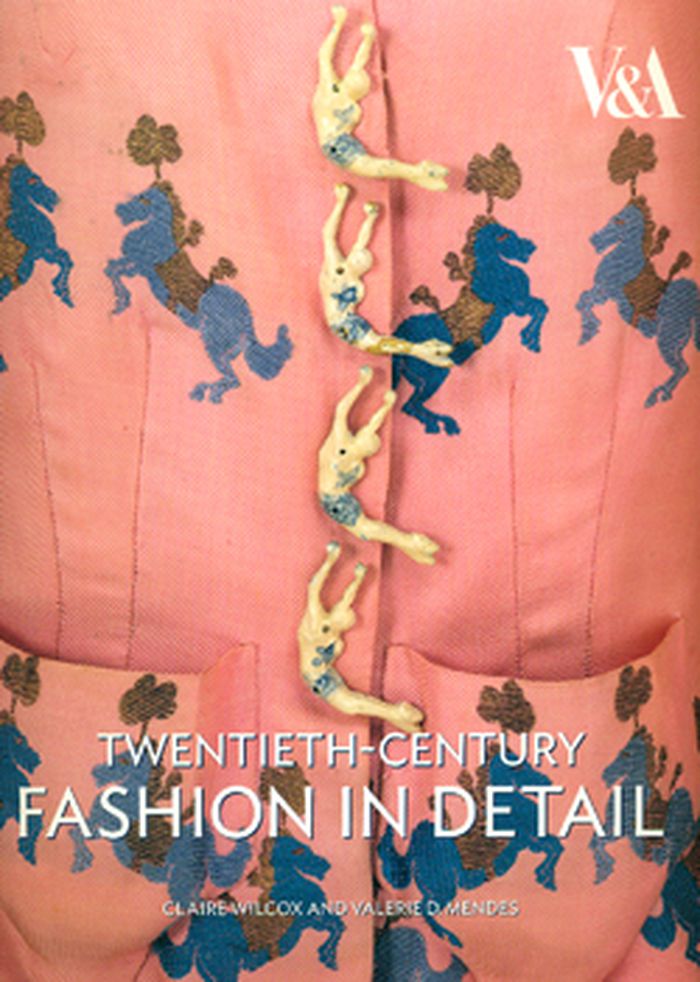
This extensively illustrated book is a celebration of the V's collection of 20th-century fashion. The latest title in the Fashion in Detail series, this book offers a detailed look at some of the most stunning garments in the collection. The book features line drawings of each garment's structure and specially commissioned close-up photographs of each item's most impressive aspects: fastenings, necklines, cuffs, hemlines, fringes, and more.
Twentieth-century fashion detail
Actions:
Price:
$48.95
(available to order)
Summary:
This extensively illustrated book is a celebration of the V's collection of 20th-century fashion. The latest title in the Fashion in Detail series, this book offers a detailed look at some of the most stunning garments in the collection. The book features line drawings of each garment's structure and specially commissioned close-up photographs of each item's most impressive aspects: fastenings, necklines, cuffs, hemlines, fringes, and more.
Form:
books
books
Publication:
July 2009
July 2009
Subject:
Fashion Design
Fashion Design
Form:
books
books
Actions:
Price:
$54.00
(available to order)
Summary:
"Images left behind are in the end stronger than truth and facts. Through Douglas Kirkland's images we can imagine what the famous Coco had been all about before she became the formidable Chanel," muses Karl Lagerfeld in Mademoiselle, a selection of photographs of Chanel taken by Douglas Kirkland in 1962 on assignment in Paris for the American magazine Look. Lagerfeld is(...)
$54.00
(available to order)
Summary:
"Images left behind are in the end stronger than truth and facts. Through Douglas Kirkland's images we can imagine what the famous Coco had been all about before she became the formidable Chanel," muses Karl Lagerfeld in Mademoiselle, a selection of photographs of Chanel taken by Douglas Kirkland in 1962 on assignment in Paris for the American magazine Look. Lagerfeld is(...)
Title:
Mademoiselle: Coco Chanel/Summer 62
Actions:
Price:
$54.00
(available to order)
Summary:
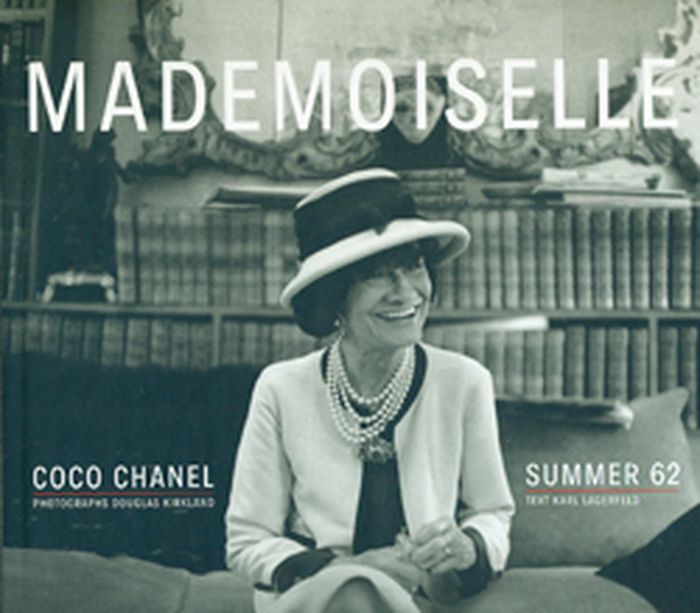
"Images left behind are in the end stronger than truth and facts. Through Douglas Kirkland's images we can imagine what the famous Coco had been all about before she became the formidable Chanel," muses Karl Lagerfeld in Mademoiselle, a selection of photographs of Chanel taken by Douglas Kirkland in 1962 on assignment in Paris for the American magazine Look. Lagerfeld is the designer currently at the helm of the Parisian fashion house, made iconic by designer Coco Chanel during her long reign, from 1909-1971--and the designer of this handsome edition as well. Through his introduction and captions to these photographs, we understand how important Chanel's image has been to the success of the century-old French couture line.
Mademoiselle: Coco Chanel/Summer 62
Actions:
Price:
$54.00
(available to order)
Summary:
"Images left behind are in the end stronger than truth and facts. Through Douglas Kirkland's images we can imagine what the famous Coco had been all about before she became the formidable Chanel," muses Karl Lagerfeld in Mademoiselle, a selection of photographs of Chanel taken by Douglas Kirkland in 1962 on assignment in Paris for the American magazine Look. Lagerfeld is the designer currently at the helm of the Parisian fashion house, made iconic by designer Coco Chanel during her long reign, from 1909-1971--and the designer of this handsome edition as well. Through his introduction and captions to these photographs, we understand how important Chanel's image has been to the success of the century-old French couture line.
Form:
books
books
Publication:
September 2009
September 2009
Form:
books
books
Actions:
Price:
$72.00
(available to order)
Summary:
The first visual history of Modernist Italian fashion during Benito Mussolini's Fascist regime, and the product of immense research, Fashion at the Time of Fascism charts the fashion industry's ambivalent negotiation of international couture and the bizarre dictates of Fascism, and the legacy of this era in shaping today's fashion industry. Authors Mario Lupano and(...)
$72.00
(available to order)
Summary:
The first visual history of Modernist Italian fashion during Benito Mussolini's Fascist regime, and the product of immense research, Fashion at the Time of Fascism charts the fashion industry's ambivalent negotiation of international couture and the bizarre dictates of Fascism, and the legacy of this era in shaping today's fashion industry. Authors Mario Lupano and(...)
Title:
Fashion at the time of Fascism
Actions:
Price:
$72.00
(available to order)
Summary:
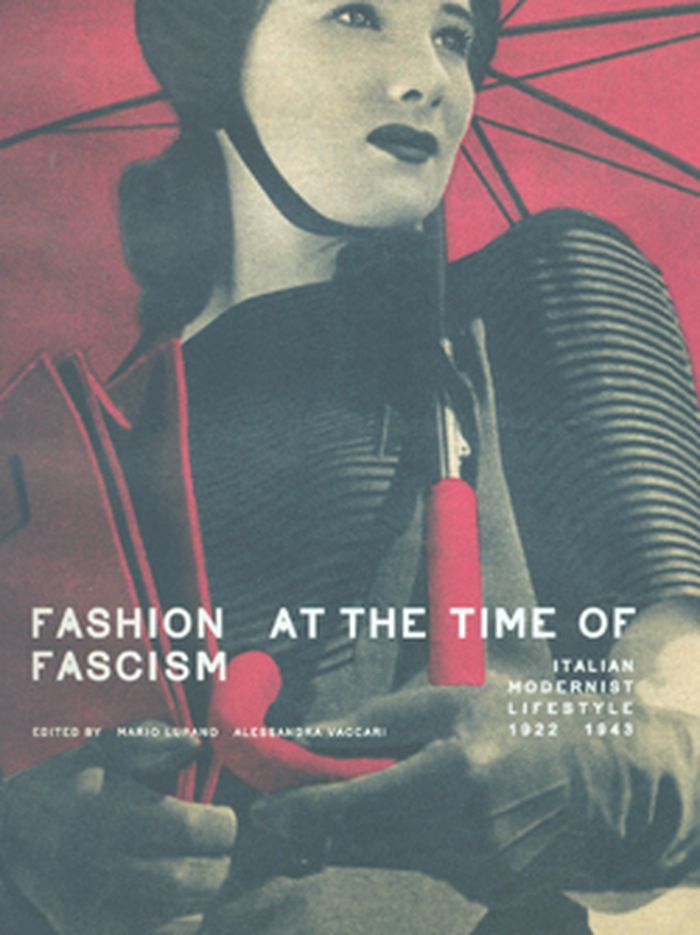
The first visual history of Modernist Italian fashion during Benito Mussolini's Fascist regime, and the product of immense research, Fashion at the Time of Fascism charts the fashion industry's ambivalent negotiation of international couture and the bizarre dictates of Fascism, and the legacy of this era in shaping today's fashion industry. Authors Mario Lupano and Alessandra Vaccari explore and compare a large range of forgotten archival sources, such as women's glossies, fashion, film and gossip magazines, photo archives, exhibition and commercial catalogues, books, manuals and magazines on tailoring, dressmaking, design and architecture, and corporate and government journals. This abundance of materials is presented in a fluid sequence of image and text that charts the rhythms, rituals and lifestyles of the typical Italian day through the four basic themes of "Measurements," "Model," "Brand" and "Parade." Each section includes texts that highlight the key figures and phases in Italian fashion, from the 1920s to the early 1940s, juxtaposing them with Modernism's broader salient themes and emphasizing the conscious use of glamour in the regime's super-choreographed portrayal of itself.
Fashion at the time of Fascism
Actions:
Price:
$72.00
(available to order)
Summary:
The first visual history of Modernist Italian fashion during Benito Mussolini's Fascist regime, and the product of immense research, Fashion at the Time of Fascism charts the fashion industry's ambivalent negotiation of international couture and the bizarre dictates of Fascism, and the legacy of this era in shaping today's fashion industry. Authors Mario Lupano and Alessandra Vaccari explore and compare a large range of forgotten archival sources, such as women's glossies, fashion, film and gossip magazines, photo archives, exhibition and commercial catalogues, books, manuals and magazines on tailoring, dressmaking, design and architecture, and corporate and government journals. This abundance of materials is presented in a fluid sequence of image and text that charts the rhythms, rituals and lifestyles of the typical Italian day through the four basic themes of "Measurements," "Model," "Brand" and "Parade." Each section includes texts that highlight the key figures and phases in Italian fashion, from the 1920s to the early 1940s, juxtaposing them with Modernism's broader salient themes and emphasizing the conscious use of glamour in the regime's super-choreographed portrayal of itself.
Form:
books
books
Publication:
November 2009
November 2009
Subject:
Fashion Design
Fashion Design
Form:
books
books
Actions:
Price:
$39.50
(available to order)
Summary:
The bicycle in Victorian Britain is often celebrated as a vehicle of women's liberation. Less noted is another critical technology with which women forged new and mobile public lives—cycle wear. This illustrated account of women's cycle wear from Goldsmiths Press brings together Victorian engineering and radical feminist invention to supply a missing chapter in the(...)
$39.50
(available to order)
Summary:
The bicycle in Victorian Britain is often celebrated as a vehicle of women's liberation. Less noted is another critical technology with which women forged new and mobile public lives—cycle wear. This illustrated account of women's cycle wear from Goldsmiths Press brings together Victorian engineering and radical feminist invention to supply a missing chapter in the(...)
Title:
Bikes and bloomers: Victorian women inventors and their extraordinary cycle wear
Actions:
Price:
$39.50
(available to order)
Summary:
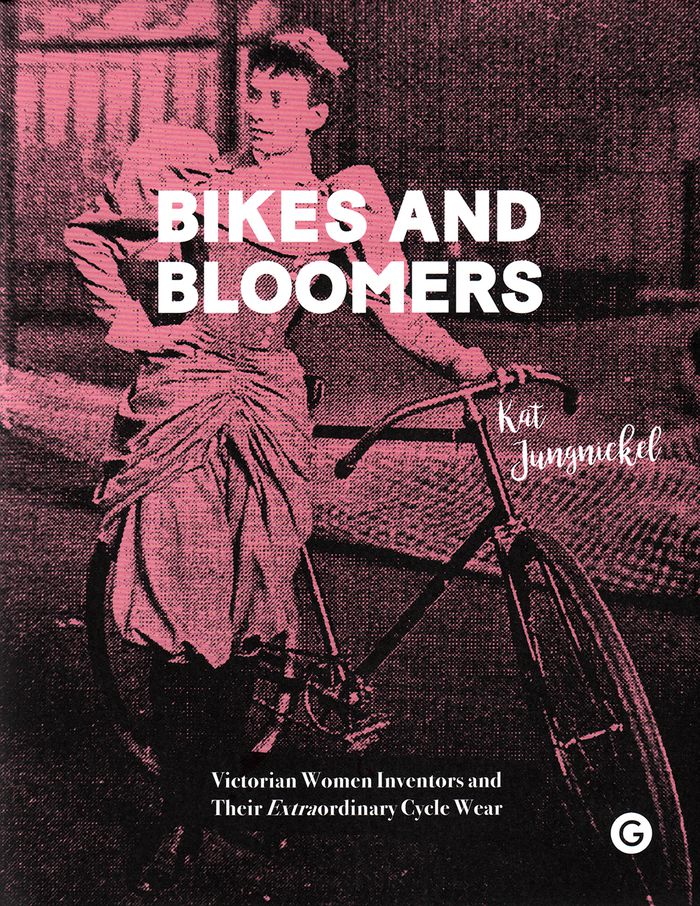
The bicycle in Victorian Britain is often celebrated as a vehicle of women's liberation. Less noted is another critical technology with which women forged new and mobile public lives—cycle wear. This illustrated account of women's cycle wear from Goldsmiths Press brings together Victorian engineering and radical feminist invention to supply a missing chapter in the history of feminism.
Bikes and bloomers: Victorian women inventors and their extraordinary cycle wear
Actions:
Price:
$39.50
(available to order)
Summary:
The bicycle in Victorian Britain is often celebrated as a vehicle of women's liberation. Less noted is another critical technology with which women forged new and mobile public lives—cycle wear. This illustrated account of women's cycle wear from Goldsmiths Press brings together Victorian engineering and radical feminist invention to supply a missing chapter in the history of feminism.
Form:
books
books
Publication:
May 2018
May 2018
Subject:
Fashion Design
Fashion Design
Form:
books
books
Actions:
Price:
$85.50
(available to order)
Summary:
Connecting significant religious art and artifacts to their sartorial expressions, 'Heavenly Bodies: Fashion and the Catholic Imagination' provides a critical analysis of fashion’s engagement with notions of the divine. Exploring fashion’s complex and often controversial relationship with Catholicism, Heavenly Bodies probes what dress reveals about the state of religion(...)
$85.50
(available to order)
Summary:
Connecting significant religious art and artifacts to their sartorial expressions, 'Heavenly Bodies: Fashion and the Catholic Imagination' provides a critical analysis of fashion’s engagement with notions of the divine. Exploring fashion’s complex and often controversial relationship with Catholicism, Heavenly Bodies probes what dress reveals about the state of religion(...)
Title:
Heavenly bodies: fashion and the Catholic imagination
Actions:
Price:
$85.50
(available to order)
Summary:
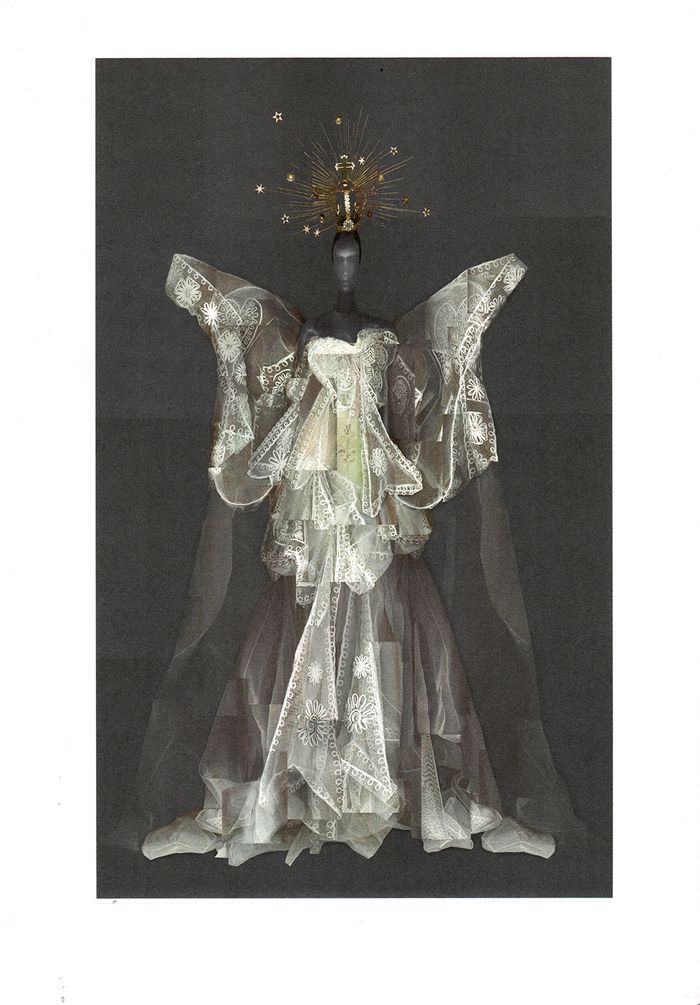
Connecting significant religious art and artifacts to their sartorial expressions, 'Heavenly Bodies: Fashion and the Catholic Imagination' provides a critical analysis of fashion’s engagement with notions of the divine. Exploring fashion’s complex and often controversial relationship with Catholicism, Heavenly Bodies probes what dress reveals about the state of religion and spirituality within contemporary culture, and how it may manifest—or subvert—Catholic values and ideology. Art objects, such as devotional paintings and altarpieces from The Met’s collection, are presented alongside fashions from designers including Cristóbal Balenciaga, Callot Soeurs, Domenico Dolce and Stefano Gabbana, John Galliano, Jean-Paul Gaultier, Madame Grès, Christian Lacroix, Karl Lagerfeld, Jeanne Lanvin, Claire McCardell, Alexander McQueen, Elsa Schiaparelli, and Gianni Versace.
Heavenly bodies: fashion and the Catholic imagination
Actions:
Price:
$85.50
(available to order)
Summary:
Connecting significant religious art and artifacts to their sartorial expressions, 'Heavenly Bodies: Fashion and the Catholic Imagination' provides a critical analysis of fashion’s engagement with notions of the divine. Exploring fashion’s complex and often controversial relationship with Catholicism, Heavenly Bodies probes what dress reveals about the state of religion and spirituality within contemporary culture, and how it may manifest—or subvert—Catholic values and ideology. Art objects, such as devotional paintings and altarpieces from The Met’s collection, are presented alongside fashions from designers including Cristóbal Balenciaga, Callot Soeurs, Domenico Dolce and Stefano Gabbana, John Galliano, Jean-Paul Gaultier, Madame Grès, Christian Lacroix, Karl Lagerfeld, Jeanne Lanvin, Claire McCardell, Alexander McQueen, Elsa Schiaparelli, and Gianni Versace.
Form:
books
books
Publication:
May 2018
May 2018
Subject:
Fashion Design
Fashion Design
Form:
books
books
Title:
Mending matters
Mending matters
Actions:
Price:
$31.99
(available to order)
Summary:
'Mending Matters' explores sewing on two levels: first, it includes more than 20 hands-on projects that showcase current trends in visible mending that are edgy, modern, and bold-but draw on traditional stitching. It does all this through just four very simple mending techniques: exterior patches, interior patches, slow stitches, darning, and weaving. In addition, the(...)
$31.99
(available to order)
Summary:
'Mending Matters' explores sewing on two levels: first, it includes more than 20 hands-on projects that showcase current trends in visible mending that are edgy, modern, and bold-but draw on traditional stitching. It does all this through just four very simple mending techniques: exterior patches, interior patches, slow stitches, darning, and weaving. In addition, the(...)
Title:
Mending matters
Actions:
Price:
$31.99
(available to order)
Summary:
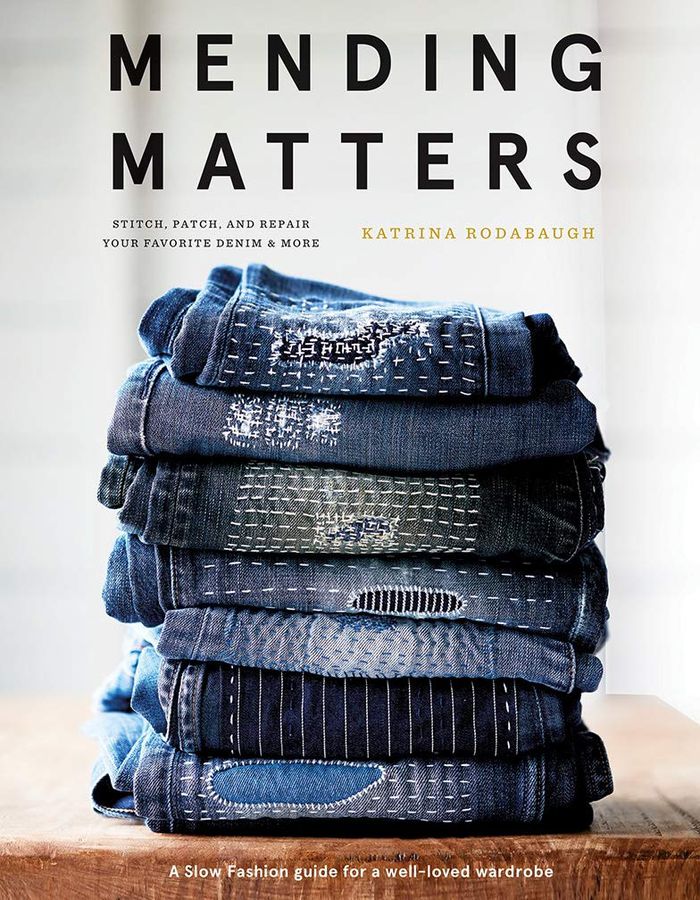
'Mending Matters' explores sewing on two levels: first, it includes more than 20 hands-on projects that showcase current trends in visible mending that are edgy, modern, and bold-but draw on traditional stitching. It does all this through just four very simple mending techniques: exterior patches, interior patches, slow stitches, darning, and weaving. In addition, the book addresses the way mending leads to a more mindful relationship to fashion and to overall well-being. In essays that accompany each how-to chapter, Katrina Rodabaugh explores mending as a metaphor for appreciating our own naturally flawed selves, and she examines the ways in which mending teaches us new skills, self-reliance, and confidence, all gained from making things with our own hands.
Mending matters
Actions:
Price:
$31.99
(available to order)
Summary:
'Mending Matters' explores sewing on two levels: first, it includes more than 20 hands-on projects that showcase current trends in visible mending that are edgy, modern, and bold-but draw on traditional stitching. It does all this through just four very simple mending techniques: exterior patches, interior patches, slow stitches, darning, and weaving. In addition, the book addresses the way mending leads to a more mindful relationship to fashion and to overall well-being. In essays that accompany each how-to chapter, Katrina Rodabaugh explores mending as a metaphor for appreciating our own naturally flawed selves, and she examines the ways in which mending teaches us new skills, self-reliance, and confidence, all gained from making things with our own hands.
Form:
books
books
Publication:
October 2018
October 2018
Subject:
Fashion Design
Fashion Design
Form:
books
books
Title:
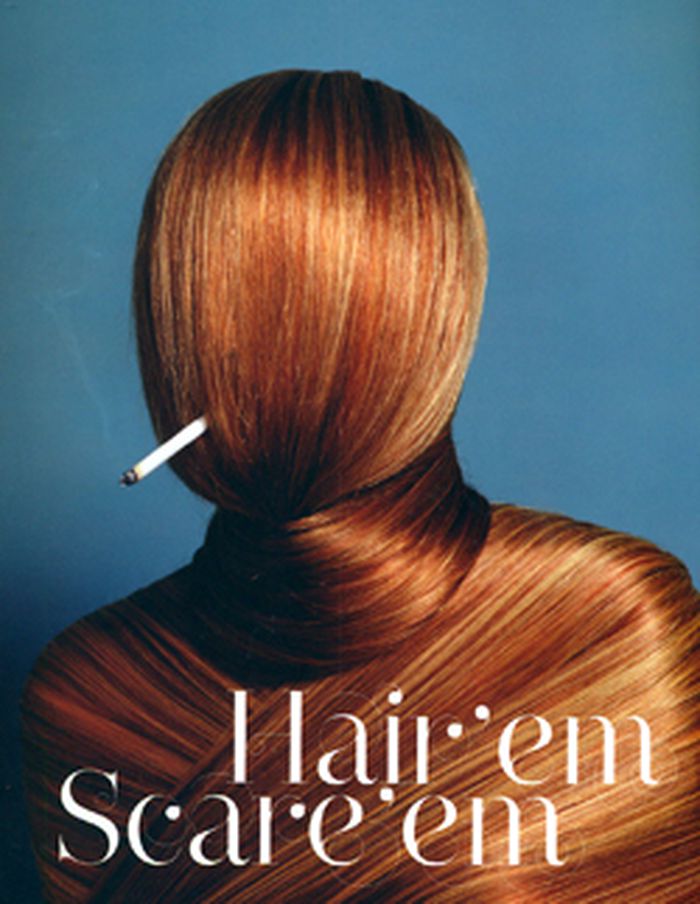
Hair 'em scare 'em
Hair 'em scare 'em
Actions:
Price:
$64.95
(available to order)
Summary:
Hair'em Scare'em presents an exploration through the fascinating beauty and inventive possibilities of hair as a medium for artistic expression in contemporary art and design. The book documents this palpable trend into a visual sourcebook that presents a captivating collection of hairy works in graphic design, photography, illustration and art as well as interior design,(...)
$64.95
(available to order)
Summary:
Hair'em Scare'em presents an exploration through the fascinating beauty and inventive possibilities of hair as a medium for artistic expression in contemporary art and design. The book documents this palpable trend into a visual sourcebook that presents a captivating collection of hairy works in graphic design, photography, illustration and art as well as interior design,(...)
Title:
Hair 'em scare 'em
Actions:
Price:
$64.95
(available to order)
Summary:
Hair'em Scare'em presents an exploration through the fascinating beauty and inventive possibilities of hair as a medium for artistic expression in contemporary art and design. The book documents this palpable trend into a visual sourcebook that presents a captivating collection of hairy works in graphic design, photography, illustration and art as well as interior design, fashion and jewelry design. The extraordinary works featured in this book are the best indication of trends in hair outside the mainstream.
Hair 'em scare 'em
Actions:
Price:
$64.95
(available to order)
Summary:
Hair'em Scare'em presents an exploration through the fascinating beauty and inventive possibilities of hair as a medium for artistic expression in contemporary art and design. The book documents this palpable trend into a visual sourcebook that presents a captivating collection of hairy works in graphic design, photography, illustration and art as well as interior design, fashion and jewelry design. The extraordinary works featured in this book are the best indication of trends in hair outside the mainstream.
Form:
books
books
Publication:
November 2009
November 2009


