


198 Results
Form:
books
books

Title:
Le temps des récoltes
Le temps des récoltes
Actions:
Price:
$13.95
(available to order)
Summary:
L’industrie agroalimentaire a mis à mal notre rapport au territoire. Déconnecté·e·s des rythmes de la nature, nous avons perdu les savoir-faire ancestraux et confié à des entreprises le soin de nous nourrir. Notre sol est pourtant riche des mémoires anciennes qu’il porte. Celles des famines et des grands froids, mais aussi celles des fêtes de village et des premières(...)
$13.95
(available to order)
Summary:
L’industrie agroalimentaire a mis à mal notre rapport au territoire. Déconnecté·e·s des rythmes de la nature, nous avons perdu les savoir-faire ancestraux et confié à des entreprises le soin de nous nourrir. Notre sol est pourtant riche des mémoires anciennes qu’il porte. Celles des famines et des grands froids, mais aussi celles des fêtes de village et des premières(...)
Title:
Le temps des récoltes
Actions:
Price:
$13.95
(available to order)
Summary:
L’industrie agroalimentaire a mis à mal notre rapport au territoire. Déconnecté·e·s des rythmes de la nature, nous avons perdu les savoir-faire ancestraux et confié à des entreprises le soin de nous nourrir. Notre sol est pourtant riche des mémoires anciennes qu’il porte. Celles des famines et des grands froids, mais aussi celles des fêtes de village et des premières récoltes. Elisabeth Cardin nous invite à repenser notre usage du monde en nous inspirant de l’équilibre bouleversant qui règne dans nos forêts et nos rivières, quand nous ne sommes pas occupé·e·s à les vider de leurs ressources. Elle nous parle d’autonomie et de liberté, d’identité et de bienveillance. Mais surtout, elle nous rappelle ces habitudes qu’il nous faut absolument retrouver si nous voulons léguer la terre à nos enfants: jardiner, cuisiner, conserver, vivre selon les saisons, célébrer le territoire, être patient·e·s, collaborer. C’est à travers les gestes les plus simples que surviennent les plus grands changements.
Le temps des récoltes
Actions:
Price:
$13.95
(available to order)
Summary:
L’industrie agroalimentaire a mis à mal notre rapport au territoire. Déconnecté·e·s des rythmes de la nature, nous avons perdu les savoir-faire ancestraux et confié à des entreprises le soin de nous nourrir. Notre sol est pourtant riche des mémoires anciennes qu’il porte. Celles des famines et des grands froids, mais aussi celles des fêtes de village et des premières récoltes. Elisabeth Cardin nous invite à repenser notre usage du monde en nous inspirant de l’équilibre bouleversant qui règne dans nos forêts et nos rivières, quand nous ne sommes pas occupé·e·s à les vider de leurs ressources. Elle nous parle d’autonomie et de liberté, d’identité et de bienveillance. Mais surtout, elle nous rappelle ces habitudes qu’il nous faut absolument retrouver si nous voulons léguer la terre à nos enfants: jardiner, cuisiner, conserver, vivre selon les saisons, célébrer le territoire, être patient·e·s, collaborer. C’est à travers les gestes les plus simples que surviennent les plus grands changements.
Form:
books
books
Publication:
May 2021
May 2021
Subject:
Food
Food
Form:
books
books
Title:
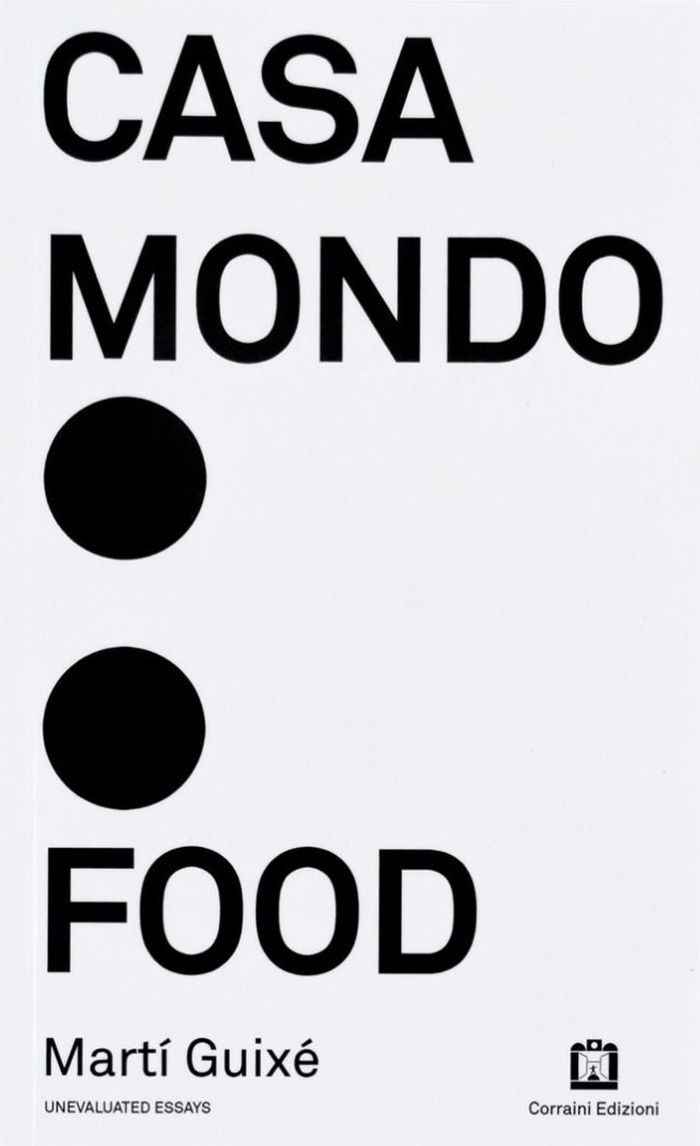
Casa mondo: food
Casa mondo: food
Actions:
Price:
$27.00
(available to order)
Summary:
This publication is a narrative essay that discusses what food is and what it represents in the 21st century, suggesting a theory on the relationship between food-home and the new means of use, especially in light of the pandemic that has transformed our daily lives.
$27.00
(available to order)
Summary:
This publication is a narrative essay that discusses what food is and what it represents in the 21st century, suggesting a theory on the relationship between food-home and the new means of use, especially in light of the pandemic that has transformed our daily lives.
Title:
Casa mondo: food
Actions:
Price:
$27.00
(available to order)
Summary:
This publication is a narrative essay that discusses what food is and what it represents in the 21st century, suggesting a theory on the relationship between food-home and the new means of use, especially in light of the pandemic that has transformed our daily lives.
Casa mondo: food
Actions:
Price:
$27.00
(available to order)
Summary:
This publication is a narrative essay that discusses what food is and what it represents in the 21st century, suggesting a theory on the relationship between food-home and the new means of use, especially in light of the pandemic that has transformed our daily lives.
Form:
books
books
Publication:
December 2021
December 2021
Subject:
Food
Food
Form:
books
books
Actions:
Price:
$40.00
(available to order)
Summary:
In this book, the BBC food journalist Dan Saladino travels the world to experience and document our most at-risk foods before it’s too late. He tells the fascinating stories of the people who continue to cultivate, forage, hunt, cook, and consume what the rest of us have forgotten or didn’t even know existed. From an Indigenous American chef refining precolonial recipes(...)
$40.00
(available to order)
Summary:
In this book, the BBC food journalist Dan Saladino travels the world to experience and document our most at-risk foods before it’s too late. He tells the fascinating stories of the people who continue to cultivate, forage, hunt, cook, and consume what the rest of us have forgotten or didn’t even know existed. From an Indigenous American chef refining precolonial recipes(...)
Title:
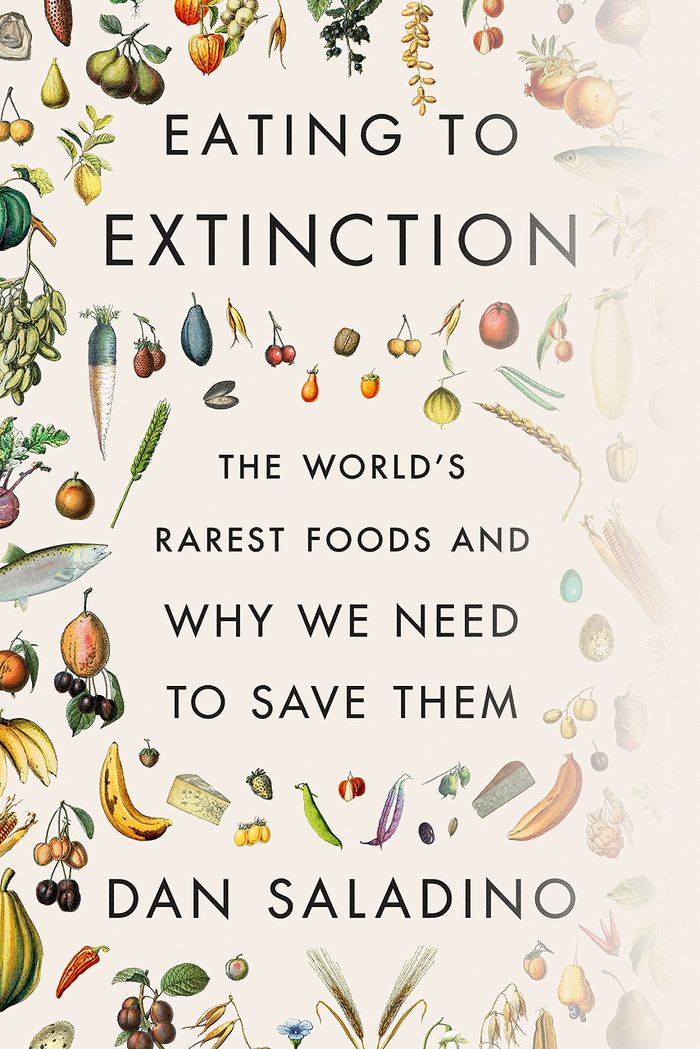
Eating to extinction: The world's rarest foods and why we need to save them
Actions:
Price:
$40.00
(available to order)
Summary:
In this book, the BBC food journalist Dan Saladino travels the world to experience and document our most at-risk foods before it’s too late. He tells the fascinating stories of the people who continue to cultivate, forage, hunt, cook, and consume what the rest of us have forgotten or didn’t even know existed. From an Indigenous American chef refining precolonial recipes to farmers tending Geechee red peas on the Sea Islands of Georgia, the individuals profiled in this volume are essential guides to treasured foods that have endured in the face of rampant sameness and standardization. They also provide a roadmap to a food system that is healthier, more robust, and, above all, richer in flavor and meaning.
Eating to extinction: The world's rarest foods and why we need to save them
Actions:
Price:
$40.00
(available to order)
Summary:
In this book, the BBC food journalist Dan Saladino travels the world to experience and document our most at-risk foods before it’s too late. He tells the fascinating stories of the people who continue to cultivate, forage, hunt, cook, and consume what the rest of us have forgotten or didn’t even know existed. From an Indigenous American chef refining precolonial recipes to farmers tending Geechee red peas on the Sea Islands of Georgia, the individuals profiled in this volume are essential guides to treasured foods that have endured in the face of rampant sameness and standardization. They also provide a roadmap to a food system that is healthier, more robust, and, above all, richer in flavor and meaning.
Form:
books
books
Publication:
February 2022
February 2022
Subject:
Food
Food
Form:
books
books
Price:
$34.95
(available in store)
Summary:
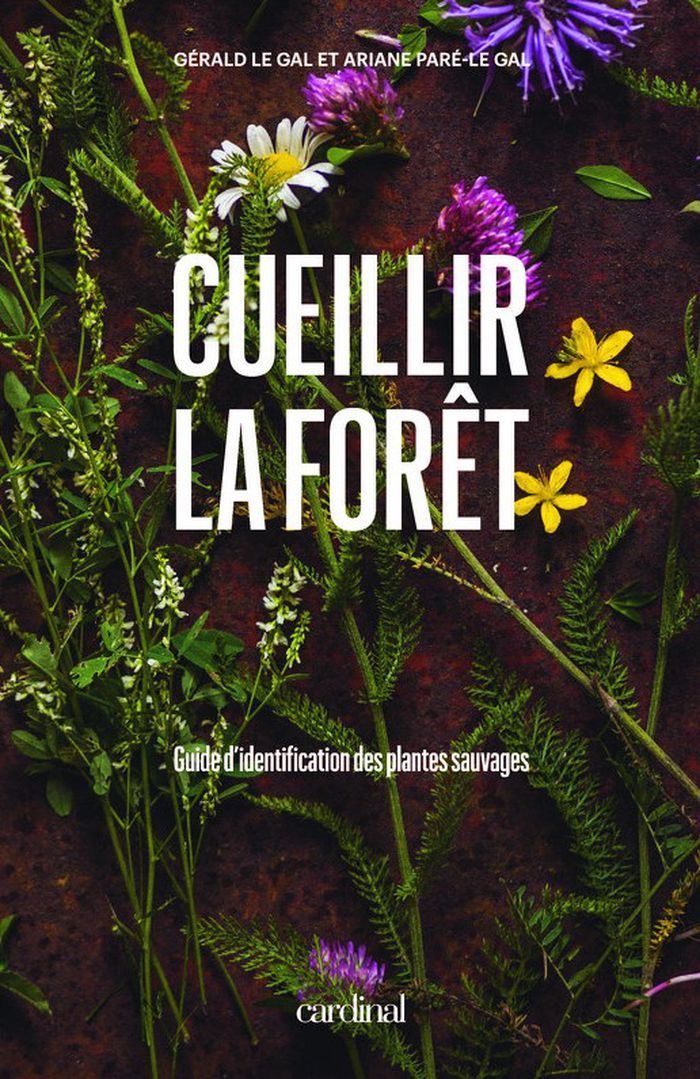
Cet ouvrage est un guide d’identification pratique et compact à glisser dans son sac à dos. Il contient plus de 100 fiches détaillées et plus de 300 photographies de plantes sauvages à différentes étapes de leur croissance permettant d’identifier, cueillir et manger les trésors cachés du terroir forestier québécois.
$34.95
(available in store)
Summary:
Cet ouvrage est un guide d’identification pratique et compact à glisser dans son sac à dos. Il contient plus de 100 fiches détaillées et plus de 300 photographies de plantes sauvages à différentes étapes de leur croissance permettant d’identifier, cueillir et manger les trésors cachés du terroir forestier québécois.
Title:
Cueillir la forêt : Guide d'identification des plantes sauvages
Actions:
Price:
$34.95
(available in store)
Summary:
Cet ouvrage est un guide d’identification pratique et compact à glisser dans son sac à dos. Il contient plus de 100 fiches détaillées et plus de 300 photographies de plantes sauvages à différentes étapes de leur croissance permettant d’identifier, cueillir et manger les trésors cachés du terroir forestier québécois.
Cueillir la forêt : Guide d'identification des plantes sauvages
Actions:
Price:
$34.95
(available in store)
Summary:
Cet ouvrage est un guide d’identification pratique et compact à glisser dans son sac à dos. Il contient plus de 100 fiches détaillées et plus de 300 photographies de plantes sauvages à différentes étapes de leur croissance permettant d’identifier, cueillir et manger les trésors cachés du terroir forestier québécois.
Form:
books
books
Publication:
April 2022
April 2022
Subject:
Food
Food
Form:
books
books
Actions:
Price:
$35.00
(available to order)
Summary:
Feeding kids can often feel like climbing a mountain, and sometimes like an endless series of rejections and failures. With picky eating preferences changing at every turn, meals that were a mainstay one week are inexplicably pushed aside when they hit the table the next. Because kids don't care about what they're serving at the new It Restaurant, the food fads of the(...)
$35.00
(available to order)
Summary:
Feeding kids can often feel like climbing a mountain, and sometimes like an endless series of rejections and failures. With picky eating preferences changing at every turn, meals that were a mainstay one week are inexplicably pushed aside when they hit the table the next. Because kids don't care about what they're serving at the new It Restaurant, the food fads of the(...)
Title:
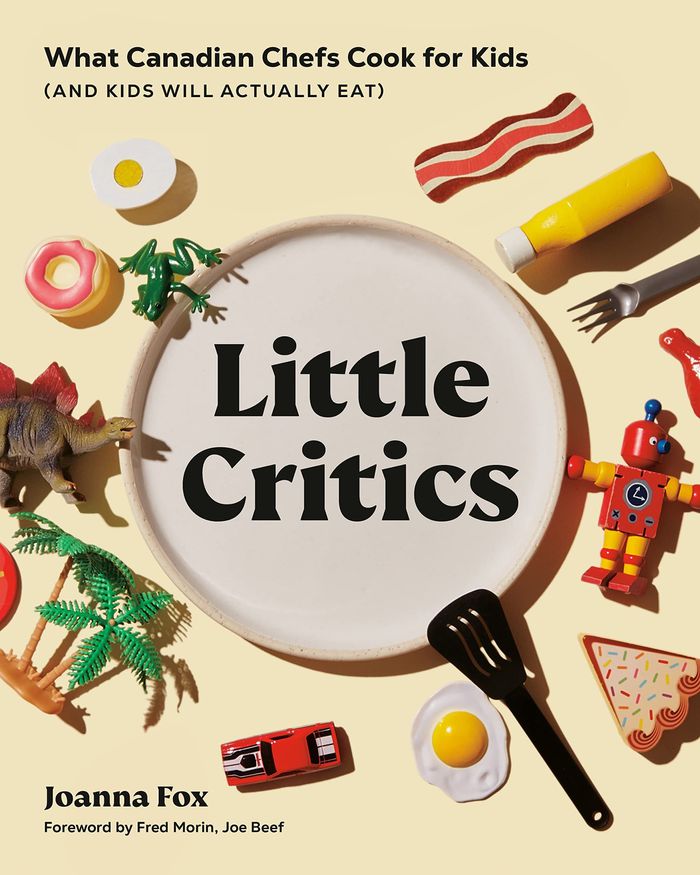
Little critics: What Canadian chefs cook for kids (and kids will actually eat)
Actions:
Price:
$35.00
(available to order)
Summary:
Feeding kids can often feel like climbing a mountain, and sometimes like an endless series of rejections and failures. With picky eating preferences changing at every turn, meals that were a mainstay one week are inexplicably pushed aside when they hit the table the next. Because kids don't care about what they're serving at the new It Restaurant, the food fads of the year or how long you spend in the kitchen—either they like what they're eating ... or they’ll let you know about it! But surely chefs, with all of their accolades, awards and years of experience don't go through this too ... do they? What food writer Joanna Fox discovered might surprise you. It turns out we’re all in the same boat, even Canada’s top culinary professionals from coast to coast. Inside ''Little critics'', you'll find out how our top chefs please even the most suspicious, judgmental or fastidious of early eaters, with recipes including Jeremy Charles’s go-to stew, Suzanne Barr’s Cauliflower Cheese Bake, Susur Lee’s favourite childhood chicken, Danny Smiles’s Italian family dinner, Dyan Solomon’s Green Hulk Risotto, Vikram Vij’s Butter Chicken Schnitzel, Ryusuke Nakagawa’s Cheesy Chicken Katsu, Billy Alexander’s Frybread Stuffed Pizza, Chuck Hughes’s Pappardelle Pesto and Michael Smith’s showstopper pancakes, Tara O’Brady’s hearty Oatmeal Waffles, and Anna Olson’s Gourmet Goo Skillet Brownies. ''Little critics'' is chock-full of ideas for every kind of meal, with easy-to-follow recipes for breakfast and brunch; vegetarian, fish and meat mains; soups, snacks and sides; and desserts and drinks too. With food this good, even the adults will be asking for more.
Little critics: What Canadian chefs cook for kids (and kids will actually eat)
Actions:
Price:
$35.00
(available to order)
Summary:
Feeding kids can often feel like climbing a mountain, and sometimes like an endless series of rejections and failures. With picky eating preferences changing at every turn, meals that were a mainstay one week are inexplicably pushed aside when they hit the table the next. Because kids don't care about what they're serving at the new It Restaurant, the food fads of the year or how long you spend in the kitchen—either they like what they're eating ... or they’ll let you know about it! But surely chefs, with all of their accolades, awards and years of experience don't go through this too ... do they? What food writer Joanna Fox discovered might surprise you. It turns out we’re all in the same boat, even Canada’s top culinary professionals from coast to coast. Inside ''Little critics'', you'll find out how our top chefs please even the most suspicious, judgmental or fastidious of early eaters, with recipes including Jeremy Charles’s go-to stew, Suzanne Barr’s Cauliflower Cheese Bake, Susur Lee’s favourite childhood chicken, Danny Smiles’s Italian family dinner, Dyan Solomon’s Green Hulk Risotto, Vikram Vij’s Butter Chicken Schnitzel, Ryusuke Nakagawa’s Cheesy Chicken Katsu, Billy Alexander’s Frybread Stuffed Pizza, Chuck Hughes’s Pappardelle Pesto and Michael Smith’s showstopper pancakes, Tara O’Brady’s hearty Oatmeal Waffles, and Anna Olson’s Gourmet Goo Skillet Brownies. ''Little critics'' is chock-full of ideas for every kind of meal, with easy-to-follow recipes for breakfast and brunch; vegetarian, fish and meat mains; soups, snacks and sides; and desserts and drinks too. With food this good, even the adults will be asking for more.
Form:
books
books
Publication:
October 2022
October 2022
Subject:
Food
Food
Form:
books
books
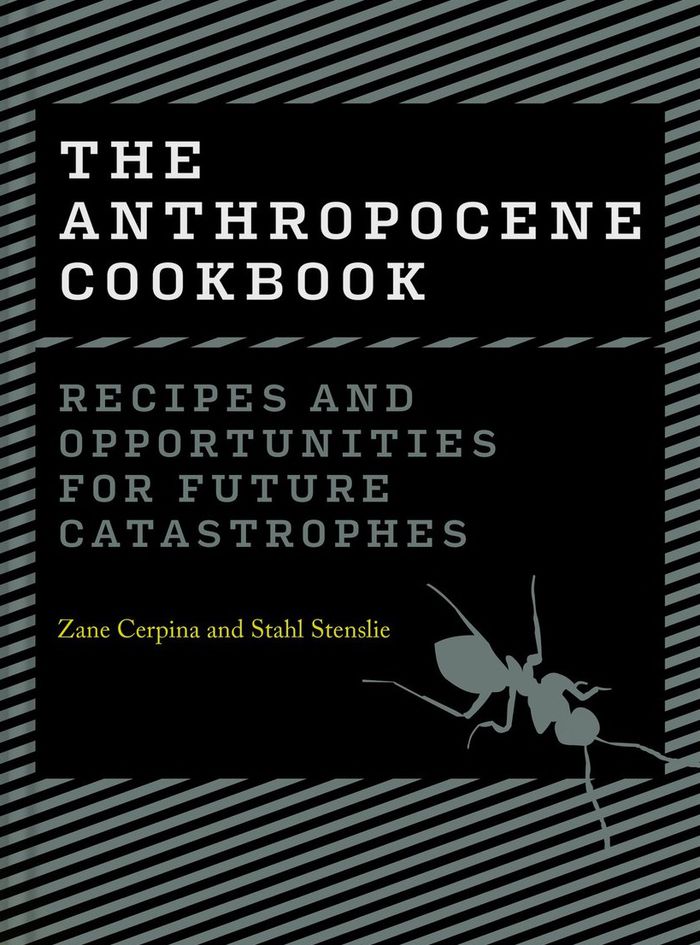
Title:
The Anthropocene cookbook
The Anthropocene cookbook
Actions:
Price:
$45.95
(available to order)
Summary:
In the age of the Anthropocene—an era characterized by human-caused climate disaster—catastrophes and dystopias loom. ''The Anthropocene cookbook'' takes our planetary state of emergency as an opportunity to seize the moment to imagine constructive change and new ideas. How can we survive in an age of constant environmental crises? How can we thrive? ''The Anthropocene(...)
$45.95
(available to order)
Summary:
In the age of the Anthropocene—an era characterized by human-caused climate disaster—catastrophes and dystopias loom. ''The Anthropocene cookbook'' takes our planetary state of emergency as an opportunity to seize the moment to imagine constructive change and new ideas. How can we survive in an age of constant environmental crises? How can we thrive? ''The Anthropocene(...)
Title:
The Anthropocene cookbook
Actions:
Price:
$45.95
(available to order)
Summary:
In the age of the Anthropocene—an era characterized by human-caused climate disaster—catastrophes and dystopias loom. ''The Anthropocene cookbook'' takes our planetary state of emergency as an opportunity to seize the moment to imagine constructive change and new ideas. How can we survive in an age of constant environmental crises? How can we thrive? ''The Anthropocene cookbook'' answers these questions by presenting a series of investigative art and design projects that explore how art, food, and creative thinking can prepare us for future catastrophes. This cookbook of ideas rethinks our eating habits and traditions, challenges our food taboos, and proposes new recipes for humanity's survival.
The Anthropocene cookbook
Actions:
Price:
$45.95
(available to order)
Summary:
In the age of the Anthropocene—an era characterized by human-caused climate disaster—catastrophes and dystopias loom. ''The Anthropocene cookbook'' takes our planetary state of emergency as an opportunity to seize the moment to imagine constructive change and new ideas. How can we survive in an age of constant environmental crises? How can we thrive? ''The Anthropocene cookbook'' answers these questions by presenting a series of investigative art and design projects that explore how art, food, and creative thinking can prepare us for future catastrophes. This cookbook of ideas rethinks our eating habits and traditions, challenges our food taboos, and proposes new recipes for humanity's survival.
Form:
books
books
Publication:
October 2022
October 2022
Subject:
Food
Food
Form:
books
books
Actions:
Price:
$35.95
(available to order)
Summary:
In this book, Nicholas P. Money tells the utterly fascinating story of mushrooms and the ways we have interacted with these fungi throughout history. Whether they have populated the landscapes of fairytales, lent splendid umami to our dishes, or steered us into deep hallucinations, mushrooms have affected humanity from the earliest beginnings of our species. As Money(...)
$35.95
(available to order)
Summary:
In this book, Nicholas P. Money tells the utterly fascinating story of mushrooms and the ways we have interacted with these fungi throughout history. Whether they have populated the landscapes of fairytales, lent splendid umami to our dishes, or steered us into deep hallucinations, mushrooms have affected humanity from the earliest beginnings of our species. As Money(...)
Title:
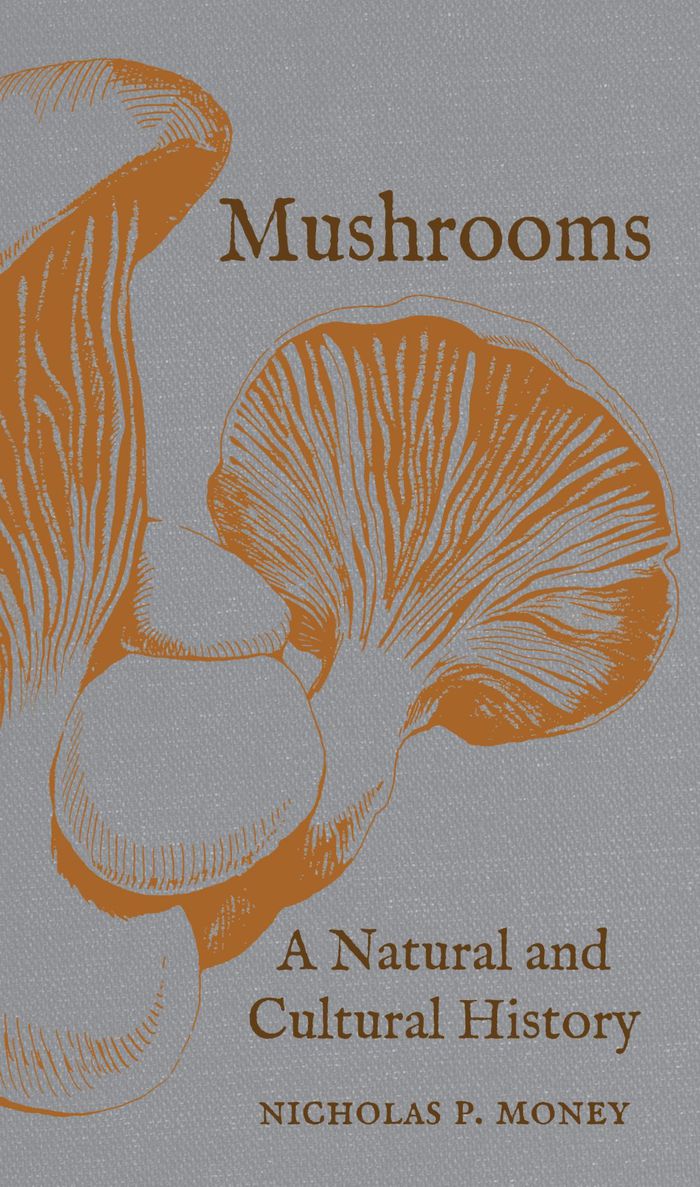
Mushrooms: a natural and cultural history
Actions:
Price:
$35.95
(available to order)
Summary:
In this book, Nicholas P. Money tells the utterly fascinating story of mushrooms and the ways we have interacted with these fungi throughout history. Whether they have populated the landscapes of fairytales, lent splendid umami to our dishes, or steered us into deep hallucinations, mushrooms have affected humanity from the earliest beginnings of our species. As Money explains, mushrooms are not self-contained organisms like animals and plants. Rather, they are the fruiting bodies of large—sometimes extremely large—colonies of mycelial threads that spread underground and permeate rotting vegetation. Because these colonies decompose organic matter, they are of extraordinary ecological value and have a huge effect on the health of the environment. This book takes us on a tour of the cultural and scientific importance of mushrooms, from the enchanted forests of folklore to the role of these fungi in sustaining life on earth.
Mushrooms: a natural and cultural history
Actions:
Price:
$35.95
(available to order)
Summary:
In this book, Nicholas P. Money tells the utterly fascinating story of mushrooms and the ways we have interacted with these fungi throughout history. Whether they have populated the landscapes of fairytales, lent splendid umami to our dishes, or steered us into deep hallucinations, mushrooms have affected humanity from the earliest beginnings of our species. As Money explains, mushrooms are not self-contained organisms like animals and plants. Rather, they are the fruiting bodies of large—sometimes extremely large—colonies of mycelial threads that spread underground and permeate rotting vegetation. Because these colonies decompose organic matter, they are of extraordinary ecological value and have a huge effect on the health of the environment. This book takes us on a tour of the cultural and scientific importance of mushrooms, from the enchanted forests of folklore to the role of these fungi in sustaining life on earth.
Form:
books
books
Publication:
October 2022
October 2022
Subject:
Food
Food
Form:
books
books

Title:
Salmon: A red herring
Salmon: A red herring
Actions:
Price:
$23.95
(available in store)
Summary:
Salmon is usually thought of as pink. The colour is even called ‘salmon pink’. However, farmed salmon today would be grey. To make them the expected colour, synthetic pigments are added to their feed. Salmon are farmed in open nets, whose runoff has a severe impact on wild salmon populations, as well as on the seabed of the west coast of Scotland at large. Salmon is the(...)
$23.95
(available in store)
Summary:
Salmon is usually thought of as pink. The colour is even called ‘salmon pink’. However, farmed salmon today would be grey. To make them the expected colour, synthetic pigments are added to their feed. Salmon are farmed in open nets, whose runoff has a severe impact on wild salmon populations, as well as on the seabed of the west coast of Scotland at large. Salmon is the(...)
Title:
Salmon: A red herring
Actions:
Price:
$23.95
(available in store)
Summary:
Salmon is usually thought of as pink. The colour is even called ‘salmon pink’. However, farmed salmon today would be grey. To make them the expected colour, synthetic pigments are added to their feed. Salmon are farmed in open nets, whose runoff has a severe impact on wild salmon populations, as well as on the seabed of the west coast of Scotland at large. Salmon is the colour of a wild fish which is neither wild, nor fish, nor even salmon. The changing colours of species around the planet are warning signs of an environmental crisis. Many of these alterations result from humans and animals ingesting and absorbing synthetic substances. Changes in flesh, scales, feathers, skin, leaves or wings give us clues to environmental and metabolic transformations around us and inside us. Continuing our work on the Isle of Skye, this project questions what colours we expect in our ‘natural’ environment. It asks us to examine how our perception of colour is changing as much as we are changing the planet.
Salmon: A red herring
Actions:
Price:
$23.95
(available in store)
Summary:
Salmon is usually thought of as pink. The colour is even called ‘salmon pink’. However, farmed salmon today would be grey. To make them the expected colour, synthetic pigments are added to their feed. Salmon are farmed in open nets, whose runoff has a severe impact on wild salmon populations, as well as on the seabed of the west coast of Scotland at large. Salmon is the colour of a wild fish which is neither wild, nor fish, nor even salmon. The changing colours of species around the planet are warning signs of an environmental crisis. Many of these alterations result from humans and animals ingesting and absorbing synthetic substances. Changes in flesh, scales, feathers, skin, leaves or wings give us clues to environmental and metabolic transformations around us and inside us. Continuing our work on the Isle of Skye, this project questions what colours we expect in our ‘natural’ environment. It asks us to examine how our perception of colour is changing as much as we are changing the planet.
Form:
books
books
Publication:
January 2020
January 2020
Subject:
Food
Food
Form:
books
books
Actions:
Price:
$43.95
(available in store)
Summary:
Comme le dit un judicieux personnage de Mark Twain, M. Tête de Pudding, un chou-fleur c’est simplement un chou qui a été au collège. Sa monstruosité s’explique par un excès d’éducation, mais c’est bien d’avoir une explication si poussée soit-elle, car nous avons ainsi l’heureuse satisfaction d’expliquer comment le chou-fleur en est venu à ce point. Or les champignons(...)
$43.95
(available in store)
Summary:
Comme le dit un judicieux personnage de Mark Twain, M. Tête de Pudding, un chou-fleur c’est simplement un chou qui a été au collège. Sa monstruosité s’explique par un excès d’éducation, mais c’est bien d’avoir une explication si poussée soit-elle, car nous avons ainsi l’heureuse satisfaction d’expliquer comment le chou-fleur en est venu à ce point. Or les champignons(...)
Title:
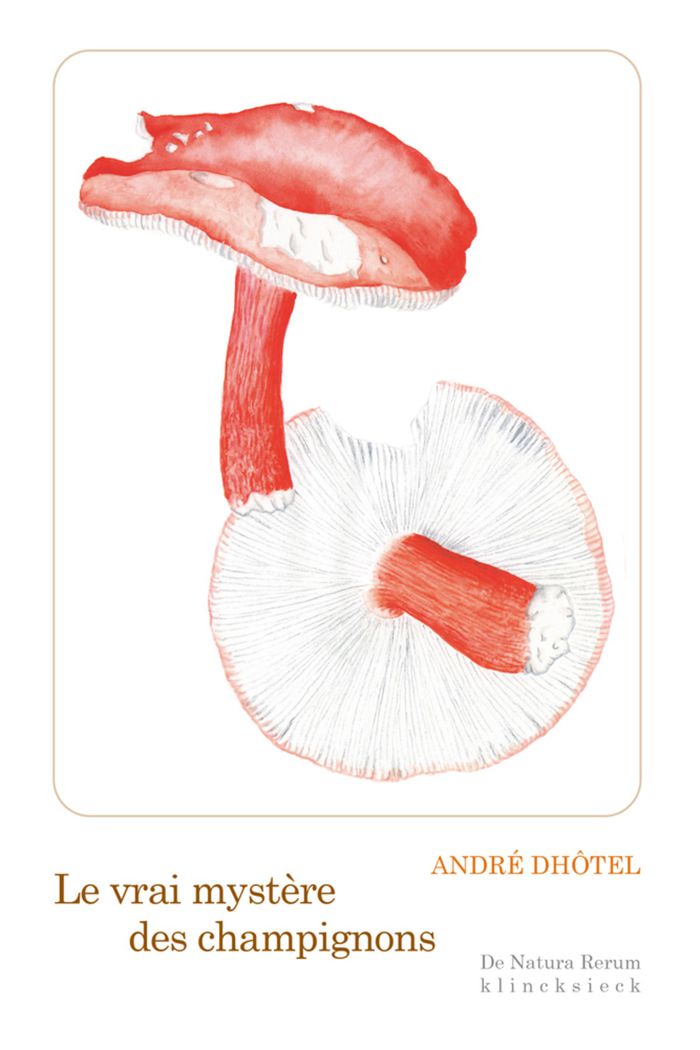
Le vrai mystère des champignons
Actions:
Price:
$43.95
(available in store)
Summary:
Comme le dit un judicieux personnage de Mark Twain, M. Tête de Pudding, un chou-fleur c’est simplement un chou qui a été au collège. Sa monstruosité s’explique par un excès d’éducation, mais c’est bien d’avoir une explication si poussée soit-elle, car nous avons ainsi l’heureuse satisfaction d’expliquer comment le chou-fleur en est venu à ce point. Or les champignons n’ont aucune éducation. Leurs formes affirment une méconnaissance totale de tout usage. Ils ne sont même pas monstrueux. Ambigus et radieux, ils tournent en dérision les plus élémentaires principes. S’ils se pourvoient de ce que l’on appelle un pied et un chapeau, chaque espèce, sur ce thème d’une pauvreté remarquable, s’ingénie à des variations dont la gratuité confine à l’insolence.
Le vrai mystère des champignons
Actions:
Price:
$43.95
(available in store)
Summary:
Comme le dit un judicieux personnage de Mark Twain, M. Tête de Pudding, un chou-fleur c’est simplement un chou qui a été au collège. Sa monstruosité s’explique par un excès d’éducation, mais c’est bien d’avoir une explication si poussée soit-elle, car nous avons ainsi l’heureuse satisfaction d’expliquer comment le chou-fleur en est venu à ce point. Or les champignons n’ont aucune éducation. Leurs formes affirment une méconnaissance totale de tout usage. Ils ne sont même pas monstrueux. Ambigus et radieux, ils tournent en dérision les plus élémentaires principes. S’ils se pourvoient de ce que l’on appelle un pied et un chapeau, chaque espèce, sur ce thème d’une pauvreté remarquable, s’ingénie à des variations dont la gratuité confine à l’insolence.
Form:
books
books
Publication:
September 2022
September 2022
Subject:
Food
Food
Form:
books
books
Actions:
Price:
$24.95
(available in store)
Summary:
Explorer l’origine des fruits, c’est entreprendre un périple passionnant à travers les siècles et les continents. Du Japon à l’île d’Orléans, l’auteur nous accompagne dans les dédales de l’histoire d’une trentaine d’espèces. Une grande aventure rendue possible grâce à la contribution inestimable de jardiniers, d’horticulteurs, d’agronomes et de botanistes passionnés.(...)
$24.95
(available in store)
Summary:
Explorer l’origine des fruits, c’est entreprendre un périple passionnant à travers les siècles et les continents. Du Japon à l’île d’Orléans, l’auteur nous accompagne dans les dédales de l’histoire d’une trentaine d’espèces. Une grande aventure rendue possible grâce à la contribution inestimable de jardiniers, d’horticulteurs, d’agronomes et de botanistes passionnés.(...)
Title:
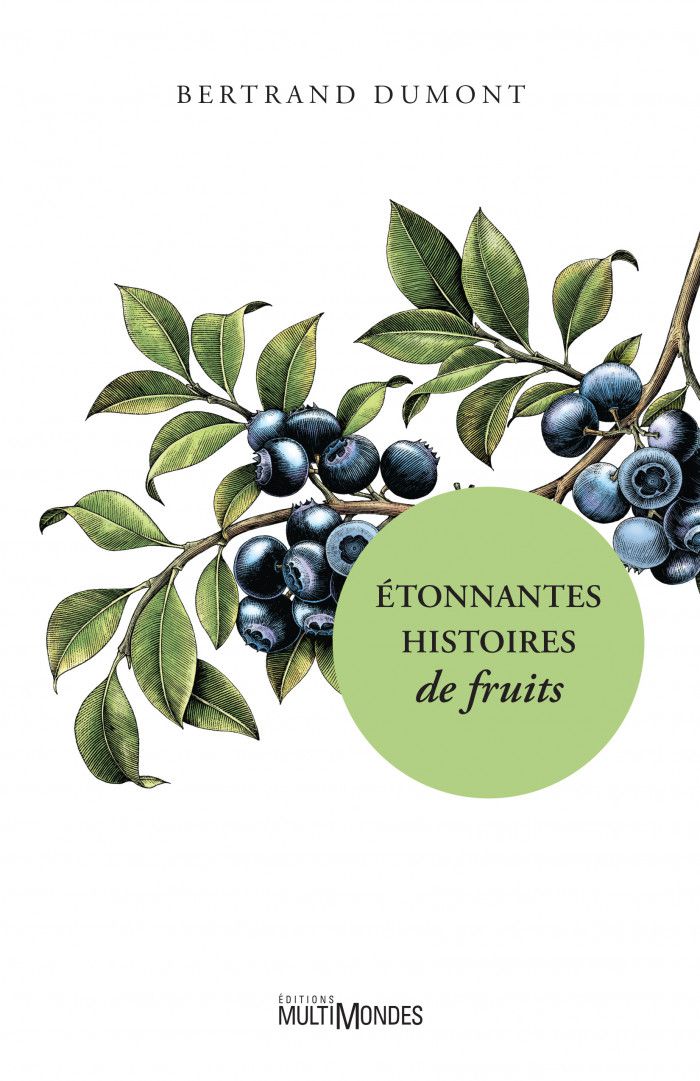
Étonnantes histoires de fruits
Actions:
Price:
$24.95
(available in store)
Summary:
Explorer l’origine des fruits, c’est entreprendre un périple passionnant à travers les siècles et les continents. Du Japon à l’île d’Orléans, l’auteur nous accompagne dans les dédales de l’histoire d’une trentaine d’espèces. Une grande aventure rendue possible grâce à la contribution inestimable de jardiniers, d’horticulteurs, d’agronomes et de botanistes passionnés. Faisant preuve d’un grand enthousiasme, ils ont permis d’adapter les cultures à différents environnements et d’en accroître les variétés. Cet ouvrage parcourt également les mythes et les symboles liés aux fruits dans le monde, de la promesse d’une jeunesse éternelle au fruit du désir.
Étonnantes histoires de fruits
Actions:
Price:
$24.95
(available in store)
Summary:
Explorer l’origine des fruits, c’est entreprendre un périple passionnant à travers les siècles et les continents. Du Japon à l’île d’Orléans, l’auteur nous accompagne dans les dédales de l’histoire d’une trentaine d’espèces. Une grande aventure rendue possible grâce à la contribution inestimable de jardiniers, d’horticulteurs, d’agronomes et de botanistes passionnés. Faisant preuve d’un grand enthousiasme, ils ont permis d’adapter les cultures à différents environnements et d’en accroître les variétés. Cet ouvrage parcourt également les mythes et les symboles liés aux fruits dans le monde, de la promesse d’une jeunesse éternelle au fruit du désir.
Form:
books
books
Publication:
October 2022
October 2022
Subject:
Food
Food


