


64 Results
Form:
books
books

Actions:
Price:
$69.95
(available to order)
Summary:
C'est un voyage de la Chine à la méditerranée, sur les routes de la soie, du thé, du jade, des épices, de la laine, de l'or et des chevaux, aux confins de la Chine, de l'Asie Centrale et de l'Inde. Sur ces routes, traversant steppes, montagnes et déserts, des caravanes de chameaux et de yacks cheminèrent durant des siècles bijoux, porcelaine, thé et épices jusqu'aux(...)
Title:
Nomades et caravanes d'orient sure les routes de la soie
Actions:
Price:
$69.95
(available to order)
Summary:
C'est un voyage de la Chine à la méditerranée, sur les routes de la soie, du thé, du jade, des épices, de la laine, de l'or et des chevaux, aux confins de la Chine, de l'Asie Centrale et de l'Inde. Sur ces routes, traversant steppes, montagnes et déserts, des caravanes de chameaux et de yacks cheminèrent durant des siècles bijoux, porcelaine, thé et épices jusqu'aux fabuleux bazars d'Asie centrale comme ceux de Kachgar, de Boukhara et de Samarkand. C'est aussi une plongée dans l'histoire et les cultures, à travers les religions, les modes de vie, les évolutions des pays d'Asie Centrale, sur les traces des grands explorateurs, aventuriers mandatés par des souverains lointains ou des scientifiques et archéologues passionnés. C'est, enfin et surtout, une rencontre avec les populations d'Asie Centrale, bergers tadjiks, nomades Mongols, Kazakhs, Kirghizes, qui vivent sous la yourte avec leurs troupeaux de yacks, de chèvres et de moutons, dans un cadre majestueux : montagnes enneigées de l'Altaï, du Pamir et du Karakorum, steppes immenses et déserts gigantesques.
Form:
books
books
Publication:
September 2007, Geneva
September 2007, Geneva
Subject:
History until 1900, Asia
History until 1900, Asia
Form:
books
books
Title:
AD 77:6 : Made in India
AD 77:6 : Made in India
Actions:
Price:
$47.99
(available to order)
Summary:
Architecture is never an isolated production. It is deeply embedded in the fabric of any social and cultural dynamic, even though new impetuses are often made and established through architecture. This is particularly true of the exuberant social and cultural shift that India is undergoing. A multi-disciplinary approach is crucial in order to unravel the scope of the(...)
Title:
AD 77:6 : Made in India
Actions:
Price:
$47.99
(available to order)
Summary:
Architecture is never an isolated production. It is deeply embedded in the fabric of any social and cultural dynamic, even though new impetuses are often made and established through architecture. This is particularly true of the exuberant social and cultural shift that India is undergoing. A multi-disciplinary approach is crucial in order to unravel the scope of the phenomenon and its manifestations. The title features Sunil Khilnan's meditation on what constitutes the idea of modern India, Prem Chandavarkar's exciting account of the emergence of a new generation of architects in Bangalore and Ravi Sundarum's description of the visceral city. It also includes project sections that portray the divergent and innovative face of Indian architecture from Bombay to Bangalore, which include sophisticated urban schemes alongside handmade self-built buildings in rural areas.
Form:
books
books
Publication:
January 2008, London
January 2008, London
Subject:
History until 1900, Asia
History until 1900, Asia
Form:
books
books
Title:
Two squares
Two squares
Actions:
Price:
$20.95
(available to order)
Summary:
Through a series of essays by urban historians and designers, Two Squares examines the changing role of public space in the cities of Beirut and Istanbul as they undergo major urban redevelopment. The study of Beirut looks at the redesign of Martyrs' Square, the city's primary public space, in the aftermath of the civil war and the ongoing reconstruction efforts to(...)
Title:
Two squares
Actions:
Price:
$20.95
(available to order)
Summary:
Through a series of essays by urban historians and designers, Two Squares examines the changing role of public space in the cities of Beirut and Istanbul as they undergo major urban redevelopment. The study of Beirut looks at the redesign of Martyrs' Square, the city's primary public space, in the aftermath of the civil war and the ongoing reconstruction efforts to rebuild the center. In Istanbul, the focus is on Sirkeci Square, one of the main intermodal hubs in the historic peninsula, as it readies itself to host a new station for the first under-Bosphorus train tunnel. The two urban transformations are taken as opportunities to examine the nature of public space in the 21st-century city, the history and evolution of public life in Beirut and Istanbul, and the possibilities of using these vital transportation nodes as opportunities for new landscape, urban, and architectural design strategies. The book also includes a series of hypothetical design projects for these two squares.
Form:
books
books
Publication:
October 2006, Boston
October 2006, Boston
Subject:
History until 1900, Asia
History until 1900, Asia
Form:
books
books
Actions:
Price:
$58.95
(available to order)
Summary:
Le sens de l'espace au japon, c'est le déploiement du monde japonais, de la terre d'un certain archipel à la manière dont le moi s'y définit dans son rapport avec les choses et avec autrui. C'est l'organisation des parcours dans un jardin-promenade, l'agencement des pièces dans l'ancien palais du shôgun à Edo, mais aussi certains principes managériaux des grandes(...)
Subject:
History until 1900, Asia
History until 1900, Asia
Publication:
May 2004, Paris
May 2004, Paris
Title:
Le sens de l'espace au Japon : vivre, penser, bâtir
Actions:
Price:
$58.95
(available to order)
Summary:
Le sens de l'espace au japon, c'est le déploiement du monde japonais, de la terre d'un certain archipel à la manière dont le moi s'y définit dans son rapport avec les choses et avec autrui. C'est l'organisation des parcours dans un jardin-promenade, l'agencement des pièces dans l'ancien palais du shôgun à Edo, mais aussi certains principes managériaux des grandes entreprises, l'apparente absence du sujet dans certains poèmes, les repères situationnels de la morale ordinaire, et jusqu'à la remise en cause au XXe siècle, par la " logique du lieu " nishidienne, du principe d'identité qui fonda l'inférence rationnelle chez Aristote. En effet, chaque société crée son espace dans un sens qui lui est propre, et qu'analogiquement elle déploie dans tous les domaines de son existence ; mais en outre, la spatialité japonaise a ceci de particulier qu'elle a construit un paradigme existentiel : un paradigme de la vie même, à l'opposé du mécanicisme de la modernité occidentale. On en tire ici les leçons pour une architecture naturelle, en prise concrète avec les sens de notre corps dans le paysage.
Form:
books
books
Publication:
May 2004, Paris
May 2004, Paris
Subject:
History until 1900, Asia
History until 1900, Asia
Form:
books
books
Title:
Elements of Japanese design
Elements of Japanese design
Actions:
Price:
$16.50
(available to order)
Summary:
"Elements of Japanese design" introduces 80 key concepts in Japanese design in a readable and accessible short-entry format. Including a brief explanation and examples of every aspect of Japanese design—from Wah (Harmony) to Kaizen (Continuous Improvement), from Mushin (the Empty Mind) to Mujo (Incompleteness).
Subject:
History until 1900, Asia
History until 1900, Asia
Publication:
September 2006, Tokyo, Ruthland (Vermont), Singapore
September 2006, Tokyo, Ruthland (Vermont), Singapore
Title:
Elements of Japanese design
Actions:
Price:
$16.50
(available to order)
Summary:
"Elements of Japanese design" introduces 80 key concepts in Japanese design in a readable and accessible short-entry format. Including a brief explanation and examples of every aspect of Japanese design—from Wah (Harmony) to Kaizen (Continuous Improvement), from Mushin (the Empty Mind) to Mujo (Incompleteness).
Form:
books
books
Publication:
September 2006, Tokyo, Ruthland (Vermont), Singapore
September 2006, Tokyo, Ruthland (Vermont), Singapore
Subject:
History until 1900, Asia
History until 1900, Asia
Form:
books
books
Actions:
Price:
$60.00
(available to order)
Summary:
Comment se traduit la méditation sur le temps qui passe en Occident et en Orient ? Quels sont les rapports entre l'architecture et le temps ? Si pour les occidentaux, la figure de la ruine reste un des lieux communs les plus propices à cette réflexion, d'autres figures traversent l'esthétique japonaise, du théâtre nô à la poésie en passant par l'art des jardins et(...)
Title:
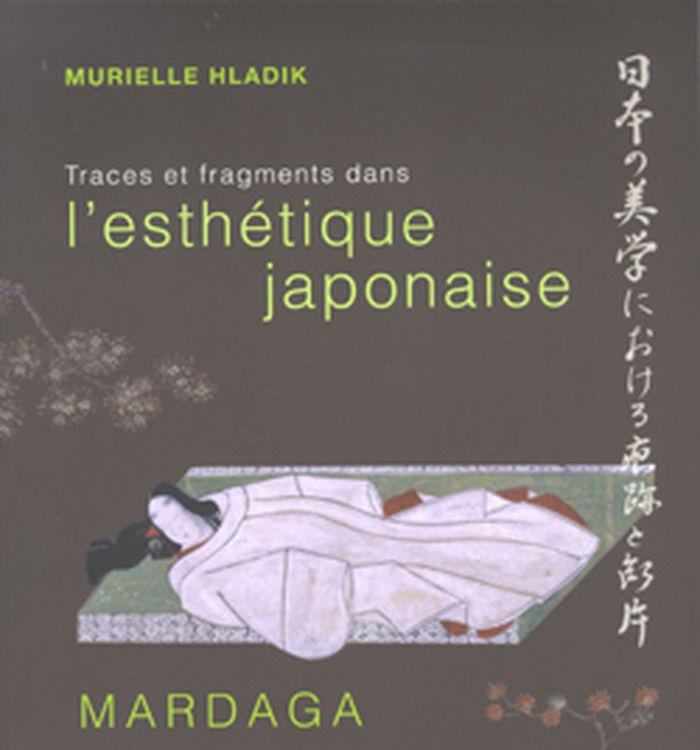
Traces et fragments dans l'esthétique japonaise
Actions:
Price:
$60.00
(available to order)
Summary:
Comment se traduit la méditation sur le temps qui passe en Occident et en Orient ? Quels sont les rapports entre l'architecture et le temps ? Si pour les occidentaux, la figure de la ruine reste un des lieux communs les plus propices à cette réflexion, d'autres figures traversent l'esthétique japonaise, du théâtre nô à la poésie en passant par l'art des jardins et l'architecture. Le jardin à l'abandon (haien), la trace (ato) et la demeure provisoire (yado) révèlent une manière éphémère et transitoire d'habiter le monde. Alors qu'en Occident, la menace du temps ne devient effective qu'une fois l'acte de création terminé, on constate au Japon une fragilisation volontaire de l'oeuvre dès son édification. Le dialogue esthétique entre deux cultures instauré par l'auteur se prolonge auprès des artistes contemporains dont le travail, par-delà les frontières et les traditions, s'inscrit lui aussi dans une réflexion sur le passage du temps.
Form:
books
books
Publication:
March 2008, Wavre
March 2008, Wavre
Subject:
History until 1900, Asia
History until 1900, Asia
Form:
books
books
Price:
$126.96
(available to order)
Summary:
This book examines the architectural tradition which developed with the religious culture of Islam. Essentially heir to the Roman development of space, it had its source in the ubiquitous courtyard house, while the development of the mosque as both place of worship and the centre of the community, it forms a response to the requirements of prayer set out in the Koran, was(...)
Title:
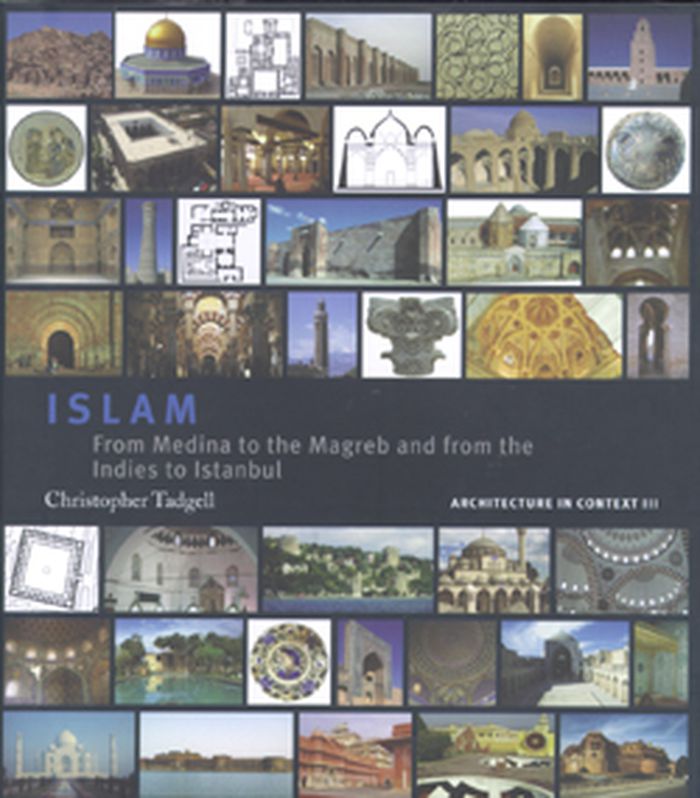
Islam from the Medina to the Magreb and from the Indies to Istanbul
Actions:
Price:
$126.96
(available to order)
Summary:
This book examines the architectural tradition which developed with the religious culture of Islam. Essentially heir to the Roman development of space, it had its source in the ubiquitous courtyard house, while the development of the mosque as both place of worship and the centre of the community, it forms a response to the requirements of prayer set out in the Koran, was given a range of forms as the conquests of Islam came up against the traditions of Egypt, Persia, India and China. The tradition developed further in tombs, palaces and fortifications, all of which are described and illustrated here. The architecture of "Islam" encompasses a high proportion of the world's most beautiful buildings. This book covers the whole range in unprecedented breadth and depth.
Form:
books
books
Publication:
May 2008, Oxon, New York
May 2008, Oxon, New York
Subject:
History until 1900, Asia
History until 1900, Asia
Form:
books
books
Title:
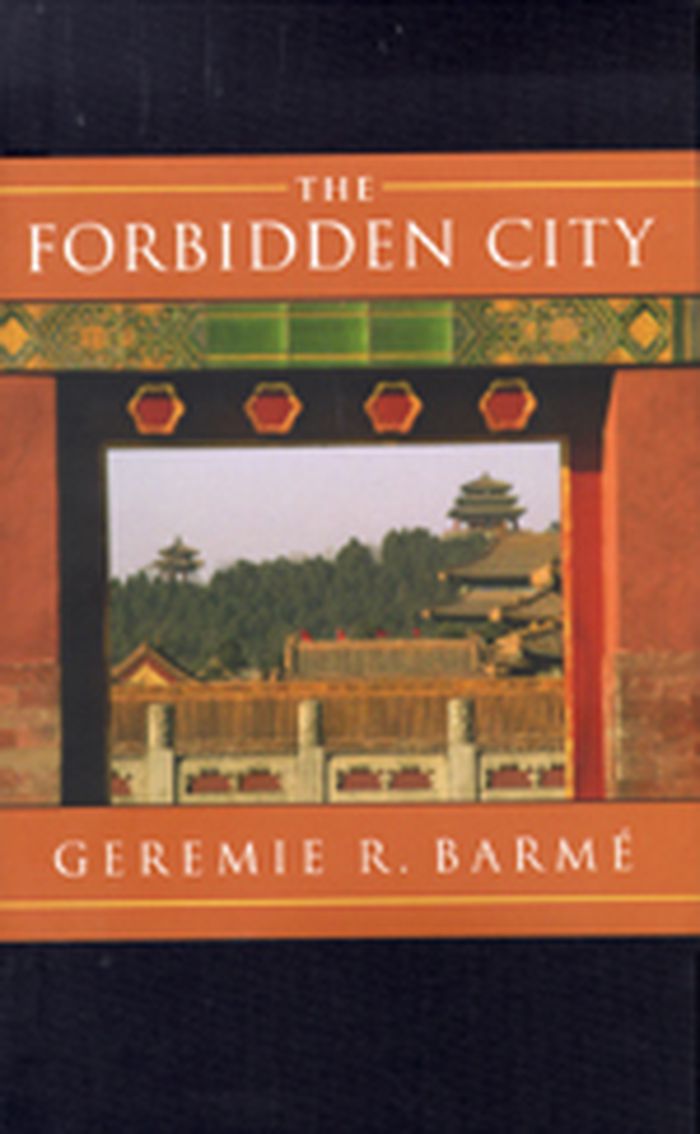
The Forbidden City
The Forbidden City
Actions:
Price:
$19.95
(available to order)
Summary:
The Forbidden City (Zijin Cheng) lying at the heart of Beijing formed the hub of the Celestial Empire for five centuries. Over the past century it has led a reduced life as the refuge for a deposed emperor, as well as a heritage museum for monarchist, republican, and socialist citizens, and it has been celebrated and excoriated as a symbol of all that was magnificent and(...)
Title:
The Forbidden City
Actions:
Price:
$19.95
(available to order)
Summary:
The Forbidden City (Zijin Cheng) lying at the heart of Beijing formed the hub of the Celestial Empire for five centuries. Over the past century it has led a reduced life as the refuge for a deposed emperor, as well as a heritage museum for monarchist, republican, and socialist citizens, and it has been celebrated and excoriated as a symbol of all that was magnificent and terrible in dynastic China’s legacy. The Forbidden City’s vermilion walls have fueled literary fantasies that have become an intrinsic part of its disputed and documented history. Mao Zedong even considered razing the entire structure to make way for the buildings of a new socialist China. The fictions surrounding the Forbidden City have also had an international reach, and writers like Franz Kafka, Elias Canetti, Jorge Luis Borges, and Mervyn Peake have all succumbed to its myths. The politics it enshrined have provided the vocabulary of power that is used in China to the present day, though it is now better known as a film set or the background of displays of opera, rock, and fashion.
Form:
books
books
Publication:
May 2008, Cambridge
May 2008, Cambridge
Subject:
History until 1900, Asia
History until 1900, Asia
Form:
books
books
Title:
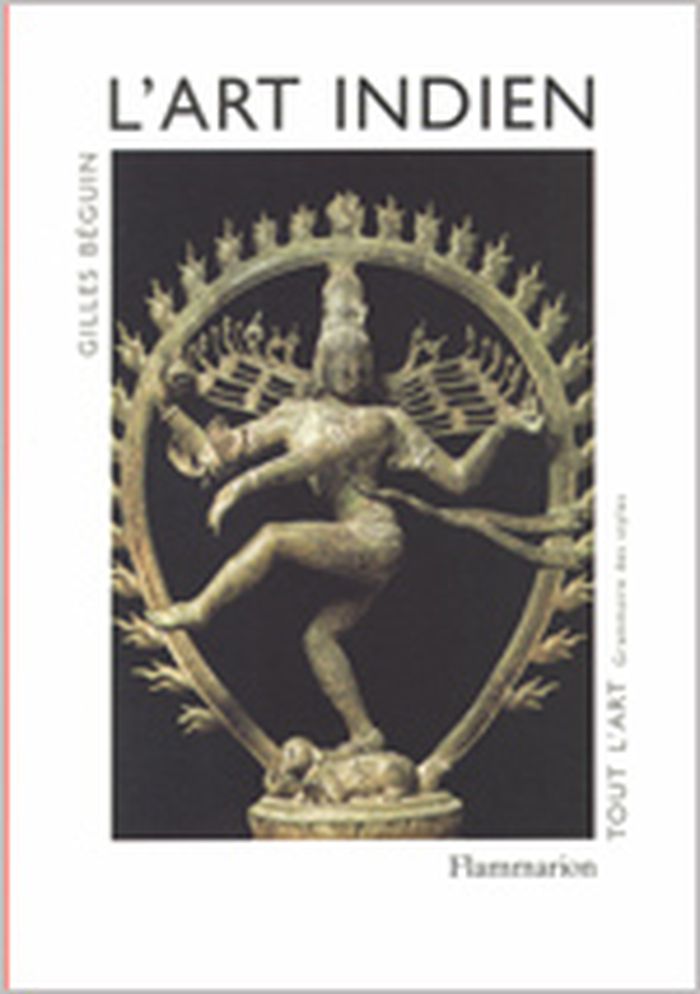
L'art indien
L'art indien
Actions:
Price:
$14.50
(available to order)
Summary:
Dans cet ouvrage, l'exposé didactique appuyé de nombreux documents iconographiques (peintures, sculptures, architectures, plans) passe en revue l'art de ce vaste sous-continent qu'est l'Inde, traversé par deux grandes religions : le bouddhisme et l'hindouisme
$14.50
(available to order)
Summary:
Dans cet ouvrage, l'exposé didactique appuyé de nombreux documents iconographiques (peintures, sculptures, architectures, plans) passe en revue l'art de ce vaste sous-continent qu'est l'Inde, traversé par deux grandes religions : le bouddhisme et l'hindouisme
Title:
L'art indien
Actions:
Price:
$14.50
(available to order)
Summary:
Dans cet ouvrage, l'exposé didactique appuyé de nombreux documents iconographiques (peintures, sculptures, architectures, plans) passe en revue l'art de ce vaste sous-continent qu'est l'Inde, traversé par deux grandes religions : le bouddhisme et l'hindouisme
Form:
books
books
Publication:
January 1900, Paris
January 1900, Paris
Subject:
History until 1900, Asia
History until 1900, Asia
Form:
books
books
Actions:
Price:
$39.95
(available to order)
Summary:
This book uncovers the concealed concepts at work in Japanese living space, and brings compelling insights and long-needed clairity to the subject.
$39.95
(available to order)
Summary:
This book uncovers the concealed concepts at work in Japanese living space, and brings compelling insights and long-needed clairity to the subject.
Title:
The Inner Harmony of the Japanese House
Actions:
Price:
$39.95
(available to order)
Summary:
This book uncovers the concealed concepts at work in Japanese living space, and brings compelling insights and long-needed clairity to the subject.
The Inner Harmony of the Japanese House
Actions:
Price:
$39.95
(available to order)
Summary:
This book uncovers the concealed concepts at work in Japanese living space, and brings compelling insights and long-needed clairity to the subject.
Form:
books
books
Publication:
October 1998, Tokyo
October 1998, Tokyo
Subject:
History until 1900, Asia
History until 1900, Asia


