


331 Results
Form:
books
books
Actions:
Price:
$14.50
(available to order)
Summary:
Suite au raid effectué en 1692 par Victor-Amédée de Savoie dans le Haut-Dauphiné, Vauban propose à Louis XIV d'améliorer la défense de la frontière des Alpes par une nouvelle place forte. Elle est nommée Mont-Dauphin en l'honneur du fils du roi, le Grand Dauphin. Dissuasive avant tout, elle prouve son efficacité et ne reçoit le baptème du feu qu'au hasard d'une bombe(...)
$14.50
(available to order)
Summary:
Suite au raid effectué en 1692 par Victor-Amédée de Savoie dans le Haut-Dauphiné, Vauban propose à Louis XIV d'améliorer la défense de la frontière des Alpes par une nouvelle place forte. Elle est nommée Mont-Dauphin en l'honneur du fils du roi, le Grand Dauphin. Dissuasive avant tout, elle prouve son efficacité et ne reçoit le baptème du feu qu'au hasard d'une bombe(...)
Title:
Mont-Dauphin : Place forte de Vauban
Actions:
Price:
$14.50
(available to order)
Summary:
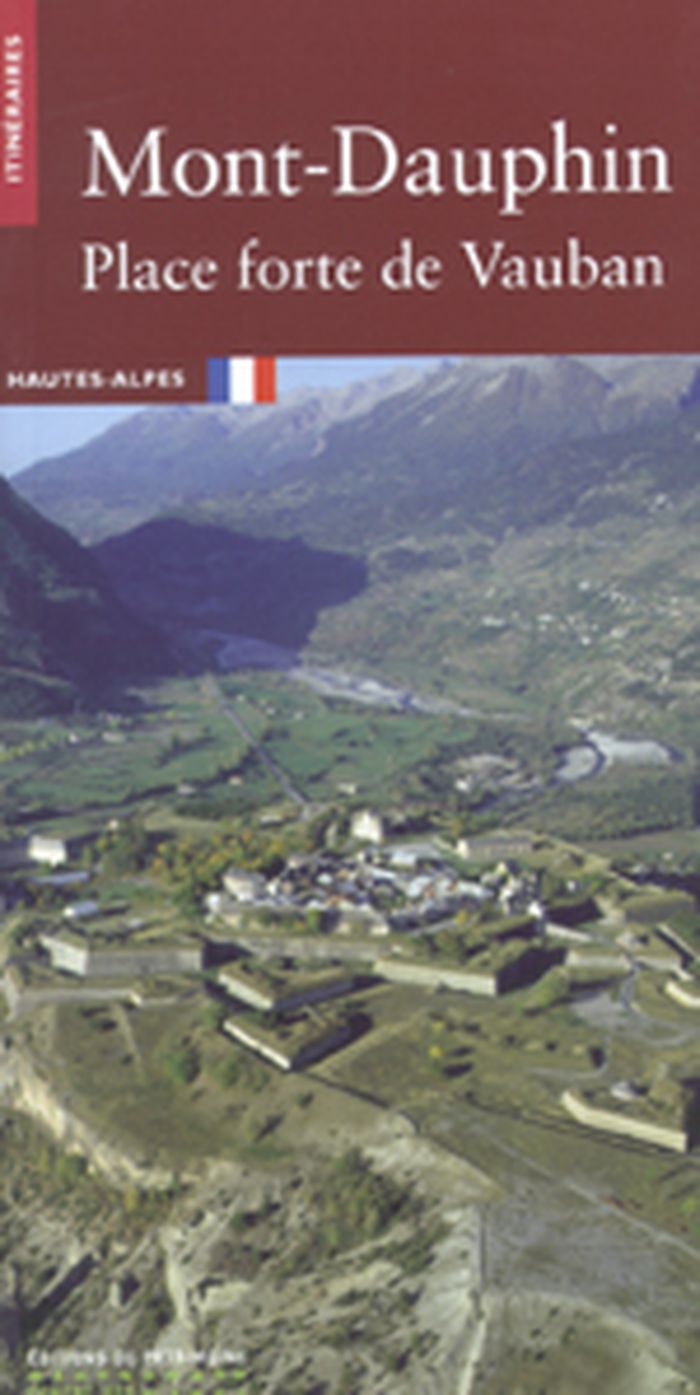
Suite au raid effectué en 1692 par Victor-Amédée de Savoie dans le Haut-Dauphiné, Vauban propose à Louis XIV d'améliorer la défense de la frontière des Alpes par une nouvelle place forte. Elle est nommée Mont-Dauphin en l'honneur du fils du roi, le Grand Dauphin. Dissuasive avant tout, elle prouve son efficacité et ne reçoit le baptème du feu qu'au hasard d'une bombe italienne lâchée en 1940. Sa visite la montre donc telle qu'elle a été conçue, avec ses bastions, ses bâtiments militaires mais aussi ses demeures civiles du XVIIe siècle qui témoignent des efforts de Vauban pour créer une ville dans ce cadre austère de haute montagne. Construit sur un promontoire rocheux aux abrupts grandioses, Mont-Dauphin est en effet situé entre le Parc national des Ecrins et le Parc régional du Queyras, parcs naturels prestigieux dans la découverte desquels il peut s'inscrire.
Mont-Dauphin : Place forte de Vauban
Actions:
Price:
$14.50
(available to order)
Summary:
Suite au raid effectué en 1692 par Victor-Amédée de Savoie dans le Haut-Dauphiné, Vauban propose à Louis XIV d'améliorer la défense de la frontière des Alpes par une nouvelle place forte. Elle est nommée Mont-Dauphin en l'honneur du fils du roi, le Grand Dauphin. Dissuasive avant tout, elle prouve son efficacité et ne reçoit le baptème du feu qu'au hasard d'une bombe italienne lâchée en 1940. Sa visite la montre donc telle qu'elle a été conçue, avec ses bastions, ses bâtiments militaires mais aussi ses demeures civiles du XVIIe siècle qui témoignent des efforts de Vauban pour créer une ville dans ce cadre austère de haute montagne. Construit sur un promontoire rocheux aux abrupts grandioses, Mont-Dauphin est en effet situé entre le Parc national des Ecrins et le Parc régional du Queyras, parcs naturels prestigieux dans la découverte desquels il peut s'inscrire.
Form:
books
books
Publication:
January 2007, Paris
January 2007, Paris
Subject:
History until 1900
History until 1900
Form:
books
books
Actions:
Price:
$13.95
(available to order)
Summary:
Avec ses toits effilés émergeant des plaines céréalières de la petite Beauce, au nord de Mer, le château de Talcy offre une silhouette aiguë qui se confond avec celle de l’église. Sous ce masque de sobriété, à peine accentué par les simulacres de forteresse, se dissimule une demeure aux proportions modestes enserrant des cours et ouverte sur de vastes jardins. Les(...)
$13.95
(available to order)
Summary:
Avec ses toits effilés émergeant des plaines céréalières de la petite Beauce, au nord de Mer, le château de Talcy offre une silhouette aiguë qui se confond avec celle de l’église. Sous ce masque de sobriété, à peine accentué par les simulacres de forteresse, se dissimule une demeure aux proportions modestes enserrant des cours et ouverte sur de vastes jardins. Les(...)
Title:
Le château de Talcy : une demeure poétique
Actions:
Price:
$13.95
(available to order)
Summary:
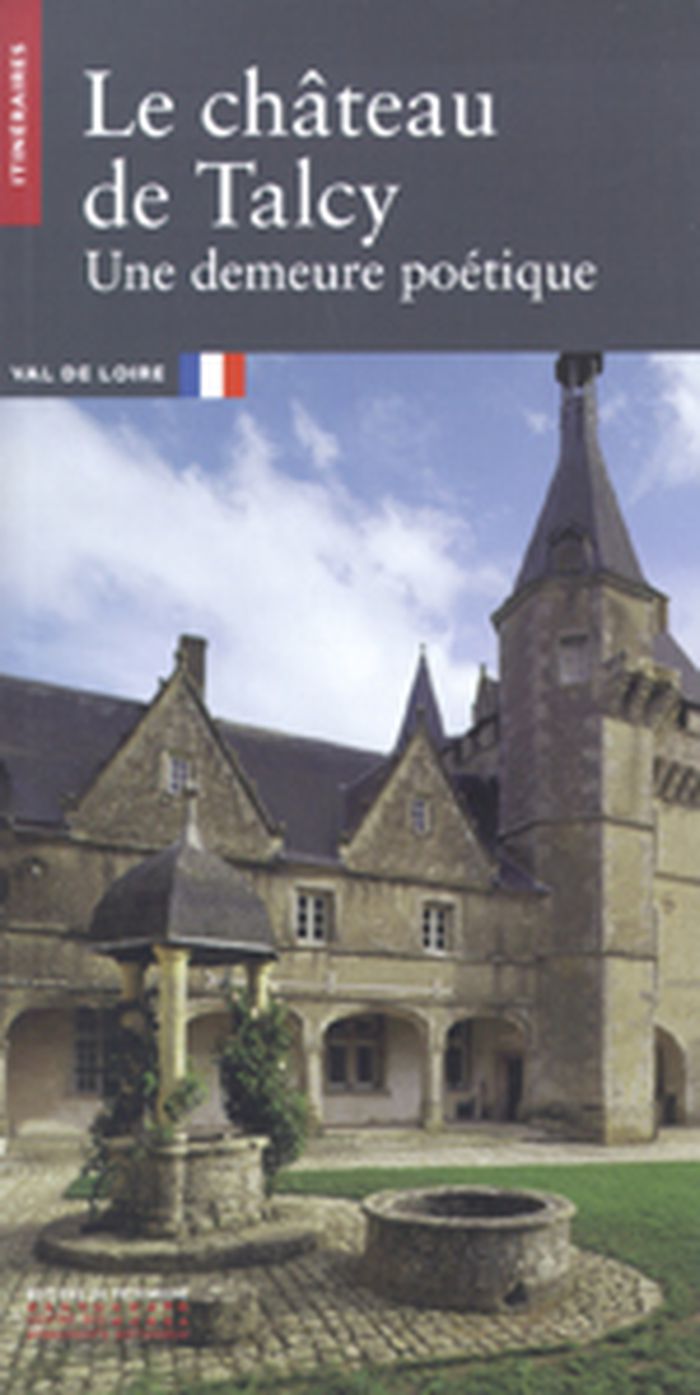
Avec ses toits effilés émergeant des plaines céréalières de la petite Beauce, au nord de Mer, le château de Talcy offre une silhouette aiguë qui se confond avec celle de l’église. Sous ce masque de sobriété, à peine accentué par les simulacres de forteresse, se dissimule une demeure aux proportions modestes enserrant des cours et ouverte sur de vastes jardins. Les différents propriétaires y ont recherché le calme et la paisible vie d’un domaine agricole dont l’exploitation devait suffire à faire vivre une famille. Sans opulence ni maniérisme, Talcy incarne une vie rustique organisée autour d’un château et de sa constellation de ferme. De son érection, au XVe siècle, à nos jours, Talcy témoigne d’une exceptionnelle pérennité dans son fonctionnement et dans ses éléments architecturaux.
Le château de Talcy : une demeure poétique
Actions:
Price:
$13.95
(available to order)
Summary:
Avec ses toits effilés émergeant des plaines céréalières de la petite Beauce, au nord de Mer, le château de Talcy offre une silhouette aiguë qui se confond avec celle de l’église. Sous ce masque de sobriété, à peine accentué par les simulacres de forteresse, se dissimule une demeure aux proportions modestes enserrant des cours et ouverte sur de vastes jardins. Les différents propriétaires y ont recherché le calme et la paisible vie d’un domaine agricole dont l’exploitation devait suffire à faire vivre une famille. Sans opulence ni maniérisme, Talcy incarne une vie rustique organisée autour d’un château et de sa constellation de ferme. De son érection, au XVe siècle, à nos jours, Talcy témoigne d’une exceptionnelle pérennité dans son fonctionnement et dans ses éléments architecturaux.
Form:
books
books
Publication:
January 2007, Paris
January 2007, Paris
Subject:
History until 1900
History until 1900
Form:
books
books
Actions:
Price:
$77.95
(available to order)
Summary:
Pays de la pierre, pays de l'esprit, l'Arménie porte un héritage trois millénaires riches d'histoire. Guidée par de grandes dynasties royales, unie par un christianisme fervent et par un alphabet unique, la nation arménienne a initié entre le IXe et le XIIIe siècle un renouveau architectural. Depuis Ani, la capitale de l'an mil, depuis l'" île royale " d'Aghtamar, jusqu'à(...)
$77.95
(available to order)
Summary:
Pays de la pierre, pays de l'esprit, l'Arménie porte un héritage trois millénaires riches d'histoire. Guidée par de grandes dynasties royales, unie par un christianisme fervent et par un alphabet unique, la nation arménienne a initié entre le IXe et le XIIIe siècle un renouveau architectural. Depuis Ani, la capitale de l'an mil, depuis l'" île royale " d'Aghtamar, jusqu'à(...)
Subject:
History until 1900
History until 1900
Publication:
January 2007, Paris
January 2007, Paris
Title:
Lumière de l'Arménie chrétienne
Actions:
Price:
$77.95
(available to order)
Summary:
Pays de la pierre, pays de l'esprit, l'Arménie porte un héritage trois millénaires riches d'histoire. Guidée par de grandes dynasties royales, unie par un christianisme fervent et par un alphabet unique, la nation arménienne a initié entre le IXe et le XIIIe siècle un renouveau architectural. Depuis Ani, la capitale de l'an mil, depuis l'" île royale " d'Aghtamar, jusqu'à Tatev, aux confins du Karabagh, de vallées en lacs s'égrènent les joyaux du patrimoine arménien : Gochavank, Haghbat, Géghart, Etchmiadzin, Tégher, Novarank, etc. Eglises dressées à flanc de rocher, pierres tombales aux surprenants bas-reliefs, tympans finement sculptés, khatchkhars- ces " pierres-croix " sans équivalents hors d'Arménie- magnifiquement photographiés, sont ici mis en regard d'un choix de poèmes ou de textes d'historiens, du Ve au XVIe siècles, portés par une même foi. Dans ce dialogue de la pierre et de l'esprit s'affirme avec force l'identité arménienne.
Lumière de l'Arménie chrétienne
Actions:
Price:
$77.95
(available to order)
Summary:
Pays de la pierre, pays de l'esprit, l'Arménie porte un héritage trois millénaires riches d'histoire. Guidée par de grandes dynasties royales, unie par un christianisme fervent et par un alphabet unique, la nation arménienne a initié entre le IXe et le XIIIe siècle un renouveau architectural. Depuis Ani, la capitale de l'an mil, depuis l'" île royale " d'Aghtamar, jusqu'à Tatev, aux confins du Karabagh, de vallées en lacs s'égrènent les joyaux du patrimoine arménien : Gochavank, Haghbat, Géghart, Etchmiadzin, Tégher, Novarank, etc. Eglises dressées à flanc de rocher, pierres tombales aux surprenants bas-reliefs, tympans finement sculptés, khatchkhars- ces " pierres-croix " sans équivalents hors d'Arménie- magnifiquement photographiés, sont ici mis en regard d'un choix de poèmes ou de textes d'historiens, du Ve au XVIe siècles, portés par une même foi. Dans ce dialogue de la pierre et de l'esprit s'affirme avec force l'identité arménienne.
Form:
books
books
Publication:
January 2007, Paris
January 2007, Paris
Subject:
History until 1900
History until 1900
Form:
books
books
Actions:
Price:
$111.50
(available to order)
Summary:
Si les guerres et la Révolution ont anéanti certains grands chefs-d'oeuvre qui avaient été édifiés dans ces régions (ceux, telles les cathédrales d'Arras et de Cambrai, qui ont joué un rôle majeur dans l'évolution de l'art gothique sont évoqués dans cet ouvrage), il y subsite néanmoins beaucoup d'oeuvres très intéressantes et une sélection obligatoirement quelque peu(...)
$111.50
(available to order)
Summary:
Si les guerres et la Révolution ont anéanti certains grands chefs-d'oeuvre qui avaient été édifiés dans ces régions (ceux, telles les cathédrales d'Arras et de Cambrai, qui ont joué un rôle majeur dans l'évolution de l'art gothique sont évoqués dans cet ouvrage), il y subsite néanmoins beaucoup d'oeuvres très intéressantes et une sélection obligatoirement quelque peu(...)
Title:
Nord gothique : Picardie, Artois, Flandre, Hainaut - les édifices religieux
Actions:
Price:
$111.50
(available to order)
Summary:
Si les guerres et la Révolution ont anéanti certains grands chefs-d'oeuvre qui avaient été édifiés dans ces régions (ceux, telles les cathédrales d'Arras et de Cambrai, qui ont joué un rôle majeur dans l'évolution de l'art gothique sont évoqués dans cet ouvrage), il y subsite néanmoins beaucoup d'oeuvres très intéressantes et une sélection obligatoirement quelque peu arbitraire a dû être faite. La majorité d'entre elles relèvent de l'art de la fin du Moyen Âge. Ici, pour les grands monuments, on est demeuré fidèle à l'élévation à trois niveaux (grandes arcades, triforium, fenêtres hautes); pour de simples paroissiales on a retenu le parti de l'église-halle c'est-à-dire celui où l'édifice ne présente que le seul niveau des grandes arcades, l'éclairage étant fourni par les fenêtres des collatéraux; malgré la simplicité de la formule, les maîtres d'oeuvres ont su en présenter plusieurs variantes, en jouant sur les rapports de proportions entre les diverses composantes de l'édifice; sur les types de support ou de couvertures retenus (par exemple, les églises du Vimeu ou du Hainaut sont couvertes de charpentes lambrissées présentant des sablières et des blochets sculptés); dans l'ensemble, ces édifices ont étés traités somptueusement. Ce volume invite donc à découvrir de belles oeuvres ignorées ou méconnues qui ont su aussi emprunter ou offrir des thèmes aux pays voisins.
Nord gothique : Picardie, Artois, Flandre, Hainaut - les édifices religieux
Actions:
Price:
$111.50
(available to order)
Summary:
Si les guerres et la Révolution ont anéanti certains grands chefs-d'oeuvre qui avaient été édifiés dans ces régions (ceux, telles les cathédrales d'Arras et de Cambrai, qui ont joué un rôle majeur dans l'évolution de l'art gothique sont évoqués dans cet ouvrage), il y subsite néanmoins beaucoup d'oeuvres très intéressantes et une sélection obligatoirement quelque peu arbitraire a dû être faite. La majorité d'entre elles relèvent de l'art de la fin du Moyen Âge. Ici, pour les grands monuments, on est demeuré fidèle à l'élévation à trois niveaux (grandes arcades, triforium, fenêtres hautes); pour de simples paroissiales on a retenu le parti de l'église-halle c'est-à-dire celui où l'édifice ne présente que le seul niveau des grandes arcades, l'éclairage étant fourni par les fenêtres des collatéraux; malgré la simplicité de la formule, les maîtres d'oeuvres ont su en présenter plusieurs variantes, en jouant sur les rapports de proportions entre les diverses composantes de l'édifice; sur les types de support ou de couvertures retenus (par exemple, les églises du Vimeu ou du Hainaut sont couvertes de charpentes lambrissées présentant des sablières et des blochets sculptés); dans l'ensemble, ces édifices ont étés traités somptueusement. Ce volume invite donc à découvrir de belles oeuvres ignorées ou méconnues qui ont su aussi emprunter ou offrir des thèmes aux pays voisins.
Form:
books
books
Publication:
January 2007, Paris
January 2007, Paris
Subject:
History until 1900
History until 1900
Form:
books
books
Actions:
Price:
$85.00
(available to order)
Summary:
Once in every generation comes a scholar who is a master of both the documentary evidence and the buildings themselves. Such a man is Christoph Luitpold Frommel who, after winning a world-wide reputation, here distils his learning into a new synthesis that is both up-to-date and securely based on primary sources. The book is not only illustrated throughout with(...)
$85.00
(available to order)
Summary:
Once in every generation comes a scholar who is a master of both the documentary evidence and the buildings themselves. Such a man is Christoph Luitpold Frommel who, after winning a world-wide reputation, here distils his learning into a new synthesis that is both up-to-date and securely based on primary sources. The book is not only illustrated throughout with(...)
Title:
The architecture of the Italian Renaissance
Actions:
Price:
$85.00
(available to order)
Summary:
Once in every generation comes a scholar who is a master of both the documentary evidence and the buildings themselves. Such a man is Christoph Luitpold Frommel who, after winning a world-wide reputation, here distils his learning into a new synthesis that is both up-to-date and securely based on primary sources. The book is not only illustrated throughout with photographs, drawings, plans and reconstructions, but social context, technical innovation and aesthetic judgement are all given due weight, with particular emphasis on the way in which each architect balanced individual inspiration with the accepted canon.
The architecture of the Italian Renaissance
Actions:
Price:
$85.00
(available to order)
Summary:
Once in every generation comes a scholar who is a master of both the documentary evidence and the buildings themselves. Such a man is Christoph Luitpold Frommel who, after winning a world-wide reputation, here distils his learning into a new synthesis that is both up-to-date and securely based on primary sources. The book is not only illustrated throughout with photographs, drawings, plans and reconstructions, but social context, technical innovation and aesthetic judgement are all given due weight, with particular emphasis on the way in which each architect balanced individual inspiration with the accepted canon.
Form:
books
books
Publication:
January 1900, London
January 1900, London
Subject:
History until 1900
History until 1900
Form:
books
books
Actions:
Price:
$52.95
(available to order)
Summary:
The style of the medieval period, which flows through the bloodstream of western culture, was vigorously re-established in post-Enlightenment England. This one-volume history of the Medieval Revival is the first coherent account of it, especially those aspects that are expressed and reflected in literature. The book focuses on the period 1760 to 1971, with an Epilogue on(...)
$52.95
(available to order)
Summary:
The style of the medieval period, which flows through the bloodstream of western culture, was vigorously re-established in post-Enlightenment England. This one-volume history of the Medieval Revival is the first coherent account of it, especially those aspects that are expressed and reflected in literature. The book focuses on the period 1760 to 1971, with an Epilogue on(...)
Title:
Medievalism : the Middle Ages in modern England
Actions:
Price:
$52.95
(available to order)
Summary:
The style of the medieval period, which flows through the bloodstream of western culture, was vigorously re-established in post-Enlightenment England. This one-volume history of the Medieval Revival is the first coherent account of it, especially those aspects that are expressed and reflected in literature. The book focuses on the period 1760 to 1971, with an Epilogue on the reverberations of medievalism in the present day. The rebuilding of the Palace of Westminster, after its destruction by fire in 1834, re-established Gothic as the national style. But medieval imitation manifests itself wherever one cares to look: in literature, architecture, the applied arts, religion, politics, and even Hollywood. In this skilled dissection of the components of this pervasive cultural movement, Michael Alexander rejects the idea that medievalism was confined to the Victorian period, and overturns the suspicion that it is by its nature escapist.
Medievalism : the Middle Ages in modern England
Actions:
Price:
$52.95
(available to order)
Summary:
The style of the medieval period, which flows through the bloodstream of western culture, was vigorously re-established in post-Enlightenment England. This one-volume history of the Medieval Revival is the first coherent account of it, especially those aspects that are expressed and reflected in literature. The book focuses on the period 1760 to 1971, with an Epilogue on the reverberations of medievalism in the present day. The rebuilding of the Palace of Westminster, after its destruction by fire in 1834, re-established Gothic as the national style. But medieval imitation manifests itself wherever one cares to look: in literature, architecture, the applied arts, religion, politics, and even Hollywood. In this skilled dissection of the components of this pervasive cultural movement, Michael Alexander rejects the idea that medievalism was confined to the Victorian period, and overturns the suspicion that it is by its nature escapist.
Form:
books
books
Publication:
March 2007, New Haven, London
March 2007, New Haven, London
Subject:
History until 1900
History until 1900
Form:
books
books
Actions:
Price:
$54.95
(available to order)
Summary:
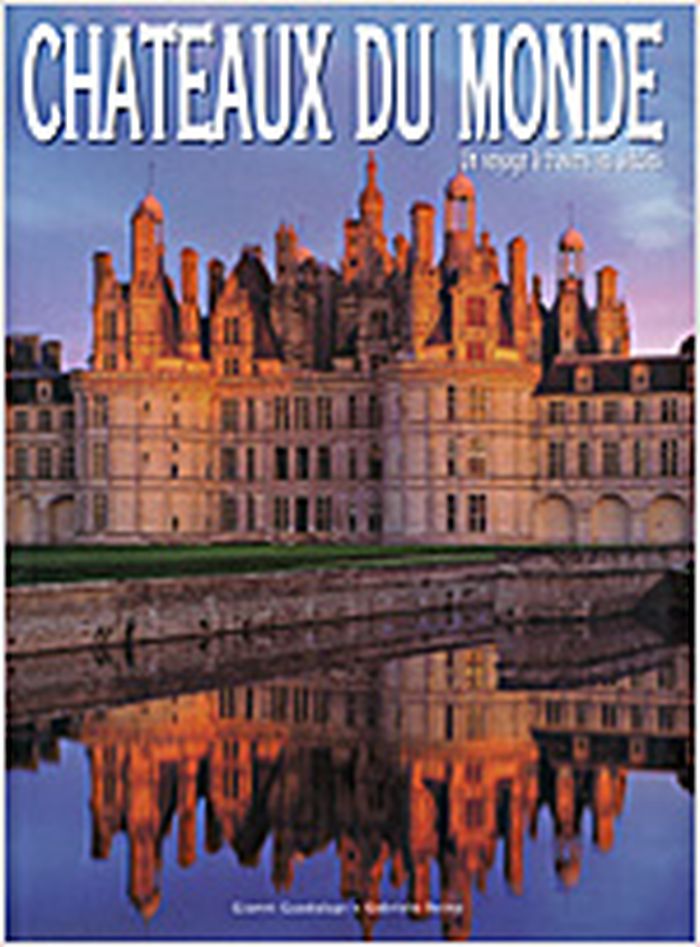
À mi-chemin entre histoire et légende, les châteaux sont des lieux enchanteurs qui racontent la noblesse et la misère humaine. De l'Europe au Japon, de l'Amérique à l'Inde, cet ouvrage nimbé d'un halo de magie vous propose un voyage à travers les siècles à la découverte des plus beaux et des plus célèbres châteaux du monde.
$54.95
(available to order)
Summary:
À mi-chemin entre histoire et légende, les châteaux sont des lieux enchanteurs qui racontent la noblesse et la misère humaine. De l'Europe au Japon, de l'Amérique à l'Inde, cet ouvrage nimbé d'un halo de magie vous propose un voyage à travers les siècles à la découverte des plus beaux et des plus célèbres châteaux du monde.
Subject:
History until 1900
History until 1900
Publication:
October 2006, Paris
October 2006, Paris
Title:
Châteaux du monde : un voyage à travers les siècles
Actions:
Price:
$54.95
(available to order)
Summary:
À mi-chemin entre histoire et légende, les châteaux sont des lieux enchanteurs qui racontent la noblesse et la misère humaine. De l'Europe au Japon, de l'Amérique à l'Inde, cet ouvrage nimbé d'un halo de magie vous propose un voyage à travers les siècles à la découverte des plus beaux et des plus célèbres châteaux du monde.
Châteaux du monde : un voyage à travers les siècles
Actions:
Price:
$54.95
(available to order)
Summary:
À mi-chemin entre histoire et légende, les châteaux sont des lieux enchanteurs qui racontent la noblesse et la misère humaine. De l'Europe au Japon, de l'Amérique à l'Inde, cet ouvrage nimbé d'un halo de magie vous propose un voyage à travers les siècles à la découverte des plus beaux et des plus célèbres châteaux du monde.
Form:
books
books
Publication:
October 2006, Paris
October 2006, Paris
Subject:
History until 1900
History until 1900
Form:
books
books
Actions:
Price:
$79.95
(available to order)
Summary:
Parmi les nombreux ouvrages consacrés à Venise, le livre de Sergio Bettini, considéré en Italie comme un classique, tient une place particulière en ce qu'il adopte dès l'abord une position qui veut concevoir Venise comme obéissant, à travers les siècles, à une intention artistique propre, faisant de la ville une seule et unique œuvre d'art, vivante et cohérente. Non(...)
$79.95
(available to order)
Summary:
Parmi les nombreux ouvrages consacrés à Venise, le livre de Sergio Bettini, considéré en Italie comme un classique, tient une place particulière en ce qu'il adopte dès l'abord une position qui veut concevoir Venise comme obéissant, à travers les siècles, à une intention artistique propre, faisant de la ville une seule et unique œuvre d'art, vivante et cohérente. Non(...)
Title:
Venise : naissance d'une ville
Actions:
Price:
$79.95
(available to order)
Summary:
Parmi les nombreux ouvrages consacrés à Venise, le livre de Sergio Bettini, considéré en Italie comme un classique, tient une place particulière en ce qu'il adopte dès l'abord une position qui veut concevoir Venise comme obéissant, à travers les siècles, à une intention artistique propre, faisant de la ville une seule et unique œuvre d'art, vivante et cohérente. Non seulement les places et les rues, les maisons et les églises ont été, comme partout, construites par la main de l'homme, mais le terrain lui-même a été fait par l'homme. Les Vénitiens ont dû fixer et "amarrer" leur sol, consolider le fond boueux et instable des îles avec des pylônes, relever et renforcer les grèves contre les marées, imposer aux canaux des cours moins hasardeux. Construire enfin la base elle-même de la ville, pour affirmer leur volonté de vivre, et donner à cette vie une forme et un destin ". C'est l'histoire de cette forme et de ce destin que Sergio Bettini expose ici, recomposant la mosaïque d'une ville, depuis ses origines jusqu'à l'apogée de son aventure architecturale.
Venise : naissance d'une ville
Actions:
Price:
$79.95
(available to order)
Summary:
Parmi les nombreux ouvrages consacrés à Venise, le livre de Sergio Bettini, considéré en Italie comme un classique, tient une place particulière en ce qu'il adopte dès l'abord une position qui veut concevoir Venise comme obéissant, à travers les siècles, à une intention artistique propre, faisant de la ville une seule et unique œuvre d'art, vivante et cohérente. Non seulement les places et les rues, les maisons et les églises ont été, comme partout, construites par la main de l'homme, mais le terrain lui-même a été fait par l'homme. Les Vénitiens ont dû fixer et "amarrer" leur sol, consolider le fond boueux et instable des îles avec des pylônes, relever et renforcer les grèves contre les marées, imposer aux canaux des cours moins hasardeux. Construire enfin la base elle-même de la ville, pour affirmer leur volonté de vivre, et donner à cette vie une forme et un destin ". C'est l'histoire de cette forme et de ce destin que Sergio Bettini expose ici, recomposant la mosaïque d'une ville, depuis ses origines jusqu'à l'apogée de son aventure architecturale.
Form:
books
books
Publication:
October 2006, Paris
October 2006, Paris
Subject:
History until 1900
History until 1900
Form:
books
books
Actions:
Price:
$43.95
(available to order)
Summary:
Building the South Side explores the struggle for influence that dominated the planning and development of Chicago's South Side during the Progressive Era. Robin F. Bachin examines the early days of the University of Chicago, Chicago’s public parks, Comiskey Park, and the Black Belt to consider how community leaders looked to the physical design of the city to shape its(...)
$43.95
(available to order)
Summary:
Building the South Side explores the struggle for influence that dominated the planning and development of Chicago's South Side during the Progressive Era. Robin F. Bachin examines the early days of the University of Chicago, Chicago’s public parks, Comiskey Park, and the Black Belt to consider how community leaders looked to the physical design of the city to shape its(...)
Title:
Building the south side: urban space and civic culture in Chicago 1890-1919
Actions:
Price:
$43.95
(available to order)
Summary:
Building the South Side explores the struggle for influence that dominated the planning and development of Chicago's South Side during the Progressive Era. Robin F. Bachin examines the early days of the University of Chicago, Chicago’s public parks, Comiskey Park, and the Black Belt to consider how community leaders looked to the physical design of the city to shape its culture and promote civic interaction.
Building the south side: urban space and civic culture in Chicago 1890-1919
Actions:
Price:
$43.95
(available to order)
Summary:
Building the South Side explores the struggle for influence that dominated the planning and development of Chicago's South Side during the Progressive Era. Robin F. Bachin examines the early days of the University of Chicago, Chicago’s public parks, Comiskey Park, and the Black Belt to consider how community leaders looked to the physical design of the city to shape its culture and promote civic interaction.
Form:
books
books
Publication:
February 2004, Chicago, London
February 2004, Chicago, London
Subject:
History until 1900
History until 1900
Form:
books
books
Title:
Le Palais de Chaillot
Le Palais de Chaillot
Actions:
Price:
$55.95
(available to order)
Summary:
Sur une célèbre colline de Paris, l'actuel palais de Chaillot cache, derrière les apparences d'une architecture spectaculaire des années 1930, une morphologie héritée d'un palais du XIXe siècle aujourd'hui invisible. A l'éclectisme du Trocadéro fait écho le "style entre-deux-guerres" de Chaillot, dont le livre et le DVD Le Palais de Chaillot proposent la (re)découverte.
$55.95
(available to order)
Summary:
Sur une célèbre colline de Paris, l'actuel palais de Chaillot cache, derrière les apparences d'une architecture spectaculaire des années 1930, une morphologie héritée d'un palais du XIXe siècle aujourd'hui invisible. A l'éclectisme du Trocadéro fait écho le "style entre-deux-guerres" de Chaillot, dont le livre et le DVD Le Palais de Chaillot proposent la (re)découverte.
Title:
Le Palais de Chaillot
Actions:
Price:
$55.95
(available to order)
Summary:
Sur une célèbre colline de Paris, l'actuel palais de Chaillot cache, derrière les apparences d'une architecture spectaculaire des années 1930, une morphologie héritée d'un palais du XIXe siècle aujourd'hui invisible. A l'éclectisme du Trocadéro fait écho le "style entre-deux-guerres" de Chaillot, dont le livre et le DVD Le Palais de Chaillot proposent la (re)découverte.
Le Palais de Chaillot
Actions:
Price:
$55.95
(available to order)
Summary:
Sur une célèbre colline de Paris, l'actuel palais de Chaillot cache, derrière les apparences d'une architecture spectaculaire des années 1930, une morphologie héritée d'un palais du XIXe siècle aujourd'hui invisible. A l'éclectisme du Trocadéro fait écho le "style entre-deux-guerres" de Chaillot, dont le livre et le DVD Le Palais de Chaillot proposent la (re)découverte.
Form:
books
books
Publication:
November 2006, Arles
November 2006, Arles
Subject:
History until 1900
History until 1900


