


331 Results
Form:
books
books
Actions:
Price:
$63.95
(available to order)
Summary:
Syrie, Liban, Jordanie, Israël, Territoires palestiniens, Turquie, ont été depuis des millénaires le théâtre de confrontations majeures entre civilisations qui ont laissé derrière elles des monuments divers. On peut désormais mieux appréhender les influences réciproques entre belligérants, mesurer combien les facteurs de guerre propres au Moyen-Orient ont pu engendrer des(...)
$63.95
(available to order)
Summary:
Syrie, Liban, Jordanie, Israël, Territoires palestiniens, Turquie, ont été depuis des millénaires le théâtre de confrontations majeures entre civilisations qui ont laissé derrière elles des monuments divers. On peut désormais mieux appréhender les influences réciproques entre belligérants, mesurer combien les facteurs de guerre propres au Moyen-Orient ont pu engendrer des(...)
Subject:
History until 1900
History until 1900
Publication:
May 2004, Rennes
May 2004, Rennes
Title:
La fortification au temps des Croisades
Actions:
Price:
$63.95
(available to order)
Summary:
Syrie, Liban, Jordanie, Israël, Territoires palestiniens, Turquie, ont été depuis des millénaires le théâtre de confrontations majeures entre civilisations qui ont laissé derrière elles des monuments divers. On peut désormais mieux appréhender les influences réciproques entre belligérants, mesurer combien les facteurs de guerre propres au Moyen-Orient ont pu engendrer des solutions architecturales originales et innovantes.
La fortification au temps des Croisades
Actions:
Price:
$63.95
(available to order)
Summary:
Syrie, Liban, Jordanie, Israël, Territoires palestiniens, Turquie, ont été depuis des millénaires le théâtre de confrontations majeures entre civilisations qui ont laissé derrière elles des monuments divers. On peut désormais mieux appréhender les influences réciproques entre belligérants, mesurer combien les facteurs de guerre propres au Moyen-Orient ont pu engendrer des solutions architecturales originales et innovantes.
Form:
books
books
Publication:
May 2004, Rennes
May 2004, Rennes
Subject:
History until 1900
History until 1900
Form:
books
books
Actions:
Price:
$112.00
(available to order)
Summary:
Since December 2001, Vienna's historical center has been a UNESCO World Heritage Site—an honor that testifies to the urban and architectural quality of the city. Manfred Wehdorn, one of Vienna's most noted preservationists, lucidly documents and defines the term "World Heritage Site." He portrays the architectural and cultural traditions of the city, and draws attention(...)
$112.00
(available to order)
Summary:
Since December 2001, Vienna's historical center has been a UNESCO World Heritage Site—an honor that testifies to the urban and architectural quality of the city. Manfred Wehdorn, one of Vienna's most noted preservationists, lucidly documents and defines the term "World Heritage Site." He portrays the architectural and cultural traditions of the city, and draws attention(...)
Title:
Vienna, the historical centre : UNESCO World Heritage Site
Actions:
Price:
$112.00
(available to order)
Summary:
Since December 2001, Vienna's historical center has been a UNESCO World Heritage Site—an honor that testifies to the urban and architectural quality of the city. Manfred Wehdorn, one of Vienna's most noted preservationists, lucidly documents and defines the term "World Heritage Site." He portrays the architectural and cultural traditions of the city, and draws attention to the obligations involved in being declared such a site. Wehdorn also describes Vienna's innovative urban plans for the future.
Vienna, the historical centre : UNESCO World Heritage Site
Actions:
Price:
$112.00
(available to order)
Summary:
Since December 2001, Vienna's historical center has been a UNESCO World Heritage Site—an honor that testifies to the urban and architectural quality of the city. Manfred Wehdorn, one of Vienna's most noted preservationists, lucidly documents and defines the term "World Heritage Site." He portrays the architectural and cultural traditions of the city, and draws attention to the obligations involved in being declared such a site. Wehdorn also describes Vienna's innovative urban plans for the future.
Form:
books
books
Publication:
June 2004, Vienna
June 2004, Vienna
Subject:
History until 1900
History until 1900
Form:
books
books
Price:
$70.00
(available to order)
Summary:
From its birth as a remote trading outpost on the fringes of the Dutch empire to its current status as the so-called Capital of the World, New York has always captivated visual artists. The extraordinary prints collected by the New-York Historical Society over the course of its history vividly preserve these impressions on paper. In this handsome volume more than 150 of(...)
$70.00
(available to order)
Summary:
From its birth as a remote trading outpost on the fringes of the Dutch empire to its current status as the so-called Capital of the World, New York has always captivated visual artists. The extraordinary prints collected by the New-York Historical Society over the course of its history vividly preserve these impressions on paper. In this handsome volume more than 150 of(...)
Title:
Impressions of New York : prints from the New-York historical society
Actions:
Price:
$70.00
(available to order)
Summary:
From its birth as a remote trading outpost on the fringes of the Dutch empire to its current status as the so-called Capital of the World, New York has always captivated visual artists. The extraordinary prints collected by the New-York Historical Society over the course of its history vividly preserve these impressions on paper. In this handsome volume more than 150 of these views of the city—including two spectacular gatefold panoramas—speak eloquently of the surging power of this dynamic urban centre. At the same time, they present an intimate portrait of everyday life as it has been lived and savoured in this great city for more than three centuries. The companion to an exhibition celebrating the New-York Historical Society's bicentennial anniversary, this beautifully printed volume presents a full range of historic images, from 1672 to the present. In the lively essay and information-filled captions, curator and historian Marilyn Symmes tells the unique stories behind the people and places, parks and buildings, streets and neighbourhoods, parades and events depicted in each image—in essence, the story of New York City itself.
Impressions of New York : prints from the New-York historical society
Actions:
Price:
$70.00
(available to order)
Summary:
From its birth as a remote trading outpost on the fringes of the Dutch empire to its current status as the so-called Capital of the World, New York has always captivated visual artists. The extraordinary prints collected by the New-York Historical Society over the course of its history vividly preserve these impressions on paper. In this handsome volume more than 150 of these views of the city—including two spectacular gatefold panoramas—speak eloquently of the surging power of this dynamic urban centre. At the same time, they present an intimate portrait of everyday life as it has been lived and savoured in this great city for more than three centuries. The companion to an exhibition celebrating the New-York Historical Society's bicentennial anniversary, this beautifully printed volume presents a full range of historic images, from 1672 to the present. In the lively essay and information-filled captions, curator and historian Marilyn Symmes tells the unique stories behind the people and places, parks and buildings, streets and neighbourhoods, parades and events depicted in each image—in essence, the story of New York City itself.
Form:
books
books
Publication:
December 2004, New York
December 2004, New York
Subject:
History until 1900
History until 1900
Form:
books
books
Title:
America's national park roads and parkways : drawings from the Historic American Engineering Record
America's national park roads and parkways : drawings from the Historic American Engineering Record
Actions:
Price:
$75.00
(available to order)
Summary:
The roads within America's national park system reveal a wide range of technological, aesthetic, and philosophical concerns. Their design and construction epitomize the central challenge of national park management: how to balance environmental protection with public access. The Historic American Engineering Record (HAER), a division of the National Park Service, has(...)
$75.00
(available to order)
Summary:
The roads within America's national park system reveal a wide range of technological, aesthetic, and philosophical concerns. Their design and construction epitomize the central challenge of national park management: how to balance environmental protection with public access. The Historic American Engineering Record (HAER), a division of the National Park Service, has(...)
Subject:
History until 1900
History until 1900
Publication:
January 1900, Baltimore, London
January 1900, Baltimore, London
Title:
America's national park roads and parkways : drawings from the Historic American Engineering Record
Actions:
Price:
$75.00
(available to order)
Summary:
The roads within America's national park system reveal a wide range of technological, aesthetic, and philosophical concerns. Their design and construction epitomize the central challenge of national park management: how to balance environmental protection with public access. The Historic American Engineering Record (HAER), a division of the National Park Service, has spent more than a dozen years documenting the history of this vital aspect of the national park experience. America's National Park Roads and Parkways brings together 331 measured and interpretive drawings commissioned by HAER to illustrate the physical characteristics, design strategies, construction practices, and visitor experiences of roads in national parks from Acadia to Zion and parkways from the Blue Ridge to the Natchez Trace. Also included are non–Park Service projects that utilized similar design strategies, including the Bronx River Parkway and the Columbia River Highway. The book documents thirty-one projects, explaining how roads shape visitor perceptions, highlighting key characteristics of individual park road systems, and connecting their design and construction to the broader history of American engineering and landscape architecture. More than a documentary record of historic design and construction practices, this book has practical applications for engineers, landscape architects, and cultural resource specialists in guiding design decisions, interpreting historic sites, and informing contemporary debates on preservation and environmental protection.
America's national park roads and parkways : drawings from the Historic American Engineering Record
Actions:
Price:
$75.00
(available to order)
Summary:
The roads within America's national park system reveal a wide range of technological, aesthetic, and philosophical concerns. Their design and construction epitomize the central challenge of national park management: how to balance environmental protection with public access. The Historic American Engineering Record (HAER), a division of the National Park Service, has spent more than a dozen years documenting the history of this vital aspect of the national park experience. America's National Park Roads and Parkways brings together 331 measured and interpretive drawings commissioned by HAER to illustrate the physical characteristics, design strategies, construction practices, and visitor experiences of roads in national parks from Acadia to Zion and parkways from the Blue Ridge to the Natchez Trace. Also included are non–Park Service projects that utilized similar design strategies, including the Bronx River Parkway and the Columbia River Highway. The book documents thirty-one projects, explaining how roads shape visitor perceptions, highlighting key characteristics of individual park road systems, and connecting their design and construction to the broader history of American engineering and landscape architecture. More than a documentary record of historic design and construction practices, this book has practical applications for engineers, landscape architects, and cultural resource specialists in guiding design decisions, interpreting historic sites, and informing contemporary debates on preservation and environmental protection.
Form:
books
books
Publication:
January 1900, Baltimore, London
January 1900, Baltimore, London
Subject:
History until 1900
History until 1900
Form:
books
books
Actions:
Price:
$24.95
(available to order)
Summary:
In the late nineteenth century, Chicago - the birthplace of modern architecture in the United States - was a magnet for aspiring architects. The city was forced to rebuild after the destruction wrought by the Great Fire of 1871 and also to expand to accommodate a surge in the population. The seemingly endless demand for taller and more sophisticated buildings offered(...)
$24.95
(available to order)
Summary:
In the late nineteenth century, Chicago - the birthplace of modern architecture in the United States - was a magnet for aspiring architects. The city was forced to rebuild after the destruction wrought by the Great Fire of 1871 and also to expand to accommodate a surge in the population. The seemingly endless demand for taller and more sophisticated buildings offered(...)
Publication:
May 2004, New York
May 2004, New York
Title:
The Chicago Architectural Club : prelude to the modern
Actions:
Price:
$24.95
(available to order)
Summary:
In the late nineteenth century, Chicago - the birthplace of modern architecture in the United States - was a magnet for aspiring architects. The city was forced to rebuild after the destruction wrought by the Great Fire of 1871 and also to expand to accommodate a surge in the population. The seemingly endless demand for taller and more sophisticated buildings offered young draftsmen an unprecedented opportunity to influence the design of the American skyscraper. "The Chicago Architecture Club : Prelude to the Modern" documents the history of these draughtsmen, the organization they founded, and its role in shaping architectural education and modern architectural practice. Founded in 1885, when architecture was an emerging profession and formal architectural education was in its infancy, the club provided a setting where aspiring draftsmen could develop their skills by creating a professional network and participating in a lively program of lectures, design competitions, and social events. Wilbert R. Hasbrouck documents the personalities and politics of this impressive group, offering an in-depth look at the lesser-known men often largely responsible for the designs credited to their more famous employers. This volume includes hundreds of drawings and photographs. Epilogue by Stanley Tigerman.
The Chicago Architectural Club : prelude to the modern
Actions:
Price:
$24.95
(available to order)
Summary:
In the late nineteenth century, Chicago - the birthplace of modern architecture in the United States - was a magnet for aspiring architects. The city was forced to rebuild after the destruction wrought by the Great Fire of 1871 and also to expand to accommodate a surge in the population. The seemingly endless demand for taller and more sophisticated buildings offered young draftsmen an unprecedented opportunity to influence the design of the American skyscraper. "The Chicago Architecture Club : Prelude to the Modern" documents the history of these draughtsmen, the organization they founded, and its role in shaping architectural education and modern architectural practice. Founded in 1885, when architecture was an emerging profession and formal architectural education was in its infancy, the club provided a setting where aspiring draftsmen could develop their skills by creating a professional network and participating in a lively program of lectures, design competitions, and social events. Wilbert R. Hasbrouck documents the personalities and politics of this impressive group, offering an in-depth look at the lesser-known men often largely responsible for the designs credited to their more famous employers. This volume includes hundreds of drawings and photographs. Epilogue by Stanley Tigerman.
Form:
books
books
Publication:
May 2004, New York
May 2004, New York
Form:
books
books
Actions:
Price:
$55.95
(available to order)
Summary:
The study of American architectural and urban history has undergone substantial growth and change during the past two decades. "American achitectural history : a contemporary reader" provides a critical introduction to this development. It features twenty-four illustrated selections drawn from the past twenty years of publishing in the field, arranged chronologically(...)
$55.95
(available to order)
Summary:
The study of American architectural and urban history has undergone substantial growth and change during the past two decades. "American achitectural history : a contemporary reader" provides a critical introduction to this development. It features twenty-four illustrated selections drawn from the past twenty years of publishing in the field, arranged chronologically(...)
Title:
American architectural history : a contemporary reader
Actions:
Price:
$55.95
(available to order)
Summary:
The study of American architectural and urban history has undergone substantial growth and change during the past two decades. "American achitectural history : a contemporary reader" provides a critical introduction to this development. It features twenty-four illustrated selections drawn from the past twenty years of publishing in the field, arranged chronologically from colonial to contemporary subjects. The editor provides a comprehensive introductory essay and sets the book's major theme in context.
American architectural history : a contemporary reader
Actions:
Price:
$55.95
(available to order)
Summary:
The study of American architectural and urban history has undergone substantial growth and change during the past two decades. "American achitectural history : a contemporary reader" provides a critical introduction to this development. It features twenty-four illustrated selections drawn from the past twenty years of publishing in the field, arranged chronologically from colonial to contemporary subjects. The editor provides a comprehensive introductory essay and sets the book's major theme in context.
Form:
books
books
Publication:
April 2004, London, New York
April 2004, London, New York
Subject:
History until 1900
History until 1900
Form:
books
books
Title:
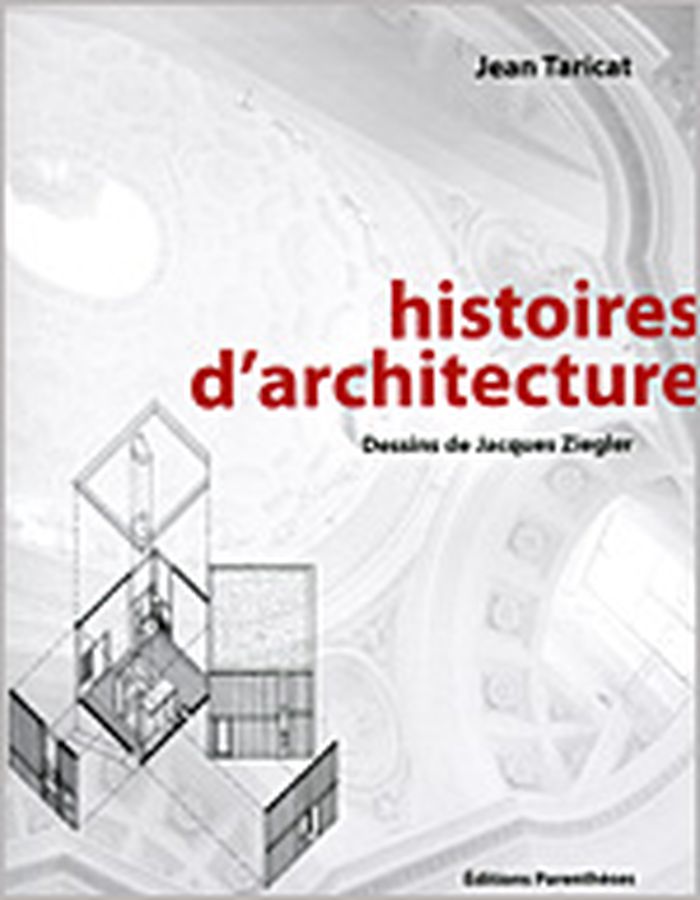
Histoires d'architecture
Histoires d'architecture
Actions:
Price:
$57.95
(available to order)
Summary:
Du Panthéon de Rome aux villas de Louis I. Kahn, vingt-deux monographies de bâtiments, regroupés par familles - églises, villas, musées, bibliothèques, grands magasins et usines -, où chacun deux se livre à partir du programme singulier et de la conjoncture qui lui donnèrent naissance en sorte que ce ne soit pas l'époque qui explique le bâtiment, mais plutôt le bâtiment(...)
$57.95
(available to order)
Summary:
Du Panthéon de Rome aux villas de Louis I. Kahn, vingt-deux monographies de bâtiments, regroupés par familles - églises, villas, musées, bibliothèques, grands magasins et usines -, où chacun deux se livre à partir du programme singulier et de la conjoncture qui lui donnèrent naissance en sorte que ce ne soit pas l'époque qui explique le bâtiment, mais plutôt le bâtiment(...)
Title:
Histoires d'architecture
Actions:
Price:
$57.95
(available to order)
Summary:
Du Panthéon de Rome aux villas de Louis I. Kahn, vingt-deux monographies de bâtiments, regroupés par familles - églises, villas, musées, bibliothèques, grands magasins et usines -, où chacun deux se livre à partir du programme singulier et de la conjoncture qui lui donnèrent naissance en sorte que ce ne soit pas l'époque qui explique le bâtiment, mais plutôt le bâtiment qui dévoile son époque. Toutes les études sont illustrées par un abondant corpus de dessins analytiques originaux et par des photographies.
Histoires d'architecture
Actions:
Price:
$57.95
(available to order)
Summary:
Du Panthéon de Rome aux villas de Louis I. Kahn, vingt-deux monographies de bâtiments, regroupés par familles - églises, villas, musées, bibliothèques, grands magasins et usines -, où chacun deux se livre à partir du programme singulier et de la conjoncture qui lui donnèrent naissance en sorte que ce ne soit pas l'époque qui explique le bâtiment, mais plutôt le bâtiment qui dévoile son époque. Toutes les études sont illustrées par un abondant corpus de dessins analytiques originaux et par des photographies.
Form:
books
books
Publication:
March 2004, Marseille
March 2004, Marseille
Subject:
History until 1900
History until 1900
Form:
books
books
Title:
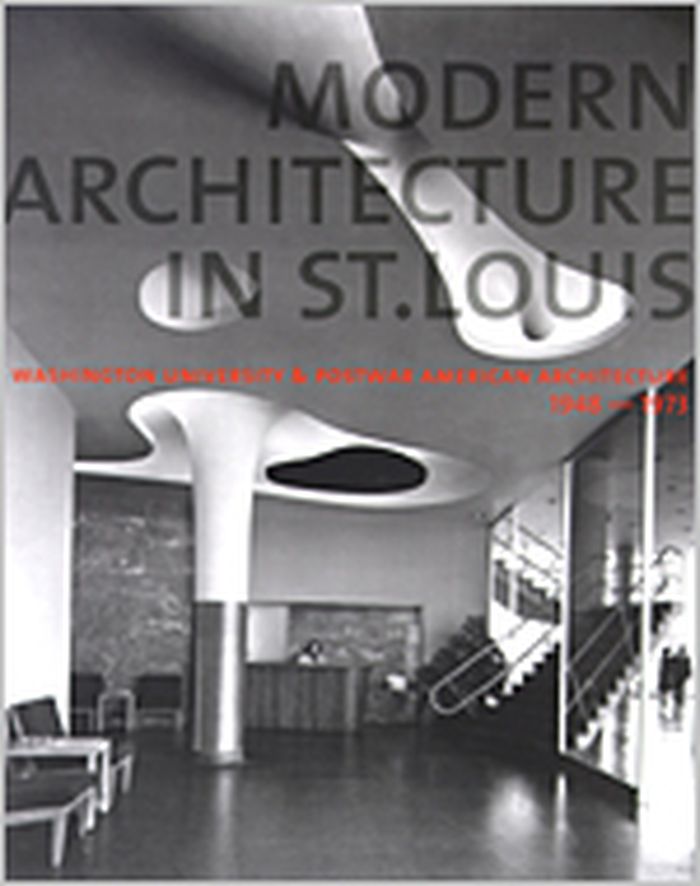
Modern architecture in St. Louis : Washington University and postwar american architecture 1948-1973
Modern architecture in St. Louis : Washington University and postwar american architecture 1948-1973
Actions:
Price:
$55.95
(available to order)
Summary:
The Gateway Arch casts its shadow across the Mississippi River and the city skyline of St. Louis, yet the history of architecture in that city stretches far beyond the towering "gateway to the West." Modern Architecture in St. Louis offers the first in-depth survey of the exciting evolution of modern architecture in the heart of the Midwest, an evolution that began during(...)
$55.95
(available to order)
Summary:
The Gateway Arch casts its shadow across the Mississippi River and the city skyline of St. Louis, yet the history of architecture in that city stretches far beyond the towering "gateway to the West." Modern Architecture in St. Louis offers the first in-depth survey of the exciting evolution of modern architecture in the heart of the Midwest, an evolution that began during(...)
Title:
Modern architecture in St. Louis : Washington University and postwar american architecture 1948-1973
Actions:
Price:
$55.95
(available to order)
Summary:
The Gateway Arch casts its shadow across the Mississippi River and the city skyline of St. Louis, yet the history of architecture in that city stretches far beyond the towering "gateway to the West." Modern Architecture in St. Louis offers the first in-depth survey of the exciting evolution of modern architecture in the heart of the Midwest, an evolution that began during the flowering of mid-century American modernism. Established architectural scholars here explore the nationally and internationally significant aspects of modern architecture in St. Louis during the postwar period, with essays on subjects ranging from the creation of the Arch to the role played by the Washington University School of Architecture. Archival photographs and drawings augment the scholars' historical analyses, and statements by alumni and faculty of the School of Architecture, including Gyo Obata and Fumihiko Maki, are also featured. Modern Architecture in St. Louis is a valuable work of architectural history that unearths the critical contribution of St. Louis to American design and modernism. Eric Mumford is associate professor at the Washington University School of Architecture and author of The CIAM Discourse on Urbanism, 1928-1960.
Modern architecture in St. Louis : Washington University and postwar american architecture 1948-1973
Actions:
Price:
$55.95
(available to order)
Summary:
The Gateway Arch casts its shadow across the Mississippi River and the city skyline of St. Louis, yet the history of architecture in that city stretches far beyond the towering "gateway to the West." Modern Architecture in St. Louis offers the first in-depth survey of the exciting evolution of modern architecture in the heart of the Midwest, an evolution that began during the flowering of mid-century American modernism. Established architectural scholars here explore the nationally and internationally significant aspects of modern architecture in St. Louis during the postwar period, with essays on subjects ranging from the creation of the Arch to the role played by the Washington University School of Architecture. Archival photographs and drawings augment the scholars' historical analyses, and statements by alumni and faculty of the School of Architecture, including Gyo Obata and Fumihiko Maki, are also featured. Modern Architecture in St. Louis is a valuable work of architectural history that unearths the critical contribution of St. Louis to American design and modernism. Eric Mumford is associate professor at the Washington University School of Architecture and author of The CIAM Discourse on Urbanism, 1928-1960.
Form:
books
books
Publication:
April 2004, St. Louis
April 2004, St. Louis
Subject:
History until 1900
History until 1900
Form:
books
books
Actions:
Price:
$82.50
(available to order)
Summary:
In this provocative revisionist work, Evonne Levy brings fresh theoretical perspectives to the study of the "propagandistic" art and architecture of the Jesuit order as exemplified by its late Baroque Roman church interiors. The first extensive analysis of the aims, mechanisms, and effects of Jesuit art and architecture, this original and sophisticated study also(...)
$82.50
(available to order)
Summary:
In this provocative revisionist work, Evonne Levy brings fresh theoretical perspectives to the study of the "propagandistic" art and architecture of the Jesuit order as exemplified by its late Baroque Roman church interiors. The first extensive analysis of the aims, mechanisms, and effects of Jesuit art and architecture, this original and sophisticated study also(...)
Title:
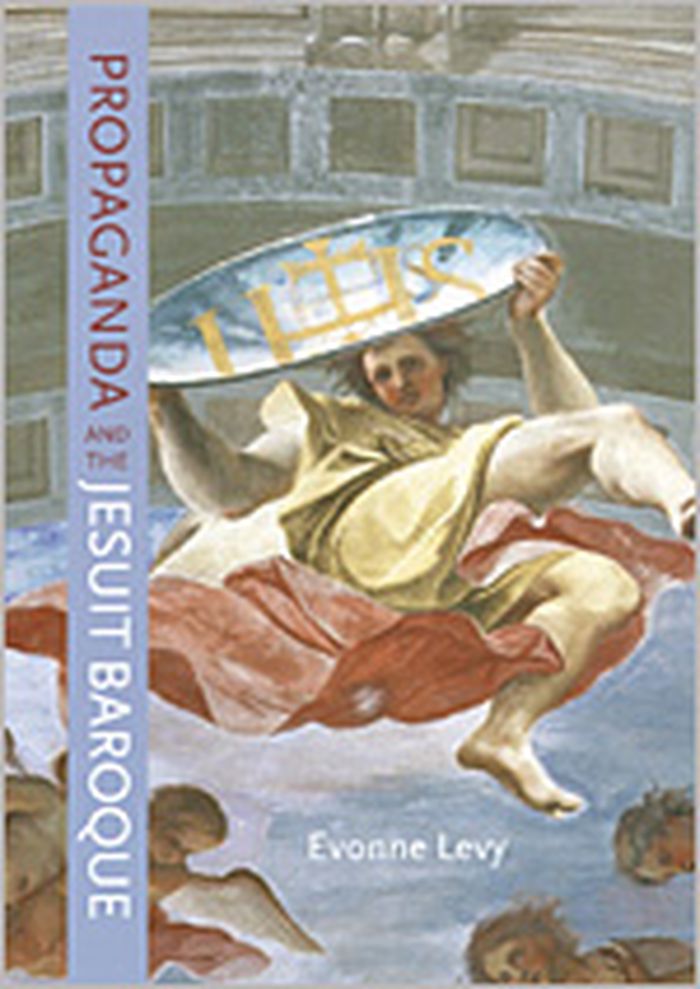
Propaganda and the Jesuit Baroque
Actions:
Price:
$82.50
(available to order)
Summary:
In this provocative revisionist work, Evonne Levy brings fresh theoretical perspectives to the study of the "propagandistic" art and architecture of the Jesuit order as exemplified by its late Baroque Roman church interiors. The first extensive analysis of the aims, mechanisms, and effects of Jesuit art and architecture, this original and sophisticated study also evaluates how the term "propaganda" functions in art history, distinguishes it from rhetoric, and proposes a precise use of the term for the visual arts for the first time. Levy begins by looking at Nazi architecture as a gateway to the emotional and ethical issues raised by the term "propaganda." Jesuit art once stirred similar passions, as she shows in a discussion of the controversial nineteenth-century rubric the "Jesuit Style." She then considers three central aspects of Jesuit art as essential components of propaganda: authorship, message, and diffusion. Levy tests her theoretical formulations against a broad range of documents and works of art, including the Chapel of St. Ignatius and other major works in Rome by Andrea Pozzo as well as chapels in Central Europe and Poland. Innovative in bringing a broad range of social and critical theory to bear on Baroque art and architecture in Europe and beyond, Levy's work highlights the subject-forming capacity of early modern Catholic art and architecture while establishing "propaganda" as a productive term for art history.
Propaganda and the Jesuit Baroque
Actions:
Price:
$82.50
(available to order)
Summary:
In this provocative revisionist work, Evonne Levy brings fresh theoretical perspectives to the study of the "propagandistic" art and architecture of the Jesuit order as exemplified by its late Baroque Roman church interiors. The first extensive analysis of the aims, mechanisms, and effects of Jesuit art and architecture, this original and sophisticated study also evaluates how the term "propaganda" functions in art history, distinguishes it from rhetoric, and proposes a precise use of the term for the visual arts for the first time. Levy begins by looking at Nazi architecture as a gateway to the emotional and ethical issues raised by the term "propaganda." Jesuit art once stirred similar passions, as she shows in a discussion of the controversial nineteenth-century rubric the "Jesuit Style." She then considers three central aspects of Jesuit art as essential components of propaganda: authorship, message, and diffusion. Levy tests her theoretical formulations against a broad range of documents and works of art, including the Chapel of St. Ignatius and other major works in Rome by Andrea Pozzo as well as chapels in Central Europe and Poland. Innovative in bringing a broad range of social and critical theory to bear on Baroque art and architecture in Europe and beyond, Levy's work highlights the subject-forming capacity of early modern Catholic art and architecture while establishing "propaganda" as a productive term for art history.
Form:
books
books
Publication:
April 2004, Berkeley
April 2004, Berkeley
Subject:
History until 1900
History until 1900
Form:
books
books
Actions:
Price:
$41.95
(available to order)
Summary:
Byrdcliffe was, and remains, a place of haunting beauty. One hundred years ago,it was established as an Arts and Crafts colony in the heart of the Catskill Mountains. Craftsmen, writers, and musicians came, lured by the atmosphere of creativity amid like-minded people. Furniture, pottery, paintings, metalwork, and textiles were all made there and the people themselves(...)
$41.95
(available to order)
Summary:
Byrdcliffe was, and remains, a place of haunting beauty. One hundred years ago,it was established as an Arts and Crafts colony in the heart of the Catskill Mountains. Craftsmen, writers, and musicians came, lured by the atmosphere of creativity amid like-minded people. Furniture, pottery, paintings, metalwork, and textiles were all made there and the people themselves(...)
Subject:
History until 1900
History until 1900
Publication:
April 2004, Ithaca
April 2004, Ithaca
Title:
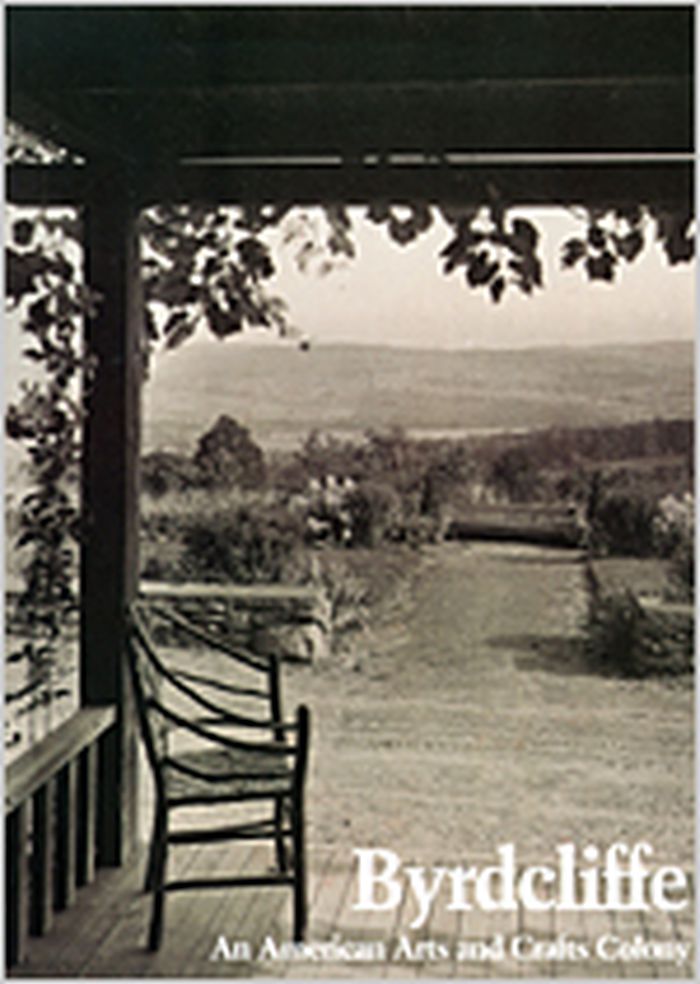
Byrdcliffe : an American Arts and Crafts colony
Actions:
Price:
$41.95
(available to order)
Summary:
Byrdcliffe was, and remains, a place of haunting beauty. One hundred years ago,it was established as an Arts and Crafts colony in the heart of the Catskill Mountains. Craftsmen, writers, and musicians came, lured by the atmosphere of creativity amid like-minded people. Furniture, pottery, paintings, metalwork, and textiles were all made there and the people themselves became an interwoven part of the fabric of the place. This is the story of the first years of the colony, the artists who visited, and the artistic community they fostered in Woodstock, New York.
Byrdcliffe : an American Arts and Crafts colony
Actions:
Price:
$41.95
(available to order)
Summary:
Byrdcliffe was, and remains, a place of haunting beauty. One hundred years ago,it was established as an Arts and Crafts colony in the heart of the Catskill Mountains. Craftsmen, writers, and musicians came, lured by the atmosphere of creativity amid like-minded people. Furniture, pottery, paintings, metalwork, and textiles were all made there and the people themselves became an interwoven part of the fabric of the place. This is the story of the first years of the colony, the artists who visited, and the artistic community they fostered in Woodstock, New York.
Form:
books
books
Publication:
April 2004, Ithaca
April 2004, Ithaca
Subject:
History until 1900
History until 1900


