


496 Results
Form:
books
books

Title:
Landscript 03: topology
Landscript 03: topology
Actions:
Price:
$50.00
(available to order)
Summary:
Topology is the third volume of the Landscript series, which explores spatial, physical, poetic and philosophical approaches to topology. This volume brings together scientific and creative disciplines to investigate landscape as a cultural construct nonetheless possessed of its own beauty.
$50.00
(available to order)
Summary:
Topology is the third volume of the Landscript series, which explores spatial, physical, poetic and philosophical approaches to topology. This volume brings together scientific and creative disciplines to investigate landscape as a cultural construct nonetheless possessed of its own beauty.
Title:
Landscript 03: topology
Actions:
Price:
$50.00
(available to order)
Summary:
Topology is the third volume of the Landscript series, which explores spatial, physical, poetic and philosophical approaches to topology. This volume brings together scientific and creative disciplines to investigate landscape as a cultural construct nonetheless possessed of its own beauty.
Landscript 03: topology
Actions:
Price:
$50.00
(available to order)
Summary:
Topology is the third volume of the Landscript series, which explores spatial, physical, poetic and philosophical approaches to topology. This volume brings together scientific and creative disciplines to investigate landscape as a cultural construct nonetheless possessed of its own beauty.
Form:
books
books
Publication:
October 2013
October 2013
Subject:
Landscape Theory
Landscape Theory
Form:
books
books
Actions:
Price:
$31.00
(available to order)
Summary:
A Landscape History of New England takes a view of New England’s landscapes that goes beyond picture postcard-ready vistas of white-steepled churches, open pastures, and tree-covered mountains. Its chapters describe, for example, the Native American presence in the Maine Woods; offer a history of agriculture told through stone walls, woodlands, and farm buildings; report(...)
$31.00
(available to order)
Summary:
A Landscape History of New England takes a view of New England’s landscapes that goes beyond picture postcard-ready vistas of white-steepled churches, open pastures, and tree-covered mountains. Its chapters describe, for example, the Native American presence in the Maine Woods; offer a history of agriculture told through stone walls, woodlands, and farm buildings; report(...)
Title:
A landscape history of New England
Actions:
Price:
$31.00
(available to order)
Summary:
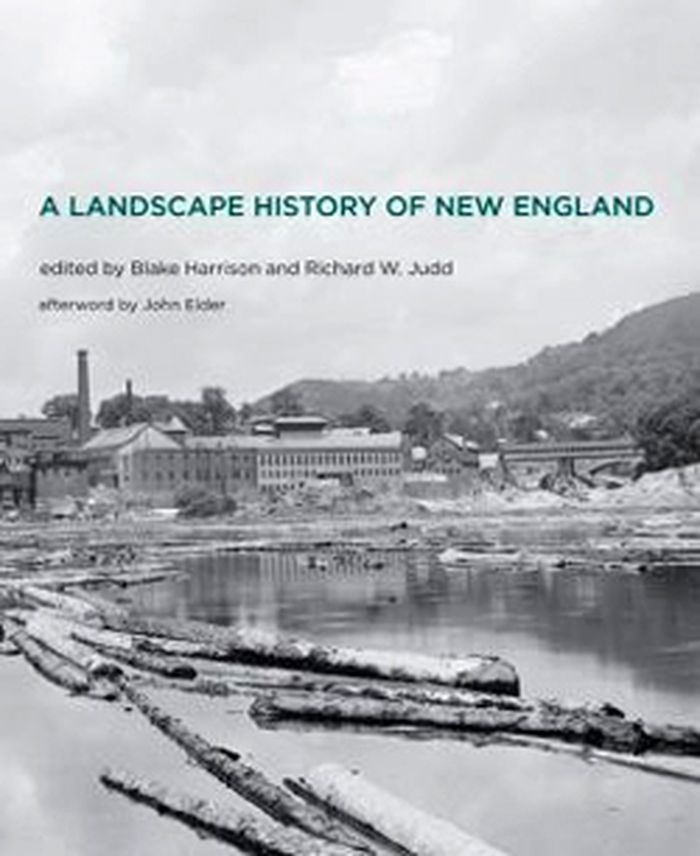
A Landscape History of New England takes a view of New England’s landscapes that goes beyond picture postcard-ready vistas of white-steepled churches, open pastures, and tree-covered mountains. Its chapters describe, for example, the Native American presence in the Maine Woods; offer a history of agriculture told through stone walls, woodlands, and farm buildings; report on the fragile ecology of tourist-friendly Cape Cod beaches; and reveal the ethnic stereotypes informing Colonial Revivalism. Taken together, they offer a wide-ranging history of New England’s diverse landscapes, stretching across two centuries.
A landscape history of New England
Actions:
Price:
$31.00
(available to order)
Summary:
A Landscape History of New England takes a view of New England’s landscapes that goes beyond picture postcard-ready vistas of white-steepled churches, open pastures, and tree-covered mountains. Its chapters describe, for example, the Native American presence in the Maine Woods; offer a history of agriculture told through stone walls, woodlands, and farm buildings; report on the fragile ecology of tourist-friendly Cape Cod beaches; and reveal the ethnic stereotypes informing Colonial Revivalism. Taken together, they offer a wide-ranging history of New England’s diverse landscapes, stretching across two centuries.
Form:
books
books
Publication:
October 2013
October 2013
Subject:
Landscape Theory
Landscape Theory
Form:
books
books
Actions:
Price:
$35.00
(available to order)
Summary:
Roberto Burle Marx (1909–1994) remains one of the most important landscape architects in the history of the field. His distinctive and widely acclaimed work has been featured and referenced in numerous sources, yet few of Burle Marx’s own words have been published. This collection of a dozen of Burle Marx’s lectures, most of which have never before been available in(...)
$35.00
(available to order)
Summary:
Roberto Burle Marx (1909–1994) remains one of the most important landscape architects in the history of the field. His distinctive and widely acclaimed work has been featured and referenced in numerous sources, yet few of Burle Marx’s own words have been published. This collection of a dozen of Burle Marx’s lectures, most of which have never before been available in(...)
Title:
Roberto Burle Marx lectures: Landscape as art and urbanism
Actions:
Price:
$35.00
(available to order)
Summary:
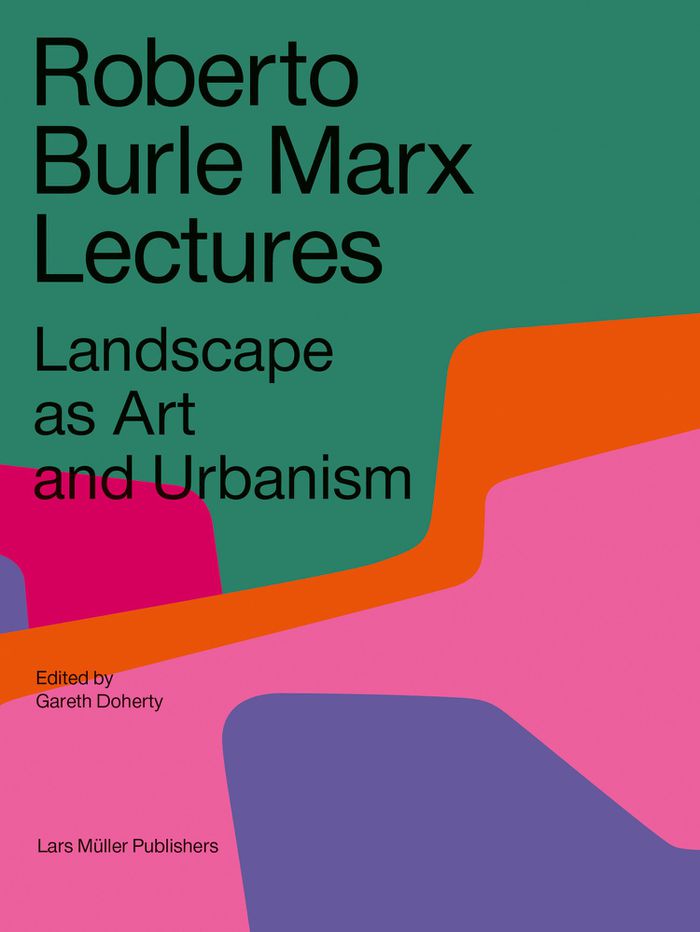
Roberto Burle Marx (1909–1994) remains one of the most important landscape architects in the history of the field. His distinctive and widely acclaimed work has been featured and referenced in numerous sources, yet few of Burle Marx’s own words have been published. This collection of a dozen of Burle Marx’s lectures, most of which have never before been available in English, fills that void. Delivered on international speaking tours, they address topics such as Concepts in Landscape Composition, Gardens and Ecology and The Problem of Garden Lighting. Their publication sheds light on Burle Marx’s distinctive ethic and aesthetic of landscape, as “the real art in living.” The lectures paint a picture of Burle Marx not just as a gardener, artist and botanist, but as a landscape architect whose ambition was to bring radical change to cities and society.
Roberto Burle Marx lectures: Landscape as art and urbanism
Actions:
Price:
$35.00
(available to order)
Summary:
Roberto Burle Marx (1909–1994) remains one of the most important landscape architects in the history of the field. His distinctive and widely acclaimed work has been featured and referenced in numerous sources, yet few of Burle Marx’s own words have been published. This collection of a dozen of Burle Marx’s lectures, most of which have never before been available in English, fills that void. Delivered on international speaking tours, they address topics such as Concepts in Landscape Composition, Gardens and Ecology and The Problem of Garden Lighting. Their publication sheds light on Burle Marx’s distinctive ethic and aesthetic of landscape, as “the real art in living.” The lectures paint a picture of Burle Marx not just as a gardener, artist and botanist, but as a landscape architect whose ambition was to bring radical change to cities and society.
Form:
books
books
Publication:
March 2018
March 2018
Subject:
Landscape Theory
Landscape Theory
Form:
books
books
Title:
Pensées sauvages
Pensées sauvages
Actions:
Price:
$17.95
(available in store)
Summary:
Michel Granger a fait le choix de ne pas s’intéresser aux aphorismes pris hors contexte, aux formules brillantes que l’on répète à l’envi pour illustrer les calendriers de Nouvelle-Angleterre, mais aux remarques plus développées dont seule l’ampleur permet d’exprimer la complexité d’un esprit innovant. Le parti pris de cette sélection établie par Michel Granger a été(...)
$17.95
(available in store)
Summary:
Michel Granger a fait le choix de ne pas s’intéresser aux aphorismes pris hors contexte, aux formules brillantes que l’on répète à l’envi pour illustrer les calendriers de Nouvelle-Angleterre, mais aux remarques plus développées dont seule l’ampleur permet d’exprimer la complexité d’un esprit innovant. Le parti pris de cette sélection établie par Michel Granger a été(...)
Title:
Pensées sauvages
Actions:
Price:
$17.95
(available in store)
Summary:
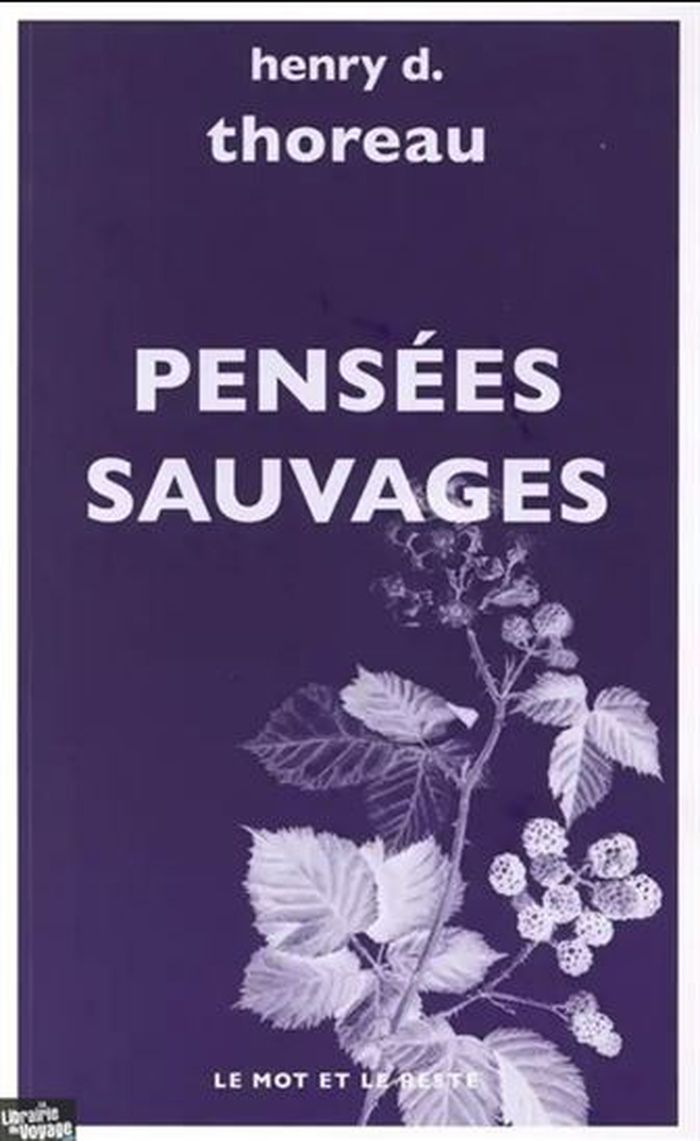
Michel Granger a fait le choix de ne pas s’intéresser aux aphorismes pris hors contexte, aux formules brillantes que l’on répète à l’envi pour illustrer les calendriers de Nouvelle-Angleterre, mais aux remarques plus développées dont seule l’ampleur permet d’exprimer la complexité d’un esprit innovant. Le parti pris de cette sélection établie par Michel Granger a été de privilégier l’originalité et la radicalité du philosophe transcendantaliste : une critique impitoyable de la société américaine du milieu du XIXe siècle, alliée à des propositions pour un mode de vie plus respectueux de la nature et de la vie de l’esprit. Henry D. Thoreau n’est pas un penseur tiède, il s’efforce de provoquer la réflexion et d’ébranler les certitudes. Des pages choisies pour comprendre la pensée forte de Thoreau.
Pensées sauvages
Actions:
Price:
$17.95
(available in store)
Summary:
Michel Granger a fait le choix de ne pas s’intéresser aux aphorismes pris hors contexte, aux formules brillantes que l’on répète à l’envi pour illustrer les calendriers de Nouvelle-Angleterre, mais aux remarques plus développées dont seule l’ampleur permet d’exprimer la complexité d’un esprit innovant. Le parti pris de cette sélection établie par Michel Granger a été de privilégier l’originalité et la radicalité du philosophe transcendantaliste : une critique impitoyable de la société américaine du milieu du XIXe siècle, alliée à des propositions pour un mode de vie plus respectueux de la nature et de la vie de l’esprit. Henry D. Thoreau n’est pas un penseur tiède, il s’efforce de provoquer la réflexion et d’ébranler les certitudes. Des pages choisies pour comprendre la pensée forte de Thoreau.
Form:
books
books
Publication:
March 2020
March 2020
Subject:
Landscape Theory
Landscape Theory
Form:
books
books
Price:
$26.95
(available to order)
Summary:
Sans doute faut-il préciser l’objet qui donne son titre à ce livre. Le temps du paysage ici considéré n’est pas celui où l’on a commencé à décrire dans des poèmes ou à représenter sur des murs des jardins fleuris. Il est celui où le paysage s’est imposé comme un objet de pensée spécifique. Cet objet de pensée s’est constitué à travers des querelles concrètes sur(...)
$26.95
(available to order)
Summary:
Sans doute faut-il préciser l’objet qui donne son titre à ce livre. Le temps du paysage ici considéré n’est pas celui où l’on a commencé à décrire dans des poèmes ou à représenter sur des murs des jardins fleuris. Il est celui où le paysage s’est imposé comme un objet de pensée spécifique. Cet objet de pensée s’est constitué à travers des querelles concrètes sur(...)
Title:
Le temps du paysage : aux origines de la révolution esthétique
Actions:
Price:
$26.95
(available to order)
Summary:
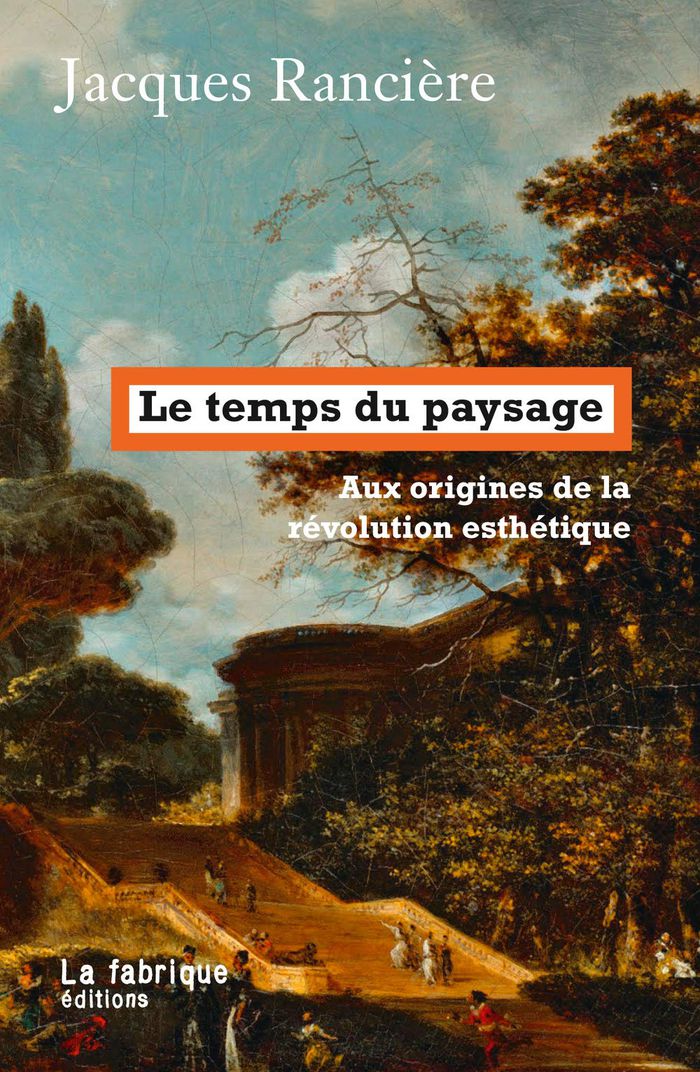
Sans doute faut-il préciser l’objet qui donne son titre à ce livre. Le temps du paysage ici considéré n’est pas celui où l’on a commencé à décrire dans des poèmes ou à représenter sur des murs des jardins fleuris. Il est celui où le paysage s’est imposé comme un objet de pensée spécifique. Cet objet de pensée s’est constitué à travers des querelles concrètes sur l’aménagement des jardins, des descriptions minutieuses de parcs ornés de temples à l’antique ou d’humbles sentiers forestiers, des récits de voyages à travers lacs et montagnes solitaires ou des évocations de peintures mythologiques ou rustiques. Et ce livre en suivra les détours. Mais ce qui se forme à travers ces récits et ces querelles, ce n’est pas simplement le goût pour un spectacle qui charme les yeux ou élève l’âme. C’est l’expérience d’une forme d’unité de la diversité sensible propre à modifier la configuration existante des objets de pensée et des notions propres à les penser. Le temps du paysage est celui où l’harmonie ou la dysharmonie présentée par les jardins aménagés ou par la nature sauvage contribue à bouleverser les critères du beau et le sens même du mot art. Ce bouleversement en implique un autre qui affecte le sens d’une notion fondamentale, dans l’usage commun comme dans la réflexion philosophique, celle de nature. Or on ne touche pas à la nature sans toucher à la société qui est censée obéir à ses lois. Et le temps du paysage est aussi celui où une certaine harmonie du spectacle des champs, des forêts ou des cours d’eau s’avère propre à métaphoriser l’ordre qui convient aux sociétés humaines.
Le temps du paysage : aux origines de la révolution esthétique
Actions:
Price:
$26.95
(available to order)
Summary:
Sans doute faut-il préciser l’objet qui donne son titre à ce livre. Le temps du paysage ici considéré n’est pas celui où l’on a commencé à décrire dans des poèmes ou à représenter sur des murs des jardins fleuris. Il est celui où le paysage s’est imposé comme un objet de pensée spécifique. Cet objet de pensée s’est constitué à travers des querelles concrètes sur l’aménagement des jardins, des descriptions minutieuses de parcs ornés de temples à l’antique ou d’humbles sentiers forestiers, des récits de voyages à travers lacs et montagnes solitaires ou des évocations de peintures mythologiques ou rustiques. Et ce livre en suivra les détours. Mais ce qui se forme à travers ces récits et ces querelles, ce n’est pas simplement le goût pour un spectacle qui charme les yeux ou élève l’âme. C’est l’expérience d’une forme d’unité de la diversité sensible propre à modifier la configuration existante des objets de pensée et des notions propres à les penser. Le temps du paysage est celui où l’harmonie ou la dysharmonie présentée par les jardins aménagés ou par la nature sauvage contribue à bouleverser les critères du beau et le sens même du mot art. Ce bouleversement en implique un autre qui affecte le sens d’une notion fondamentale, dans l’usage commun comme dans la réflexion philosophique, celle de nature. Or on ne touche pas à la nature sans toucher à la société qui est censée obéir à ses lois. Et le temps du paysage est aussi celui où une certaine harmonie du spectacle des champs, des forêts ou des cours d’eau s’avère propre à métaphoriser l’ordre qui convient aux sociétés humaines.
Form:
books
books
Publication:
March 2020
March 2020
Subject:
Landscape Theory
Landscape Theory
Form:
books
books
Actions:
Price:
$42.99
(available to order)
Summary:
This publication takes the reader on a visual journey from some of the earliest known tree species on our planet to the latest fruit cultivars. The chosen trees have all had a profound effect on the planet and humankind. Starting with the Ginkgo Biloba, fossils of which date back 270 million years, we learn about how trees came to be integral to the development of our(...)
$42.99
(available to order)
Summary:
This publication takes the reader on a visual journey from some of the earliest known tree species on our planet to the latest fruit cultivars. The chosen trees have all had a profound effect on the planet and humankind. Starting with the Ginkgo Biloba, fossils of which date back 270 million years, we learn about how trees came to be integral to the development of our(...)
Title:
The story of trees, and how they changed the way we live
Actions:
Price:
$42.99
(available to order)
Summary:
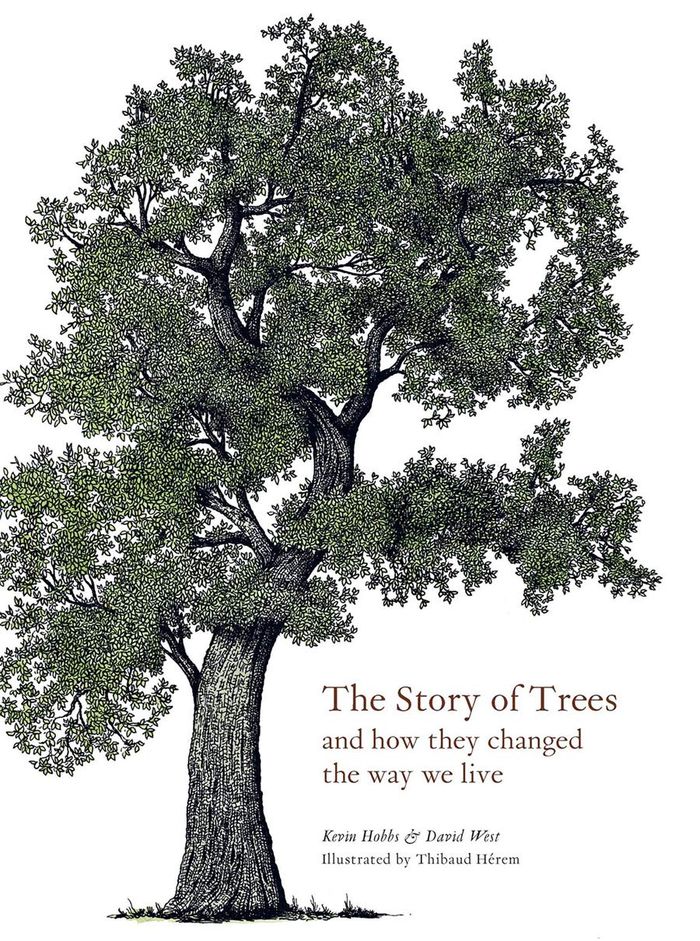
This publication takes the reader on a visual journey from some of the earliest known tree species on our planet to the latest fruit cultivars. The chosen trees have all had a profound effect on the planet and humankind. Starting with the Ginkgo Biloba, fossils of which date back 270 million years, we learn about how trees came to be integral to the development of our species, and how specific trees have become important religious, political, and cultural symbols. With beautiful illustrations by Thibaud Herem and fascinating botanical facts and figures, this book will appeal to tree lovers from all over the world.
The story of trees, and how they changed the way we live
Actions:
Price:
$42.99
(available to order)
Summary:
This publication takes the reader on a visual journey from some of the earliest known tree species on our planet to the latest fruit cultivars. The chosen trees have all had a profound effect on the planet and humankind. Starting with the Ginkgo Biloba, fossils of which date back 270 million years, we learn about how trees came to be integral to the development of our species, and how specific trees have become important religious, political, and cultural symbols. With beautiful illustrations by Thibaud Herem and fascinating botanical facts and figures, this book will appeal to tree lovers from all over the world.
Form:
books
books
Publication:
March 2020
March 2020
Subject:
Landscape Theory
Landscape Theory
Form:
books
books
Price:
$42.00
(available in store)
Summary:
Roberto Burle Marx (1909-1994) remains one of the most important landscape architects in the history of the field. His distinctive and widely acclaimed work has been featured and referenced in numerous sources, yet few of Burle Marx's own words have been published. This collection of a dozen of Burle Marx's lectures, most of which have never before been available in(...)
$42.00
(available in store)
Summary:
Roberto Burle Marx (1909-1994) remains one of the most important landscape architects in the history of the field. His distinctive and widely acclaimed work has been featured and referenced in numerous sources, yet few of Burle Marx's own words have been published. This collection of a dozen of Burle Marx's lectures, most of which have never before been available in(...)
Title:
Roberto Burle Marx lectures: Landscape as art and urbanism, revised
Actions:
Price:
$42.00
(available in store)
Summary:
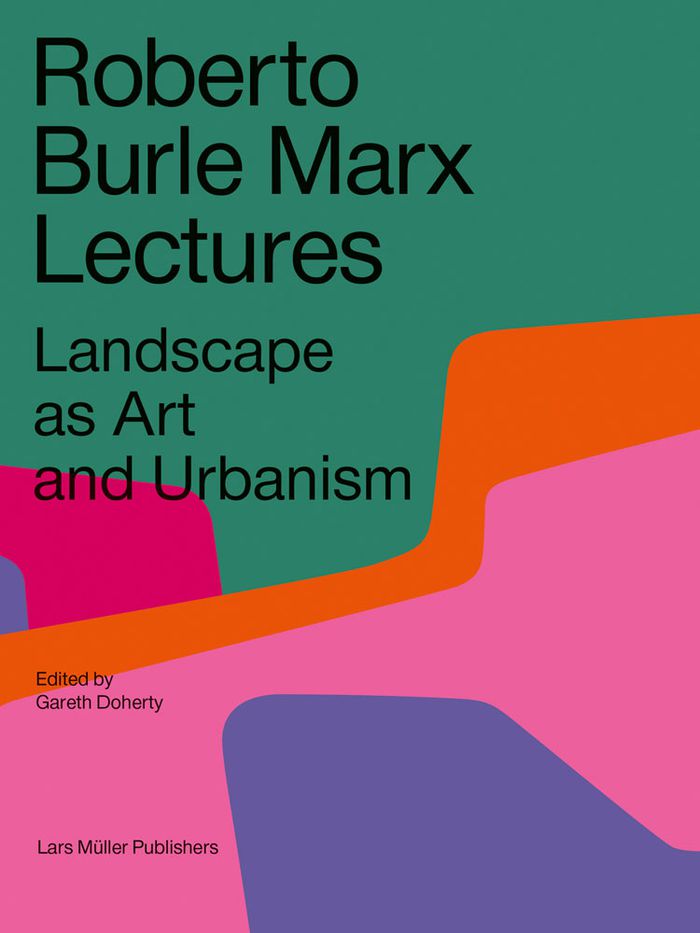
Roberto Burle Marx (1909-1994) remains one of the most important landscape architects in the history of the field. His distinctive and widely acclaimed work has been featured and referenced in numerous sources, yet few of Burle Marx's own words have been published. This collection of a dozen of Burle Marx's lectures, most of which have never before been available in English, fills that void. Delivered on international speaking tours, they address topics such as Concepts in Landscape Composition, Gardens and Ecology, and The Problem of Garden Lighting. Their publi- cation sheds light on Burle Marx's distinctive ethic and aesthetic of landscape, as "the real art of living." The lectures paint a picture of Burle Marx not just as a gardener, artist, and botanist, but as a land- scape architect whose ambition was to bring radical change to cities and society. The lectures are framed by photographs, by Leonardo Finotti, of a selection of Burle Marx's realized projects.
Roberto Burle Marx lectures: Landscape as art and urbanism, revised
Actions:
Price:
$42.00
(available in store)
Summary:
Roberto Burle Marx (1909-1994) remains one of the most important landscape architects in the history of the field. His distinctive and widely acclaimed work has been featured and referenced in numerous sources, yet few of Burle Marx's own words have been published. This collection of a dozen of Burle Marx's lectures, most of which have never before been available in English, fills that void. Delivered on international speaking tours, they address topics such as Concepts in Landscape Composition, Gardens and Ecology, and The Problem of Garden Lighting. Their publi- cation sheds light on Burle Marx's distinctive ethic and aesthetic of landscape, as "the real art of living." The lectures paint a picture of Burle Marx not just as a gardener, artist, and botanist, but as a land- scape architect whose ambition was to bring radical change to cities and society. The lectures are framed by photographs, by Leonardo Finotti, of a selection of Burle Marx's realized projects.
Form:
books
books
Publication:
March 2020
March 2020
Subject:
Landscape Theory
Landscape Theory
Form:
books
books
Title:
Black landscapes matter
Black landscapes matter
Actions:
Price:
$47.95
(available to order)
Summary:
The question "Do black landscapes matter?" cuts deep to the core of American history. From the plantations of slavery to contemporary segregated cities, from freedman villages to northern migrations for freedom, the nation’s landscape bears the detritus of diverse origins. Black landscapes matter because they tell the truth. In this vital new collection, acclaimed(...)
$47.95
(available to order)
Summary:
The question "Do black landscapes matter?" cuts deep to the core of American history. From the plantations of slavery to contemporary segregated cities, from freedman villages to northern migrations for freedom, the nation’s landscape bears the detritus of diverse origins. Black landscapes matter because they tell the truth. In this vital new collection, acclaimed(...)
Title:
Black landscapes matter
Actions:
Price:
$47.95
(available to order)
Summary:
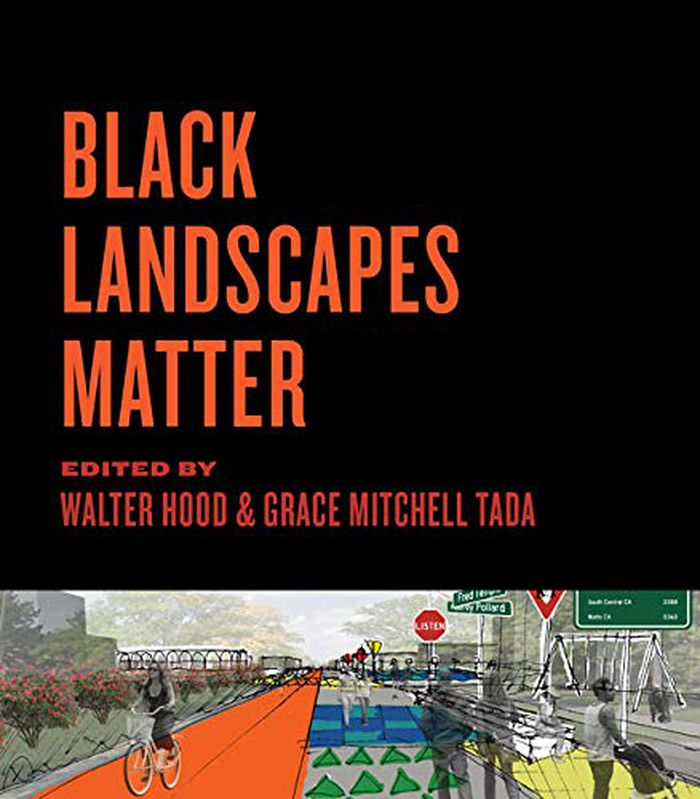
The question "Do black landscapes matter?" cuts deep to the core of American history. From the plantations of slavery to contemporary segregated cities, from freedman villages to northern migrations for freedom, the nation’s landscape bears the detritus of diverse origins. Black landscapes matter because they tell the truth. In this vital new collection, acclaimed landscape designer and public artist Walter Hood assembles a group of notable landscape architecture and planning professionals and scholars to probe how race, memory, and meaning intersect in the American landscape. Essayists examine a variety of U.S. places— ranging from New Orleans and Charlotte to Milwaukee and Detroit— exposing racism endemic in the built environment and acknowledging the widespread erasure of black geographies and cultural landscapes. Through a combination of case studies, critiques, and calls to action, contributors reveal the deficient, normative portrayals of landscape that affect communities of color and question how public design and preservation efforts can support people in these places. In a culture in which historical omissions and specious narratives routinely provoke disinvestment in minority communities, creative solutions by designers, planners, artists, and residents are necessary to activate them in novel ways. Black people have built and shaped the American landscape in ways that can never be fully known. ''Black landscapes matter'' is a timely and necessary reminder that without recognizing and reconciling these histories and spaces, America’s past and future cannot be understood.
Black landscapes matter
Actions:
Price:
$47.95
(available to order)
Summary:
The question "Do black landscapes matter?" cuts deep to the core of American history. From the plantations of slavery to contemporary segregated cities, from freedman villages to northern migrations for freedom, the nation’s landscape bears the detritus of diverse origins. Black landscapes matter because they tell the truth. In this vital new collection, acclaimed landscape designer and public artist Walter Hood assembles a group of notable landscape architecture and planning professionals and scholars to probe how race, memory, and meaning intersect in the American landscape. Essayists examine a variety of U.S. places— ranging from New Orleans and Charlotte to Milwaukee and Detroit— exposing racism endemic in the built environment and acknowledging the widespread erasure of black geographies and cultural landscapes. Through a combination of case studies, critiques, and calls to action, contributors reveal the deficient, normative portrayals of landscape that affect communities of color and question how public design and preservation efforts can support people in these places. In a culture in which historical omissions and specious narratives routinely provoke disinvestment in minority communities, creative solutions by designers, planners, artists, and residents are necessary to activate them in novel ways. Black people have built and shaped the American landscape in ways that can never be fully known. ''Black landscapes matter'' is a timely and necessary reminder that without recognizing and reconciling these histories and spaces, America’s past and future cannot be understood.
Form:
books
books
Publication:
November 2020
November 2020
Subject:
Landscape Theory
Landscape Theory
Form:
books
books
Actions:
Price:
$15.95
(available to order)
Summary:
Paru il y a près de 20 ans, ce manifeste n'a pas pris une ride, tout comme la pertinence de son propos. Il est complété d'un texte plus récent de l'auteur qui revient 10 ans après sur le chemin parcouru. Il est préfacé par Alexis Pernet, paysagiste et maître de conférences à L'École nationale supérieure de paysage de Versailles. Si l'on cesse de regarder le paysage comme(...)
$15.95
(available to order)
Summary:
Paru il y a près de 20 ans, ce manifeste n'a pas pris une ride, tout comme la pertinence de son propos. Il est complété d'un texte plus récent de l'auteur qui revient 10 ans après sur le chemin parcouru. Il est préfacé par Alexis Pernet, paysagiste et maître de conférences à L'École nationale supérieure de paysage de Versailles. Si l'on cesse de regarder le paysage comme(...)
Title:
Manifeste du tiers paysage, n.é.
Actions:
Price:
$15.95
(available to order)
Summary:
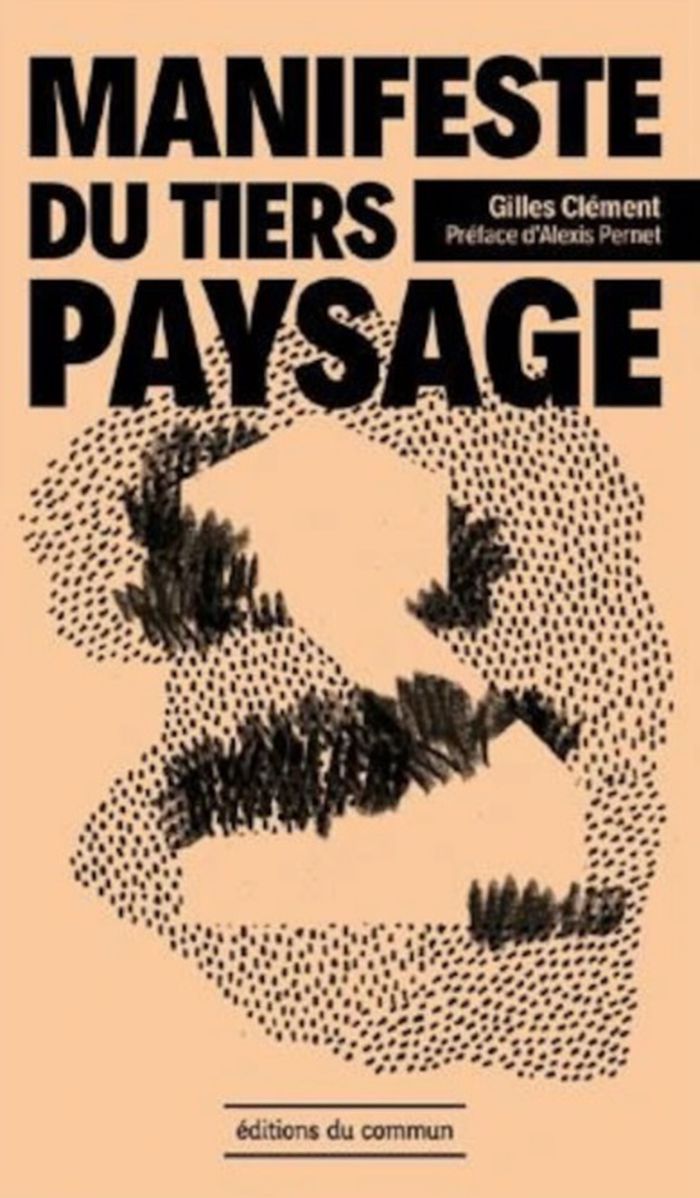
Paru il y a près de 20 ans, ce manifeste n'a pas pris une ride, tout comme la pertinence de son propos. Il est complété d'un texte plus récent de l'auteur qui revient 10 ans après sur le chemin parcouru. Il est préfacé par Alexis Pernet, paysagiste et maître de conférences à L'École nationale supérieure de paysage de Versailles. Si l'on cesse de regarder le paysage comme l'objet d'une industrie on découvre subitement - est-ce un oubli du cartographe, une négligence du politique? - une quantité d'espaces indécis, dépourvus de fonction sur lesquels il est difficile de porter un nom. Cet ensemble n'appartient ni au territoire de l'ombre ni à celui de la lumière. Il se situe aux marges.
Manifeste du tiers paysage, n.é.
Actions:
Price:
$15.95
(available to order)
Summary:
Paru il y a près de 20 ans, ce manifeste n'a pas pris une ride, tout comme la pertinence de son propos. Il est complété d'un texte plus récent de l'auteur qui revient 10 ans après sur le chemin parcouru. Il est préfacé par Alexis Pernet, paysagiste et maître de conférences à L'École nationale supérieure de paysage de Versailles. Si l'on cesse de regarder le paysage comme l'objet d'une industrie on découvre subitement - est-ce un oubli du cartographe, une négligence du politique? - une quantité d'espaces indécis, dépourvus de fonction sur lesquels il est difficile de porter un nom. Cet ensemble n'appartient ni au territoire de l'ombre ni à celui de la lumière. Il se situe aux marges.
Form:
books
books
Publication:
January 2021
January 2021
Subject:
Landscape Theory
Landscape Theory
Form:
books
books
Title:
Bay lexicon
Bay lexicon
Actions:
Price:
$32.95
(available to order)
Summary:
'Bay Lexicon', a field guide to San Francisco's shoreline, is a case study in establishing a working language for hybrid landscapes. Centred on a walk along the edge of the iconic San Francisco Bay, it documents, deciphers, and classifies the places and phenomena a person encounters - and the forces, histories, and interactions that underlie what is visible. In a unique(...)
$32.95
(available to order)
Summary:
'Bay Lexicon', a field guide to San Francisco's shoreline, is a case study in establishing a working language for hybrid landscapes. Centred on a walk along the edge of the iconic San Francisco Bay, it documents, deciphers, and classifies the places and phenomena a person encounters - and the forces, histories, and interactions that underlie what is visible. In a unique(...)
Title:
Bay lexicon
Actions:
Price:
$32.95
(available to order)
Summary:
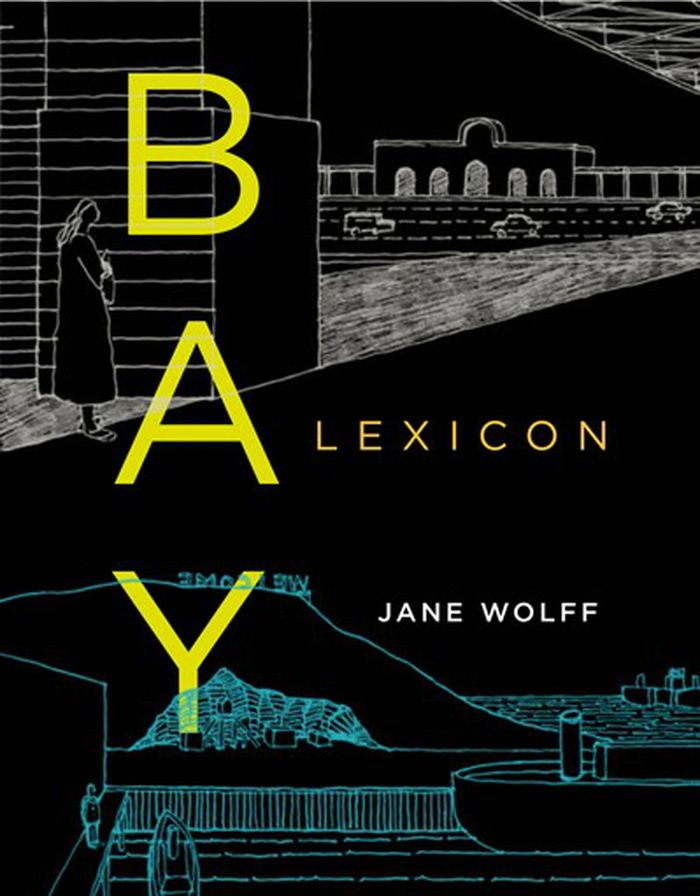
'Bay Lexicon', a field guide to San Francisco's shoreline, is a case study in establishing a working language for hybrid landscapes. Centred on a walk along the edge of the iconic San Francisco Bay, it documents, deciphers, and classifies the places and phenomena a person encounters - and the forces, histories, and interactions that underlie what is visible. In a unique synthesis of text and drawing, Jane Wolff applies analytical and representational tools based in design and documentary work to findings from the fields of geography, environmental and cultural history, public policy, urban ecology, and landscape studies. As our cities face increasing pressure caused by climate change, we will need to reimagine them in terms that do justice to their complexity. This publications's methods for building landscape literacy are meant for translation, adaptation, and use far beyond San Francisco Bay. Through activist scholarship that cuts across disciplinary boundaries and levels of expertise, this book examines how the landscape at the water's edge works, documents its historical evolution, brings its citizens' values to light, and frames conversations about how and why it might change.
Bay lexicon
Actions:
Price:
$32.95
(available to order)
Summary:
'Bay Lexicon', a field guide to San Francisco's shoreline, is a case study in establishing a working language for hybrid landscapes. Centred on a walk along the edge of the iconic San Francisco Bay, it documents, deciphers, and classifies the places and phenomena a person encounters - and the forces, histories, and interactions that underlie what is visible. In a unique synthesis of text and drawing, Jane Wolff applies analytical and representational tools based in design and documentary work to findings from the fields of geography, environmental and cultural history, public policy, urban ecology, and landscape studies. As our cities face increasing pressure caused by climate change, we will need to reimagine them in terms that do justice to their complexity. This publications's methods for building landscape literacy are meant for translation, adaptation, and use far beyond San Francisco Bay. Through activist scholarship that cuts across disciplinary boundaries and levels of expertise, this book examines how the landscape at the water's edge works, documents its historical evolution, brings its citizens' values to light, and frames conversations about how and why it might change.
Form:
books
books
Publication:
August 2021
August 2021
Subject:
Landscape Theory
Landscape Theory


