


496 Results
Form:
books
books
Actions:
Price:
$32.00
(available in store)
Summary:
First published in 1854, Henry David Thoreau’s Walden has influenced generations of readers and continues to inspire and inform anyone with an open mind, a love of nature, and a longing for simplicity and contemplation. Recounting the author’s reflections on simple living after a period he spent in a small cabin he built near Walden Pond, the book places Thoreau firmly in(...)
$32.00
(available in store)
Summary:
First published in 1854, Henry David Thoreau’s Walden has influenced generations of readers and continues to inspire and inform anyone with an open mind, a love of nature, and a longing for simplicity and contemplation. Recounting the author’s reflections on simple living after a period he spent in a small cabin he built near Walden Pond, the book places Thoreau firmly in(...)
Title:
Walden. Introduced and annotations by Bill McKibbin
Actions:
Price:
$32.00
(available in store)
Summary:
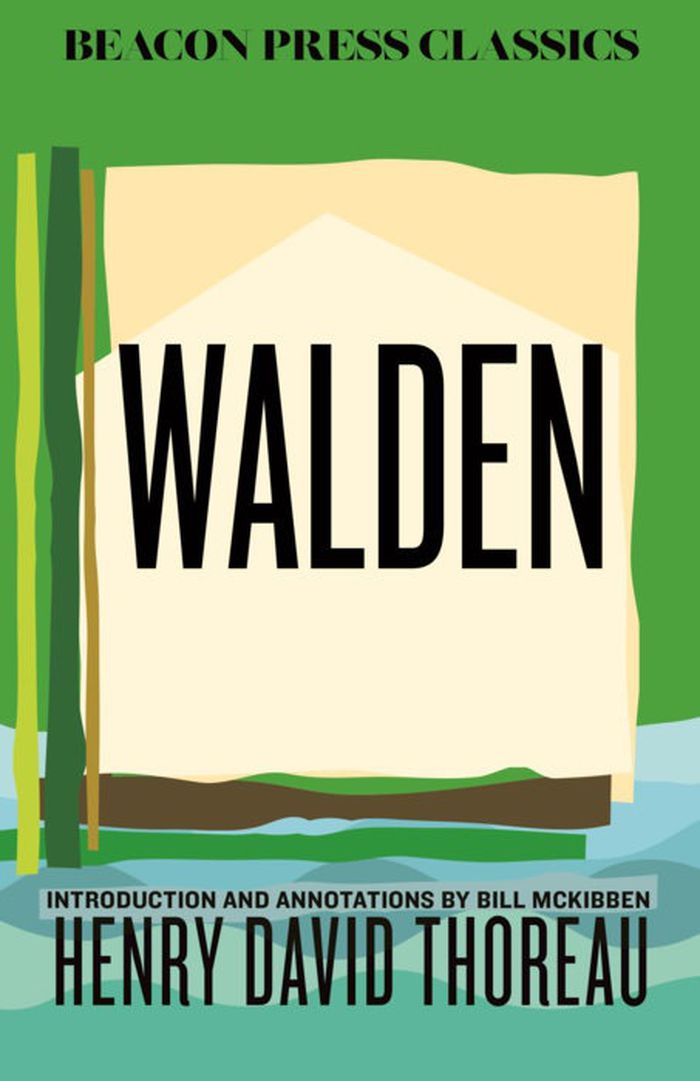
First published in 1854, Henry David Thoreau’s Walden has influenced generations of readers and continues to inspire and inform anyone with an open mind, a love of nature, and a longing for simplicity and contemplation. Recounting the author’s reflections on simple living after a period he spent in a small cabin he built near Walden Pond, the book places Thoreau firmly in his role as cultural and spiritual seer. Bill McKibben offers both an intelligent and captivating introduction and a body of insightful annotations to Thoreau’s original edition. He addresses two philosophical questions posed by Thoreau: "How much is enough?" and, "How do I know what I want?", to draw meaningful connections between Thoreau’s writing and our lived experience in the 21st century.
Walden. Introduced and annotations by Bill McKibbin
Actions:
Price:
$32.00
(available in store)
Summary:
First published in 1854, Henry David Thoreau’s Walden has influenced generations of readers and continues to inspire and inform anyone with an open mind, a love of nature, and a longing for simplicity and contemplation. Recounting the author’s reflections on simple living after a period he spent in a small cabin he built near Walden Pond, the book places Thoreau firmly in his role as cultural and spiritual seer. Bill McKibben offers both an intelligent and captivating introduction and a body of insightful annotations to Thoreau’s original edition. He addresses two philosophical questions posed by Thoreau: "How much is enough?" and, "How do I know what I want?", to draw meaningful connections between Thoreau’s writing and our lived experience in the 21st century.
Form:
books
books
Publication:
December 2025
December 2025
Subject:
Landscape Theory
Landscape Theory
Form:
books
books
Price:
$32.50
(available to order)
Summary:
Rivers, on a long view, are alive. They are born; they change; they shift their channels; they forge new routes to the sea; they move both gradually and violently; they can teem (usually) with life; they may die a quasi-natural death; they are frequently maimed and even murdered. It is the annual flood pulse—the brief time when the river occupies the floodplain—that(...)
$32.50
(available to order)
Summary:
Rivers, on a long view, are alive. They are born; they change; they shift their channels; they forge new routes to the sea; they move both gradually and violently; they can teem (usually) with life; they may die a quasi-natural death; they are frequently maimed and even murdered. It is the annual flood pulse—the brief time when the river occupies the floodplain—that(...)
Title:
In praise of floods: the untamed river and the life it brings
Actions:
Price:
$32.50
(available to order)
Summary:
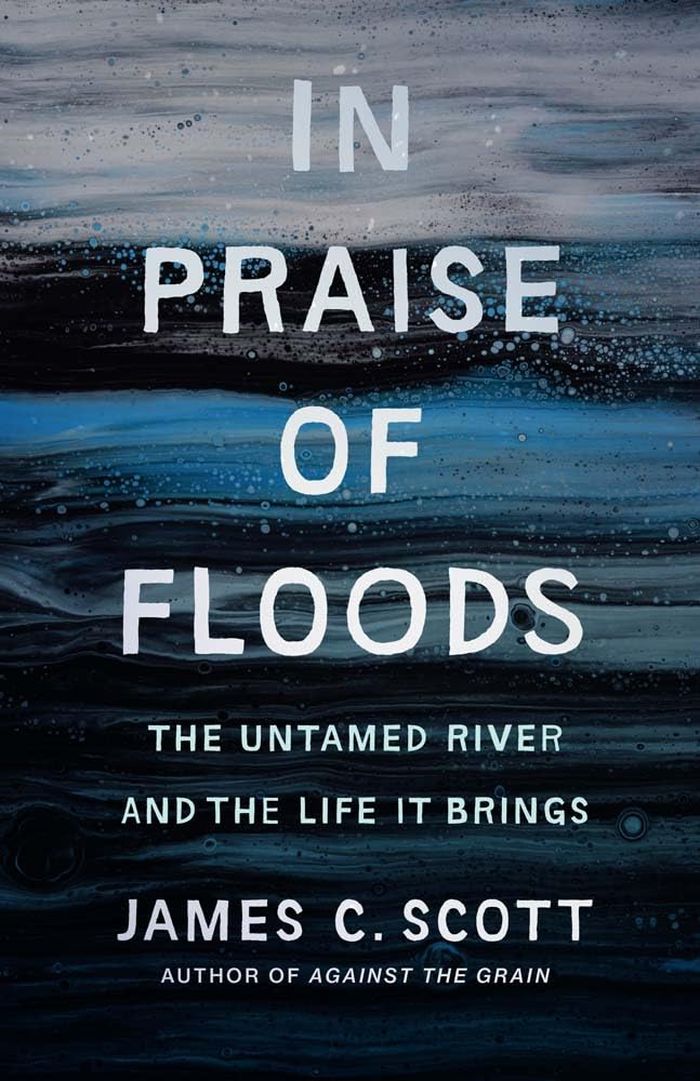
Rivers, on a long view, are alive. They are born; they change; they shift their channels; they forge new routes to the sea; they move both gradually and violently; they can teem (usually) with life; they may die a quasi-natural death; they are frequently maimed and even murdered. It is the annual flood pulse—the brief time when the river occupies the floodplain—that gives a river its vitality, but it is human engineering that kills it, suppressing the flood pulse with dams, irrigation, siltation, dikes, and levees. In demonstrating these threats to the riverine world, award-winning author James C. Scott examines the life history of a particular river, the Ayeyarwady (Irrawaddy) of Burma, the heartland and superhighway of Burman culture. Scott opens our understanding of rivers to encompass their entirety—tributaries, wetlands, floodplains, backwaters, eddies, periodic marshlands, and the assemblage of life forms dependent on rivers for their existence and well-being. For anyone interested in the Anthropocene and the Great Acceleration, rivers offer a striking example of the consequences of human intervention in trying to control and domesticate a natural process, the complexity and variability of which we barely understand.
In praise of floods: the untamed river and the life it brings
Actions:
Price:
$32.50
(available to order)
Summary:
Rivers, on a long view, are alive. They are born; they change; they shift their channels; they forge new routes to the sea; they move both gradually and violently; they can teem (usually) with life; they may die a quasi-natural death; they are frequently maimed and even murdered. It is the annual flood pulse—the brief time when the river occupies the floodplain—that gives a river its vitality, but it is human engineering that kills it, suppressing the flood pulse with dams, irrigation, siltation, dikes, and levees. In demonstrating these threats to the riverine world, award-winning author James C. Scott examines the life history of a particular river, the Ayeyarwady (Irrawaddy) of Burma, the heartland and superhighway of Burman culture. Scott opens our understanding of rivers to encompass their entirety—tributaries, wetlands, floodplains, backwaters, eddies, periodic marshlands, and the assemblage of life forms dependent on rivers for their existence and well-being. For anyone interested in the Anthropocene and the Great Acceleration, rivers offer a striking example of the consequences of human intervention in trying to control and domesticate a natural process, the complexity and variability of which we barely understand.
Form:
books
books
Publication:
May 2026
May 2026
Subject:
Landscape Theory
Landscape Theory
Form:
books
books
Actions:
Price:
$39.95
(available to order)
Summary:
Where has our planet come from, and what lies beneath its surface? How have we come to understand its past and present environments, and what does its future look like? Thanks to scientists who study its rocks, fossils, and landscapes, we know that Earth history spans over four and a half billion years. But there is still much more to discover. This ''Little History''(...)
$39.95
(available to order)
Summary:
Where has our planet come from, and what lies beneath its surface? How have we come to understand its past and present environments, and what does its future look like? Thanks to scientists who study its rocks, fossils, and landscapes, we know that Earth history spans over four and a half billion years. But there is still much more to discover. This ''Little History''(...)
Title:
A little history of the earth
Actions:
Price:
$39.95
(available to order)
Summary:
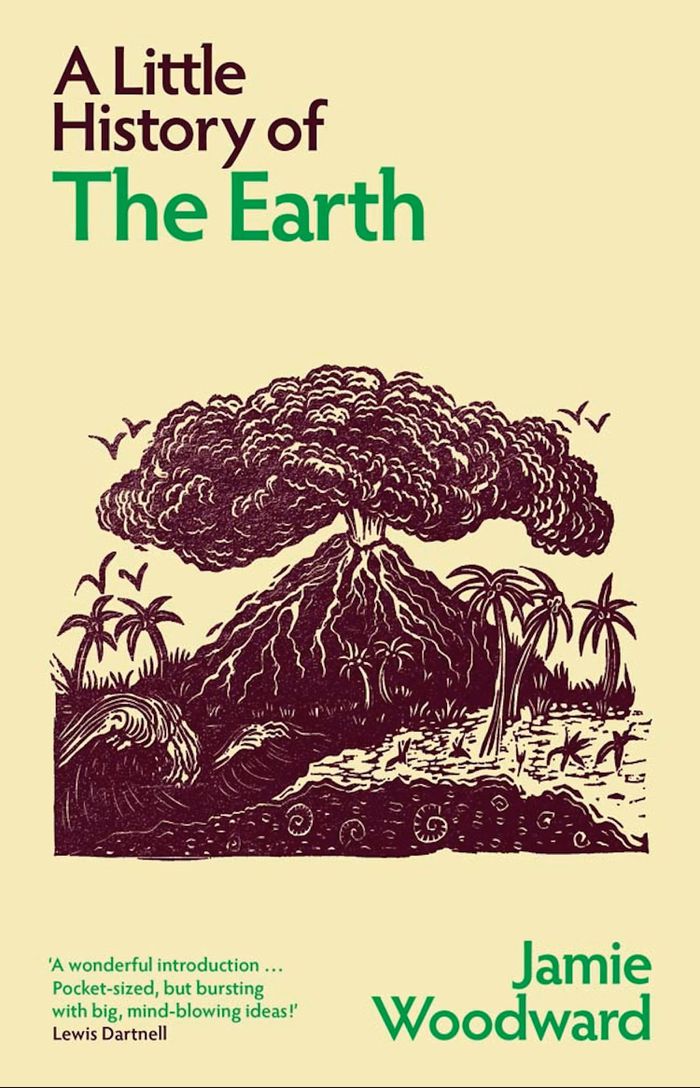
Where has our planet come from, and what lies beneath its surface? How have we come to understand its past and present environments, and what does its future look like? Thanks to scientists who study its rocks, fossils, and landscapes, we know that Earth history spans over four and a half billion years. But there is still much more to discover. This ''Little History'' recounts our planet’s fascinating past and the science which has shaped how we think about it. Taking us from the formation of the Solar System, the evolution of our atmosphere and oceans, and the first signs of life, through to dinosaurs, mammals, and the eventual arrival of humans, Woodward shows us the full span of Earth history, from deep time to the Anthropocene. Along the way, we learn about the major breakthroughs of the pioneering scientists who have unearthed our planet’s secrets. From fossils of ancient creatures to the very air we breathe, this is the essential guide to our world.
A little history of the earth
Actions:
Price:
$39.95
(available to order)
Summary:
Where has our planet come from, and what lies beneath its surface? How have we come to understand its past and present environments, and what does its future look like? Thanks to scientists who study its rocks, fossils, and landscapes, we know that Earth history spans over four and a half billion years. But there is still much more to discover. This ''Little History'' recounts our planet’s fascinating past and the science which has shaped how we think about it. Taking us from the formation of the Solar System, the evolution of our atmosphere and oceans, and the first signs of life, through to dinosaurs, mammals, and the eventual arrival of humans, Woodward shows us the full span of Earth history, from deep time to the Anthropocene. Along the way, we learn about the major breakthroughs of the pioneering scientists who have unearthed our planet’s secrets. From fossils of ancient creatures to the very air we breathe, this is the essential guide to our world.
Form:
books
books
Publication:
November 2025
November 2025
Subject:
Landscape Theory
Landscape Theory
Form:
books
books
Actions:
Price:
$25.00
(available in store)
Summary:
At the heart of "Is a River Alive?" is a single, transformative idea: that rivers are not mere matter for human use, but living beings, who should be recognized as such in both imagination and law. Macfarlane takes the reader on a mind-expanding global journey into the history, futures, people and places of the ancient, urgent concept. Around the world, rivers are dying(...)
$25.00
(available in store)
Summary:
At the heart of "Is a River Alive?" is a single, transformative idea: that rivers are not mere matter for human use, but living beings, who should be recognized as such in both imagination and law. Macfarlane takes the reader on a mind-expanding global journey into the history, futures, people and places of the ancient, urgent concept. Around the world, rivers are dying(...)
Title:
Is a river alive: A journey with water
Actions:
Price:
$25.00
(available in store)
Summary:
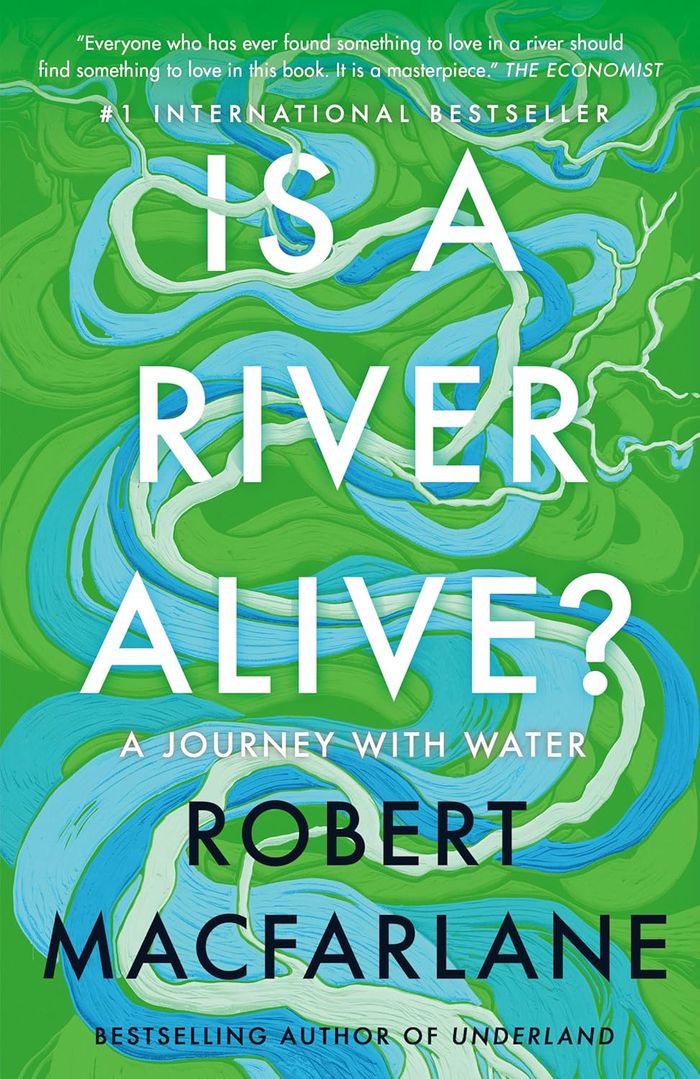
At the heart of "Is a River Alive?" is a single, transformative idea: that rivers are not mere matter for human use, but living beings, who should be recognized as such in both imagination and law. Macfarlane takes the reader on a mind-expanding global journey into the history, futures, people and places of the ancient, urgent concept. Around the world, rivers are dying from pollution, drought and damming. But a powerful movement is also underway to recognize the lives and the rights of rivers, and to re-animate our relationships with these vast, mysterious presences whose landscapes we share. The young "rights of nature" movement has lit up activists, artists, law-makers and politicians across six continents—and become the focus for revolutionary thinking about rivers in particular.
Is a river alive: A journey with water
Actions:
Price:
$25.00
(available in store)
Summary:
At the heart of "Is a River Alive?" is a single, transformative idea: that rivers are not mere matter for human use, but living beings, who should be recognized as such in both imagination and law. Macfarlane takes the reader on a mind-expanding global journey into the history, futures, people and places of the ancient, urgent concept. Around the world, rivers are dying from pollution, drought and damming. But a powerful movement is also underway to recognize the lives and the rights of rivers, and to re-animate our relationships with these vast, mysterious presences whose landscapes we share. The young "rights of nature" movement has lit up activists, artists, law-makers and politicians across six continents—and become the focus for revolutionary thinking about rivers in particular.
Form:
books
books
Publication:
April 2026
April 2026
Subject:
Landscape Theory
Landscape Theory
Form:
books
books
Actions:
Price:
$28.00
(available to order)
Summary:
Surrounded by unyielding waters, islands have long served as ideal sites of banishment: places where those deemed unfit to exist within the political order, are cast away. Today, at the edges of democracy, and as obedience increasingly becomes an imperative for public presence, the specter of exile islands resurfaces. The entry point for this book is a research trip to(...)
$28.00
(available to order)
Summary:
Surrounded by unyielding waters, islands have long served as ideal sites of banishment: places where those deemed unfit to exist within the political order, are cast away. Today, at the edges of democracy, and as obedience increasingly becomes an imperative for public presence, the specter of exile islands resurfaces. The entry point for this book is a research trip to(...)
Title:
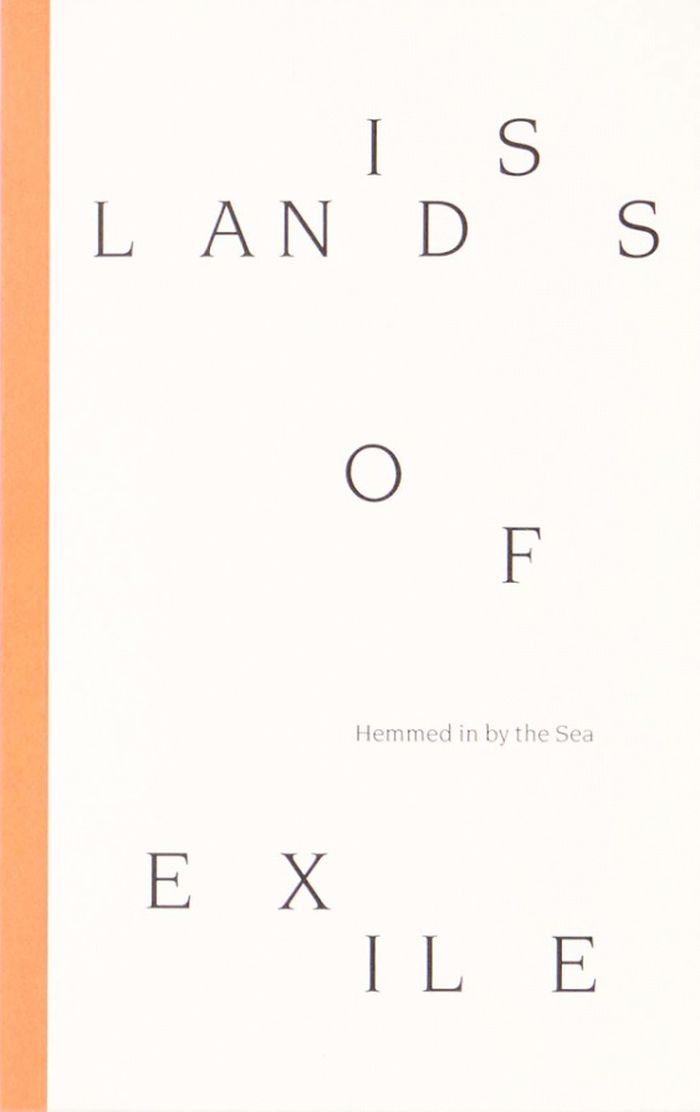
Islands of exile: Hemmed in by the sea
Actions:
Price:
$28.00
(available to order)
Summary:
Surrounded by unyielding waters, islands have long served as ideal sites of banishment: places where those deemed unfit to exist within the political order, are cast away. Today, at the edges of democracy, and as obedience increasingly becomes an imperative for public presence, the specter of exile islands resurfaces. The entry point for this book is a research trip to Gyaros, an island scarred by memories of displacement and persecution — memories today at risk of erasure and privatization. Islands of Exile weaves together stories of exiled mothers, dogs, dissidents, and psychiatric patients in the Aegean Sea, narrating how humans can carve out spaces of hope and persistence.
Islands of exile: Hemmed in by the sea
Actions:
Price:
$28.00
(available to order)
Summary:
Surrounded by unyielding waters, islands have long served as ideal sites of banishment: places where those deemed unfit to exist within the political order, are cast away. Today, at the edges of democracy, and as obedience increasingly becomes an imperative for public presence, the specter of exile islands resurfaces. The entry point for this book is a research trip to Gyaros, an island scarred by memories of displacement and persecution — memories today at risk of erasure and privatization. Islands of Exile weaves together stories of exiled mothers, dogs, dissidents, and psychiatric patients in the Aegean Sea, narrating how humans can carve out spaces of hope and persistence.
Form:
books
books
Publication:
March 2025
March 2025
Subject:
Landscape Theory
Landscape Theory
Form:
books
books
Actions:
Price:
$28.00
(available in store)
Summary:
While the largest parts of icebergs — or islands — remain beneath the sea surface, often unmapped and perilous, a myriad of creatures and non-organic matter connect them to other lands. Nowadays, in the era of the climate crisis, what is hidden in the depths of the sea exponentially manifests the impact of anthropogenic activity on the planet. Plastic waste and pollution,(...)
$28.00
(available in store)
Summary:
While the largest parts of icebergs — or islands — remain beneath the sea surface, often unmapped and perilous, a myriad of creatures and non-organic matter connect them to other lands. Nowadays, in the era of the climate crisis, what is hidden in the depths of the sea exponentially manifests the impact of anthropogenic activity on the planet. Plastic waste and pollution,(...)
Title:
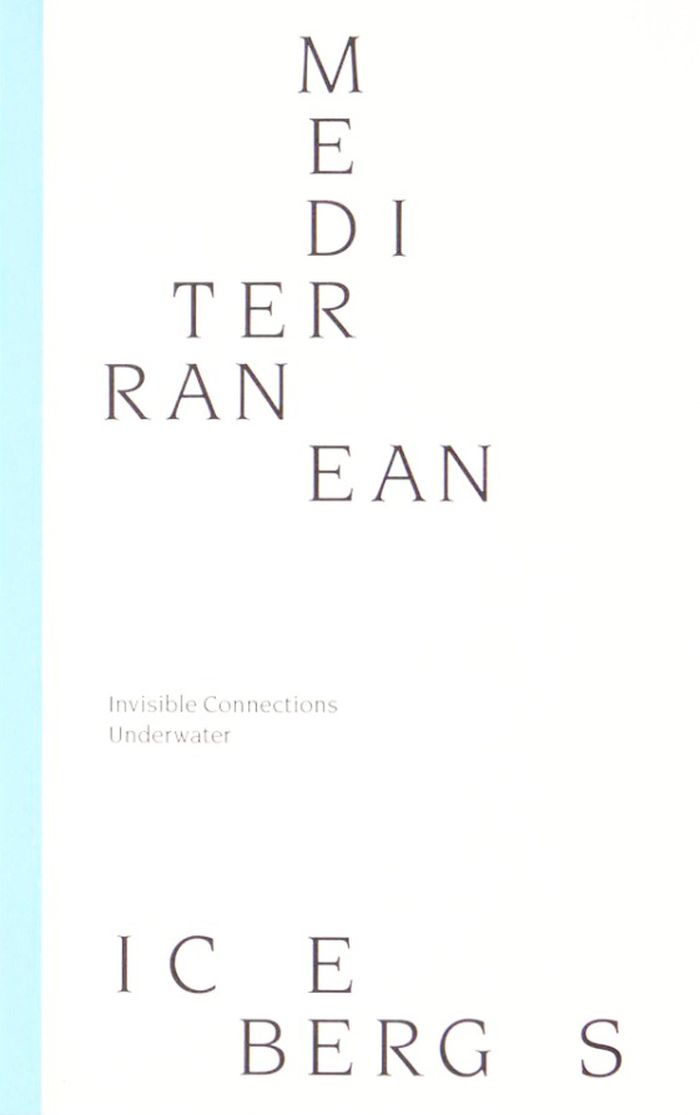
Mediterranean icebergs: Invisible connections underwater
Actions:
Price:
$28.00
(available in store)
Summary:
While the largest parts of icebergs — or islands — remain beneath the sea surface, often unmapped and perilous, a myriad of creatures and non-organic matter connect them to other lands. Nowadays, in the era of the climate crisis, what is hidden in the depths of the sea exponentially manifests the impact of anthropogenic activity on the planet. Plastic waste and pollution, deep sea mining, and undersea network infrastructures affect marine biodiversity and life on Earth at large. Mediterranean Icebergs sheds light on forms of agency, be it human, more-than-human, or machinic, that operate in marine environments, paying attention to their entanglements, encounters, and asymmetries. Addressing the interconnectedness of environmental, political, and legal issues, this book takes the Mediterranean as a starting point to discuss what is at stake for all lives depending on the planet’s seas and oceans.
Mediterranean icebergs: Invisible connections underwater
Actions:
Price:
$28.00
(available in store)
Summary:
While the largest parts of icebergs — or islands — remain beneath the sea surface, often unmapped and perilous, a myriad of creatures and non-organic matter connect them to other lands. Nowadays, in the era of the climate crisis, what is hidden in the depths of the sea exponentially manifests the impact of anthropogenic activity on the planet. Plastic waste and pollution, deep sea mining, and undersea network infrastructures affect marine biodiversity and life on Earth at large. Mediterranean Icebergs sheds light on forms of agency, be it human, more-than-human, or machinic, that operate in marine environments, paying attention to their entanglements, encounters, and asymmetries. Addressing the interconnectedness of environmental, political, and legal issues, this book takes the Mediterranean as a starting point to discuss what is at stake for all lives depending on the planet’s seas and oceans.
Form:
books
books
Publication:
March 2025
March 2025
Subject:
Landscape Theory
Landscape Theory
Form:
books
books
Price:
$26.95
(available in store)
Summary:
Most people associate Britain and Ireland with the English language, a vast, sprawling linguistic tree with roots in Latin, French, and German. But the inhabitants of these islands originally spoke another tongue. Look closely enough and English contains traces of the Celtic soil from which it sprung, found in words like bog, loch, cairn, and crag. Today, this heritage(...)
$26.95
(available in store)
Summary:
Most people associate Britain and Ireland with the English language, a vast, sprawling linguistic tree with roots in Latin, French, and German. But the inhabitants of these islands originally spoke another tongue. Look closely enough and English contains traces of the Celtic soil from which it sprung, found in words like bog, loch, cairn, and crag. Today, this heritage(...)
Title:
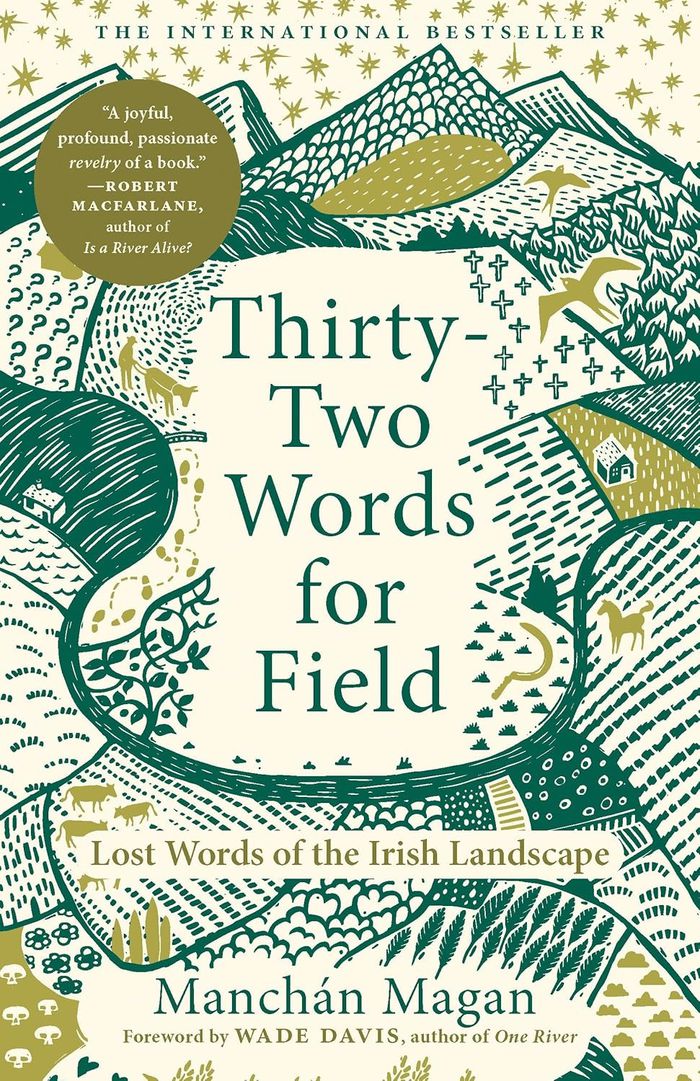
Thirty-two words for field: Lost words of the Irish Landscape
Actions:
Price:
$26.95
(available in store)
Summary:
Most people associate Britain and Ireland with the English language, a vast, sprawling linguistic tree with roots in Latin, French, and German. But the inhabitants of these islands originally spoke another tongue. Look closely enough and English contains traces of the Celtic soil from which it sprung, found in words like bog, loch, cairn, and crag. Today, this heritage can be found nowhere more powerfully than in modern-day Gaelic.? In ''Thirty-Two Words for Field'', Manchán explores how Gaelic, a three-thousand-year-old lexicon, has imbued the natural world with meaning and magic, evoking a time-honored way of life, from its thirty-two separate words for a field to terms like bróis (whiskey for a horseman at a wedding), iarmhaireacht (the loneliness you feel when you are the only person awake at dawn), and bladhmann (steam rising from a fermented haystack or idle boasting).? Manchán urges readers to consider the sublime beauty and profound oddness of this ancient tongue that has been spoken in close connection to the land for thousands of years. Told through stories collected from his own life and travels, ''Thirty-Two Words for Field'' is an enthralling celebration of Irish words and a testament to the indelible relationship between landscape, culture, and language.
Thirty-two words for field: Lost words of the Irish Landscape
Actions:
Price:
$26.95
(available in store)
Summary:
Most people associate Britain and Ireland with the English language, a vast, sprawling linguistic tree with roots in Latin, French, and German. But the inhabitants of these islands originally spoke another tongue. Look closely enough and English contains traces of the Celtic soil from which it sprung, found in words like bog, loch, cairn, and crag. Today, this heritage can be found nowhere more powerfully than in modern-day Gaelic.? In ''Thirty-Two Words for Field'', Manchán explores how Gaelic, a three-thousand-year-old lexicon, has imbued the natural world with meaning and magic, evoking a time-honored way of life, from its thirty-two separate words for a field to terms like bróis (whiskey for a horseman at a wedding), iarmhaireacht (the loneliness you feel when you are the only person awake at dawn), and bladhmann (steam rising from a fermented haystack or idle boasting).? Manchán urges readers to consider the sublime beauty and profound oddness of this ancient tongue that has been spoken in close connection to the land for thousands of years. Told through stories collected from his own life and travels, ''Thirty-Two Words for Field'' is an enthralling celebration of Irish words and a testament to the indelible relationship between landscape, culture, and language.
Form:
books
books
Publication:
March 2026
March 2026
Subject:
Landscape Theory
Landscape Theory
Form:
books
books
Actions:
Price:
$33.95
(available to order)
Summary:
Sans interactions, pas de milieux humains ; de même, les relations d'interdépendance entre les éléments, les plantes et les organismes assurent leur survie. Il n'est de paysage que pluriel et partagé. Écosystèmes, connexions, symbioses... ce lexique se transpose de l'écologie aux projets des paysagistes à mesure que s'inventent, face à des expériences de dissonance, des(...)
$33.95
(available to order)
Summary:
Sans interactions, pas de milieux humains ; de même, les relations d'interdépendance entre les éléments, les plantes et les organismes assurent leur survie. Il n'est de paysage que pluriel et partagé. Écosystèmes, connexions, symbioses... ce lexique se transpose de l'écologie aux projets des paysagistes à mesure que s'inventent, face à des expériences de dissonance, des(...)
Title:
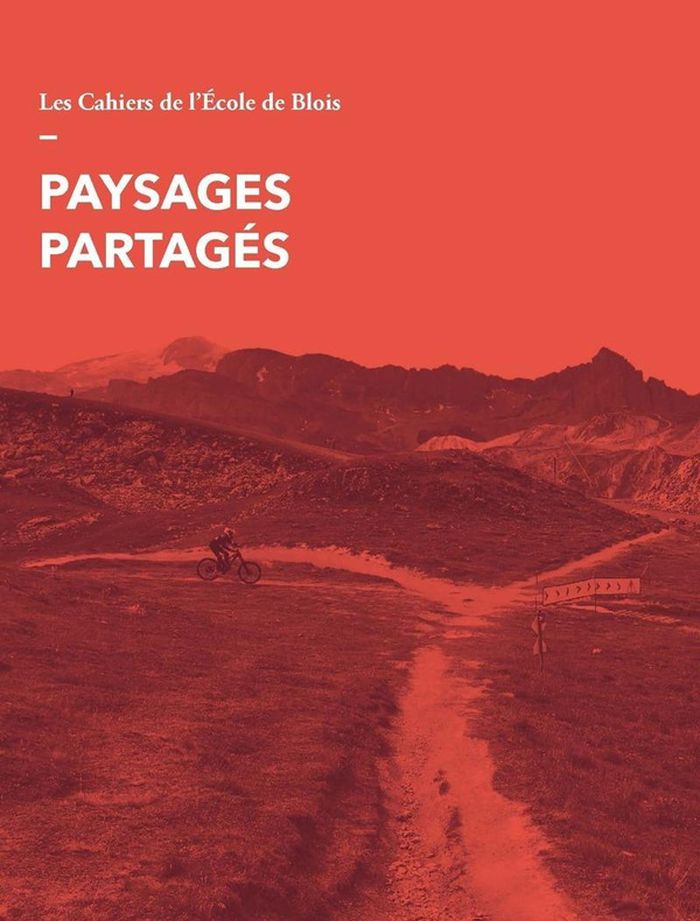
Les cahiers de l'École de Blois 23 : Paysages partagés
Actions:
Price:
$33.95
(available to order)
Summary:
Sans interactions, pas de milieux humains ; de même, les relations d'interdépendance entre les éléments, les plantes et les organismes assurent leur survie. Il n'est de paysage que pluriel et partagé. Écosystèmes, connexions, symbioses... ce lexique se transpose de l'écologie aux projets des paysagistes à mesure que s'inventent, face à des expériences de dissonance, des gestes de résistance et de solidarité. Paysages partagés : par qui, avec qui, au nom de qui ? Où, depuis quand et pour combien de temps ? Les réponses passent par des expériences de coopération situées, dont l'enjeu est d'apprendre à conjuguer des milieux.
Les cahiers de l'École de Blois 23 : Paysages partagés
Actions:
Price:
$33.95
(available to order)
Summary:
Sans interactions, pas de milieux humains ; de même, les relations d'interdépendance entre les éléments, les plantes et les organismes assurent leur survie. Il n'est de paysage que pluriel et partagé. Écosystèmes, connexions, symbioses... ce lexique se transpose de l'écologie aux projets des paysagistes à mesure que s'inventent, face à des expériences de dissonance, des gestes de résistance et de solidarité. Paysages partagés : par qui, avec qui, au nom de qui ? Où, depuis quand et pour combien de temps ? Les réponses passent par des expériences de coopération situées, dont l'enjeu est d'apprendre à conjuguer des milieux.
Form:
books
books
Publication:
June 2025
June 2025
Subject:
Landscape Theory
Landscape Theory
Form:
books
books
Actions:
Price:
$29.95
(available in store)
Summary:
Dans ce dialogue philosophique et géographique, Augustin Berque et Damien Deville nous invitent à reposer les pieds sur Terre en considérant autrement les territoires dans lesquels nous vivons. Car une géographie fondée sur des cartes froides, par trop quantitatives et qui séparent les individus de leur « environnement », entretient une opposition qui n’a pas lieu d’être.(...)
$29.95
(available in store)
Summary:
Dans ce dialogue philosophique et géographique, Augustin Berque et Damien Deville nous invitent à reposer les pieds sur Terre en considérant autrement les territoires dans lesquels nous vivons. Car une géographie fondée sur des cartes froides, par trop quantitatives et qui séparent les individus de leur « environnement », entretient une opposition qui n’a pas lieu d’être.(...)
Title:
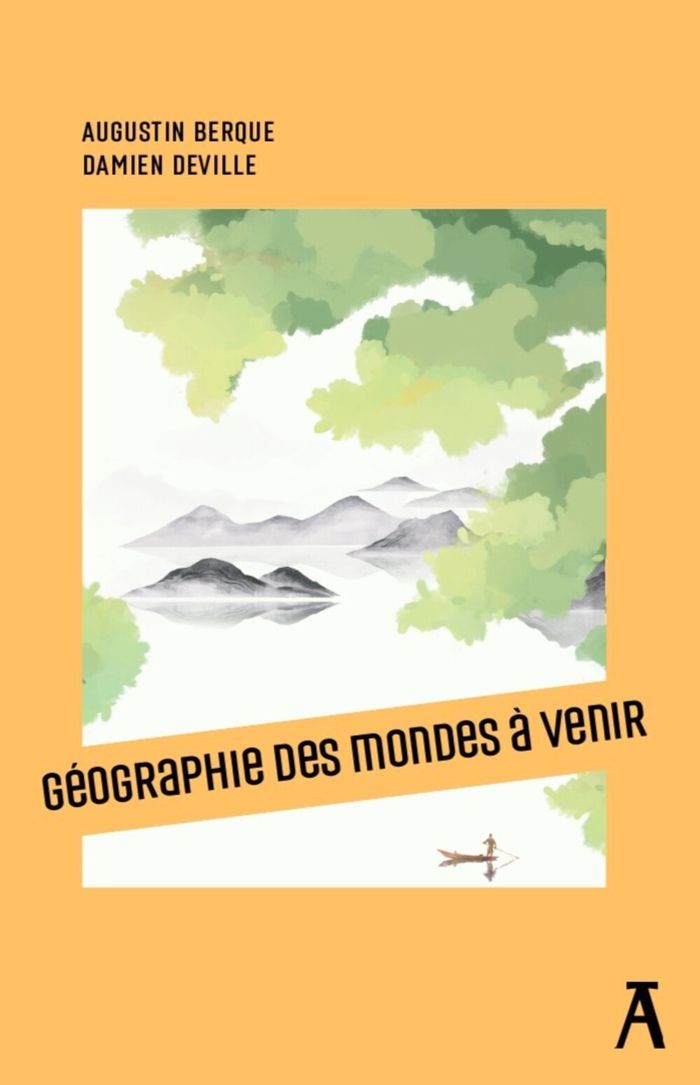
Géographie des mondres à venir
Actions:
Price:
$29.95
(available in store)
Summary:
Dans ce dialogue philosophique et géographique, Augustin Berque et Damien Deville nous invitent à reposer les pieds sur Terre en considérant autrement les territoires dans lesquels nous vivons. Car une géographie fondée sur des cartes froides, par trop quantitatives et qui séparent les individus de leur « environnement », entretient une opposition qui n’a pas lieu d’être. « L’être se crée en créant son milieu. » Rendre compte de cette réciprocité et des liens qui rattachent chaque lieu à celles et ceux qui s’y épanouissent, en utilisant d’autres noms et d’autres représentations, c’est se donner les moyens de veiller sur l’ensemble des milieux terrestres. Du Japon à la France, les deux grands géographes mobilisent les paysages qu’ils ont parcourus et étudiés pour que nous puissions à notre tour porter un regard éclairé sur le monde.
Géographie des mondres à venir
Actions:
Price:
$29.95
(available in store)
Summary:
Dans ce dialogue philosophique et géographique, Augustin Berque et Damien Deville nous invitent à reposer les pieds sur Terre en considérant autrement les territoires dans lesquels nous vivons. Car une géographie fondée sur des cartes froides, par trop quantitatives et qui séparent les individus de leur « environnement », entretient une opposition qui n’a pas lieu d’être. « L’être se crée en créant son milieu. » Rendre compte de cette réciprocité et des liens qui rattachent chaque lieu à celles et ceux qui s’y épanouissent, en utilisant d’autres noms et d’autres représentations, c’est se donner les moyens de veiller sur l’ensemble des milieux terrestres. Du Japon à la France, les deux grands géographes mobilisent les paysages qu’ils ont parcourus et étudiés pour que nous puissions à notre tour porter un regard éclairé sur le monde.
Form:
books
books
Publication:
May 2026
May 2026
Subject:
Landscape Theory
Landscape Theory
Form:
books
books
Price:
$82.00
(available in store)
Summary:
"The course of water: Fieldnotes from California’s Owens Valley" explores the environmental and social histories of California’s Owens Valley by attending to the implications of its peculiar hydrology. A stolen river, a dry lake kept wet, Sierra snowmelt, turquoise springs: water takes strange paths in this desert landscape, rerouted by the lives of the people –(...)
$82.00
(available in store)
Summary:
"The course of water: Fieldnotes from California’s Owens Valley" explores the environmental and social histories of California’s Owens Valley by attending to the implications of its peculiar hydrology. A stolen river, a dry lake kept wet, Sierra snowmelt, turquoise springs: water takes strange paths in this desert landscape, rerouted by the lives of the people –(...)
Title:
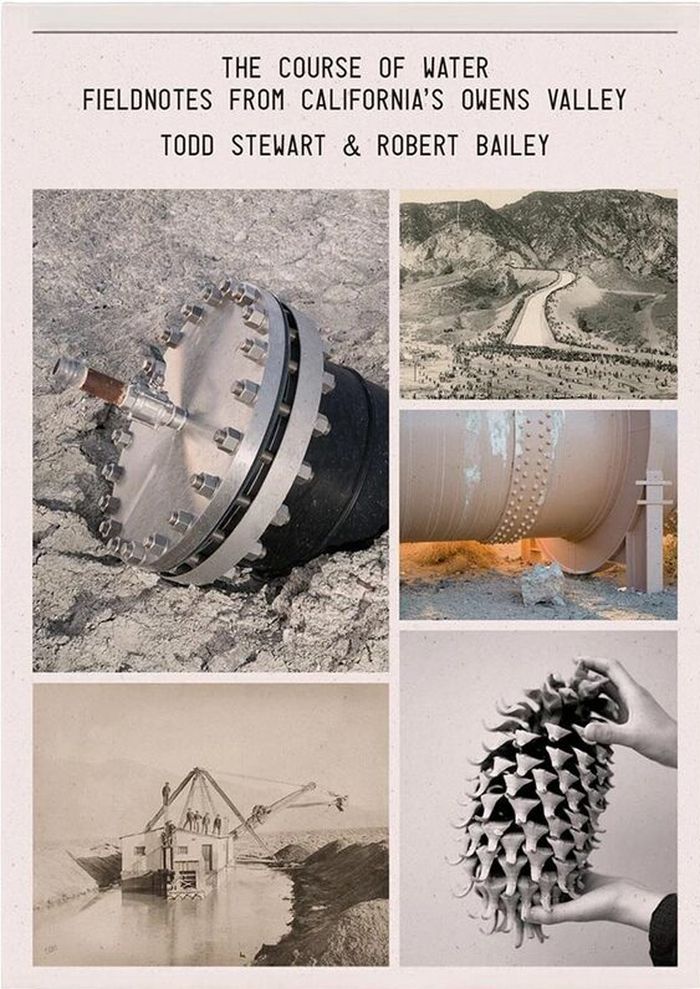
The course of water: Fieldnotes from California's Owens Valley
Actions:
Price:
$82.00
(available in store)
Summary:
"The course of water: Fieldnotes from California’s Owens Valley" explores the environmental and social histories of California’s Owens Valley by attending to the implications of its peculiar hydrology. A stolen river, a dry lake kept wet, Sierra snowmelt, turquoise springs: water takes strange paths in this desert landscape, rerouted by the lives of the people – Indigenous, settler, internee – who have called it home.
The course of water: Fieldnotes from California's Owens Valley
Actions:
Price:
$82.00
(available in store)
Summary:
"The course of water: Fieldnotes from California’s Owens Valley" explores the environmental and social histories of California’s Owens Valley by attending to the implications of its peculiar hydrology. A stolen river, a dry lake kept wet, Sierra snowmelt, turquoise springs: water takes strange paths in this desert landscape, rerouted by the lives of the people – Indigenous, settler, internee – who have called it home.
Form:
books
books
Publication:
September 2025
September 2025
Subject:
Landscape Theory
Landscape Theory


