


192 Results
Form:
books
books
Actions:
Price:
$44.95
(available to order)
Summary:
"London's Contemporary Architecture: A Visitor's Guide" is a practical and highly-illustrated guide to the best modern buildings in the British capital. In full colour throughout, this map-based book contains comments and illustrations of more than 130 examples of London architectural projects from the last two decades. This third edition is completely up-to-date with(...)
$44.95
(available to order)
Summary:
"London's Contemporary Architecture: A Visitor's Guide" is a practical and highly-illustrated guide to the best modern buildings in the British capital. In full colour throughout, this map-based book contains comments and illustrations of more than 130 examples of London architectural projects from the last two decades. This third edition is completely up-to-date with(...)
Title:
London's contemporary architecture : a visitor's guide
Actions:
Price:
$44.95
(available to order)
Summary:
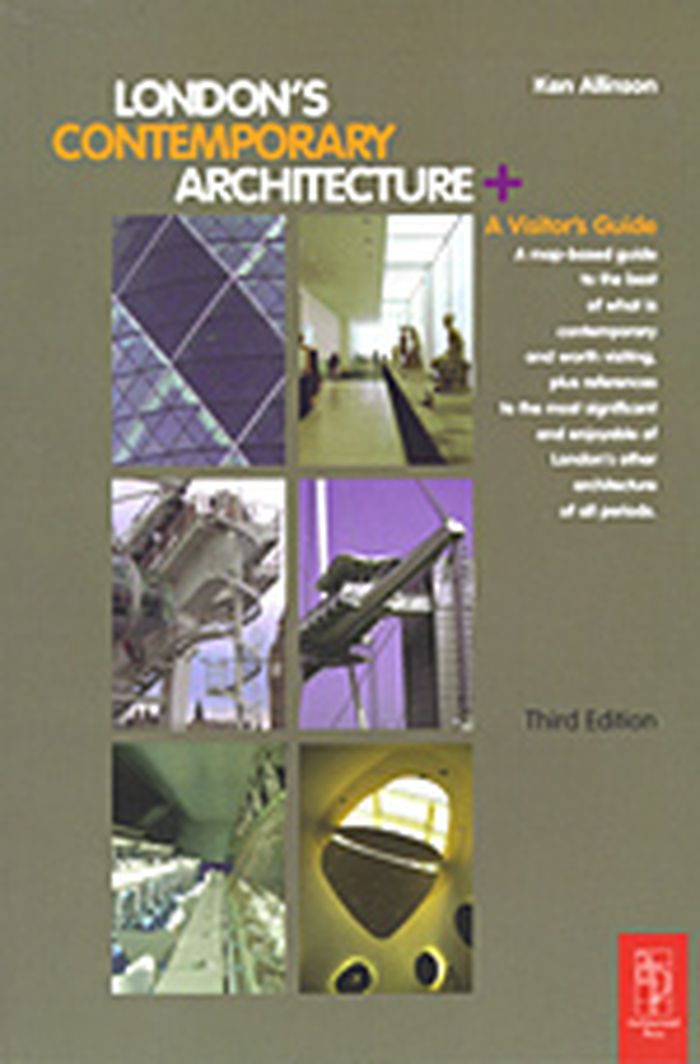
"London's Contemporary Architecture: A Visitor's Guide" is a practical and highly-illustrated guide to the best modern buildings in the British capital. In full colour throughout, this map-based book contains comments and illustrations of more than 130 examples of London architectural projects from the last two decades. This third edition is completely up-to-date with the best and most interesting architecture of London, from the early 1980s right up to the first years of a new millennium for the city. As the book is logically arranged by geographical area, the reader is led on a physical and intellectual tour. This book directs the architectural enthusiast, professional or amateur, to the sites most worth visiting, and provides the essential background information for architectural appreciation. This includes references to the most significant and enjoyable of London's other architecture, of all periods.
London's contemporary architecture : a visitor's guide
Actions:
Price:
$44.95
(available to order)
Summary:
"London's Contemporary Architecture: A Visitor's Guide" is a practical and highly-illustrated guide to the best modern buildings in the British capital. In full colour throughout, this map-based book contains comments and illustrations of more than 130 examples of London architectural projects from the last two decades. This third edition is completely up-to-date with the best and most interesting architecture of London, from the early 1980s right up to the first years of a new millennium for the city. As the book is logically arranged by geographical area, the reader is led on a physical and intellectual tour. This book directs the architectural enthusiast, professional or amateur, to the sites most worth visiting, and provides the essential background information for architectural appreciation. This includes references to the most significant and enjoyable of London's other architecture, of all periods.
Form:
books
books
Publication:
September 2003, Oxford
September 2003, Oxford
Subject:
Collective Housing
Collective Housing
Form:
books
books
Title:
6,000 years of housing
6,000 years of housing
Actions:
Price:
$54.00
(available to order)
Summary:
Part architecture, part history, and part anthropology, this encyclopedic book limns the story of housing around the world from the pre-urban dwellings of nomadic, semi-nomadic, and sedentary agricultural societies to the present. Ancient urban dwellings were inward-looking, ranged around a courtyard. Until fairly recently, these dwelling types survived in indigenous(...)
$54.00
(available to order)
Summary:
Part architecture, part history, and part anthropology, this encyclopedic book limns the story of housing around the world from the pre-urban dwellings of nomadic, semi-nomadic, and sedentary agricultural societies to the present. Ancient urban dwellings were inward-looking, ranged around a courtyard. Until fairly recently, these dwelling types survived in indigenous(...)
Title:
6,000 years of housing
Actions:
Price:
$54.00
(available to order)
Summary:
Part architecture, part history, and part anthropology, this encyclopedic book limns the story of housing around the world from the pre-urban dwellings of nomadic, semi-nomadic, and sedentary agricultural societies to the present. Ancient urban dwellings were inward-looking, ranged around a courtyard. Until fairly recently, these dwelling types survived in indigenous urban house forms in the Islamic world, India, China, and the Iberian peninsula and Latin America. After the collapse of the Roman Empire, however, outward-looking house forms replaced the ancient form in most of Europe and the New World. In the Middle Ages houses served both as homes and as places of work, but gradually the domestic and business lives of the inhabitants became separate. In the wake of the Industrial Revolution, profound changes in the residential development of the western world occurred: housing became segregated along socioeconomic lines and dwelling types polarized, with low-density, single-family houses at one extreme, and tall, high-density, multifamily tenements and apartments at the other. Side effects of America’s automobile-intensive suburban dream housing include inefficient land use, pollution, and urban decay. "6,000 Years of Housing" chronicles how this came about, and suggests solutions based on a rich variety of historical precedents.
6,000 years of housing
Actions:
Price:
$54.00
(available to order)
Summary:
Part architecture, part history, and part anthropology, this encyclopedic book limns the story of housing around the world from the pre-urban dwellings of nomadic, semi-nomadic, and sedentary agricultural societies to the present. Ancient urban dwellings were inward-looking, ranged around a courtyard. Until fairly recently, these dwelling types survived in indigenous urban house forms in the Islamic world, India, China, and the Iberian peninsula and Latin America. After the collapse of the Roman Empire, however, outward-looking house forms replaced the ancient form in most of Europe and the New World. In the Middle Ages houses served both as homes and as places of work, but gradually the domestic and business lives of the inhabitants became separate. In the wake of the Industrial Revolution, profound changes in the residential development of the western world occurred: housing became segregated along socioeconomic lines and dwelling types polarized, with low-density, single-family houses at one extreme, and tall, high-density, multifamily tenements and apartments at the other. Side effects of America’s automobile-intensive suburban dream housing include inefficient land use, pollution, and urban decay. "6,000 Years of Housing" chronicles how this came about, and suggests solutions based on a rich variety of historical precedents.
Form:
books
books
Publication:
July 2003, New York
July 2003, New York
Subject:
Collective Housing
Collective Housing
Form:
books
books
Actions:
Price:
$81.00
(available to order)
Summary:
In this book the authors present a systematic examination of innovative single-family houses and residential buildings in the context of present-day cities. The latest developments are reviewed in essays and thematic chapters discuss such topics as low-energy building, the use of prefabricated materials, or low-budget building. A range of international examples from(...)
$81.00
(available to order)
Summary:
In this book the authors present a systematic examination of innovative single-family houses and residential buildings in the context of present-day cities. The latest developments are reviewed in essays and thematic chapters discuss such topics as low-energy building, the use of prefabricated materials, or low-budget building. A range of international examples from(...)
Subject:
Collective Housing
Collective Housing
Publication:
July 2002, Basel and Barcelona
July 2002, Basel and Barcelona
Title:
Housing / Single family housing
Actions:
Price:
$81.00
(available to order)
Summary:
In this book the authors present a systematic examination of innovative single-family houses and residential buildings in the context of present-day cities. The latest developments are reviewed in essays and thematic chapters discuss such topics as low-energy building, the use of prefabricated materials, or low-budget building. A range of international examples from architects such as Wiel Arets, Shigeru Ban, Ben van Berkel, Kees Christiaanse, Philippe Gazeau, Frank O. Gehry, Steven Holl, Hans Kollhoff, Morger & Degelo, MVRDV, Jean Nouvel, Kas Oosterhuis, illustrate the subjects discussed. "Housing" and "Single-Family Housing" were previously published separately. Now both volumes have been incorporated into a single edition.
Housing / Single family housing
Actions:
Price:
$81.00
(available to order)
Summary:
In this book the authors present a systematic examination of innovative single-family houses and residential buildings in the context of present-day cities. The latest developments are reviewed in essays and thematic chapters discuss such topics as low-energy building, the use of prefabricated materials, or low-budget building. A range of international examples from architects such as Wiel Arets, Shigeru Ban, Ben van Berkel, Kees Christiaanse, Philippe Gazeau, Frank O. Gehry, Steven Holl, Hans Kollhoff, Morger & Degelo, MVRDV, Jean Nouvel, Kas Oosterhuis, illustrate the subjects discussed. "Housing" and "Single-Family Housing" were previously published separately. Now both volumes have been incorporated into a single edition.
Form:
books
books
Publication:
July 2002, Basel and Barcelona
July 2002, Basel and Barcelona
Subject:
Collective Housing
Collective Housing
Form:
books
books
Title:
New housing concepts
New housing concepts
Actions:
Price:
$59.95
(available to order)
Summary:
The projects in this volume illustrate the latest tendencies in collective housing. The works of Jean Nouvel, Massimiliano Fuksas, Frank O. Gehry, Claus & Kaan, MVRDV, Santiago Calatrava, Toyo Ito, and Carlos Ferrater, to name just a few of the architects included in this book, provide stimulating answers, solutions, unexpected points of view and proposals that will(...)
$59.95
(available to order)
Summary:
The projects in this volume illustrate the latest tendencies in collective housing. The works of Jean Nouvel, Massimiliano Fuksas, Frank O. Gehry, Claus & Kaan, MVRDV, Santiago Calatrava, Toyo Ito, and Carlos Ferrater, to name just a few of the architects included in this book, provide stimulating answers, solutions, unexpected points of view and proposals that will(...)
Title:
New housing concepts
Actions:
Price:
$59.95
(available to order)
Summary:
The projects in this volume illustrate the latest tendencies in collective housing. The works of Jean Nouvel, Massimiliano Fuksas, Frank O. Gehry, Claus & Kaan, MVRDV, Santiago Calatrava, Toyo Ito, and Carlos Ferrater, to name just a few of the architects included in this book, provide stimulating answers, solutions, unexpected points of view and proposals that will without doubt influence the conception of residential architecture in the century to come.
New housing concepts
Actions:
Price:
$59.95
(available to order)
Summary:
The projects in this volume illustrate the latest tendencies in collective housing. The works of Jean Nouvel, Massimiliano Fuksas, Frank O. Gehry, Claus & Kaan, MVRDV, Santiago Calatrava, Toyo Ito, and Carlos Ferrater, to name just a few of the architects included in this book, provide stimulating answers, solutions, unexpected points of view and proposals that will without doubt influence the conception of residential architecture in the century to come.
Form:
books
books
Publication:
May 2002, Barcelona
May 2002, Barcelona
Subject:
Collective Housing
Collective Housing
Form:
books
books
Actions:
Price:
$62.00
(available to order)
Summary:
Barcelona offers a prime example of the co-housing model as an asset prized for its use value as opposed to investment. This book is a compilation of cooperative housing projects in Barcelona, both complete and under construction. It explains how the co-housing process is managed in terms of architecture, urban planning, financing, legality, and taxation, and delves into(...)
$62.00
(available to order)
Summary:
Barcelona offers a prime example of the co-housing model as an asset prized for its use value as opposed to investment. This book is a compilation of cooperative housing projects in Barcelona, both complete and under construction. It explains how the co-housing process is managed in terms of architecture, urban planning, financing, legality, and taxation, and delves into(...)
Subject:
Collective Housing
Collective Housing
Publication:
September 2023
September 2023
Title:
Cohousing in Barcelona: Designing, building and living for cooperative models
Actions:
Price:
$62.00
(available to order)
Summary:
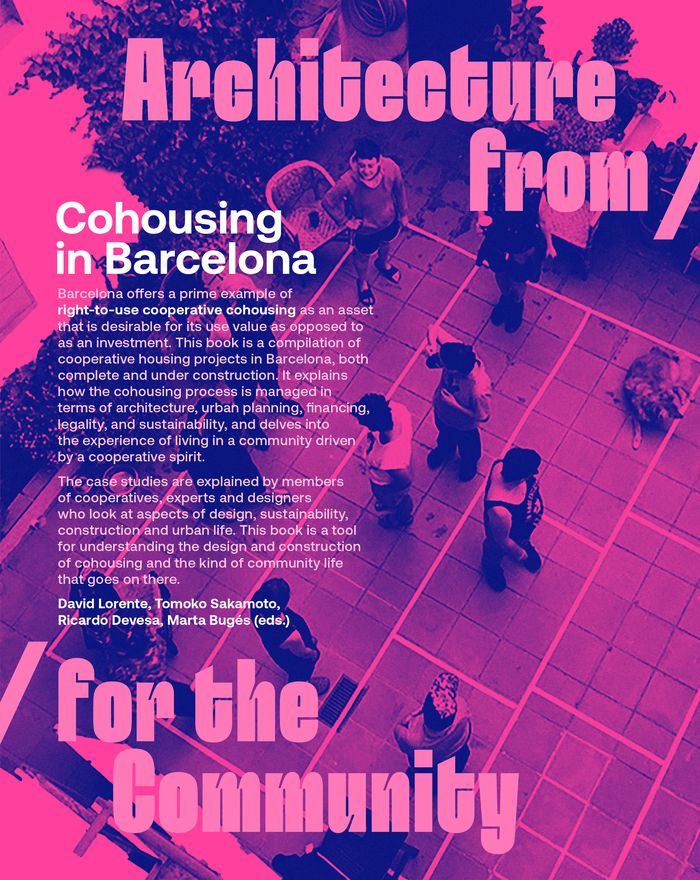
Barcelona offers a prime example of the co-housing model as an asset prized for its use value as opposed to investment. This book is a compilation of cooperative housing projects in Barcelona, both complete and under construction. It explains how the co-housing process is managed in terms of architecture, urban planning, financing, legality, and taxation, and delves into the experience of living in a community fueled by a cooperative spirit. The content of the book presents designs for cooperative housing, accompanied by a critical vision of the model’s implications in terms of the transfer of use or co-living. Finished and inhabited projects are compiled along with ongoing projects, to offer a general view of this way of living in Barcelona. The case studies are explained by members of cooperatives, experts and designers who look at aspects of design, sustainability, construction and urban life. This book is a tool for understanding the design and construction of co-housing and the community life that goes on there.
Cohousing in Barcelona: Designing, building and living for cooperative models
Actions:
Price:
$62.00
(available to order)
Summary:
Barcelona offers a prime example of the co-housing model as an asset prized for its use value as opposed to investment. This book is a compilation of cooperative housing projects in Barcelona, both complete and under construction. It explains how the co-housing process is managed in terms of architecture, urban planning, financing, legality, and taxation, and delves into the experience of living in a community fueled by a cooperative spirit. The content of the book presents designs for cooperative housing, accompanied by a critical vision of the model’s implications in terms of the transfer of use or co-living. Finished and inhabited projects are compiled along with ongoing projects, to offer a general view of this way of living in Barcelona. The case studies are explained by members of cooperatives, experts and designers who look at aspects of design, sustainability, construction and urban life. This book is a tool for understanding the design and construction of co-housing and the community life that goes on there.
Form:
books
books
Publication:
September 2023
September 2023
Subject:
Collective Housing
Collective Housing
Form:
books
books
Title:
Together: A blueprint for collaborative living: Towards collective self-organisation in housing
Together: A blueprint for collaborative living: Towards collective self-organisation in housing
Actions:
Price:
$58.00
(available to order)
Summary:
Amid an unprecedented housing crisis, people are increasingly turning toward collective self-organization for housing that is community-oriented, affordable and environmentally sustainable. Together presents essays, interviews and case studies addressing the revival of collaborative living in the Netherlands and beyond.
$58.00
(available to order)
Summary:
Amid an unprecedented housing crisis, people are increasingly turning toward collective self-organization for housing that is community-oriented, affordable and environmentally sustainable. Together presents essays, interviews and case studies addressing the revival of collaborative living in the Netherlands and beyond.
Title:
Together: A blueprint for collaborative living: Towards collective self-organisation in housing
Actions:
Price:
$58.00
(available to order)
Summary:
Amid an unprecedented housing crisis, people are increasingly turning toward collective self-organization for housing that is community-oriented, affordable and environmentally sustainable. Together presents essays, interviews and case studies addressing the revival of collaborative living in the Netherlands and beyond.
Together: A blueprint for collaborative living: Towards collective self-organisation in housing
Actions:
Price:
$58.00
(available to order)
Summary:
Amid an unprecedented housing crisis, people are increasingly turning toward collective self-organization for housing that is community-oriented, affordable and environmentally sustainable. Together presents essays, interviews and case studies addressing the revival of collaborative living in the Netherlands and beyond.
Form:
books
books
Publication:
September 2023
September 2023
Subject:
Collective Housing
Collective Housing
Form:
books
books
Actions:
Price:
$75.00
(available in store)
Summary:
This book is the first in a series of three books about the proposed demolition of public housing, the people who live in these estates, and the environmental, social and economic case for retaining these sites. This first publication features Ascot Vale Estate in Melbourne. Featuring interviews with residents, photos of the estate by architectural photographer Ben(...)
$75.00
(available in store)
Summary:
This book is the first in a series of three books about the proposed demolition of public housing, the people who live in these estates, and the environmental, social and economic case for retaining these sites. This first publication features Ascot Vale Estate in Melbourne. Featuring interviews with residents, photos of the estate by architectural photographer Ben(...)
Title:
Retain, repair, reinvest: Ascot Vale
Actions:
Price:
$75.00
(available in store)
Summary:
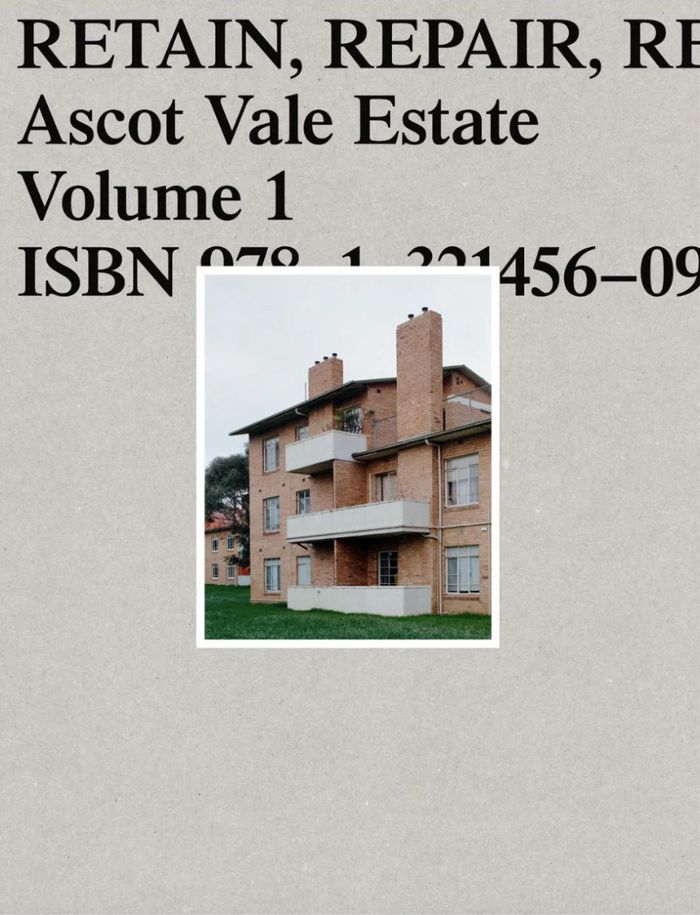
This book is the first in a series of three books about the proposed demolition of public housing, the people who live in these estates, and the environmental, social and economic case for retaining these sites. This first publication features Ascot Vale Estate in Melbourne. Featuring interviews with residents, photos of the estate by architectural photographer Ben Hosking, & commissioned essays and interviews with academics, an architect and economist about the value of public housing. In a time where all 44 high-rise towers in Melbourne are set to be demolished, displacing 10,000 residents, this book will help to tell the story of the environmental, social and economic cost of this destruction - and highlight the opportunities for investing in the public housing assets we already have.The book expands on the ''Retain, repair, reinvest'' feasibility and design proposal for the estate by non-for-profit architecture and design firm OFFICE.
Retain, repair, reinvest: Ascot Vale
Actions:
Price:
$75.00
(available in store)
Summary:
This book is the first in a series of three books about the proposed demolition of public housing, the people who live in these estates, and the environmental, social and economic case for retaining these sites. This first publication features Ascot Vale Estate in Melbourne. Featuring interviews with residents, photos of the estate by architectural photographer Ben Hosking, & commissioned essays and interviews with academics, an architect and economist about the value of public housing. In a time where all 44 high-rise towers in Melbourne are set to be demolished, displacing 10,000 residents, this book will help to tell the story of the environmental, social and economic cost of this destruction - and highlight the opportunities for investing in the public housing assets we already have.The book expands on the ''Retain, repair, reinvest'' feasibility and design proposal for the estate by non-for-profit architecture and design firm OFFICE.
Form:
books
books
Publication:
April 2025
April 2025
Subject:
Collective Housing
Collective Housing
Form:
books
books
Actions:
Price:
$78.50
(available to order)
Summary:
How can we meet the needs of children and young people? Just over 20% of the UK population is under the age of 18, yet they remain largely ignored when it comes to designing the places where they live. In this book, leading architect Dinah Bornat shows how we can shape communities for and with children and young people, as well as the benefits this can achieve. It(...)
$78.50
(available to order)
Summary:
How can we meet the needs of children and young people? Just over 20% of the UK population is under the age of 18, yet they remain largely ignored when it comes to designing the places where they live. In this book, leading architect Dinah Bornat shows how we can shape communities for and with children and young people, as well as the benefits this can achieve. It(...)
Title:
All to play for: how to design child-friendly housing
Actions:
Price:
$78.50
(available to order)
Summary:
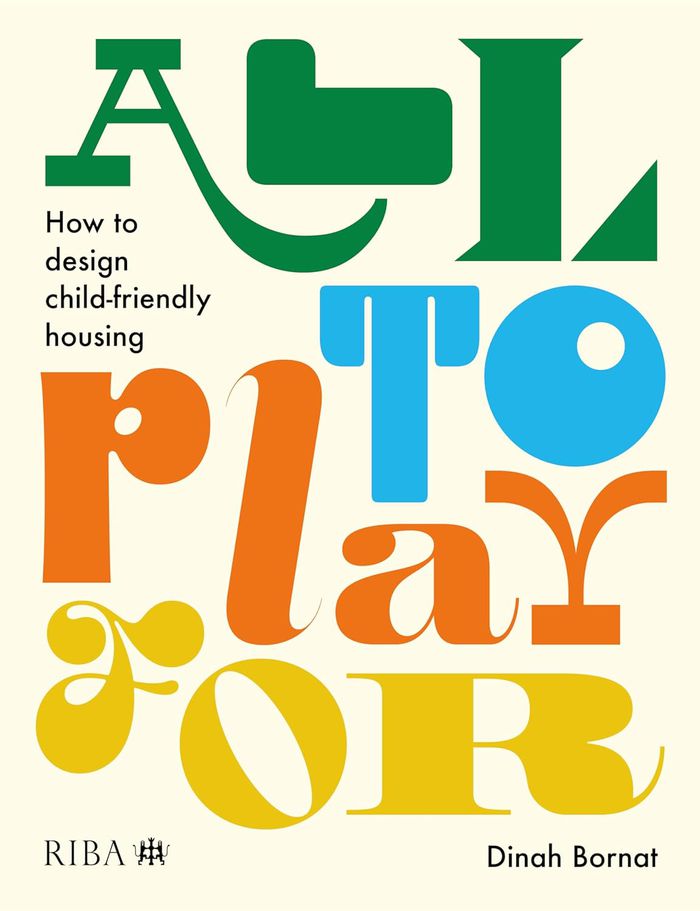
How can we meet the needs of children and young people? Just over 20% of the UK population is under the age of 18, yet they remain largely ignored when it comes to designing the places where they live. In this book, leading architect Dinah Bornat shows how we can shape communities for and with children and young people, as well as the benefits this can achieve. It combines compelling evidence, guidance and illustrated case studies to provide practical solutions for replacing, refurbishing, and reinvigorating an ageing housing stock through child-friendly design. It has become increasingly important for everyone involved in built environment projects to demonstrate a commitment to social value. This book provides opportunities to realise social value in a number of ways, including better engagement.
All to play for: how to design child-friendly housing
Actions:
Price:
$78.50
(available to order)
Summary:
How can we meet the needs of children and young people? Just over 20% of the UK population is under the age of 18, yet they remain largely ignored when it comes to designing the places where they live. In this book, leading architect Dinah Bornat shows how we can shape communities for and with children and young people, as well as the benefits this can achieve. It combines compelling evidence, guidance and illustrated case studies to provide practical solutions for replacing, refurbishing, and reinvigorating an ageing housing stock through child-friendly design. It has become increasingly important for everyone involved in built environment projects to demonstrate a commitment to social value. This book provides opportunities to realise social value in a number of ways, including better engagement.
Form:
books
books
Publication:
February 2025
February 2025
Subject:
Collective Housing
Collective Housing
Form:
books
books
Actions:
Price:
$62.00
(available in store)
Summary:
his is a book about socio-spatial dynamics, the intertwinement of design and politics, and the agency of the architect(s) in rethinking collectivity and collective practices in architecture. In response to the commodification of housing and the ongoing global housing crisis, the publication addresses access to adequate housing as a fundamental human right. It looks at(...)
$62.00
(available in store)
Summary:
his is a book about socio-spatial dynamics, the intertwinement of design and politics, and the agency of the architect(s) in rethinking collectivity and collective practices in architecture. In response to the commodification of housing and the ongoing global housing crisis, the publication addresses access to adequate housing as a fundamental human right. It looks at(...)
Publication:
March 2025
March 2025
Title:
Housing, Micropolitics, and Pedagogies: Designing and Practicing Collectivity
Actions:
Price:
$62.00
(available in store)
Summary:
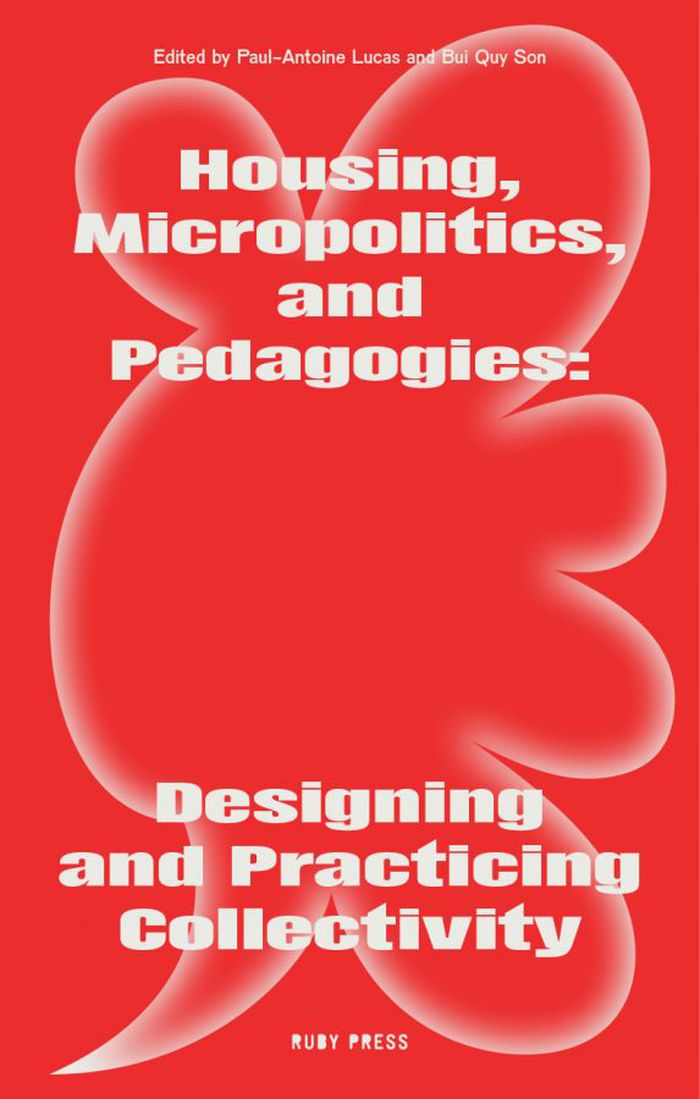
his is a book about socio-spatial dynamics, the intertwinement of design and politics, and the agency of the architect(s) in rethinking collectivity and collective practices in architecture. In response to the commodification of housing and the ongoing global housing crisis, the publication addresses access to adequate housing as a fundamental human right. It looks at historical and contemporary socially-oriented housing precedents in Norway and Europe to imagine twenty-first- century not-for-profit housing alternatives in Oslo for marginalized populations and diversified family configurations. Beyond formalism, it also argues that innovative architectural solutions in a perspective of systemic societal change need to come from design processes rooted in community, cooperation, and equity. In a later section, the book expands on how radical, emancipatory pedagogies in architecture can facilitate critical thinking and action. The different visions of collectivity put forth here urge spatial practitioners, activists, and students to deeply engage with social justice by means of design and education. With contributions by Paul-Antoine Lucas, Bui Quy Son, Céline Zimmer, Patricia Lucena Ventura, Nagy Makhlouf, Aurélie M. Nzuzi De Mol, Rosaura Noemy Hernandez Romero, María Mazzanti.
Housing, Micropolitics, and Pedagogies: Designing and Practicing Collectivity
Actions:
Price:
$62.00
(available in store)
Summary:
his is a book about socio-spatial dynamics, the intertwinement of design and politics, and the agency of the architect(s) in rethinking collectivity and collective practices in architecture. In response to the commodification of housing and the ongoing global housing crisis, the publication addresses access to adequate housing as a fundamental human right. It looks at historical and contemporary socially-oriented housing precedents in Norway and Europe to imagine twenty-first- century not-for-profit housing alternatives in Oslo for marginalized populations and diversified family configurations. Beyond formalism, it also argues that innovative architectural solutions in a perspective of systemic societal change need to come from design processes rooted in community, cooperation, and equity. In a later section, the book expands on how radical, emancipatory pedagogies in architecture can facilitate critical thinking and action. The different visions of collectivity put forth here urge spatial practitioners, activists, and students to deeply engage with social justice by means of design and education. With contributions by Paul-Antoine Lucas, Bui Quy Son, Céline Zimmer, Patricia Lucena Ventura, Nagy Makhlouf, Aurélie M. Nzuzi De Mol, Rosaura Noemy Hernandez Romero, María Mazzanti.
Form:
books
books
Publication:
March 2025
March 2025
Form:
books
books

Actions:
Price:
$33.95
(available in store)
Summary:
Construire un trois-pièces pour moins d’un million d’anciens francs (environ 23 000 €). Tel est l’objectif de l’opération Million lancée en France en 1954 par le gouvernement ; la crise du logement est alors à son apogée. L’agence de Georges Candilis, Alexis Josic et Shadrach Woods remporte le concours organisé l’année suivante et construira près de 4 300 logements sur(...)
$33.95
(available in store)
Summary:
Construire un trois-pièces pour moins d’un million d’anciens francs (environ 23 000 €). Tel est l’objectif de l’opération Million lancée en France en 1954 par le gouvernement ; la crise du logement est alors à son apogée. L’agence de Georges Candilis, Alexis Josic et Shadrach Woods remporte le concours organisé l’année suivante et construira près de 4 300 logements sur(...)
Title:
Grands ensembles en héritage: l'opération Million de Candilis, Josic et Woods (1954-2024)
Actions:
Price:
$33.95
(available in store)
Summary:
Construire un trois-pièces pour moins d’un million d’anciens francs (environ 23 000 €). Tel est l’objectif de l’opération Million lancée en France en 1954 par le gouvernement ; la crise du logement est alors à son apogée. L’agence de Georges Candilis, Alexis Josic et Shadrach Woods remporte le concours organisé l’année suivante et construira près de 4 300 logements sur vingt-huit sites. Tour à tour enquête et plaidoyer, l’ouvrage de Korinna Zinovia Weber relate cet épisode majeur et méconnu de la construction des années d’après-guerre et milite pour que les grands ensembles soient reconnus en tant que patrimoine architectural. Que reste-t-il de l’opération Million soixante-dix ans après sa mise en oeuvre ? Partant du terrain, l’autrice dresse un état des lieux, fait le relevé des bâtiments, ausculte leur matérialité, retrace leurs transformations successives : rénovations plus ou moins lourdes, démolitions partielles ou totales. Elle revient sur la genèse de l’opération et souligne la pertinence des choix architecturaux d’origine : organisation des bâtiments, typologie des logements, innovations constructives. Sensible et engagée, Korinna Zinovia Weber nous conduit au cœur de l’opération Million à la rencontre de toutes ses parties prenantes, sans oublier les habitants mobilisés pour sauvegarder leurs lieux de vie face aux intérêts financiers et politiques. Dénuée de tout fétichisme pour l’architecture moderne, l’autrice construit une connaissance utile et opératoire sur les grands ensembles, et nous invite à réapprendre à les transformer et à les habiter dans le contexte de ce premier quart du XXIe siècle confronté à une double crise, du logement et du climat.
Grands ensembles en héritage: l'opération Million de Candilis, Josic et Woods (1954-2024)
Actions:
Price:
$33.95
(available in store)
Summary:
Construire un trois-pièces pour moins d’un million d’anciens francs (environ 23 000 €). Tel est l’objectif de l’opération Million lancée en France en 1954 par le gouvernement ; la crise du logement est alors à son apogée. L’agence de Georges Candilis, Alexis Josic et Shadrach Woods remporte le concours organisé l’année suivante et construira près de 4 300 logements sur vingt-huit sites. Tour à tour enquête et plaidoyer, l’ouvrage de Korinna Zinovia Weber relate cet épisode majeur et méconnu de la construction des années d’après-guerre et milite pour que les grands ensembles soient reconnus en tant que patrimoine architectural. Que reste-t-il de l’opération Million soixante-dix ans après sa mise en oeuvre ? Partant du terrain, l’autrice dresse un état des lieux, fait le relevé des bâtiments, ausculte leur matérialité, retrace leurs transformations successives : rénovations plus ou moins lourdes, démolitions partielles ou totales. Elle revient sur la genèse de l’opération et souligne la pertinence des choix architecturaux d’origine : organisation des bâtiments, typologie des logements, innovations constructives. Sensible et engagée, Korinna Zinovia Weber nous conduit au cœur de l’opération Million à la rencontre de toutes ses parties prenantes, sans oublier les habitants mobilisés pour sauvegarder leurs lieux de vie face aux intérêts financiers et politiques. Dénuée de tout fétichisme pour l’architecture moderne, l’autrice construit une connaissance utile et opératoire sur les grands ensembles, et nous invite à réapprendre à les transformer et à les habiter dans le contexte de ce premier quart du XXIe siècle confronté à une double crise, du logement et du climat.
Form:
books
books
Publication:
June 2025
June 2025
Subject:
Collective Housing
Collective Housing


