


2950 Results
Form:
books
books
Actions:
Price:
$34.95
(available to order)
Summary:
The thirteen wide-ranging essays in Chora 6 reconsider the cultural and historical roots of architecture and explore contemporary venues for architectural.
$34.95
(available to order)
Summary:
The thirteen wide-ranging essays in Chora 6 reconsider the cultural and historical roots of architecture and explore contemporary venues for architectural.
Title:
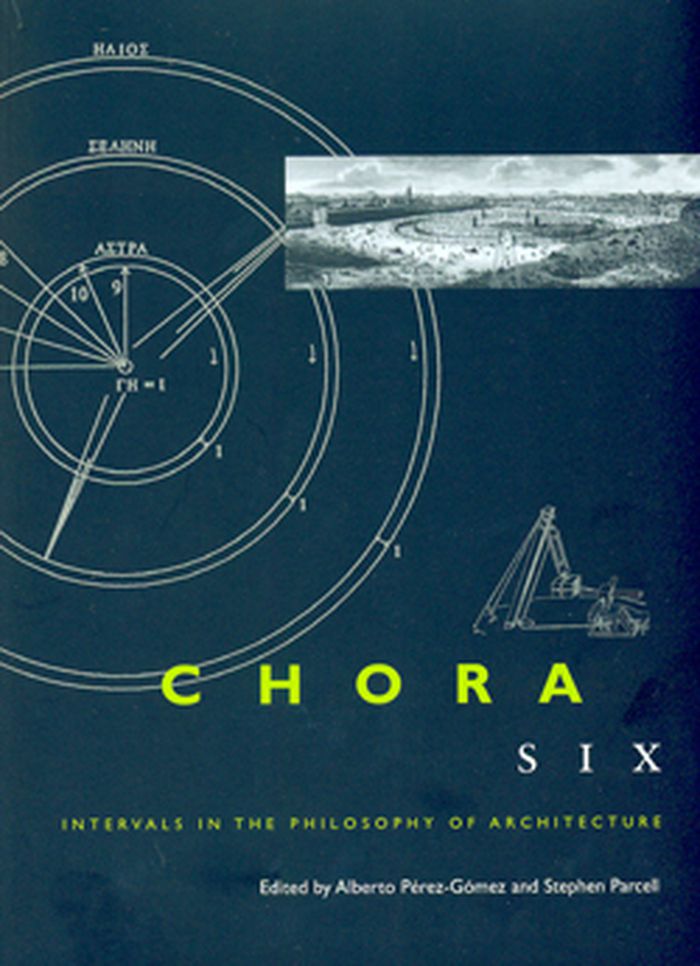
Chora six: Intervals in the philosophy of architecture
Actions:
Price:
$34.95
(available to order)
Summary:
The thirteen wide-ranging essays in Chora 6 reconsider the cultural and historical roots of architecture and explore contemporary venues for architectural.
Chora six: Intervals in the philosophy of architecture
Actions:
Price:
$34.95
(available to order)
Summary:
The thirteen wide-ranging essays in Chora 6 reconsider the cultural and historical roots of architecture and explore contemporary venues for architectural.
Form:
books
books
Publication:
July 2011
July 2011
Form:
books
books
Title:
2G 57: Njiric + arhitekti
2G 57: Njiric + arhitekti
Actions:
Price:
$49.95
(available to order)
Summary:
This issue of 2G presents 17 works and projects at different scales developed mostly in Croatia. The selection includes everything from proposals for apartments (such as groups of homes in Markusevec and Graciano, both on the outskirts of Zagreb) and new typologies for kindergartens and primary schools (including the MB Nursery in Zagreb), to university buildings (Split(...)
$49.95
(available to order)
Summary:
This issue of 2G presents 17 works and projects at different scales developed mostly in Croatia. The selection includes everything from proposals for apartments (such as groups of homes in Markusevec and Graciano, both on the outskirts of Zagreb) and new typologies for kindergartens and primary schools (including the MB Nursery in Zagreb), to university buildings (Split(...)
Title:
2G 57: Njiric + arhitekti
Actions:
Price:
$49.95
(available to order)
Summary:
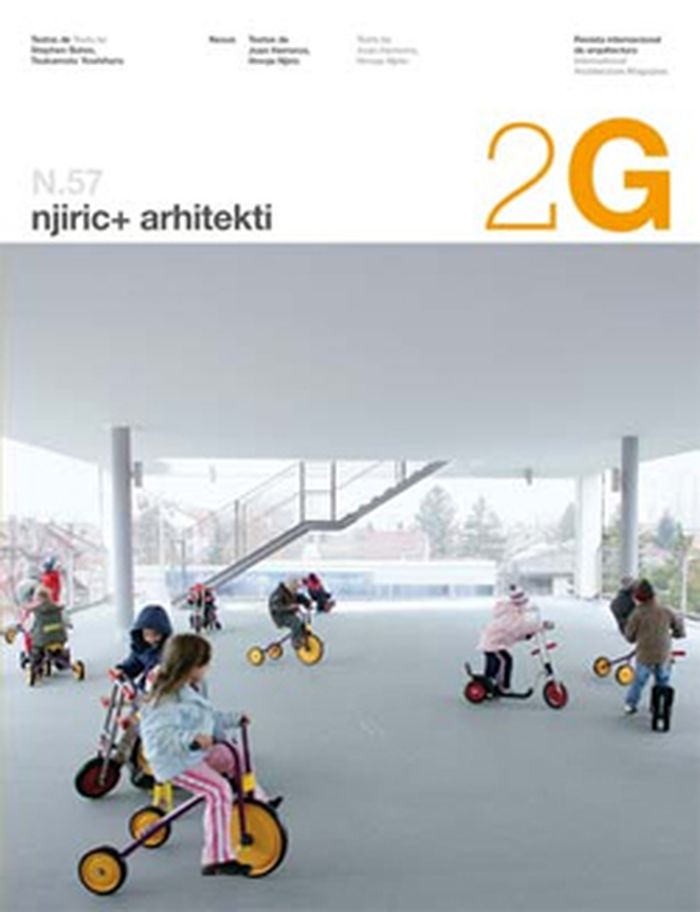
This issue of 2G presents 17 works and projects at different scales developed mostly in Croatia. The selection includes everything from proposals for apartments (such as groups of homes in Markusevec and Graciano, both on the outskirts of Zagreb) and new typologies for kindergartens and primary schools (including the MB Nursery in Zagreb), to university buildings (Split Faculty of Law and Zadar University Library), a library in Rijeka, a stadium in Zagreb, a hotel on the Dalmatian coast, a site for gypsies, and a temporary pavilion in Zagreb.
2G 57: Njiric + arhitekti
Actions:
Price:
$49.95
(available to order)
Summary:
This issue of 2G presents 17 works and projects at different scales developed mostly in Croatia. The selection includes everything from proposals for apartments (such as groups of homes in Markusevec and Graciano, both on the outskirts of Zagreb) and new typologies for kindergartens and primary schools (including the MB Nursery in Zagreb), to university buildings (Split Faculty of Law and Zadar University Library), a library in Rijeka, a stadium in Zagreb, a hotel on the Dalmatian coast, a site for gypsies, and a temporary pavilion in Zagreb.
Form:
books
books
Publication:
May 2011
May 2011
Subject:
Magazines
Magazines
Form:
journals and magazines
journals and magazines

Actions:
Price:
$9.50
(available to order)
Summary:
Le pouvoir du commissaire / The Curator’s Power SYLVETTE BABIN CURATORS Guest Curating in the Museum: Lost in Translation? SOPHIA KRZYS ACCORD Curating Exhibitions: An Evolving and Ambiguous Function PAUL ARDENNE The Author-Curator and His Critics JEAN-PHILIPPE UZEL Curator, your love’s on display LOUISE DÉRY Institutional Recognition and(...)
$9.50
(available to order)
Summary:
Le pouvoir du commissaire / The Curator’s Power SYLVETTE BABIN CURATORS Guest Curating in the Museum: Lost in Translation? SOPHIA KRZYS ACCORD Curating Exhibitions: An Evolving and Ambiguous Function PAUL ARDENNE The Author-Curator and His Critics JEAN-PHILIPPE UZEL Curator, your love’s on display LOUISE DÉRY Institutional Recognition and(...)
Title:
Esse 72: Commissaires / Curators. be nice to your curator
Actions:
Price:
$9.50
(available to order)
Summary:
Le pouvoir du commissaire / The Curator’s Power SYLVETTE BABIN CURATORS Guest Curating in the Museum: Lost in Translation? SOPHIA KRZYS ACCORD Curating Exhibitions: An Evolving and Ambiguous Function PAUL ARDENNE The Author-Curator and His Critics JEAN-PHILIPPE UZEL Curator, your love’s on display LOUISE DÉRY Institutional Recognition and New Curatorial Practices NATHALIE DESMET The Ephemeral as an Agent of Reflexive Inquiry MICHÈLE THIÉRIAULT
Esse 72: Commissaires / Curators. be nice to your curator
Actions:
Price:
$9.50
(available to order)
Summary:
Le pouvoir du commissaire / The Curator’s Power SYLVETTE BABIN CURATORS Guest Curating in the Museum: Lost in Translation? SOPHIA KRZYS ACCORD Curating Exhibitions: An Evolving and Ambiguous Function PAUL ARDENNE The Author-Curator and His Critics JEAN-PHILIPPE UZEL Curator, your love’s on display LOUISE DÉRY Institutional Recognition and New Curatorial Practices NATHALIE DESMET The Ephemeral as an Agent of Reflexive Inquiry MICHÈLE THIÉRIAULT
Form:
journals and magazines
journals and magazines
Publication:
May 2011
May 2011
Subject:
Magazines
Magazines
Form:
journals and magazines
journals and magazines
Title:
Conditions 7
Conditions 7
Actions:
Price:
$29.99
(available to order)
Summary:
Conditions, is a new Scandinavian magazine focusing on the conditions of architecture and Urbanism. Presenting new perspectives, in the way of conceiving and analyzing designs, works and theory for architecture. Conditions 7 discusses issues in competition architecture.
$29.99
(available to order)
Summary:
Conditions, is a new Scandinavian magazine focusing on the conditions of architecture and Urbanism. Presenting new perspectives, in the way of conceiving and analyzing designs, works and theory for architecture. Conditions 7 discusses issues in competition architecture.
Publication:
May 2011
May 2011
Title:
Conditions 7
Actions:
Price:
$29.99
(available to order)
Summary:
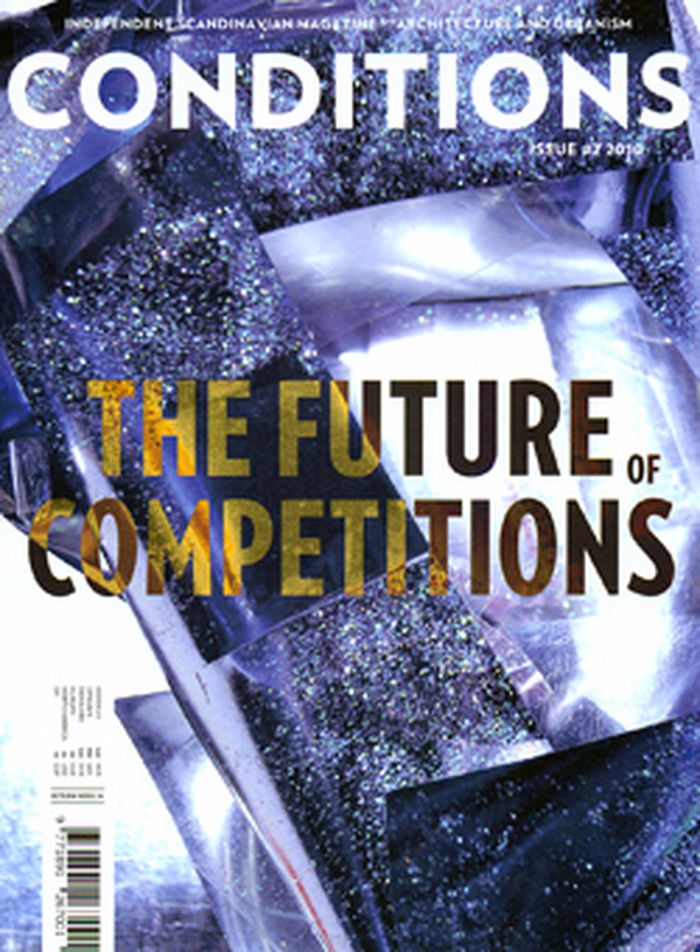
Conditions, is a new Scandinavian magazine focusing on the conditions of architecture and Urbanism. Presenting new perspectives, in the way of conceiving and analyzing designs, works and theory for architecture. Conditions 7 discusses issues in competition architecture.
Conditions 7
Actions:
Price:
$29.99
(available to order)
Summary:
Conditions, is a new Scandinavian magazine focusing on the conditions of architecture and Urbanism. Presenting new perspectives, in the way of conceiving and analyzing designs, works and theory for architecture. Conditions 7 discusses issues in competition architecture.
Form:
journals and magazines
journals and magazines
Publication:
May 2011
May 2011
Form:
books
books
Title:
Pamphlet architecture 11-20
Pamphlet architecture 11-20
Actions:
Price:
$50.00
(available to order)
Summary:
The Pamphlet Architecture series was founded in 1978 by architects Steven Holl and William Stout as a venue for publishing the works, thoughts, and theory of a new generation of architects. Now in its third decade, this award-winning series continues to build upon its legacy by promoting individual points of view with all of their raw and rough-edged spontaneity. A(...)
$50.00
(available to order)
Summary:
The Pamphlet Architecture series was founded in 1978 by architects Steven Holl and William Stout as a venue for publishing the works, thoughts, and theory of a new generation of architects. Now in its third decade, this award-winning series continues to build upon its legacy by promoting individual points of view with all of their raw and rough-edged spontaneity. A(...)
Title:
Pamphlet architecture 11-20
Actions:
Price:
$50.00
(available to order)
Summary:
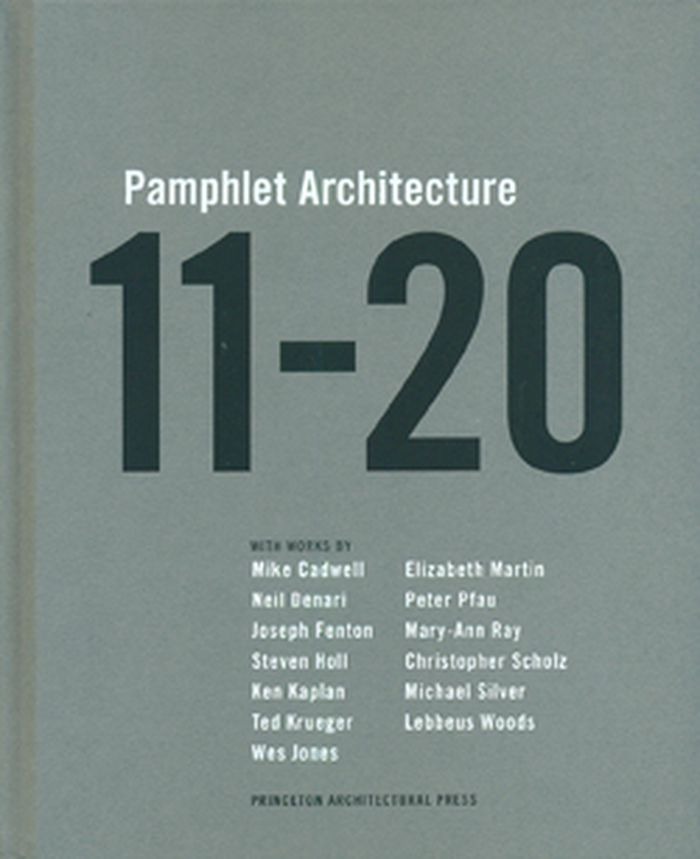
The Pamphlet Architecture series was founded in 1978 by architects Steven Holl and William Stout as a venue for publishing the works, thoughts, and theory of a new generation of architects. Now in its third decade, this award-winning series continues to build upon its legacy by promoting individual points of view with all of their raw and rough-edged spontaneity. A hardcover volume collecting the first ten issues of Pamphlet Architecture was published in 2008.
Pamphlet architecture 11-20
Actions:
Price:
$50.00
(available to order)
Summary:
The Pamphlet Architecture series was founded in 1978 by architects Steven Holl and William Stout as a venue for publishing the works, thoughts, and theory of a new generation of architects. Now in its third decade, this award-winning series continues to build upon its legacy by promoting individual points of view with all of their raw and rough-edged spontaneity. A hardcover volume collecting the first ten issues of Pamphlet Architecture was published in 2008.
Form:
books
books
Publication:
July 2011
July 2011
Subject:
Magazines
Magazines
Form:
books
books
Actions:
Price:
$48.00
(available to order)
Summary:
This title of AD will explore the current urban issues faced by Latin American cities and the response of alternative local practitioners at different scales. Large-scale urban case studies, such as the revitalisation of Bogotá and Medellin, will be featured alongside architectural practices, research-based organisations and university studios working at a grass-roots(...)
$48.00
(available to order)
Summary:
This title of AD will explore the current urban issues faced by Latin American cities and the response of alternative local practitioners at different scales. Large-scale urban case studies, such as the revitalisation of Bogotá and Medellin, will be featured alongside architectural practices, research-based organisations and university studios working at a grass-roots(...)
Title:
AD 81:03 Latin America at the crossroads
Actions:
Price:
$48.00
(available to order)
Summary:
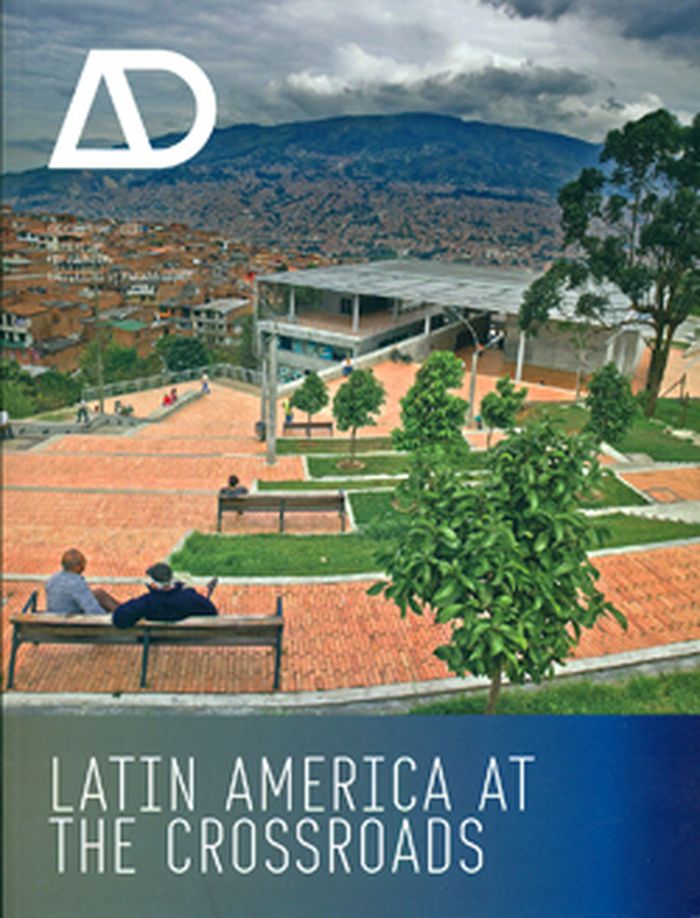
This title of AD will explore the current urban issues faced by Latin American cities and the response of alternative local practitioners at different scales. Large-scale urban case studies, such as the revitalisation of Bogotá and Medellin, will be featured alongside architectural practices, research-based organisations and university studios working at a grass-roots level. Contributors include: Saskia Sassen, Hernando de Soto, Ricky Burdett and Bogotá ex-mayor Enrique Peñalosa. Featured architects: Teddy Cruz, UTT-Urban Think-Tank, Jorge Jauregui, Alejandro Echeverri, MMBB and Alejandro Aravena.
AD 81:03 Latin America at the crossroads
Actions:
Price:
$48.00
(available to order)
Summary:
This title of AD will explore the current urban issues faced by Latin American cities and the response of alternative local practitioners at different scales. Large-scale urban case studies, such as the revitalisation of Bogotá and Medellin, will be featured alongside architectural practices, research-based organisations and university studios working at a grass-roots level. Contributors include: Saskia Sassen, Hernando de Soto, Ricky Burdett and Bogotá ex-mayor Enrique Peñalosa. Featured architects: Teddy Cruz, UTT-Urban Think-Tank, Jorge Jauregui, Alejandro Echeverri, MMBB and Alejandro Aravena.
Form:
books
books
Publication:
June 2011
June 2011
Subject:
Magazines
Magazines
Form:
books
books
Actions:
Price:
$50.00
(available to order)
Summary:
The book is organised into three distinct sections that in turn highlight the significance of spatial intelligence for architecture: the first section provides an overview of spatial intelligence as a human capability; the second section argues how the acknowledgement of this capability in architectural education and the profession should enable the demystification of the(...)
$50.00
(available to order)
Summary:
The book is organised into three distinct sections that in turn highlight the significance of spatial intelligence for architecture: the first section provides an overview of spatial intelligence as a human capability; the second section argues how the acknowledgement of this capability in architectural education and the profession should enable the demystification of the(...)
Title:
AD Primers : Spatial intelligence
Actions:
Price:
$50.00
(available to order)
Summary:
The book is organised into three distinct sections that in turn highlight the significance of spatial intelligence for architecture: the first section provides an overview of spatial intelligence as a human capability; the second section argues how the acknowledgement of this capability in architectural education and the profession should enable the demystification of the practice of design,the final section explores opportunities for practice in the linking of real and virtual environments in the information age.
AD Primers : Spatial intelligence
Actions:
Price:
$50.00
(available to order)
Summary:
The book is organised into three distinct sections that in turn highlight the significance of spatial intelligence for architecture: the first section provides an overview of spatial intelligence as a human capability; the second section argues how the acknowledgement of this capability in architectural education and the profession should enable the demystification of the practice of design,the final section explores opportunities for practice in the linking of real and virtual environments in the information age.
Form:
books
books
Publication:
December 2008
December 2008
Form:
books
books
Actions:
Price:
$48.00
(available in store)
Summary:
Throughout the ages architects have attempted to capture the essence of living systems as design inspiration. However, practitioners of the built environment have had to deal with a fundamental split between the artificial urban landscape and nature owing to a technological 'gap' that means architects have been unable to make effective use of biological systems in urban(...)
$48.00
(available in store)
Summary:
Throughout the ages architects have attempted to capture the essence of living systems as design inspiration. However, practitioners of the built environment have had to deal with a fundamental split between the artificial urban landscape and nature owing to a technological 'gap' that means architects have been unable to make effective use of biological systems in urban(...)
Title:
AD 81:02 Protocell architecture
Actions:
Price:
$48.00
(available in store)
Summary:
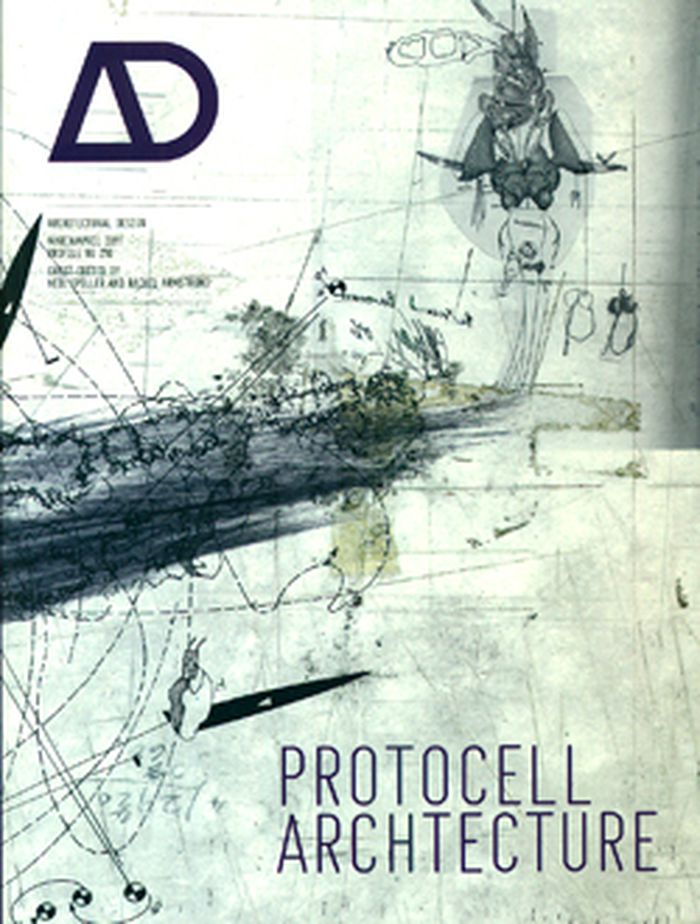
Throughout the ages architects have attempted to capture the essence of living systems as design inspiration. However, practitioners of the built environment have had to deal with a fundamental split between the artificial urban landscape and nature owing to a technological 'gap' that means architects have been unable to make effective use of biological systems in urban environments. This edition of AD that shows for the first time that contemporary architects can create and construct architectures that are bottom up, synthetically biological, green and have no recourse to shallow bio-mimicry. In the next few decades, synthetic biology is set to have as much, if not more, impact on architecture as cyberspace and the digital. The key to these amazing architectural innovations is the Protocell. Contributors include: Rachel Armstrong; Martin Hanczyc; Lee Cronin; Mark Morris Architects include: Neil Spiller; Nic Clear; IwamotoScott; Paul Preissner; Omar Khan;Dan Slavinsky; Philip Beesley; Neri Oxman
AD 81:02 Protocell architecture
Actions:
Price:
$48.00
(available in store)
Summary:
Throughout the ages architects have attempted to capture the essence of living systems as design inspiration. However, practitioners of the built environment have had to deal with a fundamental split between the artificial urban landscape and nature owing to a technological 'gap' that means architects have been unable to make effective use of biological systems in urban environments. This edition of AD that shows for the first time that contemporary architects can create and construct architectures that are bottom up, synthetically biological, green and have no recourse to shallow bio-mimicry. In the next few decades, synthetic biology is set to have as much, if not more, impact on architecture as cyberspace and the digital. The key to these amazing architectural innovations is the Protocell. Contributors include: Rachel Armstrong; Martin Hanczyc; Lee Cronin; Mark Morris Architects include: Neil Spiller; Nic Clear; IwamotoScott; Paul Preissner; Omar Khan;Dan Slavinsky; Philip Beesley; Neri Oxman
Form:
books
books
Publication:
April 2011
April 2011
Subject:
Magazines
Magazines
Form:
books
books
Actions:
Price:
$48.00
(available in store)
Summary:
This issue of AD explores the resurgence of ecological strategies in architectural imagination. As a symptom of a new sociopolitical reality inundated with environmental catastrophes, sudden climatic changes, garbage-packed metropolises and para-economies of nonrecyclable e-waste, environmental consciousness and the image of the earth re-emerges, after the 1960s, as an(...)
$48.00
(available in store)
Summary:
This issue of AD explores the resurgence of ecological strategies in architectural imagination. As a symptom of a new sociopolitical reality inundated with environmental catastrophes, sudden climatic changes, garbage-packed metropolises and para-economies of nonrecyclable e-waste, environmental consciousness and the image of the earth re-emerges, after the 1960s, as an(...)
Title:
AD 80:06 Ecoredux, design remedies for an ailing planet
Actions:
Price:
$48.00
(available in store)
Summary:
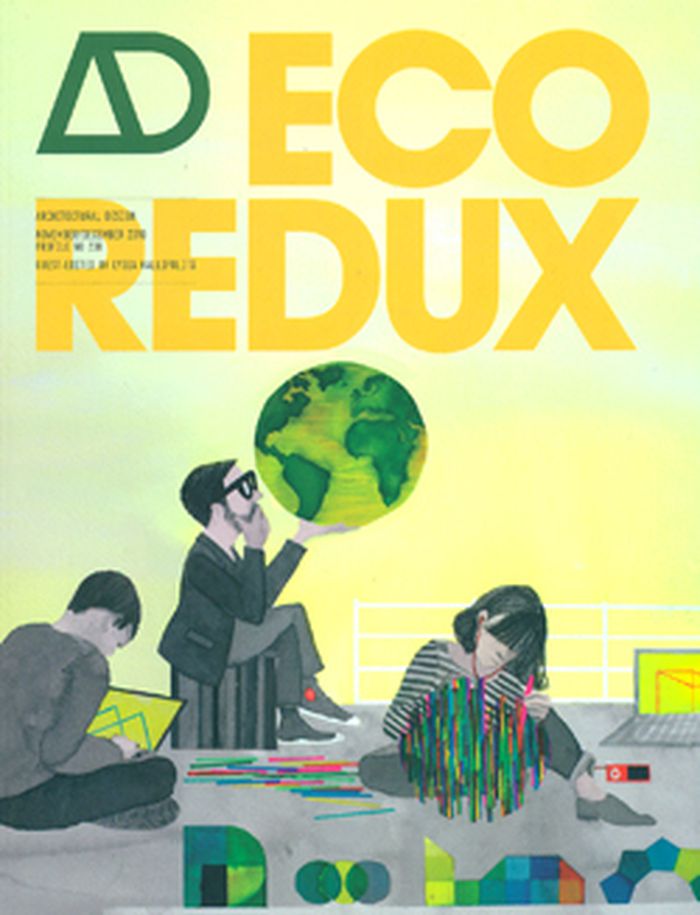
This issue of AD explores the resurgence of ecological strategies in architectural imagination. As a symptom of a new sociopolitical reality inundated with environmental catastrophes, sudden climatic changes, garbage-packed metropolises and para-economies of nonrecyclable e-waste, environmental consciousness and the image of the earth re-emerges, after the 1960s, as an inevitable cultural armature for architects; now faced with the urgency to heal an ill-managed planet that is headed towards evolutionary bankruptcy.
AD 80:06 Ecoredux, design remedies for an ailing planet
Actions:
Price:
$48.00
(available in store)
Summary:
This issue of AD explores the resurgence of ecological strategies in architectural imagination. As a symptom of a new sociopolitical reality inundated with environmental catastrophes, sudden climatic changes, garbage-packed metropolises and para-economies of nonrecyclable e-waste, environmental consciousness and the image of the earth re-emerges, after the 1960s, as an inevitable cultural armature for architects; now faced with the urgency to heal an ill-managed planet that is headed towards evolutionary bankruptcy.
Form:
books
books
Publication:
November 2010
November 2010
Subject:
Magazines
Magazines
Form:
journals and magazines
journals and magazines
Actions:
Price:
$56.95
(available in store)
Summary:
Prefabricated, refurbished or built on site, the dozen houses featured here adopt different technological solutions, expressed with special rigor through the construction details viewed as an intelligent synthesis of architecture and industry, of drawing and thought. Centred on these aspects of the project, this issue goes from the bare and strict concrete of the 1+1=1(...)
$56.95
(available in store)
Summary:
Prefabricated, refurbished or built on site, the dozen houses featured here adopt different technological solutions, expressed with special rigor through the construction details viewed as an intelligent synthesis of architecture and industry, of drawing and thought. Centred on these aspects of the project, this issue goes from the bare and strict concrete of the 1+1=1(...)
Title:
AV 145: Casas en detalle, houses in detail
Actions:
Price:
$56.95
(available in store)
Summary:
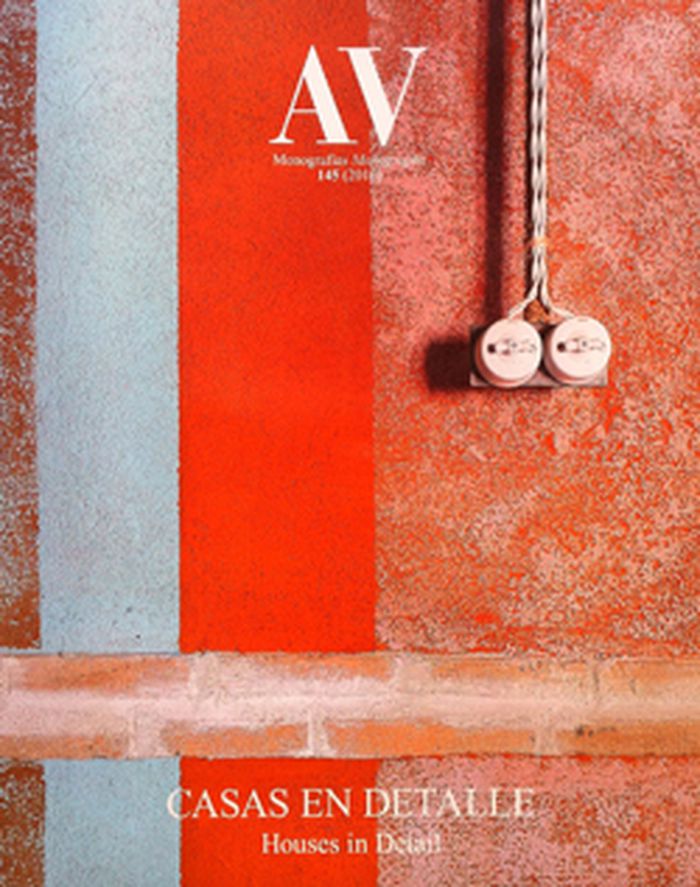
Prefabricated, refurbished or built on site, the dozen houses featured here adopt different technological solutions, expressed with special rigor through the construction details viewed as an intelligent synthesis of architecture and industry, of drawing and thought. Centred on these aspects of the project, this issue goes from the bare and strict concrete of the 1+1=1 House in Madrid to the wavy and folded one of the House in San Vicente del Raspeig; from the abstract purity of the Moliner House in Zaragoza to the material eclecticism of the Zafra-Uceda House in Madrid, the Never Never Land House in Ibiza, or the House for a Swimmer in Murcia. Architects included in this issue are Eduardo Arroyo, Alberto Campo Baeza, Izaskun Chinchilla, Ferrater & Martí, Juan Herreros, Andrés Jaque, Martín Lejarraga and others.
AV 145: Casas en detalle, houses in detail
Actions:
Price:
$56.95
(available in store)
Summary:
Prefabricated, refurbished or built on site, the dozen houses featured here adopt different technological solutions, expressed with special rigor through the construction details viewed as an intelligent synthesis of architecture and industry, of drawing and thought. Centred on these aspects of the project, this issue goes from the bare and strict concrete of the 1+1=1 House in Madrid to the wavy and folded one of the House in San Vicente del Raspeig; from the abstract purity of the Moliner House in Zaragoza to the material eclecticism of the Zafra-Uceda House in Madrid, the Never Never Land House in Ibiza, or the House for a Swimmer in Murcia. Architects included in this issue are Eduardo Arroyo, Alberto Campo Baeza, Izaskun Chinchilla, Ferrater & Martí, Juan Herreros, Andrés Jaque, Martín Lejarraga and others.
Form:
journals and magazines
journals and magazines
Publication:
June 2011
June 2011
Subject:
Magazines
Magazines


