


223 Results
Form:
books
books
Actions:
Price:
$65.00
(available in store)
Summary:
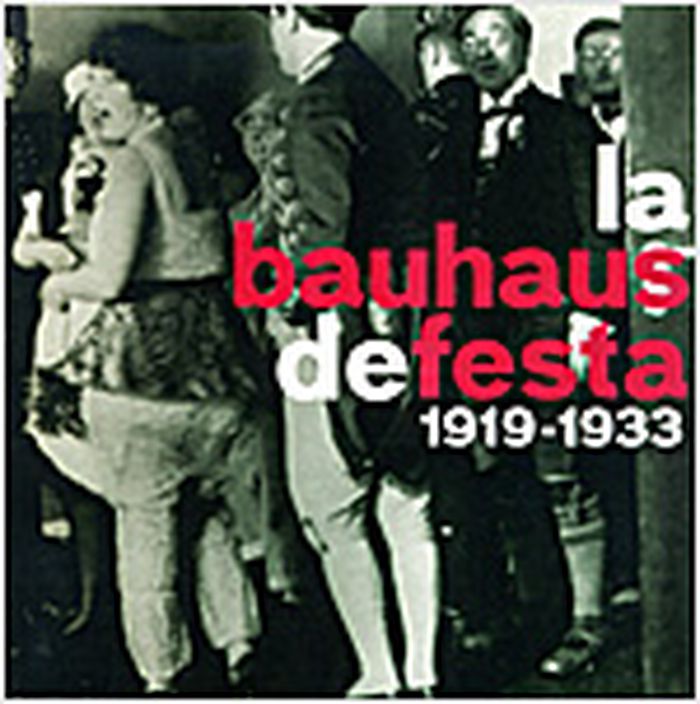
An important but often overlooked aspect of the Bauhaus in Dessau were the friendships, social activities and parties that were developed and encouraged as part of everyday life within the school. This intriguing exhibition catalogue revisits this period with the help of photographs, invitations, flyers, drawings, posters and texts.
$65.00
(available in store)
Summary:
An important but often overlooked aspect of the Bauhaus in Dessau were the friendships, social activities and parties that were developed and encouraged as part of everyday life within the school. This intriguing exhibition catalogue revisits this period with the help of photographs, invitations, flyers, drawings, posters and texts.
Title:
La bauhaus de festa, 1919-1933
Actions:
Price:
$65.00
(available in store)
Summary:
An important but often overlooked aspect of the Bauhaus in Dessau were the friendships, social activities and parties that were developed and encouraged as part of everyday life within the school. This intriguing exhibition catalogue revisits this period with the help of photographs, invitations, flyers, drawings, posters and texts.
La bauhaus de festa, 1919-1933
Actions:
Price:
$65.00
(available in store)
Summary:
An important but often overlooked aspect of the Bauhaus in Dessau were the friendships, social activities and parties that were developed and encouraged as part of everyday life within the school. This intriguing exhibition catalogue revisits this period with the help of photographs, invitations, flyers, drawings, posters and texts.
Form:
books
books
Publication:
September 2005, Barcelona
September 2005, Barcelona
Subject:
Modernism
Modernism
Form:
books
books
Actions:
Price:
$29.95
(available to order)
Summary:
Guide d’architecture de l'Algérie et ses grandes villes - Alger, Oran, Annaba. Pour chacune des villes, une cartographie légendée avec un renvoi au texte illustré par immeuble en facilite la compréhension. Une introduction historique par ville la situe dans son contexte et amène le lecteur à la période qui nous concerne. De plus, quelques encarts sur la carrière des(...)
$29.95
(available to order)
Summary:
Guide d’architecture de l'Algérie et ses grandes villes - Alger, Oran, Annaba. Pour chacune des villes, une cartographie légendée avec un renvoi au texte illustré par immeuble en facilite la compréhension. Une introduction historique par ville la situe dans son contexte et amène le lecteur à la période qui nous concerne. De plus, quelques encarts sur la carrière des(...)
Subject:
Modernism
Modernism
Publication:
October 2006, Bruxelles
October 2006, Bruxelles
Title:
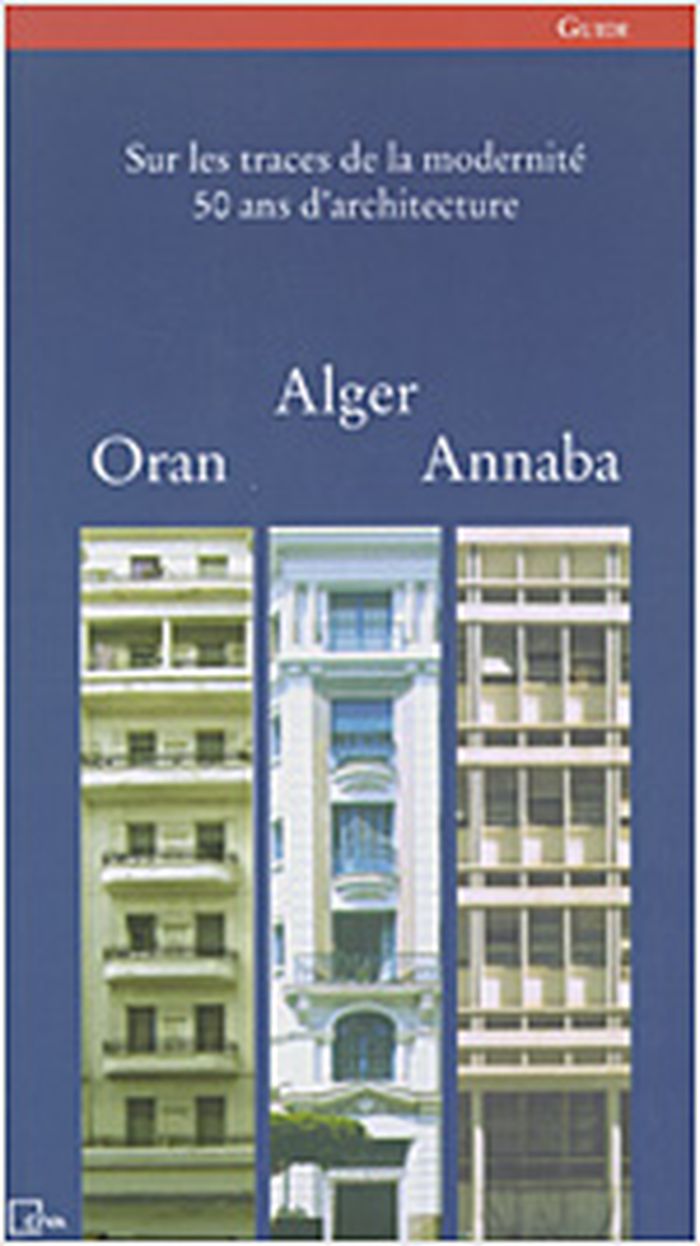
Sur les traces de la modernité, 50 ans d'architecture : Alger, Oran, Annaba
Actions:
Price:
$29.95
(available to order)
Summary:
Guide d’architecture de l'Algérie et ses grandes villes - Alger, Oran, Annaba. Pour chacune des villes, une cartographie légendée avec un renvoi au texte illustré par immeuble en facilite la compréhension. Une introduction historique par ville la situe dans son contexte et amène le lecteur à la période qui nous concerne. De plus, quelques encarts sur la carrière des principaux architectes cités donnent un éclairage qu'il était temps de saisir car les archives sont bien souvent difficiles à retrouver et pour certaines, encore aujourd'hui, elles sont en perdition malgré la prise de conscience de l'intérêt culturel et historique qu'elles représentent. Les bâtiments sélectionnés dans le présent ouvrage ont été regroupés sous forme de promenades ; le visiteur garde néanmoins la possibilité d'organiser lui-même le cheminement de son parcours en utilisant la cartographie, les photos et les commentaires. Texte en français et en arabe.
Sur les traces de la modernité, 50 ans d'architecture : Alger, Oran, Annaba
Actions:
Price:
$29.95
(available to order)
Summary:
Guide d’architecture de l'Algérie et ses grandes villes - Alger, Oran, Annaba. Pour chacune des villes, une cartographie légendée avec un renvoi au texte illustré par immeuble en facilite la compréhension. Une introduction historique par ville la situe dans son contexte et amène le lecteur à la période qui nous concerne. De plus, quelques encarts sur la carrière des principaux architectes cités donnent un éclairage qu'il était temps de saisir car les archives sont bien souvent difficiles à retrouver et pour certaines, encore aujourd'hui, elles sont en perdition malgré la prise de conscience de l'intérêt culturel et historique qu'elles représentent. Les bâtiments sélectionnés dans le présent ouvrage ont été regroupés sous forme de promenades ; le visiteur garde néanmoins la possibilité d'organiser lui-même le cheminement de son parcours en utilisant la cartographie, les photos et les commentaires. Texte en français et en arabe.
Form:
books
books
Publication:
October 2006, Bruxelles
October 2006, Bruxelles
Subject:
Modernism
Modernism
Form:
books
books
Actions:
Price:
$49.95
(available in store)
Summary:
From the 1920s through the 1950s, two individuals, Joseph Urban and Norman Bel Geddes, did more, by far, to create the image of “America” and make it synonymous with modernity than any of their contemporaries. Urban and Bel Geddes were leading Broadway stage designers and directors who turned their prodigious talents to other projects, becoming mavericks first in(...)
$49.95
(available in store)
Summary:
From the 1920s through the 1950s, two individuals, Joseph Urban and Norman Bel Geddes, did more, by far, to create the image of “America” and make it synonymous with modernity than any of their contemporaries. Urban and Bel Geddes were leading Broadway stage designers and directors who turned their prodigious talents to other projects, becoming mavericks first in(...)
Publication:
November 2005, New Haven
November 2005, New Haven
Title:
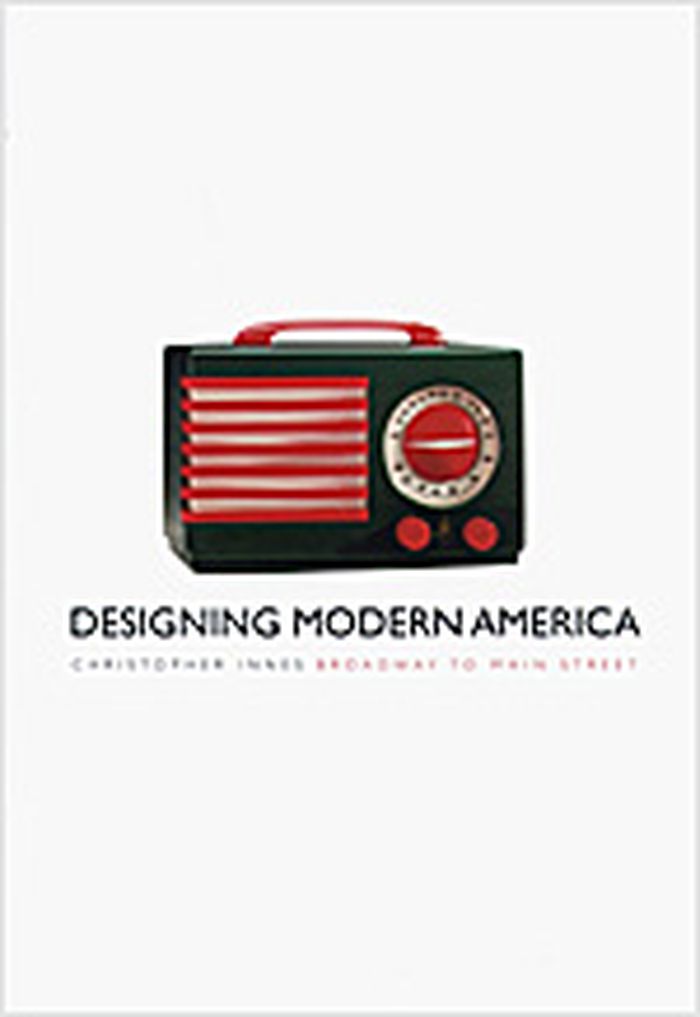
Designing modern America : Broadway to Main Street
Actions:
Price:
$49.95
(available in store)
Summary:
From the 1920s through the 1950s, two individuals, Joseph Urban and Norman Bel Geddes, did more, by far, to create the image of “America” and make it synonymous with modernity than any of their contemporaries. Urban and Bel Geddes were leading Broadway stage designers and directors who turned their prodigious talents to other projects, becoming mavericks first in industrial design and then in commercial design, fashion, architecture, and more. The two men gave shape to the most quintessential symbols of the modern American lifestyle, including movies, cars, department stores, and nightclubs, along with private homes, kitchens, stoves, fridges, magazines, and numerous household furnishings.
Designing modern America : Broadway to Main Street
Actions:
Price:
$49.95
(available in store)
Summary:
From the 1920s through the 1950s, two individuals, Joseph Urban and Norman Bel Geddes, did more, by far, to create the image of “America” and make it synonymous with modernity than any of their contemporaries. Urban and Bel Geddes were leading Broadway stage designers and directors who turned their prodigious talents to other projects, becoming mavericks first in industrial design and then in commercial design, fashion, architecture, and more. The two men gave shape to the most quintessential symbols of the modern American lifestyle, including movies, cars, department stores, and nightclubs, along with private homes, kitchens, stoves, fridges, magazines, and numerous household furnishings.
Form:
books
books
Publication:
November 2005, New Haven
November 2005, New Haven
Form:
books
books
Actions:
Price:
$55.95
(available in store)
Summary:
Text in Flemish and English.
$55.95
(available in store)
Summary:
Text in Flemish and English.
Title:
Lessons in modern living : source book on housing exhibitions in Belgium, 1945-1958
Actions:
Price:
$55.95
(available in store)
Summary:
Text in Flemish and English.
Lessons in modern living : source book on housing exhibitions in Belgium, 1945-1958
Actions:
Price:
$55.95
(available in store)
Summary:
Text in Flemish and English.
Form:
books
books
Publication:
January 2004, Ghent
January 2004, Ghent
Subject:
Modernism
Modernism
Form:
books
books
Actions:
Price:
$38.95
(available in store)
Summary:
Should the Director’s House Gropius in Dessau, a masterpiece of modernism, be rebuilt? Is there any reason from a cultural-historical viewpoint for such a conservative approach? Should an attempt be made to continue the traditions of Bauhaus, or should we be discussing whether contemporary tasks and aims are commensurate to those of the past? What role do modern(...)
$38.95
(available in store)
Summary:
Should the Director’s House Gropius in Dessau, a masterpiece of modernism, be rebuilt? Is there any reason from a cultural-historical viewpoint for such a conservative approach? Should an attempt be made to continue the traditions of Bauhaus, or should we be discussing whether contemporary tasks and aims are commensurate to those of the past? What role do modern(...)
Title:
UmBauhaus : updating modernism
Actions:
Price:
$38.95
(available in store)
Summary:
Should the Director’s House Gropius in Dessau, a masterpiece of modernism, be rebuilt? Is there any reason from a cultural-historical viewpoint for such a conservative approach? Should an attempt be made to continue the traditions of Bauhaus, or should we be discussing whether contemporary tasks and aims are commensurate to those of the past? What role do modern principles play in today’s architecture? What is our attitude towards reconstruction? What can be expected from alternative approaches such as manipulation, collage, neutralization, redefinition, reinterpretation or entirely new design? The book „UmBauhaus – Aktualisierung der Moderne“ examines these and other questions, seeking to introduce and continue the debate concerning the Director’s House that was destroyed during the Second World War. At the peak of the debate on the reconstruction of the Gropius Director's House, the Bauhaus pulled out and decided to take a trip to record interviews. This became a lengthy, inspirational journey through current affairs, and a search for the future of modernism. With contribution from Rem Koolhaas, Dan Wieden, Oscar Niemeyer, Jonathan Park, Hans Kollhoff, Walter de'Silva, colleagues of the Bauhaus Dessau Foundation and many others.
UmBauhaus : updating modernism
Actions:
Price:
$38.95
(available in store)
Summary:
Should the Director’s House Gropius in Dessau, a masterpiece of modernism, be rebuilt? Is there any reason from a cultural-historical viewpoint for such a conservative approach? Should an attempt be made to continue the traditions of Bauhaus, or should we be discussing whether contemporary tasks and aims are commensurate to those of the past? What role do modern principles play in today’s architecture? What is our attitude towards reconstruction? What can be expected from alternative approaches such as manipulation, collage, neutralization, redefinition, reinterpretation or entirely new design? The book „UmBauhaus – Aktualisierung der Moderne“ examines these and other questions, seeking to introduce and continue the debate concerning the Director’s House that was destroyed during the Second World War. At the peak of the debate on the reconstruction of the Gropius Director's House, the Bauhaus pulled out and decided to take a trip to record interviews. This became a lengthy, inspirational journey through current affairs, and a search for the future of modernism. With contribution from Rem Koolhaas, Dan Wieden, Oscar Niemeyer, Jonathan Park, Hans Kollhoff, Walter de'Silva, colleagues of the Bauhaus Dessau Foundation and many others.
Form:
books
books
Publication:
March 2005, Berlin
March 2005, Berlin
Subject:
Modernism
Modernism
Form:
books
books
Actions:
Price:
$66.95
(available to order)
Summary:
Windows are moments in modern architecture where we look to ascertain elegance, technical expression and material language or to capture a certain atmosphere. A window opening is as much an interval and an opportunity as it is a device for admitting light, air or views; it is simultaneously a physical aperture but also a philosophical opening of collaboration and(...)
$66.95
(available to order)
Summary:
Windows are moments in modern architecture where we look to ascertain elegance, technical expression and material language or to capture a certain atmosphere. A window opening is as much an interval and an opportunity as it is a device for admitting light, air or views; it is simultaneously a physical aperture but also a philosophical opening of collaboration and(...)
Title:
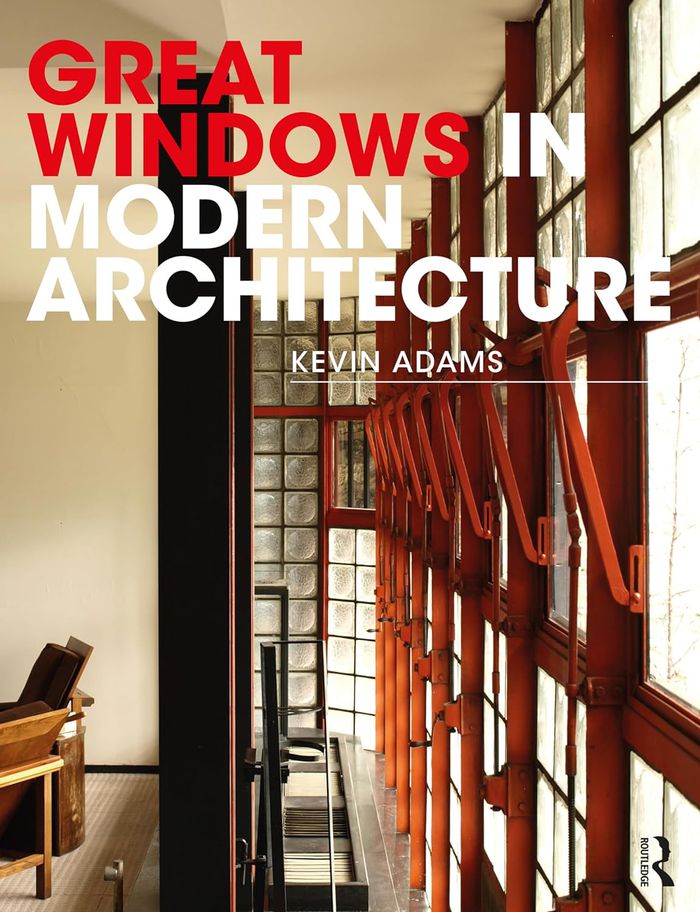
Great windows in modern architecture
Actions:
Price:
$66.95
(available to order)
Summary:
Windows are moments in modern architecture where we look to ascertain elegance, technical expression and material language or to capture a certain atmosphere. A window opening is as much an interval and an opportunity as it is a device for admitting light, air or views; it is simultaneously a physical aperture but also a philosophical opening of collaboration and reflection. In order to understand the language of a building we might look to the detail of the window. But what does this mean and why does modern architecture invest so much expression in the window? This book explores how the act of detailing and situating windows in buildings is a key proponent in the language of architecture, which both informs and works with the contingencies of design and construction. It investigates 18 case studies in-depth using painstakingly drawn details and vivid photographs in full colour to define what makes these windows “great” and how each window is situated within both its technical and philosophical context and as an overall development of modern architecture.
Great windows in modern architecture
Actions:
Price:
$66.95
(available to order)
Summary:
Windows are moments in modern architecture where we look to ascertain elegance, technical expression and material language or to capture a certain atmosphere. A window opening is as much an interval and an opportunity as it is a device for admitting light, air or views; it is simultaneously a physical aperture but also a philosophical opening of collaboration and reflection. In order to understand the language of a building we might look to the detail of the window. But what does this mean and why does modern architecture invest so much expression in the window? This book explores how the act of detailing and situating windows in buildings is a key proponent in the language of architecture, which both informs and works with the contingencies of design and construction. It investigates 18 case studies in-depth using painstakingly drawn details and vivid photographs in full colour to define what makes these windows “great” and how each window is situated within both its technical and philosophical context and as an overall development of modern architecture.
Form:
books
books
Publication:
March 2024
March 2024
Subject:
Modernism
Modernism
Form:
books
books
Actions:
Price:
$102.00
(available to order)
Summary:
Spurred on by the modernizing impulses of the Second Vatican Council in the early 1960s, the Catholic Church searched for an appropriate architectural language that showed its relevance to the modern world. ''Sacred Modernity'' documents this dramatic shift in ecclesiastical architecture across postwar Europe. Among these structures, some exude a joyful antagonism, while(...)
$102.00
(available to order)
Summary:
Spurred on by the modernizing impulses of the Second Vatican Council in the early 1960s, the Catholic Church searched for an appropriate architectural language that showed its relevance to the modern world. ''Sacred Modernity'' documents this dramatic shift in ecclesiastical architecture across postwar Europe. Among these structures, some exude a joyful antagonism, while(...)
Title:
Sacred modernity: The holy embrace of modernist architecture
Actions:
Price:
$102.00
(available to order)
Summary:
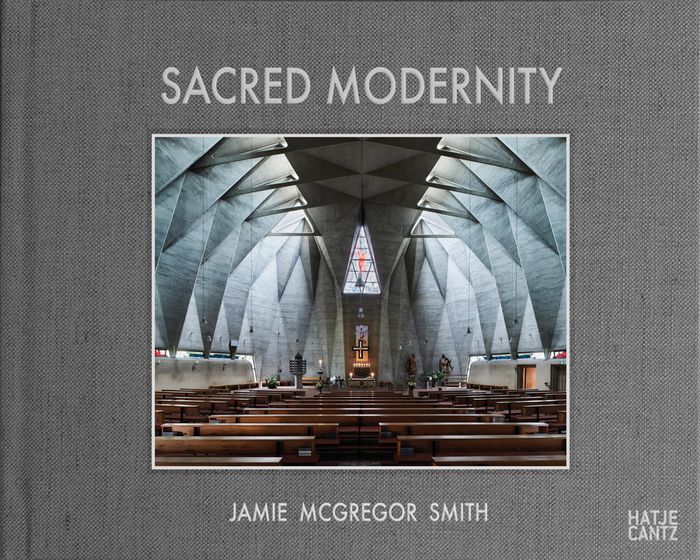
Spurred on by the modernizing impulses of the Second Vatican Council in the early 1960s, the Catholic Church searched for an appropriate architectural language that showed its relevance to the modern world. ''Sacred Modernity'' documents this dramatic shift in ecclesiastical architecture across postwar Europe. Among these structures, some exude a joyful antagonism, while others emanate a cold minimalism. Boldly designed, outrageous and provocative for their time, the aesthetic of this period still ignites great debate between modernists and traditionalists. Half a century on, this study traces how their materials and ideals have matured and patinated. The book represents the first attempt to collate the religious architecture of the mid-century high modern years that took many forms, from Brutalism to Structural Expressionism.
Sacred modernity: The holy embrace of modernist architecture
Actions:
Price:
$102.00
(available to order)
Summary:
Spurred on by the modernizing impulses of the Second Vatican Council in the early 1960s, the Catholic Church searched for an appropriate architectural language that showed its relevance to the modern world. ''Sacred Modernity'' documents this dramatic shift in ecclesiastical architecture across postwar Europe. Among these structures, some exude a joyful antagonism, while others emanate a cold minimalism. Boldly designed, outrageous and provocative for their time, the aesthetic of this period still ignites great debate between modernists and traditionalists. Half a century on, this study traces how their materials and ideals have matured and patinated. The book represents the first attempt to collate the religious architecture of the mid-century high modern years that took many forms, from Brutalism to Structural Expressionism.
Form:
books
books
Publication:
May 2024
May 2024
Subject:
Modernism
Modernism
Form:
books
books
Actions:
Price:
$94.95
(available to order)
Summary:
The midwestern city of Columbus, Indiana, is more than a mecca of modern architecture; it is an example of how design can help foster a remarkable community. The dozens of buildings and projects by legendary architects – from mid-century titans such as Eero Saarinen and I. M. Pei to contemporary practitioners Deborah Berke and IwamotoScott – remain integral to its urban(...)
$94.95
(available to order)
Summary:
The midwestern city of Columbus, Indiana, is more than a mecca of modern architecture; it is an example of how design can help foster a remarkable community. The dozens of buildings and projects by legendary architects – from mid-century titans such as Eero Saarinen and I. M. Pei to contemporary practitioners Deborah Berke and IwamotoScott – remain integral to its urban(...)
Title:
American modern: Architecture; Community; Columbus, Indiana
Actions:
Price:
$94.95
(available to order)
Summary:
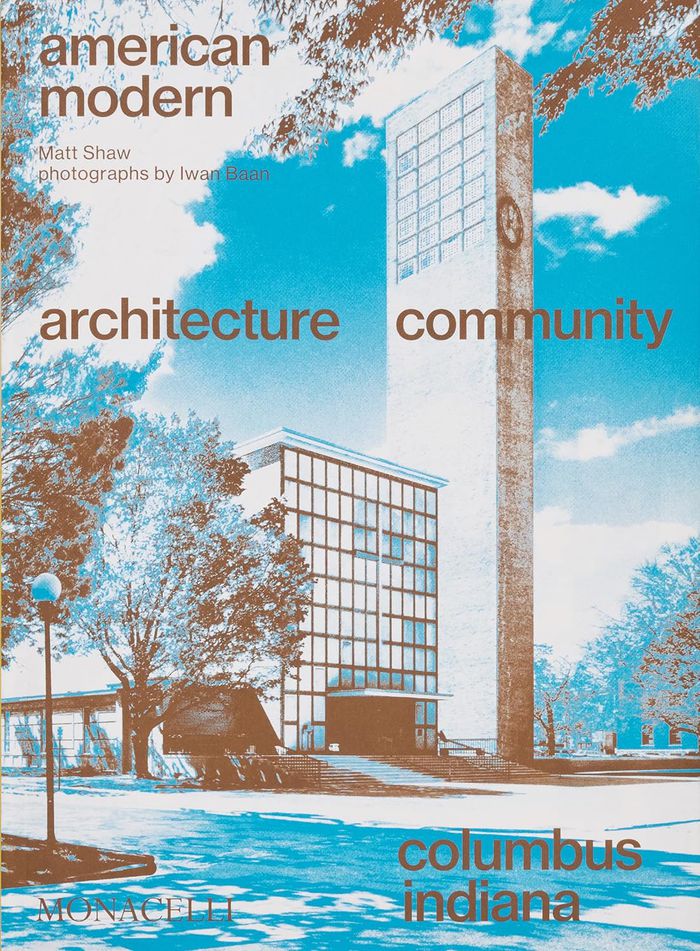
The midwestern city of Columbus, Indiana, is more than a mecca of modern architecture; it is an example of how design can help foster a remarkable community. The dozens of buildings and projects by legendary architects – from mid-century titans such as Eero Saarinen and I. M. Pei to contemporary practitioners Deborah Berke and IwamotoScott – remain integral to its urban fabric. This book explores Columbus’s optimistic program of bold new architecture and landscapes, initiated by the legendary industrialist J. Irwin Miller and local leaders, and the generations-long quest to develop the ideal American city through design excellence.
American modern: Architecture; Community; Columbus, Indiana
Actions:
Price:
$94.95
(available to order)
Summary:
The midwestern city of Columbus, Indiana, is more than a mecca of modern architecture; it is an example of how design can help foster a remarkable community. The dozens of buildings and projects by legendary architects – from mid-century titans such as Eero Saarinen and I. M. Pei to contemporary practitioners Deborah Berke and IwamotoScott – remain integral to its urban fabric. This book explores Columbus’s optimistic program of bold new architecture and landscapes, initiated by the legendary industrialist J. Irwin Miller and local leaders, and the generations-long quest to develop the ideal American city through design excellence.
Form:
books
books
Publication:
July 2024
July 2024
Subject:
Modernism
Modernism
Form:
books
books
Price:
$94.00
(available to order)
Summary:
The massive reshaping of French cities that took place between 1958 and 1981 is commonly regarded as a unique episode in which modernist ideals were tested on an unprecedented scale. Yet the history of postwar French modernism has never fully accounted for the influence of one of architecture’s most important institutional patrons, the French Communist Party (PCF).(...)
$94.00
(available to order)
Summary:
The massive reshaping of French cities that took place between 1958 and 1981 is commonly regarded as a unique episode in which modernist ideals were tested on an unprecedented scale. Yet the history of postwar French modernism has never fully accounted for the influence of one of architecture’s most important institutional patrons, the French Communist Party (PCF).(...)
Title:
A concrete alliance: Communism and modern architecture in postwar France
Actions:
Price:
$94.00
(available to order)
Summary:
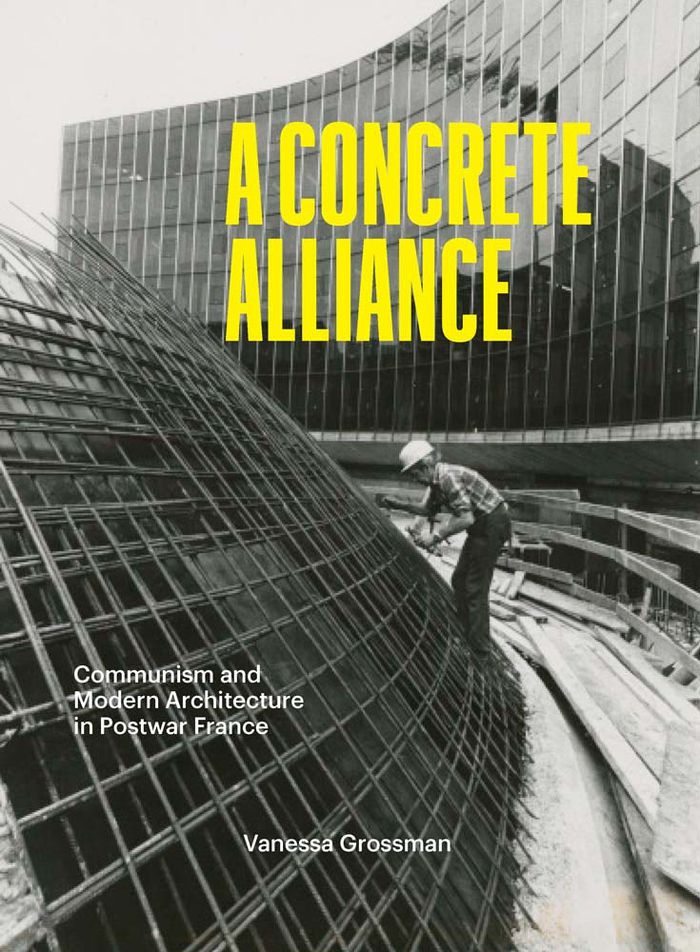
The massive reshaping of French cities that took place between 1958 and 1981 is commonly regarded as a unique episode in which modernist ideals were tested on an unprecedented scale. Yet the history of postwar French modernism has never fully accounted for the influence of one of architecture’s most important institutional patrons, the French Communist Party (PCF). Drawing political theory and architectural history into conversation, Vanessa Grossman probes the shifting but enduring alliance between modern architecture and the PCF in the aftermath of the political crisis of 1958, prompted by the Algerian War of Independence and Charles de Gaulle’s rise to power.
A concrete alliance: Communism and modern architecture in postwar France
Actions:
Price:
$94.00
(available to order)
Summary:
The massive reshaping of French cities that took place between 1958 and 1981 is commonly regarded as a unique episode in which modernist ideals were tested on an unprecedented scale. Yet the history of postwar French modernism has never fully accounted for the influence of one of architecture’s most important institutional patrons, the French Communist Party (PCF). Drawing political theory and architectural history into conversation, Vanessa Grossman probes the shifting but enduring alliance between modern architecture and the PCF in the aftermath of the political crisis of 1958, prompted by the Algerian War of Independence and Charles de Gaulle’s rise to power.
Form:
books
books
Publication:
November 2024
November 2024
Subject:
Modernism
Modernism
Form:
books
books
Actions:
Price:
$63.00
(available in store)
Summary:
Emerging in the death throes of colonial rule, the story of ''Tropical Modernism'' is one of politics and power, decolonization and defiance. Its leading proponents, British architects Jane Drew and Maxwell Fry, adapted a utopian Bauhaus-derived Modernist aesthetic to hot and humid conditions. After Independence, ''Tropical Modernism'' was championed by leaders including(...)
$63.00
(available in store)
Summary:
Emerging in the death throes of colonial rule, the story of ''Tropical Modernism'' is one of politics and power, decolonization and defiance. Its leading proponents, British architects Jane Drew and Maxwell Fry, adapted a utopian Bauhaus-derived Modernist aesthetic to hot and humid conditions. After Independence, ''Tropical Modernism'' was championed by leaders including(...)
Title:
Tropical Modernism: Architecture and independence
Actions:
Price:
$63.00
(available in store)
Summary:
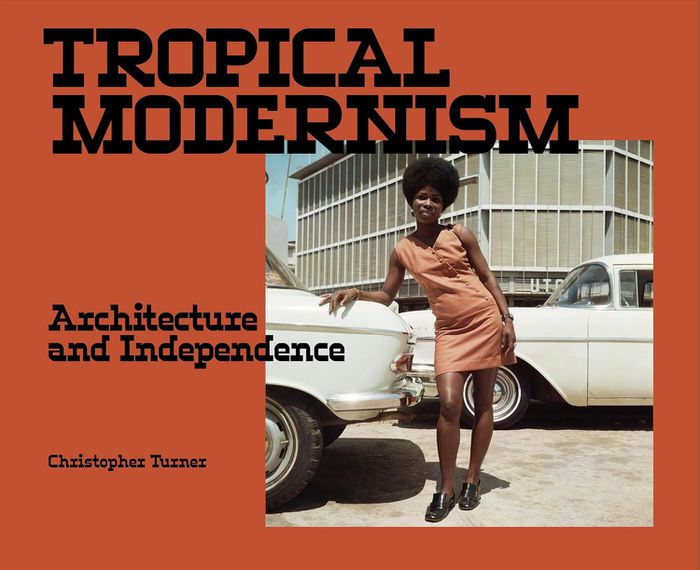
Emerging in the death throes of colonial rule, the story of ''Tropical Modernism'' is one of politics and power, decolonization and defiance. Its leading proponents, British architects Jane Drew and Maxwell Fry, adapted a utopian Bauhaus-derived Modernist aesthetic to hot and humid conditions. After Independence, ''Tropical Modernism'' was championed by leaders including Jawaharlal Nehru and Kwame Nkrumah as a symbol of freedom, progressiveness and internationalism in monumental projects such as Chandigarh in Punjab planned by Le Corbusier and Black Star Square in Accra designed by Victor Adegbite. Scrutinizing the colonial narratives surrounding ''Tropical Modernism'', and foregrounding the experience of African and Indian practitioners, this book reassesses an architectural style which has increasing relevance in today’s changing climate.
Tropical Modernism: Architecture and independence
Actions:
Price:
$63.00
(available in store)
Summary:
Emerging in the death throes of colonial rule, the story of ''Tropical Modernism'' is one of politics and power, decolonization and defiance. Its leading proponents, British architects Jane Drew and Maxwell Fry, adapted a utopian Bauhaus-derived Modernist aesthetic to hot and humid conditions. After Independence, ''Tropical Modernism'' was championed by leaders including Jawaharlal Nehru and Kwame Nkrumah as a symbol of freedom, progressiveness and internationalism in monumental projects such as Chandigarh in Punjab planned by Le Corbusier and Black Star Square in Accra designed by Victor Adegbite. Scrutinizing the colonial narratives surrounding ''Tropical Modernism'', and foregrounding the experience of African and Indian practitioners, this book reassesses an architectural style which has increasing relevance in today’s changing climate.
Form:
books
books
Publication:
September 2024
September 2024
Subject:
Modernism
Modernism


