


221 Results
Form:
books
books
Actions:
Price:
$48.00
(available in store)
Summary:
A photographic insight into the Soviet-era architecture of one of the most extreme, little-known and vast territories on Earth. From the Ural Mountains to the Arctic Circle, the book features the extensive microrayons of Siberia’s urban centres, the brutal landscapes of industrial monotowns, cosmic circuses, concrete theatres and opera houses, as well as prefabricated(...)
$48.00
(available in store)
Summary:
A photographic insight into the Soviet-era architecture of one of the most extreme, little-known and vast territories on Earth. From the Ural Mountains to the Arctic Circle, the book features the extensive microrayons of Siberia’s urban centres, the brutal landscapes of industrial monotowns, cosmic circuses, concrete theatres and opera houses, as well as prefabricated(...)
Title:
Concrete Siberia: Soviet landscapes of the far North
Actions:
Price:
$48.00
(available in store)
Summary:
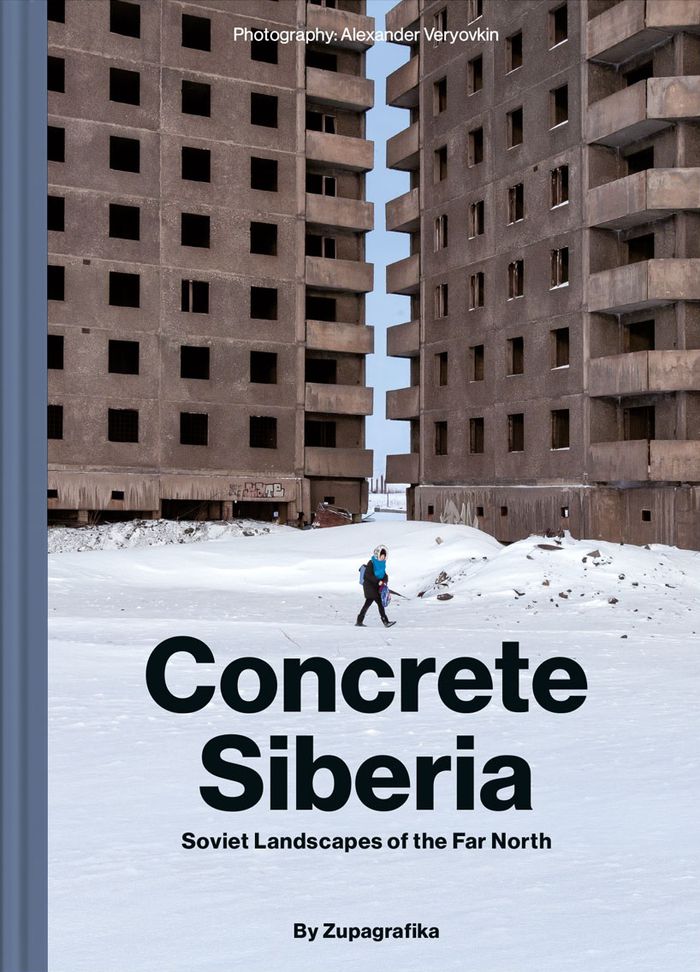
A photographic insight into the Soviet-era architecture of one of the most extreme, little-known and vast territories on Earth. From the Ural Mountains to the Arctic Circle, the book features the extensive microrayons of Siberia’s urban centres, the brutal landscapes of industrial monotowns, cosmic circuses, concrete theatres and opera houses, as well as prefabricated panel blocks, or panelki, erected on permafrost. Divided into 6 chapters, Concrete Siberia by Zupagrafika contains over 100 photographs capturing the stark splendour of post-war modernist architecture scattered around the cities of Novosibirsk, Omsk, Krasnoyarsk, Norilsk, Irkutsk and Yakutsk and the quotidian lives of their inhabitants.
Concrete Siberia: Soviet landscapes of the far North
Actions:
Price:
$48.00
(available in store)
Summary:
A photographic insight into the Soviet-era architecture of one of the most extreme, little-known and vast territories on Earth. From the Ural Mountains to the Arctic Circle, the book features the extensive microrayons of Siberia’s urban centres, the brutal landscapes of industrial monotowns, cosmic circuses, concrete theatres and opera houses, as well as prefabricated panel blocks, or panelki, erected on permafrost. Divided into 6 chapters, Concrete Siberia by Zupagrafika contains over 100 photographs capturing the stark splendour of post-war modernist architecture scattered around the cities of Novosibirsk, Omsk, Krasnoyarsk, Norilsk, Irkutsk and Yakutsk and the quotidian lives of their inhabitants.
Form:
books
books
Publication:
September 2020
September 2020
Subject:
Modernism
Modernism
Form:
books
books
Actions:
Price:
$55.00
(available to order)
Summary:
This book delves into the architectural heritage of public housing developed in Hong Kong between the 1950s and the 1980s. Embracing the modernist architectural approach, the city initiated mass housing projects that redefined urban living. Towering structures emerged to meet the housing needs of nearly three million residents, resulting in one of the world’s most(...)
$55.00
(available to order)
Summary:
This book delves into the architectural heritage of public housing developed in Hong Kong between the 1950s and the 1980s. Embracing the modernist architectural approach, the city initiated mass housing projects that redefined urban living. Towering structures emerged to meet the housing needs of nearly three million residents, resulting in one of the world’s most(...)
Title:
Concrete Hong Kong: Build your own Modernist metropolis
Actions:
Price:
$55.00
(available to order)
Summary:
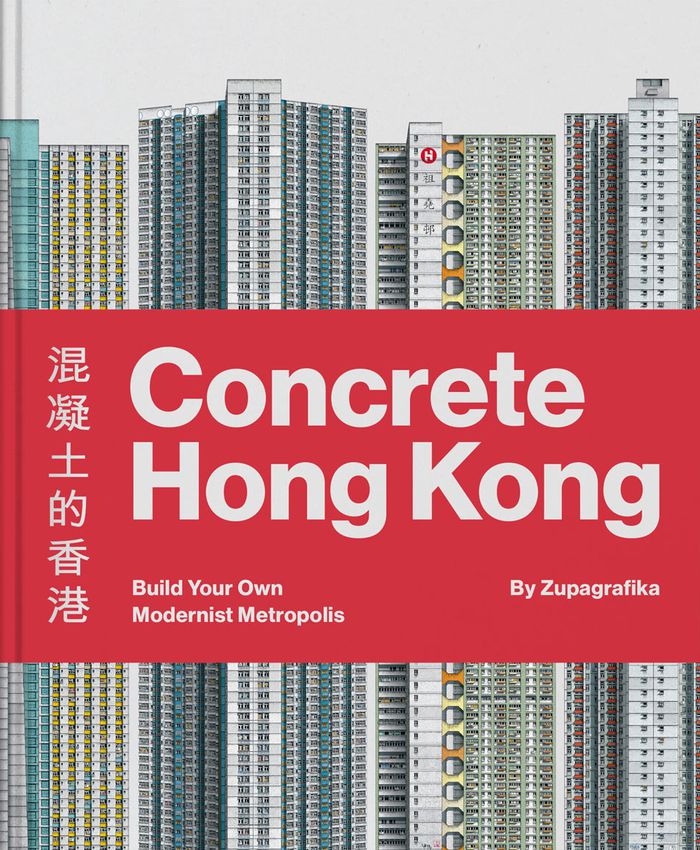
This book delves into the architectural heritage of public housing developed in Hong Kong between the 1950s and the 1980s. Embracing the modernist architectural approach, the city initiated mass housing projects that redefined urban living. Towering structures emerged to meet the housing needs of nearly three million residents, resulting in one of the world’s most futuristic and densely populated urban landscapes. Through captivating photographs and engaging narratives, the first half of Concrete Hong Kong offers a glimpse into the housing estates constructed during the second half of the 20th century, showcasing a variety of structures, including the cruciform Shun On Estate, the vibrant Choi Hung Estate, and the brutalist Po Lai Court. The second half of the book immerses readers in a hands-on experience, featuring six pre-cut and pre-folded models ready to be pressed out and assembled, making this book a must-have for anyone seeking to uncover the hidden stories behind Hong Kong’s concrete jungles. All you need is glue! Includes a foreword by Charles Lai, architect and architectural historian based in Hong Kong.
Concrete Hong Kong: Build your own Modernist metropolis
Actions:
Price:
$55.00
(available to order)
Summary:
This book delves into the architectural heritage of public housing developed in Hong Kong between the 1950s and the 1980s. Embracing the modernist architectural approach, the city initiated mass housing projects that redefined urban living. Towering structures emerged to meet the housing needs of nearly three million residents, resulting in one of the world’s most futuristic and densely populated urban landscapes. Through captivating photographs and engaging narratives, the first half of Concrete Hong Kong offers a glimpse into the housing estates constructed during the second half of the 20th century, showcasing a variety of structures, including the cruciform Shun On Estate, the vibrant Choi Hung Estate, and the brutalist Po Lai Court. The second half of the book immerses readers in a hands-on experience, featuring six pre-cut and pre-folded models ready to be pressed out and assembled, making this book a must-have for anyone seeking to uncover the hidden stories behind Hong Kong’s concrete jungles. All you need is glue! Includes a foreword by Charles Lai, architect and architectural historian based in Hong Kong.
Form:
books
books
Publication:
September 2023
September 2023
Subject:
Modernism
Modernism
Form:
books
books

Price:
$134.99
(available in store)
Summary:
The 1960s continue to hold an almost mythical place in Western culture, particularly in Britain, where change was widespread and infiltrated many aspects of life. This included architecture, whose role in a modern democracy and the form it should take were hotly debated. This book discusses the architectural thinking of the time through an examination of the design of(...)
$134.99
(available in store)
Summary:
The 1960s continue to hold an almost mythical place in Western culture, particularly in Britain, where change was widespread and infiltrated many aspects of life. This included architecture, whose role in a modern democracy and the form it should take were hotly debated. This book discusses the architectural thinking of the time through an examination of the design of(...)
Title:
1960s University buildings: The golden age of British modern architecture
Actions:
Price:
$134.99
(available in store)
Summary:
The 1960s continue to hold an almost mythical place in Western culture, particularly in Britain, where change was widespread and infiltrated many aspects of life. This included architecture, whose role in a modern democracy and the form it should take were hotly debated. This book discusses the architectural thinking of the time through an examination of the design of university buildings. While there were notable buildings being built in other spheres, no other field of architecture provided the opportunity to express those ideas as freely, while also reflecting innovative new thinking about education and society. Somehow, the university buildings of the 1960s seemed to represent the cutting edge of modern architecture in the UK. This book provides the first critical analysis and overview of these buildings, designed by some of the leading British architects of the period including Basil Spence, Leslie Martin, Alison and Peter Smithson, Denys Lasdun, Powell and Moya and James Stirling. By placing the buildings in a wider social, cultural and political context, it examines the combination of circumstances and attitudes that produced results that are equally admired and detested and allows us to understand how we might replicate or avoid them in the future.
1960s University buildings: The golden age of British modern architecture
Actions:
Price:
$134.99
(available in store)
Summary:
The 1960s continue to hold an almost mythical place in Western culture, particularly in Britain, where change was widespread and infiltrated many aspects of life. This included architecture, whose role in a modern democracy and the form it should take were hotly debated. This book discusses the architectural thinking of the time through an examination of the design of university buildings. While there were notable buildings being built in other spheres, no other field of architecture provided the opportunity to express those ideas as freely, while also reflecting innovative new thinking about education and society. Somehow, the university buildings of the 1960s seemed to represent the cutting edge of modern architecture in the UK. This book provides the first critical analysis and overview of these buildings, designed by some of the leading British architects of the period including Basil Spence, Leslie Martin, Alison and Peter Smithson, Denys Lasdun, Powell and Moya and James Stirling. By placing the buildings in a wider social, cultural and political context, it examines the combination of circumstances and attitudes that produced results that are equally admired and detested and allows us to understand how we might replicate or avoid them in the future.
Form:
books
books
Publication:
June 2025
June 2025
Subject:
Modernism
Modernism
Form:
books
books
Actions:
Price:
$50.00
(available to order)
Summary:
Un ouvrage complet sur ce lieu extraordinaire, labellisé « Patrimoine du XXe siècle », qui accueille 150 000 visiteurs par an pour découvrir une collection permanente forte de plus de 13 000 oeuvres et 40 000 ouvrages… La proposition tout en discrétion de Silvio d'Ascia reconvertit 80 m2, glisse une grande salle de 390 m2 en sous-sol sous la cour Giacometti, une autre,(...)
$50.00
(available to order)
Summary:
Un ouvrage complet sur ce lieu extraordinaire, labellisé « Patrimoine du XXe siècle », qui accueille 150 000 visiteurs par an pour découvrir une collection permanente forte de plus de 13 000 oeuvres et 40 000 ouvrages… La proposition tout en discrétion de Silvio d'Ascia reconvertit 80 m2, glisse une grande salle de 390 m2 en sous-sol sous la cour Giacometti, une autre,(...)
Title:
Fondation Marguerite et Aimé Maeght
Actions:
Price:
$50.00
(available to order)
Summary:
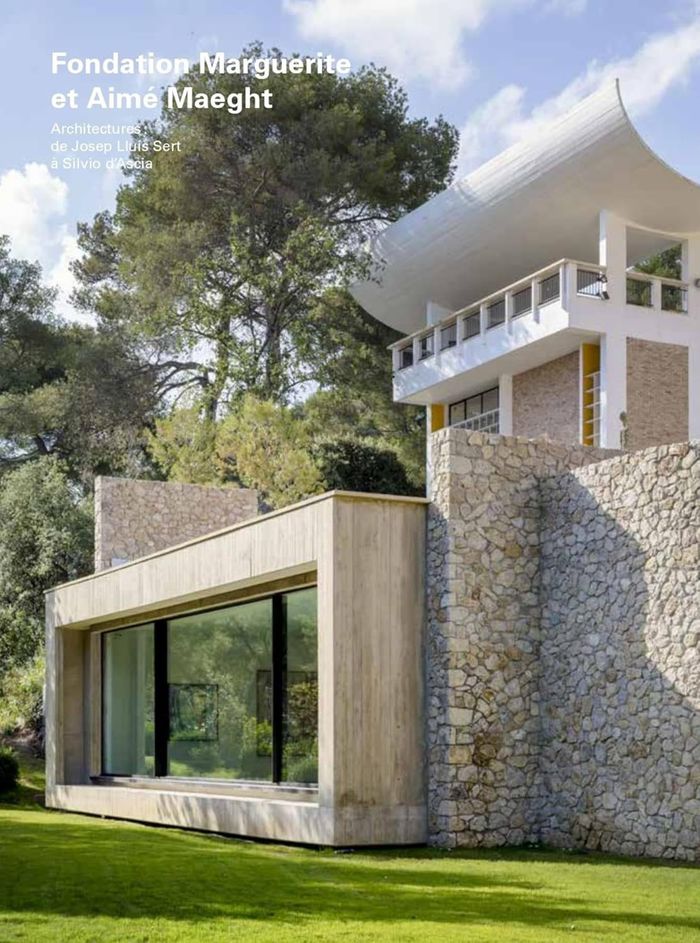
Un ouvrage complet sur ce lieu extraordinaire, labellisé « Patrimoine du XXe siècle », qui accueille 150 000 visiteurs par an pour découvrir une collection permanente forte de plus de 13 000 oeuvres et 40 000 ouvrages… La proposition tout en discrétion de Silvio d'Ascia reconvertit 80 m2, glisse une grande salle de 390 m2 en sous-sol sous la cour Giacometti, une autre, plus petite, de 66 m2 sous la cour Miró et tire parti d'une galerie de 44 m2 formant passage entre les deux salles. Le tout en incluant un ascenseur pour l'accessibilité PMR et en purgeant les ajouts parasites disgracieux accumulés au fil des ans. Les nouveaux espaces viennent s'inscrire dans le dénivelé du site pour s'ouvrir par des baies monumentales vers les lointains et la pinède. L'attention scrupuleuse portée au « génie du lieu » a orienté le choix des matériaux : terre cuite, travertin, béton de site, verre et acier.
Fondation Marguerite et Aimé Maeght
Actions:
Price:
$50.00
(available to order)
Summary:
Un ouvrage complet sur ce lieu extraordinaire, labellisé « Patrimoine du XXe siècle », qui accueille 150 000 visiteurs par an pour découvrir une collection permanente forte de plus de 13 000 oeuvres et 40 000 ouvrages… La proposition tout en discrétion de Silvio d'Ascia reconvertit 80 m2, glisse une grande salle de 390 m2 en sous-sol sous la cour Giacometti, une autre, plus petite, de 66 m2 sous la cour Miró et tire parti d'une galerie de 44 m2 formant passage entre les deux salles. Le tout en incluant un ascenseur pour l'accessibilité PMR et en purgeant les ajouts parasites disgracieux accumulés au fil des ans. Les nouveaux espaces viennent s'inscrire dans le dénivelé du site pour s'ouvrir par des baies monumentales vers les lointains et la pinède. L'attention scrupuleuse portée au « génie du lieu » a orienté le choix des matériaux : terre cuite, travertin, béton de site, verre et acier.
Form:
books
books
Publication:
October 2025
October 2025
Subject:
Modernism
Modernism
Form:
books
books
Title:
Modernism in late-Mao China
Modernism in late-Mao China
Actions:
Price:
$81.50
(available in store)
Summary:
This book investigates the architectural history of China in the Mao era (1949–1976), focusing on the rise of modernism in the last seven years of the Cultural Revolution from 1969 to 1976. It highlights the new architecture of this period, exemplified by three clusters of buildings for foreign affairs, namely buildings for foreign diplomacy in Beijing, buildings for(...)
$81.50
(available in store)
Summary:
This book investigates the architectural history of China in the Mao era (1949–1976), focusing on the rise of modernism in the last seven years of the Cultural Revolution from 1969 to 1976. It highlights the new architecture of this period, exemplified by three clusters of buildings for foreign affairs, namely buildings for foreign diplomacy in Beijing, buildings for(...)
Title:
Modernism in late-Mao China
Actions:
Price:
$81.50
(available in store)
Summary:
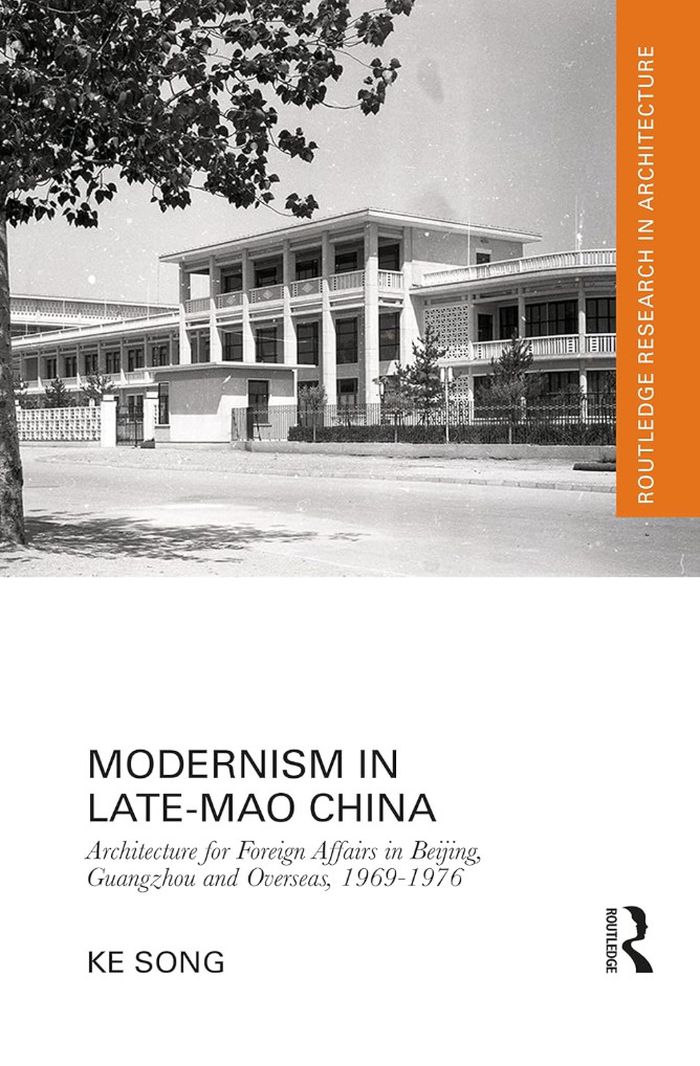
This book investigates the architectural history of China in the Mao era (1949–1976), focusing on the rise of modernism in the last seven years of the Cultural Revolution from 1969 to 1976. It highlights the new architecture of this period, exemplified by three clusters of buildings for foreign affairs, namely buildings for foreign diplomacy in Beijing, buildings for foreign trade in Guangzhou and China’s foreign aid projects overseas. The emergence of new architecture in the early 1970s is closely associated with China’s political and diplomatic shift of the time, from a radical emphasis on ideological struggle to a dynamic balance between leftist ideology and pragmatic concerns. In this context, China’s relations with the West quickly improved, culminating with American president Richard Nixon’s visit to China in 1972. The increasing foreign affairs brought new opportunities to Chinese architects who referenced both Western modernism and Chinese architectural traditions to create a new version of Chinese modernism. The book brings dimensions of form, politics and knowledge to the analysis of architecture, to construct an understanding of architectural design as an aesthetic, political and intellectual practice.
Modernism in late-Mao China
Actions:
Price:
$81.50
(available in store)
Summary:
This book investigates the architectural history of China in the Mao era (1949–1976), focusing on the rise of modernism in the last seven years of the Cultural Revolution from 1969 to 1976. It highlights the new architecture of this period, exemplified by three clusters of buildings for foreign affairs, namely buildings for foreign diplomacy in Beijing, buildings for foreign trade in Guangzhou and China’s foreign aid projects overseas. The emergence of new architecture in the early 1970s is closely associated with China’s political and diplomatic shift of the time, from a radical emphasis on ideological struggle to a dynamic balance between leftist ideology and pragmatic concerns. In this context, China’s relations with the West quickly improved, culminating with American president Richard Nixon’s visit to China in 1972. The increasing foreign affairs brought new opportunities to Chinese architects who referenced both Western modernism and Chinese architectural traditions to create a new version of Chinese modernism. The book brings dimensions of form, politics and knowledge to the analysis of architecture, to construct an understanding of architectural design as an aesthetic, political and intellectual practice.
Form:
books
books
Publication:
December 2025
December 2025
Form:
books
books
Actions:
Price:
$44.00
(available to order)
Summary:
The design of imaginary, conceptual, or radical buildings is as old as the practice of architecture itself. For centuries, architects such as Piranesi, Ledoux, and Sant'Elia have drawn on their creative abilities to produce breathtaking works of imagination. Since World War II, technology has caught up with our imagination: there are few buildings that can be envisioned(...)
$44.00
(available to order)
Summary:
The design of imaginary, conceptual, or radical buildings is as old as the practice of architecture itself. For centuries, architects such as Piranesi, Ledoux, and Sant'Elia have drawn on their creative abilities to produce breathtaking works of imagination. Since World War II, technology has caught up with our imagination: there are few buildings that can be envisioned(...)
Title:
Visionary Architecture: Blueprints of the modern imagination
Actions:
Price:
$44.00
(available to order)
Summary:
The design of imaginary, conceptual, or radical buildings is as old as the practice of architecture itself. For centuries, architects such as Piranesi, Ledoux, and Sant'Elia have drawn on their creative abilities to produce breathtaking works of imagination. Since World War II, technology has caught up with our imagination: there are few buildings that can be envisioned but not built. For the past six decades, architects have created an astonishing range of constructs and urban utopias that have influenced generations of practitioners. Architects such as Libeskind, Koolhaas, Eisenman, Hadid, and many others, whose works were once considered too experimental or controversial to construct, are creating cultural icons the world over. This definitive history of experimental architecture since 1945 provides a thematic overview of the most important and far-reaching work produced in the last sixty years; a survey of contemporary experimental practices, shown through case studies; and an illustrated glossary of ideas, movements, people, and terms. 450+ illustrations, 250 in color.
Visionary Architecture: Blueprints of the modern imagination
Actions:
Price:
$44.00
(available to order)
Summary:
The design of imaginary, conceptual, or radical buildings is as old as the practice of architecture itself. For centuries, architects such as Piranesi, Ledoux, and Sant'Elia have drawn on their creative abilities to produce breathtaking works of imagination. Since World War II, technology has caught up with our imagination: there are few buildings that can be envisioned but not built. For the past six decades, architects have created an astonishing range of constructs and urban utopias that have influenced generations of practitioners. Architects such as Libeskind, Koolhaas, Eisenman, Hadid, and many others, whose works were once considered too experimental or controversial to construct, are creating cultural icons the world over. This definitive history of experimental architecture since 1945 provides a thematic overview of the most important and far-reaching work produced in the last sixty years; a survey of contemporary experimental practices, shown through case studies; and an illustrated glossary of ideas, movements, people, and terms. 450+ illustrations, 250 in color.
Form:
books
books
Publication:
November 2007, New York
November 2007, New York
Subject:
Modernism
Modernism
Form:
books
books
Actions:
Price:
$42.00
(available in store)
Summary:
The Bauhaus Dessau, designed by Walter Gropius and from 1925 to 1932 the headquarters of the "Hochschule für Gestaltung Bauhaus Dessau", attracts around 80,000 visitors annually from Germany and abroad who are in search of the roots of the 20th century Modernism. Now the first book in which the UNESCO world cultural heritage site is introduced following its complete(...)
$42.00
(available in store)
Summary:
The Bauhaus Dessau, designed by Walter Gropius and from 1925 to 1932 the headquarters of the "Hochschule für Gestaltung Bauhaus Dessau", attracts around 80,000 visitors annually from Germany and abroad who are in search of the roots of the 20th century Modernism. Now the first book in which the UNESCO world cultural heritage site is introduced following its complete(...)
Title:
Bauhau Dessau : architecture, design, concept
Actions:
Price:
$42.00
(available in store)
Summary:
The Bauhaus Dessau, designed by Walter Gropius and from 1925 to 1932 the headquarters of the "Hochschule für Gestaltung Bauhaus Dessau", attracts around 80,000 visitors annually from Germany and abroad who are in search of the roots of the 20th century Modernism. Now the first book in which the UNESCO world cultural heritage site is introduced following its complete renovation is available. Featuring more than 110 black and white photographs, "Bauhaus Dessau" presents the whole scope of architectural and artistic variety and quality of the building. The book sketches the history of the building, its architectural parts, the interior design created by the Bauhaus artists, as well as the functions of the building. "Bauhaus Dessau" is well-suited as a companion for a tour through the building as well as a reference of individual details. In addition to the visual objects, the text also describes the work carried out in the former workshops and their most important products, because architecture, design and concept of the Bauhaus are inseparably connected to each other.
Bauhau Dessau : architecture, design, concept
Actions:
Price:
$42.00
(available in store)
Summary:
The Bauhaus Dessau, designed by Walter Gropius and from 1925 to 1932 the headquarters of the "Hochschule für Gestaltung Bauhaus Dessau", attracts around 80,000 visitors annually from Germany and abroad who are in search of the roots of the 20th century Modernism. Now the first book in which the UNESCO world cultural heritage site is introduced following its complete renovation is available. Featuring more than 110 black and white photographs, "Bauhaus Dessau" presents the whole scope of architectural and artistic variety and quality of the building. The book sketches the history of the building, its architectural parts, the interior design created by the Bauhaus artists, as well as the functions of the building. "Bauhaus Dessau" is well-suited as a companion for a tour through the building as well as a reference of individual details. In addition to the visual objects, the text also describes the work carried out in the former workshops and their most important products, because architecture, design and concept of the Bauhaus are inseparably connected to each other.
Form:
books
books
Publication:
July 2007, Berlin
July 2007, Berlin
Subject:
Modernism
Modernism
Form:
books
books

Title:
The lost vanguard
The lost vanguard
Actions:
Price:
$98.00
(available to order)
Summary:
The Lost Vanguard documents the work of modernist architects in the Soviet Union during the years following the 1917 revolution and civil war. In little more than a decade, some of the most radical buildings of the twentieth century were completed by a small group of architects who developed a new architectural language in support of new social goals of communal life.(...)
$98.00
(available to order)
Summary:
The Lost Vanguard documents the work of modernist architects in the Soviet Union during the years following the 1917 revolution and civil war. In little more than a decade, some of the most radical buildings of the twentieth century were completed by a small group of architects who developed a new architectural language in support of new social goals of communal life.(...)
Subject:
Modernism
Modernism
Publication:
June 2007, New York
June 2007, New York
Title:
The lost vanguard
Actions:
Price:
$98.00
(available to order)
Summary:
The Lost Vanguard documents the work of modernist architects in the Soviet Union during the years following the 1917 revolution and civil war. In little more than a decade, some of the most radical buildings of the twentieth century were completed by a small group of architects who developed a new architectural language in support of new social goals of communal life. Rarely published and virtually inaccessible until the collapse of the Soviet regime, these important buildings have remained unknown and unappreciated. Richard Pare's photographs reveal the powerful forms of these structures, some still in use but many now abandoned and decayed. Massive industrial complexes like the Dnieper River Dam and MoGES, which supplies electricity to the city of Moscow; vast communal houses for workers, including Ginzburg's Narkomfin; commercial buildings and government offices; and smaller clubs and theaters were all built in this brief period. In an incisive essay, architectural historian Jean-Louis Cohen surveys the history of the period, providing a context for the emergence of this startling new architecture in parallel to contemporary experiments in Europe.
The lost vanguard
Actions:
Price:
$98.00
(available to order)
Summary:
The Lost Vanguard documents the work of modernist architects in the Soviet Union during the years following the 1917 revolution and civil war. In little more than a decade, some of the most radical buildings of the twentieth century were completed by a small group of architects who developed a new architectural language in support of new social goals of communal life. Rarely published and virtually inaccessible until the collapse of the Soviet regime, these important buildings have remained unknown and unappreciated. Richard Pare's photographs reveal the powerful forms of these structures, some still in use but many now abandoned and decayed. Massive industrial complexes like the Dnieper River Dam and MoGES, which supplies electricity to the city of Moscow; vast communal houses for workers, including Ginzburg's Narkomfin; commercial buildings and government offices; and smaller clubs and theaters were all built in this brief period. In an incisive essay, architectural historian Jean-Louis Cohen surveys the history of the period, providing a context for the emergence of this startling new architecture in parallel to contemporary experiments in Europe.
Form:
books
books
Publication:
June 2007, New York
June 2007, New York
Subject:
Modernism
Modernism
Form:
books
books
Actions:
Price:
$47.50
(available to order)
Summary:
Architect, designer, and architectural critic, George Nelson (1908�1986) was a young and impressionable architect when he wrote a series of articles in 1935 and 1936 that eloquently introduced astonishing buildings and fascinating personalities from across the Atlantic to wider American audiences. Building a New Europe presents this important collection of writings(...)
$47.50
(available to order)
Summary:
Architect, designer, and architectural critic, George Nelson (1908�1986) was a young and impressionable architect when he wrote a series of articles in 1935 and 1936 that eloquently introduced astonishing buildings and fascinating personalities from across the Atlantic to wider American audiences. Building a New Europe presents this important collection of writings(...)
Title:
Building a new europe : Portraits of modern architects
Actions:
Price:
$47.50
(available to order)
Summary:
Architect, designer, and architectural critic, George Nelson (1908�1986) was a young and impressionable architect when he wrote a series of articles in 1935 and 1936 that eloquently introduced astonishing buildings and fascinating personalities from across the Atlantic to wider American audiences. Building a New Europe presents this important collection of writings together for the first time. The subjects of Nelson�s essays include figures both major (Mies van Der Rohe and Le Corbusier) and minor (Helweg-Moeller and Ivar Tengbom). All of these architects would soon be affected by World War II�they would be put out of work or seek new careers abroad. Nelson�s essays spark fascinating questions about the canon of modernism: how would circumstances in the pre-war years cause some architects to rise and others to fall? Accompanied by a comprehensive introduction and a wide selection of archival photographs, many never before published, this unique study is a significant contribution to the history of modern architecture. George Nelson served as the design director of Herman Miller from 1946 to 1972. His books include Chairs: 20th Century Landmarks in Design and Tomorrow�s House.
Building a new europe : Portraits of modern architects
Actions:
Price:
$47.50
(available to order)
Summary:
Architect, designer, and architectural critic, George Nelson (1908�1986) was a young and impressionable architect when he wrote a series of articles in 1935 and 1936 that eloquently introduced astonishing buildings and fascinating personalities from across the Atlantic to wider American audiences. Building a New Europe presents this important collection of writings together for the first time. The subjects of Nelson�s essays include figures both major (Mies van Der Rohe and Le Corbusier) and minor (Helweg-Moeller and Ivar Tengbom). All of these architects would soon be affected by World War II�they would be put out of work or seek new careers abroad. Nelson�s essays spark fascinating questions about the canon of modernism: how would circumstances in the pre-war years cause some architects to rise and others to fall? Accompanied by a comprehensive introduction and a wide selection of archival photographs, many never before published, this unique study is a significant contribution to the history of modern architecture. George Nelson served as the design director of Herman Miller from 1946 to 1972. His books include Chairs: 20th Century Landmarks in Design and Tomorrow�s House.
Form:
books
books
Publication:
February 2007, New Haven, Londres
February 2007, New Haven, Londres
Subject:
Modernism
Modernism
Form:
books
books
Actions:
Price:
$63.95
(available to order)
Summary:
Depuis sa première édition en langue anglaise en 1980, "L'Architecture moderne : une histoire critique", est devenu un classique. L'ouvrage de Kenneth Frampton mêle en effet le ton pédagogique et accessible d'un enseignant invité dans les universités et écoles d'architecture et le point de vue d'un chercheur et critique profondément engagé dans les débats de son temps.(...)
$63.95
(available to order)
Summary:
Depuis sa première édition en langue anglaise en 1980, "L'Architecture moderne : une histoire critique", est devenu un classique. L'ouvrage de Kenneth Frampton mêle en effet le ton pédagogique et accessible d'un enseignant invité dans les universités et écoles d'architecture et le point de vue d'un chercheur et critique profondément engagé dans les débats de son temps.(...)
Title:
L'architecture moderne : une histoire critique
Actions:
Price:
$63.95
(available to order)
Summary:
Depuis sa première édition en langue anglaise en 1980, "L'Architecture moderne : une histoire critique", est devenu un classique. L'ouvrage de Kenneth Frampton mêle en effet le ton pédagogique et accessible d'un enseignant invité dans les universités et écoles d'architecture et le point de vue d'un chercheur et critique profondément engagé dans les débats de son temps. L'auteur retrace les origines tant culturelles qu'urbaines et techniques de l'architecture moderne en remontant jusqu'au tout début du XIXe siècle. Il examine ensuite en des chapitres clairement délimités - où bâtiments et théories architecturales sont toujours éclairés par leur contexte social, politique, économique et technique - les principaux mouvements, développements nationaux ou périodes de création des grands concepteurs du XXe siècle. Enfin, en critique avisé de l'époque actuelle, il détecte et explique certains traits de l'architecture contemporaine, notamment à l'aide des concepts de " régionalisme critique " et de " pratique réflexive ". Son analyse de l'aspect plus particulièrement tectonique de certaines œuvres architecturales est à la fois originale et féconde. Une version française de la première édition de ce livre était parue en 1985, et introuvable depuis de nombreuses années. Le présent ouvrage, qui reprend la troisième et dernière édition anglaise, bénéficie d'une nouvelle traduction ainsi que d'une bibliographie revue et augmentée. Ses 377 illustrations viennent appuyer avec précision le propos de l'auteur.
L'architecture moderne : une histoire critique
Actions:
Price:
$63.95
(available to order)
Summary:
Depuis sa première édition en langue anglaise en 1980, "L'Architecture moderne : une histoire critique", est devenu un classique. L'ouvrage de Kenneth Frampton mêle en effet le ton pédagogique et accessible d'un enseignant invité dans les universités et écoles d'architecture et le point de vue d'un chercheur et critique profondément engagé dans les débats de son temps. L'auteur retrace les origines tant culturelles qu'urbaines et techniques de l'architecture moderne en remontant jusqu'au tout début du XIXe siècle. Il examine ensuite en des chapitres clairement délimités - où bâtiments et théories architecturales sont toujours éclairés par leur contexte social, politique, économique et technique - les principaux mouvements, développements nationaux ou périodes de création des grands concepteurs du XXe siècle. Enfin, en critique avisé de l'époque actuelle, il détecte et explique certains traits de l'architecture contemporaine, notamment à l'aide des concepts de " régionalisme critique " et de " pratique réflexive ". Son analyse de l'aspect plus particulièrement tectonique de certaines œuvres architecturales est à la fois originale et féconde. Une version française de la première édition de ce livre était parue en 1985, et introuvable depuis de nombreuses années. Le présent ouvrage, qui reprend la troisième et dernière édition anglaise, bénéficie d'une nouvelle traduction ainsi que d'une bibliographie revue et augmentée. Ses 377 illustrations viennent appuyer avec précision le propos de l'auteur.
Form:
books
books
Publication:
October 2006, London, Paris
October 2006, London, Paris
Subject:
Modernism
Modernism


