


221 Results
Form:
books
books
Actions:
Price:
$59.95
(available to order)
Summary:
"Ornament is crime" is a celebration and a thought-provoking reappraisal of modernist architecture. The book proposes that modernism need no longer be confined by traditional definitions, and can be seen in both the iconic works of the modernist canon by Le Corbusier, Mies van der Rohe, and Walter Gropius, as well as in the work of some of the best contemporary architects(...)
$59.95
(available to order)
Summary:
"Ornament is crime" is a celebration and a thought-provoking reappraisal of modernist architecture. The book proposes that modernism need no longer be confined by traditional definitions, and can be seen in both the iconic works of the modernist canon by Le Corbusier, Mies van der Rohe, and Walter Gropius, as well as in the work of some of the best contemporary architects(...)
Title:
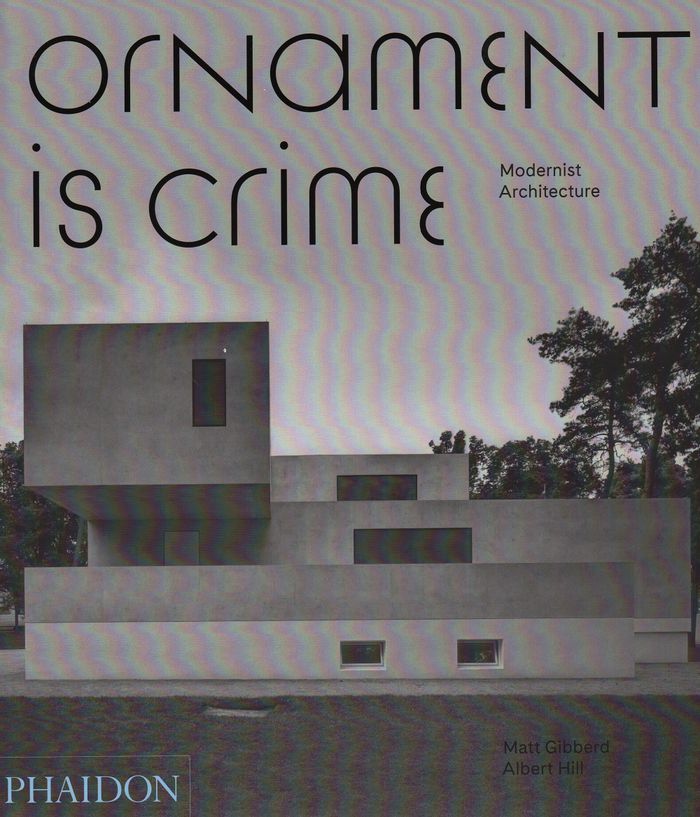
Ornament is crime: modernist architecture
Actions:
Price:
$59.95
(available to order)
Summary:
"Ornament is crime" is a celebration and a thought-provoking reappraisal of modernist architecture. The book proposes that modernism need no longer be confined by traditional definitions, and can be seen in both the iconic works of the modernist canon by Le Corbusier, Mies van der Rohe, and Walter Gropius, as well as in the work of some of the best contemporary architects of the twenty-first century. This book is a visual manifesto and a celebration of the most important architectural movement in modern history.
Ornament is crime: modernist architecture
Actions:
Price:
$59.95
(available to order)
Summary:
"Ornament is crime" is a celebration and a thought-provoking reappraisal of modernist architecture. The book proposes that modernism need no longer be confined by traditional definitions, and can be seen in both the iconic works of the modernist canon by Le Corbusier, Mies van der Rohe, and Walter Gropius, as well as in the work of some of the best contemporary architects of the twenty-first century. This book is a visual manifesto and a celebration of the most important architectural movement in modern history.
Form:
books
books
Publication:
June 2017
June 2017
Subject:
Modernism
Modernism
Form:
books
books
Actions:
Price:
$64.50
(available to order)
Summary:
Moduli 225 is a modular timber frame system for holiday homes developed from 1968 to 1974 by the Finnish architects Kristian Gullichsen and Juhani Pallasmaa. Through the use of prefabricated standard elements, the system allowed anyone to construct a building of high aesthetic quality in a flexible and modifiable way by combining components according to their personal(...)
$64.50
(available to order)
Summary:
Moduli 225 is a modular timber frame system for holiday homes developed from 1968 to 1974 by the Finnish architects Kristian Gullichsen and Juhani Pallasmaa. Through the use of prefabricated standard elements, the system allowed anyone to construct a building of high aesthetic quality in a flexible and modifiable way by combining components according to their personal(...)
Title:
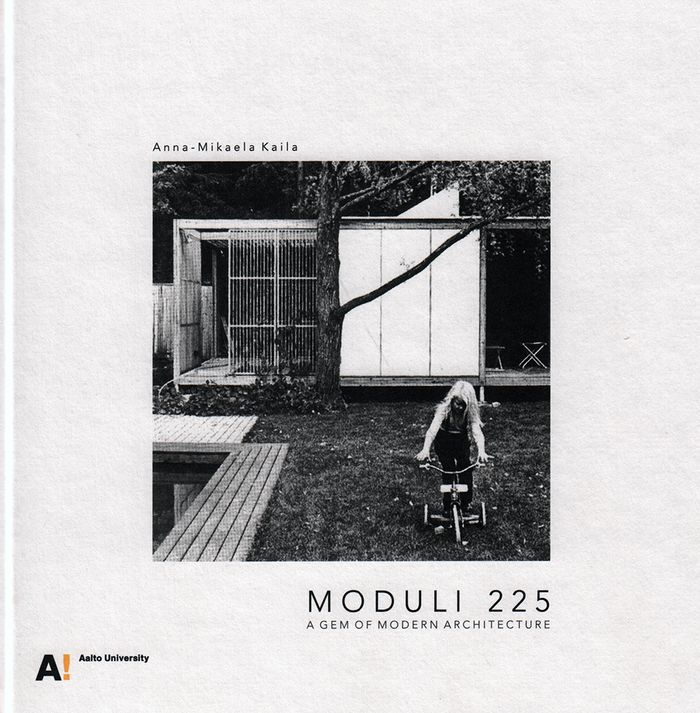
Moduli 225: a gem of modern architecture. Juhani Pallasmaa, Kristian Gullichsen
Actions:
Price:
$64.50
(available to order)
Summary:
Moduli 225 is a modular timber frame system for holiday homes developed from 1968 to 1974 by the Finnish architects Kristian Gullichsen and Juhani Pallasmaa. Through the use of prefabricated standard elements, the system allowed anyone to construct a building of high aesthetic quality in a flexible and modifiable way by combining components according to their personal preferences. Through the Moduli system, the industrial serial production of components was successfully combined with freedom of choice, individuality, proportional harmony, and modernist expression. The simple standard shape and geometry and the humane scale and harmony of proportion of Moduli all represent universal aesthetics.
Moduli 225: a gem of modern architecture. Juhani Pallasmaa, Kristian Gullichsen
Actions:
Price:
$64.50
(available to order)
Summary:
Moduli 225 is a modular timber frame system for holiday homes developed from 1968 to 1974 by the Finnish architects Kristian Gullichsen and Juhani Pallasmaa. Through the use of prefabricated standard elements, the system allowed anyone to construct a building of high aesthetic quality in a flexible and modifiable way by combining components according to their personal preferences. Through the Moduli system, the industrial serial production of components was successfully combined with freedom of choice, individuality, proportional harmony, and modernist expression. The simple standard shape and geometry and the humane scale and harmony of proportion of Moduli all represent universal aesthetics.
Form:
books
books
Publication:
December 2016
December 2016
Subject:
Modernism
Modernism
Form:
books
books
Actions:
Price:
$34.95
(available to order)
Summary:
Opening a long-closed window into the 1960s Communist Eastern Bloc, Motel Trogir explores the history and planning culture that produced a modernist utopian architecture in Yugoslavia. Conceived and built in 1965 by renowned architect Ivan Viti during a period of increased transit tourism, the motel stands by a highway on the Dalmatian coast. A fine example of(...)
$34.95
(available to order)
Summary:
Opening a long-closed window into the 1960s Communist Eastern Bloc, Motel Trogir explores the history and planning culture that produced a modernist utopian architecture in Yugoslavia. Conceived and built in 1965 by renowned architect Ivan Viti during a period of increased transit tourism, the motel stands by a highway on the Dalmatian coast. A fine example of(...)
Title:
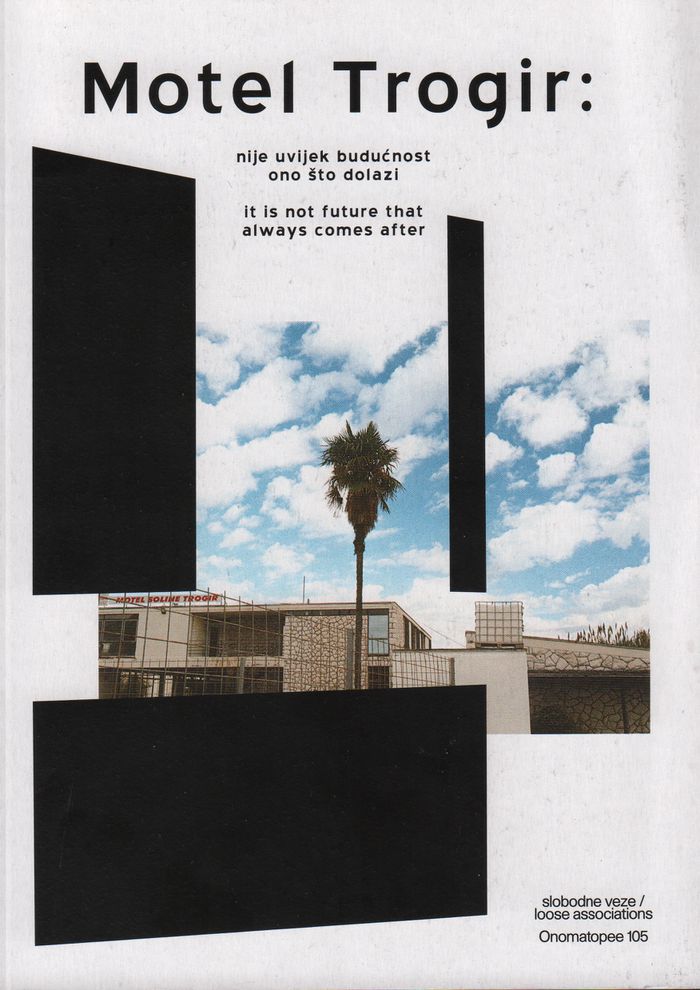
Motel Trogir: it is not future that always comes after
Actions:
Price:
$34.95
(available to order)
Summary:
Opening a long-closed window into the 1960s Communist Eastern Bloc, Motel Trogir explores the history and planning culture that produced a modernist utopian architecture in Yugoslavia. Conceived and built in 1965 by renowned architect Ivan Viti during a period of increased transit tourism, the motel stands by a highway on the Dalmatian coast. A fine example of 20th-century modernism, the motel is in a derelict state today due to unresolved property issues, and stands as a reminder of the former political economy.
Motel Trogir: it is not future that always comes after
Actions:
Price:
$34.95
(available to order)
Summary:
Opening a long-closed window into the 1960s Communist Eastern Bloc, Motel Trogir explores the history and planning culture that produced a modernist utopian architecture in Yugoslavia. Conceived and built in 1965 by renowned architect Ivan Viti during a period of increased transit tourism, the motel stands by a highway on the Dalmatian coast. A fine example of 20th-century modernism, the motel is in a derelict state today due to unresolved property issues, and stands as a reminder of the former political economy.
Form:
books
books
Publication:
September 2016
September 2016
Subject:
Modernism
Modernism
Form:
books
books
Actions:
Price:
$32.50
(available to order)
Summary:
A comprehensive travel guide dedicated to Germany’s Bauhaus architecture, this book takes an in-depth look at over 100 locations that can still be visited today. Established in 1919 in Weimar, the Bauhaus college for design influenced one of the world’s most important Modernist movements. Divided into three geographic sections that follow the locations of the(...)
$32.50
(available to order)
Summary:
A comprehensive travel guide dedicated to Germany’s Bauhaus architecture, this book takes an in-depth look at over 100 locations that can still be visited today. Established in 1919 in Weimar, the Bauhaus college for design influenced one of the world’s most important Modernist movements. Divided into three geographic sections that follow the locations of the(...)
Title:
Bauhaus travel book: Weimar Dessau Berlin
Actions:
Price:
$32.50
(available to order)
Summary:
A comprehensive travel guide dedicated to Germany’s Bauhaus architecture, this book takes an in-depth look at over 100 locations that can still be visited today. Established in 1919 in Weimar, the Bauhaus college for design influenced one of the world’s most important Modernist movements. Divided into three geographic sections that follow the locations of the school—Weimar (1919–25), Dessau (1925–33), and Berlin (1933)—this unique travel guide leads readers through the most important Bauhaus structures in Germany.
Bauhaus travel book: Weimar Dessau Berlin
Actions:
Price:
$32.50
(available to order)
Summary:
A comprehensive travel guide dedicated to Germany’s Bauhaus architecture, this book takes an in-depth look at over 100 locations that can still be visited today. Established in 1919 in Weimar, the Bauhaus college for design influenced one of the world’s most important Modernist movements. Divided into three geographic sections that follow the locations of the school—Weimar (1919–25), Dessau (1925–33), and Berlin (1933)—this unique travel guide leads readers through the most important Bauhaus structures in Germany.
Form:
books
books
Publication:
July 2017
July 2017
Subject:
Modernism
Modernism
Form:
books
books
Actions:
Price:
$57.50
(available in store)
Summary:
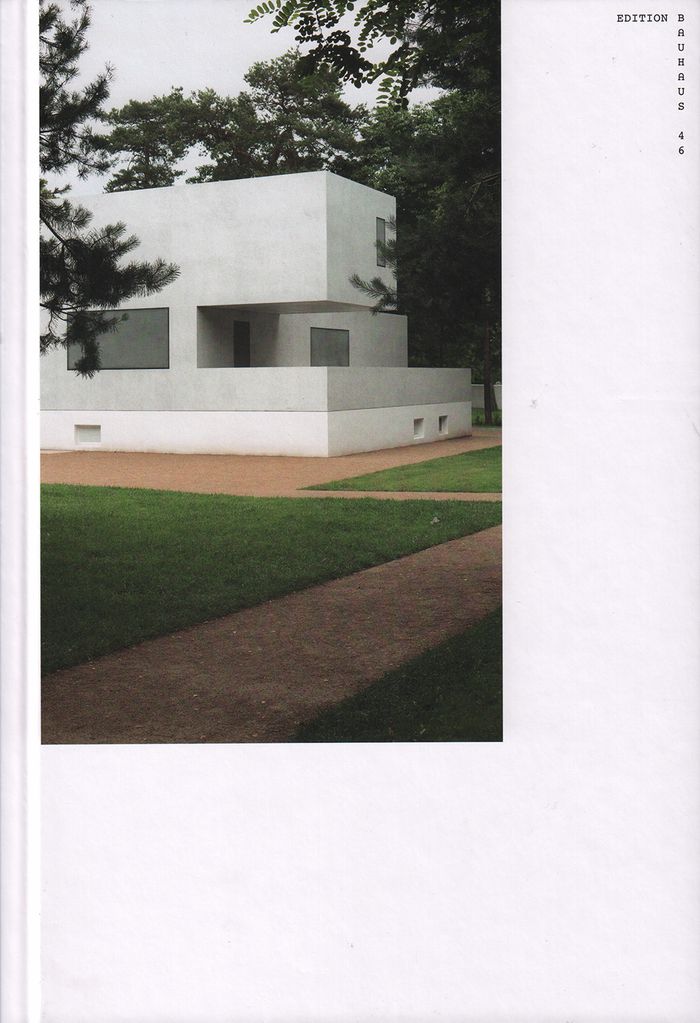
Edition Bauhaus 46 When Dessau was bombed in early 1945, the Director’s House and Moholy-Nagy’s Master House were reduced to rubble as well. After the Dessau Masters’ Houses – epitome of the 20th-century artists’ colony – had been restored to their original state in the 1990s, a debate began on the reconstruction of the two houses destroyed in the war. In 2010, after(...)
$57.50
(available in store)
Summary:
Edition Bauhaus 46 When Dessau was bombed in early 1945, the Director’s House and Moholy-Nagy’s Master House were reduced to rubble as well. After the Dessau Masters’ Houses – epitome of the 20th-century artists’ colony – had been restored to their original state in the 1990s, a debate began on the reconstruction of the two houses destroyed in the war. In 2010, after(...)
Title:
The new masters’ houses in Dessau, 1925–2014
Actions:
Price:
$57.50
(available in store)
Summary:
Edition Bauhaus 46 When Dessau was bombed in early 1945, the Director’s House and Moholy-Nagy’s Master House were reduced to rubble as well. After the Dessau Masters’ Houses – epitome of the 20th-century artists’ colony – had been restored to their original state in the 1990s, a debate began on the reconstruction of the two houses destroyed in the war. In 2010, after consultation with the British star architect David Chipperfield, the decision was made to recreate the Master Houses of Gropius and Moholy-Nagy using contemporary means, rather than rebuilding them 1:1. And so they have now been reconstructed on the basis of designs by the Berlin firm Bruno-Fioretti-Marquez, as innovative reductions and abstractions of the original houses. This volume describes the chequered history of the Dessau Masters’ Houses, presenting the reconstructed buildings for the first time in book form, with photographs by Armin Linke and Heidi Specker.
The new masters’ houses in Dessau, 1925–2014
Actions:
Price:
$57.50
(available in store)
Summary:
Edition Bauhaus 46 When Dessau was bombed in early 1945, the Director’s House and Moholy-Nagy’s Master House were reduced to rubble as well. After the Dessau Masters’ Houses – epitome of the 20th-century artists’ colony – had been restored to their original state in the 1990s, a debate began on the reconstruction of the two houses destroyed in the war. In 2010, after consultation with the British star architect David Chipperfield, the decision was made to recreate the Master Houses of Gropius and Moholy-Nagy using contemporary means, rather than rebuilding them 1:1. And so they have now been reconstructed on the basis of designs by the Berlin firm Bruno-Fioretti-Marquez, as innovative reductions and abstractions of the original houses. This volume describes the chequered history of the Dessau Masters’ Houses, presenting the reconstructed buildings for the first time in book form, with photographs by Armin Linke and Heidi Specker.
Form:
books
books
Publication:
March 2017
March 2017
Subject:
Modernism
Modernism
Form:
books
books
Actions:
Price:
$50.95
(available to order)
Summary:
What is the role of architecture if not to realize a shared vision of the “good life,” a vision that in the age of architectural modernism shaped—and was shaped by—a range of ideas about the home? With "The good life", Iñaki Ábalos serves as our guide for a tour of seven iconic twentieth-century homes that represent various concepts for living. Some of the homes were(...)
$50.95
(available to order)
Summary:
What is the role of architecture if not to realize a shared vision of the “good life,” a vision that in the age of architectural modernism shaped—and was shaped by—a range of ideas about the home? With "The good life", Iñaki Ábalos serves as our guide for a tour of seven iconic twentieth-century homes that represent various concepts for living. Some of the homes were(...)
Title:
The good life: a guided visit to the houses of modernity
Actions:
Price:
$50.95
(available to order)
Summary:
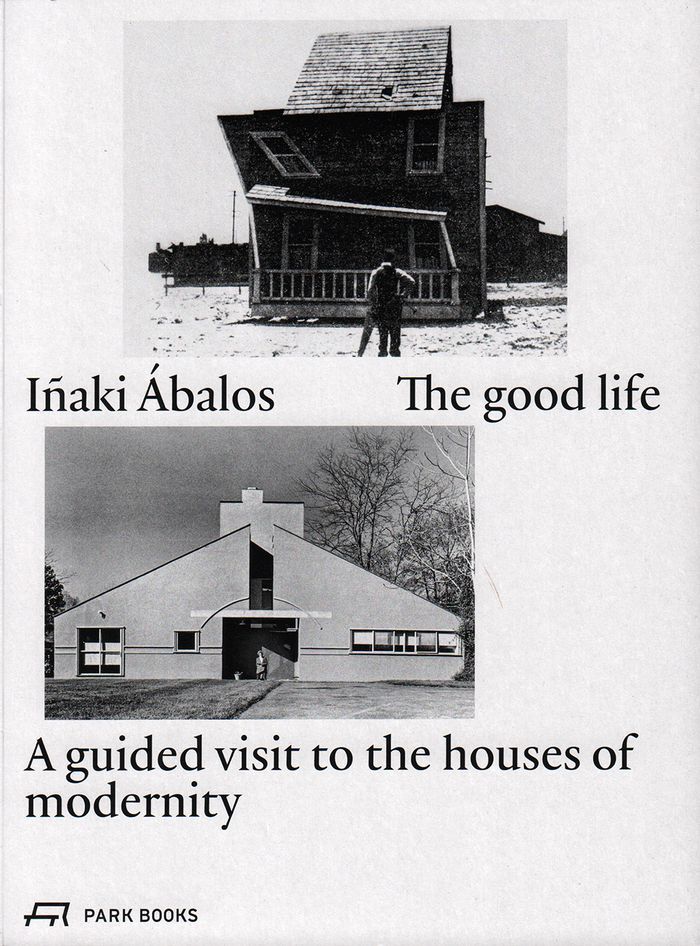
What is the role of architecture if not to realize a shared vision of the “good life,” a vision that in the age of architectural modernism shaped—and was shaped by—a range of ideas about the home? With "The good life", Iñaki Ábalos serves as our guide for a tour of seven iconic twentieth-century homes that represent various concepts for living. Some of the homes were actually built, while others were merely planned, painted, or created as part of a film set. We see Mies van der Rohe’s House with Three Patios, Martin Heidegger’s cabin in the Black Forest, Picasso’s Villa La Californie in Cannes, and the New York loft that Andy Warhol called The Factory. From the ultramodern geometric houses and gardens in Jacques Tati’s Mon Oncle, we travel to the famed hobby-kit house in Buster Keaton’s One Week and on to the sunny swimming pool and home in David Hockney’s painting A Bigger Splash. Ábalos guides readers through the key philosophical precepts that likely guided the creation of these homes, making insightful points about the relationship between ideas about a particular modern way of living and approaches to architecture and design. What he concludes is that modernism marks less a coherent triumph of positivism, as is often assumed, than a loose celebration of the radical pluralism of the twentieth century.
The good life: a guided visit to the houses of modernity
Actions:
Price:
$50.95
(available to order)
Summary:
What is the role of architecture if not to realize a shared vision of the “good life,” a vision that in the age of architectural modernism shaped—and was shaped by—a range of ideas about the home? With "The good life", Iñaki Ábalos serves as our guide for a tour of seven iconic twentieth-century homes that represent various concepts for living. Some of the homes were actually built, while others were merely planned, painted, or created as part of a film set. We see Mies van der Rohe’s House with Three Patios, Martin Heidegger’s cabin in the Black Forest, Picasso’s Villa La Californie in Cannes, and the New York loft that Andy Warhol called The Factory. From the ultramodern geometric houses and gardens in Jacques Tati’s Mon Oncle, we travel to the famed hobby-kit house in Buster Keaton’s One Week and on to the sunny swimming pool and home in David Hockney’s painting A Bigger Splash. Ábalos guides readers through the key philosophical precepts that likely guided the creation of these homes, making insightful points about the relationship between ideas about a particular modern way of living and approaches to architecture and design. What he concludes is that modernism marks less a coherent triumph of positivism, as is often assumed, than a loose celebration of the radical pluralism of the twentieth century.
Form:
books
books
Publication:
October 2017
October 2017
Subject:
Modernism
Modernism
Form:
books
books
Actions:
Price:
$79.95
(available to order)
Summary:
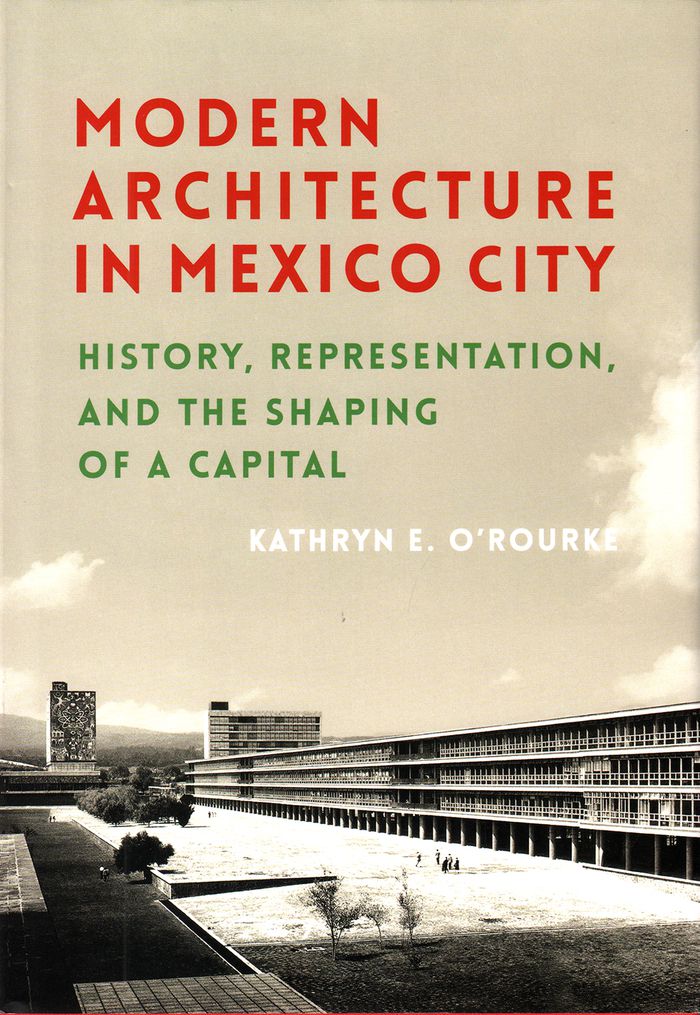
Kathryn E. O’Rourke offers a new interpretation of the development of modern architecture in the Mexican capital, showing close links between design, evolving understandings of national architectural history, folk art, and social reform.
$79.95
(available to order)
Summary:
Kathryn E. O’Rourke offers a new interpretation of the development of modern architecture in the Mexican capital, showing close links between design, evolving understandings of national architectural history, folk art, and social reform.
Title:
Modern architecture in Mexico city
Actions:
Price:
$79.95
(available to order)
Summary:
Kathryn E. O’Rourke offers a new interpretation of the development of modern architecture in the Mexican capital, showing close links between design, evolving understandings of national architectural history, folk art, and social reform.
Modern architecture in Mexico city
Actions:
Price:
$79.95
(available to order)
Summary:
Kathryn E. O’Rourke offers a new interpretation of the development of modern architecture in the Mexican capital, showing close links between design, evolving understandings of national architectural history, folk art, and social reform.
Form:
books
books
Publication:
January 2017
January 2017
Subject:
Modernism
Modernism
Form:
books
books
Title:
Bauhaus futures
Bauhaus futures
Actions:
Price:
$47.00
(available to order)
Summary:
A century after its founding by Walter Gropius in Weimar, Germany, as an "experimental laboratory of the future," who are the pioneering experimentalists who reinscribe or resist Bauhaus traditions? This book explores the varied legacies, influences, and futures of the Bauhaus. Many of the animating issues of the Bauhaus—its integration of research, teaching, and(...)
$47.00
(available to order)
Summary:
A century after its founding by Walter Gropius in Weimar, Germany, as an "experimental laboratory of the future," who are the pioneering experimentalists who reinscribe or resist Bauhaus traditions? This book explores the varied legacies, influences, and futures of the Bauhaus. Many of the animating issues of the Bauhaus—its integration of research, teaching, and(...)
Subject:
Modernism
Modernism
Publication:
October 2019
October 2019
Title:
Bauhaus futures
Actions:
Price:
$47.00
(available to order)
Summary:
A century after its founding by Walter Gropius in Weimar, Germany, as an "experimental laboratory of the future," who are the pioneering experimentalists who reinscribe or resist Bauhaus traditions? This book explores the varied legacies, influences, and futures of the Bauhaus. Many of the animating issues of the Bauhaus—its integration of research, teaching, and practice; its experimentation with materials; its democratization of design; its open-minded, heterogeneous approach to ideas, theories, methods, and styles—remain relevant. The contributors to "Bauhaus futures" address these but go further, considering issues that design has largely ignored for the last hundred years: gender, race, ethnicity, class, sexuality, and disability. Their contributions take the form of essays, photo-essays, interviews, manifestos, diagrams, and even a play. They discuss, among other things, the Bauhaus curriculum and its contemporary offshoots; Bauhaus legacies at the MIT Media Lab, Black Mountain College, and elsewhere; the conflict between the Bauhaus ideal of humanist universalism and current approaches to design concerned with race and justice; designed objects, from the iconic to the precarious; textile and weaving work by women in the Bauhaus and the present day; and design and technology.
Bauhaus futures
Actions:
Price:
$47.00
(available to order)
Summary:
A century after its founding by Walter Gropius in Weimar, Germany, as an "experimental laboratory of the future," who are the pioneering experimentalists who reinscribe or resist Bauhaus traditions? This book explores the varied legacies, influences, and futures of the Bauhaus. Many of the animating issues of the Bauhaus—its integration of research, teaching, and practice; its experimentation with materials; its democratization of design; its open-minded, heterogeneous approach to ideas, theories, methods, and styles—remain relevant. The contributors to "Bauhaus futures" address these but go further, considering issues that design has largely ignored for the last hundred years: gender, race, ethnicity, class, sexuality, and disability. Their contributions take the form of essays, photo-essays, interviews, manifestos, diagrams, and even a play. They discuss, among other things, the Bauhaus curriculum and its contemporary offshoots; Bauhaus legacies at the MIT Media Lab, Black Mountain College, and elsewhere; the conflict between the Bauhaus ideal of humanist universalism and current approaches to design concerned with race and justice; designed objects, from the iconic to the precarious; textile and weaving work by women in the Bauhaus and the present day; and design and technology.
Form:
books
books
Publication:
October 2019
October 2019
Subject:
Modernism
Modernism
Form:
books
books
Price:
$54.95
(available to order)
Summary:
This book unites the pioneering work of six artists and designers: Clara Porset, Lola Álvarez Bravo, Anni Albers, Ruth Asawa, Cynthia Sargent, Sheila Hicks. Inspired by both local traditions and modern methods, these women made art that reflected and contributed to Mexico’s rich artistic landscape at the height of the modern period. Their work was rooted in modernism and(...)
$54.95
(available to order)
Summary:
This book unites the pioneering work of six artists and designers: Clara Porset, Lola Álvarez Bravo, Anni Albers, Ruth Asawa, Cynthia Sargent, Sheila Hicks. Inspired by both local traditions and modern methods, these women made art that reflected and contributed to Mexico’s rich artistic landscape at the height of the modern period. Their work was rooted in modernism and(...)
Title:
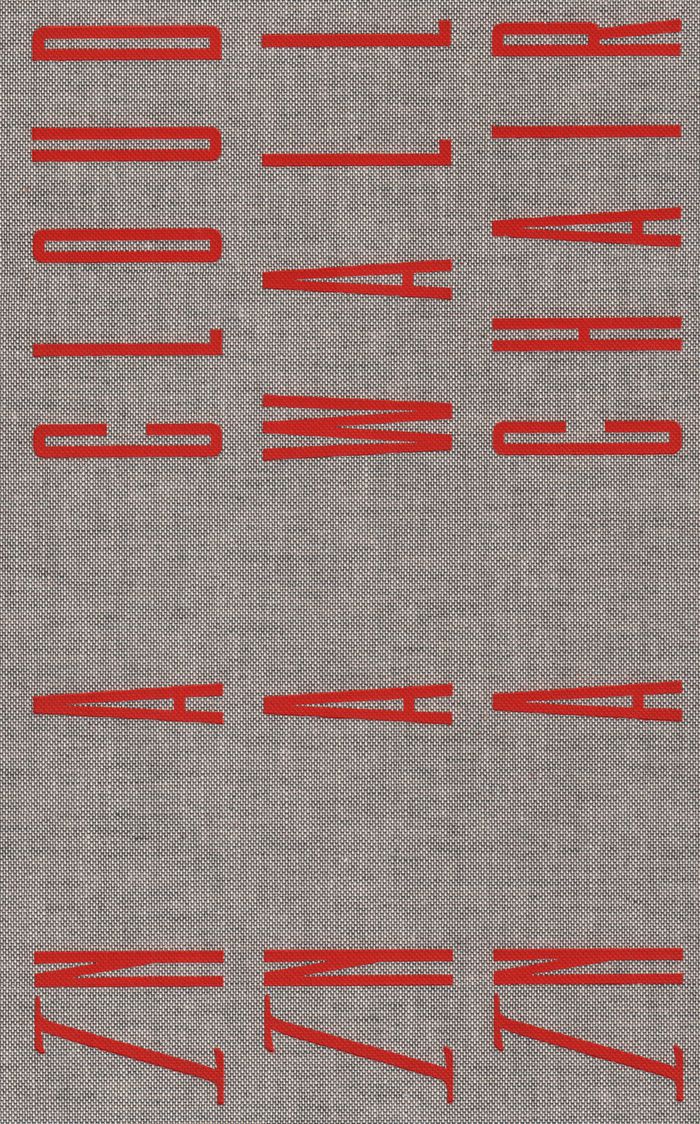
In a cloud, in a wall, in a chair: six modernists in Mexico at midcentury
Actions:
Price:
$54.95
(available to order)
Summary:
This book unites the pioneering work of six artists and designers: Clara Porset, Lola Álvarez Bravo, Anni Albers, Ruth Asawa, Cynthia Sargent, Sheila Hicks. Inspired by both local traditions and modern methods, these women made art that reflected and contributed to Mexico’s rich artistic landscape at the height of the modern period. Their work was rooted in modernism and grounded in abstraction.This constellation of like-minded practitioners shared an affinity for Mexico, a country all lived in or visited between the 1940s and the 1970s. In bringing their works together, this book offers a new lens on modernism in Mexico.
In a cloud, in a wall, in a chair: six modernists in Mexico at midcentury
Actions:
Price:
$54.95
(available to order)
Summary:
This book unites the pioneering work of six artists and designers: Clara Porset, Lola Álvarez Bravo, Anni Albers, Ruth Asawa, Cynthia Sargent, Sheila Hicks. Inspired by both local traditions and modern methods, these women made art that reflected and contributed to Mexico’s rich artistic landscape at the height of the modern period. Their work was rooted in modernism and grounded in abstraction.This constellation of like-minded practitioners shared an affinity for Mexico, a country all lived in or visited between the 1940s and the 1970s. In bringing their works together, this book offers a new lens on modernism in Mexico.
Form:
books
books
Publication:
September 2019
September 2019
Subject:
Modernism
Modernism
Form:
books
books
Actions:
Price:
$195.00
(available to order)
Summary:
A collection of more than 400 homes from more than 290 architects, the ''Atlas of Mid-Century Modern Houses'' showcases work by such icons as Marcel Breuer, Richard Neutra, Alvar Aalto, and Oscar Niemeyer, and more. The book is organized geographically into nine continental regions- North America, Central America, South America, Europe North, Europe South, Middle East,(...)
$195.00
(available to order)
Summary:
A collection of more than 400 homes from more than 290 architects, the ''Atlas of Mid-Century Modern Houses'' showcases work by such icons as Marcel Breuer, Richard Neutra, Alvar Aalto, and Oscar Niemeyer, and more. The book is organized geographically into nine continental regions- North America, Central America, South America, Europe North, Europe South, Middle East,(...)
Title:
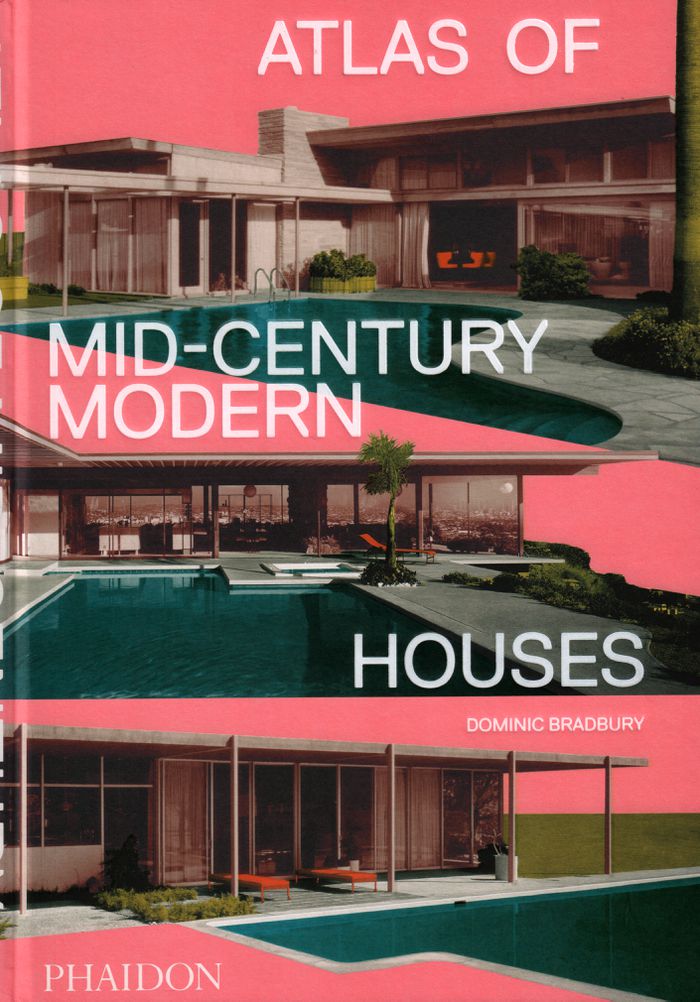
Atlas of mid-century modern houses
Actions:
Price:
$195.00
(available to order)
Summary:
A collection of more than 400 homes from more than 290 architects, the ''Atlas of Mid-Century Modern Houses'' showcases work by such icons as Marcel Breuer, Richard Neutra, Alvar Aalto, and Oscar Niemeyer, and more. The book is organized geographically into nine continental regions- North America, Central America, South America, Europe North, Europe South, Middle East, Africa, Asia and Australasia- and includes classic mid-century modern buildings as well as lesser-known examples across the globe, proving that mid-century modernism was truly an international architectural phenomenon.
Atlas of mid-century modern houses
Actions:
Price:
$195.00
(available to order)
Summary:
A collection of more than 400 homes from more than 290 architects, the ''Atlas of Mid-Century Modern Houses'' showcases work by such icons as Marcel Breuer, Richard Neutra, Alvar Aalto, and Oscar Niemeyer, and more. The book is organized geographically into nine continental regions- North America, Central America, South America, Europe North, Europe South, Middle East, Africa, Asia and Australasia- and includes classic mid-century modern buildings as well as lesser-known examples across the globe, proving that mid-century modernism was truly an international architectural phenomenon.
Form:
books
books
Publication:
October 2019
October 2019
Subject:
Modernism
Modernism


